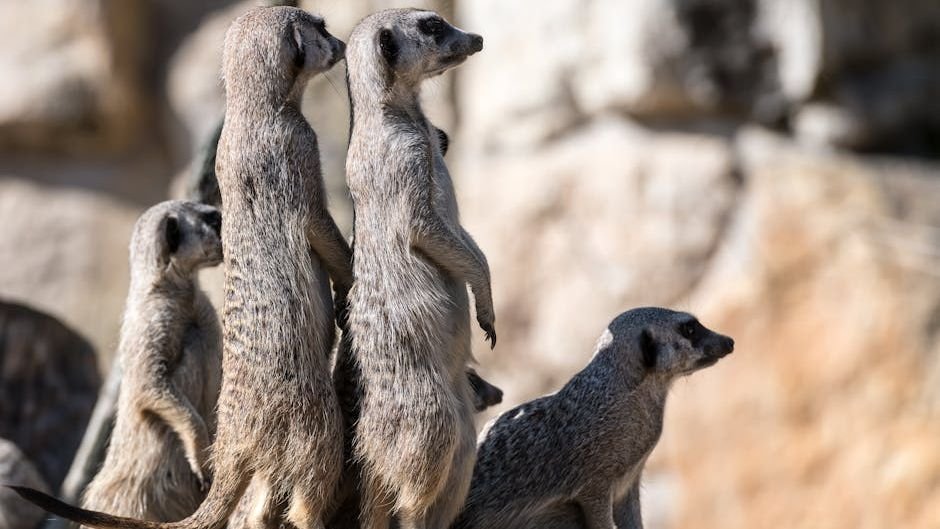
You grow up being told that nature is ruthless: only the strongest survive, everything eats everything, and it is all a cold, efficient struggle. Then you see a meerkat standing guard instead of eating, or a bird feeding another adult that is not its mate, or a dolphin propping up an injured companion so it can breathe. Suddenly, the old story of pure competition starts to feel incomplete. Something else is going on, something that looks suspiciously like kindness.
Animal altruism sits right in that strange space between instinct and morality. You see behaviors that look almost heroic, but the explanations run through genes, survival strategies, and the deep math of evolution. As you peel back the layers, you realize you are not just learning about penguins or bats; you are also seeing a mirror held up to your own motives. Are you generous because you are good, or because generosity secretly works?
The Strange Logic Of Helping Others In A Competitive World
If you think of nature as an arena where every animal is only out for itself, true altruism feels impossible. Yet you see behaviors where an individual pays a real price: it spends energy, risks death, or loses a chance to reproduce so another animal can benefit. When a bird gives alarm calls that draw a predator’s attention to itself, or when a social insect works its entire life without reproducing, your first reaction might be confusion: how does that not get wiped out by natural selection?
Evolutionary biology solves this puzzle with a twist: helping others can sometimes be the best way for your genes to win. You are not just a lone body walking around; you are part of a genetic network spread across relatives, allies, and even long-term partners. Once you see this, self-sacrifice starts to look less like a glitch and more like a strategy, especially when it is aimed at individuals who share your genes or who will repay the favor later.
Kin Selection: When Sacrifice For Family Still Benefits You
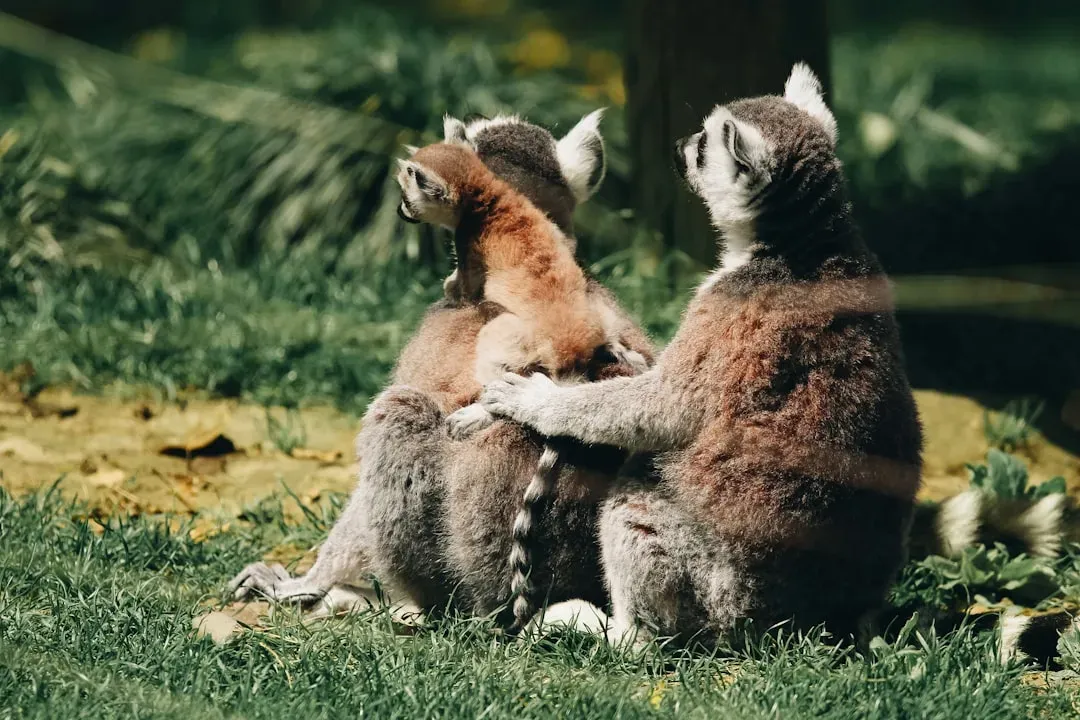
Imagine you jump into a river to save your sibling but not a stranger; on a gut level, that difference already makes sense to you. Evolutionary theory gives it a sharper edge: helping a close relative can still move your own genes into the future because you share a large portion of your DNA. You see this logic in nature when ground squirrels give alarm calls that put them in danger while often protecting nearby family members, or when cooperative breeders, like some bird species, help raise siblings instead of having their own young.
You can think of it like an investment portfolio that is spread across multiple bodies. Your own survival and reproduction matter, but so does the success of close relatives, especially offspring and full siblings. This is why you see extreme cases in social insects, such as worker bees and ants, who never reproduce yet tirelessly protect and feed their queen and her brood. From the outside, that looks like complete selflessness; under the hood, it is a ruthless efficiency in moving shared genes forward.
Reciprocal Altruism: You Help Me Today, I Help You Tomorrow
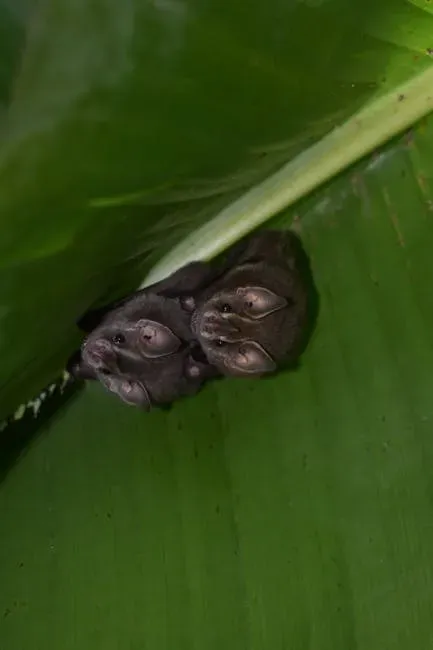
Not every act of animal kindness is about family. Sometimes you see unrelated individuals helping each other in ways that seem puzzling at first. Vampire bats, for example, will share a precious blood meal with unrelated roost mates that failed to feed that night, even though giving up that food is risky. The bat that shares could go hungry later, so why does it do this?
The answer lies in repeated interactions and memory: when you live in stable groups and can recognize individuals, favors can be tracked. You help a partner today, and later, when you are in trouble, that partner is more likely to help you. As long as cheaters are noticed and eventually punished by being excluded or refused help, reciprocal altruism stays stable. When you look at your own life – friends who trade favors, coworkers who cover for each other – you are basically watching the same ancient logic play out in human form.
Sentinels, Babysitters, And Bodyguards: Cooperation In Social Mammals
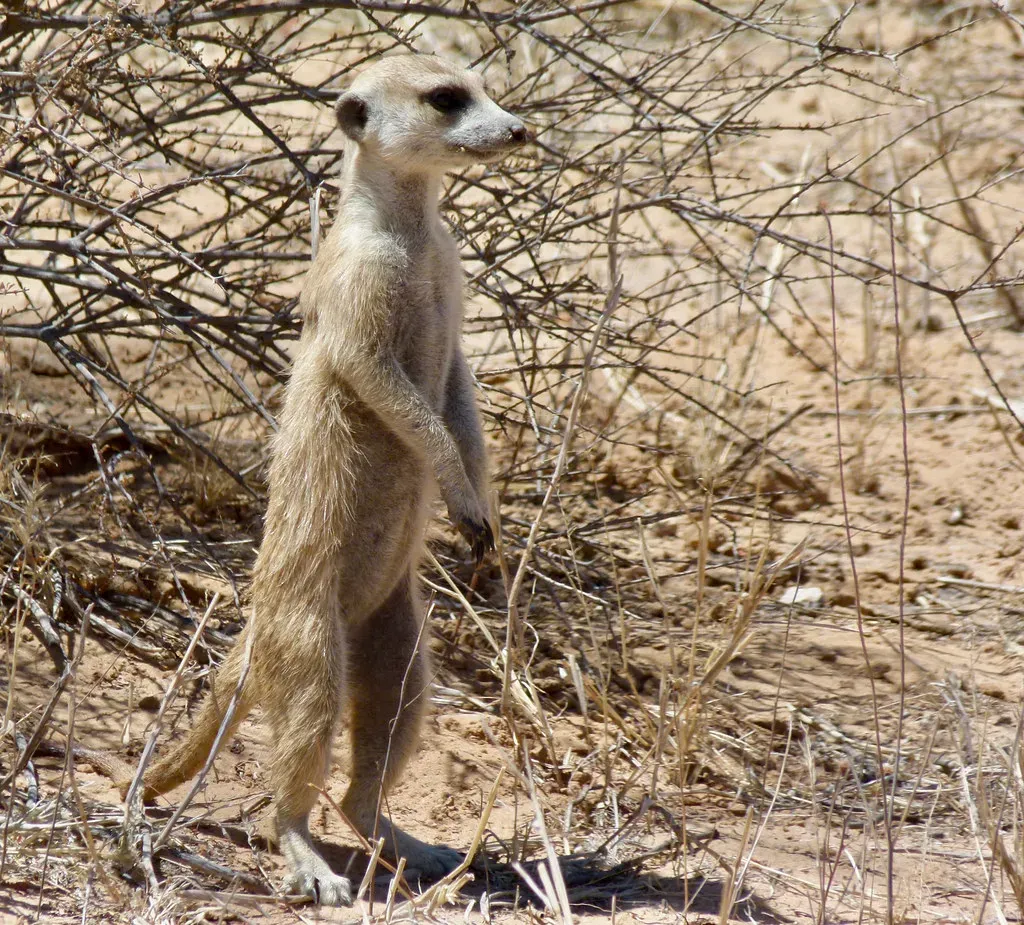
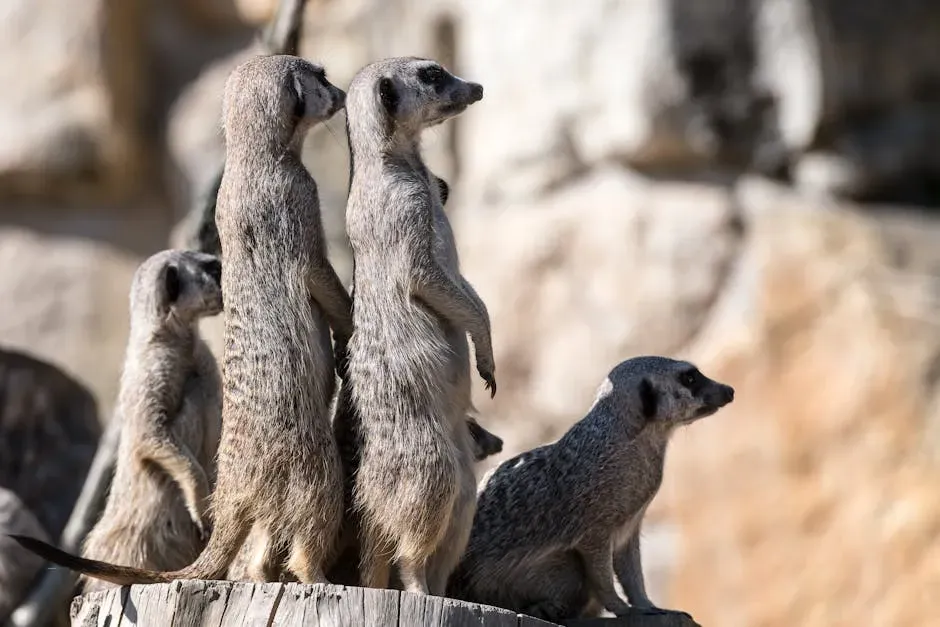
In many social mammals, you see amazing division of labor that directly benefits the group at a cost to certain individuals. Meerkats are a classic example: while others forage, one individual acts as a sentinel, scanning for predators and sounding the alarm. That guard cannot eat while on duty and may be the first target if a predator attacks, yet the behavior persists and is common in their groups.
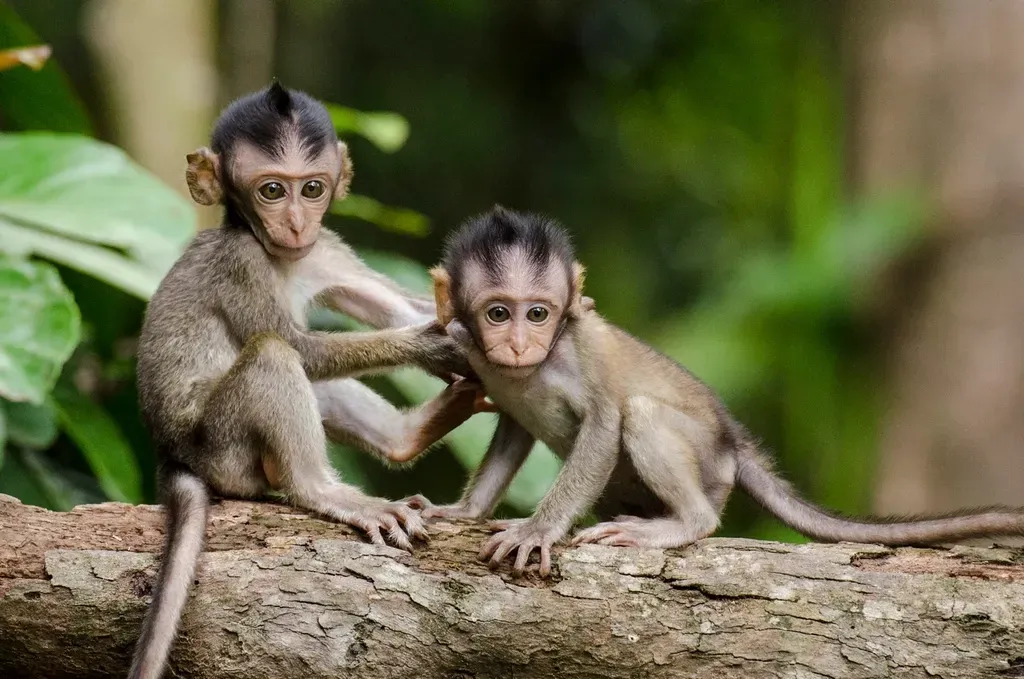
You also see cooperative care of young, where animals help raise offspring that are not their own. African wild dogs hunt in coordinated packs and regurgitate food to feed pups and even injured pack members. Some monkey and marmoset species have helpers that carry babies, share food, and protect them from danger. For you, it might feel like unpaid overtime; for them, it is a deeply wired system that boosts the entire group’s survival and, often, the success of shared genes.
Altruism In The Ocean: Dolphins, Whales, And Underwater Rescues
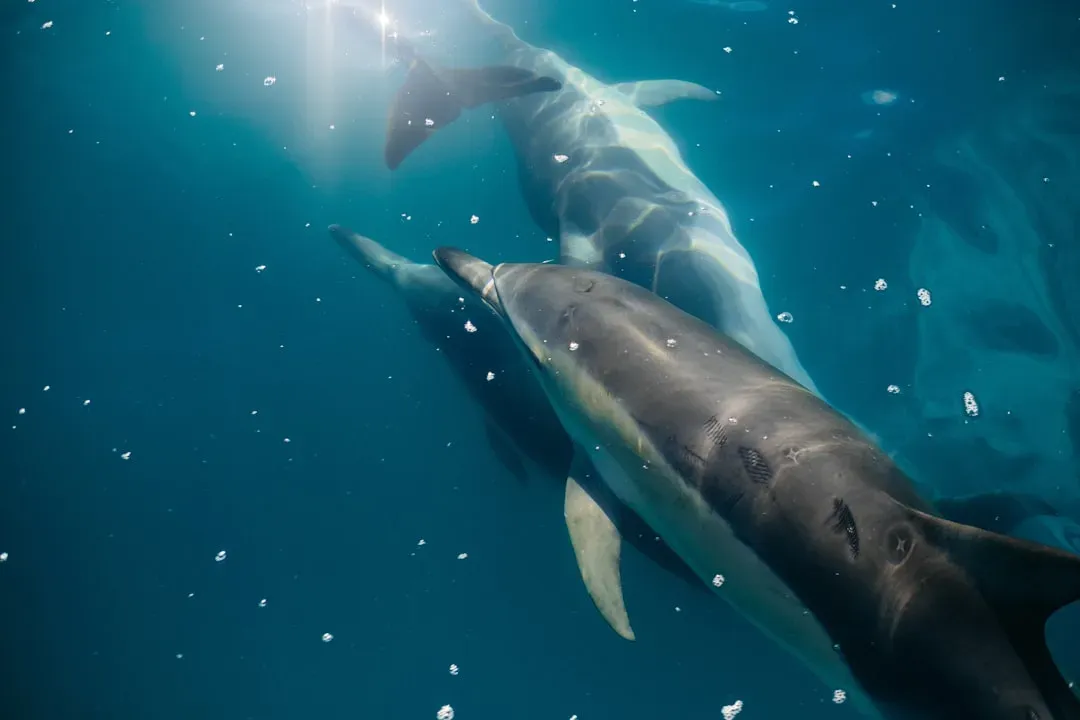
The sea offers some of the most striking stories of animal altruism, especially among dolphins and whales. You have reports of dolphins supporting injured or sick individuals at the surface so they can breathe, a risky and energy-demanding act. There are also documented cases where these animals appear to defend others against predators, such as forming protective circles around vulnerable individuals. Even when you interpret these behaviors cautiously, they still show cooperation that goes beyond immediate self-interest.
You sometimes hear about dolphins or whales interacting in protective ways with other species, including humans. While these events are harder to study systematically, they push you to confront a tricky question: how far can empathy or cooperative behavior extend beyond your own kind? Whether every dramatic story survives scientific scrutiny or not, the consistent pattern is that these marine mammals live in complex social groups where support, coordination, and what looks like emotional connection all play central roles.
Hidden Costs And Quiet Benefits: Why Altruism Is Rare But Powerful
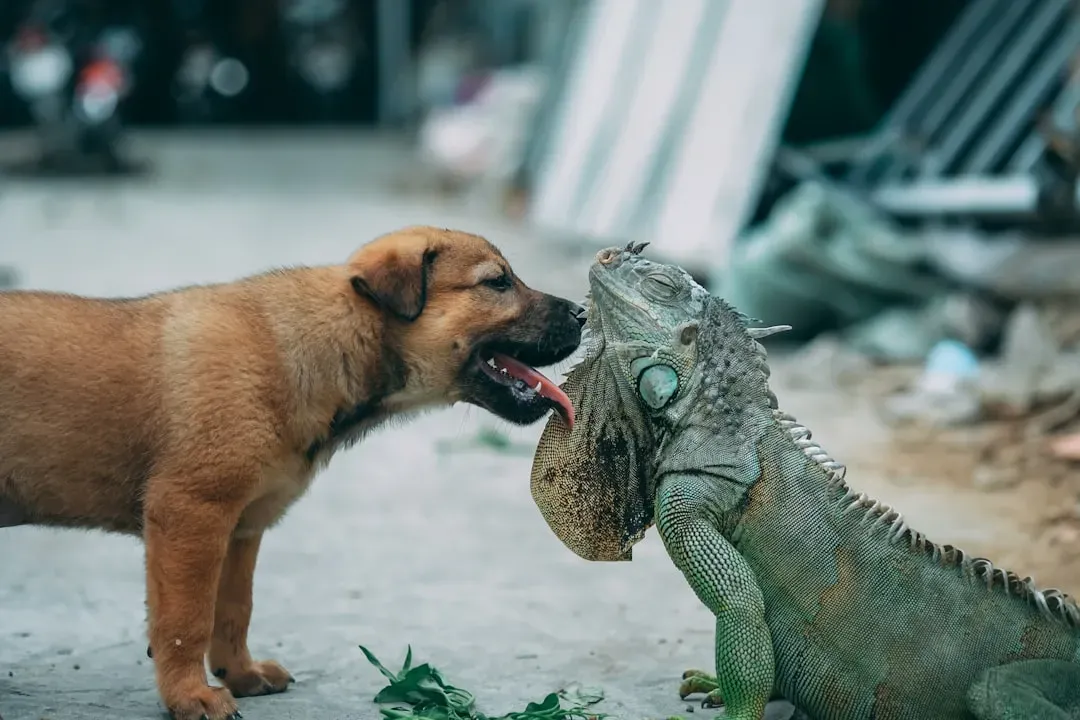
For every heartwarming example of animal altruism you come across, there are countless moments where individuals do not help. That is important for you to remember: altruism is not the default setting in nature; it appears where the conditions make it pay off in the long run. If a behavior is too costly and the benefits do not reliably loop back through shared genes or returned favors, it tends to disappear over evolutionary time. That is why you do not see every species forming babysitting co-ops or food-sharing networks.
When altruism does appear and stick, it is usually because the math quietly works. The costs to the helper are limited or rare, while the benefits to relatives or reliable partners are large and frequent. You might see this in how certain birds give alarm calls mainly when their close kin are nearby, or how food sharing is more common in small, stable groups where cheaters cannot hide. Standing back, you can think of these systems like carefully balanced ledgers: generosity is allowed, even encouraged, but the books still have to add up.
What Animal Altruism Reveals About Your Own Morality
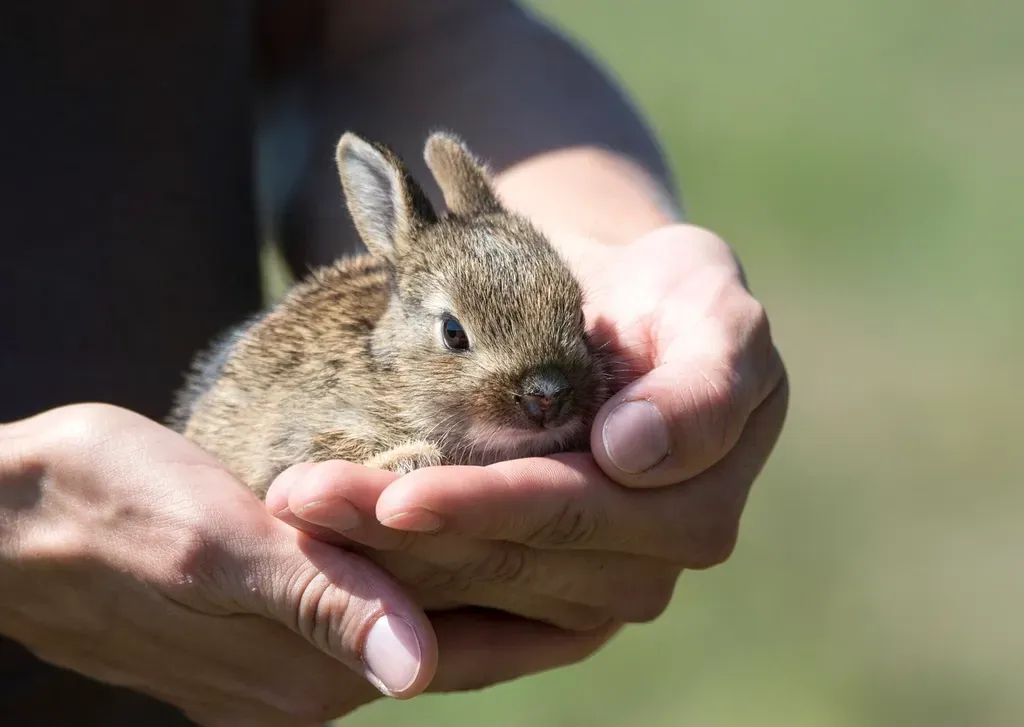
Once you understand the evolutionary logic of altruism, you might feel a little deflated, like someone just explained the trick behind a magic show. But if you sit with it, the story becomes richer, not poorer. You see that the capacity to care, to cooperate, to step in for others, is not an accident in your species; it is built on ancient patterns that have been tested again and again in the wild. Your instincts to help family, to support loyal friends, and even to feel outrage at freeloaders all carry echoes of those same pressures.
At the same time, you are not locked into biology. You can care for a stranger in a country you will never visit, donate to a cause that will never repay you, or save an animal you will never see again. Animal altruism gives you the roots of the story – the ways kinship, reciprocity, and group living shape helping behavior. Your uniquely human culture, reflection, and moral imagination take that raw material and stretch it far beyond anything a meerkat or bat could manage.
Conclusion: A Wilder, Warmer Picture Of Nature
When you put all these pieces together, the story of animal life stops being a simple tale of tooth and claw. Instead, you see a living mosaic of competition threaded with cooperation, self-interest braided with sacrifice. From insects that work their whole lives without reproducing, to marine mammals that seem to risk themselves for injured companions, you are looking at a world where helping and surviving are not opposites but partners.
For you, the enigma of animal altruism is less about asking whether nature is kind or cruel and more about recognizing how deeply entangled those two forces really are. You inherit a biological legacy that makes caring possible, and then you choose what to do with it – who to protect, who to share with, and how far your circle of concern will reach. The next time you see a story about an animal risking itself for another, you might find yourself wondering: if evolution can make room for that, what might you be capable of choosing, too?