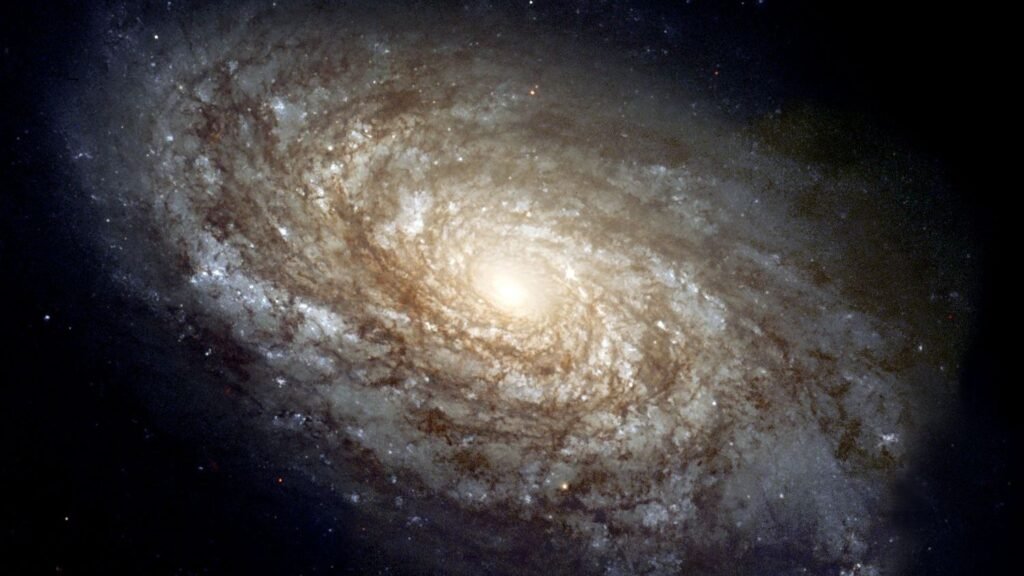
If you could hit pause on the universe and zoom out far enough, you’d see something almost unsettling: galaxies are not just drifting apart, they’re racing away from one another faster and faster over time. It’s as if the entire cosmos is riding an invisible escalator that keeps speeding up, and you’re stuck on it whether you like it or not. For decades, astronomers assumed gravity would eventually slow this grand expansion down. Instead, you live in a universe that seems determined to accelerate into an ever more distant future.
That strange behavior led scientists to one of the boldest ideas in modern physics: some mysterious form of energy is built into the very fabric of space itself, pushing everything outward. You’ve probably heard the name for it – dark energy – even if it still sounds like a plot device from science fiction. Yet it’s a real problem, with real data behind it, and it shapes the fate of every galaxy, every star, and ultimately, your cosmic future. Let’s unpack what that actually means for you and your universe.
The Shocking Discovery: Realizing the Universe Is Speeding Up
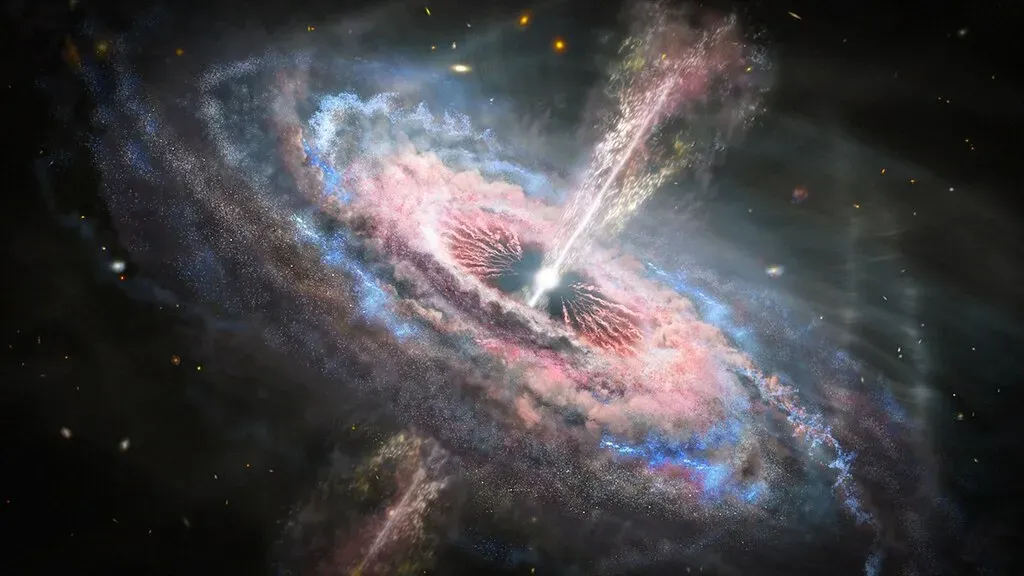
Imagine expecting to throw a ball into the air and watch it slow down, only to see it suddenly accelerate upward instead. That’s essentially what astronomers discovered in the late nineteen‑nineties when they carefully measured how fast distant galaxies were moving away from you. They used exploding stars called Type Ia supernovae as cosmic yardsticks, because their predictable brightness lets you gauge how far away they are and how the expansion has changed over time. What they found was deeply counterintuitive: instead of slowing down, the universe’s expansion has been speeding up over the past few billion years.
For you, this discovery flipped the story of the cosmos. Before this, the big questions were about whether the universe would eventually stop expanding and collapse, or expand forever while gradually slowing. Suddenly, a new question jumped to the front: what invisible force could be overpowering gravity on the largest scales and giving the universe an extra push? That realization forced theorists and observers to rethink some of the most basic assumptions about space, time, and matter. It’s not just a small correction; it’s like discovering you’ve been reading the wrong ending to the book of the universe.
What Dark Energy Actually Means (And What It Does Not)
When you hear “dark energy,” it’s easy to imagine some kind of exotic space fuel or mysterious cosmic wind shoving galaxies around. In reality, you’re dealing with something quieter and stranger: a property of empty space that behaves like a constant, very gentle pressure pushing in all directions. You don’t feel it locally because its effect is incredibly tiny on small scales, like in your solar system or even your galaxy. But when you look across billions of light‑years, that tiny push adds up and starts to dominate the behavior of the universe as a whole.
This is not the same as dark matter, even though the names make them sound like a matched set. Dark matter clumps together, adds extra gravity, and helps form galaxies; dark energy does the opposite by driving space to expand more quickly. You can think of dark matter as extra weight that pulls things together, while dark energy is like a built‑in tension in the cosmic fabric that makes space itself stretch. When you read that most of the energy in the universe today seems to be dark energy, it means this stretching effect now outweighs the gravitational pull of all matter – visible and invisible – combined.
Einstein’s Cosmological Constant: A “Blunder” That May Have Been Right
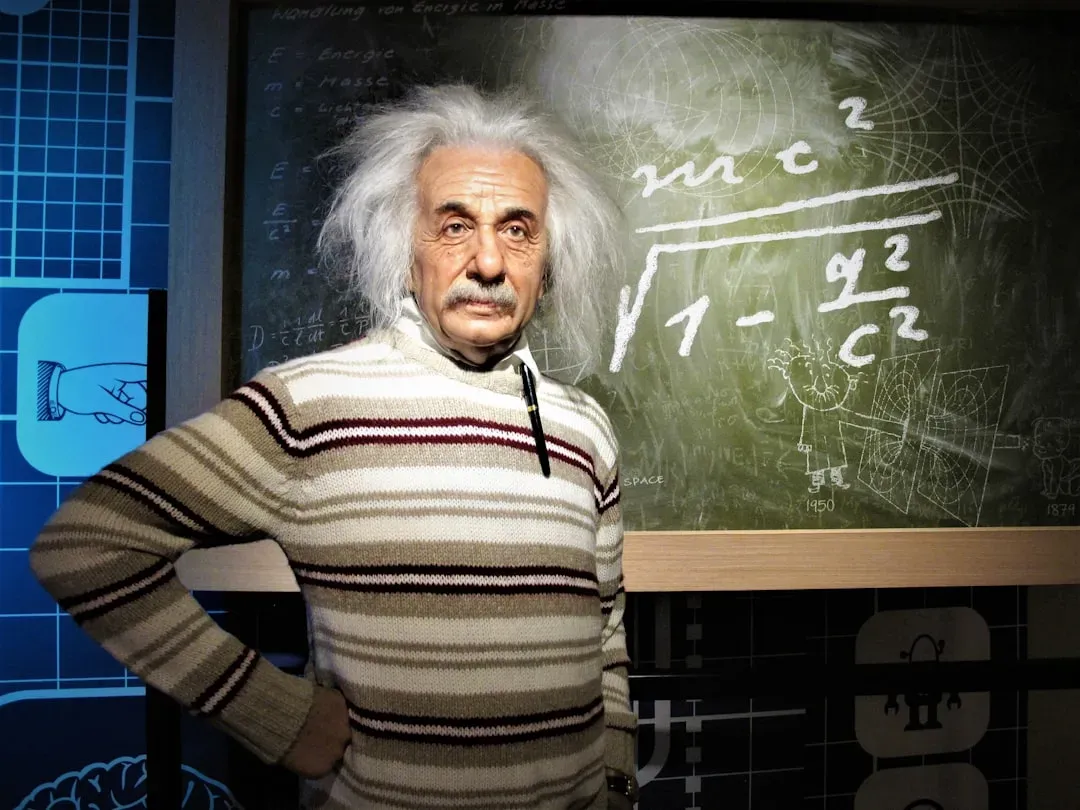
Long before anyone talked about dark energy, Einstein slipped an extra term into his equations of gravity called the cosmological constant. At the time, he believed the universe was static, neither expanding nor contracting, and his original equations predicted motion. To cancel that motion, he added a kind of built‑in repulsive effect to space itself. Later, when observations revealed the universe was actually expanding, he reportedly dismissed this tweak as a big mistake and dropped it from favor.
From your vantage point today, that old idea suddenly looks remarkably relevant. The simplest explanation for dark energy is that Einstein’s cosmological constant is real: empty space naturally contains a tiny, uniform energy density that does not thin out as the universe expands. As more space appears, more of this vacuum energy appears with it, keeping its overall density roughly the same and maintaining a steady push. You can picture it like an endless stretchy fabric that generates its own tension as it grows. Whether this constant truly comes from quantum fields, something deeper in gravity, or something you have not even thought of yet is still an open question – but the basic mathematical form fits the data surprisingly well.
How You Know Dark Energy Is Really There (And Not Just a Math Trick)
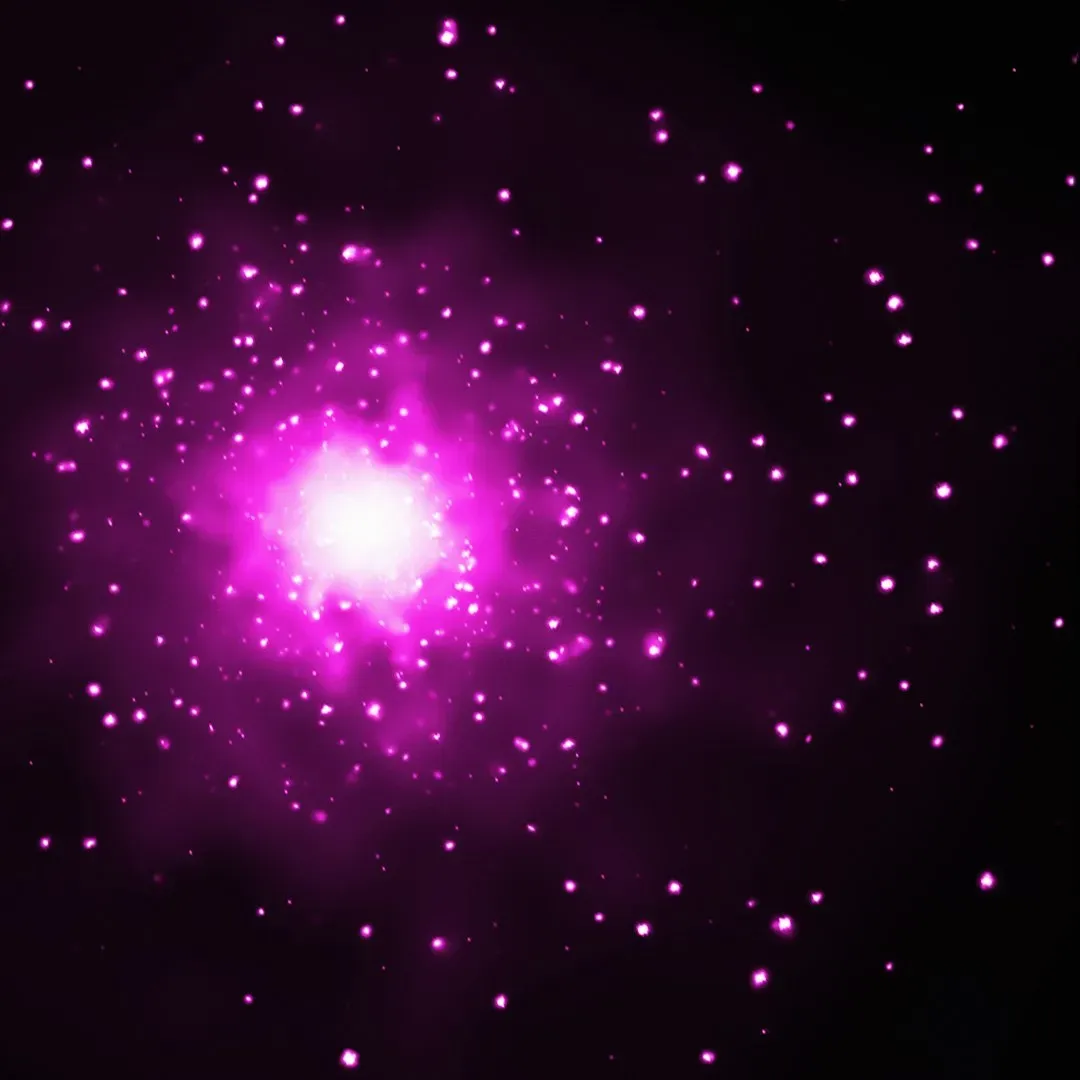
You might wonder whether dark energy is just a clever fudge factor rather than something real. The key point is that multiple, independent lines of evidence all point toward the same conclusion. Those supernova measurements are one line, but you also have patterns in the cosmic microwave background – the faint afterglow of the Big Bang – that reveal the universe’s composition and geometry. When you combine these with large‑scale galaxy surveys that map how structure has grown over billions of years, the data consistently indicate that a smooth, repulsive energy component dominates the cosmos today.
In other words, you’re not relying on a single quirky observation. Different experiments, using different methods and looking at different epochs in cosmic history, all reinforce the picture of an accelerating universe. When you adjust the models and try to remove dark energy, the pieces stop fitting together: the distances to galaxies no longer match the imprint of early‑universe sound waves, and the observed clustering of galaxies becomes inconsistent. That convergence of evidence does not tell you exactly what dark energy is made of, but it strongly suggests that something with its behavior is genuinely out there, shaping the evolution of space itself.
Why Galaxies Get Pulled Together Locally but Pushed Apart Globally
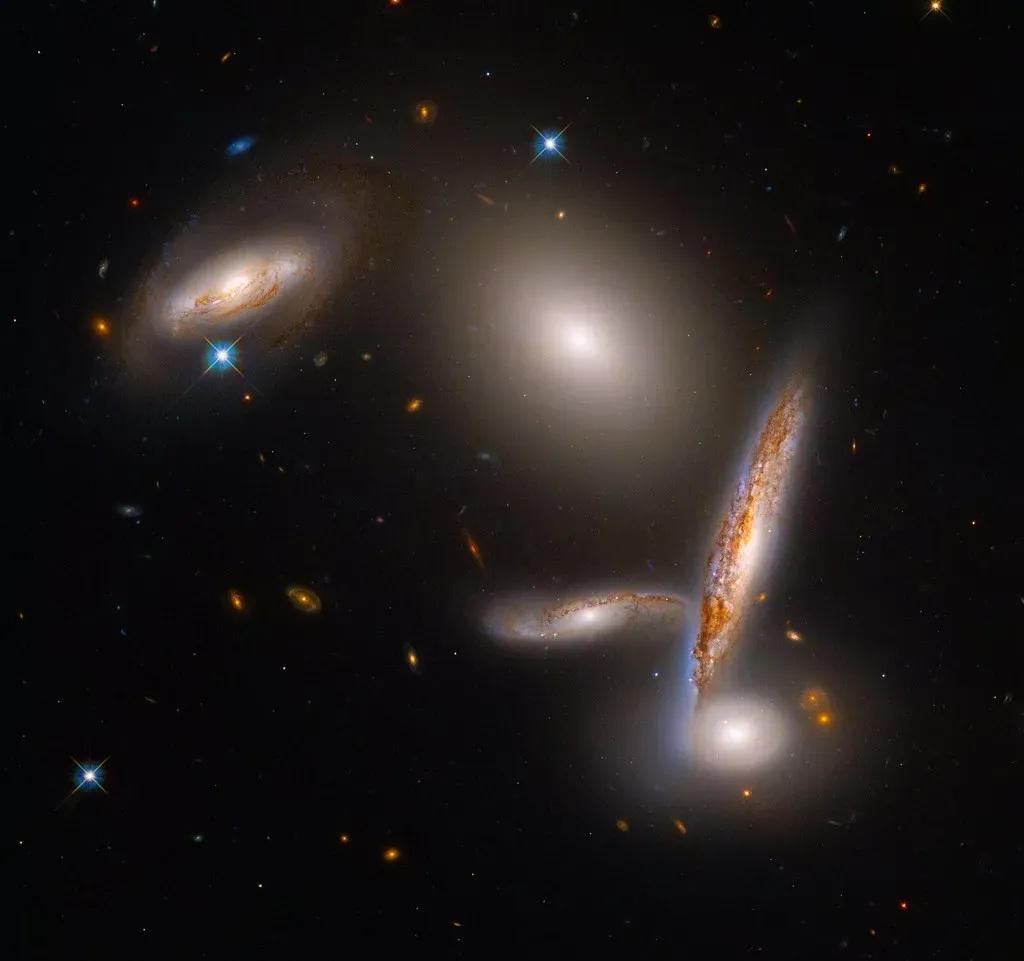
It can feel contradictory that gravity still binds stars into galaxies and galaxies into clusters while, at the same time, the universe is accelerating apart. The trick is to realize that dark energy mainly acts on the largest scales, where space is relatively empty and uniform. In regions where matter is dense enough – like inside a galaxy or a tightly bound cluster – gravity wins and holds things together. You do not see the solar system inflating or the Milky Way stretching, because the local gravitational glue is far stronger than the feeble push of dark energy.
On the grander scale of superclusters and the cosmic web, however, the influence shifts. Think of galaxies as raisins baked into a loaf of bread: the dough between the raisins expands, not the raisins themselves. Dark energy accelerates the growth of that “dough,” so over time, distant galaxy groups recede from each other faster and eventually drift so far apart that light struggles to bridge the gaps. For you, that means the universe’s overall structure becomes more and more fragmented: island universes held together by gravity, separated by ever‑widening cosmic oceans powered by dark energy.
Competing Ideas: Is Dark Energy a Field, a Fluid, or a Flaw in Gravity?
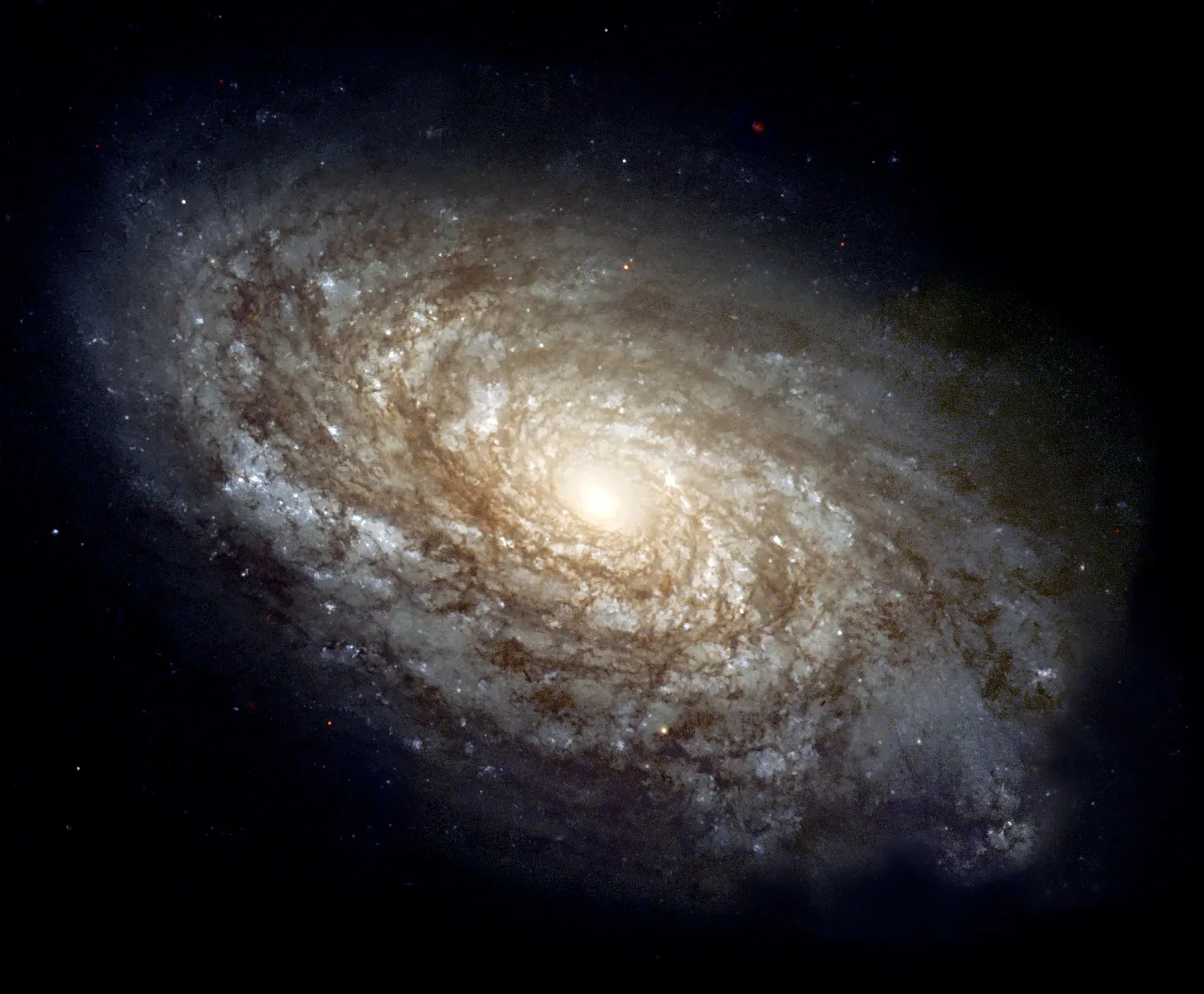
Even though the cosmological constant is the simplest explanation, you’re not forced to accept that it’s the final word. Some researchers treat dark energy as a dynamic field that can change slowly over time, often called quintessence. In that picture, space is filled with something more like a fluid or a field that evolves as the universe expands, potentially making the acceleration slightly stronger or weaker in different eras. Others explore more exotic possibilities, such as interactions between dark energy and dark matter, or a more complex equation that governs how this component responds to expansion.
Another bold idea is that maybe your understanding of gravity itself breaks down on the largest scales. Instead of adding a new energy component, modified gravity theories tweak Einstein’s equations so that gravity behaves differently across cosmic distances than it does around stars and planets. These models are harder to test, because they must match the exquisite precision of general relativity in the solar system while still predicting new behavior across billions of light‑years. Upcoming and current telescopes that map weak gravitational lensing, galaxy clustering, and the growth rate of cosmic structures are designed to help you distinguish whether you’re dealing with a true dark energy component or a deeper adjustment to the laws of gravity.
How the Accelerating Expansion Shapes the Future of the Cosmos
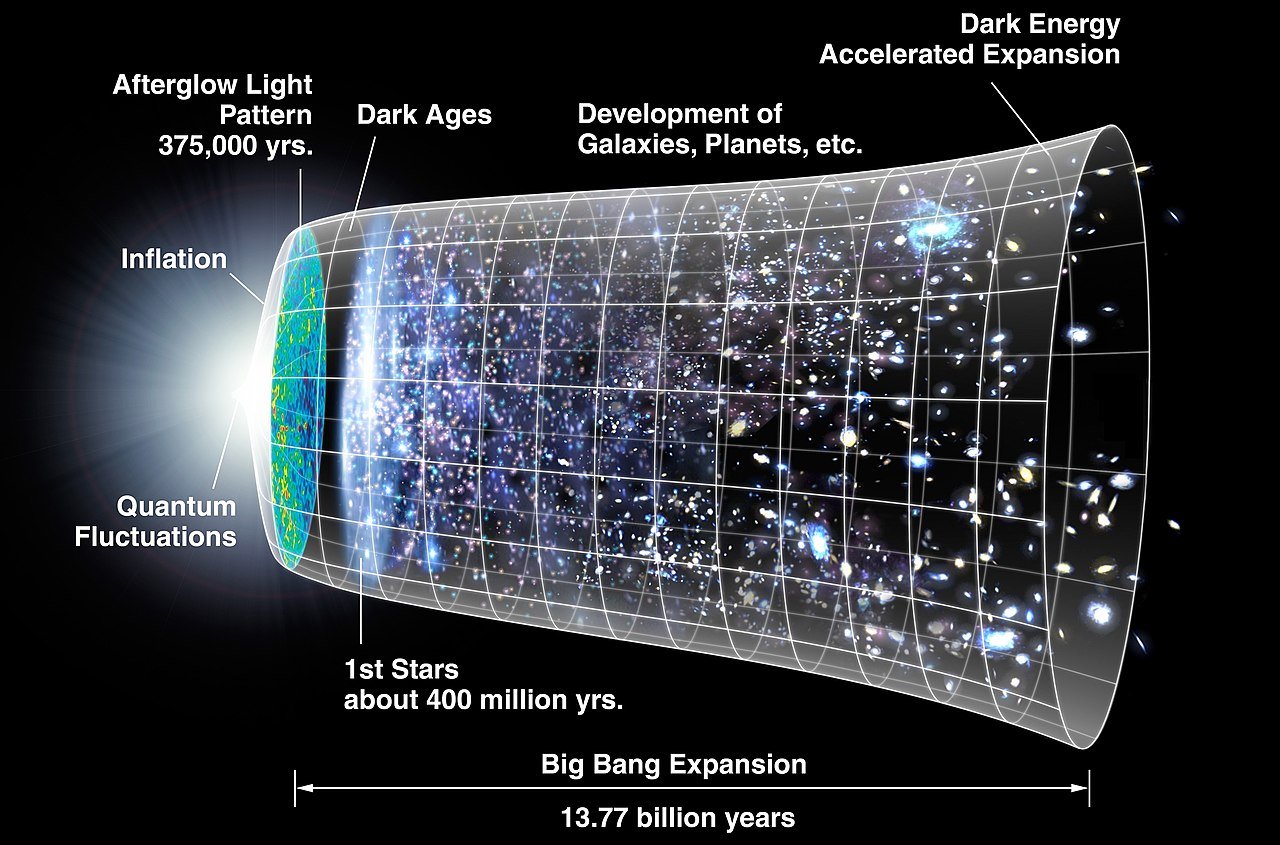
When you project this acceleration into the far future, the universe starts to look increasingly lonely. If dark energy stays roughly constant, galaxies that are not gravitationally bound to your local group will drift farther and farther away, eventually receding faster than light relative to you because of the expanding space between you and them. Their light will never reach you, and the observable universe will effectively shrink to just your local collection of galaxies. Over unimaginably long timescales, the night sky would grow emptier, not because stars vanish, but because their home galaxies slide permanently beyond your cosmic horizon.
More extreme scenarios exist too, depending on how dark energy behaves. If its strength grows over time instead of remaining constant, you could get what’s often called a “Big Rip,” where even galaxies, stars, planets, and eventually atoms themselves are torn apart by runaway expansion. On the other end of the spectrum, if dark energy gradually weakens or changes sign, the acceleration could slow or even reverse, reshaping your expectations about the distant future. Right now, the observational evidence favors a steady, cosmological‑constant‑like behavior, which points to an eternally expanding universe that becomes colder, darker, and more isolated as cosmic time marches on.
What This Means for You: Perspective, Humility, and Wonder
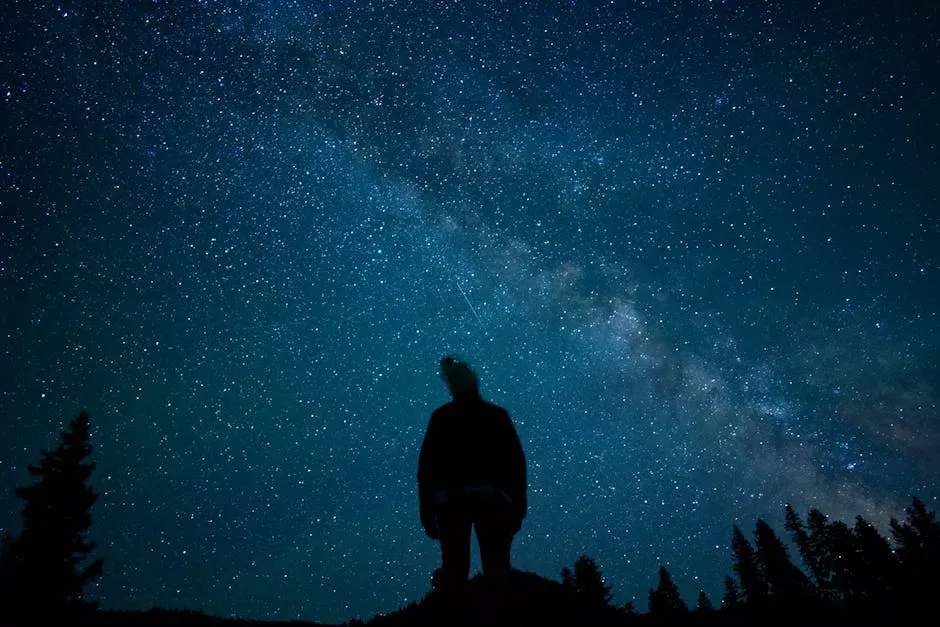
It’s easy to think of dark energy as something abstract that lives only in the realm of cosmology papers, but it quietly reshapes the way you see your place in the universe. The fact that most of the cosmos is driven by a component you barely understand is a humbling reminder of how small your current knowledge really is. At the same time, it’s deeply empowering to realize that with clever instruments and careful reasoning, humans have detected and measured a force that acts across tens of billions of light‑years. You are part of a species that can read the universe’s long‑term trajectory from tiny flickers of light in distant supernovae.
On a more personal level, the accelerating universe invites you to rethink what “permanent” and “unchanging” really mean. Galaxies that you can see today will one day slip beyond anyone’s reach, locking their stories away forever. Your era is special in that the cosmos is still richly visible and full of clues about its origins and fate. That makes curiosity not just a hobby, but a kind of responsibility: if you do not ask these questions and chase these answers now, future observers may never have the chance.
Conclusion: Living in a Universe That Refuses to Sit Still
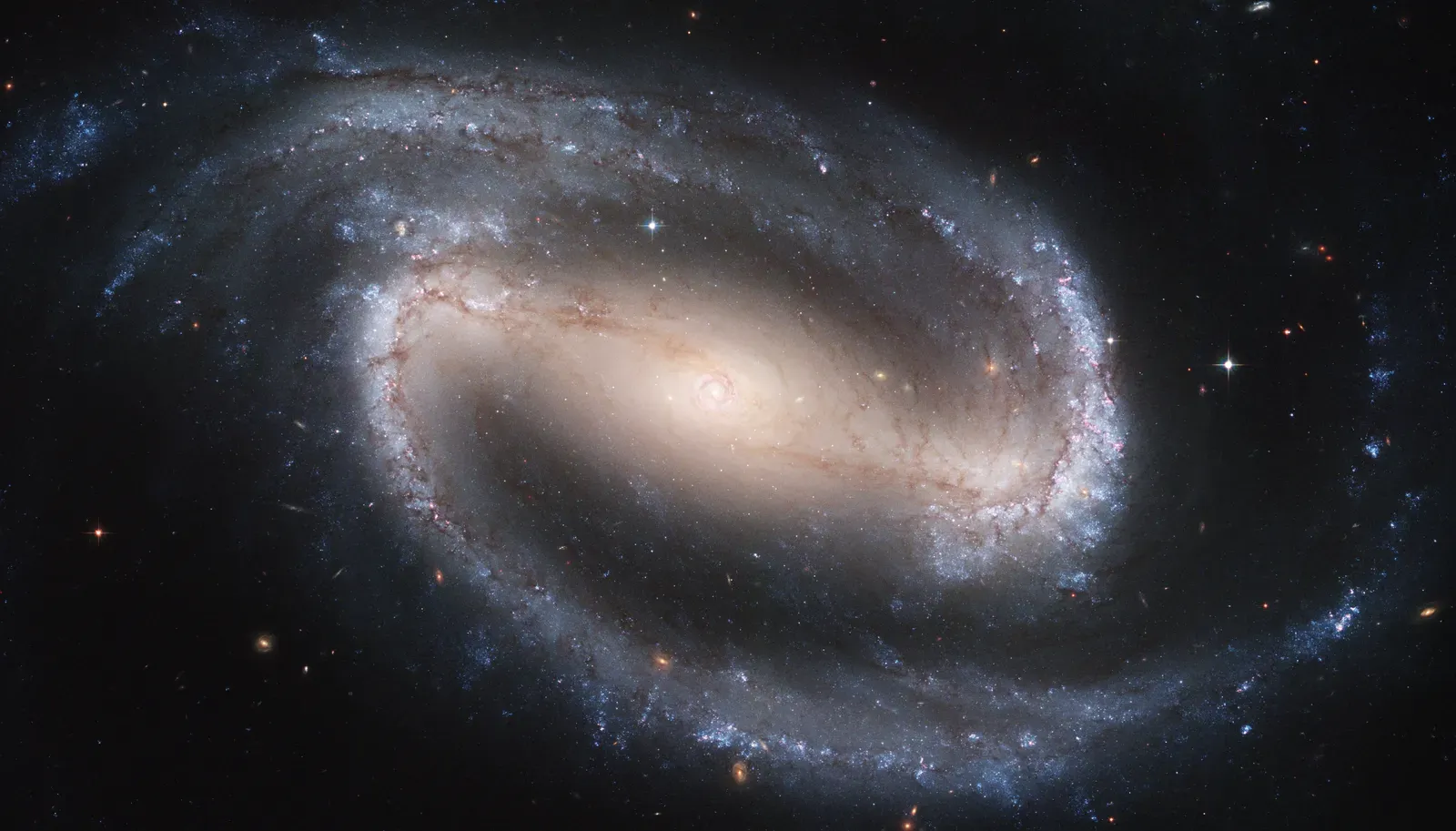
When you step back and take it all in, the accelerating universe is both unsettling and strangely beautiful. Instead of a cosmos calmly coasting along, you find yourself in one that is relentlessly stretching, pushed outward by a mysterious energy woven into the fabric of space. Galaxies become actors in a slow‑motion chase scene, carried away from each other not by their own engines, but by the stage beneath their feet expanding ever faster. The details of dark energy remain elusive, yet its fingerprints are written across the sky in supernova light, galaxy maps, and the faint glow of the early universe.
You may never control this cosmic acceleration, but you can understand it more deeply with each new observation and theory. That ongoing search turns a cold, mathematical concept into a very human story of curiosity, doubt, and discovery. The questions you ask today about what is pushing galaxies apart will shape the telescopes you build, the missions you launch, and the physics you uncover tomorrow. In a universe that refuses to sit still, your understanding does not have to either – so what do you think might be hiding behind the name “dark energy” that you have yet to imagine?