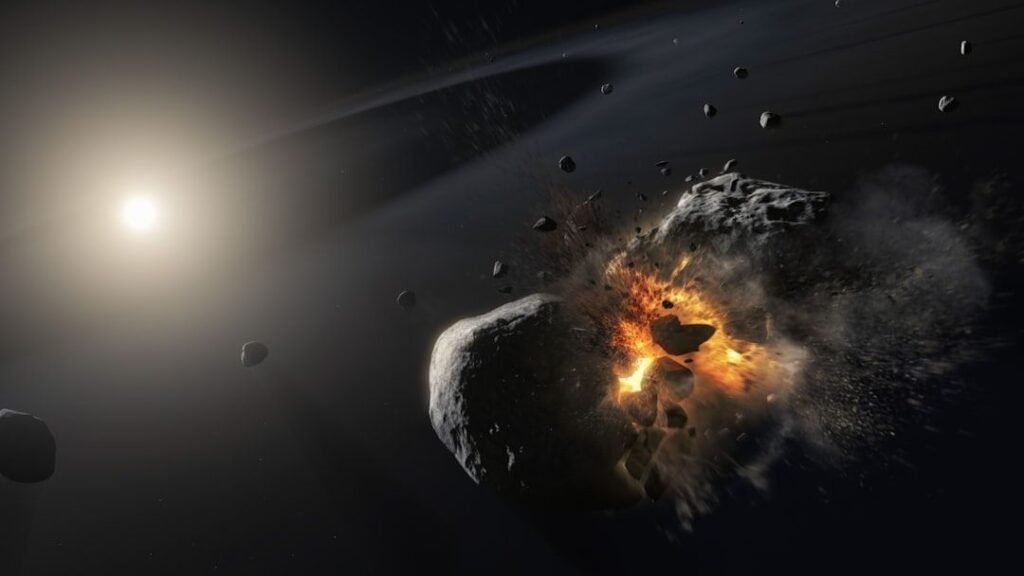
Space weather refers to the environmental conditions in space as influenced by the sun and the solar wind. These conditions include solar flares, coronal mass ejections (CMEs), and cosmic rays that can dramatically affect the Earth’s magnetosphere and ionosphere. While space weather is predominantly studied for its impact on technology, such as communication systems, it’s emerging that these cosmic phenomena might also influence the Earth’s biodiversity, particularly its wildlife.
Solar Flares and Their Consequences
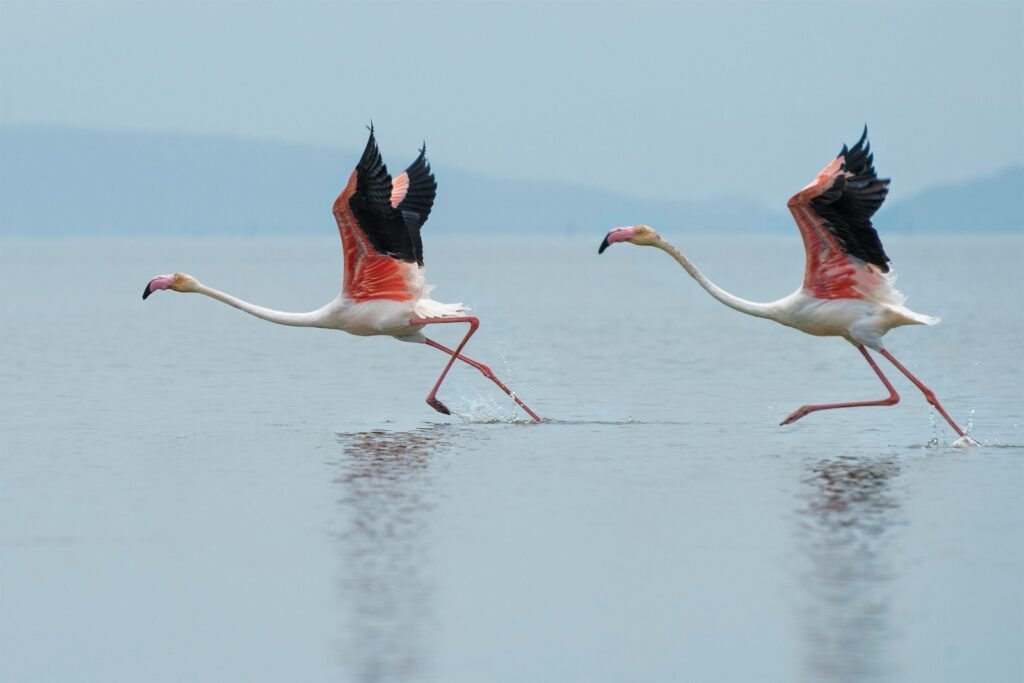
Solar flares are intense bursts of radiation emanating from the sun’s atmosphere. They are the solar system’s most powerful explosive events, capable of releasing as much energy as billions of nuclear bombs. When these flares reach Earth, they have the potential to disturb the planet’s atmospheric layers, which can affect various life forms. While the electromagnetic radiation released by solar flares does not penetrate the Earth’s surface directly, it influences temperature and light conditions, indirectly impacting animal behavior. For example, changes in light can affect the navigational abilities of migratory birds, leading them to stray off their usual paths.
Impact of Cosmic Rays on Biological Systems
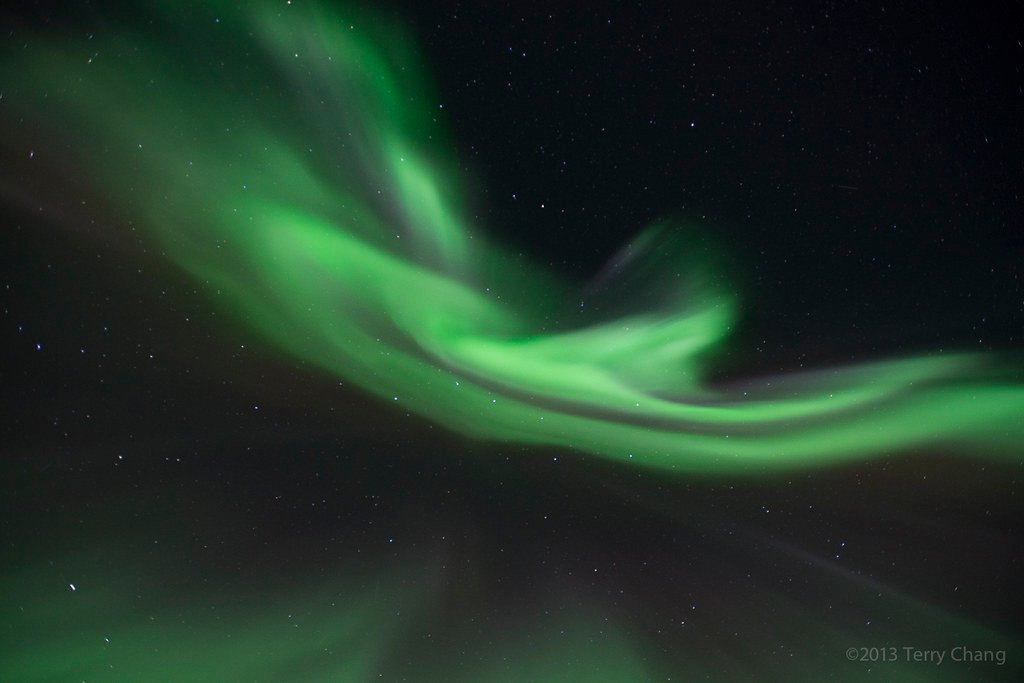
Cosmic rays are highly energetic particles that travel across space at nearly the speed of light. These particles originate beyond our solar system and can affect both the atmosphere and the organisms residing within it. When cosmic rays reach the Earth, they may play a subtle role in causing genetic mutations in living organisms due to their ionizing radiation. Although the atmosphere shields life on Earth from the majority of cosmic rays, fluctuations in cosmic ray intensity, associated with space weather, can lead to varying rates of mutation. These mutations can be both advantageous and disadvantageous to wildlife, potentially affecting evolutionary processes over long periods.
Effects on Animal Behavior and Physiology

The Earth’s magnetic field plays a crucial role in how animals navigate and orient themselves. Many species, including birds, bees, and sea turtles, rely on geomagnetic information for migration and foraging. Research suggests that heightened space weather events, like geomagnetic storms caused by solar activities, can disrupt these natural navigation systems. For instance, migratory birds might become disoriented during geomagnetic disturbances, affecting their migration patterns and survival rates. In aquatic environments, similar disruptions might influence the movements and reproductive behaviors of species such as salmon that use geomagnetic cues to return to their birthplace.
Observable Wildlife Changes during Space Weather Events
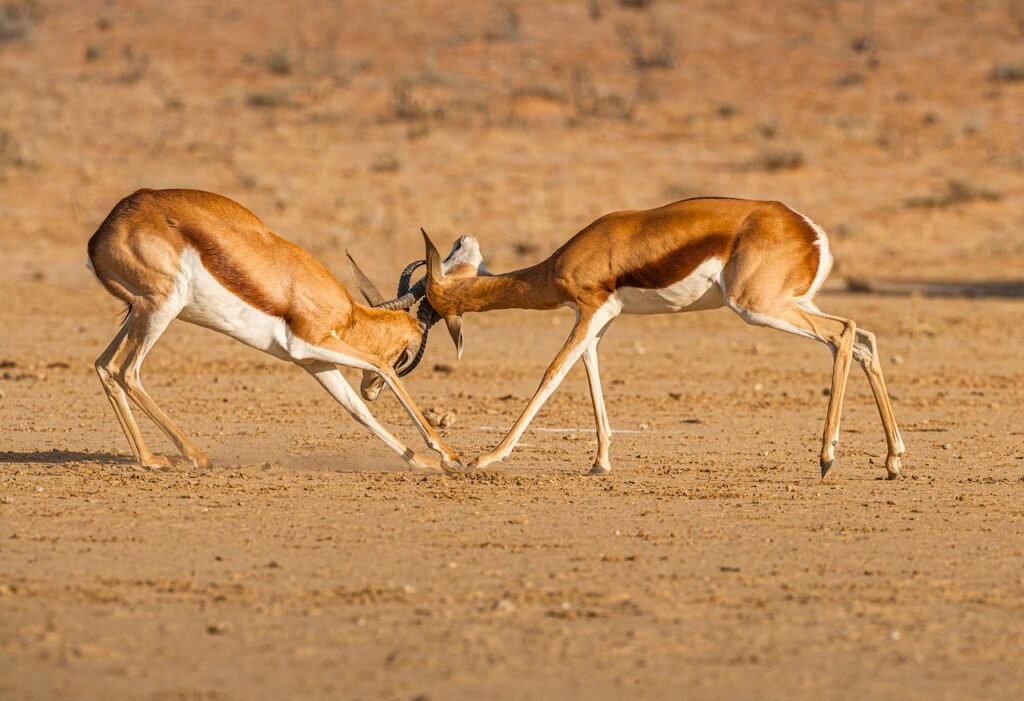
During periods of intense space weather, such as a solar storm, changes in wildlife behavior have been documented. Some studies have recorded unexpected outcomes like increased erratic behavior in various animal groups. For example, after a significant solar flare, certain nocturnal species might alter their activity patterns based on changes in ultraviolet light levels during nighttime hours. Additionally, there is emerging evidence that some animals exhibit heightened stress levels during these events, possibly due to disruptions in their circadian rhythms or magnetic sense.
The Role of Adaptation and Resilience
Despite these challenges, many animal species have evolved mechanisms to cope with the subtle influences of space weather. Adaptation is crucial for survival, and some species appear more resilient to these changes than others. For instance, animals that have multiple orientation systems—such as those using both solar cues and the Earth’s magnetic field—can switch to alternative methods if one becomes unreliable. Understanding the extent to which wildlife can adapt and the potential for resilience against space weather will be a critical area of future research.
Conclusion: Embracing Our Cosmic Environment

The study of space weather and its effects on Earth’s wildlife is still in its infancy, with much left to explore. As we learn more about the complex interplay between space phenomena and biological life, it becomes increasingly apparent that the universe’s broader environmental dynamics deeply intertwine with life on Earth. Continued research is essential not only for advancing our understanding of animal science and evolutionary biology but also for appreciating how life on our planet is part of a much larger cosmic ecosystem.