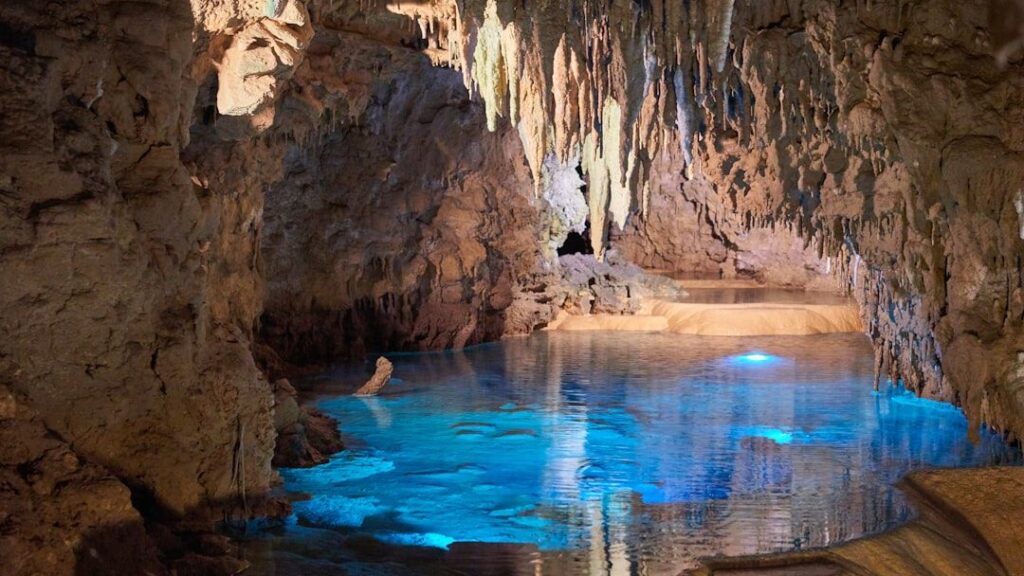
Imagine drifting through a pitch-black cavern, deeper than any in the United States, where no sunlight has ever touched the rock. Down there, in water that has been isolated from the surface for ages, scientists have found something that feels almost impossible: ancient bacteria that have been evolving in total darkness for millions of years, yet still react when exposed to light. It sounds like science fiction, the kind of twist you expect in a movie where the underground world turns out to be more alive – and more aware – than we ever imagined.
What makes this discovery so gripping is not just the age or the isolation of these microbes, but the hint that life can hold on to tools it no longer “needs,” like a forgotten language it can still understand. The idea that organisms buried in the deepest cave in America might still recognize light pulls at something deep in us: curiosity, awe, and a slightly unsettling sense that the rules of evolution are more flexible than we were taught. If bacteria can remember the sun after four million years of darkness, what else is life capable of?
A Hidden World Beneath America’s Deepest Cave
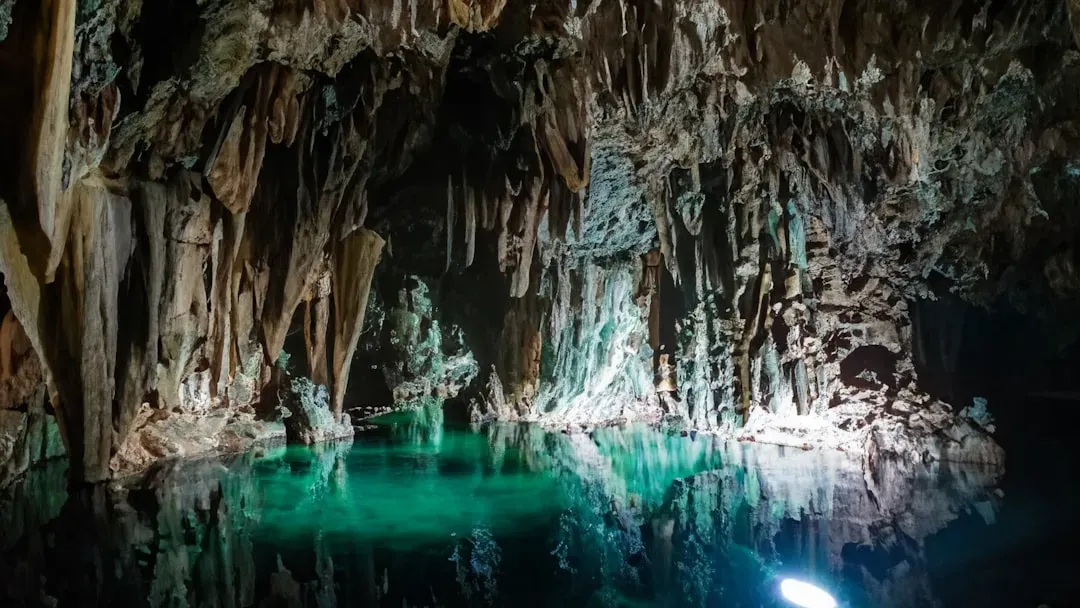
When most people picture the deepest cave in the United States, they think of dramatic limestone shafts, dripping stalactites, and daredevil cavers squeezed into tight passages. What they usually do not picture is microbiology. Yet deep caves are less like empty stone hollows and more like enormous underground laboratories where water, rock, and time quietly run experiments on life. In these places, oxygen can be scarce, food is almost nonexistent, and temperatures are usually cold and steady, creating an environment that pushes organisms to their absolute limits.
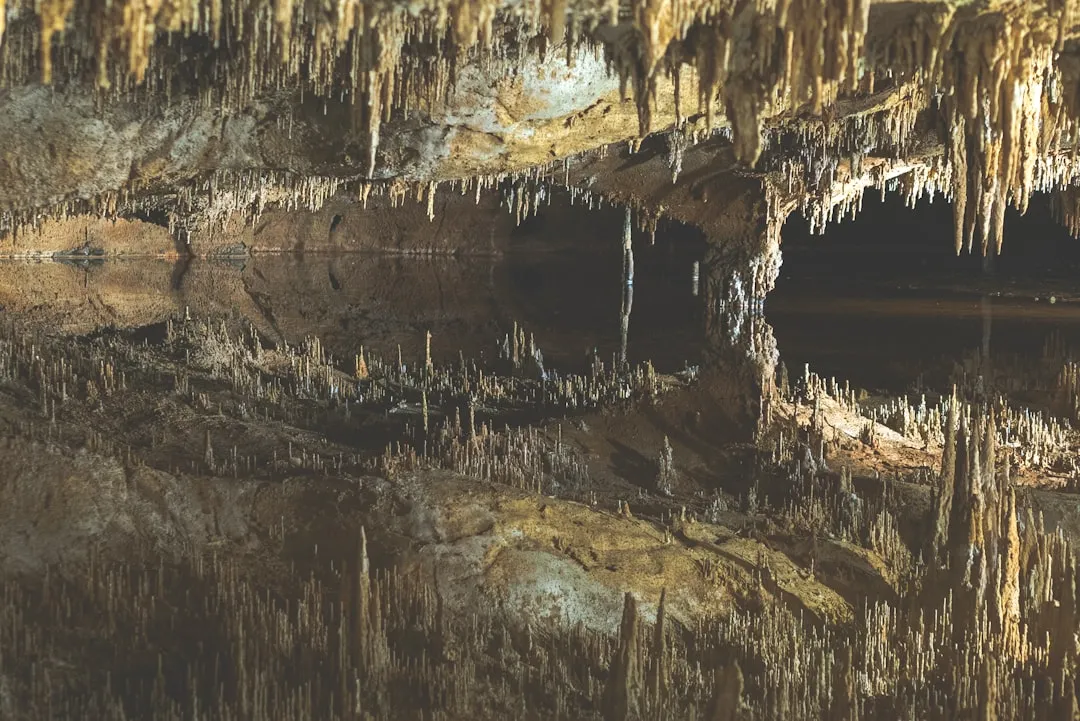
Deep cave systems often hold pockets of water and sediment that have been cut off from the surface for incredibly long stretches of time. That isolation is exactly what makes them so scientifically valuable. They act like time capsules, preserving communities of microbes that have adapted to a world without sunlight, plants, or regular nutrient flow. These microbes do not get energy from photosynthesis; instead, they often rely on chemical reactions with minerals in the rock, building a slow-motion ecosystem powered by geology rather than sunshine.
Life Without Sunlight: How Cave Bacteria Survive
To really appreciate why light-sensitive bacteria in deep caves are surprising, you have to understand how strange cave life already is. In the absence of sunlight, there is no traditional food chain based on plants, algae, or other photosynthetic organisms. Instead, many cave bacteria live off chemical energy locked in minerals like iron, sulfur, or manganese, or from sparse organic material that trickles in from the surface. It is like trying to run a city on scraps drifting in from another continent, with no local farms or energy grid of your own.
These microbes often grow slowly, form dense slimy communities called biofilms on rock surfaces, and recycle every possible molecule to avoid wasting precious resources. They are masters of efficiency, capable of entering low-activity states, altering their metabolism, and forming protective structures to endure chemical stress or limited nutrients. When you realize how ruthlessly pared down their lives already are, the notion that they still maintain a response to light starts to sound almost extravagant, like a minimalist who inexplicably keeps a grand piano in a one-room cabin.
Four Million Years in the Dark: What That Timescale Really Means
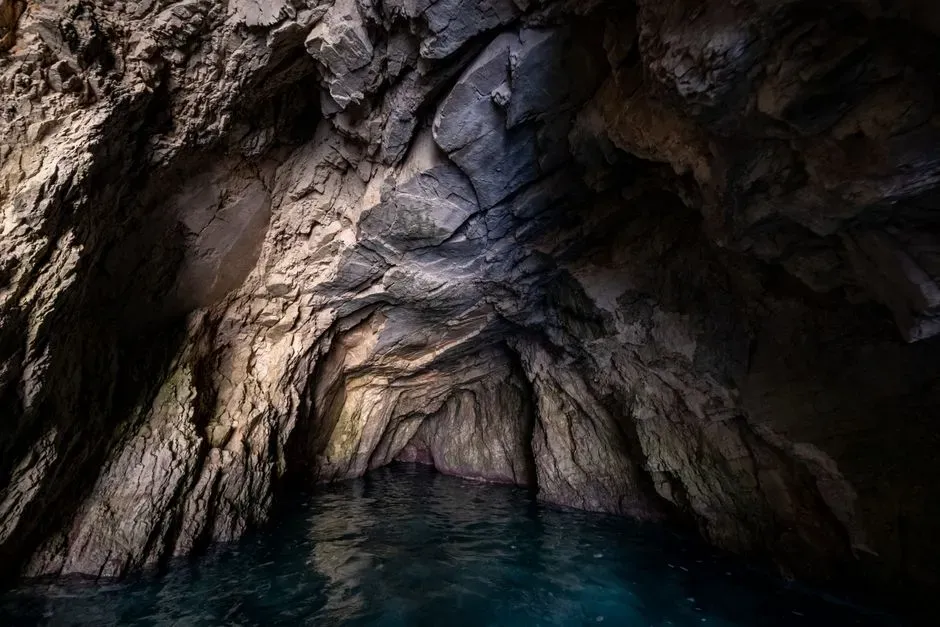
Four million years is such an absurd span of time that it barely fits in our heads. During that kind of interval, entire mountain ranges erode, climates shift, and species appear and vanish. For bacteria, which can reproduce in hours instead of decades, this represents an almost unthinkable number of generations. Even at a conservative pace, we are talking about countless cycles of mutation, selection, and adaptation running over and over again in the deep, cold dark.
On those timescales, evolution usually strips away anything that is not useful. Genomes of highly specialized microbes often shrink, losing functions that no longer provide an advantage in their niche environment. That is what makes the idea of light recognition after such a long period underground so striking. You would expect any photoreceptors or light-sensitive systems to have been lost or heavily repurposed if they were truly useless. The persistence of such traits suggests that either they still offer some benefit, or evolution is more conservative in certain contexts than we might expect.
How Can Bacteria Recognize Light Without Ever Seeing It?
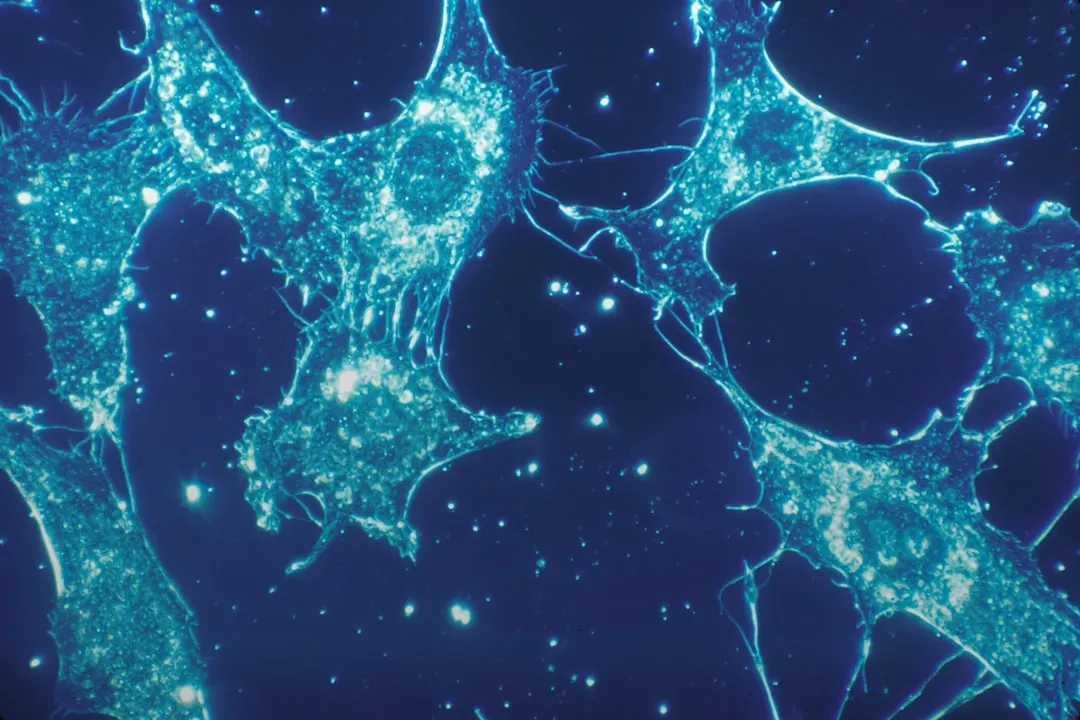
At first glance, bacteria reacting to light in a cave that has been dark for millions of years feels like a contradiction. But light recognition in microbes is usually not about seeing in the way animals see; it is about detecting energy and responding to changes in the environment. Many bacteria use proteins that are sensitive to specific wavelengths of light, which can trigger changes in their behavior, gene expression, or metabolism. These proteins act more like switches or antennae than eyes, helping cells tune their internal chemistry to outside conditions.
In deep-cave bacteria, several possibilities could explain this lingering sensitivity. They might still carry ancient versions of light-sensitive proteins inherited from surface-dwelling ancestors, with those genes simply never being fully lost. Another option is that some of those proteins have been repurposed to sense other forms of environmental energy or redox changes, and just happen to still respond to light in the lab. In that scenario, light sensitivity is more like an accidental side effect of a feature that has been adapted for something else entirely in the dark.
Why Evolution Would Keep a “Useless” Sense Around
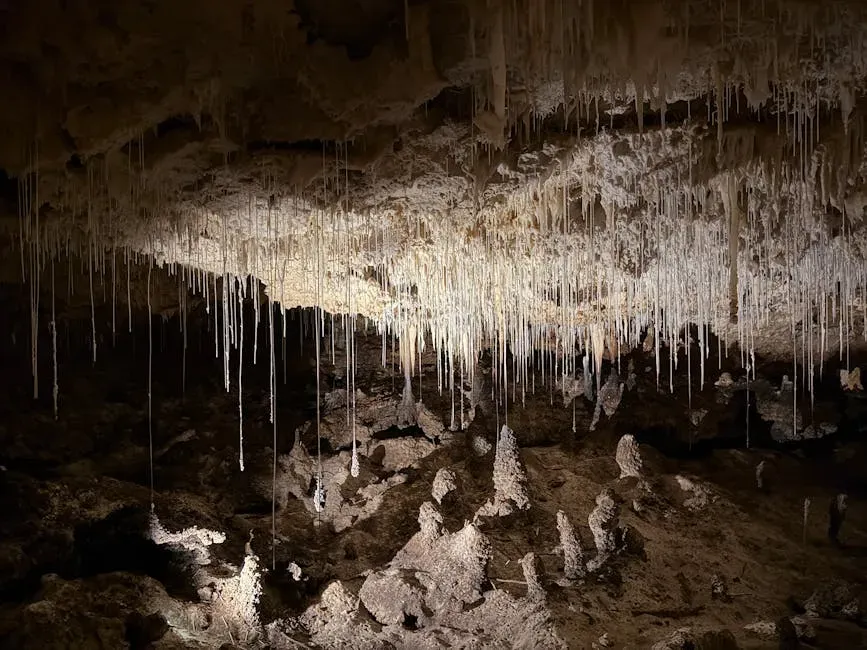
From a textbook standpoint, evolution is often presented as ruthlessly efficient: if a trait is not useful, it disappears. Reality is messier. Sometimes genes hang around because the cost of keeping them is low, or because they are linked to other essential functions. In bacteria, certain light-sensitive proteins are tightly connected to core metabolic pathways or stress responses. Removing them might disrupt a delicate balancing act inside the cell, so selection simply does not push hard enough to get rid of them, especially in slow-growing, stable environments.
There is also the possibility that these cave microbes are not quite as biologically blind to their past as we think. Maybe somewhere in their deep history, they experienced at least intermittent exposure to faint light from cracks, entrances, or occasional surface connections. Or perhaps the light-detecting machinery is still valuable as a generic sensor for oxidative stress or chemical energy, helping them manage bursts of reactive molecules, even though no sunlight reaches them. In that sense, what looks like a useless relic might still be pulling its weight, just in a role we do not fully understand yet.
What This Discovery Means for Life on Other Worlds
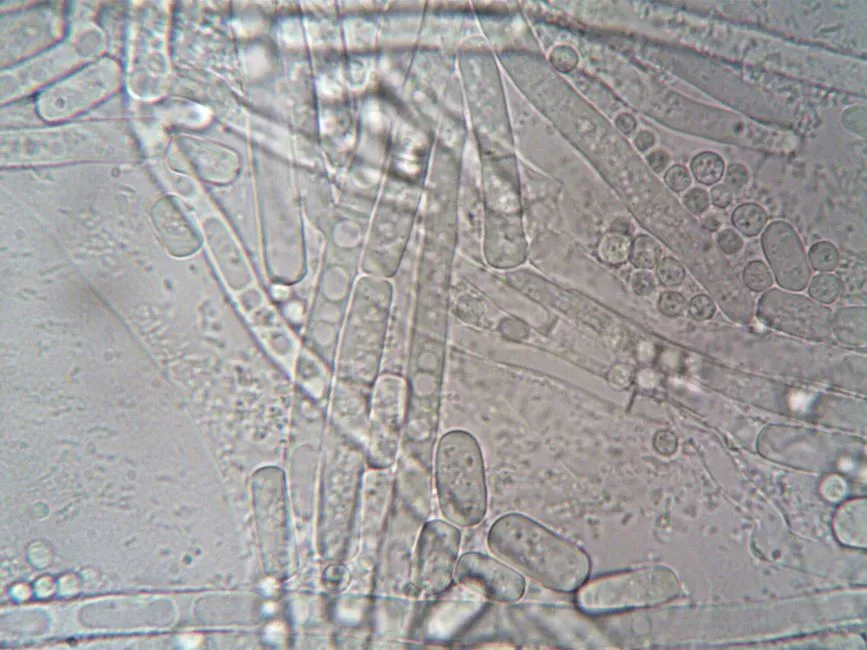
When scientists look at isolated cave bacteria that can still recognize light after millions of years underground, it naturally reshapes how we think about life beyond Earth. A place like Mars, with a harsh surface but potentially more stable conditions underground, suddenly feels less hypothetical. Underground lakes or brine pockets shielded from radiation could host microbial ecosystems that have not seen real sunlight for unimaginably long periods and yet still carry molecular “memories” of surface conditions or environmental signals from their past.
Even icy worlds like Europa or Enceladus, with oceans buried beneath thick ice shells, fit into this picture. If life ever arose there, it would likely depend on chemistry rather than starlight, just like cave microbes on Earth. The fact that Earth’s bacteria can retain light-sensing systems in perpetual darkness hints that alien life might also preserve or repurpose ancient traits in surprising ways. Instead of expecting neat, tidy evolutionary logic, we may have to be ready for organisms that carry odd, seemingly unnecessary abilities that only make sense after we understand their full history.
Why This Changes How We Think About Evolution – And Why It Matters
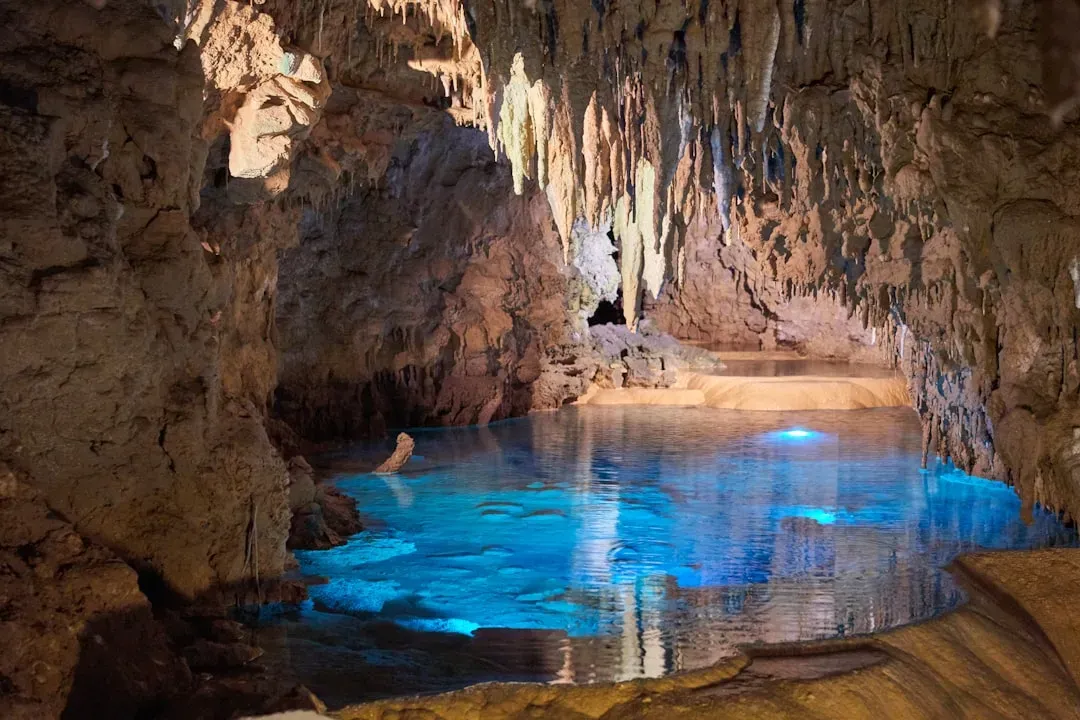
To me, the most powerful part of this story is not just the scientific novelty but what it reveals about how evolution actually works. We like to imagine evolution as a clean algorithm, trimming everything down to the bare essentials. But these light-sensitive cave bacteria tell a more human story: life is full of leftovers, redundancies, and half-forgotten tools that sometimes still function in ways we do not expect. That hits close to home, like realizing you still remember a childhood skill you have not used in decades, and discovering it shapes who you are more than you knew.
My opinion is that findings like this should make us more humble about pretending we fully understand what is “necessary” for life. Traits we once would have dismissed as useless relics may actually play subtle roles, or simply reveal how history leaves fingerprints on every cell. It also pushes back against the idea that life neatly adapts only to its present, reminding us that evolution always drags its past along for the ride. In a world where bacteria in the deepest American cave can still recognize light they never see, maybe the more honest question is not what life needs, but what surprising possibilities it stubbornly refuses to let go of. Did you expect that life in the dark would still remember the sun?