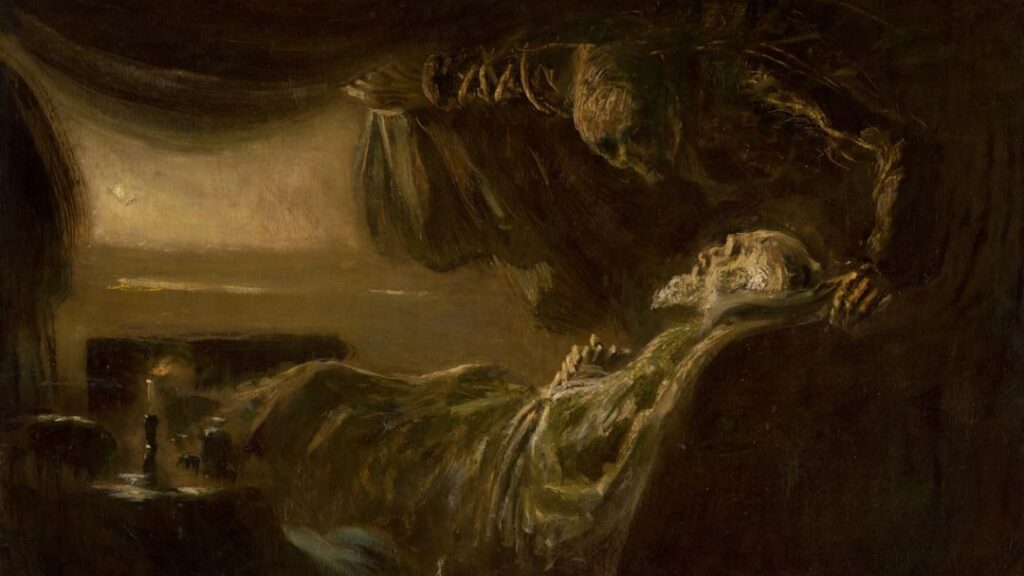
Ask anyone who has sat at a deathbed and they will often tell you the same strange thing: those final hours do not feel like a medical event, they feel like a crossing. Over and over, hospice nurses hear eerily similar stories from people who are too close to the end to be casually making things up, yet too lucid for their words to be dismissed as pure confusion or drugs.
What makes it even more unsettling is how predictable some of these experiences are. Patients who have never met describe seeing the same kinds of figures, landscapes, and moments of impossible clarity. Science is still catching up to what exactly is happening in the brain and body as life winds down, but the patterns are hard to ignore. Let’s walk through six things dying people often see in their final hours that many hospice workers quietly admit feel like far more than coincidence.
1. Deceased Loved Ones Waiting at the Bedside

One of the most commonly reported experiences at the end of life is seeing people who have already died standing nearby, sitting on a chair, or even at the foot of the bed. Patients will call out to a long-dead spouse, chat comfortably with a parent who passed decades ago, or reach out their arms to a child they lost many years before. These encounters rarely feel frightening to them; if anything, they are strangely soothing, like bumping into familiar faces at the end of a long journey.
What stands out to many hospice nurses is how specific and consistent this is. People who are otherwise disoriented might suddenly become crystal clear about who they’re seeing, naming relatives no one has mentioned in years. From a scientific standpoint, it is easy to frame this as the brain pulling up powerful emotional memories as neural networks flicker and fade. But when person after person describes the same kind of loving “welcome party,” it starts to feel less like random brain noise and more like a pattern with its own mysterious logic.
2. Vivid Visions of Travel, Journeys, and “Going Home”

Another theme that shows up again and again is the feeling of preparing for a trip. Patients talk about packing bags, catching trains, finding tickets, or needing to get to an airport. Some insist the car is already waiting outside. Others look around the room and say they need to go home, even if they are literally lying in their own bedroom. To the people sitting at the bedside, this language can be unsettling, but to the person dying, it often feels urgent yet calm, like they are getting ready for something expected.
From a psychological angle, that imagery of travel and “going home” makes sense. The human brain loves metaphors; when we cannot grasp something directly, we dress it up in symbols that feel familiar. The journey at the end of life might simply be the mind’s way of processing a transition it has no other language for. But the frequency is hard to ignore. Nurses who have witnessed hundreds of deaths will tell you they hear the same phrases over and over, from people of different cultures and beliefs, as if everyone is boarding some invisible train on a schedule they seem to sense before the rest of us do.
3. Light, Doorways, and Thresholds That Are “So Beautiful”
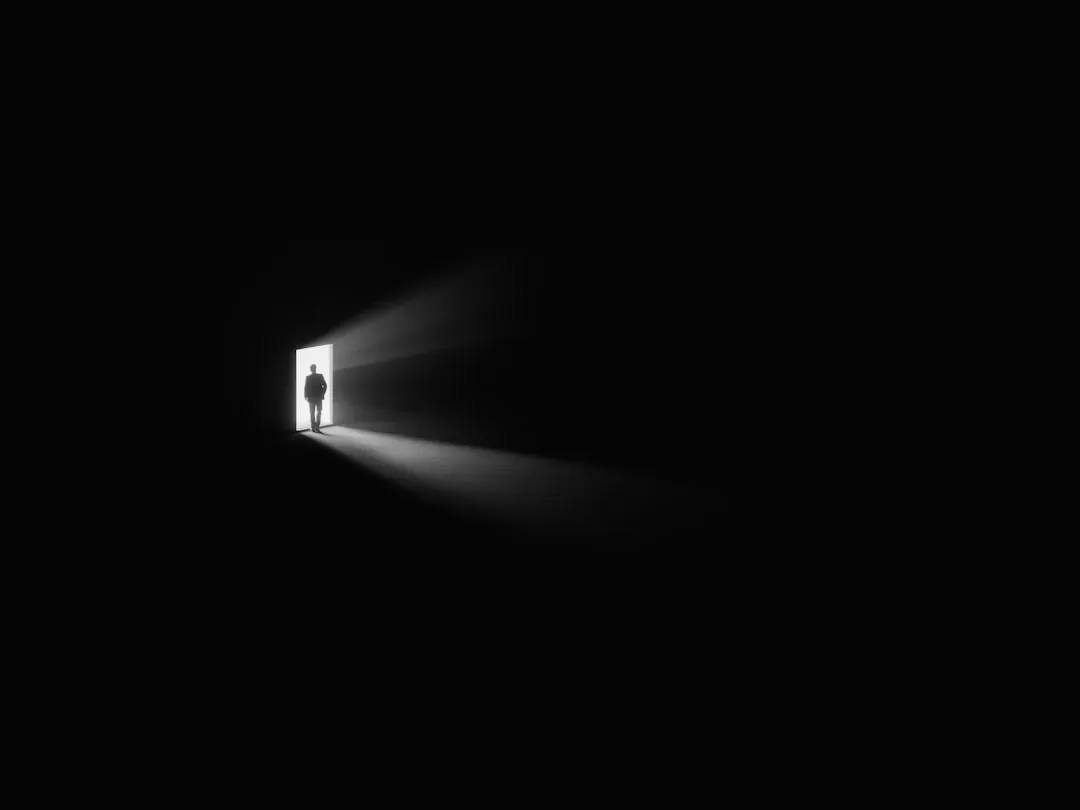
Many dying people describe seeing a light, but it is not always the vague tunnel of pop culture myths. Sometimes it is a doorway in the corner of the room, a bright opening just beyond the bed, or a warm glow that seems to be calling to them. They might say the colors are unlike anything they have seen before, or that the light feels alive, reassuring, and impossibly gentle. Often, their faces soften and their whole body seems to relax when they talk about it.
Biologically, it is reasonable to point to changes in oxygen, vision, and brain activity as life fades, which can create unusual visual effects and distortions. Yet, what keeps this experience from being easily dismissed is not just the light itself, but the meaning people attach to it. They describe it as welcoming, safe, and deeply familiar, as if stepping through a doorway into a place they somehow recognize. Even the most skeptical hospice workers will quietly admit that when a patient starts talking about a beautiful light or a waiting doorway, they know, almost without fail, that death is close.
4. Time-Bending Flashbacks and “Life Review” Moments

Some people in their final hours begin talking rapidly about scenes from their past, as though the best and worst moments of their life are playing in front of them like an old home movie. They might jump from a childhood memory straight into the day they got married, then to a random Tuesday afternoon that meant nothing to anyone but them. Sometimes their eyes are closed, but they speak as if they are watching it all unfold in real time, narrating what they see with awe, regret, or quiet satisfaction.
Neurologically, we know that memory networks can misfire or reorganize under intense physiological stress, and the brain is capable of compressing vast stretches of experience into a short window. That does not make this pattern less uncanny. To the patient, this is not confusion; it feels like an orderly, meaningful review, almost like they are flipping through the pages of a book they are about to put down forever. When you watch once, you might call it coincidence. When you watch it happen dozens of times, it starts to feel like part of the design of dying, not just a side effect of it.
5. Nature Scenes, Gardens, and Places They’ve Never Visited

Another striking pattern shows up in the form of landscapes. People see gardens with impossible flowers, forests filled with light, beaches that glow at dusk, or green hills that look more real than the hospital room they are actually in. Some describe these places with a level of detail that would put a travel writer to shame, despite having never been there in their waking life. The mood is almost always peaceful, as if they have stumbled into some quiet sanctuary that belongs only to them.
From a scientific point of view, you could argue that the brain is stitching together bits and pieces of every tree, field, and sky the person has ever seen. The mind is a powerful artist, especially when freed from the constraints of normal perception. Still, it is hard not to notice that these visions tend to be gentle, natural, and expansive, rather than chaotic or frightening. Many hospice workers have seen people who were anxious and restless suddenly become calm after describing a garden or a field they are “walking through.” Whether these scenes are inner worlds of the brain or something beyond it, they serve a strikingly similar purpose: they ease the landing.
6. A Sudden, Lucid “Rally” Before Letting Go
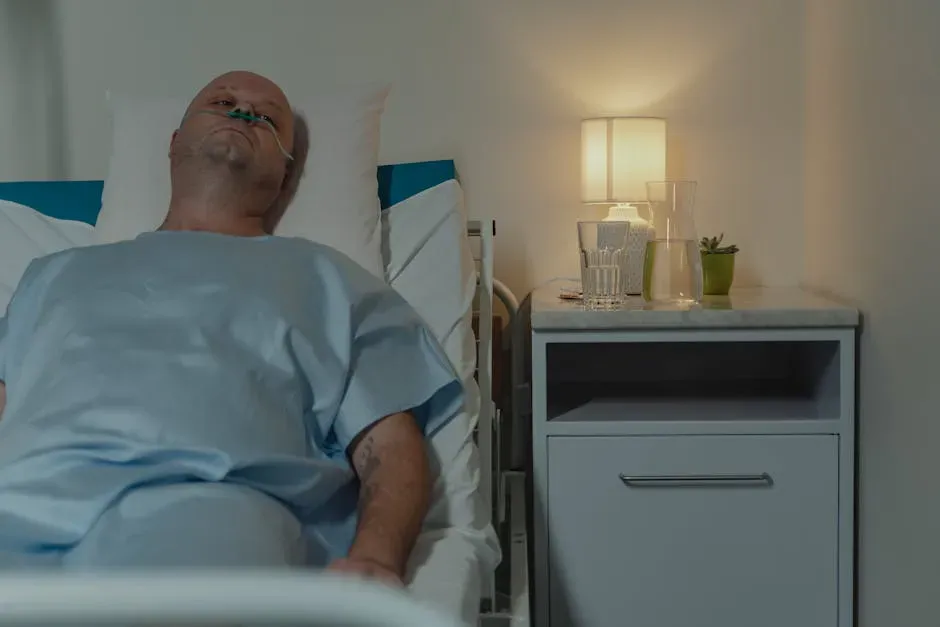
One of the most emotionally jarring experiences families talk about is the brief, surprising rally that sometimes appears a day or even just hours before death. A person who has been barely responsive may suddenly wake up, ask clearly for specific people, eat a favorite food, or crack a joke that sounds completely like their old self. They might talk about what they are seeing, thank people, say things they seemed too weak to say before, and then, not long after, they slip away for good.
Doctors and researchers can point to temporary improvements in circulation or shifts in brain chemistry that could explain a short-lived bounce in energy and clarity. Even so, if you ask hospice nurses, many will admit it feels like something else: a final window opening, a chance to finish conversations, or a last opportunity for the dying person to take a breath and look around before stepping into whatever comes next. Families often describe this rally as a gift, but also as something almost too perfectly timed to be random, as if the body and mind have some last act carefully reserved for the end.
Conclusion: Mystery, Meaning, and Why These Stories Matter
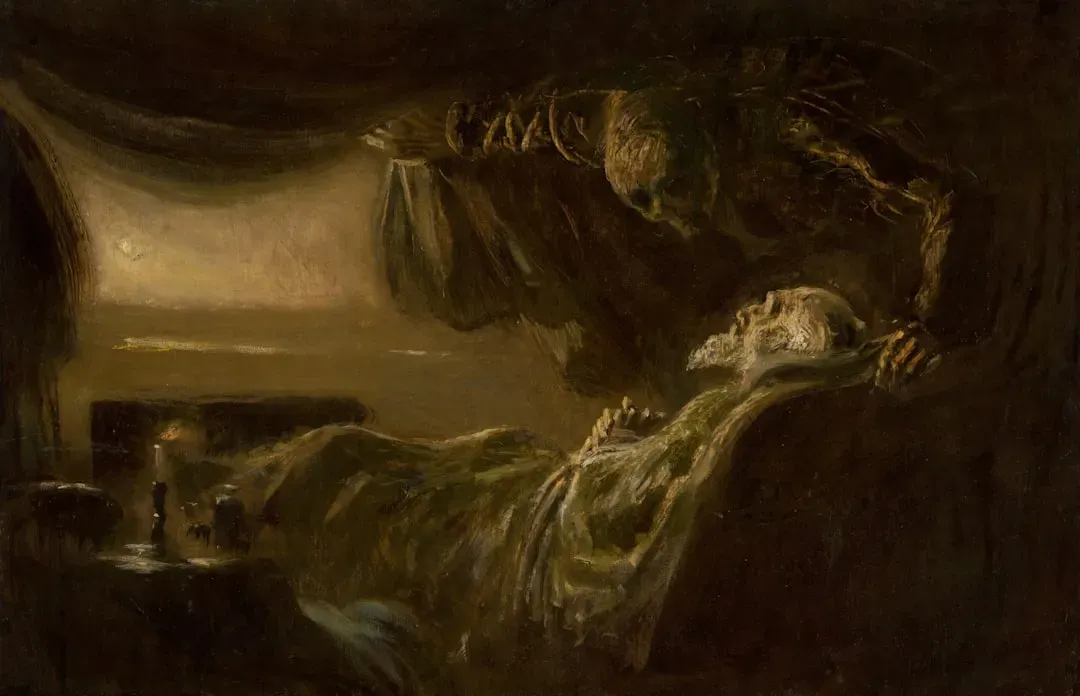
When you pull all these patterns together – dead relatives at the bedside, talk of journeys and doorways, explosions of memory, and peaceful landscapes – it becomes hard to pretend that death is only a biological shutdown. Yes, the brain is involved in every perception we have, and medical changes in the final hours can absolutely shape what people see. But the sheer repetition of these themes across different ages, beliefs, and backgrounds suggests there is something deeper happening than random firing neurons. Even if we never fully decode it, the pattern itself deserves to be taken seriously, not brushed aside as nonsense.
Personally, I think we do ourselves a disservice when we treat these experiences as either proof of an afterlife or meaningless hallucinations, with nothing in between. The truth is probably more complicated, and that is exactly what makes it worth paying attention to. At the very least, these visions seem to soften the edges of dying for the people going through it and for the loved ones watching. Maybe the real point is not whether these final sights are literally real in the way we usually mean, but that they are real to the person who is seeing them and leave a powerful imprint on everyone in the room. In a world that spends so much time pretending death is far away, these stories quietly ask us to face it with more curiosity, and maybe even a little less fear. How does that change the way you think about your own final chapter?