

When you lie down at night, the way you feel about sharing your bed is not just a quirk or a mood; it reflects how your brain handles intimacy, safety, and personal space. Some nights you might crave a warm body next to you, and other times the idea of someone breathing in your ear feels overwhelming. Neuroscience suggests that these preferences are tied to how your brain is wired to manage attachment, arousal, and sensory input, not simply whether you are “good” or “bad” at relationships.
If you prefer to sleep alone, you might have wondered whether there’s something wrong with you, especially when social media keeps telling you that real love means falling asleep in someone’s arms. On the flip side, if you can’t sleep without touch, you may feel overly dependent or “clingy.” The truth is far more nuanced and kinder: your brain has built a unique pattern for how close feels safe, and that pattern influences whether sharing a bed feels soothing, distracting, or downright stressful.
Why Your Brain Treats Nighttime Intimacy Differently Than Daytime Affection

You might happily cuddle on the couch, hold hands in public, or lean against your partner while watching a show, yet still dread sharing a bed. That mismatch can feel confusing, but it actually makes sense when you remember that sleep is a completely different brain state from wakefulness. When you fall asleep, your brain shifts from managing conversation and tasks to protecting deep rest, and that means it becomes far less tolerant of anything that threatens stability, like movement, noise, or emotional tension.
In practical terms, your brain is trying to solve two competing priorities: intimacy and survival. During the day, physical closeness can feel bonding and rewarding, with brain regions linked to reward and attachment lighting up when you touch someone you trust. At night, though, those same circuits have to share space with systems that regulate arousal, temperature, breathing, and threat detection. If your brain weighs “uninterrupted sleep” more heavily than “skin-to-skin comfort,” you’ll naturally pull toward sleeping alone, even if you love being affectionate when you’re awake.
Attachment Styles: How Your Early Bonds Shape Your Bedtime Boundaries

If you prefer sleeping alone, you may carry a wiring pattern often described in terms of attachment style. For instance, if you lean toward a more avoidant or highly independent style, your brain may be extra sensitive to feeling engulfed, watched, or emotionally on-call, especially in vulnerable moments like falling asleep. That does not mean you don’t care; it means your nervous system has learned that space is how you feel safe enough to truly relax.
On the other side, if you can’t sleep without touch, your brain might lean more toward needing immediate physical reassurance that someone is there and staying. You might feel your whole body exhale when a partner wraps an arm around you or presses their leg against yours. These patterns are not character flaws; they are long-standing strategies your brain developed to balance closeness and protection. Once you see your sleeping style through this lens, you can stop judging yourself and start working with your wiring instead of against it.
Sensory Processing: Why Some Brains Love Touch in Bed and Others Get Overloaded

Your brain has a network of regions, including areas that process touch, body position, and internal sensations, constantly scanning your environment. If you tend to be sensitive to tags in your clothes, ticking clocks, or bright lights, you are likely more sensitive in bed too. In that case, another person’s warmth, movement, or even subtle breathing can feel like a never-ending stream of micro-alerts that your brain has to manage, making true rest harder to reach.
If you are someone who can only relax when you feel skin-to-skin contact, your sensory system works differently. Instead of interpreting touch as stimulation that needs to be filtered out, your brain may treat it as a grounding signal that turns down internal noise. In that scenario, a partner’s arm around you acts like a weighted blanket, telling your nervous system that you are safe, held, and allowed to drift off. Neither pattern is more “advanced” than the other; they are simply different sensory recipes for the same goal: deep, restorative sleep.
Sleep Architecture: How Sharing a Bed Can Change Your Nightly Brain Rhythms
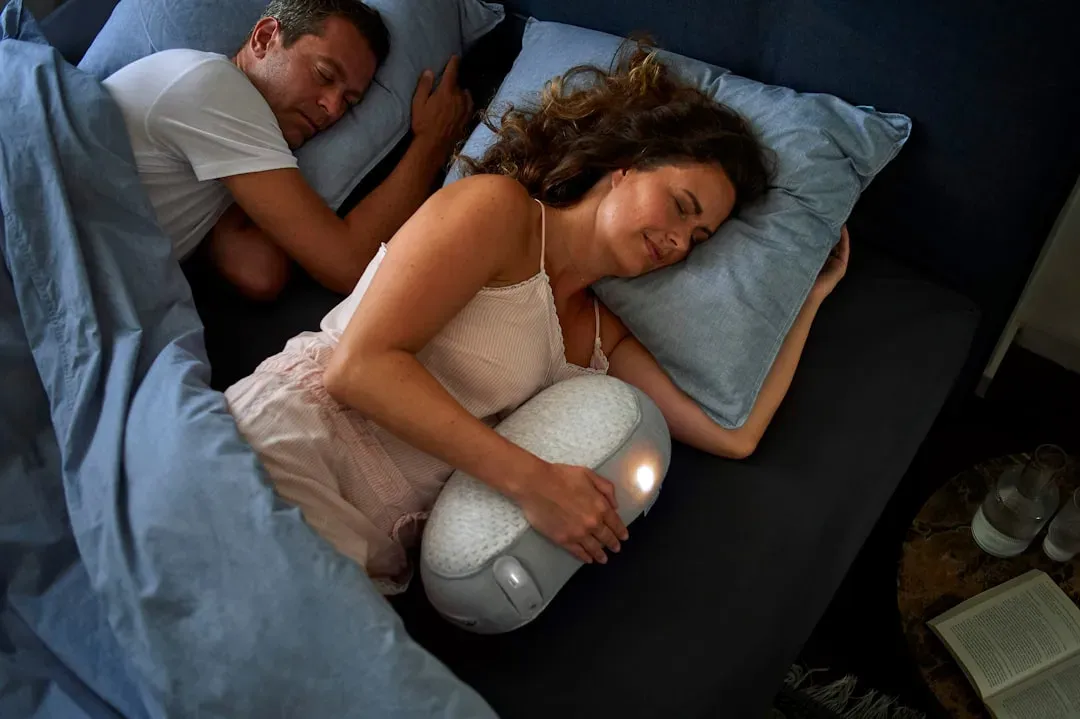
When you sleep, your brain cycles through lighter and deeper stages, plus dreaming periods, in a delicate rhythm. If you prefer sleeping alone, your brain might be more disrupted by the tiny awakenings that happen when someone shifts, snores, or brushes against you. You may wake up more often without fully realizing it, but you notice the result in the morning: grogginess, irritability, or the sense that you “never really went under,” even if you were in bed for many hours.
If you sleep best with touch, your brain may actually stabilize those rhythms when you are close to someone. In that case, physical contact acts like a cue that allows you to more easily move into deeper stages without as much background anxiety. You might find that your dreams feel calmer, your breathing steadier, and your overall sleep more continuous when you can anchor yourself to another body. This difference does not mean your brain is weaker or stronger; it just means your sleep architecture is tuned to different signals.
Stress, Cortisol, and the Tug-of-War Between Safety and Space

Your relationship with shared sleep is also tied to how your brain and body handle stress. If your stress system tends to run hot, with racing thoughts or a body that stays tense even when you want to relax, any extra demand on your attention at night can feel like too much. In that situation, sharing a bed may keep your stress hormones slightly higher than they need to be, because your brain is still monitoring another person’s movements, moods, or expectations, even while you try to sleep.
If, on the other hand, you feel calmer when you can physically reach someone at night, your stress system may use touch as a shortcut to dial itself down. Being able to nudge a shoulder or feel someone’s chest rise and fall can act like a built-in reassurance signal that lowers your internal alarm, making it easier to fall and stay asleep. Neither approach means you are more or less resilient; it simply reveals the way your stress and comfort systems have partnered over time, and how they negotiate the balance between safety and space.
Culture, Expectations, and Why You Might Feel Guilty About Your Sleep Needs
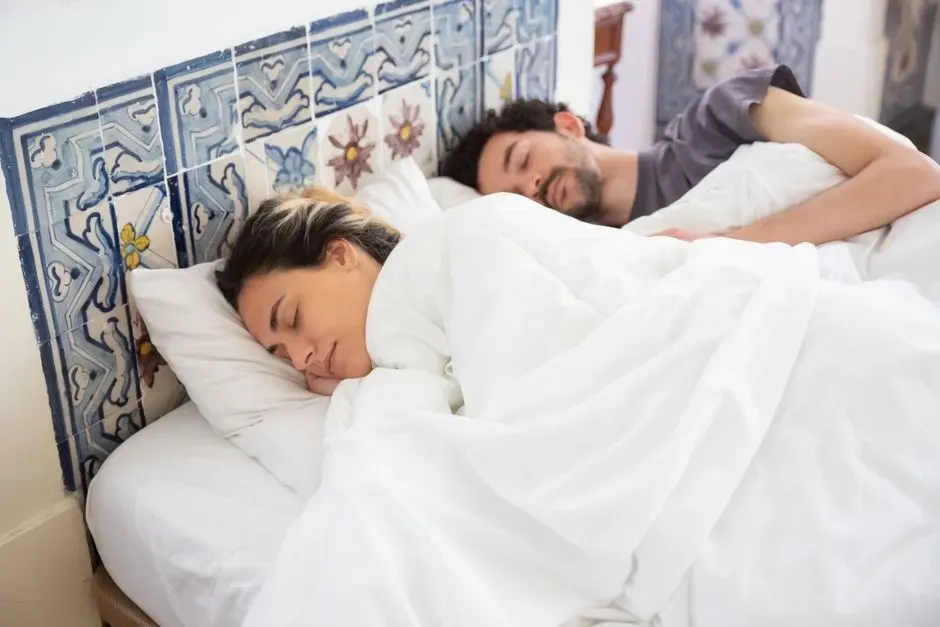
You live in a culture that often romanticizes couples who fall asleep tangled together and wake up in the exact same position. Movies, shows, and social media feed the idea that sharing a bed every night is the ultimate proof of connection. If that image does not match your reality, you might secretly worry that preferring your own side, your own blanket, or even your own room means something is broken in you or in your relationship.
From a neuroscientific and psychological perspective, that guilt is misplaced. Your brain’s job is not to perform a script; it is to keep you functioning, rested, and emotionally available in the long run. If that requires separate blankets, a bigger bed, or occasionally separate rooms, that is not a betrayal of love but an adaptation to how your nervous system actually works. When you drop the pressure to match a cultural ideal, you give yourself permission to design sleep arrangements that respect both your brain and your partner, instead of forcing one of you to override your needs.
How to Talk About Different Sleep Needs Without Making It About Love

When you tell someone you sleep better alone, it is easy for them to hear rejection instead of biology. You may worry that asking for space will hurt their feelings, or that admitting you can’t sleep without their touch will make you seem needy. The key is to frame your sleep preferences as something your brain does, not something your partner caused. You are not saying “You are too much”; you are saying “My nervous system handles closeness in a very specific way at night.”
You can also experiment together, instead of jumping straight to all-or-nothing decisions. That might mean starting the night cuddling, then separating when it is time for real sleep, or using a large bed so you can reach each other without being on top of each other. You might try separate duvets, different mattress sides, or even a “sleepover night” once or twice a week while sleeping apart the rest of the time. By treating it like a joint experiment rather than a verdict, you protect both the relationship and your individual brains.
Designing a Sleep Setup That Honors Your Brain’s Wiring

Once you accept that your brain processes intimacy differently at night, you can get practical about your setup instead of forcing yourself to endure miserable nights. If you need space, you might prioritize a larger mattress, cooler room temperature, and clear agreements about when physical contact is welcome versus when you both focus on sleep. You might also build in other rituals of affection during the day, like regular hugs, intentional check-ins, or shared routines, so that nighttime separation does not feel like emotional distance.
If you need touch to sleep, you can still respect your partner’s limits while meeting your own needs. Maybe you use a weighted blanket when your partner is away, or you agree on specific positions that minimize overheating or numb limbs. You could also combine low-level contact, like touching feet or sharing a pillow edge, with separate blankets or space between your torsos. The point is not to force one person to conform to the other, but to treat both brains as equally valid and worth designing around.
What This Means for Your Relationships and Your Self-Understanding

When you realize that your preference for sleeping alone or needing touch is rooted in how your brain handles intimacy, arousal, and safety, the story you tell yourself can soften. You are not cold for wanting your own side of the bed, and you are not weak for needing to curl up against someone to sleep. You are a person whose nervous system has its own logic, shaped by genetics, experiences, attachment patterns, and sensory thresholds. Seen that way, your bedtime habits become clues, not verdicts.
In relationships, this understanding can be surprisingly liberating. Instead of arguing about who is “right,” you can both accept that your brains came with different settings and work together on solutions that respect those differences. Over time, that kind of mutual respect can actually deepen intimacy far more than forcing yourselves into one culturally approved arrangement. The real question is not whether you share a bed every night, but whether you both feel accepted, rested, and emotionally close in the ways your unique brains can sustain.
In the end, your nighttime preferences do not define your capacity to love; they reveal how your brain needs to be treated so that love has room to breathe. Whether you fall asleep best in quiet solitude or wrapped around someone you trust, your wiring is not a flaw to fix but a reality to understand and work with. The more you listen to what your body and brain are telling you, the better you can design relationships, routines, and sleep spaces that truly fit you. Knowing that, what small change might you try tonight to honor the way your own brain processes intimacy while you sleep?