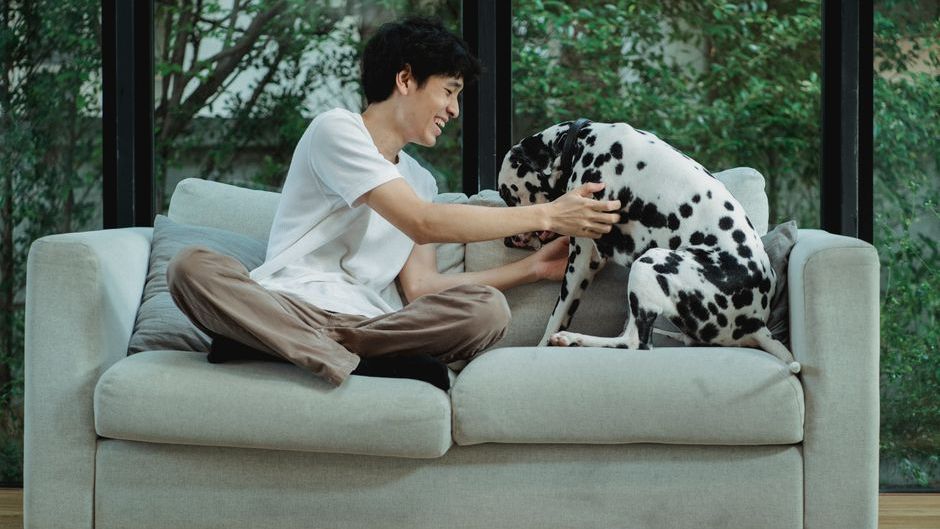

Every dog guardian knows that feeling: you stand up to grab a glass of water, and suddenly there’s a set of paws right behind you. You move to the bathroom, they wait at the door. You switch rooms, they reposition like a furry shadow. Sometimes it feels sweet, sometimes a little unsettling, and every now and then it makes you wonder if they know something you don’t. In the last decade, veterinary behaviorists and endocrinologists have been looking more seriously at these clingy moments, especially when they appear suddenly in otherwise independent dogs.
Here’s where it gets interesting: changes in how closely a dog tracks you around the house sometimes line up with shifts in their own hormones and in yours, especially around stress, mood, and big life transitions like pregnancy, illness, or major routine changes. But this is not magic, and it’s not a guaranteed prediction of a looming life event. It’s biology, pattern recognition, and a dog’s uncanny sensitivity to tiny changes in scent and behavior. Let’s unpack what science actually supports, what’s still speculation, and how to tell the difference between a sweet “velcro dog” phase and a real signal that something in your shared world is changing.
The Science Behind Why Dogs Track Us So Closely

One of the most surprising things about modern dog research is just how hard scientists have worked to measure what used to be brushed off as “cute behavior.” Studies using heart rate monitors, cortisol sampling, and behavioral scoring have shown that many dogs track their person’s movement as part of an attachment system that looks strikingly similar to that of a human child with a parent. When you leave a room, your dog’s brain registers a change in safety and predictability, and following you can literally be their way of re-establishing emotional home base.
Veterinary behaviorists link this attachment to the way social hormones like oxytocin and vasopressin operate in dogs. Interactions such as petting, eye contact, play, and even normal caregiving can shift a dog’s hormone levels in ways that reinforce staying close to you. Over time, some dogs develop a baseline pattern of following that feels completely normal for them. The red flag is not a dog who has always shadowed you; it’s the dog who suddenly starts tailing you relentlessly after months or years of being fairly independent.
Hormonal Shifts in Dogs: Cortisol, Oxytocin, and the “Clingy Phase”

When your dog suddenly sticks to you like glue, one of the first things veterinary professionals think about is stress hormones, especially cortisol. Spikes or long-term changes in cortisol are tied to anxiety, pain, illness, and environmental stress. A dog dealing with chronic discomfort or a new internal imbalance might follow more closely because keeping you in sight feels safer and helps them cope. In clinical settings, behavior changes like sudden clinginess can be an early clue that leads vets to investigate endocrine problems such as Cushing’s disease, hypothyroidism, or other systemic issues, even before obvious physical signs fully appear.
On the flip side, the hormone oxytocin reinforces social bonding and can make dogs more drawn to close contact. Repeated positive interactions with you, especially during a stressful period, can nudge oxytocin up while the dog simultaneously battles elevated cortisol. That internal tug-of-war often looks like a dog who is worried, maybe a bit restless, and absolutely determined to stay near you. It’s less about “I detected a future event” and more about “my internal chemistry is off, and you are my safest point of reference.” That hormonal turbulence may line up with major life changes, but the dog’s primary experience is emotional regulation in the present moment.
How Dogs Sense Human Hormonal and Emotional Changes
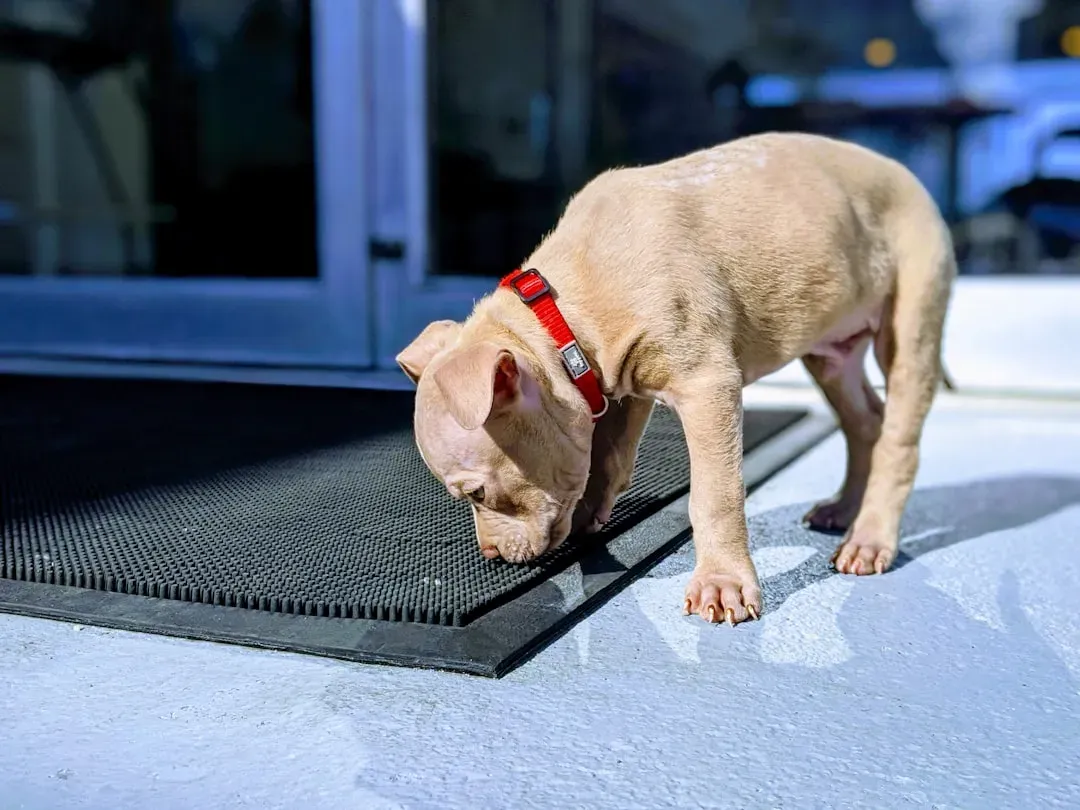
Humans like to frame this as dogs having a sixth sense, but what they actually have is a finely tuned nose and a lifetime of observing us. There is growing evidence that dogs can detect differences in human scent linked to changes in stress hormones and metabolic states. Research with sweat samples has shown that dogs can distinguish between human fear-related odors and neutral ones, and that they often adjust their behavior when they pick up on those emotional states. Following you room to room might be your dog’s way of responding to a shift in your internal landscape that you barely even notice yourself.
Pregnancy is one of the most talked-about examples. Many guardians report that independent dogs turn clingy or hyper-attentive months before a baby bump appears. While data on this is still limited and mostly anecdotal, it’s very plausible that dogs detect hormonal shifts through scent long before we see visible changes. Similarly, dogs trained for medical detection (like seizure alert or diabetes alert dogs) demonstrate how sensitive they can be to tiny biochemical changes. Your everyday pet might not be a trained medical alert companion, but their nose and their brain are still built to pick up on the smallest patterns in your smell, posture, breathing, and micro-movements.
Major Life Changes: What Your Dog Might Be Reacting To
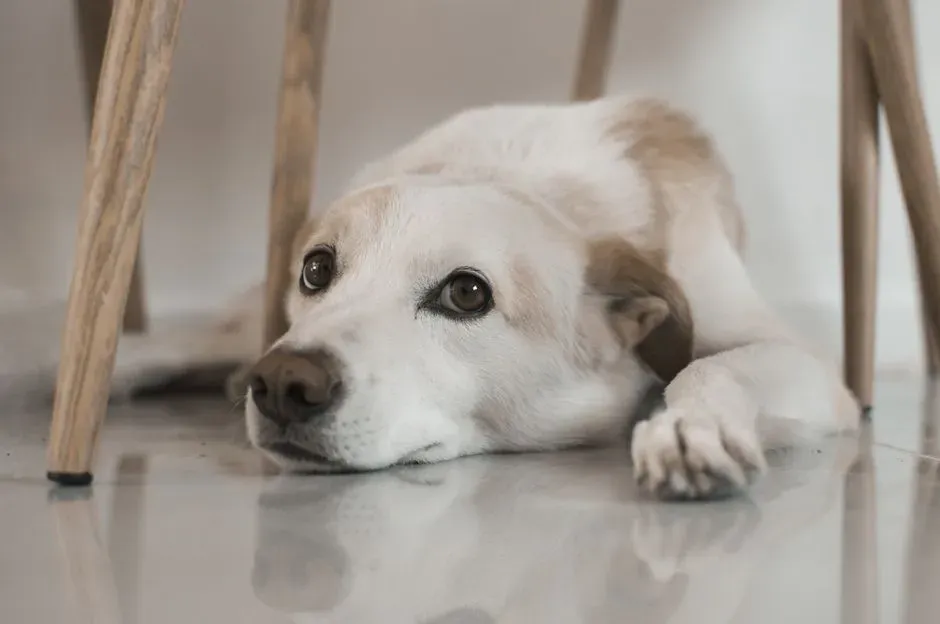
When people talk about dogs “knowing” a big life change is coming, it’s tempting to imagine something mystical. In reality, major events like moving houses, changing jobs, divorce, new relationships, or dealing with illness all come with subtle shifts that your dog notices long before you pack a box or sign a form. Your schedule starts to wobble, your sleep might get patchier, your scent changes with stress, and your body language telegraphs worry even if you’re putting on a brave face for everyone else. Dogs are experts in studying the pattern of your everyday life, so when that pattern wobbles, they respond.
From the dog’s perspective, following you around is a way to monitor this uncertainty and stay ready to react. If your anxiety spikes when you’re on your phone, your dog may learn to hover more when you pick it up. If late-night pacing becomes more common while you make a big decision, your dog might start trotting after you to every room, because that is when you are least predictable. Veterinary science does not support the idea that dogs can see the future, but it does support the idea that they are astonishingly fast at reading present changes that tend to precede big human decisions or life events.
When Clinginess Signals a Health Problem in Your Dog
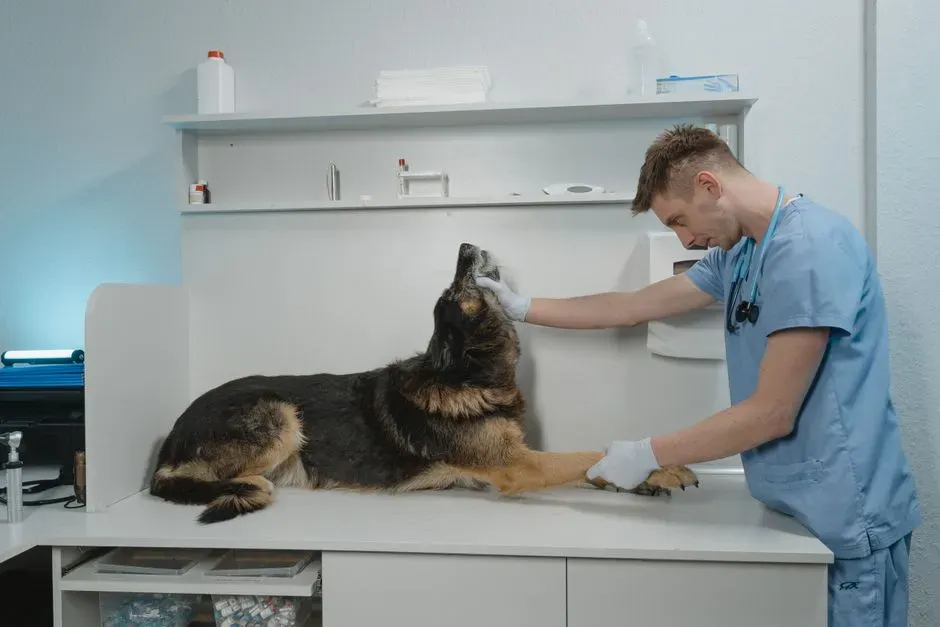
As romantic as it feels to believe your dog is predicting your future, sometimes the more pressing story is their own health. Sudden hyper-attachment can show up in cases of canine cognitive dysfunction (often described as a doggie version of dementia), vision or hearing loss, or chronic pain conditions such as arthritis. Older dogs that once roamed the house confidently might start tailing you because they are more disoriented, anxious in low light, or less able to quickly interpret their surroundings. You become their moving anchor in a world that suddenly feels a bit out of focus.
Hormonal disorders add another layer. Diseases like Cushing’s and hypothyroidism can cause shifts in energy, mood, sleep, and comfort, which in turn affect how a dog uses you as a coping tool. A dog that is restless at night, drinking and peeing more, or panting without obvious reason, and also suddenly glued to your heels, is not just “being sweet.” In that scenario, a vet visit is not an overreaction; it’s exactly what behavior experts recommend. Sudden pattern changes, especially in adult or senior dogs, are often treated as medical data points just as important as a changed appetite or weight loss.
When Your Dog Is Picking Up On Your Stress, Hormones, or Mood
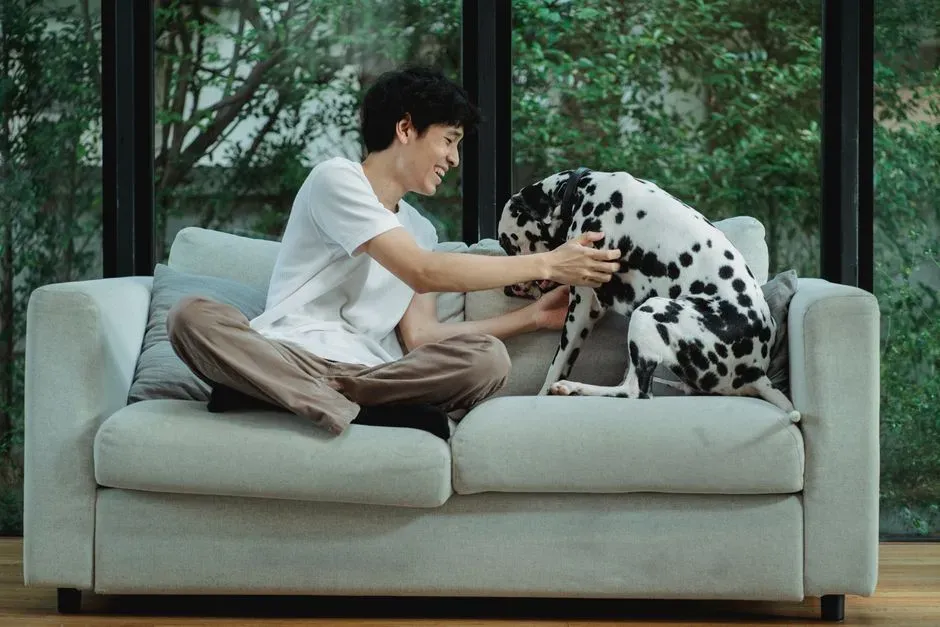
There’s another side to this hormonal story: your internal state is not invisible to your dog. Periods of intense work stress, grief, depression, or big anticipatory events like weddings, exams, and major financial decisions all leave invisible fingerprints on your body chemistry. Stress hormones like cortisol and adrenaline can subtly alter your scent, and changes in your sleep, diet, and activity level create a new rhythm in the household. Many dogs respond by shadowing you more, as if they are trying to stay close to the epicenter of the action.
From a behavior point of view, this makes sense. If you are the source of food, play, safety, and social cues, any shift in your energy becomes very relevant data. Your dog may become more clingy, check in more frequently, or seem to “refuse” to leave you alone during intense periods. That does not mean your dog has diagnosed you, but it does mean they are adapting to a version of you that smells and acts slightly different. I’ve seen this in my own life: during a tough period, my usually laid-back dog literally repositioned himself so that he could see me from every angle in our tiny apartment. It was annoying sometimes, but also a living reminder that our inner life is never completely hidden from the animals we share space with.
Normal “Velcro Dog” Traits vs. Sudden Behavioral Changes
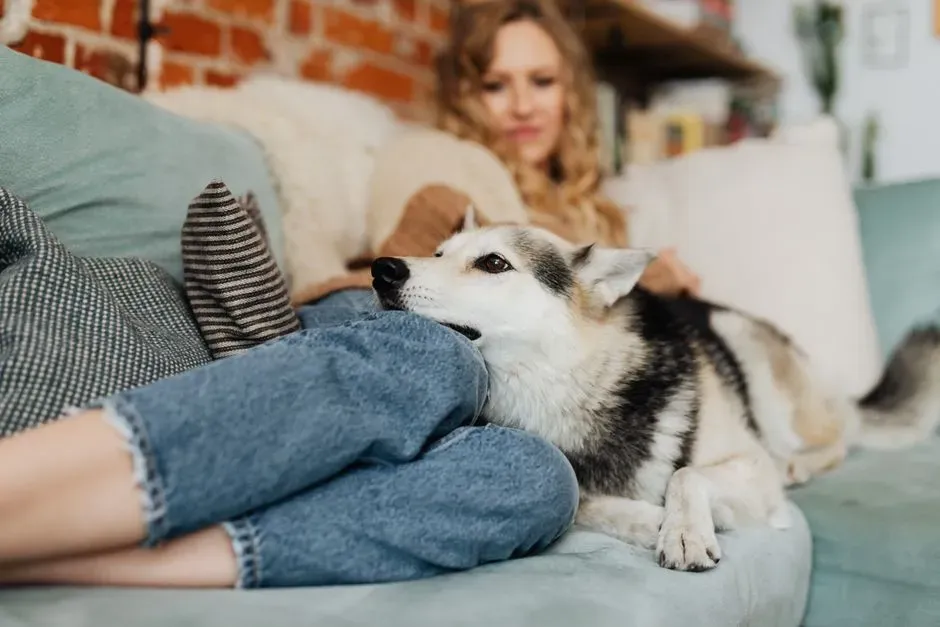
Not every dog following you from room to room is making a profound statement about hormones or life changes. Some breeds and individual dogs are simply more people-oriented; they were bred to work closely with humans and feel most secure when in constant contact. For these dogs, being underfoot is not a symptom, it is their natural baseline. These are the dogs who have always been stuck to you like a second shadow from puppyhood onward, whether life is calm or chaotic. In their case, suddenly not following you might actually be the more worrying sign.
What should catch your attention is a clear before-and-after contrast. If a previously independent dog starts pacing behind you to the bathroom, the garage, the laundry room, and then whining if you shut a door, that shift deserves a closer look. Behavior professionals often encourage guardians to ask a few questions: Did anything change in the last few weeks? Has the dog’s health, appetite, sleep, or mobility altered? Have you been under unusual stress yourself? Framing clinginess in terms of patterns over time helps separate “this is just who my dog is” from “something in our shared system has changed.”
What You Can Do: Practical Steps When Your Dog Turns Into a Shadow
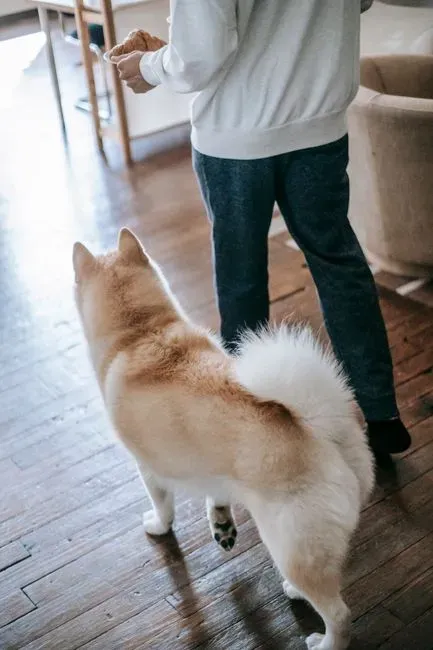
When your dog suddenly becomes your constant companion in every single room, the first step is not to panic or romanticize it, but to observe. Start by quietly tracking what is happening around the behavior: time of day, household activity, noises outside, your own mood, and any physical signs in your dog such as panting, pacing, or changes in eating and bathroom habits. If the change is sharp and persists for more than a few days, or if it comes paired with other concerning signs, booking a veterinary appointment is a smart move rather than an overreaction.
At the same time, you can support your dog emotionally by keeping routines as steady as possible and adding calm, predictable interactions: gentle walks, simple training games, and quiet affection on their terms. If your vet rules out medical issues but the clinginess remains intense, a referral to a veterinary behaviorist or certified trainer can help you build gradual independence without punishing your dog for needing you. Think of it as recalibrating the relationship rather than “fixing” them. In a world that often tells us to tune out our feelings, a dog who insists on being close when something is shifting might actually be reminding you to pay attention, too.
Opinionated Conclusion: Your Dog Is Not a Fortune Teller, But They Are a Mirror
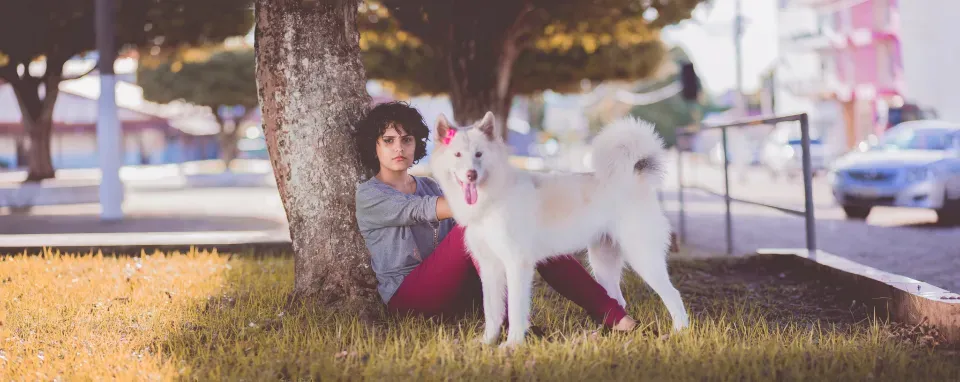
It’s tempting to lean into the myth that if your dog suddenly follows you everywhere, they’ve predicted a major life change through some mystical hormonal radar. The truth, in my view, is more grounded and honestly more beautiful. Dogs are not prophets; they are pattern-reading, scent-driven, emotionally attuned companions who live so close to us that they notice what we would rather ignore. Sudden clinginess is rarely a random quirk. It is either their body asking for help, their brain adjusting to new internal chemistry, or their nervous system reacting to subtle shifts in your world that you have not fully acknowledged yet.
If anything, we should treat this behavior less like an internet omen and more like a quiet, flashing dashboard light. Your dog may be reflecting your stress, highlighting their own discomfort, or surfacing the first hint of a coming change simply by responding to what is happening right now. In that sense, yes, they sometimes stand at the doorway of our next chapter before we do, not because they see the future, but because they feel the present with a sensitivity we’ve mostly lost. When your dog turns into a shadow, the better question is not “What big event are they predicting?” but “What, in us or in them, is already beginning to shift?” Did you expect that?