The world still shudders at the name “Chernobyl.” For many, it conjures up haunting images of ghost towns, abandoned apartments, and the silent menace of radiation lingering in the air. But what if, beneath the shadow of the world’s worst nuclear disaster, life was not only surviving but thriving? Imagine stepping into the Chernobyl Exclusion Zone at night: not into silence, but into a wild symphony of howls, grunts, and the fluttering wings of nocturnal creatures. Against all odds, a vibrant and mysterious nightlife pulses where humans once fled in fear. This is not just a story of survival, but of nature’s astonishing resilience—and it’s more fascinating than you ever imagined.
The Fallout That Changed Everything

On April 26, 1986, a catastrophic reactor explosion at the Chernobyl Nuclear Power Plant released a radioactive cloud across Europe. The surrounding area was evacuated, leaving entire towns frozen in time. Radiation levels soared, and scientists feared the land would remain barren for centuries. Yet, as decades passed, the Exclusion Zone became a living laboratory for biologists and ecologists. The disaster created a forbidden wilderness, largely untouched by humans—a place where nature could rewrite the rules.
The Unexpected Return of Wildlife
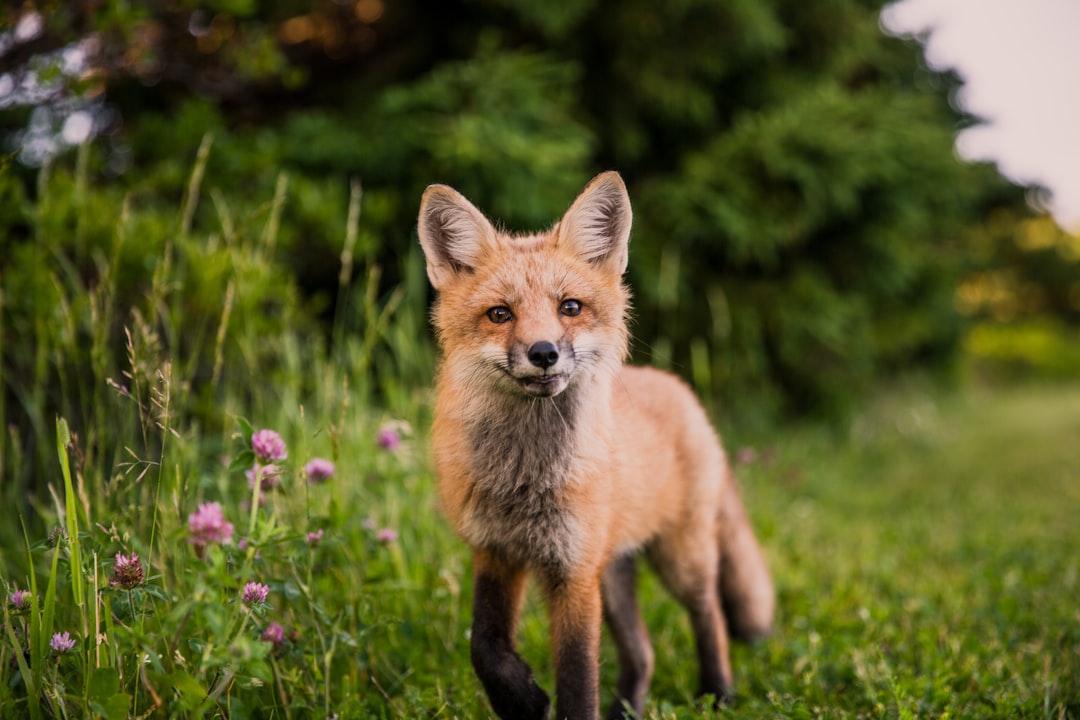
As people abandoned villages and cities, animals began to reclaim their lost habitats. With no humans to hunt or harass them, wildlife populations surged. Wolves, wild boars, deer, elk, and even rare species like lynx began to appear in greater numbers. The absence of people allowed these creatures to roam freely, turning Chernobyl into one of Europe’s most unusual and unexpected wildlife reserves. This resurgence wasn’t just a trickle—it was a flood of life filling the vacuum left by humanity’s retreat.
Meet the Nighttime Residents: Wolves on the Prowl
Wolves are now the undisputed rulers of Chernobyl’s wild nights. Packs roam the forests and abandoned villages, hunting for prey and calling to each other across the darkened landscape. Radio-collar studies have shown that Chernobyl’s wolves are not only surviving—they’re thriving at densities far higher than in similar, human-populated areas. These apex predators have become a symbol of nature’s power to recover, and their haunting howls echo nightly through the deserted streets.
Boars: Masters of Adaptation
Wild boars are another success story in the Exclusion Zone. These tough, adaptable animals root through the underbrush and abandoned gardens, feasting on everything from roots to abandoned apples. With few predators and no humans to limit their movements, their numbers have exploded. At night, entire sounders can be seen rummaging through fields, their grunts and squeals filling the air. Remarkably, even with exposure to radiation, boars here have shown a robust ability to reproduce and adapt.
Elk, Deer, and the Gentle Giants of the Forest
Not all of Chernobyl’s nightlife is about predators and scavengers. Large herbivores like elk, red deer, and roe deer wander the moonlit woods, grazing on lush grasses and shrubs that have reclaimed once-cultivated land. Their presence attracts predators but also helps maintain a balanced ecosystem. These gentle giants, often seen in the light of a full moon, are a testament to how quickly nature can rebound when left undisturbed.
Birds of the Night: Owls and Other Flyers
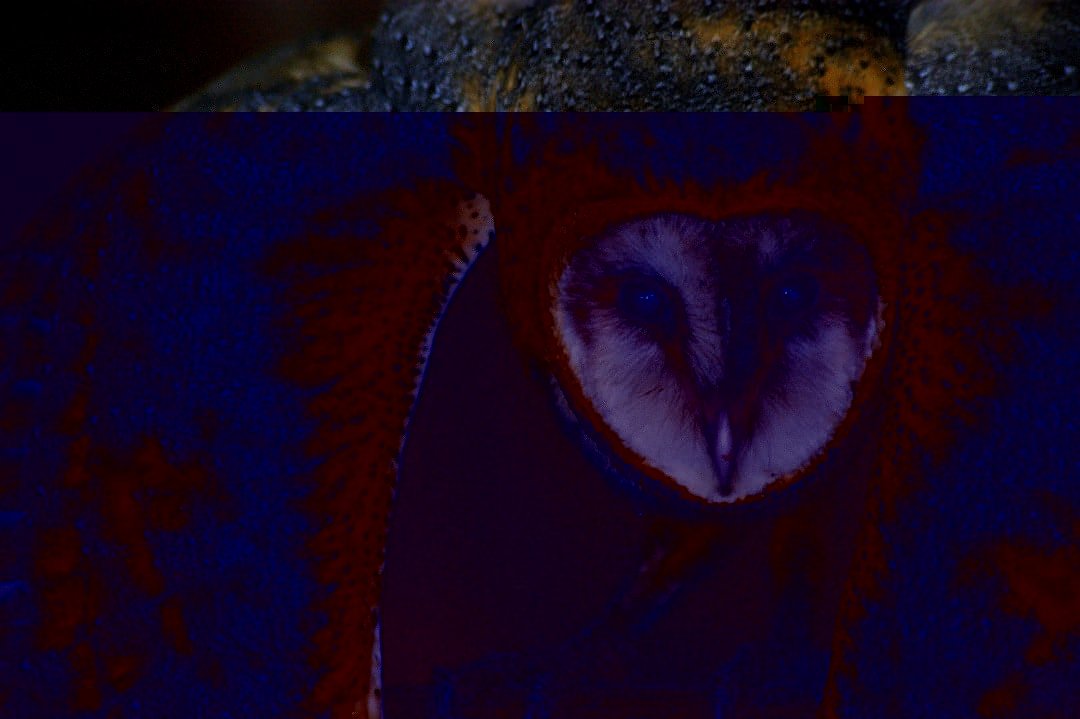
The night skies above Chernobyl are alive with birds. Owls, including the striking Eurasian eagle-owl, silently hunt rodents and small mammals. Other nocturnal birds, like nightjars and bats, fill the air with their calls and wingbeats. For scientists, these birds provide clues about the health of the ecosystem and how radiation might affect different species. Their songs have become part of Chernobyl’s surprising nighttime symphony.
Radiation: A Hidden Factor
Despite the thriving wildlife, radiation is still a lurking danger. Some animals show physical mutations or shortened lifespans, and research continues to monitor the long-term effects of chronic exposure. Yet, against all expectations, the overall populations are healthy and reproducing. For scientists, this paradox raises fascinating questions: Has the absence of humans outweighed the risks of radiation? What secrets do these animals hold about resilience and adaptation?
The Role of Absence: What Happens When Humans Leave?
Perhaps the most astonishing lesson from Chernobyl is what happens when people step away. The Exclusion Zone is a rare experiment in rewilding—a place where nature is allowed to take its own course. Without farming, hunting, or construction, forests have reclaimed roads and buildings, and animals roam where they please. It’s a living demonstration of how quickly the wild can return when left alone, even in the face of man-made disaster.
Nighttime Ecology: How Animals Adapt
Nightfall brings a special kind of energy to the Exclusion Zone. Many animals have shifted their activity patterns to take advantage of the quiet and safety of the night. Wolves hunt under cover of darkness; boars root for food when it’s cool and predators are less active. Scientists studying these patterns have discovered complex food webs and new behaviors—evidence of an ecosystem in dynamic balance, shaped by both radiation and the absence of humans.
Research and Conservation: Learning from Chernobyl
Scientists from around the world flock to Chernobyl, drawn by the chance to study one of the planet’s most unusual environments. Their research could have implications far beyond Ukraine. By observing how animals cope with radiation, experts hope to better understand adaptation, ecosystem recovery, and even how to manage other contaminated sites. Chernobyl has become a symbol not only of disaster, but of hope for ecological renewal.
What the Chernobyl Nightlife Teaches Us About Resilience
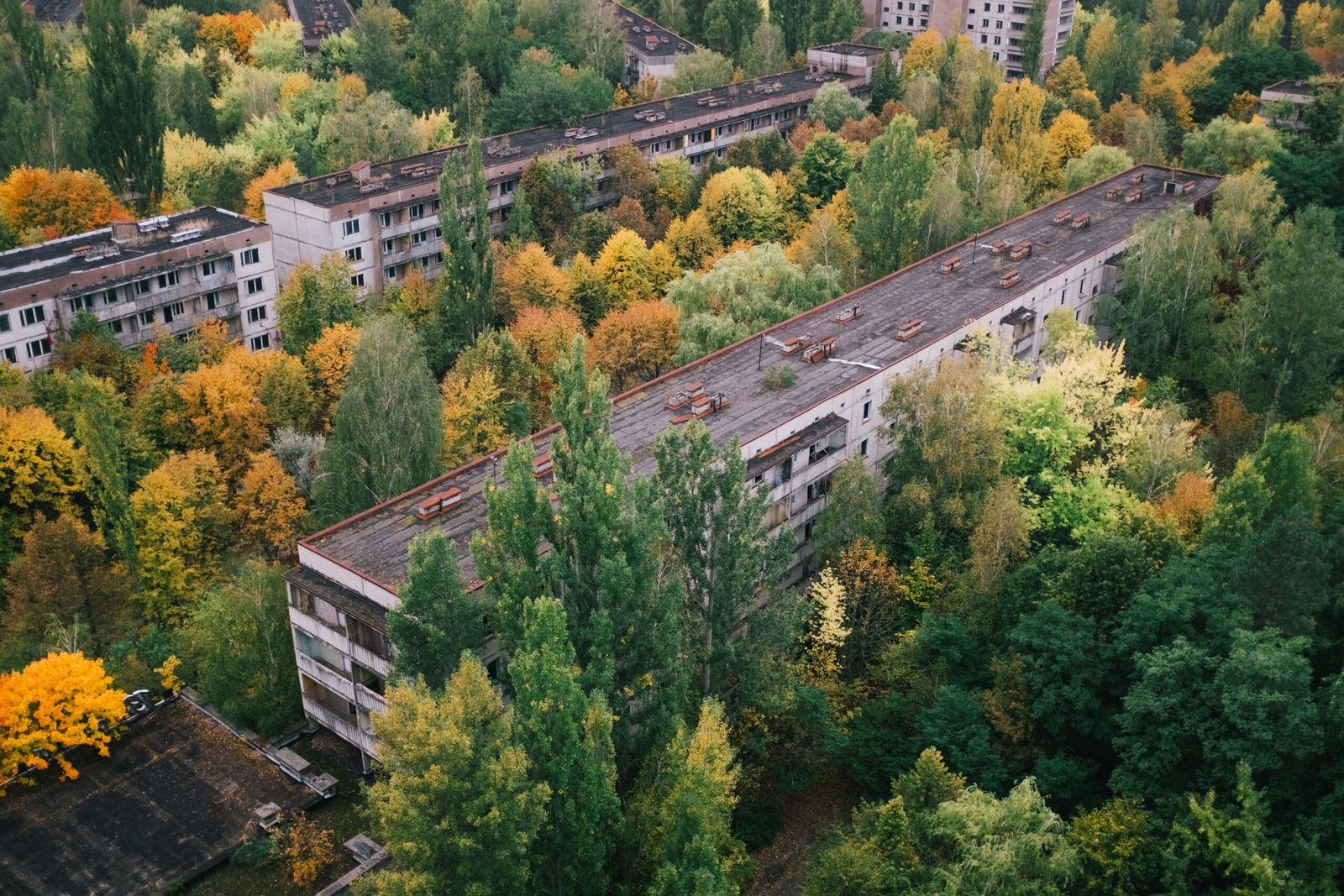
The Chernobyl Exclusion Zone is full of surprises. Wolves howl where children once played, boars feast in forgotten orchards, and owls glide silently through ruined schoolhouses. It’s a place where tragedy has given way to wild, untamed beauty. The vibrant nightlife of Chernobyl reminds us that even in the darkest of places, life finds a way to shine. Who would have guessed that the world’s most infamous no-go zone would become a beacon of nature’s resilience?