
Imagine stepping out your back door into a garden brimming with flavors, colors, and stories that stretch back tens of thousands of years. The scents of lemon myrtle and native mint drift through the air. Beneath your feet, ancient tubers push up from the earth, while edible berries shimmer in the morning sun. This isn’t just a dream—it’s the remarkable world of the bush tucker garden, a living tribute to the knowledge and ingenuity of Australia’s First Peoples. In a time of environmental uncertainty and food security concerns, exploring the world of Aboriginal food plants offers a refreshing, inspiring answer for modern backyards. Welcome to a journey where science, tradition, and sustainability intertwine, inviting you to experience the wild flavors and botanical wisdom of the land itself.
The Rich Heritage of Aboriginal Food Plants

For over 60,000 years, Aboriginal Australians have cultivated a deep and respectful relationship with their environment, learning to harvest an astonishing array of native plants for food, medicine, and culture. This knowledge—passed down through generations by storytelling, song, and careful observation—forms the foundation of today’s bush tucker gardens. These plants were not merely survival foods, but delicacies, carefully selected and managed for taste, nutrition, and seasonal abundance. By integrating these ancient foods into modern backyards, we honor a living tradition that celebrates the land’s bounty while maintaining its delicate balance.
Why Grow a Bush Tucker Garden?

Modern gardens often feature exotic plants that demand constant watering and chemical inputs, but bush tucker plants are perfectly adapted to Australia’s harsh conditions. They thrive with minimal care, often requiring less water and fewer chemicals than imported species. Growing bush tucker also has a powerful emotional impact: it connects us to the land’s history and the wisdom of its original custodians. For many, it’s an act of reconciliation—an opportunity to learn, respect, and participate in the living culture of Aboriginal Australians, right in the heart of suburbia.
Lemon Myrtle: Australia’s Citrus-Scented Superstar

Lemon myrtle (Backhousia citriodora) is perhaps the most aromatic of all bush tucker plants. Its glossy green leaves release an enchanting, lemony scent when crushed, thanks to their high citral content. Traditionally used by Aboriginal peoples to flavor food and treat ailments, lemon myrtle is now beloved in kitchens across Australia and the world. Growing lemon myrtle in a backyard is remarkably easy: it prefers well-drained soil and dappled sunlight, and once established, it tolerates dry periods beautifully. The leaves can be used fresh or dried in teas, cakes, and savory dishes, bringing a burst of native flavor to every meal.
Finger Lime: The Native Citrus Caviar

Few fruits capture the imagination quite like the finger lime (Citrus australasica). With its slender, sausage-shaped fruits that burst open to reveal glistening, tangy “caviar” pearls, it’s a culinary marvel. Aboriginal communities have enjoyed finger limes for centuries, often eating them fresh or using them to add zest to dishes. These hardy shrubs thrive in backyard gardens, especially in well-drained soils. They’re surprisingly resilient to pests and require little maintenance. Beyond their dazzling appearance, finger limes are rich in vitamin C and antioxidants, making them both a treat and a health boost.
Kakadu Plum: Nature’s Vitamin C Powerhouse

Kakadu plum (Terminalia ferdinandiana) is a small, unassuming fruit with an extraordinary nutritional punch. Revered as a traditional food and medicine, this fruit contains the highest recorded levels of vitamin C of any plant on Earth. Aboriginal peoples have long used it for its healing properties and as a vital food source during the dry season. The tree itself is hardy and drought-tolerant, perfect for challenging backyard conditions. Its fruits can be eaten raw, added to jams, or dried for later use. Introducing Kakadu plum into your garden isn’t just about flavor—it’s about embracing a superfood that has nourished Australians for millennia.
Warrigal Greens: The Bush Spinach

Warrigal greens (Tetragonia tetragonioides), also known as native spinach, are a versatile and vigorous groundcover that brings both nutrition and beauty to any garden. With their succulent, triangular leaves, they can be cooked and eaten just like traditional spinach, but with a mild, earthy flavor unique to the Australian bush. Aboriginal communities have used warrigal greens for generations, both as food and as a remedy for various ailments. This plant thrives in sun or partial shade and is remarkably resistant to pests. It’s a living example of how native plants can enrich our diets and our landscapes with minimal effort.
Muntries: Tiny Berries with a Big Punch

Muntries (Kunzea pomifera) are small, jewel-like berries that have long been prized by Aboriginal peoples in southern Australia. These ground-hugging shrubs produce a bounty of sweet, spicy fruits that taste like a blend of apple and spice. They are not only delicious but also packed with antioxidants and dietary fiber. Muntries are well-suited to sandy soils and can handle the tough, dry conditions of many Australian backyards. Their low, spreading habit also makes them ideal for groundcover or edible landscaping, adding both beauty and utility to your garden.
Riberry: The Tangy Forest Gem

Riberry (Syzygium luehmannii) trees are a stunning addition to any backyard, offering glossy leaves and clusters of pink to red berries. Traditionally, Aboriginal Australians used riberries both as a food and for medicinal purposes. The berries themselves are tangy, with a hint of clove, making them perfect for jams, sauces, or even eating fresh from the tree. Riberries thrive in a range of climates and can be grown as a hedge, screen, or feature tree. Their resilience and attractive appearance make them a favorite for bush tucker enthusiasts seeking both flavor and ornamental value.
Saltbush: The Salty Secret of the Outback

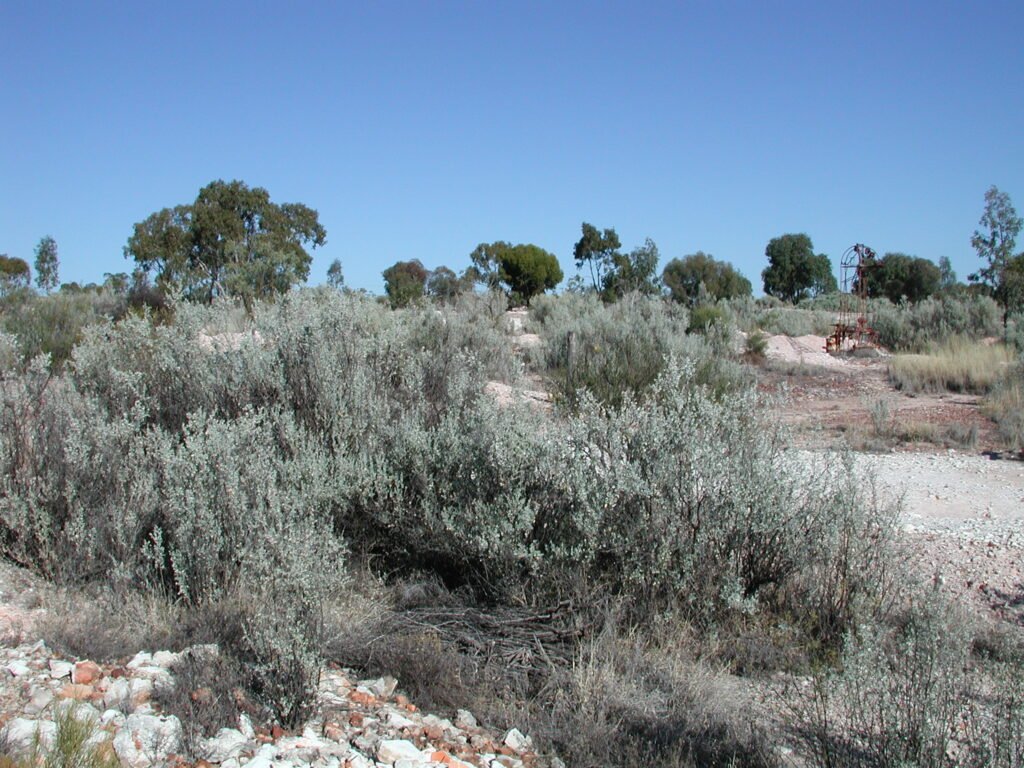
Saltbush (Atriplex nummularia) has sustained Indigenous Australians and livestock alike for generations, thriving in some of Australia’s most challenging environments. Its silvery leaves are edible and salty, making them a unique seasoning or salad green. Saltbush is incredibly hardy, tolerating drought, poor soils, and even salty conditions where most plants would fail. Including saltbush in a bush tucker garden not only adds a distinctive flavor but also demonstrates the power of Australian plants to survive and flourish against the odds.
Macadamia: Australia’s Gift to the World

Though now famous worldwide, the macadamia nut (Macadamia integrifolia) is native to the rainforests of eastern Australia and was first enjoyed by Aboriginal communities long before it became a global delicacy. Macadamia trees are beautiful, with glossy foliage and fragrant flowers, and their nuts are packed with healthy fats and minerals. These trees require some patience—nut production takes several years—but the rewards are immense. Growing a macadamia tree is a long-term investment in both food and shade, bringing the rich flavors of the bush straight into your home.
Bunya Nut: The Ancient Giant of the Rainforest

The bunya pine (Araucaria bidwillii) is a tree of mythic proportions, towering over the landscape and producing massive cones filled with edible nuts. For Aboriginal peoples, bunya gatherings were important cultural events, drawing communities together to feast and celebrate. While the tree itself requires space and time to grow, its nuts are a nutritional powerhouse, rich in protein and carbohydrates. Planting a bunya pine may be a commitment for future generations, but it’s a poignant way to connect with Australia’s deep ecological and cultural roots.
Quandong: The Desert Peach

Quandong (Santalum acuminatum) is a bright red fruit beloved for its tart, peach-like flavor and vivid appearance. Aboriginal Australians have enjoyed quandongs fresh or dried for centuries, valuing them as a high-energy food and source of essential nutrients. The tree is well-adapted to arid regions, making it perfect for water-wise gardens. Quandong’s striking fruits add a splash of color to the landscape, while their unique taste brings a piece of the desert’s wild spirit to the table.
Native Mint: Aromatic and Adaptable

Native mint (Mentha australis) is a fragrant herb that grows wild along creeks and waterways, its delicate leaves carrying a cool, refreshing aroma. Aboriginal peoples have used native mint in cooking, medicine, and even ceremonies for generations. It grows easily in gardens, thriving in moist, shaded spots, and spreads quickly to fill empty spaces. Native mint is perfect for adding to teas, desserts, or savory dishes, infusing every recipe with a touch of Australia’s ancient botanical heritage.
How to Start Your Own Bush Tucker Garden

Creating a bush tucker garden begins with curiosity and respect. It’s important to learn about the native plants best suited to your local climate and soil. Many nurseries now offer bush tucker seedlings, making it easier than ever to begin. Start small—perhaps with a handful of hardy species like warrigal greens or lemon myrtle—and expand as you gain confidence. Remember to research each plant’s needs, as some may require specific care or protection from pests. Above all, take the time to savor the process: growing, harvesting, and tasting these ancient foods is a journey in itself.
Honoring Aboriginal Knowledge and Caring for Country

The wisdom of bush tucker is deeply entwined with the principle of “Caring for Country,” a core value in many Aboriginal cultures that emphasizes respect, sustainability, and stewardship. When we plant and nurture bush tucker gardens, we participate in this ongoing story, fostering biodiversity and reconnecting with the rhythms of the land. It’s important to acknowledge and honor the traditional custodians of these foods, learning from their stories and respecting their knowledge. By doing so, we ensure that the bush tucker garden is more than just a collection of plants—it’s a living bridge between past and present, science and story, people and place.