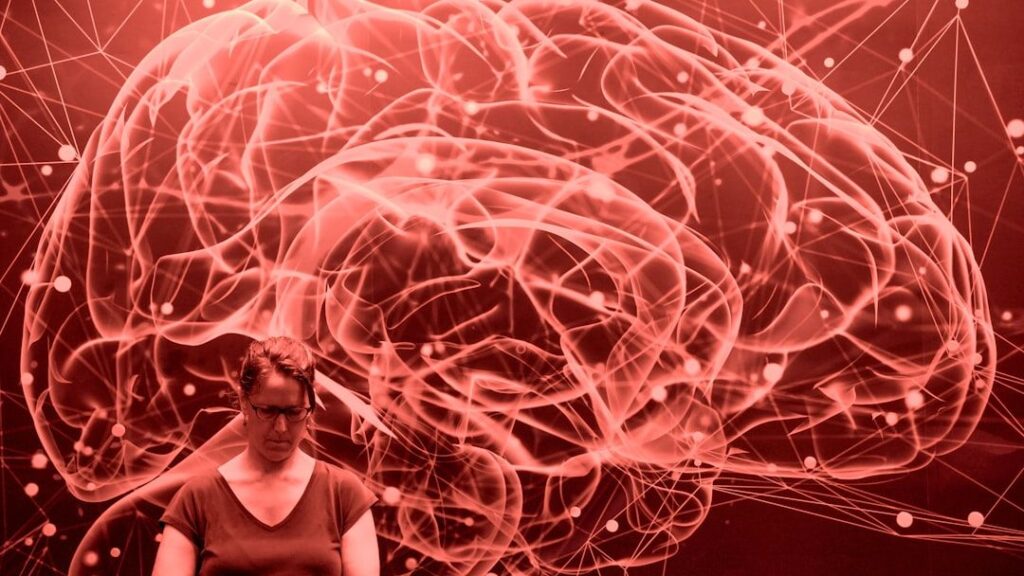
You live every moment inside your own mind, yet the thing producing your thoughts, emotions, and sense of self remains one of the greatest mysteries in science. Neuroscientists can scan your brain, track your neurons firing, and even predict some of your decisions before you are aware of them, but they still cannot fully explain what it feels like to be you. That gap between brain activity and lived experience is exactly where the puzzle of consciousness refuses to be solved.
As you read about theories and experiments, it is tempting to hope for a single breakthrough that suddenly makes everything click. But the more closely you look at the brain, the more complicated it becomes: billions of neurons, trillions of connections, constant electrical storms and chemical flows. Instead of clearing the fog, each discovery often shows you just how deep the mystery goes. In a way, your brain is like a labyrinth that is constantly remodeling itself while you try to map it from the inside.
The Sheer Scale of Your Brain Is Almost Impossible to Intuit
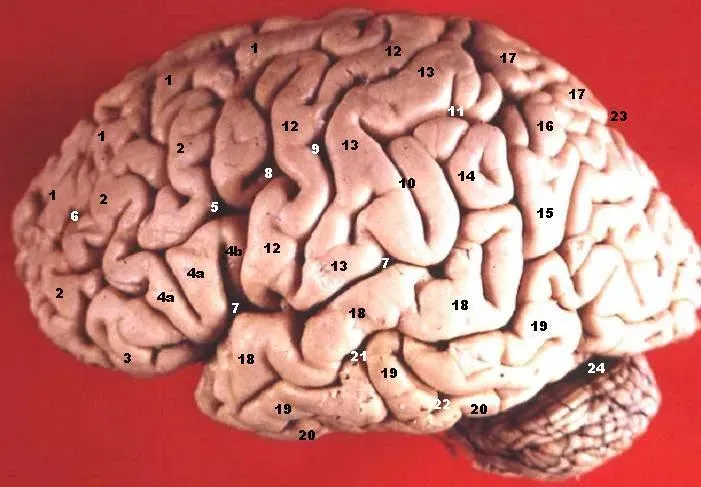
When you think about your brain, you might imagine a fist-sized lump of tissue sitting quietly in your skull, but the reality is far wilder. You are carrying around roughly the same number of neurons as there are stars in a small galaxy, each one capable of forming thousands of connections with others. If you tried to count a new synapse every second, you would never come close in a lifetime.
This almost unimaginable scale matters because consciousness likely depends not on individual neurons, but on the vast patterns that emerge from their interactions. You are not just a single signal moving through a line of cells; you are billions of signals colliding, looping, and synchronizing in networks that span multiple regions at once. As a result, when you ask what in your brain is “doing” the conscious experience, you are really asking about a moving target spread across an entire living system.
Consciousness Is Not in One Spot, Even If You Feel Like One Unified Self
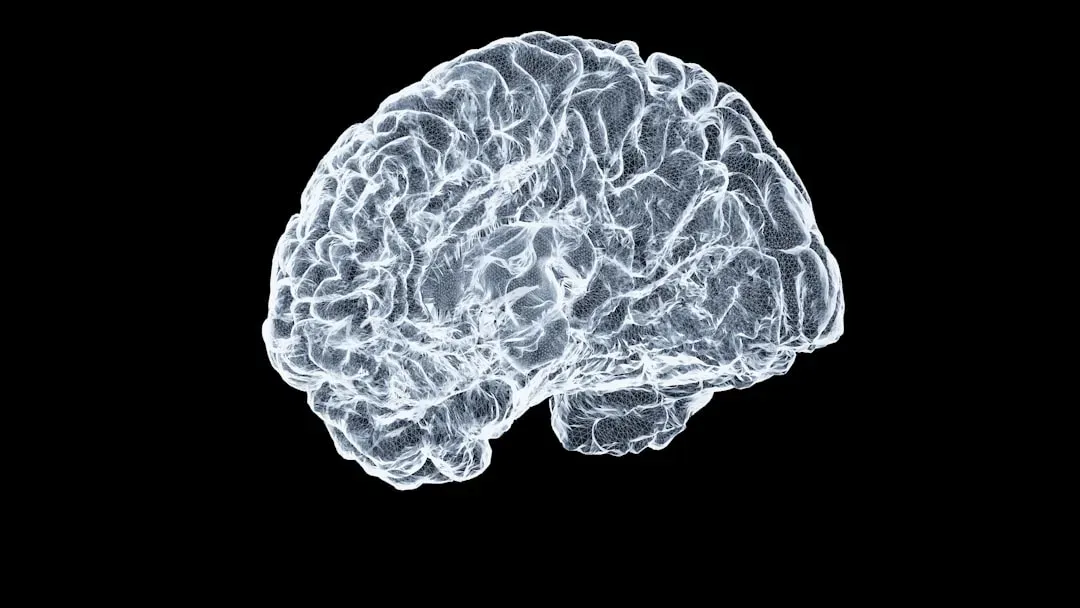
It feels as if there is a single “you” sitting somewhere behind your eyes, watching a movie of your life, but your brain does not actually have a central command room. Different areas handle vision, sound, touch, language, movement, memory, and emotion, and they all contribute to your experience in parallel. What you call the present moment is more like a negotiated truce between many systems that are constantly updating and sometimes even disagreeing.
You can see hints of this when parts of the brain are damaged or disrupted: someone might lose awareness of half their visual world, or feel a limb as if it does not belong to them, while other abilities stay strangely intact. That shows you that consciousness can fracture along the boundaries of brain networks. Your sense of unity is, in a way, a clever illusion built from many distributed processes syncing just enough for you to feel like a single, coherent person.
The “Hard Problem” Makes the Mystery Deeper Than Just Brain Functions
You can explain how your eyes detect light, how your cortex processes shapes, and how your motor system triggers actions, but that still leaves the hardest question hanging: why does any of this feel like something from the inside? This is often called the hard problem of consciousness, and it points directly at your subjective experience, the raw feel of pain, the blueness of blue, or the warmth of a memory. You can describe the brain mechanisms, yet that never seems to fully capture what it is like.
From your perspective, that gap is unsettling, because it suggests that even a perfect brain map might still miss the essence of being you. Some researchers propose that once you understand all the functions, the feeling will naturally follow; others suspect that subjective experience might require a new way of thinking, beyond current neuroscience. Either way, you are left living inside something that science can measure from the outside, but cannot yet translate into the inner movie only you can see.
Competing Theories Show How Hard It Is to Pin Consciousness Down
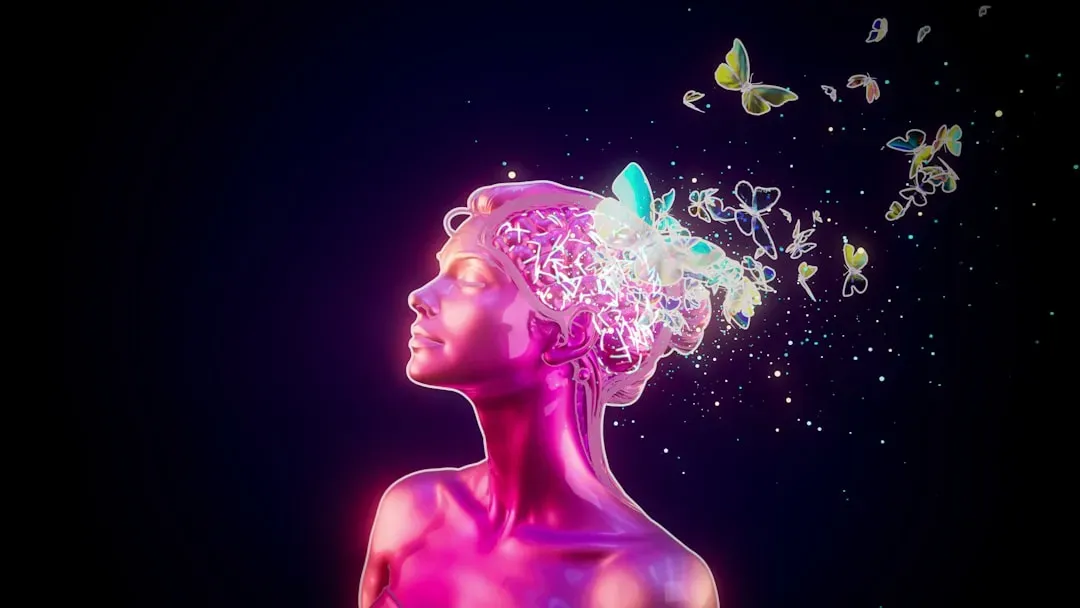
When you look at modern neuroscience, you do not find a single agreed explanation of consciousness; you find rival theories, each focusing on different aspects of your brain. One idea emphasizes how information becomes globally available across many regions, framing consciousness as what happens when data is broadcast widely in your brain. Another argument centers on how integrated and differentiated your neural activity is, suggesting that consciousness requires a certain kind of complex, unified pattern.
Other perspectives draw your attention to specific structures, such as the thalamus and cortex working as a loop, or to recurrent feedback between sensory areas and higher-order regions that interpret them. Some approaches even bring in ideas from physics or computation, hinting that consciousness might relate to how systems process information at a very fundamental level. For you, the takeaway is not that one theory has won, but that the brain is so intricate that multiple serious, evidence-based stories are still competing to explain your everyday awareness.
Your Brain Keeps Changing, So Consciousness Is a Moving Target
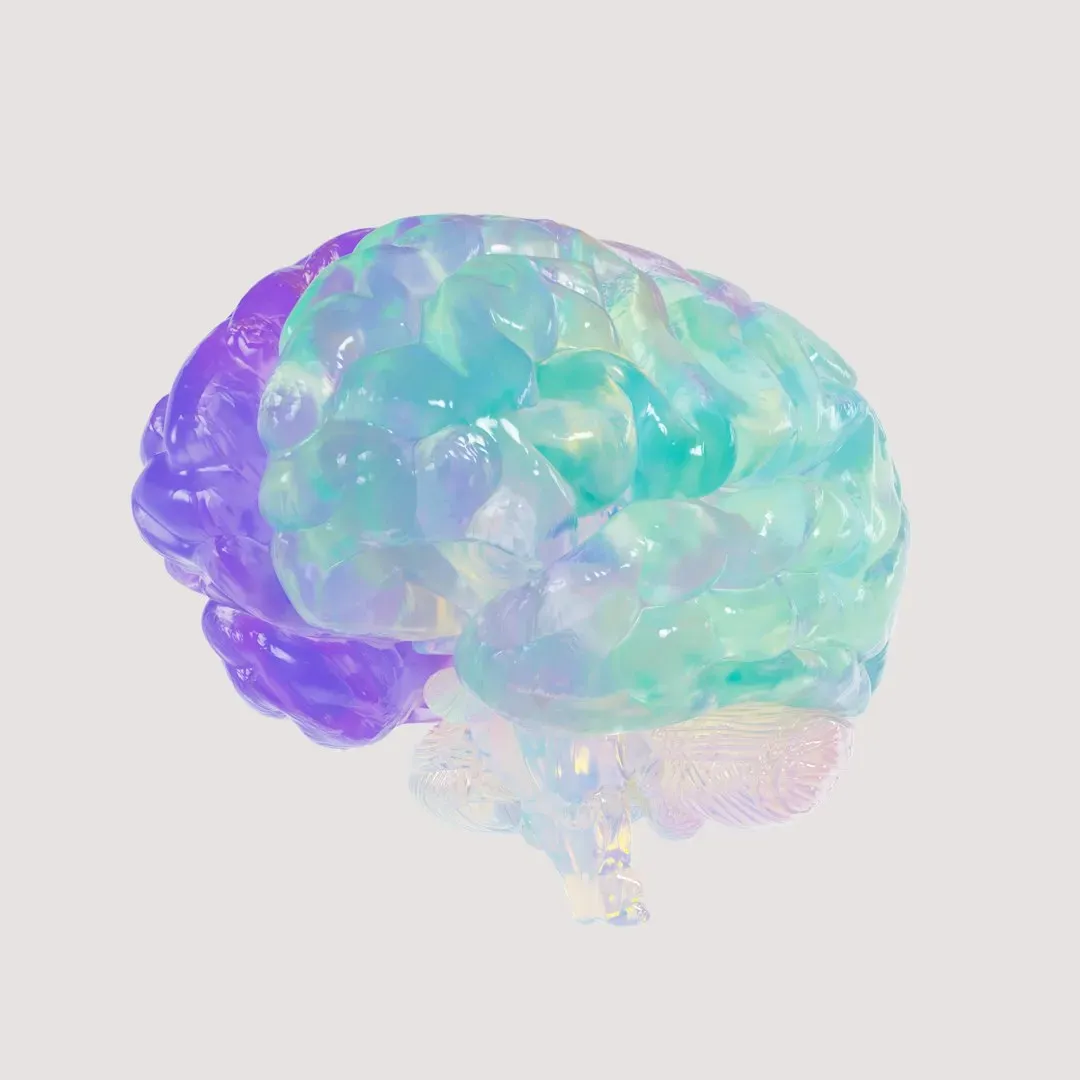
You might think of your brain as mostly fixed once you reach adulthood, but it is constantly rewiring itself through a process often called plasticity. Every new skill you learn, habit you build, or emotional pattern you repeat leaves some kind of trace in your neural networks. Over months and years, this slow remodeling shapes how you experience the world, how quickly you notice danger, how easily you feel joy, and how you interpret your own thoughts.
Because of this, consciousness is not just something your brain produces in a static way; it is something that shifts with your life. When you meditate, go through trauma, fall in love, recover from illness, or even just change jobs, your patterns of attention and awareness subtly evolve alongside the underlying brain circuits. That makes it especially challenging for science to define a single, timeless model of consciousness, because the thing you are trying to explain keeps adapting, layer by layer, as you live.
Technology Lets You Watch Your Brain but Not Fully Read Your Mind

Modern brain imaging can feel almost magical: you lie in a scanner, and researchers watch colorful maps light up as you look at faces, move your fingers, or imagine a song. With machine learning, they can even guess which of several images you are viewing or whether you are planning to move left or right. From your point of view, it might feel as if technology is on the verge of reading your thoughts like an open book.
Yet when you dig deeper, you see that these tools are still looking at broad patterns, not the fine-grained details of your inner life. A scan can tell that you are in pain, but not exactly how that pain feels to you; it can suggest you are recalling a memory, but not the full story you are replaying. You get a partial translation of brain activity into behavior or categories, but your private stream of consciousness remains stubbornly out of reach. For now, your mind is only partly visible through these scientific windows, never fully captured.
Altered States Expose How Fragile and Flexible Your Awareness Really Is

Think about how different you feel when you are deeply tired, intensely focused, anxious, or in a creative flow; each state colors your experience so strongly that your usual sense of self can seem to shrink or expand. Add in dreams, the effects of anesthesia, or carefully controlled psychedelic experiences, and you discover that your consciousness can bend in ways you might not have believed until you lived through them. The boundaries of who you are, what is real, and how time passes can all shift dramatically.
These altered states are not just curiosities; they are powerful clues about how your brain constructs your everyday reality. When certain networks are suppressed or others become unusually synchronized, you can lose your normal sense of self or dissolve into a feeling of connection with everything around you. That shows you that consciousness is not a simple on-off switch, but a spectrum with many modes, each linked to different patterns in your brain. Exploring those modes forces you to question how stable your usual waking awareness really is.
Why This Ongoing Mystery Matters for How You Live
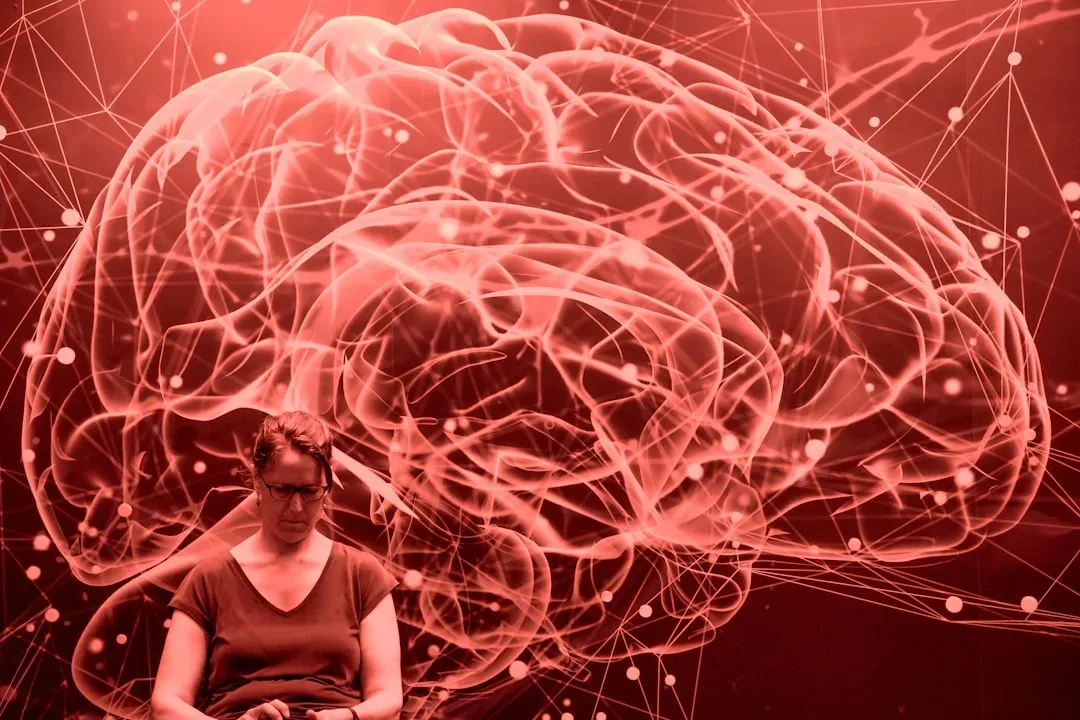
It might be tempting to see all this as an abstract puzzle for philosophers and scientists, but your understanding of consciousness quietly shapes how you treat yourself and others. If you view experience as just a side effect with no real importance, you might downplay mental suffering or ignore how deeply relationships affect your inner world. If, instead, you recognize consciousness as the core of what makes life meaningful, you are more likely to care about the quality of your attention, your emotional health, and the dignity of other minds.
On a personal level, noticing the complexity of your brain can be strangely freeing. You realize that automatic reactions, intrusive thoughts, and stubborn habits are not moral failures, but patterns in a bewilderingly intricate system that you can, over time, gently reshape. You may never fully solve the mystery of how your brain gives rise to you, but you can learn to navigate it with more curiosity, compassion, and humility. In the end, the question you keep returning to is simple and profound: knowing how little you truly understand your own mind, how will you choose to live with it today?
Consciousness sits at the crossroads of biology, physics, psychology, and personal experience, and your brain keeps defying any attempt to shrink it into a neat formula. The more you study it, the more you are invited to balance hard evidence with a deep respect for the mystery of being aware at all. You do not need to solve every theoretical question to feel the weight of that mystery in an ordinary breath, a passing thought, or a memory that still makes your chest tighten.
As you move through your days, you are both the scientist and the experiment, trying to understand a system that is doing the very thinking required to analyze itself. That is a strange and beautiful predicament, one that can make you feel small in the face of complexity, but also quietly amazed that you get to be conscious in the first place. Perhaps the most important step is not finally cracking the code, but learning to pay closer attention to the experience you already have. When you pause and notice your own awareness right now, does it feel any less astonishing than the biggest mysteries in the universe?