Every time we think we’ve figured the universe out, it quietly leans over and says, not even close. We have equations that can predict the motion of planets and the life cycles of stars, yet some of the biggest questions about reality itself are still completely wide open. It’s a bit like finishing a thousand-piece puzzle only to realize the box actually held a million pieces and the picture on the front was lying to you.
What makes this so gripping is that these mysteries aren’t just abstract trivia for physicists with chalkboards. They cut right into our sense of what is real, what is possible, and what our place in the cosmos might be. As someone who’s spent way too many nights going down rabbit holes about black holes, consciousness, and the multiverse, I can tell you: once you start pulling on these threads, everyday life suddenly feels a lot stranger. Let’s walk through ten of the biggest questions that keep scientists, philosophers, and probably a few insomniacs, up at night.
1. What Exactly Is Dark Matter?
Imagine looking at a galaxy and realizing most of what holds it together is something you can’t see, touch, or directly detect. That’s dark matter. Astronomers noticed that stars orbiting in galaxies were moving so fast that, according to gravity as we understand it, the galaxies should fly apart. The only way to make the math work was to assume there is a huge amount of invisible mass providing extra gravitational glue.
Today, the leading idea is that dark matter is made of some kind of undiscovered particle that barely interacts with ordinary matter. Experiments deep underground and powerful particle accelerators have been hunting for these particles for years and have found exactly nothing definitive so far. The awkward truth is that roughly about five sixths of the matter might be this invisible stuff, and we still don’t know what it is. My own hunch is that the solution will come from some weird corner of physics we are not even looking at yet, rather than a neat, expected particle that slots comfortably into our current theories.
2. Why Is The Universe Expanding Faster and Faster?
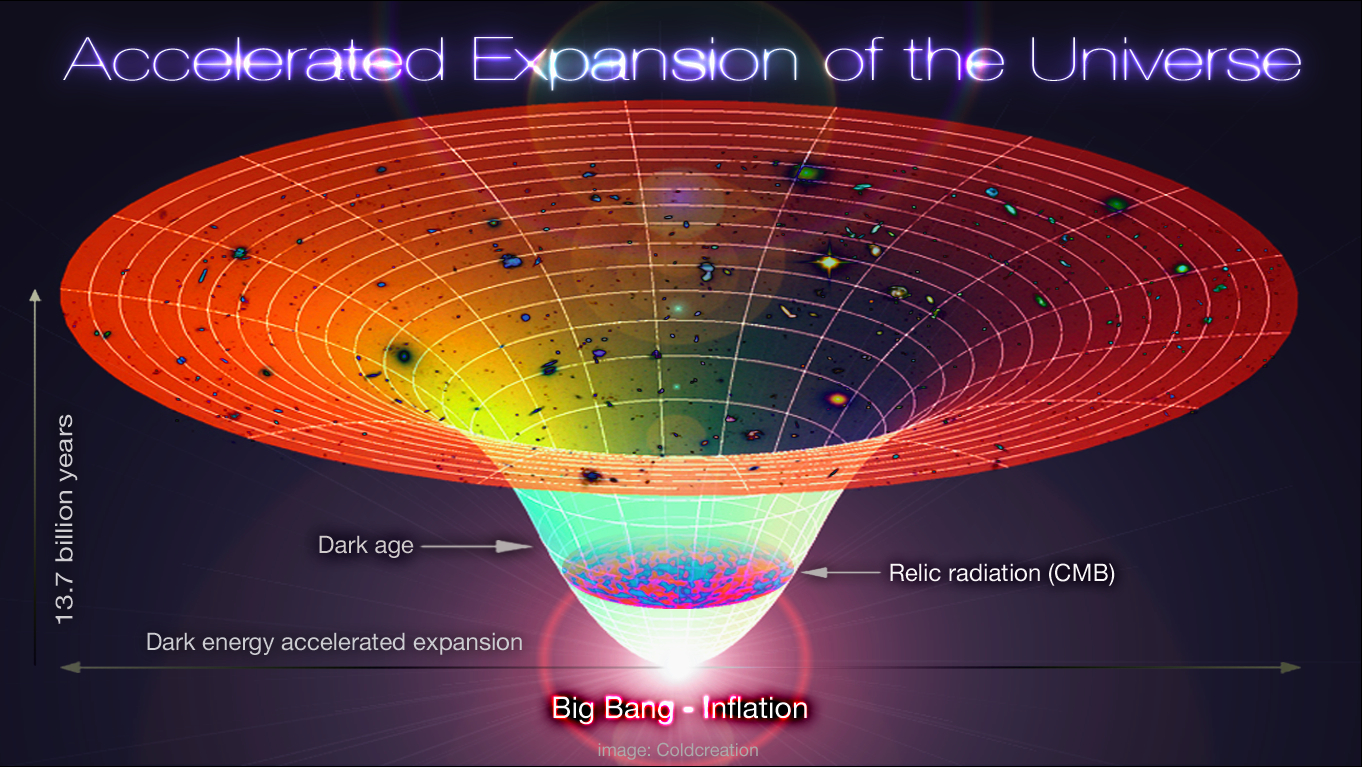
In the late twentieth century, astronomers measuring distant exploding stars discovered something unsettling: not only is the universe expanding, but that expansion is speeding up. That makes no intuitive sense, because gravity should be pulling everything together, slowly slowing the expansion down. Instead, space itself seems to be accelerating outward, as if an invisible cosmic engine were pressing the gas pedal.
We call the culprit dark energy, but that name is basically a stylish label for our confusion. One idea is that dark energy is related to the energy of empty space, a feature predicted by quantum field theory, but when physicists try to calculate this, the number they get is absurdly too large. Others suspect we may need to tweak our understanding of gravity itself on vast cosmic scales. Until we pin down what dark energy really is, all our lovely cosmological models sit on top of a massive unknown, and personally I think that makes every confident-sounding timeline about the far future of the universe feel a bit premature.
3. What Happened Before (or At) The Big Bang?
We have a surprisingly detailed picture of what happened after the Big Bang: how the universe expanded, cooled, formed atoms, stars, and galaxies. But if you ask what triggered it all or what came before, the conversation suddenly gets fuzzy. At very early times, when the universe was incredibly hot and dense, our current theories of gravity and quantum physics collide and stop giving sensible answers.
Some models suggest the Big Bang might have been a bounce, where a previous universe collapsed and then rebounded. Others imagine quantum fluctuations giving birth to space and time themselves. There are even ideas where “before” simply does not exist, because time as we understand it began with the Big Bang. The honest situation is that our best tools break right where the most exciting question sits. Until we figure out how to merge gravity and quantum physics into a unified theory, the ultimate origin story of the universe remains tantalizingly out of reach.
4. Why Does Time Only Flow Forward?

In everyday life, time feels like an arrow: you remember yesterday, not tomorrow; you can scramble an egg, but you cannot unscramble it back into its shell. Strangely, the fundamental laws of physics at very small scales mostly work the same whether you run them forward or backward. So where does this sense of a one-way direction of time actually come from?
The leading explanation points to entropy, a measure of disorder. Over time, systems tend to move from more ordered states to more disordered ones, like a tidy room drifting toward mess unless someone constantly cleans it. The mystery is why the universe started in such a bizarrely low-entropy, highly ordered state that allowed this process to unfold. That special beginning is still not well understood. Personally, I think our psychological sense of time, built from memory and anticipation, gets tangled up with the physics, making it even harder to separate what is truly fundamental from what is just a quirk of human experience.
5. Where Is All The Missing Antimatter?
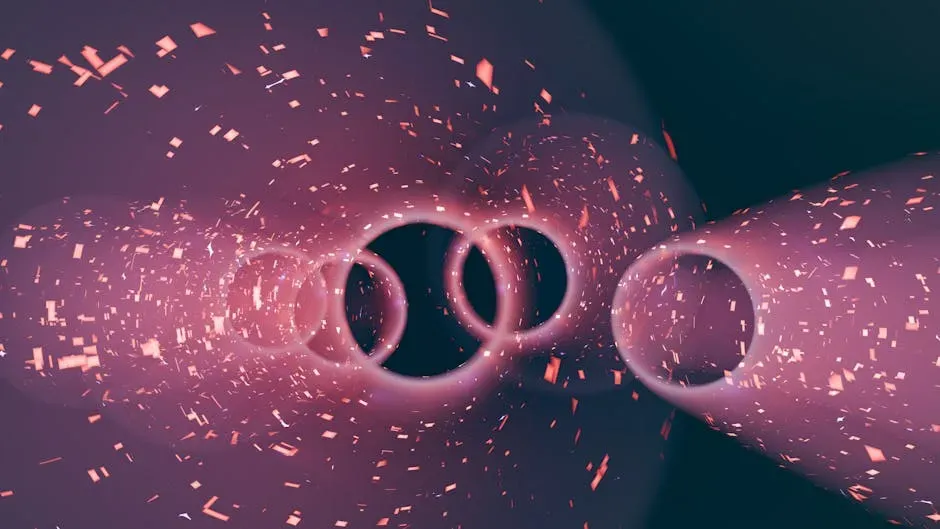
According to our best theories, the Big Bang should have created matter and antimatter in almost perfect balance. Whenever a particle and its antiparticle meet, they annihilate in a burst of energy. If everything had been symmetrical, the early universe should have quickly wiped itself out, leaving little more than radiation. Clearly, that did not happen, because we are here, made of matter, typing and reading about it.
Experiments have shown that under very specific conditions, particles and antiparticles behave slightly differently, hinting at a tiny built-in imbalance in nature. But the amount of asymmetry we can explain so far is far too small to account for the overwhelming dominance of matter today. Somewhere, there is a missing piece in the story that allowed matter to win this cosmic tug-of-war. To me, this particular mystery feels deeply connected to why anything solid and structured exists at all, so it is hard not to see it as one of the most personal questions in all of physics.
6. What Are Black Holes Really Like Inside?
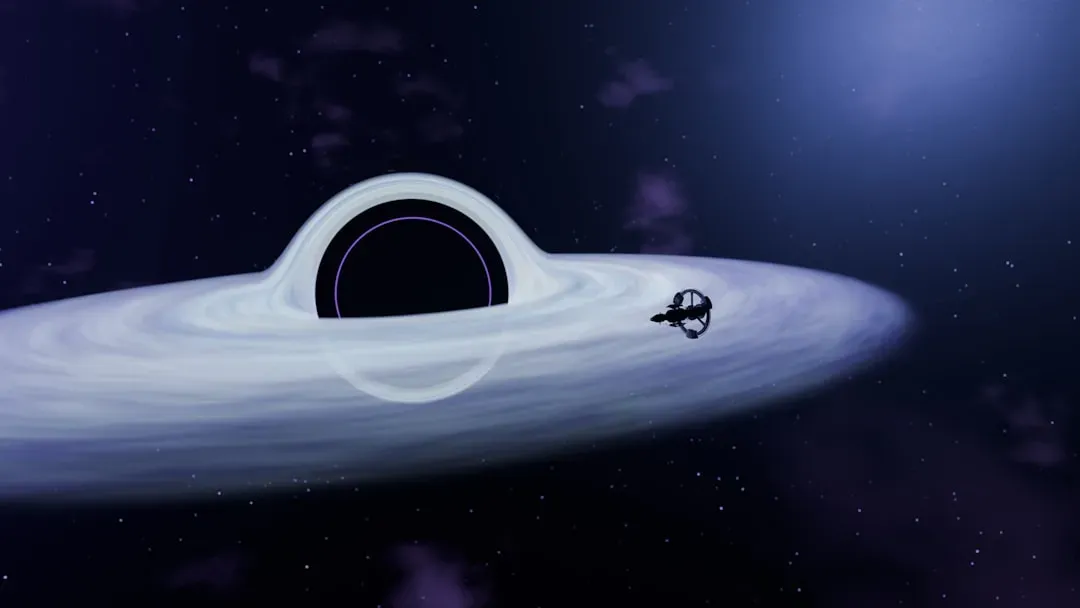
Black holes are the universe’s ultimate no-access zones. We can describe how they form when massive stars collapse, how they warp spacetime, and how they slowly evaporate through a strange quantum process. But once you cross the event horizon, the boundary from which nothing returns, our usual intuition and even our standard equations start to crack. At the center, they predict a singularity, a point of infinite density where the known laws of physics basically throw up their hands.
There are fierce debates about whether information that falls into a black hole is truly lost or somehow encoded in subtle ways on the event horizon. Some researchers propose that the singularity may never actually form thanks to unknown quantum gravity effects that smooth out the extreme conditions. Others imagine black holes as gateways to other regions of spacetime, though that remains very speculative. I find it fascinating, and a little funny, that some of the brightest people on Earth are arguing about what happens in a region of the universe that, by definition, no one can ever visit or see directly.
7. Are We Alone ?
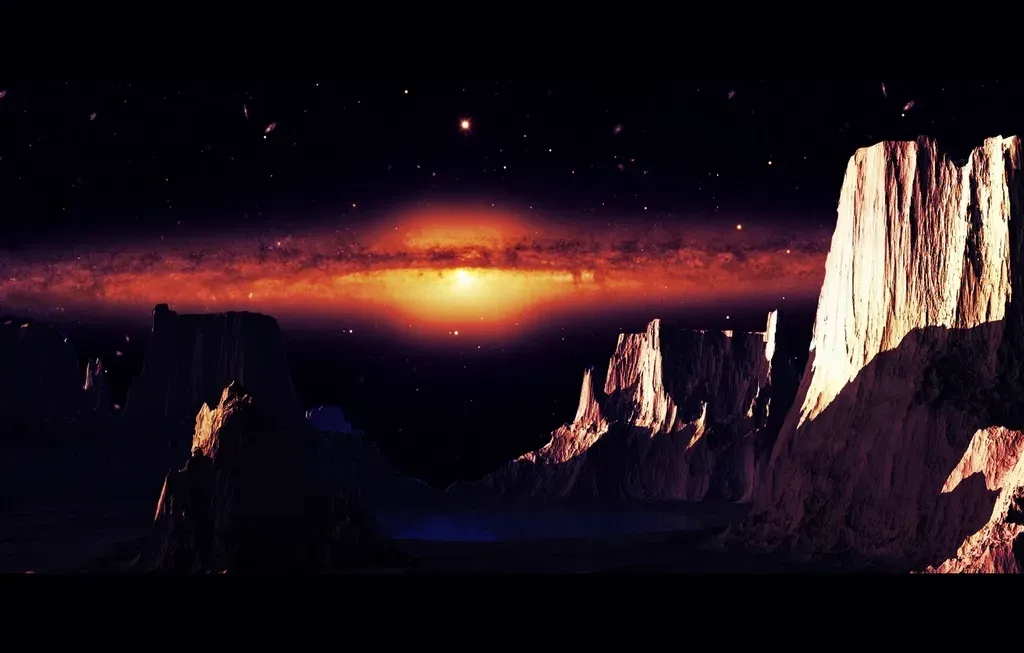
Look up at the night sky, and you are staring at a staggering number of stars, many of which almost certainly host planets. Observations over the past few decades have revealed that planets are common, and some of them orbit in zones where liquid water could exist. Given all that cosmic real estate, it feels almost irrational to assume Earth is the only place where life has ever appeared. Yet, despite all our searching so far, we still have no confirmed evidence of life beyond our planet.
This is often summed up in a famous puzzle about where all the aliens are, given how old and vast the galaxy is. Possibilities range from life being incredibly rare, to intelligent civilizations being short-lived, to advanced beings choosing not to broadcast or contact us. We are only just starting to scan exoplanet atmospheres for hints of biology and sending robotic probes to the most promising worlds in our own solar system. My personal opinion is that simple life, like microbes, will eventually be found somewhere else, but sophisticated, chatty civilizations might be so scattered in time and space that meaningful contact is unlikely.
8. How Did Life First Begin from Non-Life?
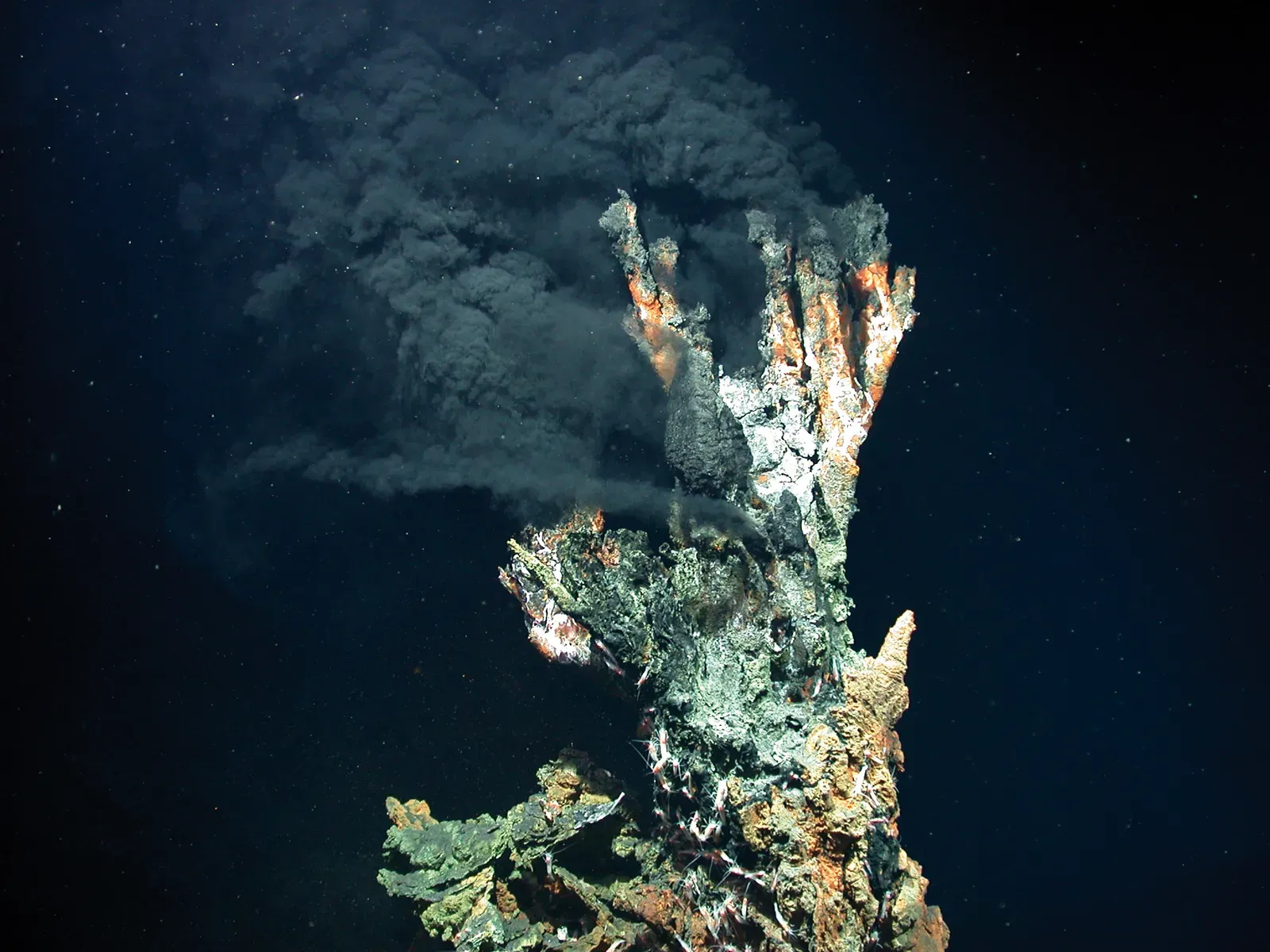
Even if we limit the discussion to Earth, the origin of life is still a massive open question. We have some good ideas about the chemistry of early Earth, the presence of water, and the kinds of molecules that could form under those conditions. Scientists have shown that certain building blocks of life, such as amino acids and simple organic compounds, can form relatively easily. But going from a soup of molecules to the first self-replicating cell is a gigantic leap that we do not yet know how to fully bridge.
There are competing ideas, including life starting near deep-sea hydrothermal vents, in shallow ponds that went through wet-dry cycles, or even arriving partially formed on meteorites. Each scenario explains some aspects but none has wrapped everything up into a single, widely accepted story. I actually like that we have multiple plausible paths on the table, because it suggests life might not be a once-in-a-universe fluke. At the same time, until we either recreate life from scratch in the lab or find an independent example elsewhere, the true origin story of biology will stay in that tantalizing space between science and mystery.
9. What Is Consciousness, Really?
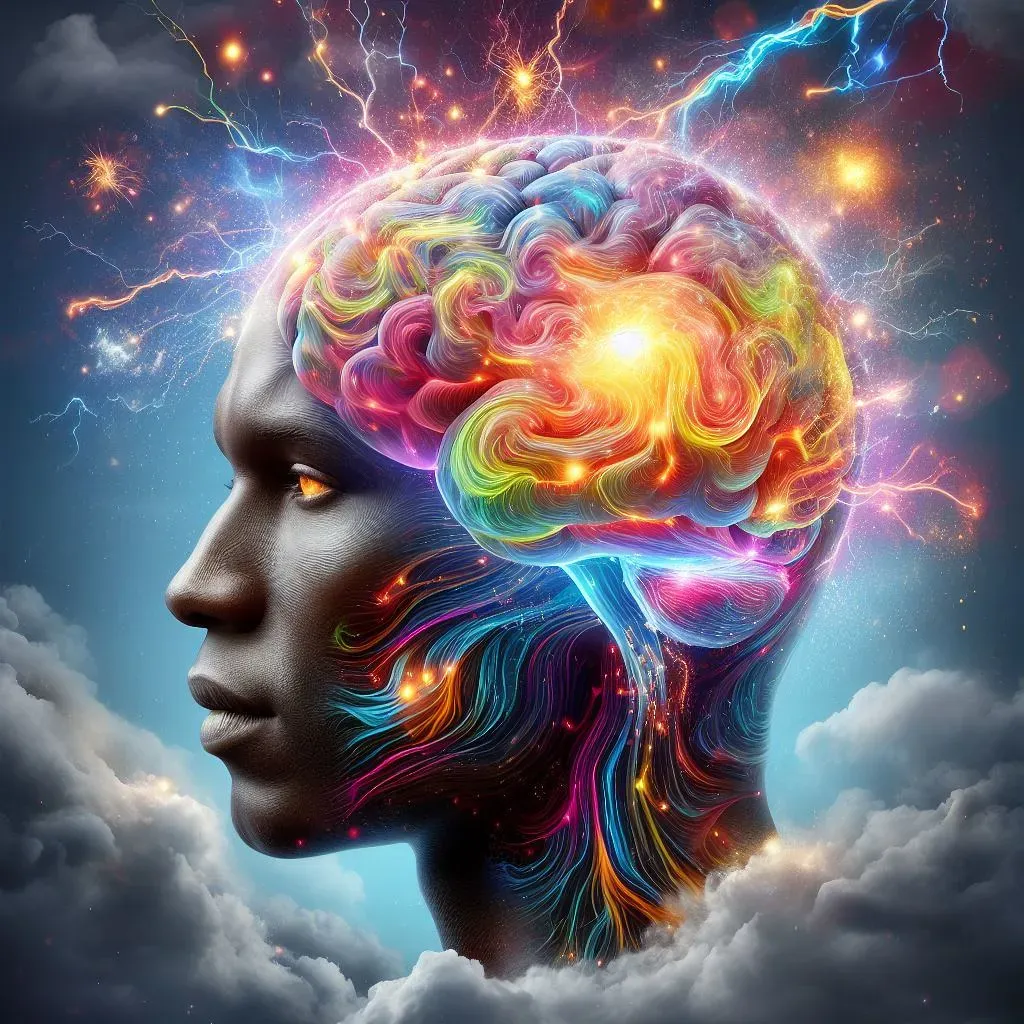
Out of all the mysteries, consciousness might be the one that hits closest to home. You are not just a collection of atoms following physical rules; you have an inner world, a sense of self, feelings, and experiences. Neuroscience has mapped countless brain regions and discovered patterns linked to attention, memory, and decision-making. Yet none of that really answers the core question of why certain physical processes in the brain should give rise to subjective experience at all.
Some researchers take the view that consciousness will eventually be explained purely in terms of information processing, once we understand the brain’s circuits in enough detail. Others suspect we might be missing some deeper principle, the way people were missing the idea of genes before modern biology. What makes this particularly tricky is that consciousness is both the thing we are trying to explain and the tool we use to do the explaining. From my own perspective, the most honest stance is to admit that we are in the very early days of understanding it, no matter how confident some theories sound. Anyone who claims we have consciousness basically solved is, in my view, getting ahead of the evidence.
10. Is Our Universe Part of a Bigger Multiverse?
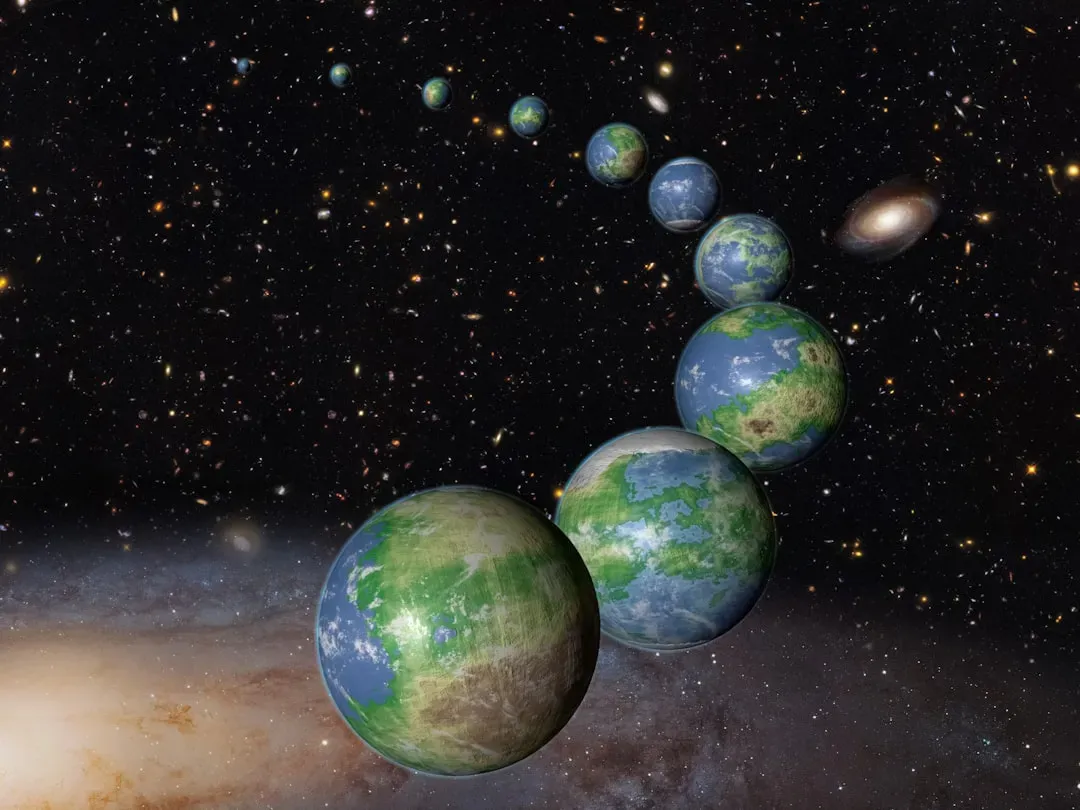
In recent years, the idea of a multiverse has moved from science fiction into serious scientific discussion, though it remains highly speculative. Some versions arise naturally from theories of cosmic inflation, where different regions of space could inflate into separate universes with their own physical conditions. Others pop up in attempts to unify quantum mechanics and gravity, or from interpretations of quantum theory itself. In these scenarios, our universe is just one bubble in a frothing cosmic sea.
The brutally honest problem is that testing these ideas is extremely hard, maybe even impossible with current technology. A multiverse might help explain why some of the fundamental numbers in physics seem oddly tuned to allow life, because only certain universes would naturally produce observers. On the flip side, if every possible universe exists, it becomes tempting to say that anything we observe is just one random outcome, which some physicists find unsatisfying. I personally think the multiverse is a bold, intriguing idea that should be explored, but until it produces clear, testable predictions, it sits on the border between physics and philosophy.
Conclusion: Living with Cosmic Ignorance (and Loving It)
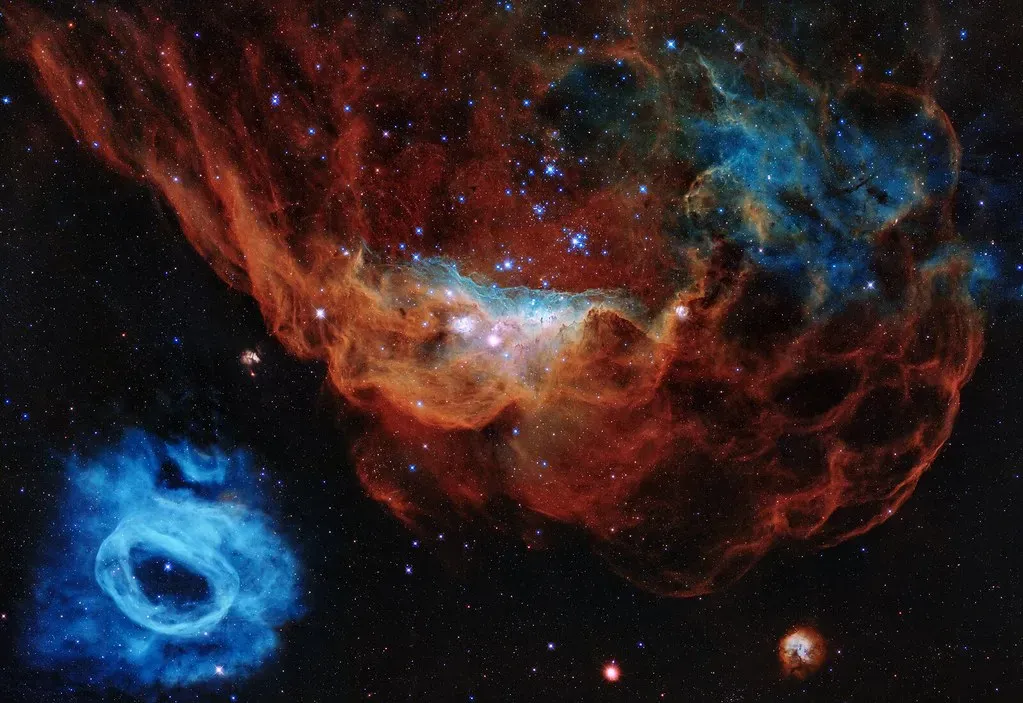
When you stack these mysteries side by side, it is tempting to feel small or overwhelmed. We do not know what most of the matter and energy are, we cannot fully explain our own minds, and we are still guessing about how everything began and how unique we really are. To me, though, this ignorance is not a bug of our situation; it is one of its best features. A universe that still refuses to give up its deepest secrets is a universe that keeps inviting us to explore, question, and argue late into the night.
If anything, I think we should be more suspicious of people who claim complete answers than of the mysteries themselves. The history of science is filled with moments where confident explanations were quietly replaced by deeper, stranger truths. Standing in the middle of that process, unsure but curious, is exactly where we belong. The real question is not whether the universe is mysterious; it is whether we are willing to keep being surprised by it. Did you expect our cosmic ignorance to be this rich and oddly beautiful?