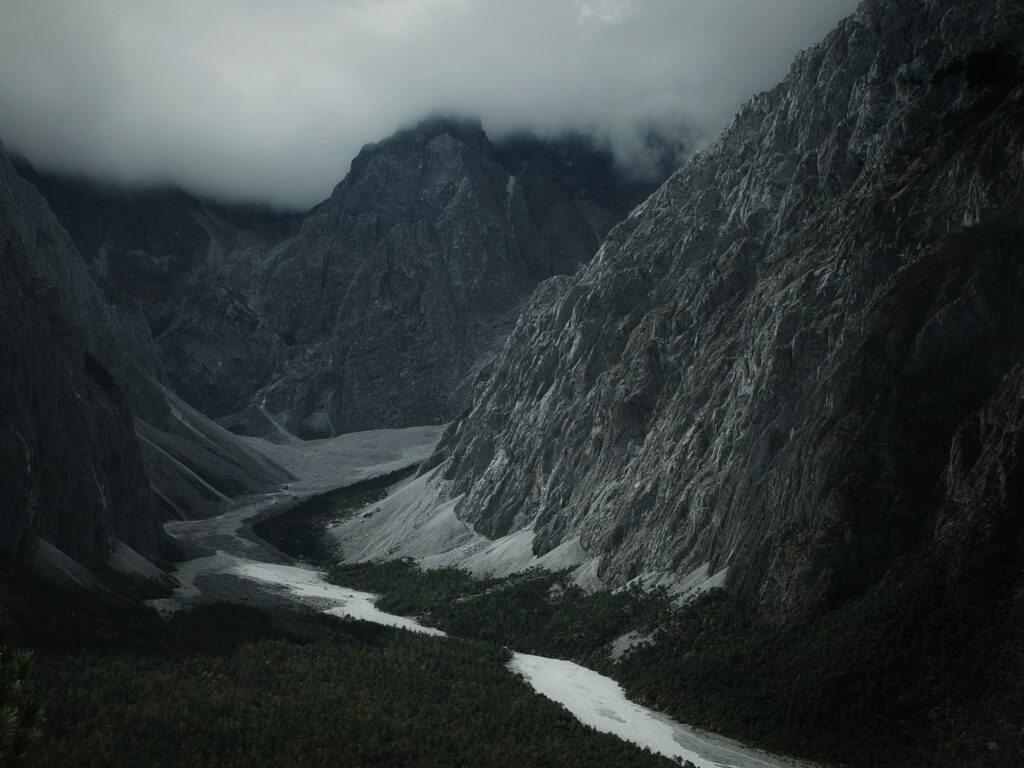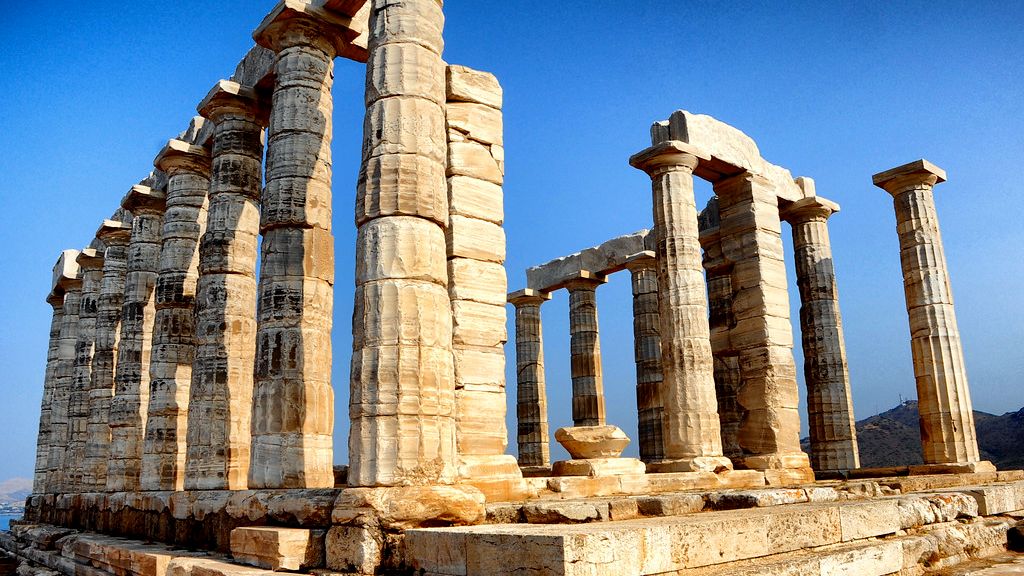
Every so often, you stumble across an ancient ruin that feels like it should not exist. Perfectly cut stone blocks, impossible alignments, and engineering tricks that look more like the work of precision machines than bronze chisels and calloused hands. Standing in front of some of these places, you almost feel like you are looking at a glitch in history, as if the people who built them briefly borrowed technology from the future and then disappeared.
Of course, archaeologists have solid, careful explanations for most of these wonders, and they rarely involve lost super-civilizations or visitors from the stars. But there is still something deeply unsettling and thrilling about ruins that seem to punch above their historical weight. I remember staring at my first ashlar wall in person, running my fingers over joints so tight I could barely see daylight between the stones, and thinking: there’s no way this was done without power tools… and yet it was. Here are 15 ancient sites that still make even skeptical people do a double take.
1. Puma Punku, Bolivia
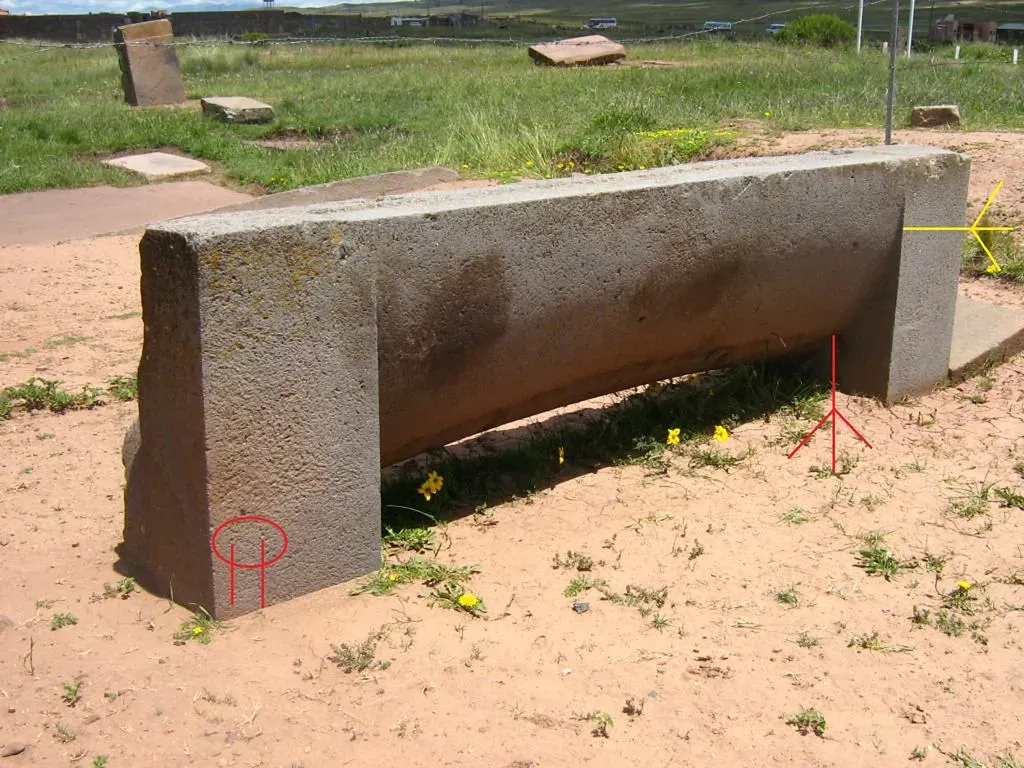
Perched high on the Altiplano near Tiwanaku, Puma Punku looks like a stone workshop abandoned mid-project by some ultra-precise civilization. Massive andesite and sandstone blocks are carved into crisp right angles, complex grooves, and standardized H-shaped pieces that fit together like giant 3D puzzle parts. The cuts are so clean that in photos they can resemble the output of industrial saws rather than hand tools, which has fueled endless speculation about “impossible” technology.
In reality, experiments and close studies suggest that skilled stoneworkers using hammerstones, abrasives, and clever jigs could achieve those results with time and patience. Still, you cannot stand there and ignore how ambitious it all is: multi-ton stones pulled from distant quarries, architectural plans that demanded tight tolerances, and a culture pushing its engineering as far as it could go at high altitude. To me, Puma Punku is less a mystery than a dare from the past, a reminder that human ingenuity does not need steel or electricity to look frighteningly advanced.
2. Sacsayhuamán, Peru
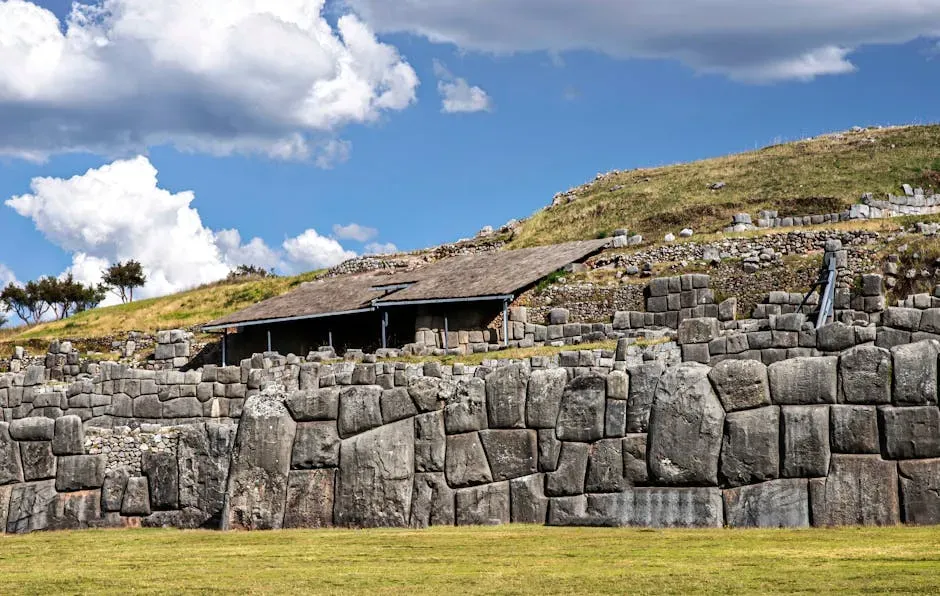
Above the city of Cusco, the fortress of Sacsayhuamán zigzags across the hillside in a wall of stone that feels almost alive. Blocks the size of cars and small trucks interlock in irregular shapes, with each face cut to match its neighbors so precisely that you cannot slip a knife blade between them. No mortar, no metal clamps, just gravity and geometry holding everything in place through centuries of earthquakes that have reduced newer masonry to rubble.
What makes Sacsayhuamán look almost too advanced is not just the scale, but the controlled chaos of the design. The stones are not standardized bricks; they are unique pieces in a colossal 3D jigsaw where each block has been worked to match the ones around it from multiple angles. Modern engineers can explain the load paths and seismic advantages, but there is still that bizarre moment when you realize Inca masons did all of this with simple tools and an obsessive feel for stone, while Europe was still struggling to rebuild after the Middle Ages.
3. The Great Pyramid of Giza, Egypt
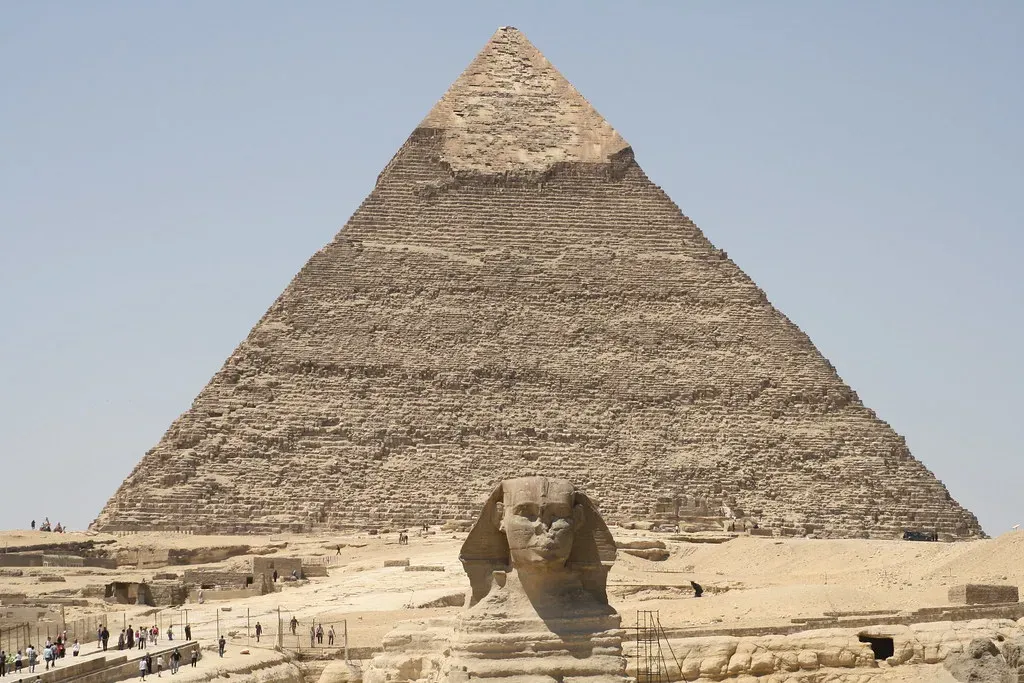
The Great Pyramid is so famous that it is easy to forget how unnervingly precise it actually is. Its original casing stones formed a smooth shell aligned almost perfectly to the cardinal directions, and the base is astonishingly level across a massive footprint. Hundreds of thousands of blocks, some weighing several tons, were moved, lifted, and placed with a consistency that would challenge even organized modern construction crews without heavy machinery.
Inside, the narrow passageways, corbelled ceilings, and relieving chambers above the King’s Chamber reveal a sophisticated understanding of load distribution. You do not have to believe in lasers or anti-gravity tools to appreciate how ambitious this structure is for a Bronze Age monarchy. To me, the real shock is logistical: coordinating labor, food, tools, and stone quarrying over decades, using nothing more exotic than human muscle, sledges, ramps, and a ruling system determined to immortalize its power in stone.
4. Göbekli Tepe, Turkey
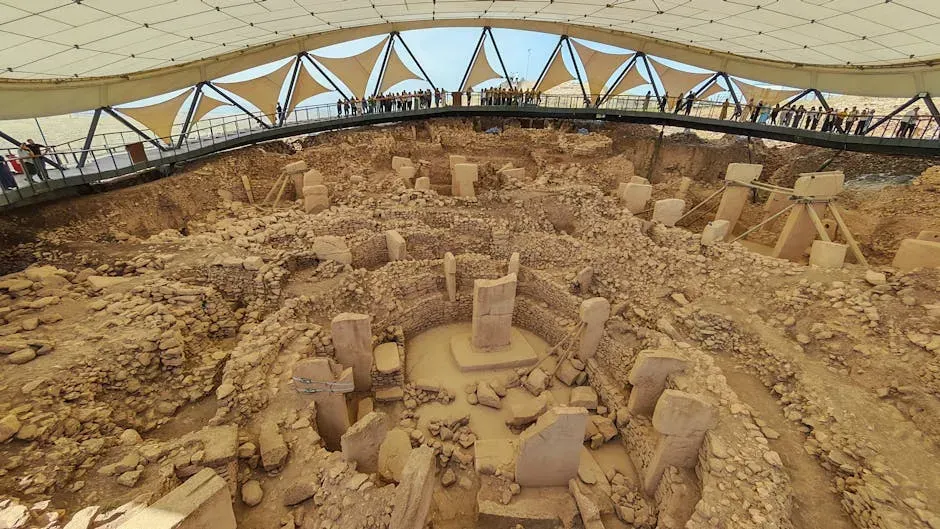
Göbekli Tepe explodes our tidy timelines of architectural history. These carved stone circles, with T-shaped pillars decorated with animals and abstract symbols, date back to a time before pottery, metal, or permanent farming communities in the region were firmly established. Yet here are multi-ton monoliths raised in organized enclosures, implying planning, skilled carving, and coordinated labor thousands of years earlier than we once thought possible.
What makes this site feel “too advanced” is less about technical precision and more about the social leap it represents. People we used to imagine as scattered bands of hunter-gatherers came together to create monumental architecture that looks like a dress rehearsal for later temples and cities. When I first read about Göbekli Tepe, it felt like discovering a prologue chapter that completely changes how you understand a book; the story of civilization just got older, stranger, and more ambitious than we were taught in school.
5. Baalbek’s Trilithon, Lebanon
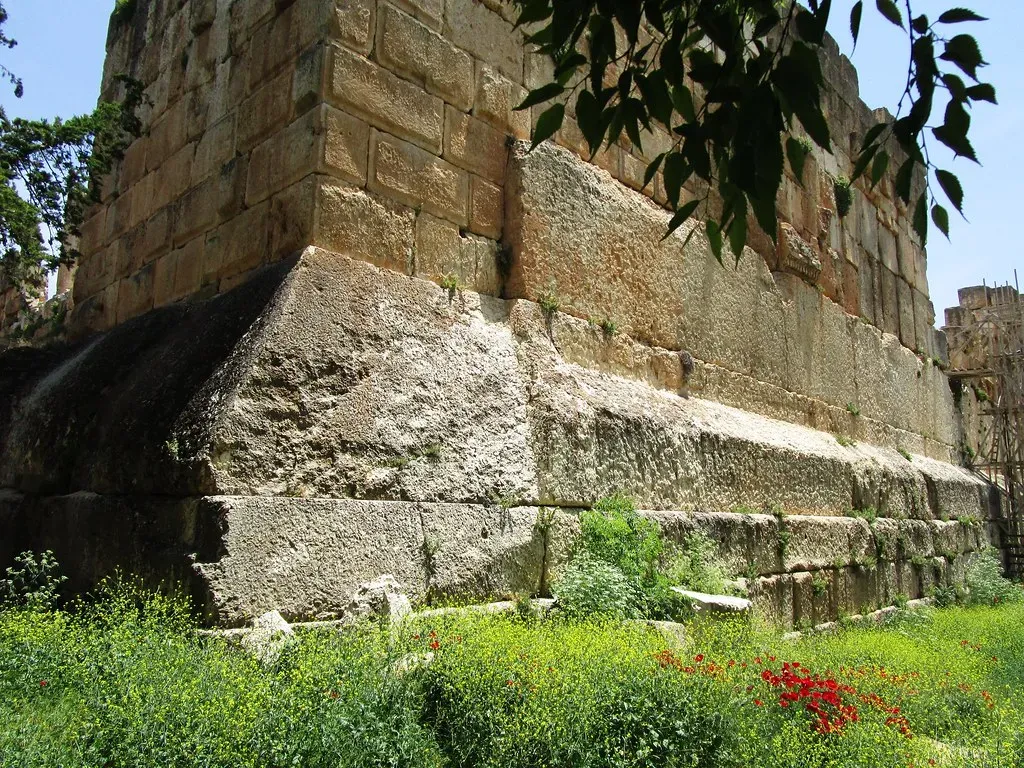
At the Roman temple complex of Baalbek, the foundations hide some of the most absurd stones on the planet. The famous Trilithon consists of three gigantic rectangular blocks fitted into a retaining wall, each weighing hundreds of tons, with even larger stones still lying in the adjacent quarry. Just imagining how those blocks were cut, moved, and set into place along a high platform feels like an engineering fever dream.
Modern studies show that smart use of rollers, sledges, ramps, and large workforces could in theory handle stones of that size, especially if the route was carefully prepared. But standing in front of them, it is hard not to feel as if someone dialed the difficulty level up just for fun. The Romans layered their own impressive architecture over even earlier foundations, turning Baalbek into a vertigo-inducing stack of engineering traditions that keeps both mainstream scholars and fringe theorists endlessly occupied.
6. The Nazca Lines, Peru
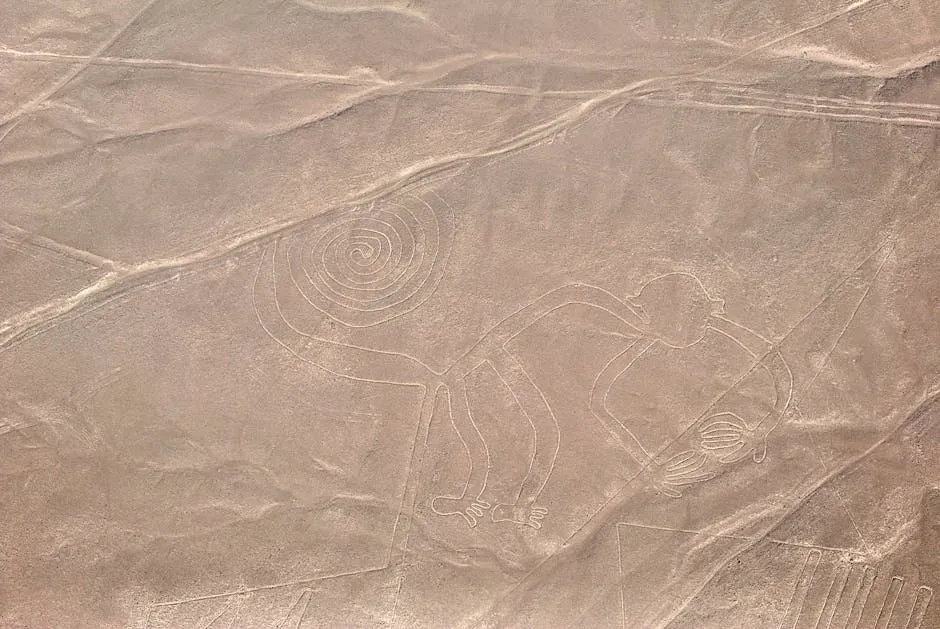
From ground level, the Nazca Lines look like random trenches scratched into the desert, but from the air, they resolve into massive geometric shapes and animal figures stretching across the landscape. The sheer scale makes them feel oddly modern, like some ancient group discovered drone art long before flight existed. Straight lines run arrow-true for long distances, and complex figures maintain proportion despite being drawn at the scale of hillsides.
Researchers have shown that with simple surveying tools – stakes, ropes, and sightlines – ancient workers could mark out these designs with surprising accuracy. The “advanced” feeling here comes less from the technical difficulty and more from the conceptual leap. Who decides to create art only fully visible to observers hundreds of meters up, at a time when nobody could get that vantage point? It is like composing music that only bats can hear; the intent alone feels weirdly ahead of its time.
7. Mohenjo-daro, Pakistan
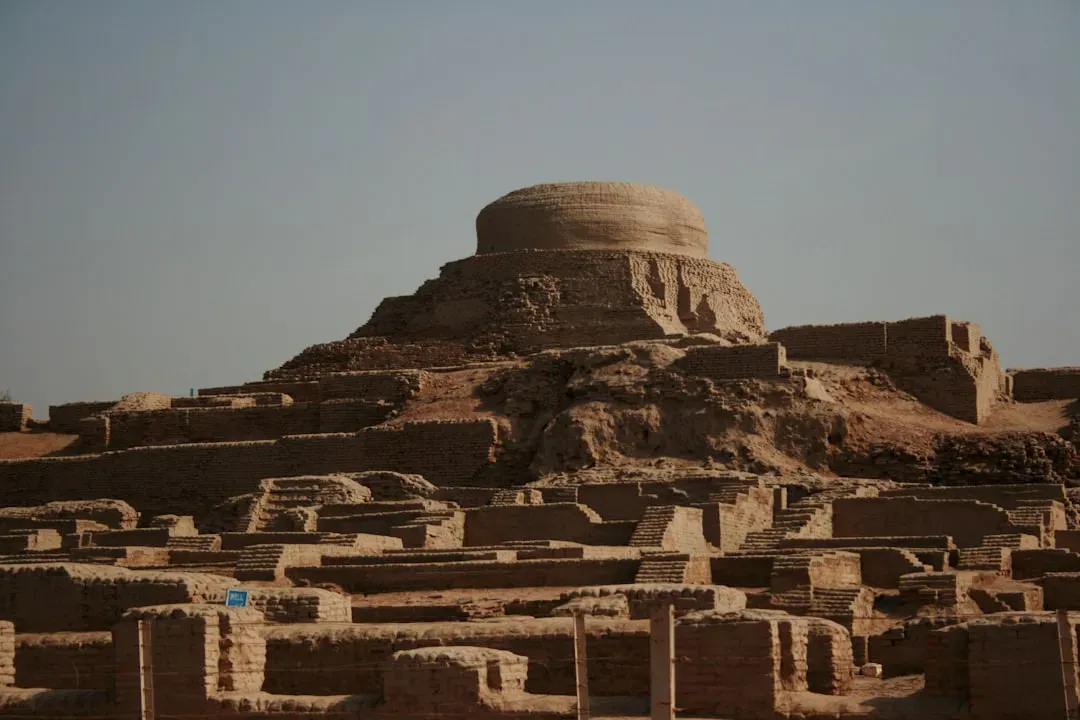
The ruins of Mohenjo-daro, part of the Indus Valley Civilization, look uncannily like the skeleton of a planned modern town. There are straight streets intersecting at right angles, standardized baked brick houses, and what appears to be an early kind of urban zoning. Most striking of all is the drainage: covered sewers running along main streets, waste channels from individual houses, and public bathing areas that hint at a society obsessed with water management and cleanliness.
Unlike many later cities, there is little sign of grand palaces or ostentatious temples overshadowing everything else. Instead, the overall impression is of a community placing a premium on organized daily life rather than monumental self-promotion. When you compare it to roughly contemporary settlements elsewhere, Mohenjo-daro can feel almost eerily modern, as if someone jumped ahead to basic city-planning principles that would not be fully embraced again until thousands of years later.
8. The Antikythera Mechanism, Greece
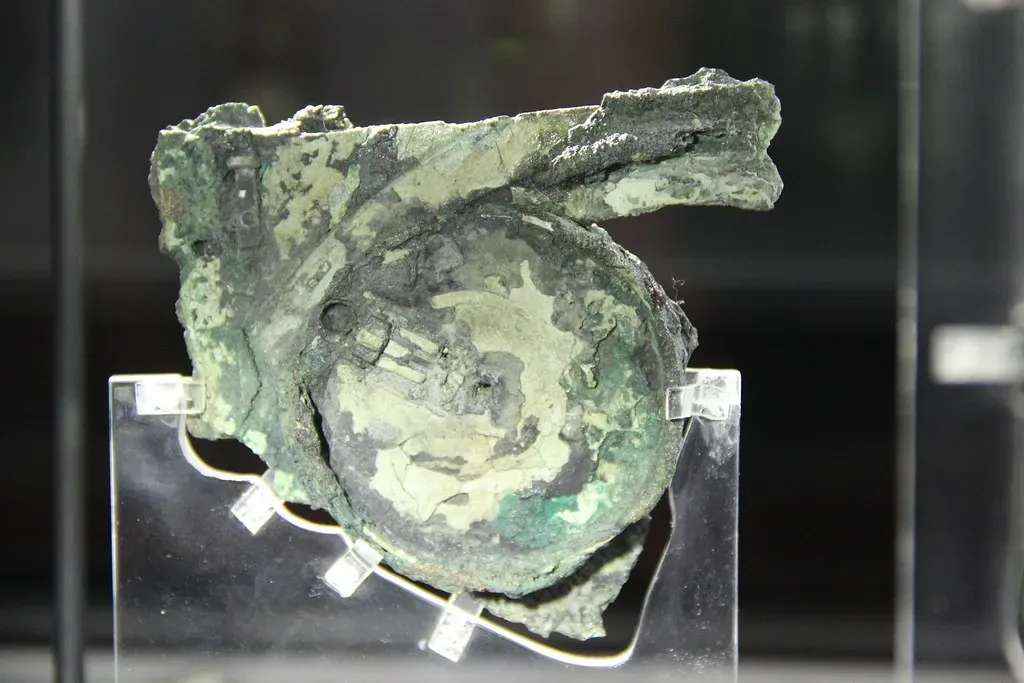
Although it is not a building, it is impossible to talk about “too advanced” ancient artifacts without including the Antikythera Mechanism. Recovered from a shipwreck, this corroded cluster of bronze gears turned out to be an intricate astronomical calculator, capable of modeling celestial cycles with a level of complexity nobody expected from that era. X-ray imaging revealed dozens of interlocking gears and technical refinements more reminiscent of a medieval clock than a Hellenistic curiosity.
What really twists the knife is the gap: we have this one device, scattered references to similar concepts, and then centuries where nothing comparably complex survives in the record. That makes the mechanism feel like a time traveler, evidence of a short-lived bloom of mechanical genius that did not immediately transform the ancient world. Personally, I find that both humbling and a bit depressing; it is a reminder that technological progress is not a smooth upward line, but a messy story full of false starts and forgotten breakthroughs.
9. Machu Picchu, Peru
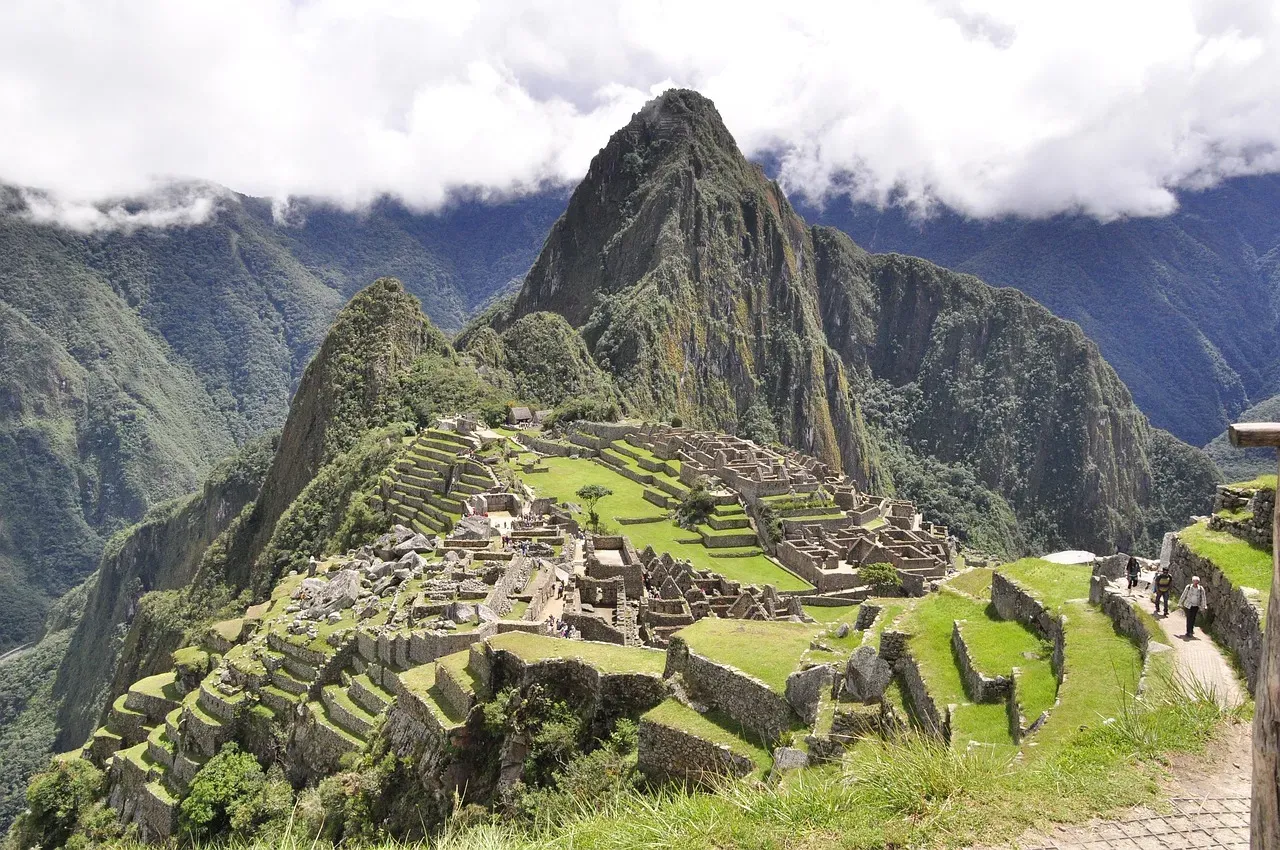
Machu Picchu clings to a mountain ridge like a stone ship sailing through the clouds, which would be impressive enough even without the engineering details. Terraces carve the slopes into green steps, retaining walls hug the cliffs, and buildings nestle on precarious ledges as if they grew out of the rock itself. The stonework ranges from rugged agricultural terraces to finely jointed blocks in ceremonial areas that rival the precision found in Cusco.
What makes it feel almost overqualified for its time is the way everything works together: water channels fed by springs, cleverly designed drainage that keeps the site stable in heavy rains, and terraces that control erosion while growing food. This is not just a pretty mountaintop ruin; it is a carefully tuned ecosystem. The fact that it stayed hidden from the outside world for centuries also adds to its uncanny aura, like discovering a perfectly preserved high-tech treehouse built by people who vanished from the neighborhood long ago.
10. Stonehenge, England
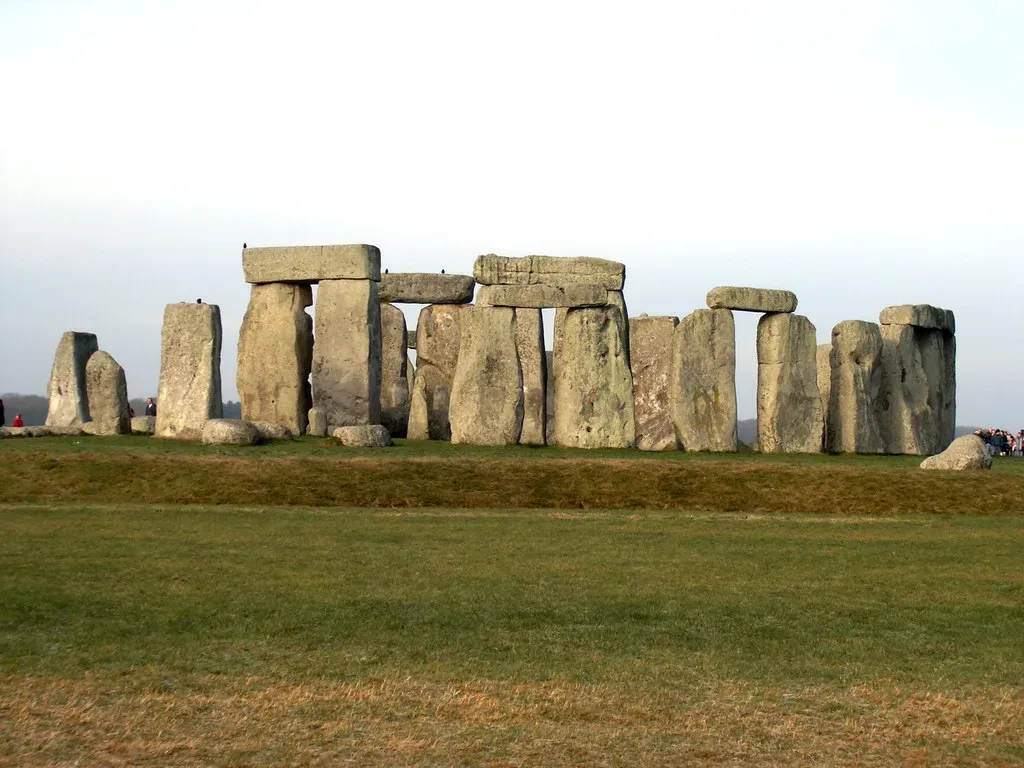
Stonehenge is so iconic that it risks becoming wallpaper in our minds, but if you pause and really think about it, the place is bonkers. Huge standing stones transported from significant distances were arranged in circles and horseshoes with alignments that mark key points in the solar year. The builders carved joints – mortise and tenon, tongue and groove – that look like oversized carpentry techniques applied to megaliths, not timber.
It is easy to over-romanticize the astronomy, but even the conservative view admits that an impressive level of planning and surveying went into laying it out on an open plain without modern instruments. For a society without writing or metal tools at first, coordinating that effort is a big deal. Stonehenge feels “too advanced” not because it is mathematically perfect in every way, but because of the willpower it represents: a community hauling tens of tons of rock into a giant, symbolic machine for tracking the sky and structuring ritual life.
11. Tiwanaku, Bolivia
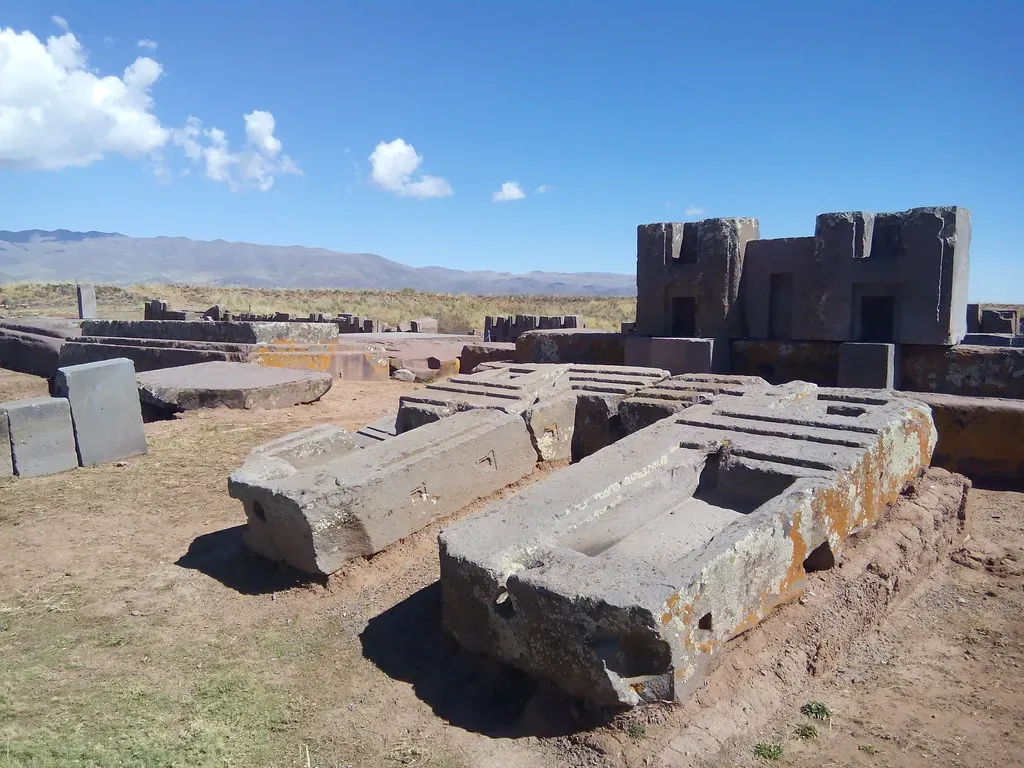
Near Lake Titicaca, the ruins of Tiwanaku show off a very different flavor of Andean precision from the later Inca. You see massive stone blocks with sharp corners, dovetail-shaped depressions that once held metal clamps, and finely carved gateways like the famous Gateway of the Sun, adorned with intricate reliefs. Some surfaces are so flat and edges so straight that photographs make them look like poured concrete rather than hand-shaped stone.
Archaeological work has chipped away at the myths, demonstrating plausible methods for quarrying, transporting, and fitting the blocks without high-tech tools. Still, the city’s scale and refinement, at its altitude and time period, give it an air of being slightly out of sync with its neighbors. When you walk among the platforms and sunken plazas, it feels like stepping into an Andean counterpart to a lost industrial complex, where knowledge of stone and metal-working briefly bloomed into something that still outshines many later constructions.
12. The Hypogeum of Ħal-Saflieni, Malta
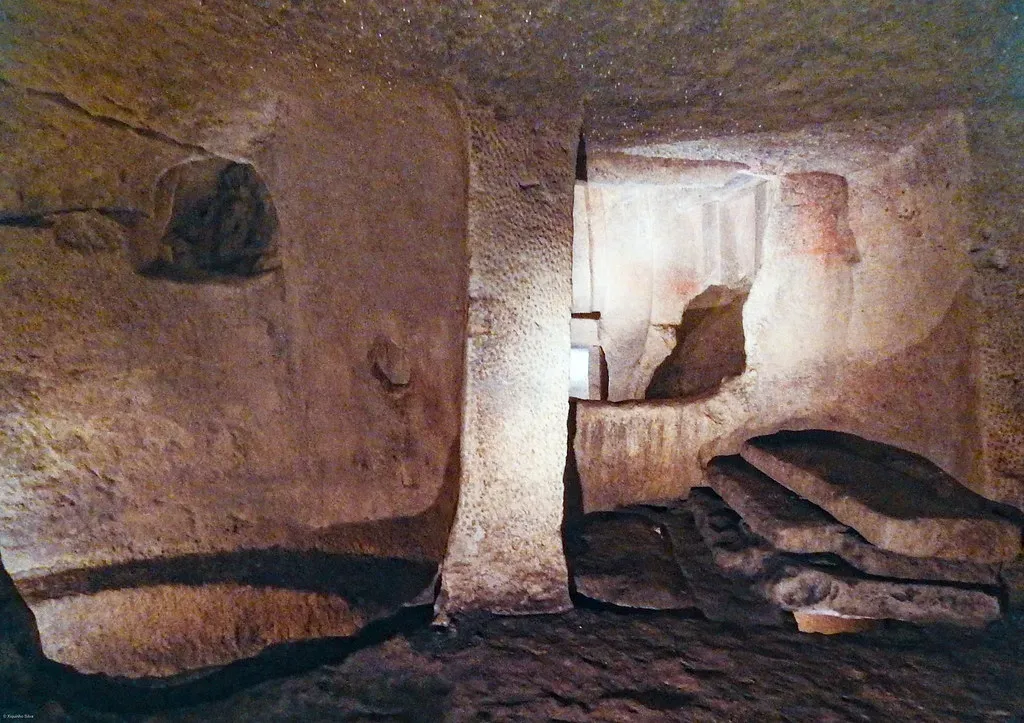
Hidden beneath modern streets, the Hypogeum in Malta is a multi-level underground complex carved entirely into the rock. Passages, chambers, and curved ceilings create the impression of a stone architecture that imitates above-ground buildings, including spaces that appear to amplify sound in specific ways. The fact that this was all hewn with simple tools, in darkness or torchlight, gives it a distinctly eerie sophistication.
The people who made it left behind elaborate burial practices and artifacts, but no written explanation of their intent. As a result, the Hypogeum feels like a stone hard drive full of deleted files: technically impressive, emotionally evocative, and maddeningly silent about its creators’ worldview. For me, the advanced part is not just the construction itself, but the psychological leap of investing so much labor into an invisible, subterranean monument that seems designed to reshape how people experienced sound, light, and death.
13. Teotihuacan, Mexico
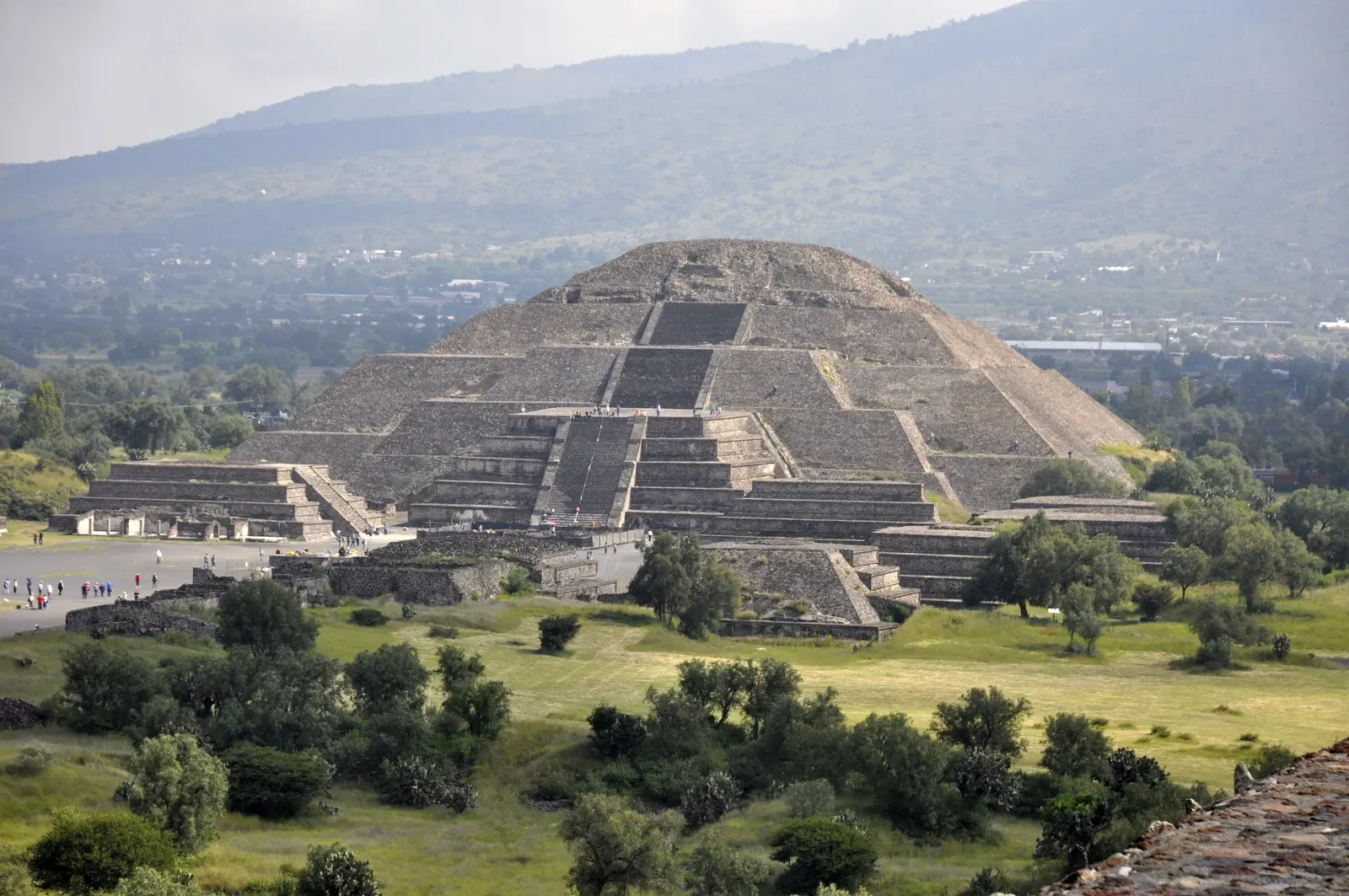
When the Aztecs later encountered Teotihuacan, the city was already ancient to them, and they treated it with awe, which tells you something immediately. This sprawling urban center, with its grid layout, monumental Avenue of the Dead, and massive pyramids, looks like the work of an organized, bureaucratic culture that had city-making down to a science. Residential compounds, workshops, and temples all weave together into a carefully planned whole rather than a chaotic sprawl that just “happened.”
The mystery of who exactly ruled Teotihuacan, and how its political system worked, adds to the sense of it being oddly advanced yet opaque. Murals, artifacts, and architectural clues suggest complex beliefs and possibly far-reaching influence across Mesoamerica. But we are left filling in gaps, like trying to understand a modern metropolis from building shells alone. Teotihuacan feels like an ancient version of a lost super-city, impressive not because it breaks physics, but because it shows just how far urban planning and statecraft could go without leaving behind a written history we can fully read.
14. The Temple of Jupiter at Heliopolis (Baalbek’s Roman Marvel), Lebanon
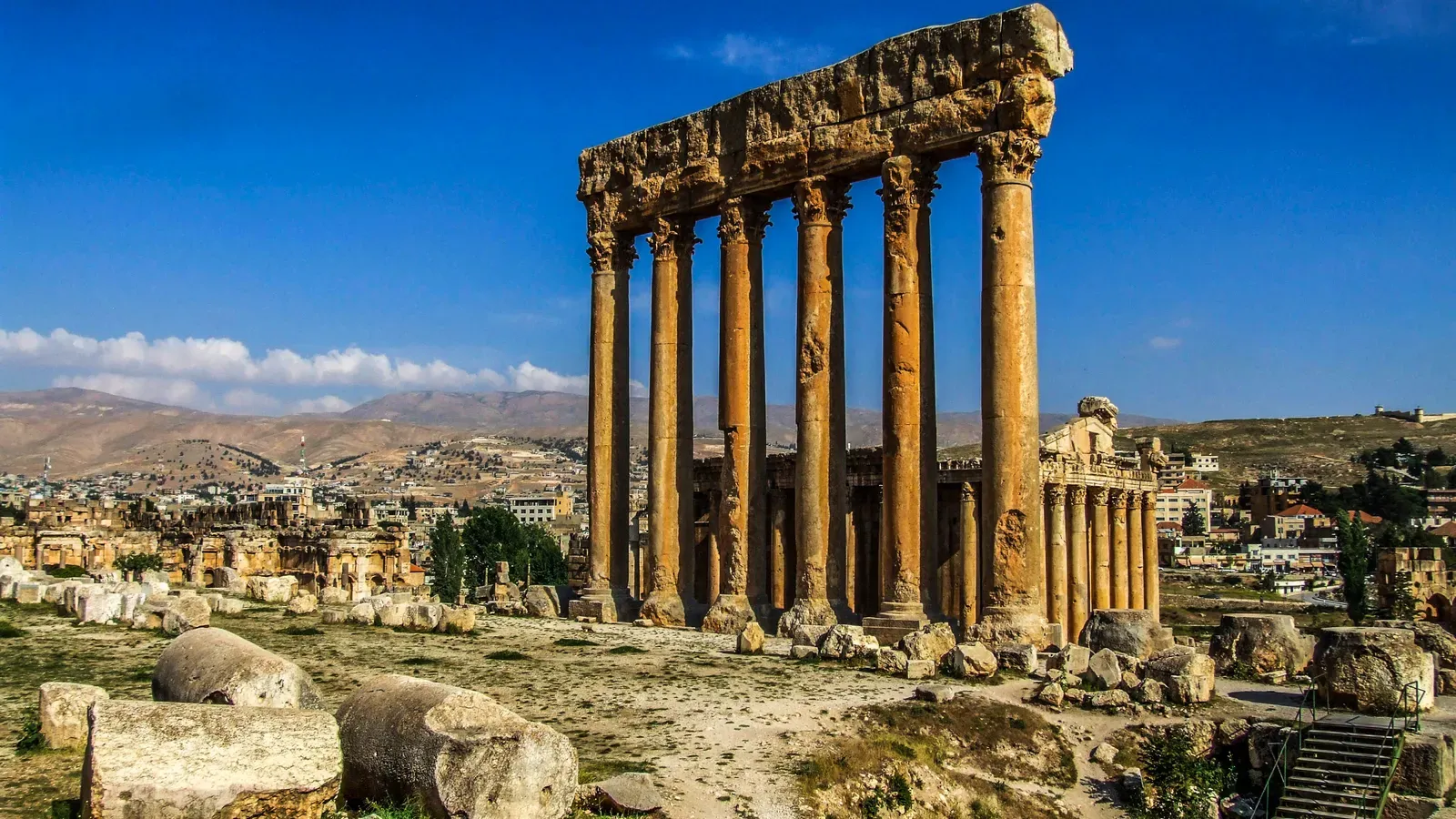
On top of Baalbek’s already monstrous foundations, the Romans constructed the Temple of Jupiter, which at its peak boasted some of the tallest columns in their world. Each column was made from massive drums of stone hoisted high into the sky, capped with heavy entablatures that still boggle the mind. Even in ruin, the remaining columns and scattered architectural fragments radiate an almost arrogant confidence in what human labor and engineering could accomplish.
From carefully carved Corinthian capitals to the precision of the column arrangements, the whole complex pushes right up against the limits of what you might expect from ancient cranes, pulleys, and muscle power. Modern engineers can outline how it was probably done, but it still feels like a stunt, especially given the remote location and underlying megalithic blocks. To me, this temple embodies the Roman habit of walking into a place with deep local history and saying, in stone, that they could out-build whatever came before.
15. The Parthenon, Greece
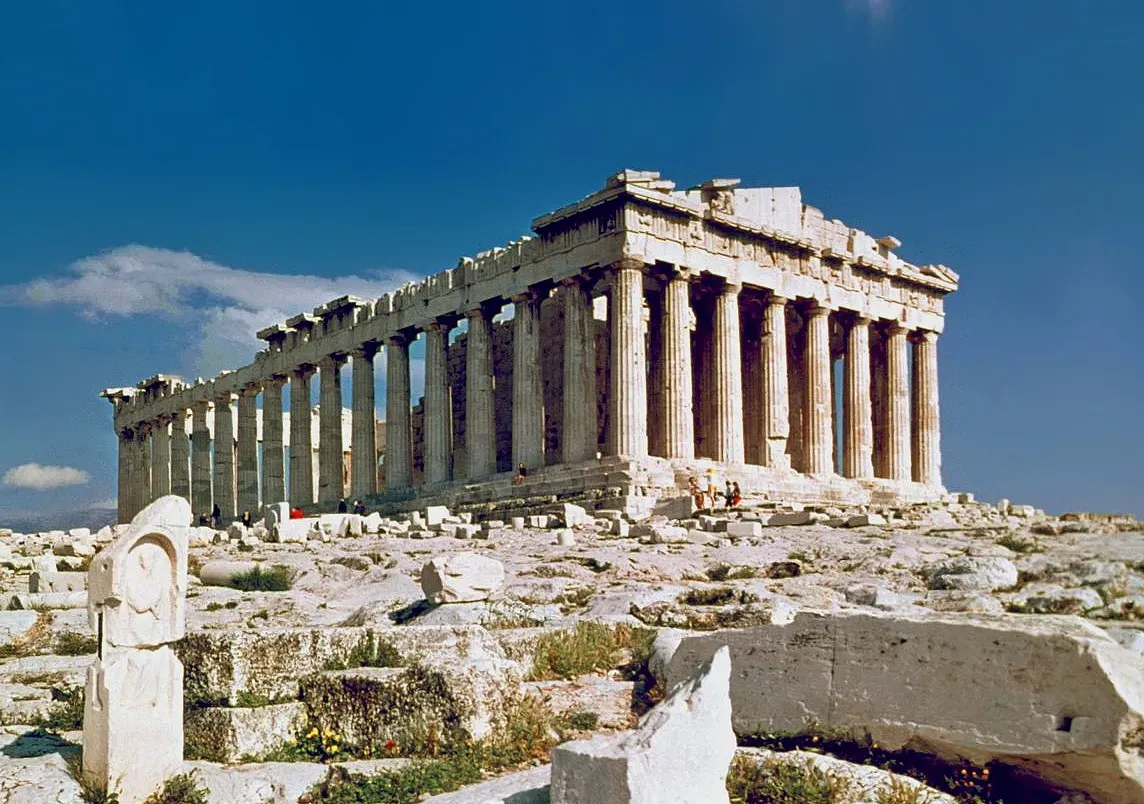
At first glance, the Parthenon on the Athenian Acropolis is “just” a classical temple, but the deeper you look, the stranger and more advanced it becomes. The architects baked optical corrections into its very bones: columns slightly swollen in the middle, corner columns adjusted, and subtle curves in the steps and entablature to counteract how the human eye perceives straight lines and uniform spacing. It is like a monument built by people who not only understood geometry, but also understood human perception well enough to cheat it.
All of this was executed in marble, with tight joints and meticulously carved details, using hand tools and muscle power. The real astonishment is that most visitors never consciously notice the tricks; they just feel that the building is harmonious, almost impossibly balanced. In a way, the Parthenon is the perfect example of “too advanced”: not because it involves unknown technologies, but because it reveals a level of subtle, almost psychological engineering that we tend to associate with much later eras of design theory and optics.
Conclusion: Advanced Ruins, Human Hands
Looking across these sites, a pattern emerges that is far more interesting to me than exotic theories about lost super-tech. Time after time, we find that when a society pours its attention, labor, and creativity into stone, the results can look uncannily futuristic to people who come along later. What feels “too advanced” is often our own underestimation of what coordinated human beings, armed with patience and simple tools, can do when they are absolutely determined.
That does not mean everything is solved; there are still honest debates about techniques, logistics, and social structures behind many of these ruins. But framing them as evidence that humans were always better at thinking big than we give them credit for is, in my view, much more inspiring than pushing them off onto mythical outsiders. These places blur the line between past and present, reminding us that ingenuity is not owned by any one era. The more we learn about them, the more uncomfortable the easy narratives become – which, if we care about truth and wonder, is exactly how it should be. When you stand before one of these ruins, do you really see an impossibility, or just a challenge to your assumptions about what people like us can build?