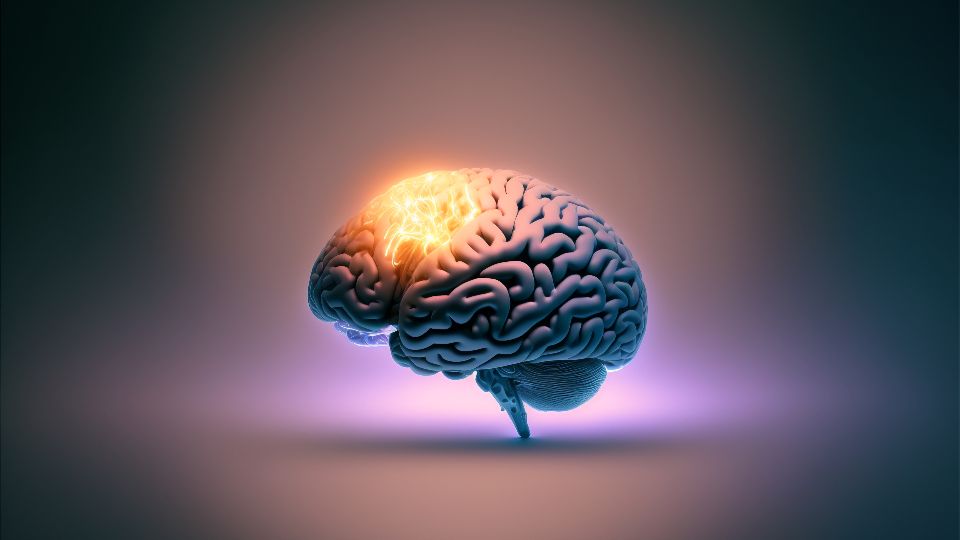
Death feels like a hard stop, but in your brain it is anything but sudden. Behind the stillness of a final breath, there is a hidden sequence of electrical storms, chemical surges, and gradual shutdowns that unfold over seconds, minutes, and sometimes even hours. When you look under the hood, the end of a life starts to look less like a switch being flipped off and more like a complex, messy power grid slowly going dark in stages.
If you have ever wondered what you will actually experience as you die, you are not alone. Scientists have been quietly tracking brains as they approach the end, sometimes by accident in intensive care units or during emergency resuscitations. What they are finding is surprising and, in some ways, oddly comforting: your brain does not simply vanish into nothing. It follows a pattern, one that you can understand step by step.
The First Few Seconds: When Oxygen Suddenly Drops
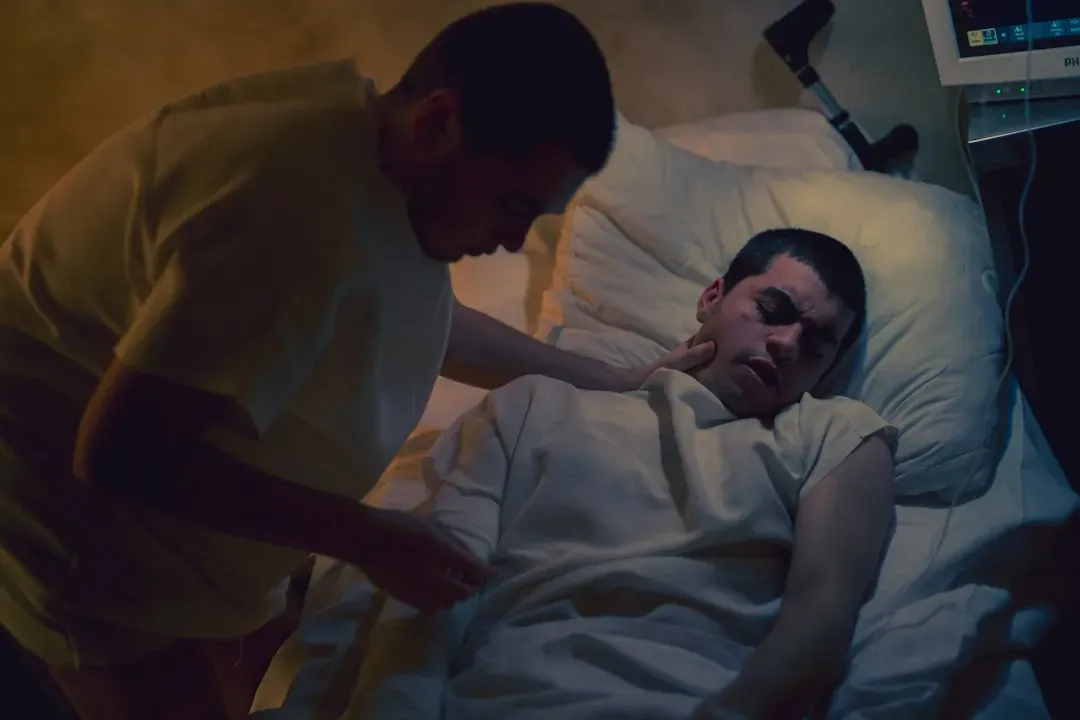
Imagine someone turning off the main valve to your house’s water supply. At first, the faucets still run because there is leftover water in the pipes, but the pressure quickly fades. When your heart stops beating, something similar happens in your brain. Blood flow comes to a halt in just a couple of heartbeats, and with it, the precious oxygen and sugar your neurons depend on are suddenly cut off.
Your brain is one of the greediest organs in your body, using a disproportionately large share of your oxygen just to keep you conscious and functioning. Without that fuel, neurons start to struggle almost immediately. Within a few seconds, the electrical activity that keeps you awake collapses, and your awareness fades. From the inside, you would likely feel this as a rapid dimming of consciousness rather than a long, drawn‑out experience, more like the instant when anesthesia kicks in than like slowly falling asleep.
The Final Power Surge: The Brain’s Last Electrical Storm
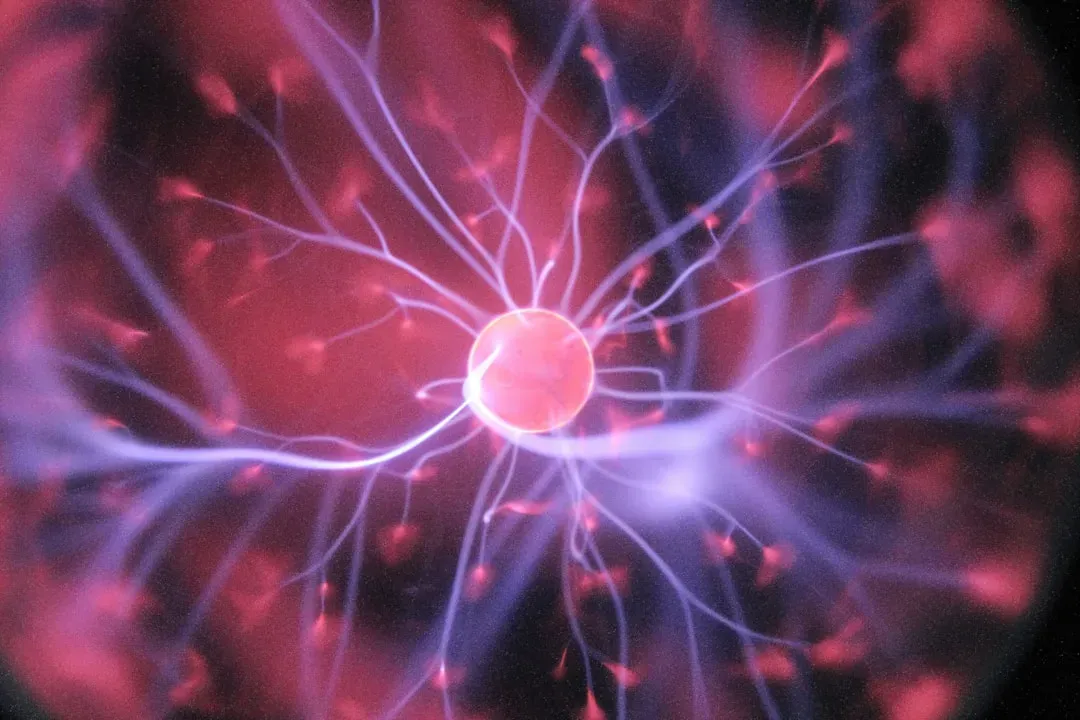
As strange as it sounds, your brain does not just quietly turn off; it often flares. Researchers monitoring people in the final moments of life have sometimes recorded a brief, intense burst of brain activity right after the heart stops. It looks like a sudden spike or wave on their recordings, as if the brain is making one last, frantic attempt to reset itself and hold on to order while energy drains away.
You can picture this like a city losing power in a thunderstorm. Right before the grid fails, lights flicker, devices buzz, and everything seems to surge for a moment. That last storm of activity might explain why some people who come back from the brink report vivid experiences in those moments: bright lights, feelings of leaving the body, or racing through meaningful memories. You are not stepping into something magical in those seconds; you are living through your brain’s last coordinated electrical push.
Near-Death Experiences: What You Might Perceive
If your heart stops but you are successfully resuscitated, your brain has essentially taken a short, brutal trip to the edge. During that window, you might experience what many people describe as near‑death experiences: a tunnel of light, a sense of floating above your body, hearing voices around you even when others think you are unresponsive. These reports are surprisingly consistent across cultures and ages, which hints at something built into the way your brain shuts down and tries to reboot.
From a brain perspective, your visual and sensory systems are firing in chaotic, energy‑starved conditions. Vision pathways may be activated in a narrow central pattern, which could feel like a tunnel. Areas that process your sense of self and body position may misfire, giving you the feeling of floating above yourself. Memory and emotion centers can also light up, which is why you might feel flooded with meaning, peace, or sometimes terror. You are not glimpsing a scientific proof of an afterlife here; you are witnessing your brain’s last attempt to make a story out of chaos.
Minutes After Death: How Long Your Brain Lingers
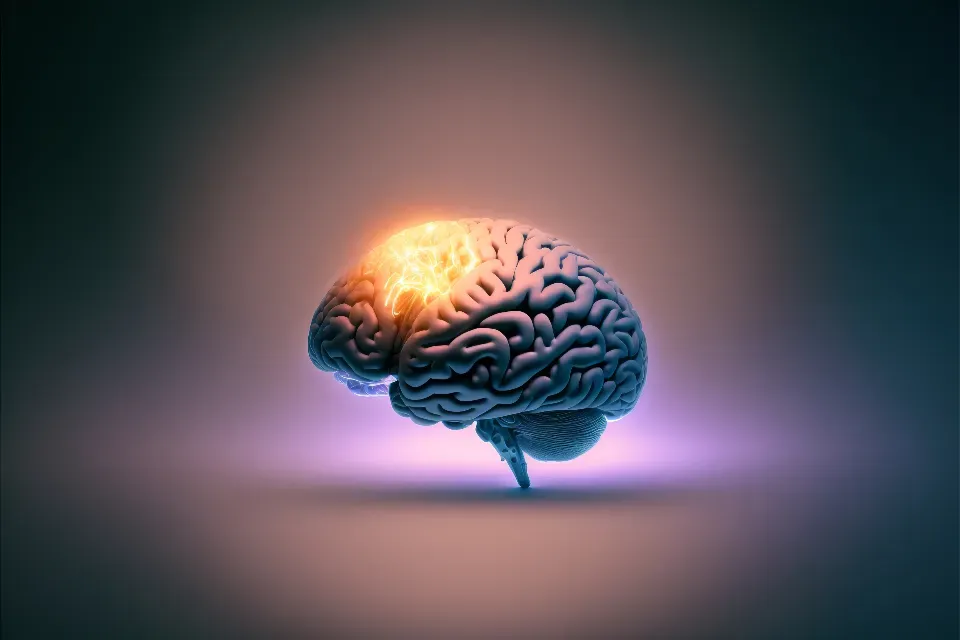
You might think your brain becomes instantly useless the moment your heart flatlines, but biology is not that clean‑cut. Neurons do not die all at once. Even after your heartbeat stops, some cells in your brain keep struggling along for several minutes, quietly burning through the last reserves of energy. In some cases, tiny traces of electrical activity can be detected for a while, like embers still glowing after a fire looks mostly out.
This lingering window is what makes resuscitation and emergency medicine possible at all. If someone restores your circulation, cools your body, or supports your breathing quickly enough, your brain cells can sometimes recover. But this grace period is short and brutal. Without blood flow, damage starts building within a few minutes, and the longer your brain is starved, the more likely you are to wake up with lasting injuries to memory, movement, or personality – or not wake up at all.
When Consciousness Finally Fades for Good
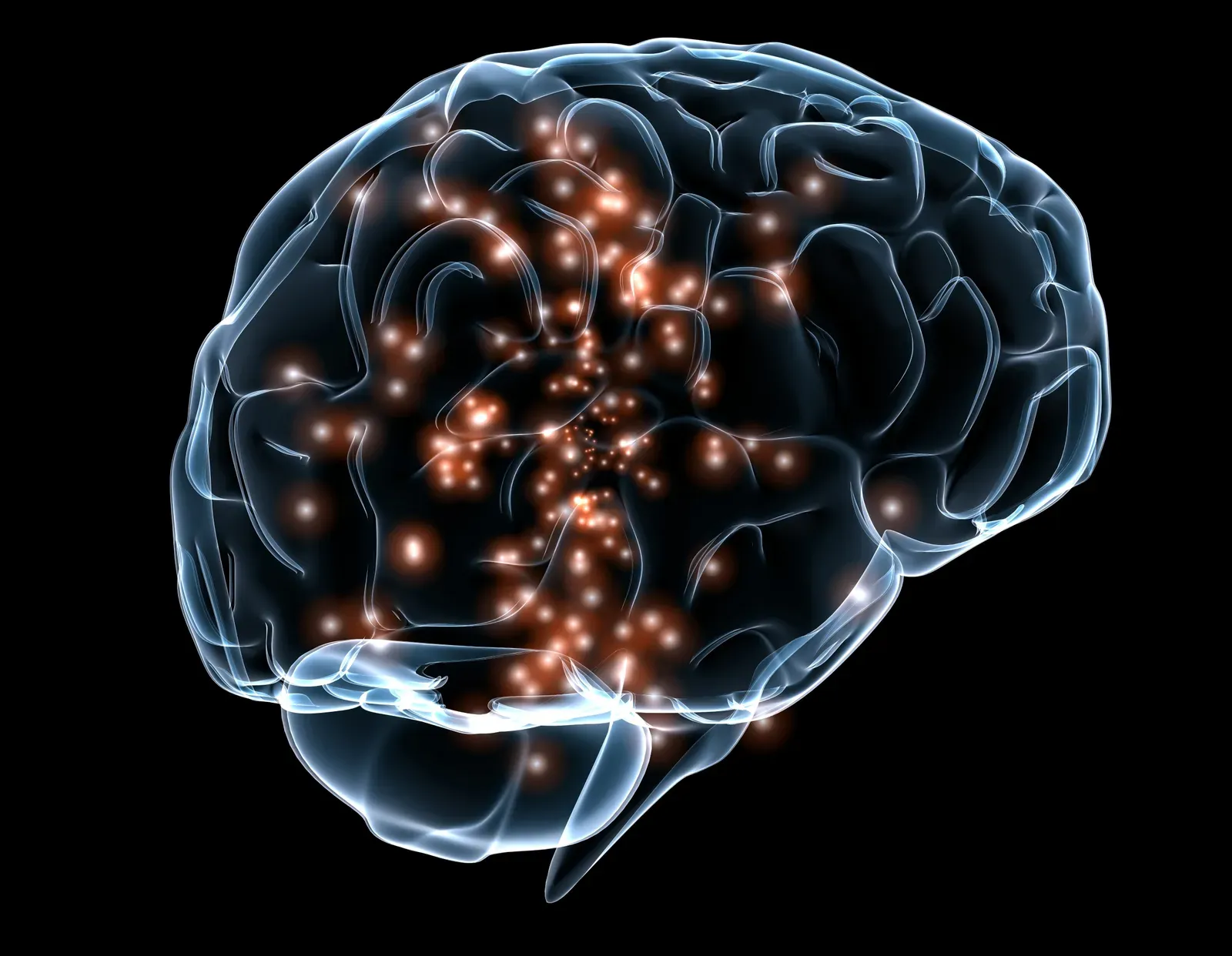
Consciousness is not a single spot in your brain you can pinpoint; it is more like a live orchestra spread across many regions working together. As oxygen and energy disappear, different sections of that orchestra fall out of sync and drop away. The networks that hold your sense of self, your ability to feel time passing, and your awareness of the world around you all begin to fail. At some point, the system cannot knit a coherent experience together anymore.
From your perspective, you are unlikely to notice the exact moment when consciousness is truly gone. There is no inner voice announcing that this is it. Instead, your awareness probably narrows, fragments, and then slips away completely. Much like waking from a dream and trying to remember the last frame you saw, your brain cannot record the instant it ceases to be aware. For you, the end of consciousness is not a prolonged horror; it is more like the lights going out in a room you did not expect to leave.
What Brain Death Actually Means (And How It Differs From a Coma)
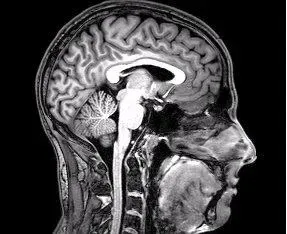
In medical language, you are not considered dead just because your heart has stopped for a short time. Modern definitions lean heavily on what happens in your brain. Brain death is when your brain has lost all function permanently – not only your thoughts and feelings, but also the basic reflexes that keep you breathing, blinking, or reacting to pain. Machines can keep your heart beating and your lungs moving, but without any sign of brain activity or recovery, medicine treats you as gone.
This is very different from a coma or a vegetative state, where some brain activity is still present and, in rare cases, a person can partially recover. If you are brain dead, there is no longer a working capacity for consciousness, even if your chest rises and falls with the help of a ventilator. It can be emotionally confusing for families because you may look alive – warm, pink, heart still pumping – yet your brain has already crossed the line that cannot be uncrossed.
How Modern Medicine Can Delay, But Not Stop, the Brain’s End
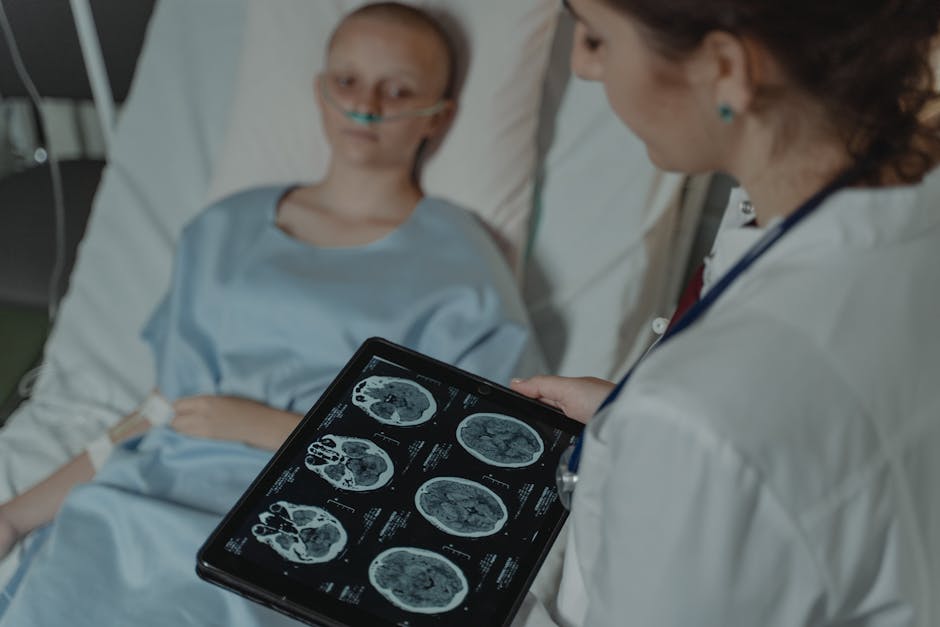
For all the drama inside your head at the moment of death, there is a quieter truth: over the last few decades, medicine has become remarkably good at buying your brain time. Cooling your body, supporting your breathing, regulating your blood pressure, and carefully managing drugs can stretch out that narrow window in which your neurons might still recover. In operating rooms and intensive care units, teams essentially try to slow down the clock that is mercilessly ticking inside your skull.
But even the best technology cannot change the brain’s basic rules. It is built to work within a narrow range of temperature, blood flow, and chemistry. Once those conditions are lost for too long, the damage becomes permanent. You can push the edge a little farther with smart interventions, but you cannot outrun it forever. In the end, your brain follows the same ancient script it has for every human who has ever lived, just with a few more pages added by modern science.
What This Knowledge Means For How You Live Now

Knowing what really happens to your brain when you die can sound cold and clinical at first, but it can also be oddly grounding. Instead of imagining death as some vague, shapeless terror, you can see it as a biological process that follows understandable steps. Your brain fights to stay organized, flares with last‑ditch activity, and then quietly lets go when its resources are gone. There is something humbling about realizing that your most private thoughts ultimately depend on oxygen, blood, and delicate networks of cells.
At the same time, this knowledge can sharpen how you think about the time you do have while those networks are still humming. You get a finite number of conscious hours to notice the people you love, to be curious, to feel wonder and even boredom. Eventually, your brain will run the same endgame as everyone else’s, with the same electrical storms and fade‑outs. The part you can actually change is how you use the chapters before the final one. Knowing how it ends, what do you want your mind to be full of while it is still fully yours?