
You live in a world that can throw up a glass skyscraper in a year, 3D‑print houses, and land rockets on barges. Yet when you stand in front of certain ancient structures, you quietly realize something uncomfortable: with all your software, codes, and cranes, you still might not be able to build that again, at least not in the same way. Many structural engineers and materials specialists openly admit that while you could imitate the “look” of these places, recreating their exact methods, materials, tolerances, and long‑term performance would be a nightmare. In this journey, you’re going to walk through sixteen ancient works that push modern engineering pride right to the edge. You’ll see buildings that survived earthquakes better than nearby modern concrete, domes that defy today’s safety codes, and stonework that feels almost like cheating. As you read, notice how often the challenge is not raw capability, but practicality, cost, safety regulations, and lost know‑how. You absolutely could build almost anything if you spent absurd amounts of money and time. The real question is: would you actually dare to?
The Great Pyramid of Giza: Scale That Breaks Modern Schedules
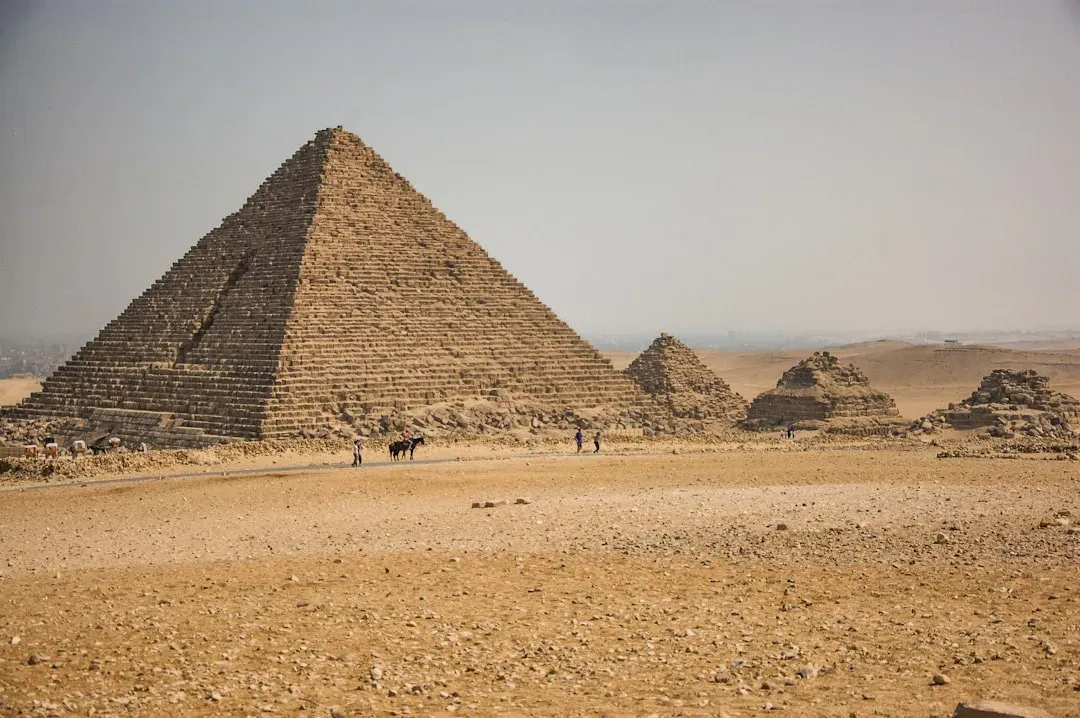
When you look at the Great Pyramid of Giza, you’re not just looking at a giant pile of stone; you’re staring at the result of staggering logistics and obsessive alignment. This pyramid originally stood around one hundred forty‑six meters tall and used millions of limestone blocks, many weighing several tons, arranged so precisely that the base deviates from a perfect square by mere centimeters. You could, in theory, design something similar with modern cranes and GPS, but you’d immediately run into a brutal trio of problems: cost, labor, and time. No commercial client today would accept a decades‑long, non‑revenue‑producing stone monument that exists purely to be awe‑inspiring.
On top of that, you still do not fully agree on the exact construction sequence used by the original builders. Modern simulations have tested internal ramps, external ramps, and hybrid systems, but those are educated reconstructions, not final answers. Engineers today prefer steel, reinforced concrete, and modular methods because they’re predictable, codified, and insurable, not because they’re always more durable over millennia. To replicate the Great Pyramid using hand‑quarried stone and similar low‑tech tools, you’d have to re‑invent an entire labor system, supply chain, and cultural mindset that treats multi‑generation projects as normal. That’s not an engineering calculation; it’s a civilization‑level shift.
Stonehenge: Precision Megaliths Without Modern Lifting Gear
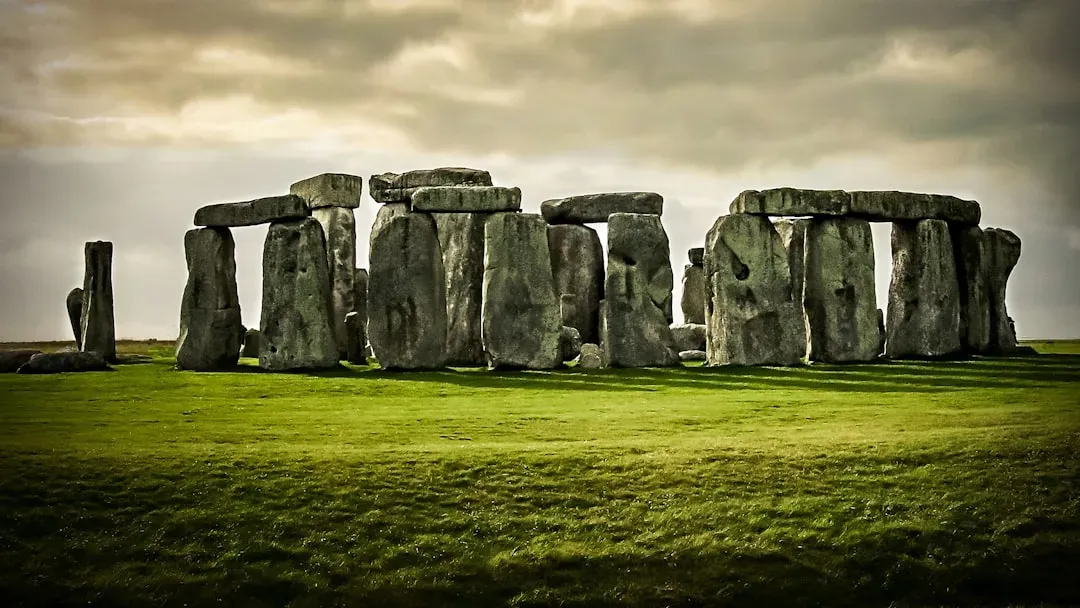
At first glance, Stonehenge looks almost modest compared to massive pyramids or temples, but when you start thinking like an engineer, it becomes a headache in slow motion. You’re dealing with stones weighing up to roughly twenty‑five tons, some hauled from quarries more than two hundred kilometers away, then lifted and jointed into a freestanding ring using mortise‑and‑tenon connections carved into stone. Today you’d bring in cranes, low‑bed trailers, and lifting frames, but that’s not really replication; that’s just copy‑pasting the final shape. The original feat lies in doing all this with a Neolithic toolkit and a deep understanding of leverage, timber, and human muscle.
If you tried to rebuild Stonehenge “authentically,” you’d hit fierce safety regulations immediately. No modern project manager would sign off on hundreds of untrained volunteers dragging multi‑ton stones across countryside or slowly raising them with timber tripods and earthen ramps. You’d also have to relearn the subtlety hidden in those simple‑looking joints: they help keep the stones from shifting and lock the lintels in place. In a world that prefers steel brackets and pre‑cast connections, recreating the same joinery by hand would feel almost like a craft revival movement rather than a straightforward engineering job, and most firms simply would not take that on.
Sacsayhuamán, Peru: Polygonal Masonry That Laughs at Earthquakes
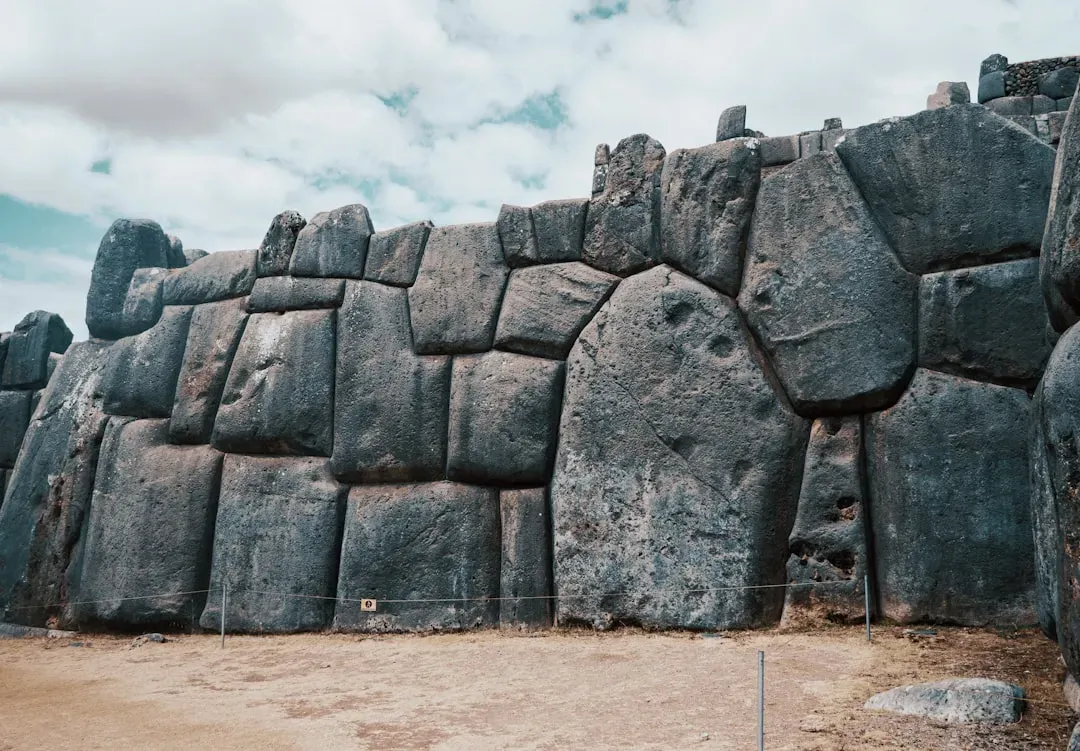
High above Cusco, you walk along the walls of Sacsayhuamán and quickly realize why so many engineers say, almost grudgingly, that they’d rather not bid on recreating it. You’re looking at dry‑stone walls made of gigantic, irregular blocks, some over one hundred tons, fitted so tightly that you often can’t easily insert a blade into the joints. There’s no mortar to hide mistakes. Each block was shaped as a unique three‑dimensional puzzle piece, mating perfectly with its neighbors, and the whole wall leans slightly inward to resist quakes. These walls have shrugged off centuries of seismic shaking that wrecked later colonial masonry nearby.
Could you build something “better” with modern reinforced concrete? For brute strength, yes. But if you’re asked to recreate Sacsayhuamán in the same style, with the same dry, polygonal fit and hand‑shaped stones, your schedule would explode. Polygonal masonry demands that you work stone by stone, constantly template, adjust, and refit. It is painfully slow and labor‑intensive, which is exactly why it almost vanished once iron tools and cheaper building styles took over. In the age of tower cranes and poured slabs, persuading a modern contractor to carve and align hundreds of enormous, irregular boulders with this level of precision is about as realistic as asking a mass‑production car factory to hand‑build chariots.
The Pantheon Dome: A Concrete Trick Modern Codes Would Forbid
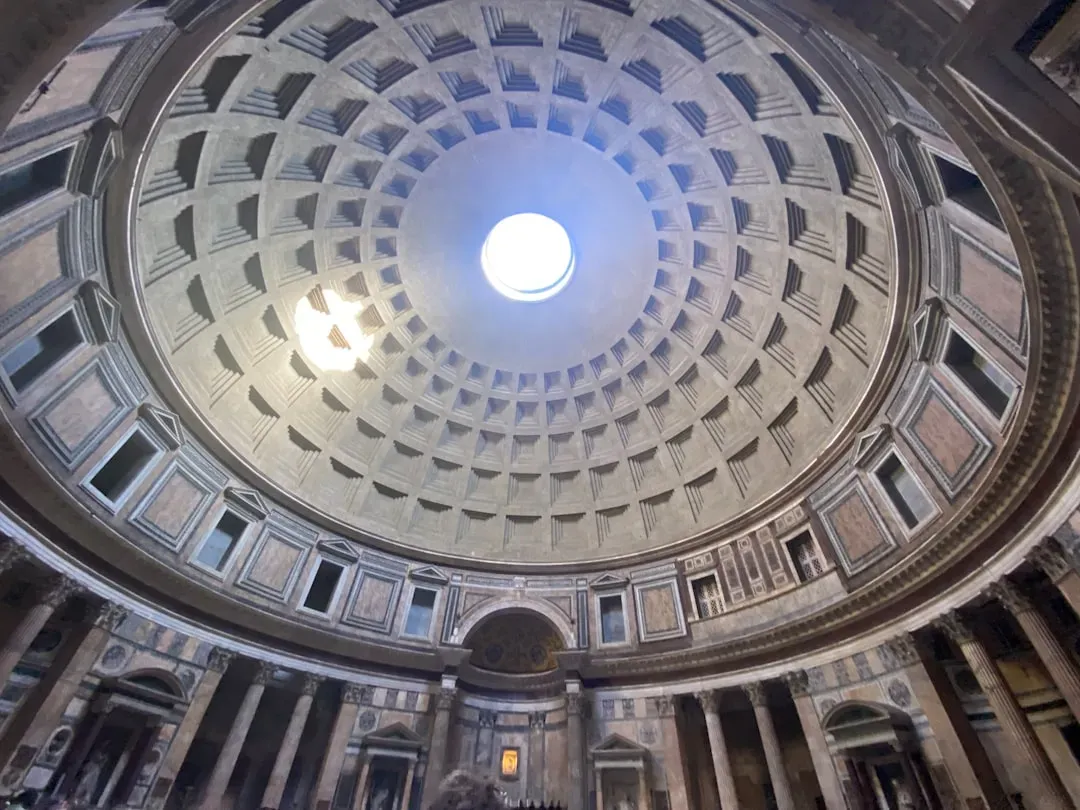
Step under the Pantheon’s dome in Rome and you are standing beneath the largest unreinforced concrete dome in the world, still standing after nearly two thousand years. Its span is over forty meters, with no internal steel reinforcement, no hidden metal frame, just layered Roman concrete cleverly graded to be heavier at the base and lighter near the oculus. You, living in 2026, are used to every serious concrete structure having rebar laced through it. Modern building codes are so wary of unreinforced concrete that, in most seismic regions, you simply wouldn’t get approval to pour a dome like this at full scale.
Engineers have studied this dome obsessively, modeling its stresses and analyzing core samples of the concrete. You can reproduce its geometry in software in minutes, but that’s very different from convincing an insurer and a city authority that you’re allowed to build it the same way. To truly replicate it, you’d have to accept the same material uncertainties, long cure times, and monolithic casting process, including the risk that a tiny mistake could doom the entire structure. In practice, you’d end up using reinforced concrete, steel ribs, or composite materials, quietly admitting that you’re not recreating the Roman achievement – you’re sidestepping it.
Baalbek’s Trilithon: Stones Too Big Even for Your Cranes
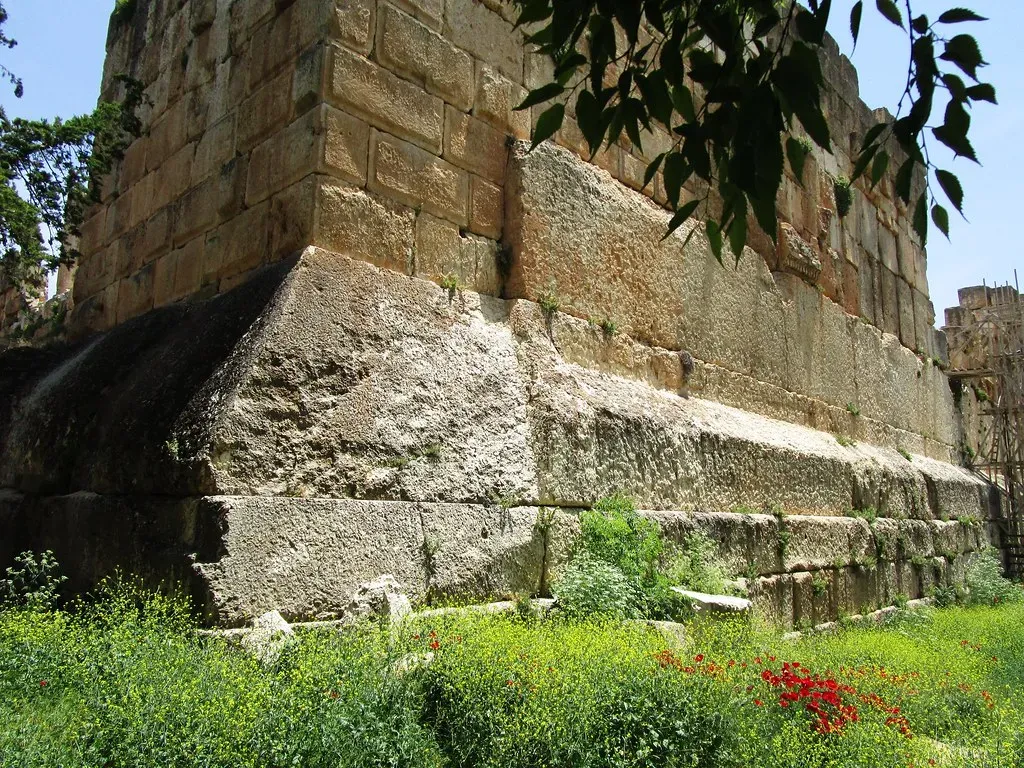
At the Roman temple complex of Baalbek in Lebanon, you meet the Trilithon: three massive stone blocks in a retaining wall, each weighing in the ballpark of eight hundred tons or more. Nearby, in the quarry, there’s an even larger unfinished monolith, well over a thousand tons. You can move heavy loads today with specialized multi‑axle transporters and custom cranes, but these machines are rare, expensive, and usually reserved for one‑off industrial lifts, not routine architectural masonry. To source, shape, move, and place several such stones with millimeter‑scale accuracy would require a project budget and logistics plan that borders on absurd.
Ancient builders used a mix of ramps, rollers, levers, and raw manpower, operating in a context where time and labor were cheap compared to stone. You, if you tried to replicate this, would face tight deadlines, union rules, safety protocols, and a public that would not tolerate a multi‑year road closure just to drag a thousand‑ton block across town. Modern engineers can calculate the forces and design specialized gear, but that’s different from running the operation in reality. At some point, you’d likely give up on single blocks and break them into smaller, more manageable units – quietly admitting that your approach is more practical but less astonishing.
Pumapunku, Bolivia: Stonework That Feels Almost Machined
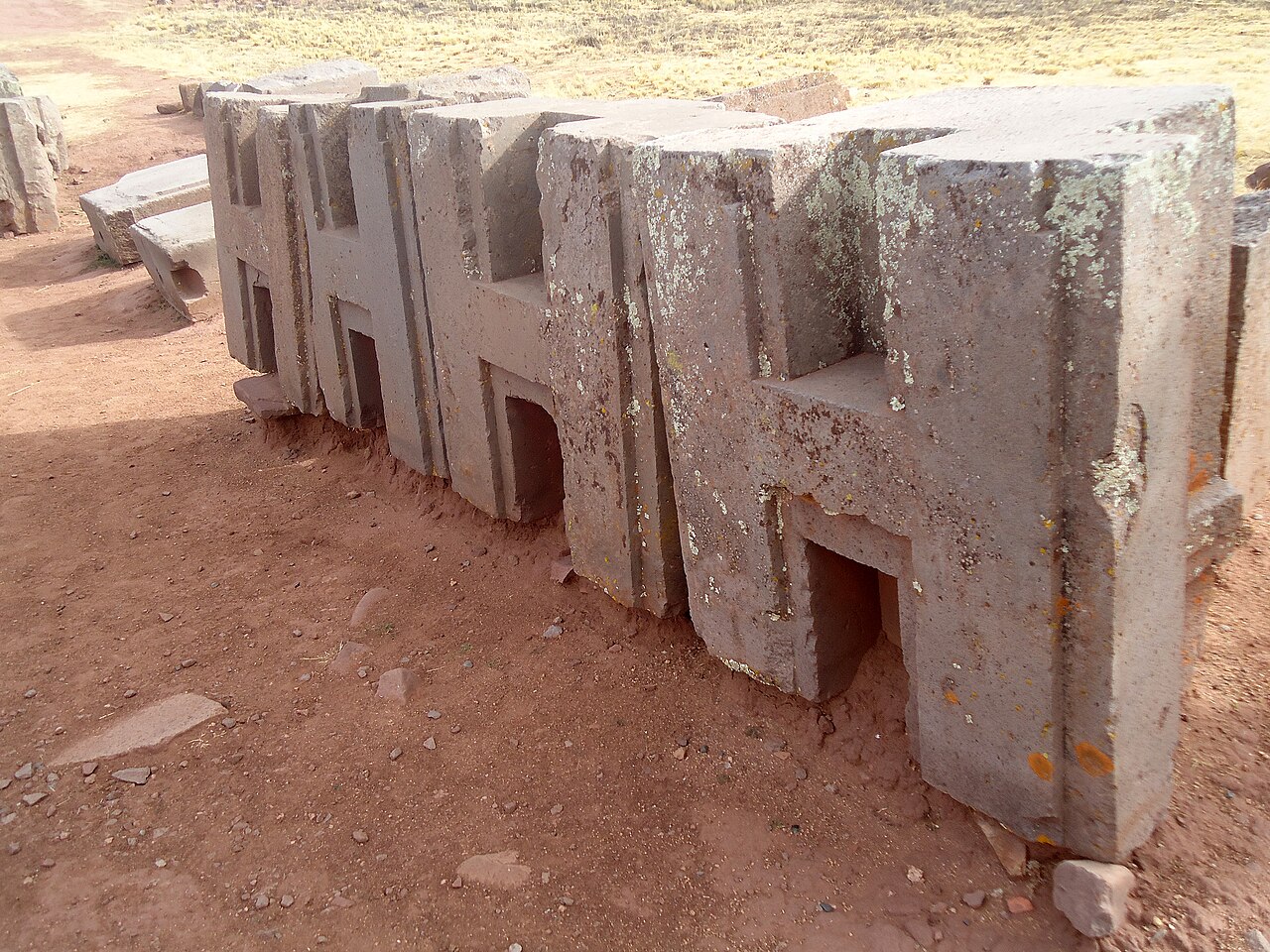
At Pumapunku, part of the Tiwanaku complex in Bolivia, you find finely carved andesite and sandstone blocks that look eerily like they came off some ancient milling machine. You see repeated right angles, straight cuts, and intricate grooves and recesses that were created long before steel tooling and electric saws. Engineers examining these blocks often point out that you can achieve similar finishes today, but you’d normally do it with diamond blades, CNC machines, and factory‑like setups, not by hauling full‑scale blocks around an elevated plateau.
Trying to recreate Pumapunku in its original context using period‑style tooling would push you into experimental archaeology rather than conventional construction. You’d have to experiment with hammerstones, abrasives, and polishing techniques again and again, eating up time and money. Modern builders typically seek speed and repeatability, while Tiwanaku artisans invested phenomenal time into a relatively small number of precision elements. In a world driven by cost per square meter, the level of hand‑crafted detail you see at Pumapunku is commercially insane, which is exactly why replicating it at scale is more of a research project than an actual viable commission.
Machu Picchu: Terraces and Town on a Razor‑Edge Ridge
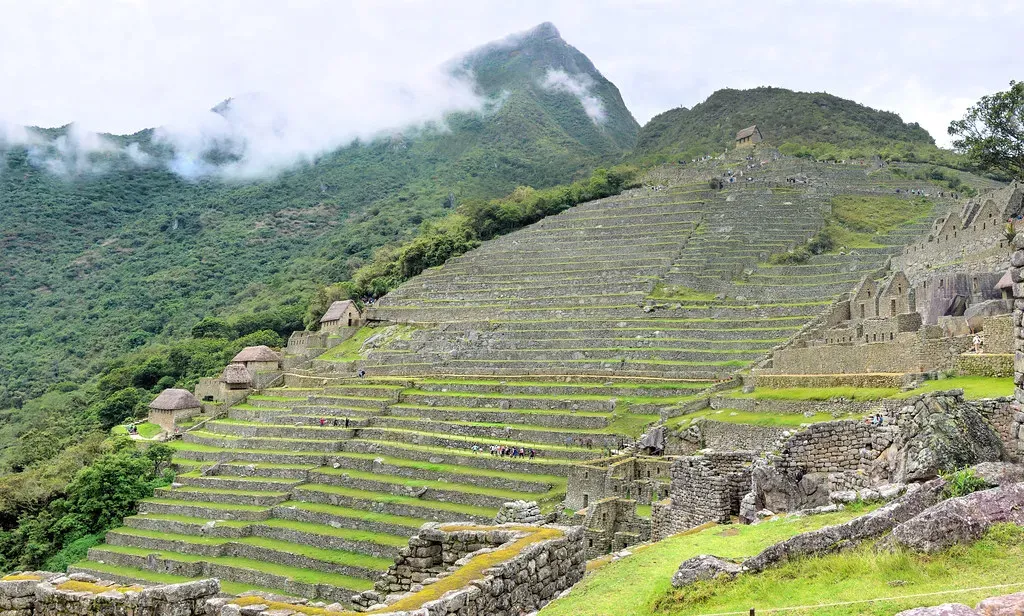
Imagine your client handing you the Machu Picchu site plan and saying, calmly, that they’d like you to build a stone city and agricultural terraces on a jagged mountain ridge with brutally steep slopes and frequent heavy rain. The Inca builders not only pulled this off, they integrated extensive drainage systems, retaining walls, and precisely stepped terraces that have kept the site remarkably stable for centuries. You can absolutely build on slopes today, but typically you’d rely on shotcrete, rock bolts, geotextiles, and aggressive earthworks that scar the landscape in ways the Inca approach somehow avoided.
To replicate Machu Picchu in the same low‑tech, high‑skill way, you’d need thousands of workers trained in stonework and slope stabilization, plus a willingness to move mostly on foot, using llamas and simple ramps instead of heavy machinery. Modern environmental permitting alone would be a thunderstorm of red tape: helicopters, explosives, and heavy equipment all raise erosion and ecosystem concerns. The Inca solution was slow, distributed, and deeply adapted to the mountain. You tend to solve such a challenge today by overpowering the terrain, not by patiently negotiating with it block by block, season by season.
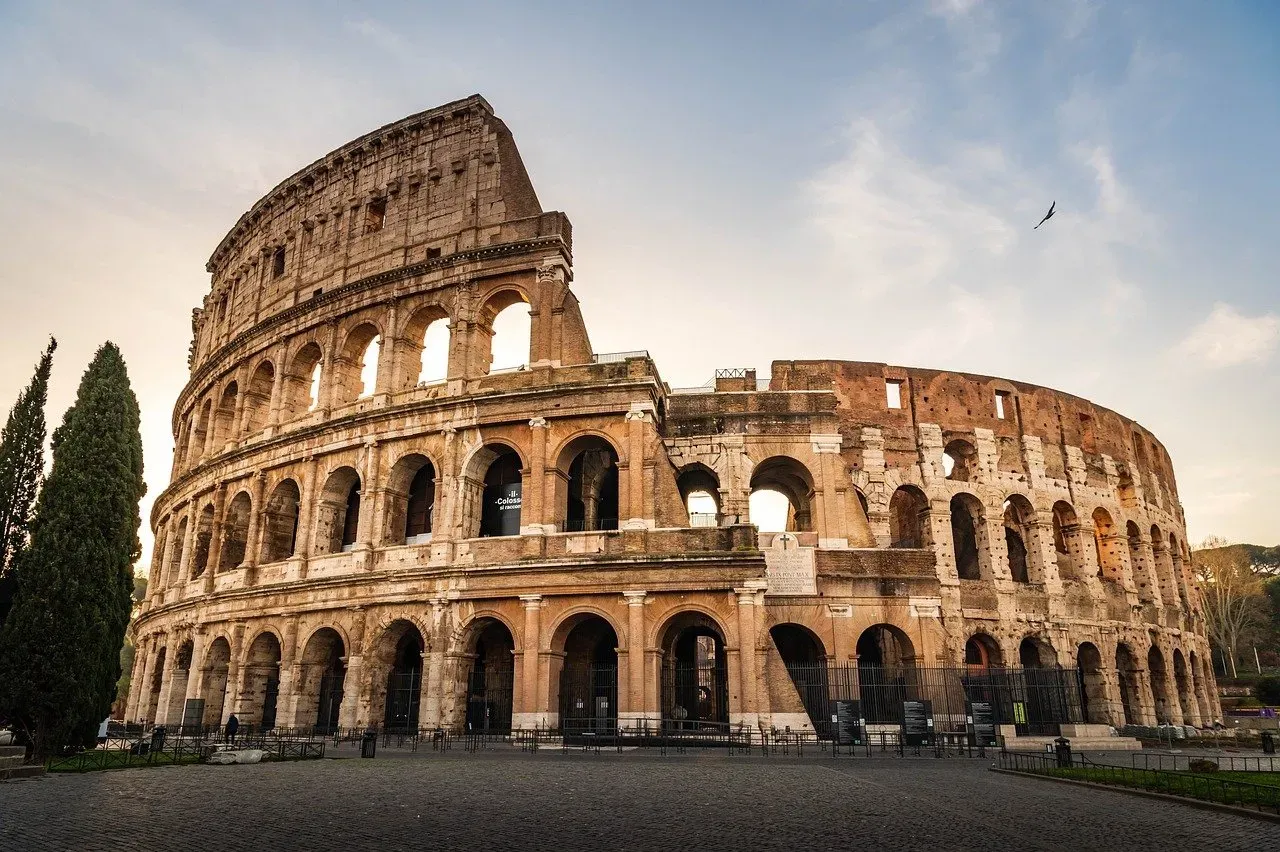
The Colosseum: A Self‑Supporting Ring of Arches and Vaults
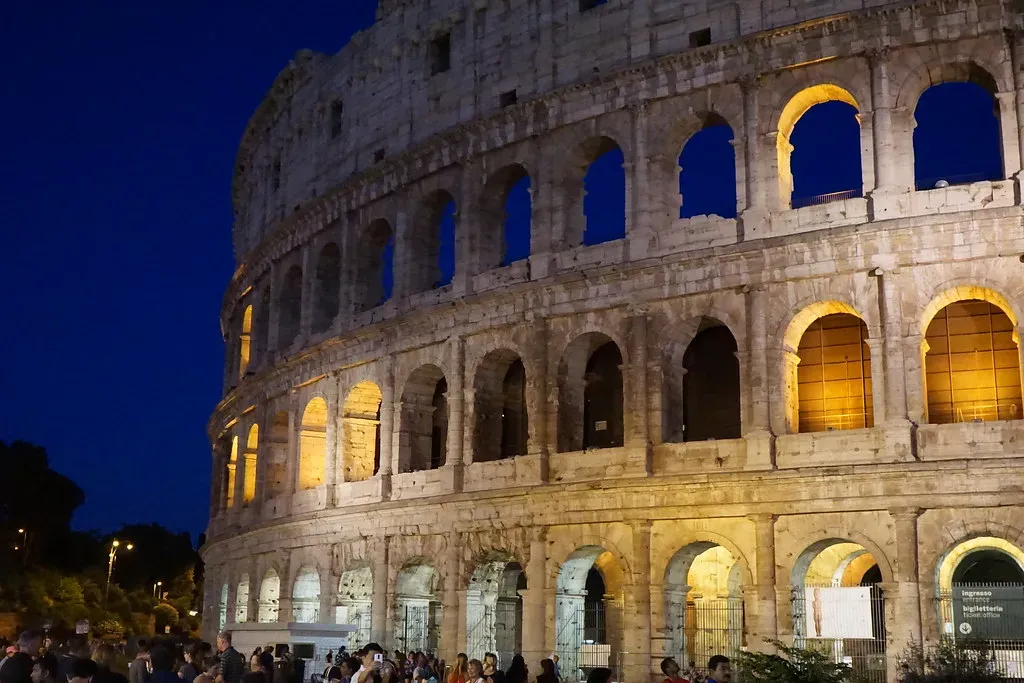
When you stand in the Colosseum in Rome, you’re inside a three‑dimensional matrix of arches, vaults, and radial walls that support each other so elegantly that much of the structure still stands despite earthquakes, stone robbing, and centuries of neglect. As an engineer, you see an intricate load path: compressive forces traveling through masonry like water finding channels in a riverbed. In the ancient world, this was built with manual hoists, timber scaffolds, and hand‑mixed concrete and mortar, all orchestrated at a scale that makes most modern stadiums look strangely soulless by comparison.
Could you design a better stadium in pure performance terms today? Of course. You’d use steel, precast elements, and advanced crowd‑flow modeling. But if someone asks you to recreate the Colosseum’s exact structural language, with layered stone and concrete vaults instead of steel trusses, you’d run directly into cost, fire codes, accessibility standards, and seismic regulations. The original was not designed for wheelchair access, modern exit widths, or modern risk tolerances. To truly replicate it, you’d have to accept limitations and vulnerabilities we no longer tolerate, and that makes faithful reconstruction almost impossible within current legal and ethical frameworks.
Angkor Wat, Cambodia: A Stone City on Water‑Logged Ground
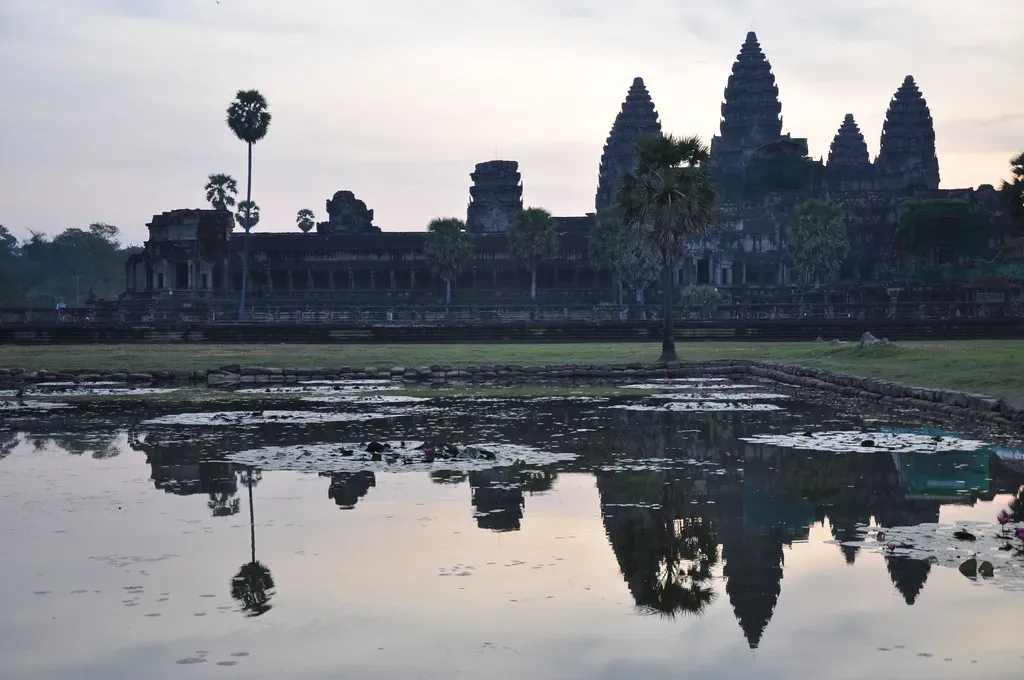
Angkor Wat is often described as a temple, but when you walk it, you realize it’s closer to a stone city, surrounded and interlaced with moats, reservoirs, and canals. Engineers studying the site have come to appreciate just how much hydrological knowledge went into placing millions of sandstone blocks on soft, seasonally flooded ground. The builders managed subsidence, drainage, and seasonal water storage in a way that kept the complex usable for centuries. Today, you lean heavily on geotechnical data, deep foundations, and modern pumps, not on kilometer‑scale earthworks built with baskets and shovels.
If you tried to replicate Angkor Wat using ancient‑style materials and methods, you’d immediately confront the massive manpower those works demanded. Channeling, leveling, and maintaining that much water infrastructure with hand tools is beyond what any modern city would fund for a single religious complex. You would also have to accept that long‑term maintenance is built into the system; canals silt up, embankments erode, and it’s the steady, culturally embedded upkeep that keeps everything functional. Modern projects prefer low‑maintenance solutions or at least clearly budgeted ones. Angkor Wat’s original engineers relied on a civilization‑wide commitment that you simply cannot plug into a spreadsheet.
The Epidaurus Theater: Acoustic Masterpiece in Bare Stone
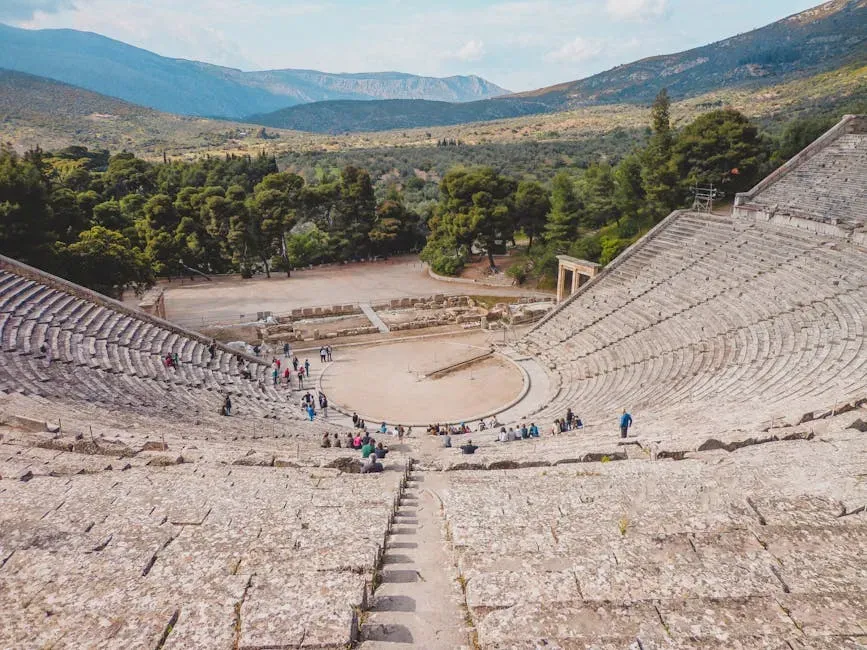
At the ancient theater of Epidaurus in Greece, you can sit high in the stands and still hear a voice from the stage with startling clarity. For you as an engineer, that is an acoustic puzzle solved without digital modeling, loudspeakers, or high‑tech sound‑absorbing materials. The shape of the bowl, the slope of the seating, and even the surface texture of the stone all contribute to how sound reflects and scatters. Researchers have found that the combination of geometry and the audience itself helps filter background noise and enhance speech, essentially turning the whole theater into a natural amplifier.
Sure, you can design high‑performance auditoriums today with powerful software and advanced materials. But if the challenge is to match Epidaurus – open‑air, passive acoustics only, no modern technology – things get tricky fast. You’d probably have to build mockups, run extensive field tests, and accept a lot of trial and error. Ancient Greek builders solved it empirically over generations, guided by tradition and experience more than equations. To “simply” recreate this in one go, to the same standard, without microphones or electronic aids, is not something you can just buy off a shelf of modern solutions. It demands a level of acoustic craftsmanship that many contemporary projects quietly outsource to electronics.
Göbekli Tepe, Turkey: Monumental Stone Before Cities
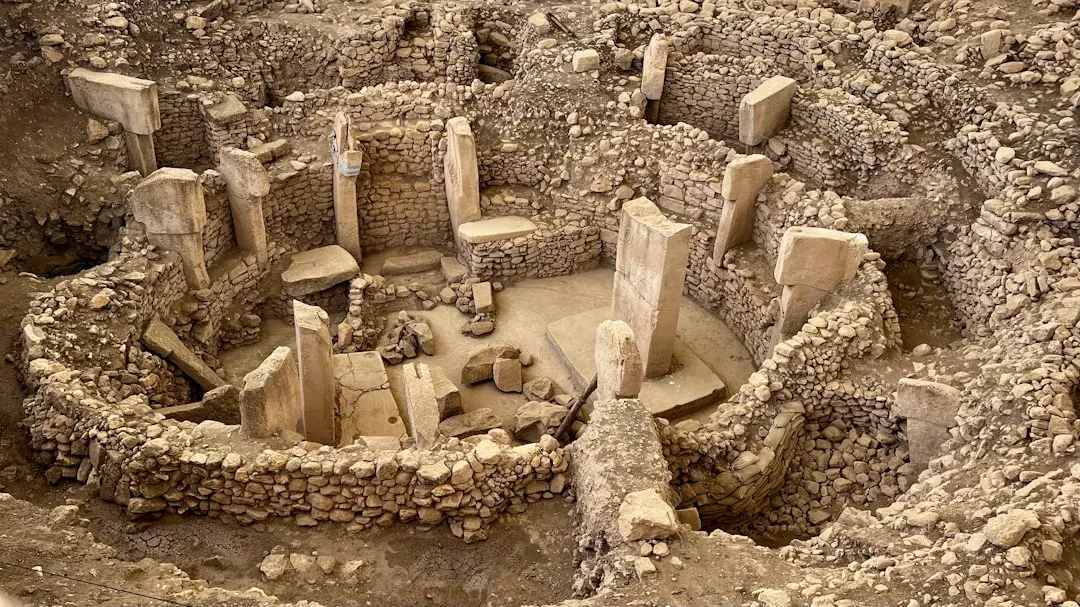
At Göbekli Tepe you’re looking at massive T‑shaped stone pillars, some several meters tall and many tons in weight, arranged in circular enclosures and carved with intricate animal reliefs. The shock for you, if you follow archaeology, is the age: this site dates back to a time before pottery and agriculture were fully established in the region. That means people who were still essentially hunter‑gatherers organized themselves well enough to quarry, move, and erect megaliths with precision and symbolic sophistication. From an engineering‑history standpoint, that is wildly out of sequence with what you might casually expect.
Replicating Göbekli Tepe authentically would force you to abandon almost every modern convenience and still somehow coordinate large work parties without the social structures you now take for granted. No written contracts, no payroll systems, no heavy equipment, and yet you’d still have to keep people fed, motivated, and organized through seasons of back‑breaking work. The technical problem of shaping and raising limestone pillars is solvable; you can demonstrate that with experimental archaeology. The truly hard part is recreating the social and logistical framework that made it worthwhile for a pre‑agricultural society to build something so large and symbolically dense in the first place.
Qin Shi Huang’s Mausoleum: A Hidden Underground World
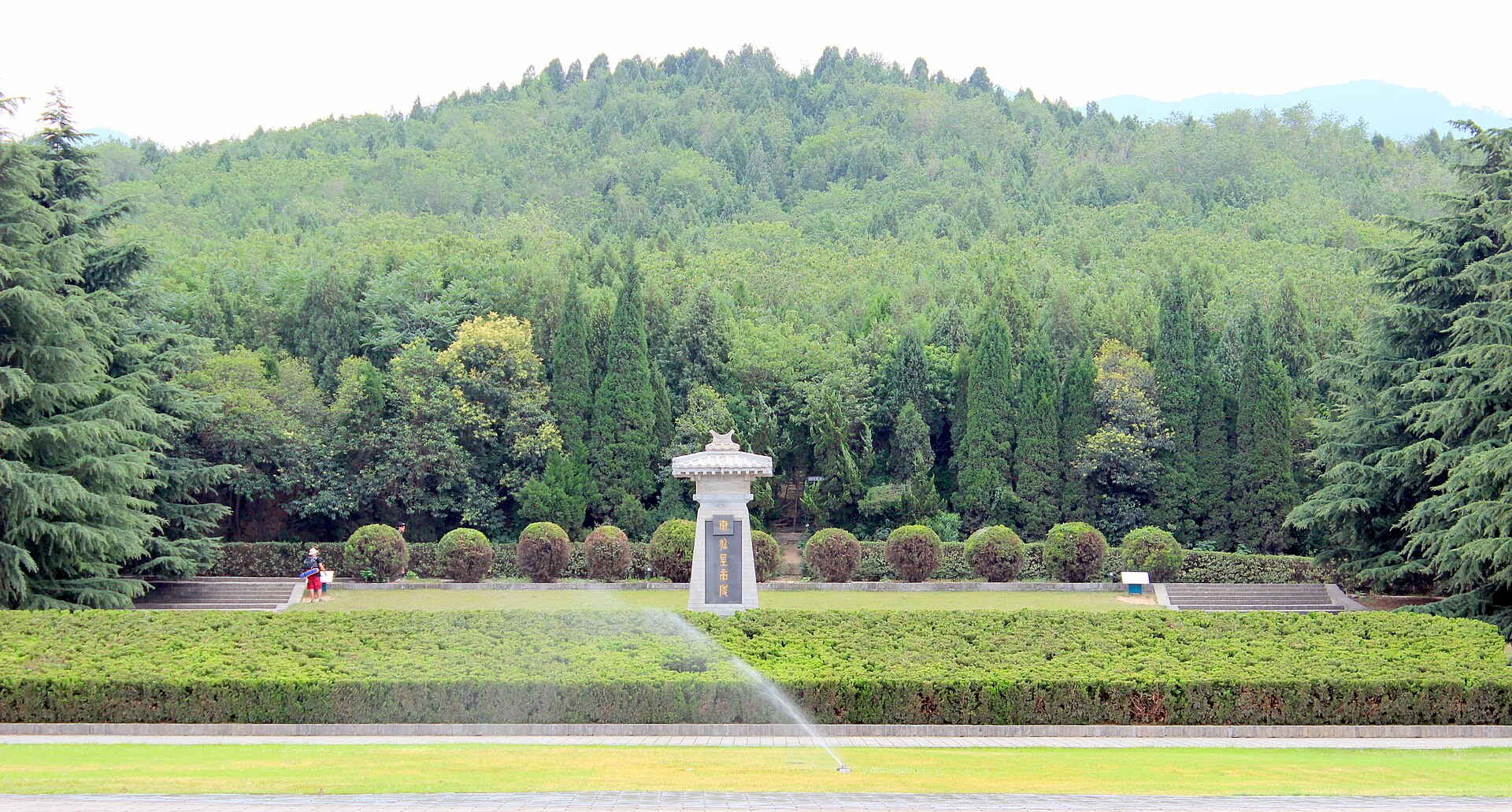
When you think of the first emperor of China’s mausoleum, you probably picture the famous Terracotta Army, but that’s just the part you’re allowed to see. Historical records and modern surveys suggest that beneath an unexcavated mound lies a vast underground complex with palaces, rivers of mercury, and elaborate defensive traps. As an engineer, your problem is not building underground chambers; you can tunnel and support soil just fine today. The difficulty is creating a sealed, self‑contained world meant to last millennia, potentially using materials and sealing methods you still do not fully understand because you haven’t opened the main chamber.
If you were asked to replicate this mausoleum faithfully, you’d quickly clash with modern ethics and environmental protections. You’re not allowed to flood cavities with toxic metals or build elaborate lethal traps for would‑be intruders. On top of that, you’d be trying to reconstruct something whose full layout and construction details you actually lack, since the main interior remains largely untouched for preservation reasons. You’re in the strange position of knowing enough to be impressed, but not enough to copy. Engineers can design sophisticated bunkers and underground labs today, but recreating a secretive, symbol‑laden mausoleum sealed for eternity is as much a cultural impossibility as a technical one.
Hagia Sophia, Istanbul: A Daring Dome that Shouldn’t Have Worked So Well
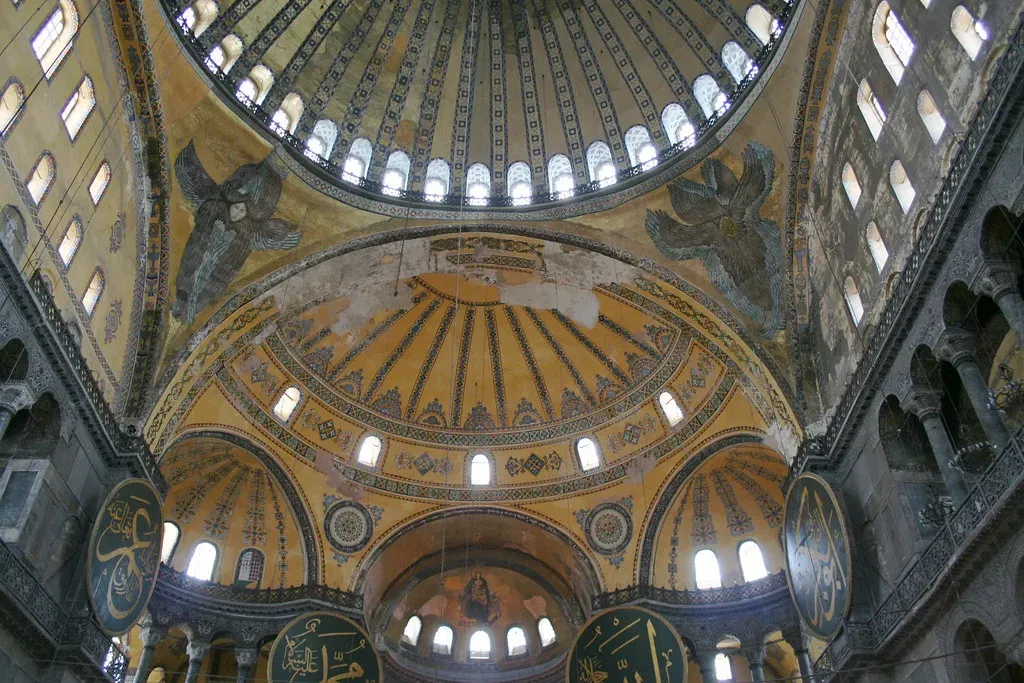
Hagia Sophia’s great dome, originally built in the sixth century, hovers above a vast rectangular space supported by semi‑domes and pendentives that channel loads in surprisingly complex ways. For engineers, the structure feels like it’s right on the edge of what masonry can do; in fact, parts of the dome had to be rebuilt and strengthened not long after its original completion. Still, this hybrid of basilica and centralized plan has withstood earthquakes and centuries of modifications, bridging the gap between Roman and Byzantine engineering traditions in one audacious leap.
Today, if you design a large‑span roof, you use steel, prestressed concrete, or lightweight composites, and you integrate seismic detailing from the first sketch. Trying to reconstruct Hagia Sophia exactly, with its original masonry dome and evolving reinforcements, would run into risk tolerance issues almost immediately. You know more about seismic behavior now, which paradoxically makes you less willing to repeat such an experiment in pure masonry. To get approval, you’d probably hide a steel frame inside or wrap the structure in unobtrusive modern reinforcement, which means that what you’re actually building is an homage, not a true replication of that daring sixth‑century engineering gamble.
Palmyra’s Temple of Bel: Stone Elegance in a Harsh Desert
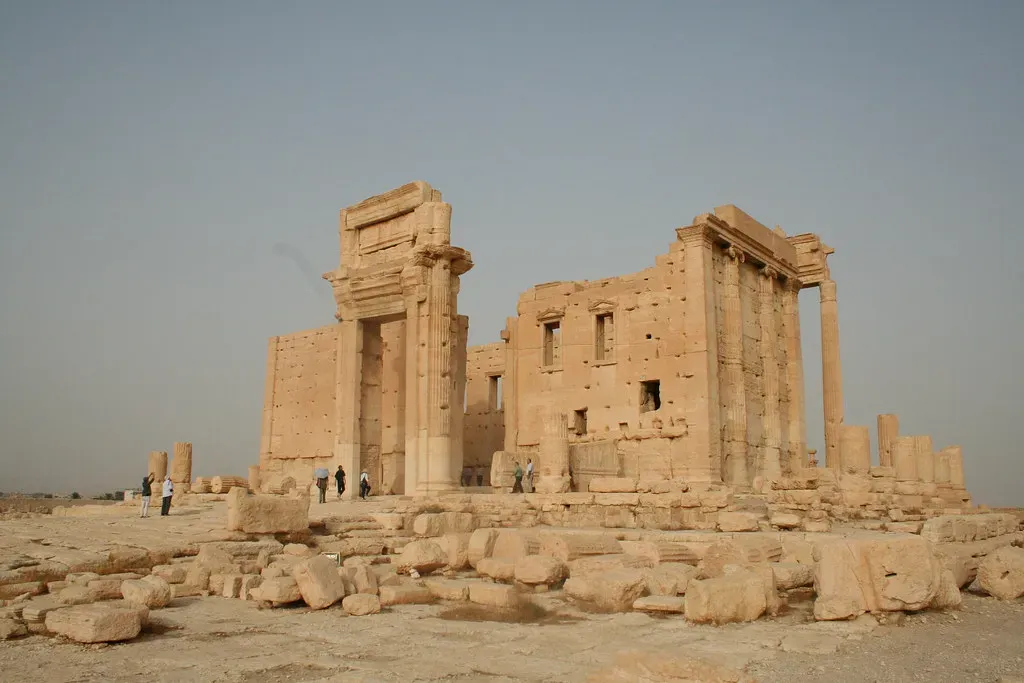
Even in its damaged state, the Temple of Bel at Palmyra used to showcase a sophisticated grasp of stone construction in an unforgiving desert environment. Tall colonnades, detailed reliefs, and carefully proportioned courtyards all had to resist huge temperature swings, sandstorms, and limited water. Ancient builders understood how to orient and detail the stone to manage weathering, and they worked within a regional network that could quarry, transport, and dress huge amounts of stone across long distances without powered vehicles.
You might think that duplicating a stone temple is straightforward today, but when you add in the desert context and the requirement to build largely in traditional ways, the project becomes a different beast. Modern crews would want shade, refrigeration, constant water, and mechanized lifting to meet safety and labor standards. On top of that, you’d have to source stone with similar properties and weathering behavior, then detail it for long‑term durability without resorting to hidden steel frames or chemical sealants. Rebuilding what Palmyra once was, in the spirit of its original construction, would demand patience and resources that far exceed what most modern projects are willing to spend on pure stone craftsmanship.
The Moai and Platforms of Rapa Nui: Remote Engineering Under Scarcity
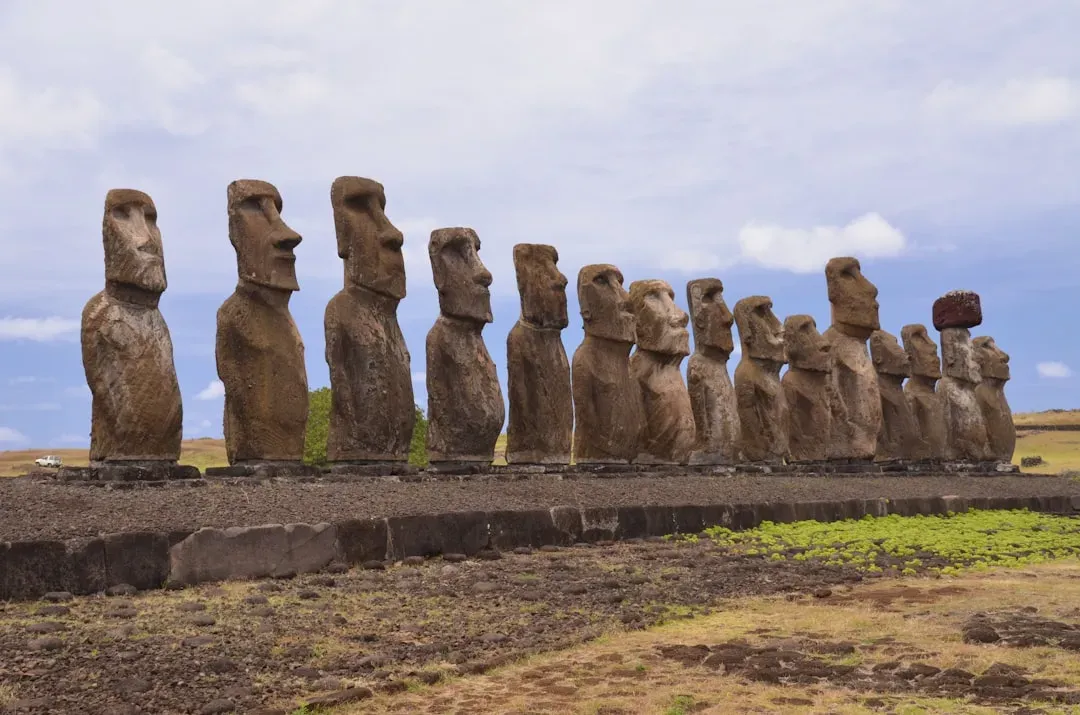
On Rapa Nui (Easter Island), you see the iconic moai statues, some over ten meters tall, originally erected on carefully built stone platforms called ahu. From an engineering perspective, your challenge here is not just carving and raising the statues, but doing it on a tiny, isolated island with severe resource constraints. The builders had limited timber, no large draft animals, and still managed to move these multi‑ton figures across rugged terrain, then stand them up on platforms made with intricate stonework and precise leveling.
Try replicating this today while playing by the same rules: no importing cranes or heavy machinery, no concrete foundations, just local stone, human labor, and clever physics. Suddenly, moving one statue becomes a major operation, let alone dozens. Modern climate and heritage concerns would also limit how aggressively you can harvest local materials, forcing you to do more with even less. Engineers can back‑calculate plausible transport methods, like walking the statues upright with ropes and teams, but running a full‑scale reconstruction program in that minimalist, sustainable style would be so slow and expensive that it would likely never be approved outside a small experimental setting.
Derinkuyu Underground City, Turkey: A Multi‑Level Labyrinth in Soft Rock
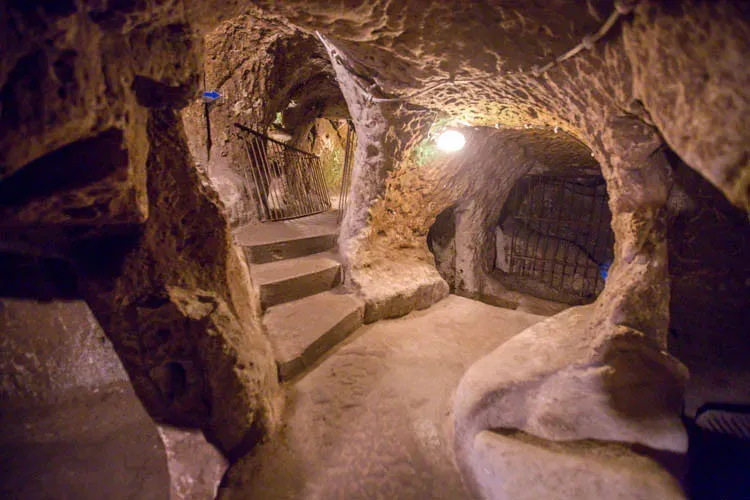
Derinkuyu is an underground city carved into soft volcanic rock in Cappadocia, dropping many levels below the surface with ventilation shafts, water wells, stables, living spaces, and defensive choke points. From your modern perspective, the idea of carving an entire multi‑story urban environment by hand, with no powered excavation and almost no structural reinforcement, sounds reckless. Yet the geology and careful layout allowed these spaces to remain stable for centuries, used as refuges during times of conflict and invasion. The network is so extensive that mapping it fully is still a work in progress.
If you are asked to recreate Derinkuyu with the same tools and design principles, you’d likely walk away. Modern tunneling is tightly regulated; you are required to verify rock properties, install support systems, monitor deformation, and control ventilation and lighting from day one. The ancient builders relied on empirical knowledge of the local tuff and incremental expansion, adjusting as they went. Trying to build a new underground city in soft rock, with minimal support and no concrete, would trigger every safety alarm you have. You can admire the ingenuity, but repeating that boldness in your era of liability and building codes is, frankly, nearly impossible.
The Step Pyramid of Djoser: The First Giant Leap Into Stone Monumentality
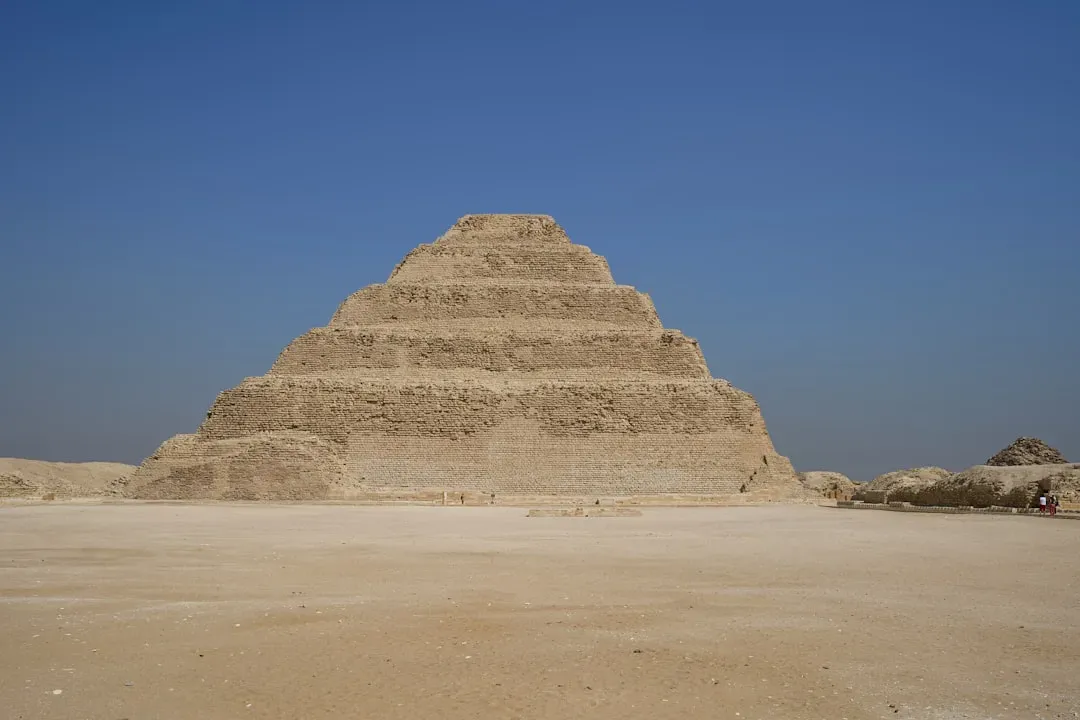
Before Giza’s smooth pyramids, you have the Step Pyramid of Djoser at Saqqara, often cited as the first large‑scale stone monument of its kind in Egypt. It started conceptually as a stack of mastaba‑like forms, growing into a six‑tiered structure surrounded by a complex of courtyards, temples, and enclosure walls. As an engineer, what fascinates you here is less the final shape and more the leap involved: moving from mudbrick and small stone structures into a massive, multi‑stage stone complex without centuries of prior large‑stone practice to lean on. This was early experimental mega‑construction.
To replicate the Step Pyramid authentically, you’d need to re‑create that same experimental mindset while pretending you don’t already know what does and does not work in pyramid building. Modern practice pushes you toward detailed front‑end design and risk avoidance; ancient builders, by contrast, could learn on the fly, making design changes mid‑project and simply throwing more labor at problems. That freedom to improvise on a monumental scale is something you rarely have now. In reality, if you attempted a faithful reconstruction, you’d soon default to standardized blocks, refined logistics, and safety‑first staging, quietly smoothing out the very rough edges that make the original such a bold and unlikely milestone.
Conclusion: When “Can” and “Will” Are Two Very Different Questions
When you line up these sixteen ancient structures, a pattern starts to emerge. Technically, with enough money, time, and political will, you probably could reproduce almost any one of them in some form, especially if you allowed yourself modern cranes and materials. But that is not what engineers are really talking about when they say these places would be nearly impossible to replicate today. What they mean is that the specific blend of methods, materials, social organization, risk tolerance, and patience that created them simply does not exist in your world anymore. You have different tools – but you also have different values, regulations, and economic pressures.
The irony is that your age can design skyscrapers out of glass and steel that ancient builders could never even imagine, yet still looks back at a dry‑stone wall or an unreinforced dome with a mix of envy and respect. Those structures remind you that engineering is never just about equations; it’s about culture, belief, and the willingness to devote lifetimes to things that pay off far beyond any single generation. Next time you see one of these ancient works, ask yourself not just whether your era could build it, but whether it would even try. If you had to bet, which of these would modern society truly choose to recreate – and which would stay forever in the realm of “impossible in practice”?