
You probably grew up hearing that history is solid, written in stone, and carefully checked by experts. Then you stumble across a “mysterious artifact” documentary claiming everything you learned was wrong. Somewhere in between those two extremes sits the real story: a lot of famous ancient discoveries were wildly overhyped, then quietly walked back when better evidence arrived. In this article, you’re going to walk through thirteen cases where an object, site, or idea once sounded revolutionary, only to fade from serious discussion after scientists took a closer look. You’ll see how myths grew, how they fell apart, and what that teaches you about questioning big historical claims without falling into cynicism or conspiracy thinking. —
Piltdown Man: The “Missing Link” That Turned Into a Laboratory Lesson
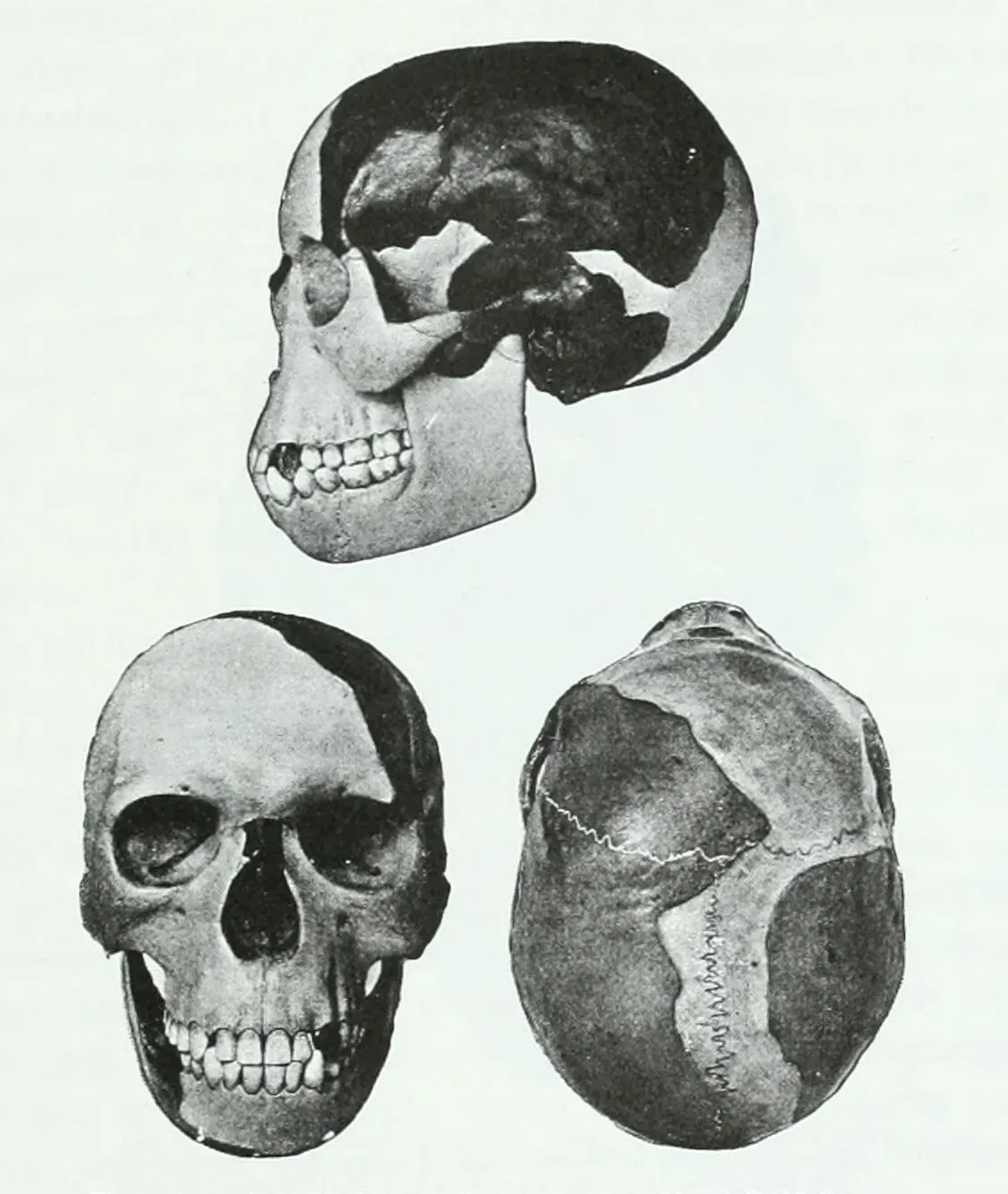
You might have heard of Piltdown Man as the classic example of how badly experts can be fooled when they want to believe a story. In the early 1900s, you would have been told this fossil from England was the long‑sought “missing link” between apes and humans, conveniently found in Europe at a time when many European scholars wanted human evolution to be centered on their own continent. For decades, textbooks, museum displays, and popular books repeated the idea as if it were settled fact.
If you could step into a lab in the 1950s, though, you’d watch that confidence collapse under newer scientific tools. Chemical tests, microscopy, and later CT scans showed you that the skull was actually a modern human cranium paired with an orangutan jaw and a tooth from another primate, all artificially stained and altered. Once the fraud was exposed, serious researchers largely moved on, and Piltdown Man became more of a cautionary tale than a triumph. Today, if you study human evolution, you focus on African fossils like Australopithecus and Homo erectus, while Piltdown mostly survives as a reminder to never let national pride or wishful thinking outrun the evidence.
—
The Vinland Map: When a “Pre‑Columbian America” Map Failed the Ink Test
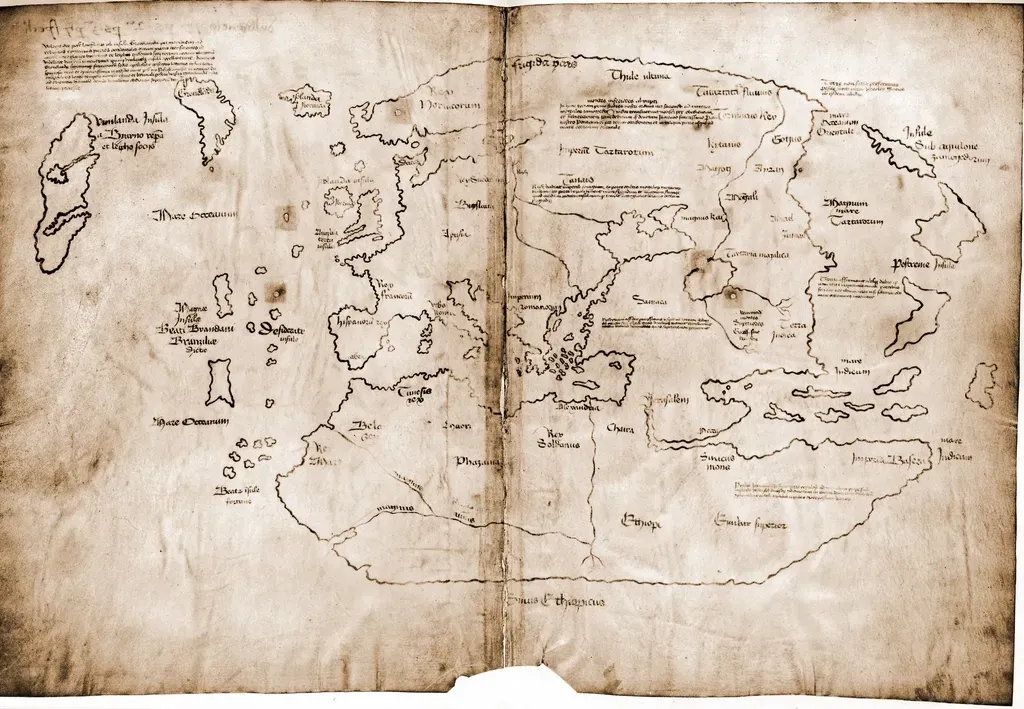
If you walked into Yale’s library in the second half of the twentieth century, you would have seen the Vinland Map held up as a potential blockbuster: a supposed fifteenth‑century map showing part of North America long before Columbus. For years, popular books and TV segments hinted that this single artifact might rewrite the story of Europe’s contact with the New World. Even though archaeologists already knew about Norse sites in Newfoundland, the map felt like something more dramatic and visual, and that made it irresistible.
Then you start looking at it the way a conservation scientist would, not as a romantic image but as a physical object. When researchers analyzed the ink in detail, they found compounds associated with modern pigments rather than medieval ones, and follow‑up studies confirmed that the drawing lines did not match what you’d expect from genuine fifteenth‑century production. Suddenly, instead of proving early European cartography of America, the map looked like a twentieth‑century forgery drawn on old parchment. Once that conclusion hardened, the tone around it changed; instead of being presented to you as a daring historical window, it became a case study in how easily a striking object can seduce scholars and collectors until the lab work forces everyone to back down.
—
The Baghdad “Battery”: From Ancient Power Source to Misread Pottery
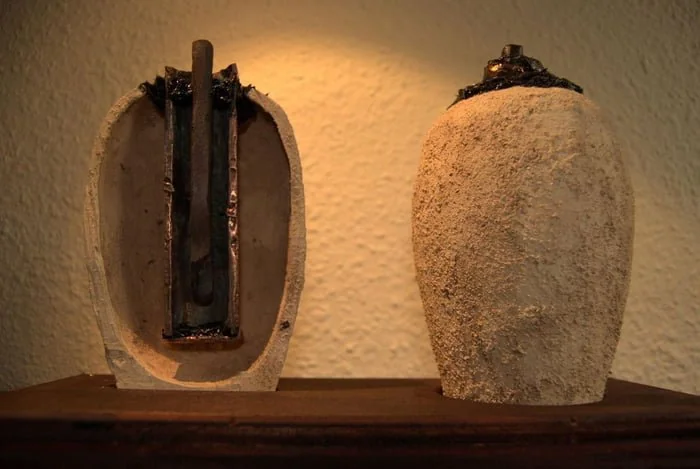
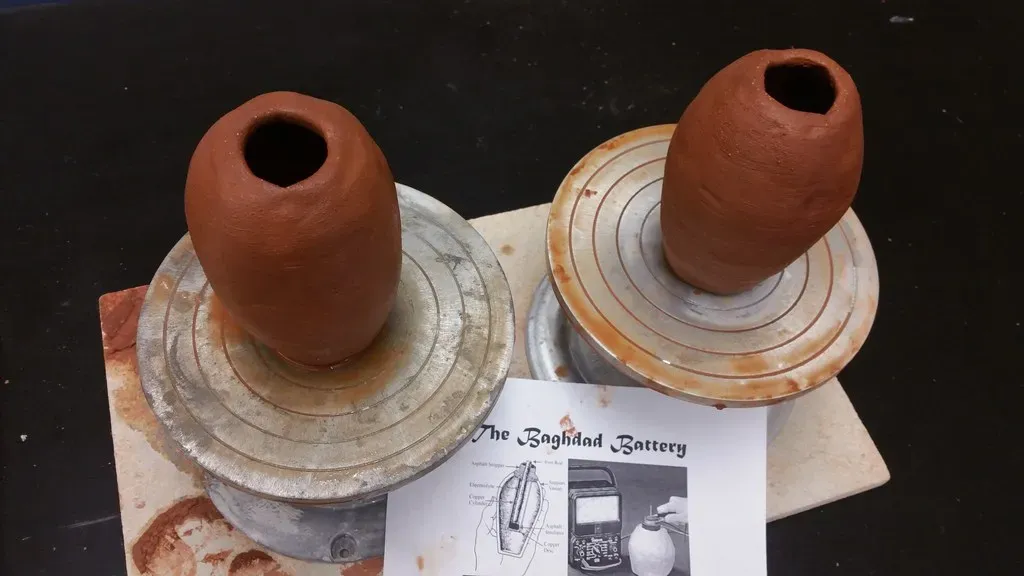
If you hang around fringe history circles online, you’ll see the Baghdad Battery come up constantly as supposed proof that ancient people had electric technology thousands of years ago. You’re told to imagine a clay jar with a copper cylinder and an iron rod, filled with acid to create a primitive battery, maybe used to power lights or mysterious devices in temples. It sounds thrilling, and you can even watch modern experiments where people pour vinegar in replicas and get a small voltage out.
When you look closer, though, the story becomes far less dramatic and much more grounded. No ancient text describes these jars as electrical devices, and there’s no clear evidence that they ever held acid or were wired in series as you would expect for practical use. Many archaeologists now lean toward simpler explanations, such as the jars serving as storage for scrolls or as ritual containers, because that fits better with what you know about the culture and the lack of associated electrical infrastructure. You can still respect the creativity of the battery idea, but once newer contextual analysis stacks up, historians tend to talk about the Baghdad Battery less as a lost technology and more as a reminder not to build huge theories on a single ambiguous object.
—
The Piri Reis Map: Antarctica, Advanced Civilizations, and a Projection Problem
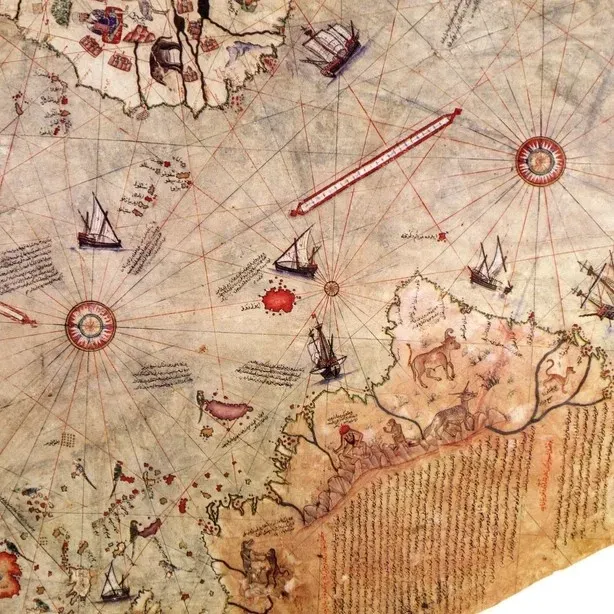
If you ever fell down a late‑night YouTube rabbit hole, you’ve probably seen the Piri Reis map held up as evidence that some forgotten global civilization mapped Antarctica long before modern explorers. You’re shown overlays where the coastline of an ice‑free Antarctica supposedly matches the map, and you’re nudged to believe that the only explanation is a lost high‑tech culture. It’s a seductive idea because it promises a gigantic secret just beneath the surface of official history.
Once you move beyond the dramatic graphics and start looking at cartography research, the mystery shrinks a lot. The Piri Reis map is a sixteenth‑century Ottoman chart that clearly uses known Portuguese and other contemporary sources for the Atlantic world, and what people label as Antarctica can be more plausibly read as a distorted extension of South America combined with the period’s philosophical belief in a balancing southern landmass. When you account for projection issues, copying errors, and the conventions of the time, you no longer need an advanced ice‑age civilization to explain it. Because of that, professional historians still find the map interesting, but they spend far less time treating it as a staggering anomaly and more time using it to understand how early modern mariners recycled and reshaped geographic knowledge.
—
Nebra Sky Disc: From Cosmic Code to Understandable Bronze Age Sky Map
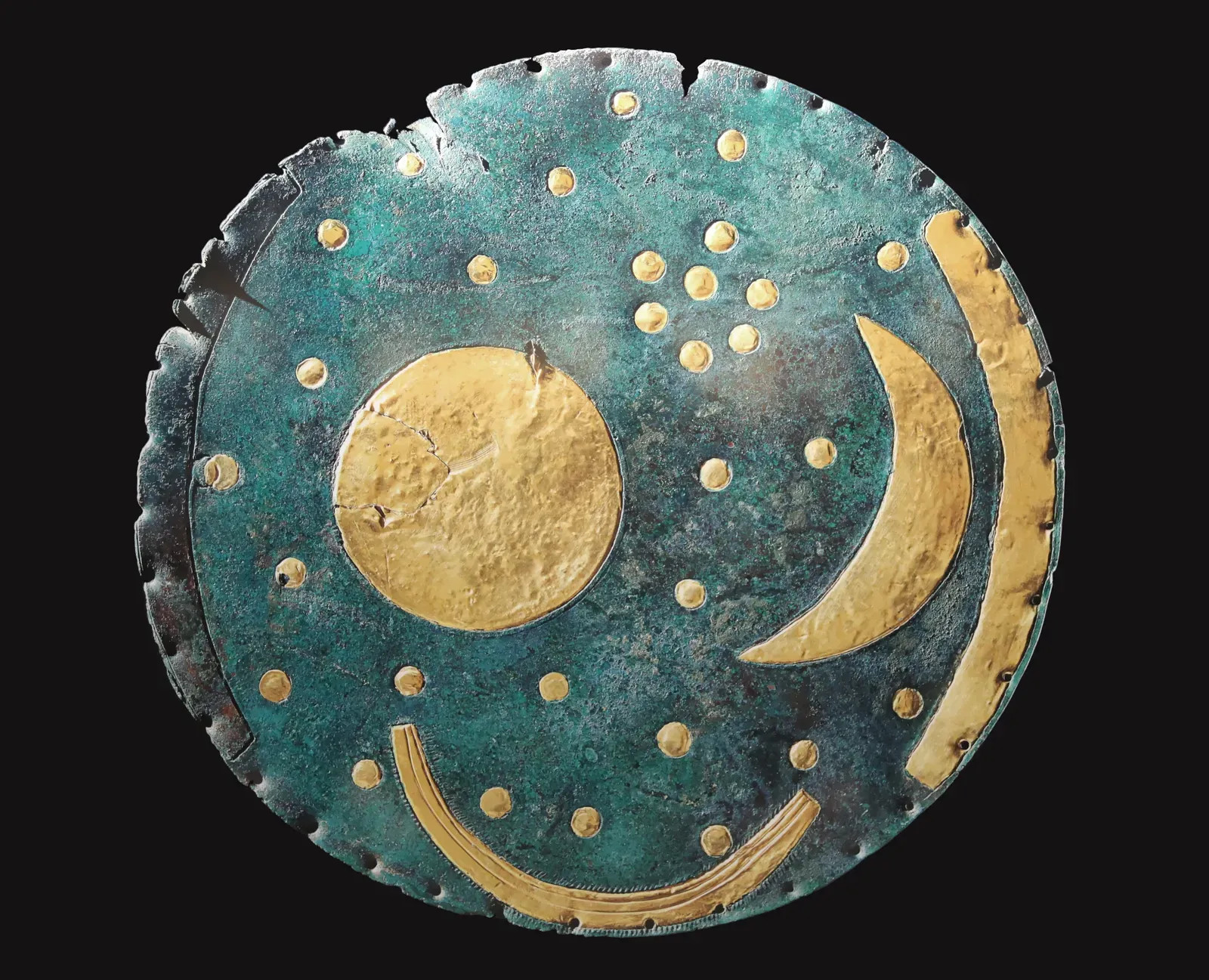
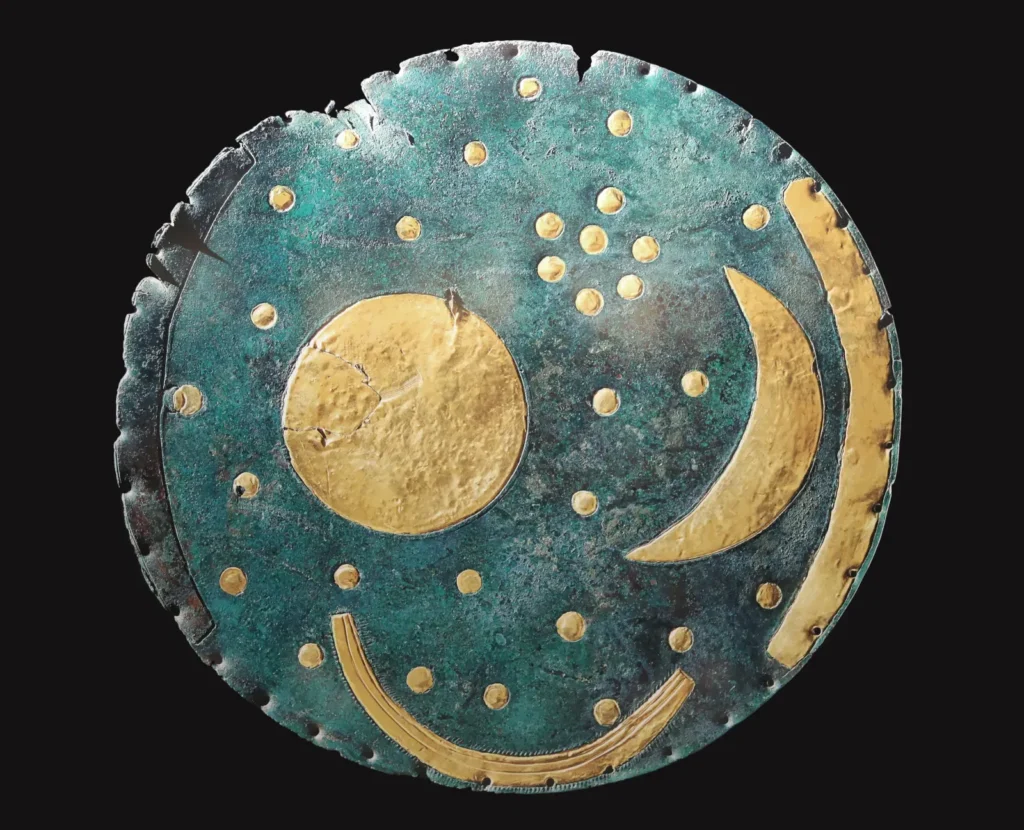
When you first see the Nebra Sky Disc, with its gold inlays of a crescent moon and clustered “stars” against a greenish bronze background, it feels like something out of a fantasy novel. Early on, some commentators rushed to frame it as a kind of highly sophisticated astronomical code, implying that Bronze Age Europeans had almost textbook‑level knowledge of celestial cycles. If you only heard those early claims, you might picture priests using the disc like a portable observatory computer.
As more careful studies accumulated, the object became less about radical new knowledge and more about fitting Bronze Age Europe into patterns you already see elsewhere. Researchers found that the disc’s features align with basic observations you could make with the naked eye, such as where the sun rises and sets at different times of year, and how certain star clusters appear in the sky. Instead of overturning what you thought you knew, the disc now mostly supports the idea that people of that era tracked the heavens in practical, symbolic ways, similar to other ancient cultures. You still get a beautiful, evocative artifact, but the breathless claims of secret scientific genius have faded into the background.
—
The “Baghdad Light Bulb” Reliefs: Dramatic Shape, Ordinary Meaning
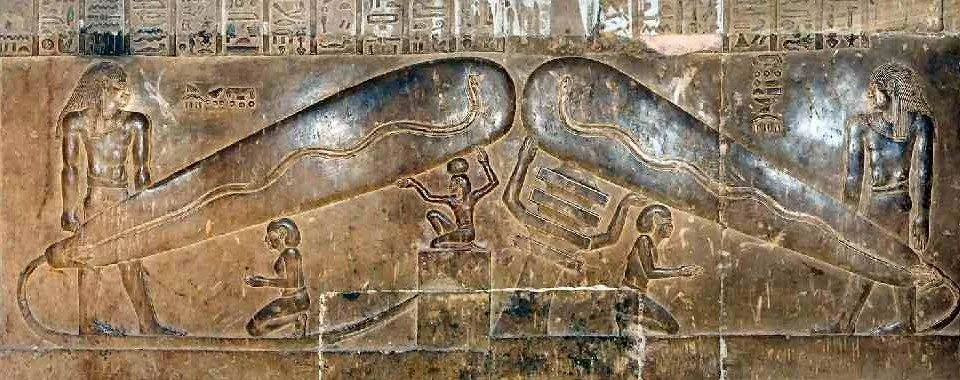
If you scroll through images of ancient Egyptian carvings, you’ll eventually run into that famous scene in the Dendera temple complex where shapes on the wall are said to show a giant electric light bulb connected by a cable. You’re invited to imagine sacred chambers powered by bulbs and generators thousands of years before modern electricity. Once that image lodges in your head, it can be hard to unsee.
But when you step back and compare those same carvings to other Egyptian art and religious texts, the electric interpretation stops making sense. The so‑called “bulbs” line up with known symbolic depictions involving lotus flowers, serpents, and mythological motifs, not wires and filaments, and there’s no archaeological trace of copper wiring, insulators, generators, or anything else that would need to accompany real electrical lighting on that scale. Egyptologists have long treated the reliefs as part of a religious narrative, and newer, better photographs and translations just strengthen that reading. As this more mundane but solid explanation spread, serious historians stopped giving the light‑bulb theory oxygen, even while it continues to circulate in memes and speculative videos.
—
The Cardiff Giant and Other Petrified “Ancients”: Hoaxes That Lost Their Shine
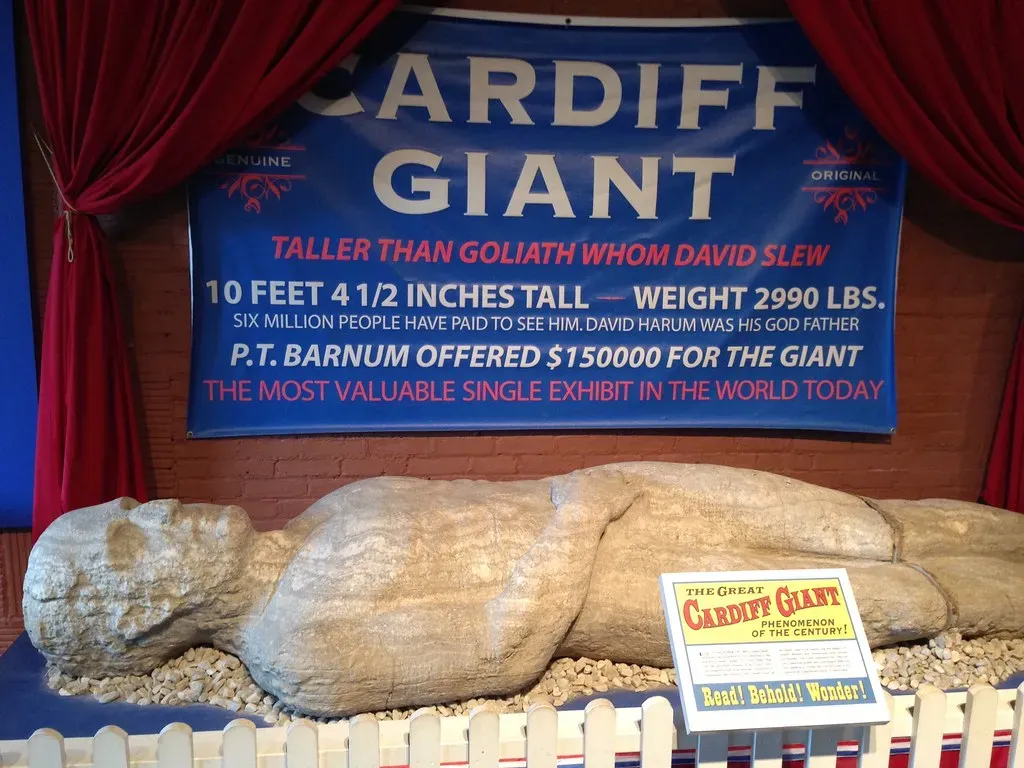
If you love oddball artifacts, you’d probably find the story of the Cardiff Giant irresistible at first glance. In the nineteenth century, workers “discovered” a huge stone figure in New York State, and for a while visitors paid to gawk at what some people claimed was a petrified ancient human or even evidence of biblical giants. For years, these sorts of finds fed into debates about scripture, evolution, and the age of the Earth, and newspapers treated them as serious curiosities.
With time and technical scrutiny, though, the Cardiff Giant and similar figures collapsed into obvious hoaxes carved in relatively recent times. Tool marks, historical tracking of the stone sourcing, and confessions from people involved stripped away the sense of mystery. As you learn about these cases now, they act less as archaeological puzzles and more as early examples of media hype and the profitability of credulity. Modern archaeology programs still mention them, but usually to teach you how financial motives, ideology, and showmanship can distort the public’s view of the past until better evidence finally forces the story to change.
—
The “Baghdad Battery”‑Style Claims Elsewhere: Patterns Without Proof
Once the Baghdad Battery idea caught on, you started seeing similar claims attached to other ancient containers, metal fittings, and suspiciously shaped artifacts from different regions. The pattern is easy to recognize: someone notices that you could, in theory, use a jar or metal tube as part of a battery, and then leaps straight to the conclusion that ancient engineers must have done exactly that on a large scale. If you only hear the battery interpretation, it sounds like a smoking gun for lost technology.
However, when you force yourself to ask for direct evidence, the excitement cools quickly. Across sites where these artifacts show up, you don’t see large arrays wired together, dedicated rooms for power generation, or inscriptions describing experimentation with electricity. Instead, you see plausible everyday or ritual uses, such as storage, offerings, or display. Archaeologists become more cautious as they build up datasets from multiple digs, and they start to treat electricity explanations as last resorts rather than first choices. The more that pattern repeats, the more you watch historians quietly back away from dramatic claims and return to simpler, better supported readings of what these objects were for.
—
“Out‑of‑Place” Human Fossils: Calaveras Skull and Friends

If you enjoy stories that supposedly blow up the timeline of human evolution, you might have heard about things like the Calaveras Skull in California, once presented as a human skull found in very ancient geological layers. In the nineteenth century, discoveries like this were used to argue that modern humans were far older than the emerging scientific consensus suggested, and they were sometimes trotted out as evidence against new geological or evolutionary theories. On the surface, they looked like game‑changers.
Later re‑examinations, though, usually revealed that such remains were either intrusive burials that had slipped into older layers or outright hoaxes planted for profit or as pranks. As dating methods improved and more controlled excavations took place, you see far fewer such anomalies, and the isolated old stories lose their power. Today, when you read about them, you’re not learning about legitimate mysteries so much as about the messy early days of paleontology, before rigorous stratigraphic recording and modern lab techniques. Historians still mention these episodes, but mainly as warnings about how easy it is to misread or manipulate context when you’re desperate for a headline‑grabbing find.
—
Early Atlantis “Proofs”: Misread Ruins and Wishful Mapping
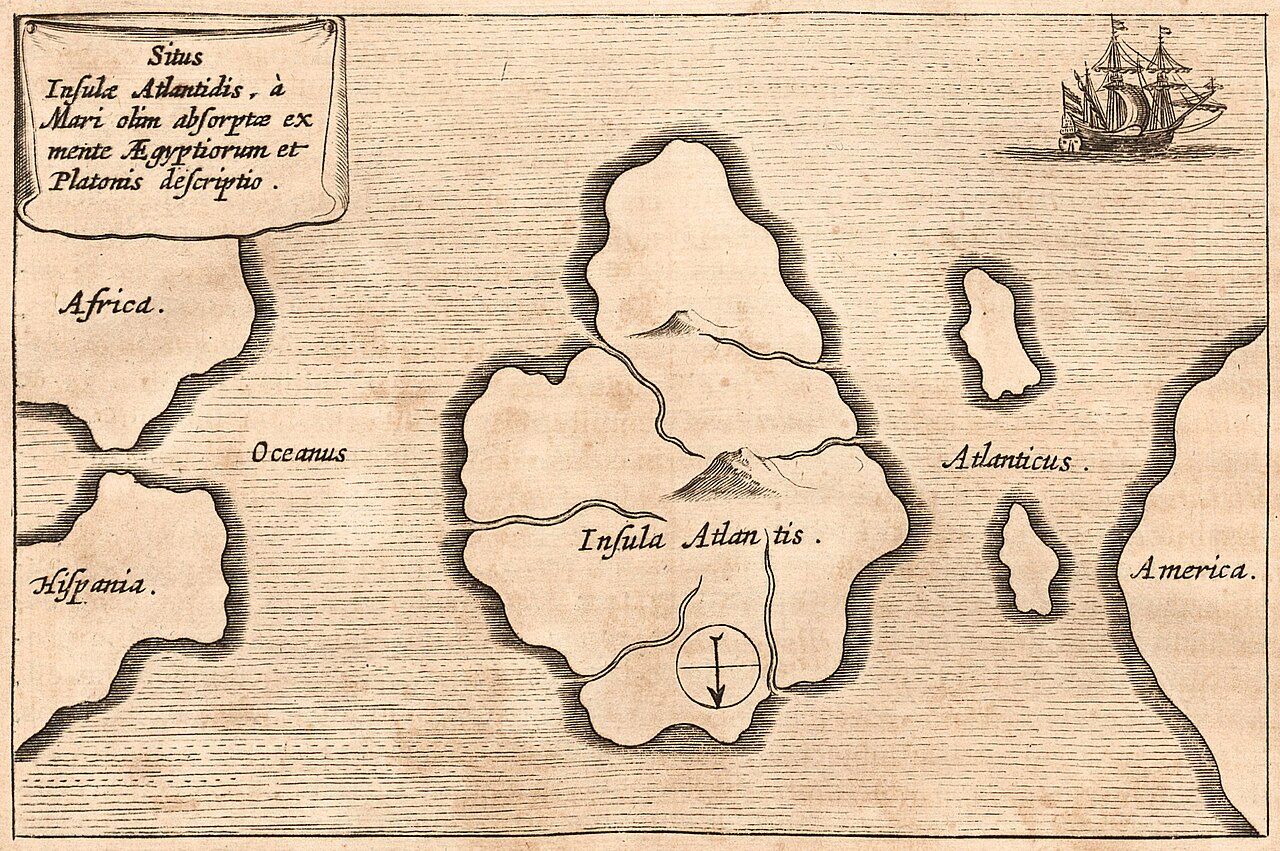
If you ever went through an Atlantis phase, you probably saw all kinds of “evidence” pinned on real ancient sites and maps: unusual stone structures in the Mediterranean, mysterious features on the ocean floor, or coastal ruins claimed to be remnants of a super‑civilization. For a time, some of these proposals got more attention than you might expect, especially when early sonar images or limited surveys left a lot of room for interpretation. It was tempting to connect a few ambiguous lines or stones into a grand lost‑continent narrative.
As underwater archaeology and satellite mapping improved, many of those “cities” resolved into natural rock formations, dredging scars, or ordinary coastal settlements that fit well within known cultures. The same happened with some supposed Atlantis‑era maps once scholars better understood old projection systems and the mythological thinking behind them. When you approach the data with more complete tools, the extraordinary claims no longer need a super‑advanced lost society to make sense. That is why professional historians now focus on Atlantis mainly as a philosophical story from classical literature and as a modern cultural obsession, instead of as a puzzle they think they might literally solve with the next discovery.
—
The “Unknown Ancient Astronomers” Behind Every Stone Circle
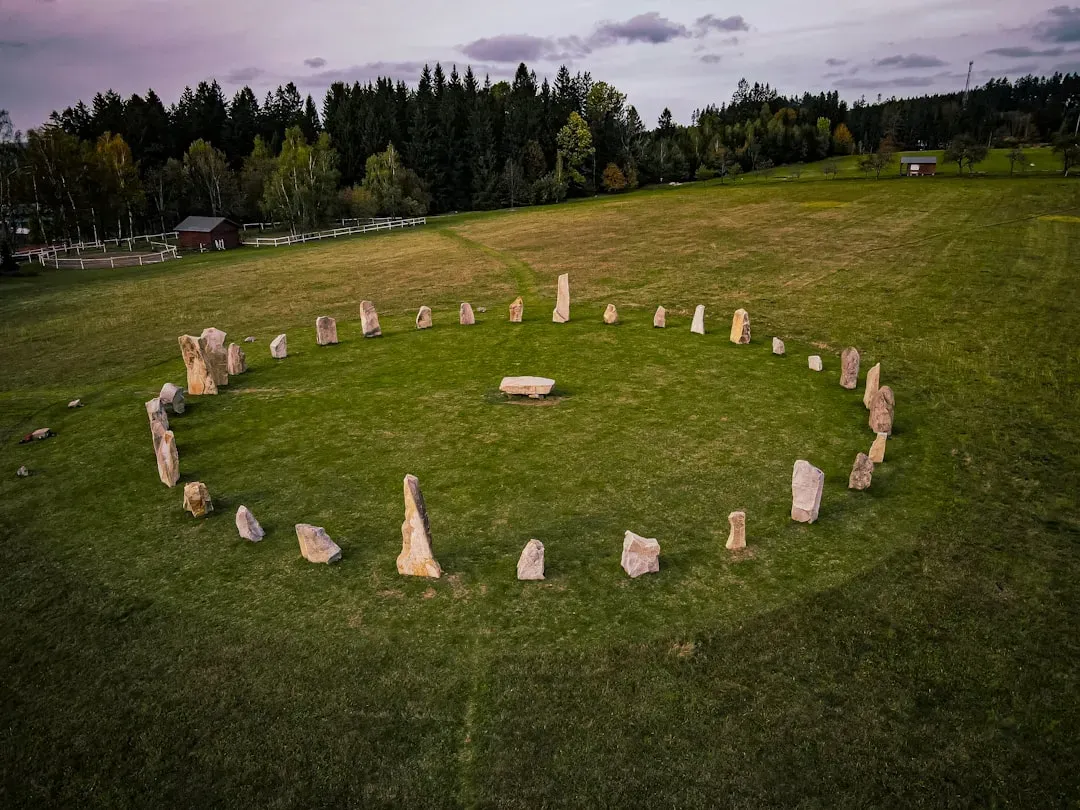
If you visit a stone circle or megalithic site, it’s natural to feel that the builders must have had incredibly advanced scientific knowledge. You’ll often hear claims that alignments at places like Stonehenge or other lesser‑known circles prove a level of precision rivaling modern observatories, and for a while some popular accounts played up the uniqueness and mystery of each new alignment study. In that narrative, every stone becomes part of a coded message from forgotten geniuses.
With more surveys and statistical analysis, researchers started getting a clearer picture: some alignments really do connect to solstices, lunar standstills, or other celestial events, but many others turn out to be less precise or simply what you’d expect by chance when you have lots of stones and horizons to choose from. As you zoom out to look at patterns across many sites, the picture settles into something both impressive and ordinary: ancient people carefully watched the sky and built monuments that often reflected that interest, but they were not performing magic‑level astronomy. Because of that, historians increasingly frame these places for you as cultural and ritual landscapes with astronomical elements, rather than as isolated proof of secret scientific elites that vanished without a trace.
—
The “Mysterious” Antikythera Fragments That Never Were
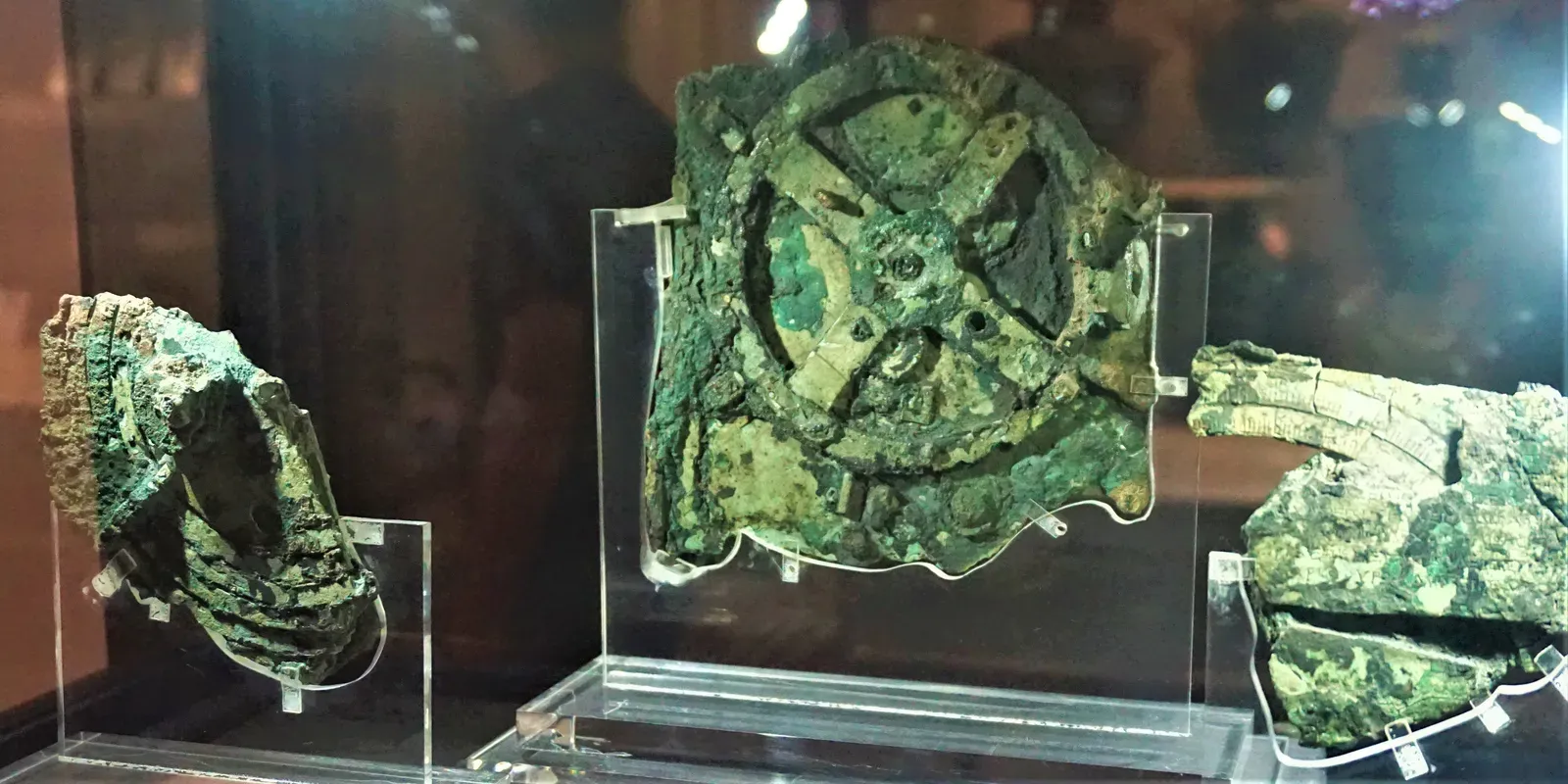
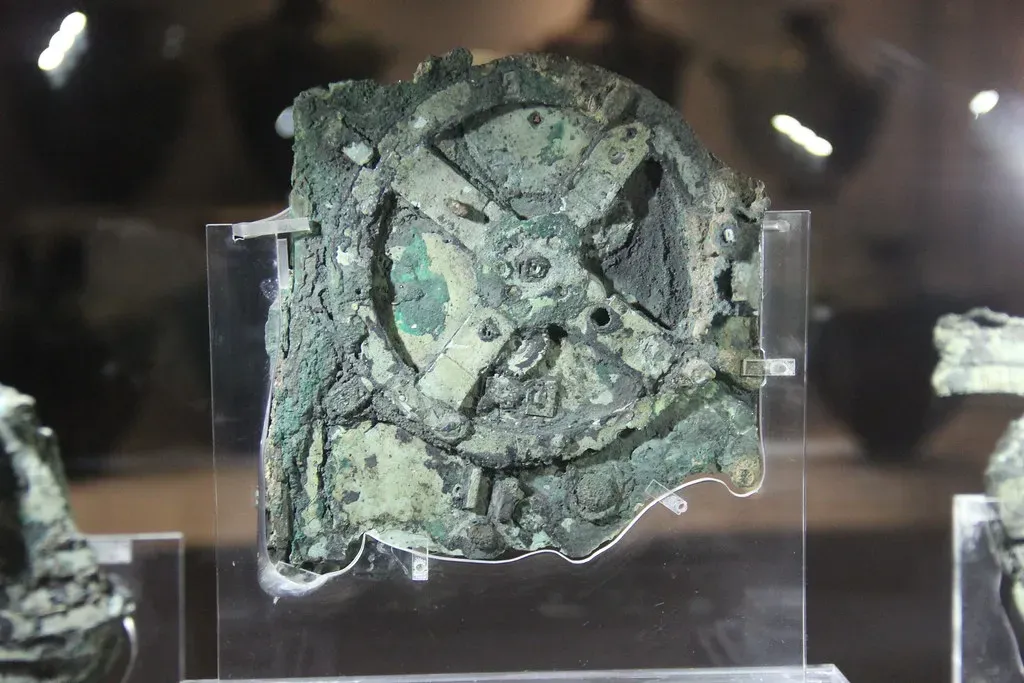
The Antikythera Mechanism really is astonishing, and you can honestly call it one of the most complex devices from the ancient world. Naturally, that has encouraged people to jump on any new bronze fragment from the same shipwreck and suggest it might be a missing piece of the machine, promising that the next season of diving will finally unlock some totally unknown function. For a while, scattered media reports framed almost every metal disk or gear‑like chunk as if it might belong to a second, even more advanced mechanism.
Closer inspection and careful publication have reined in that speculation. Many new finds from the wreck turn out to be parts of statues, fittings from the ship, or unrelated objects once you clean them, scan them, and compare them to known components. Scholars do think more pieces of the original device might still lie buried, but they are very cautious about labeling anything a match until the evidence is strong. As that culture of caution has matured, you hear fewer sensational headlines about “new Antikythera machines,” and more detailed, technical discussions that you probably only encounter if you actively seek out academic work.
—
“Ancient Nuclear Wars” and the Misreading of Melted Stone
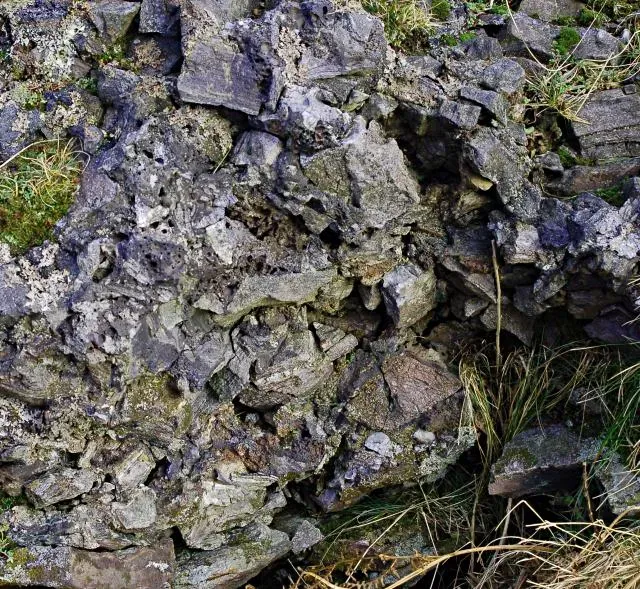
If you browse the wilder edges of ancient‑mystery content, you’ve almost certainly seen claims that glassy, melted stones at some archaeological sites prove that ancient people fought nuclear wars. The photos can look eerie: chunks of vitrified rock on old walls or fortifications, sometimes accompanied by stories about vanished cities and fire from the sky. For years, these images circulated with minimal context, inviting you to fill in the blanks with the most dramatic explanation available.
Geologists and archaeologists, however, have documented far more mundane mechanisms for creating such materials. Intense fires, deliberate burning of fortifications, and even natural events like lightning strikes and meteor airbursts can heat stone and soil enough to cause partial melting. When you combine field evidence of burning, analysis of the glass structure, and the complete lack of any trace of nuclear by‑products, the need to invoke lost atomic warfare disappears. As those findings became better known within specialist circles, the “ancient nuke” narrative lost almost all traction in serious research, even though it still pops up in sensational books and shows that do not walk you through the underlying science.
—
Ooparts in General: From Miracle Proofs to Case‑by‑Case Caution
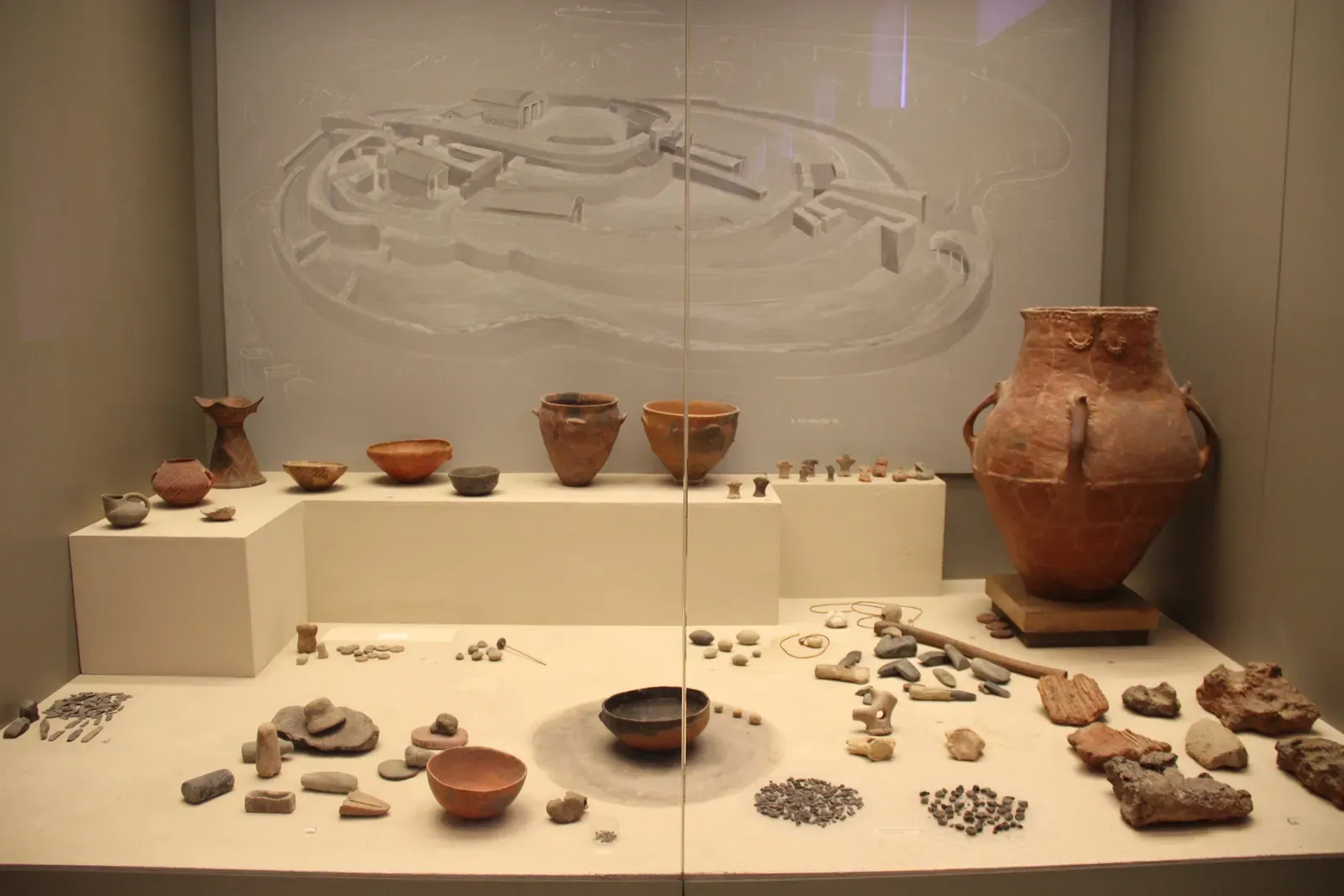
For a long time, the label “out‑of‑place artifact” was slapped on everything from odd metal objects found in mines to carvings that seemed to show modern technology. If you encountered these collections in books or TV specials, you were encouraged to see them as a mound of accumulating evidence that mainstream history had missed huge chapters of human civilization. The underlying message was clear: there must be something enormous hiding behind so many anomalies.
Over the past few decades, as documentation standards tightened and more experts revisited famous cases, many of those anomalies either disappeared or shrank. Some items turned out to have been misdated; others were modern contamination, misidentified natural formations, or products of hoaxes and misunderstandings. A few still remain genuinely curious, but they no longer add up to a clear alternative narrative. Instead, they push you toward a more realistic stance: history and archaeology are complex, your data is always incomplete, and weird finds deserve careful scrutiny without automatic promotion to civilization‑shattering status. That shift in attitude explains why you hear much less about “ooparts” from working historians than you did from older popularizers.
—
Conclusion: What These Quiet Retractions Really Teach You
When you step back and look at all these stories together, you see a pattern that is both humbling and strangely reassuring. Time after time, a new find or bold interpretation is used to promise you a total rewrite of history: ancient humans with modern skulls in impossibly old rocks, lost global maps of Antarctica, prehistoric batteries and light bulbs, or nuclear wars that wiped out civilizations. Then improved methods, wider context, and less biased analysis come in, and the most extreme claims lose their footing. The discoveries themselves do not always vanish, but the big stories attached to them get trimmed down, corrected, or quietly shelved.
If you love the past, that should not leave you cynical; it should make you more demanding. You can still enjoy wild hypotheses, but you learn to ask what kind of evidence would really be needed, and whether that evidence actually exists when you strip away dramatization. In a way, the fact that historians and scientists have let go of so many once‑famous “revolutionary” discoveries is a sign of health, not decay: it shows you that the story of humanity is being constantly checked, revised, and grounded. The real mystery, then, is not whether ancient people secretly rivaled your technology, but whether you are willing to let go of a cool tale when the facts point somewhere less flashy yet far more truthful – are you?