
You know that slightly stubborn feeling when you are sure you are right and everyone else rolls their eyes? Imagine that, but on a global scale, with your reputation, career, and sometimes even your sanity questioned. That is what many scientists went through when they made discoveries that sounded too strange, too early, or simply too uncomfortable for the times. For years, some of the most important ideas in science were mocked, ignored, or buried, only to come roaring back later as the new normal.
What makes these stories so gripping is not just the data or the experiments, but the very human drama behind them: the lonely years, the angry critics, and finally, the quiet moment when the evidence becomes too strong to deny. As you read these twenty‑three examples, you might notice a pattern: reality does not care what we find convenient, and being early often looks a lot like being wrong. By the end, you may start to wonder which “crazy” ideas today are going to be tomorrow’s obvious truth.
#1 – Wegener’s Drifting Continents: From Laughingstock to Plate Tectonics
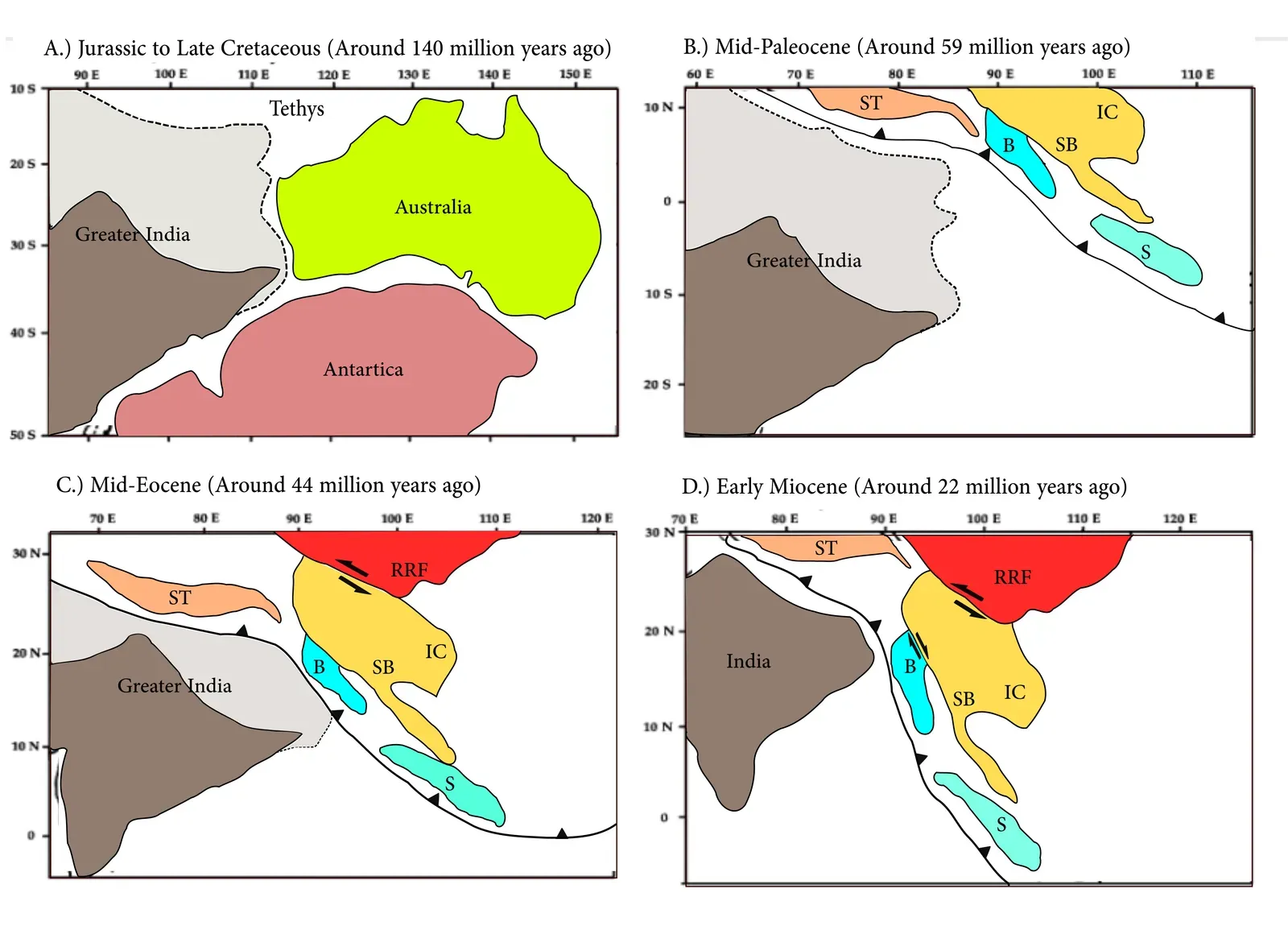
When Alfred Wegener proposed in the early twentieth century that continents drift across the Earth’s surface, many geologists treated the idea as if he had suggested the land was floating on magic. His evidence was surprisingly solid for the time: coastlines that fit together like puzzle pieces, and matching fossils and rock formations on continents now separated by vast oceans. Still, without a known mechanism to move these massive landmasses, his theory was dismissed as speculative at best and ridiculous at worst.
It took several decades and the rise of modern oceanography and seismology before his idea was fully vindicated. Once scientists mapped the ocean floor and discovered mid‑ocean ridges, seafloor spreading, and deep earthquake zones, a new, coherent picture emerged. The theory of plate tectonics explained not only drifting continents, but also volcanoes, mountain ranges, and earthquakes in one elegant framework. Wegener did not live to see it, but the notion the community once mocked is now the bedrock of modern geology.
#2 – Germs and Handwashing: Semmelweis vs. the Medical Establishment

In the mid‑nineteenth century, Ignaz Semmelweis noticed something horrifying: women giving birth in hospital wards staffed by doctors were dying of childbed fever at far higher rates than those in wards run by midwives. He linked this to doctors moving straight from autopsies to deliveries without washing their hands. When he introduced a simple handwashing routine with a disinfecting solution, deaths dropped dramatically, by a level that today would be considered a near miracle.
Instead of celebrating, many of his colleagues took offense. The suggestion that their hands carried deadly particles was seen as an insult to their professionalism and honor. Semmelweis was mocked, resisted, and eventually pushed to the margins. Only later, when the germ theory of disease gained widespread acceptance through the work of scientists like Louis Pasteur and Joseph Lister, did his insight become undeniably correct. Today, the basic act of washing hands in medical settings is one of the most powerful, and obvious, lifesaving practices.
#3 – Continental Time Bombs: The Once‑Absurd Idea of Mass Extinctions
For a long time, many scientists believed nature changed slowly and steadily, like a dimmer switch that never jumps. The idea that most species that ever lived are now gone, wiped out in sudden global catastrophes, felt too dramatic and almost unscientific. Early fossil hunters and naturalists who hinted at mass die‑offs or abrupt turnovers in life’s history were often seen as exaggerating or misreading limited evidence.
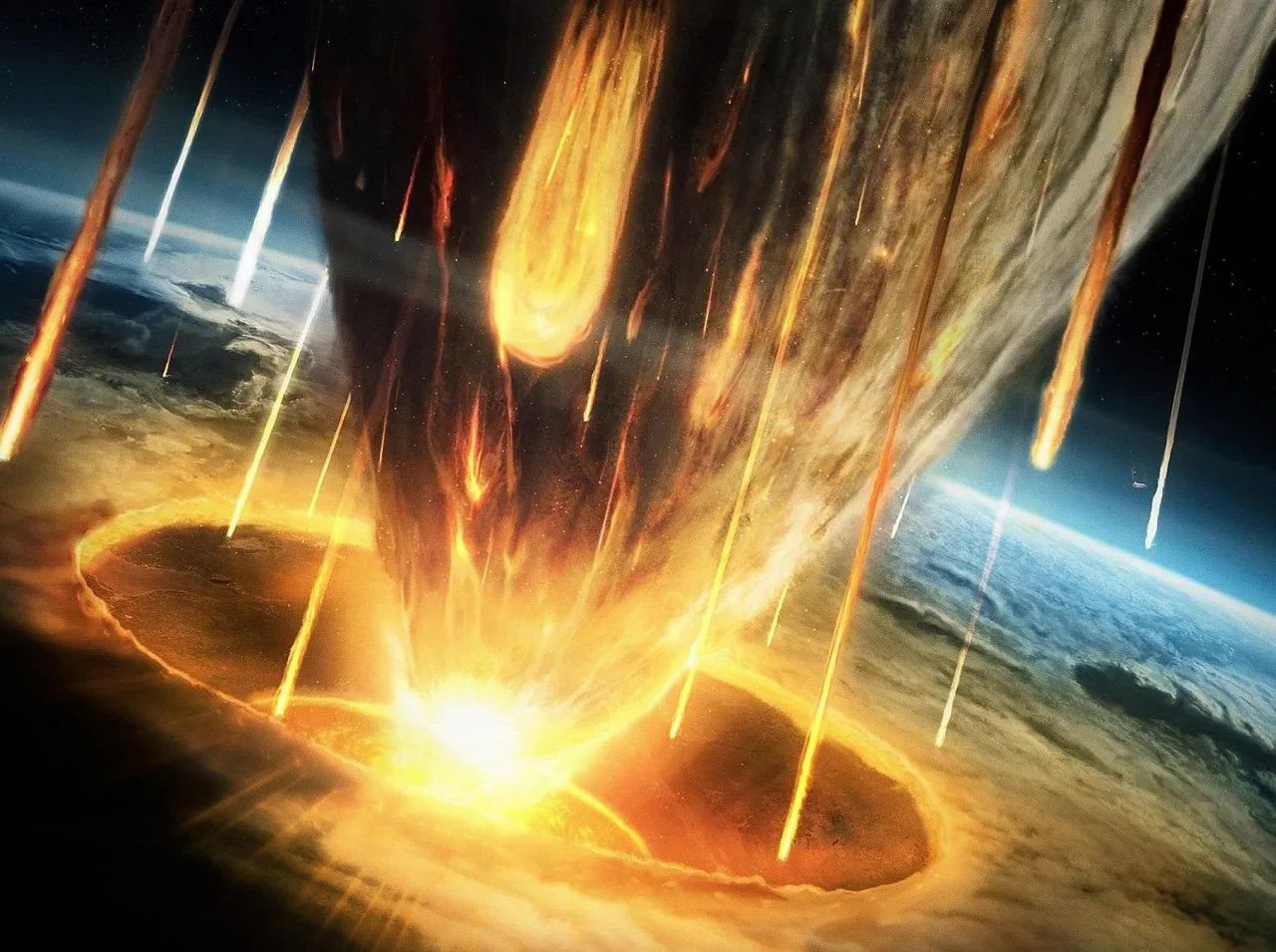
That skepticism shifted as more fossils were collected and mysterious, sharp boundaries in the rock record became impossible to ignore. The most famous turning point came with the discovery that a huge asteroid impact likely triggered the end‑Cretaceous extinction, taking out the non‑avian dinosaurs along with much of Earth’s life. What once seemed like a wild, sensational idea now sits at the heart of how we understand evolution, resilience, and the fragility of complex ecosystems.
#4 – The Big Bang: From “Crazy Explosion” to Standard Cosmology
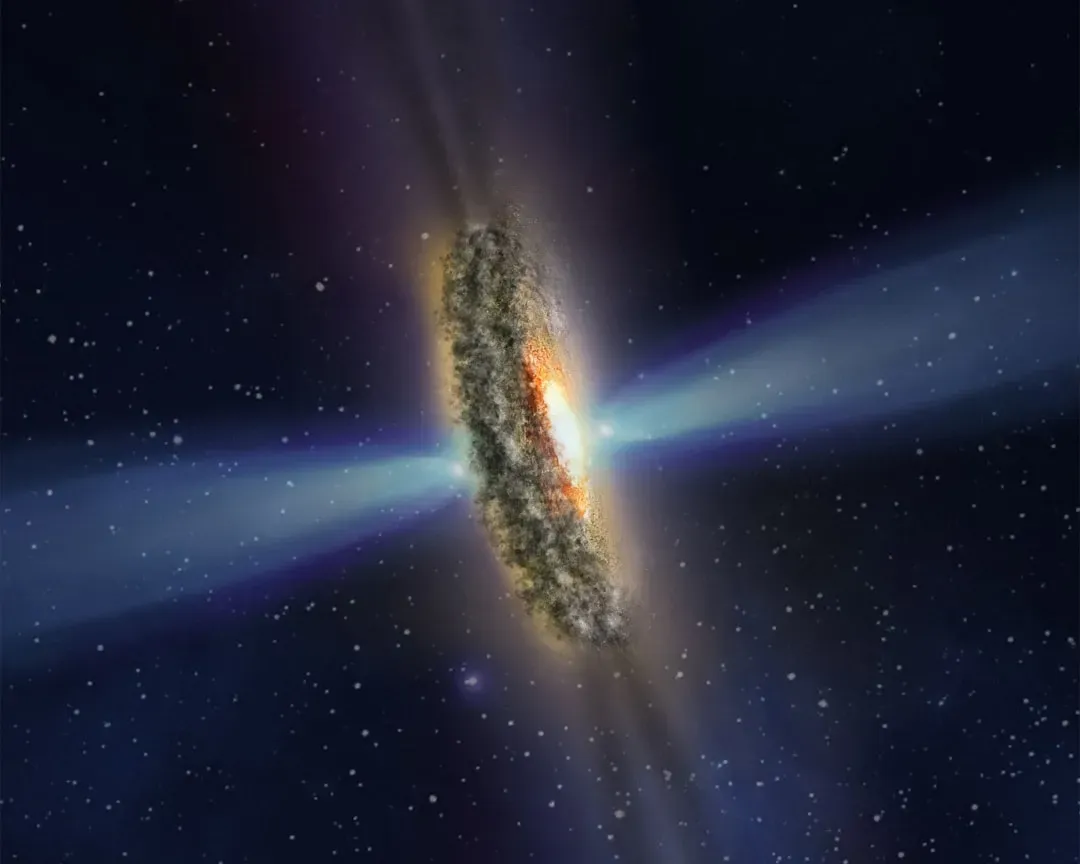
When the idea of the universe beginning in a hot, dense explosion was first floated in the twentieth century, it sounded far‑fetched, even to many professional physicists. Some preferred a steady‑state universe that simply existed forever, with matter just appearing to keep things balanced. The notion of a “beginning” of time and space itself felt uncomfortably close to philosophy or theology for some scientists, who distrusted anything that smelled like metaphysics.
Over time, careful observations piled up: galaxies rushing away from each other, the faint afterglow of cosmic microwave background radiation, and the measured abundance of light elements that fit the predictions of a hot early universe. Piece by piece, the Big Bang model went from controversial outsider to the central story of modern cosmology. It is a perfect example of how an idea can be mocked as too wild one decade, and then taught to schoolchildren as if it were always obvious the next.
#5 – Helicobacter pylori and Stomach Ulcers: From Stress to Bacteria

For much of the twentieth century, doctors believed stomach ulcers were mostly caused by stress, spicy food, and unlucky genetics. The idea that a tough little bacterium could survive the acidic hell of the stomach and trigger ulcers sounded almost like science fiction. When two researchers proposed that Helicobacter pylori was a main culprit, they ran straight into disbelief, and their findings were largely brushed aside.
Determined to prove the point, one of them famously swallowed the bacteria himself, deliberately infecting his stomach and then showing the resulting damage and inflammation. Over time, repeated studies confirmed that antibiotics could treat many ulcer cases, and the medical view underwent a quiet but profound revolution. What used to be chalked up to mood and personality became recognized as an infectious disease that could often be cured, not just managed with bland diets and antacids.
#6 – Smoking Causes Cancer: When “Common Sense” Was Ignored

Today, it seems almost unbelievable that anyone ever doubted the link between smoking and lung cancer, but early evidence was met with skepticism, spin, and aggressive pushback. When researchers in the mid‑twentieth century began publishing data showing that heavy smokers developed lung cancer at dramatically higher rates, many in the public and even some doctors struggled to accept it. Industry groups financed their own studies, cast doubt on methods, and tried to frame the conclusions as overreactions.
Across decades, however, the evidence grew too strong to deny. Large population studies, animal experiments, and biological research all converged on the same harsh conclusion: smoking can be deadly in many ways, from cancer to heart disease and beyond. Laws, warnings, and public attitudes did not shift overnight, but eventually they did. What was once a glamorous habit became widely known as a major health hazard, thanks to scientists and public health workers who refused to back down.
#7 – The Existence of Meteorites: “Stones Cannot Fall from the Sky”

In the eighteenth and early nineteenth centuries, when people claimed that rocks had fallen from the sky, many educated experts rolled their eyes. It sounded like folklore or superstition, not serious science. One influential figure is famous for dismissing the idea outright with the argument that there were no stones in the sky, therefore stones could not fall from it, and that was supposed to be the end of the discussion.
But eyewitness accounts, fresh craters, and the strange composition of these rocks kept piling up. Over time, careful chemical and mineral analysis showed that meteorites really were fundamentally different from typical Earth rocks and often contained materials shaped in space. The study of meteorites grew into a respected field, tying directly into our modern understanding of the solar system’s formation. An idea that once sounded like peasant storytelling evolved into hard planetary science.
#8 – Prions: Infectious Proteins That Broke the Rules

For generations, biology students were taught a simple rule: to be infectious, a pathogen must carry genetic material, like DNA or RNA. That made perfect sense, until a puzzling group of degenerative brain diseases in animals and humans refused to fit the pattern. When the idea emerged that these conditions might be caused by misfolded proteins, with no genetic material at all, it clashed hard with the basic dogma of infection and heredity.
Many experts were skeptical, arguing that there had to be some hidden virus involved, because proteins alone simply could not be infectious. Eventually, though, detailed experiments and structural studies confirmed that these so‑called prions can trigger normal proteins to misfold, spreading damage like a biological chain reaction. The discovery forced scientists to expand their thinking about what life and disease can look like and showed that even the most trusted rules sometimes have surprising exceptions.
#9 – Platelet Transfusions and Blood Components: Seen as Too Radical

In the early days of blood transfusion, the idea was simple: whole blood in, whole blood out. When some physicians started arguing that different parts of blood, like platelets or plasma, could be separated and used selectively for specific conditions, the idea met resistance. It felt too complicated and experimental compared to the straightforward practice many doctors were used to, and some worried it would be unsafe or impractical.
As techniques improved, though, component therapy began to show its value, especially in surgery, cancer treatment, and managing bleeding disorders. By separating and targeting what patients actually needed, doctors could treat more people, reduce some risks, and use donated blood more efficiently. What started as a controversial tinkering with a trusted therapy is now a quiet backbone of modern medicine, often taken entirely for granted.
#10 – Quasicrystals: Ordered Structures That Break the Pattern Rules

For a long time, crystals were defined by their repeating, periodic structures. If you looked at them under the right tools, you would see a pattern that could repeat perfectly in space. When a researcher observed a strange metallic alloy with sharp, well‑defined diffraction patterns that suggested order without simple periodic repetition, it seemed impossible under the accepted rules. The early results were doubted, criticized, and even dismissed as experimental error.
It turned out the data were real, and these strange materials were dubbed quasicrystals. They displayed symmetries that conventional crystals supposedly could not have, and yet there they were, sitting in the lab. Over time, quasicrystals have shown up in both synthesized materials and natural samples, expanding the way physicists and chemists think about order and symmetry. An observation once treated as a nuisance to be ignored ended up rewriting textbook definitions.
#11 – The Hygiene Hypothesis: Too Clean for Our Own Good

The idea that children in extremely clean, urban environments might actually be more prone to allergies and some immune problems sounded almost backwards when it first appeared. For decades, the story had been that cleanliness and disinfectants were unambiguously good, stamping out harmful microbes and infections. Suggesting that lack of exposure to a rich mix of microbes could lead to immune systems that overreact felt like criticizing one of modern life’s biggest successes.
As studies followed children in different environments, though, patterns emerged. Kids who grew up on farms or had more early‑life exposure to animals and diverse microbes sometimes showed lower rates of certain allergies and autoimmune conditions. The picture is still evolving and complex, but the basic idea that our immune systems need a certain level of training has gained traction. The debate has shifted from whether the concept is real at all to how to balance cleanliness with healthy exposure.
#12 – Neurogenesis in the Adult Brain: New Neurons After Childhood
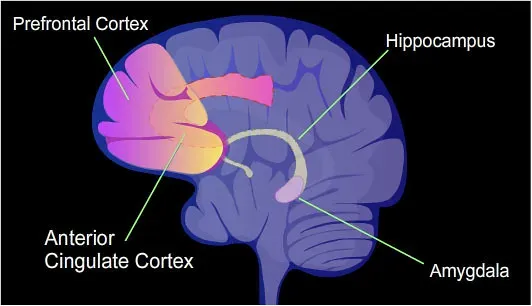
For a long time, the dogma in neuroscience was stark: you are born with all the brain cells you will ever have, and from there it is mostly downhill. The suggestion that adults could grow new neurons in certain brain regions was treated as unlikely at best and often as a misunderstanding of what the experiments were really showing. Early researchers who claimed to see signs of new neuron formation were met with heavy skepticism and demands for more evidence.
Over the years, better imaging techniques, clever labeling methods, and animal studies steadily pointed toward the same conclusion: at least in some parts of the brain, like the hippocampus, new neurons do appear throughout life. There is still lively debate about how extensive this process is in humans and how much it matters functionally, but the old blanket statement that adult brains do not grow new neurons has quietly faded. The view of the brain has shifted from static wiring to something more dynamic and adaptable.
#13 – The Gut Microbiome: From Background Noise to Central Player
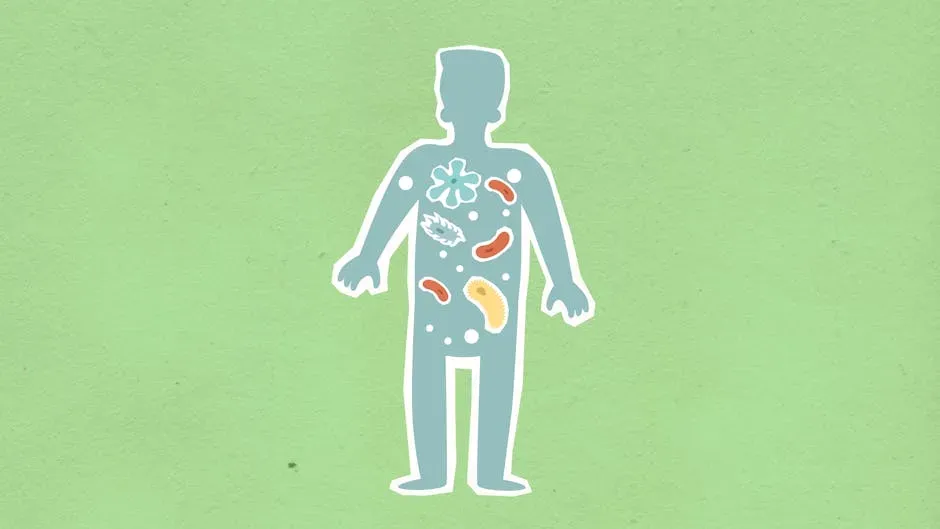
Not long ago, the trillions of microbes living in and on our bodies were seen mostly as passengers, or even annoying freeloaders. The idea that they might play major roles in digestion, immunity, mood, and even behavior was initially greeted with a mix of curiosity and doubt. It sounded a bit like a trend or a health fad, especially when early popular articles leapt straight to dramatic claims before all the data were in.
As genetic sequencing technologies got cheaper and faster, researchers were able to map these microbial communities in far more detail. Patterns linking certain microbial profiles with obesity, inflammation, and even responses to certain drugs began to emerge. The field is still young and evolving, and some early hype definitely overshot the evidence, but the core idea that our gut microbes deeply influence our health is now taken very seriously. What was once background noise has become one of the most intensely studied frontiers in biology.
#14 – Continental Glaciations: Ice Ages Once Sounded Absurd

When early geologists proposed that massive ice sheets had once covered large parts of Europe and North America, sculpting valleys and carrying boulders hundreds of kilometers, many contemporaries balked. The landscapes people saw every day looked stable and ancient, and the idea of ice miles thick grinding slowly across continents was hard to picture. Some critics preferred more familiar explanations like floods or volcanic activity for the strange scratched rocks and scattered boulders.
Closer study of glacial features in present‑day icy regions, along with careful mapping of similar patterns in temperate zones, slowly shifted opinion. The glacial theory provided a coherent explanation for a wide range of puzzling landforms that other ideas could not match. Over time, the notion of repeated ice ages, driven by subtle changes in Earth’s orbit and climate, became an accepted part of geological history. Something once considered almost fantastical is now treated as a basic chapter in Earth’s story.
#15 – Continental Air Pollution and Acid Rain: “Too Diluted to Matter”

When researchers first warned that industrial emissions could travel long distances and acidify lakes and forests far from their source, many officials and even some scientists were doubtful. It seemed intuitive that smoke would simply disperse and become harmless as it mixed into the vast atmosphere. The idea that it could chemically transform and then fall back to Earth as acid rain, damaging ecosystems and buildings, felt like a stretch to those used to thinking locally.
Over time, monitoring networks, chemical models, and direct measurements of rainwater and lake chemistry painted a clearer picture. Regions downwind of heavy industry showed worrying changes in water acidity and biological health, and the pattern matched the theory’s predictions. Policy changes to reduce sulfur and nitrogen emissions led to measurable improvements in many affected areas, underscoring that the original warnings had been on target. What began as a controversial environmental claim grew into a textbook case of long‑range pollution and policy response.
#16 – Plate‑Bound Earthquakes and Seismic Gaps: Predictable Patterns in Chaos
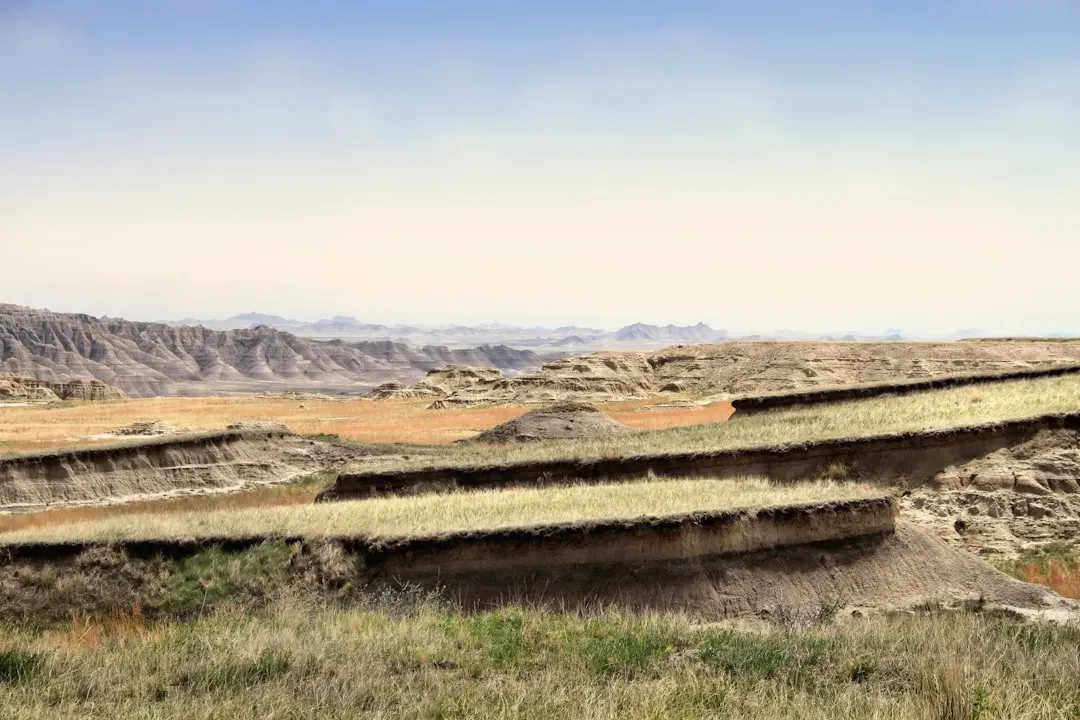
For a long time, earthquakes seemed almost completely random and inscrutable. The idea that they mostly occur along specific plate boundaries and that some segments might build up stress, creating so‑called seismic gaps, initially met both interest and caution. Critics worried that trying to see patterns where there might be none could lead to false confidence or misplaced fear in certain regions.
As global monitoring improved, it became clear that earthquakes cluster in narrow belts that match plate boundaries with uncanny precision. While the timing of individual quakes remains very hard to predict, the statistical concentration of seismic risk in certain zones is now firmly accepted. This recognition has shaped building codes, insurance models, and emergency planning in many countries. An attempt to bring order to apparent chaos ended up saving lives through better preparation, even if the details remain stubbornly unpredictable.
#17 – Climate Change from Greenhouse Gases: Early Warnings Ignored

More than a century ago, scientists were already suggesting that carbon dioxide could trap heat in the atmosphere and warm the planet, but the idea did not catch fire immediately. The climate system is vast and complex, and many experts assumed that oceans and natural processes would simply buffer any human influence into insignificance. Early warnings often sounded like distant hypotheticals rather than urgent alarms, and it was easy for the broader public to shrug them off.
As decades passed, precise measurements of atmospheric gases, global temperatures, ice loss, and shifting weather patterns built a sobering case. Models that once seemed speculative started lining up with observations in a way that was hard to ignore, even for skeptics. While debates continue over policy and priorities, the basic scientific conclusion that human activities are significantly warming the climate is now supported by an overwhelming body of evidence. What was once a fringe concern has become one of the defining scientific and political issues of our era.
#18 – Tectonic Origin of Mountain Ranges: Not Just Static Uplift
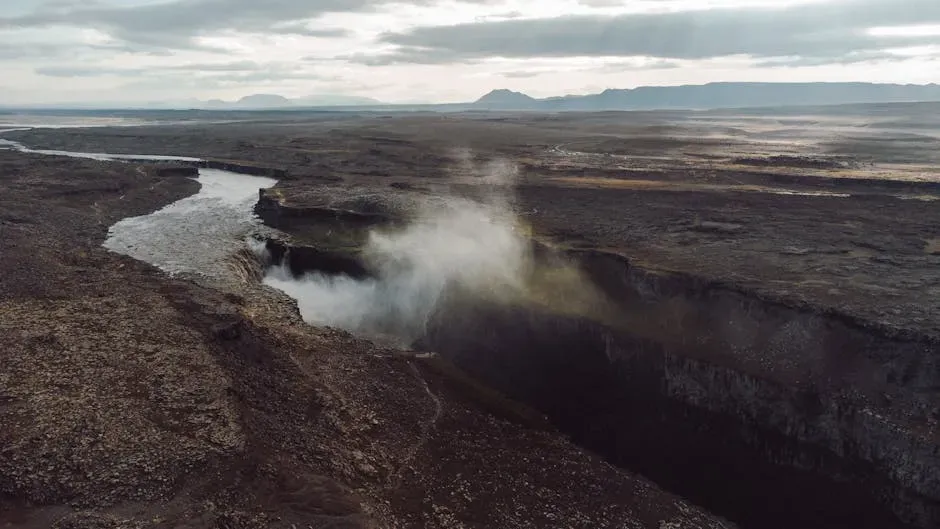
Before plate tectonics took over geology, the origins of great mountain chains like the Himalayas or the Andes were often explained in more local, static terms. Some models emphasized vertical uplift or contraction without recognizing the global dance of moving plates. When scientists proposed that many mountains result from continental collisions and subduction zones, they were really asking people to think on a completely different scale of time and motion.
As evidence mounted, from seismic studies to careful mapping of rock layers and fossils, the tectonic explanation outperformed older ideas. The puzzle pieces fell into place: oceanic crust sliding under continents, continents slamming into each other and crumpling up like slow‑motion car crashes, and mountain belts tracking ancient plate boundaries. Now, the notion that mountains are dynamic scars of plate interactions is so mainstream that it is hard to remember how unsettling it once felt. The Earth went from seeming mostly solid and fixed to something more like a restless, slow‑moving machine.
#19 – Human‑Induced Ozone Depletion: Aerosols and the Thinning Sky
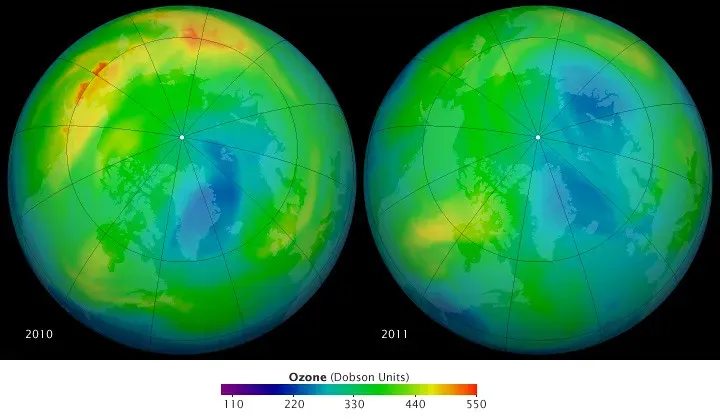
When scientists first suggested that certain industrial chemicals could drift into the upper atmosphere and chip away at the ozone layer, the idea sounded speculative. The stratosphere seemed too remote and stable for everyday products like spray cans and refrigerants to have any serious effect. Early analyses of chemical reactions in high‑altitude conditions were technically complex, making it easy for critics to question the real‑world significance.
Then came the startling discovery of severe seasonal ozone thinning over Antarctica, and later concerns about broader global impacts. Measurements from satellites, aircraft, and ground stations converged, supporting the link between chlorinated compounds and ozone loss. International agreements to phase out many of these chemicals led to gradual signs of recovery, demonstrating that the risk had been real and the response effective. A theory once seen as remote and theoretical transformed into a success story of science‑driven environmental policy.
#20 – Dark Matter: Invisible Mass That Refused to Go Away
When astronomers noticed that galaxies were rotating in ways that did not match the visible matter they contained, they faced a hard choice. Either gravity did not work the way they thought at large scales, or there was a huge amount of unseen material influencing the motions. The idea of dark matter, an invisible substance making up a large portion of the universe’s mass, struck many as deeply unsettling and speculative.
Over time, independent lines of evidence from galaxy clusters, gravitational lensing, and cosmic background radiation all pointed toward the same conclusion: something unseen is exerting gravitational pull on a cosmic scale. While its exact nature remains one of the biggest open questions in physics, the existence of dark matter as an explanatory concept is now widely accepted. What began as a strange patch to fix mismatched numbers has become a central pillar of modern cosmology, even as the search for its true identity continues.
#21 – Continental Drift on Other Worlds: Active Moons and Restless Planets
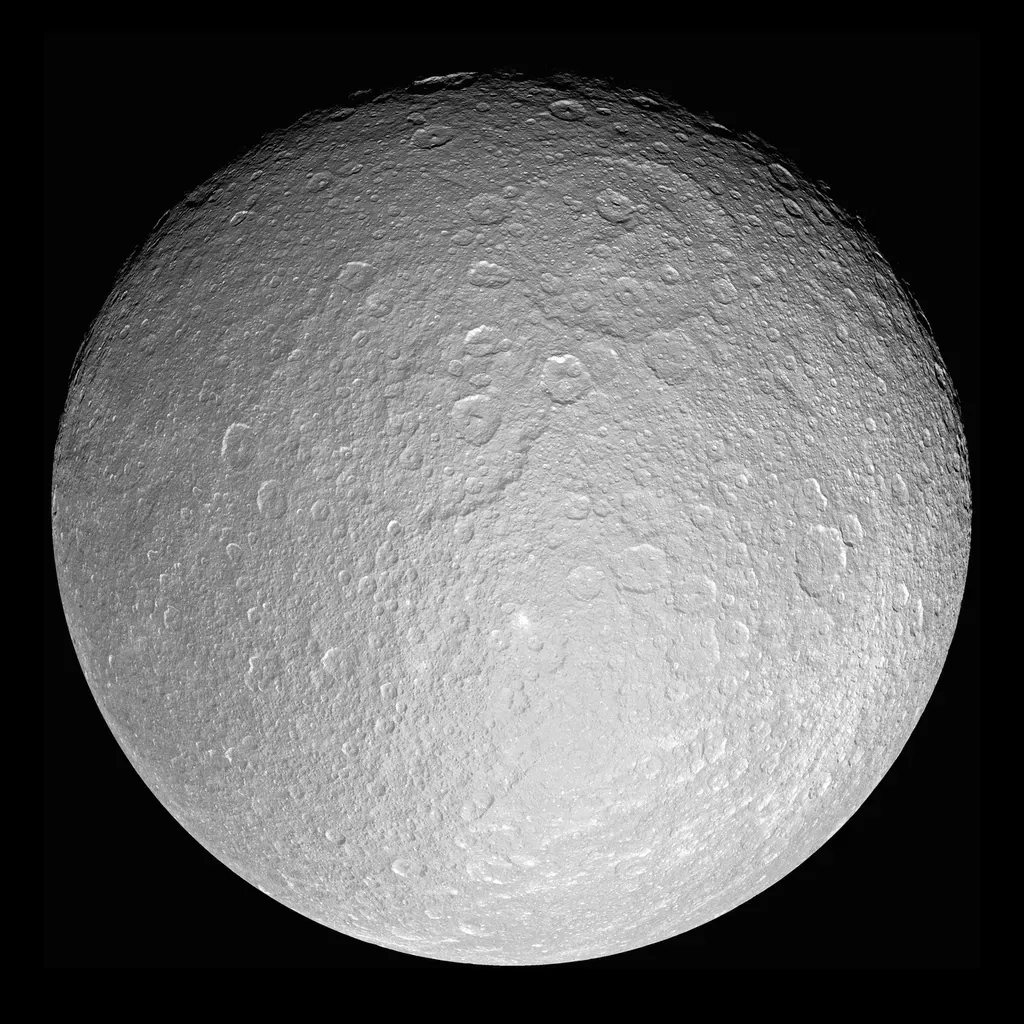
Once plate tectonics was accepted on Earth, many still assumed it was a rare quirk, not a common story across the solar system. Early suggestions that other planets or moons might have active surfaces, shifting ice shells, or internal oceans driving surface motion often sounded speculative. After all, if you grew up with the idea that most celestial bodies are dead, cratered rocks, the notion of restless alien geology is a mental leap.
Better spacecraft imaging and gravity measurements have since revealed fractured ice shells, plumes, and hints of subsurface oceans on several moons, along with signs of past activity on planets like Mars. While not all of this motion is plate tectonics in the strict terrestrial sense, the broader idea that many worlds are geologically active has become mainstream. The universe looks less like a static clockwork and more like a messy, evolving neighborhood, where internal heat and chemistry are still rewriting surfaces today.
#22 – Endosymbiosis: The Outsider Theory of Cellular Evolution
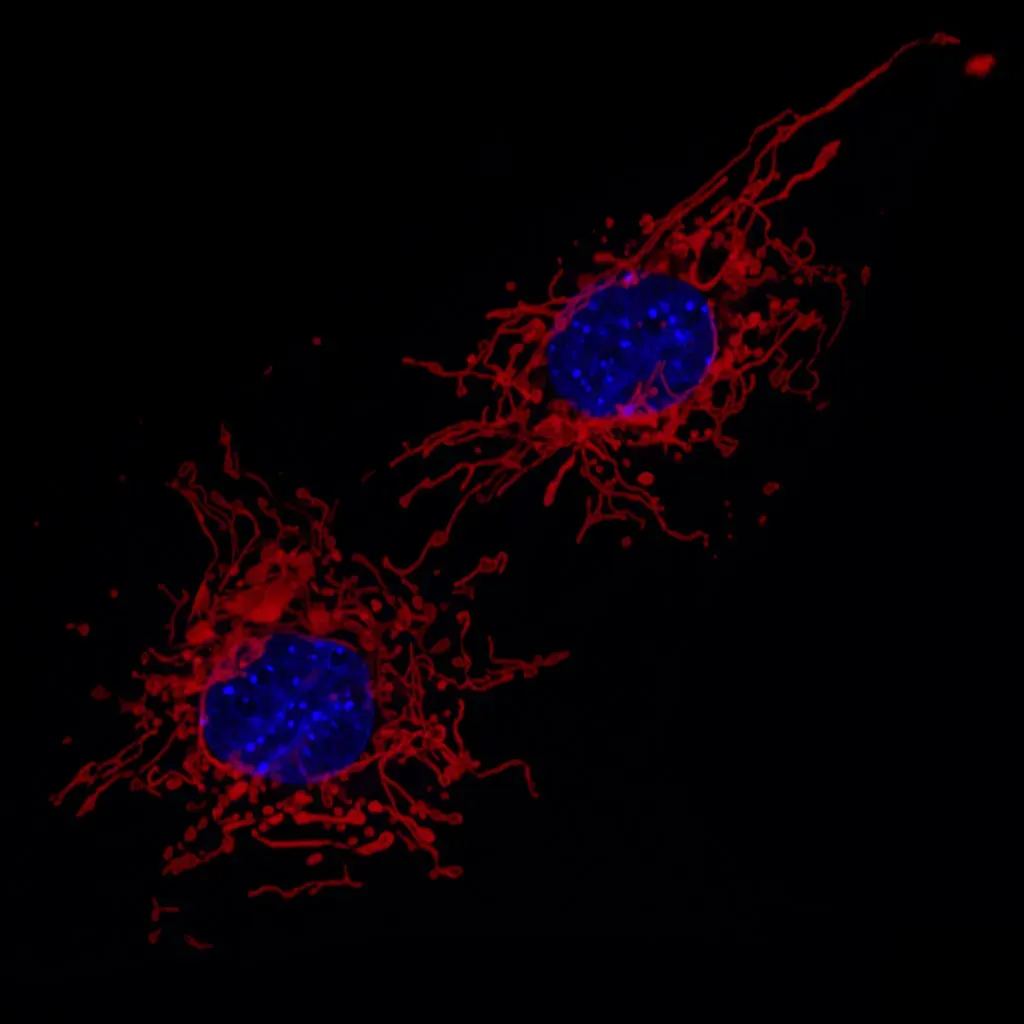
When the idea surfaced that key parts of our cells, like mitochondria and chloroplasts, began as once‑free‑living bacteria that were swallowed and then tamed, many biologists were skeptical. It sounded almost like a storytelling gimmick, and it challenged more conventional views of gradual, internal evolution of complexity. Early proponents of endosymbiotic theory had to push against a strong tide of tradition in cell biology and evolution.
As tools to study DNA and cellular structures improved, the evidence became hard to ignore. These organelles carry their own small genomes, resemble bacteria in several ways, and divide inside cells in ways that echo ancient independence. Over time, endosymbiosis shifted from being a provocative outsider theory to a central piece of how we explain the jump from simple cells to the complex cells that make up plants, animals, and humans. A once‑dismissed idea now underpins our understanding of our own cellular ancestry.
#23 – Plate‑Scale Recycling and the Deep Carbon Cycle: Earth as a Breathing Planet
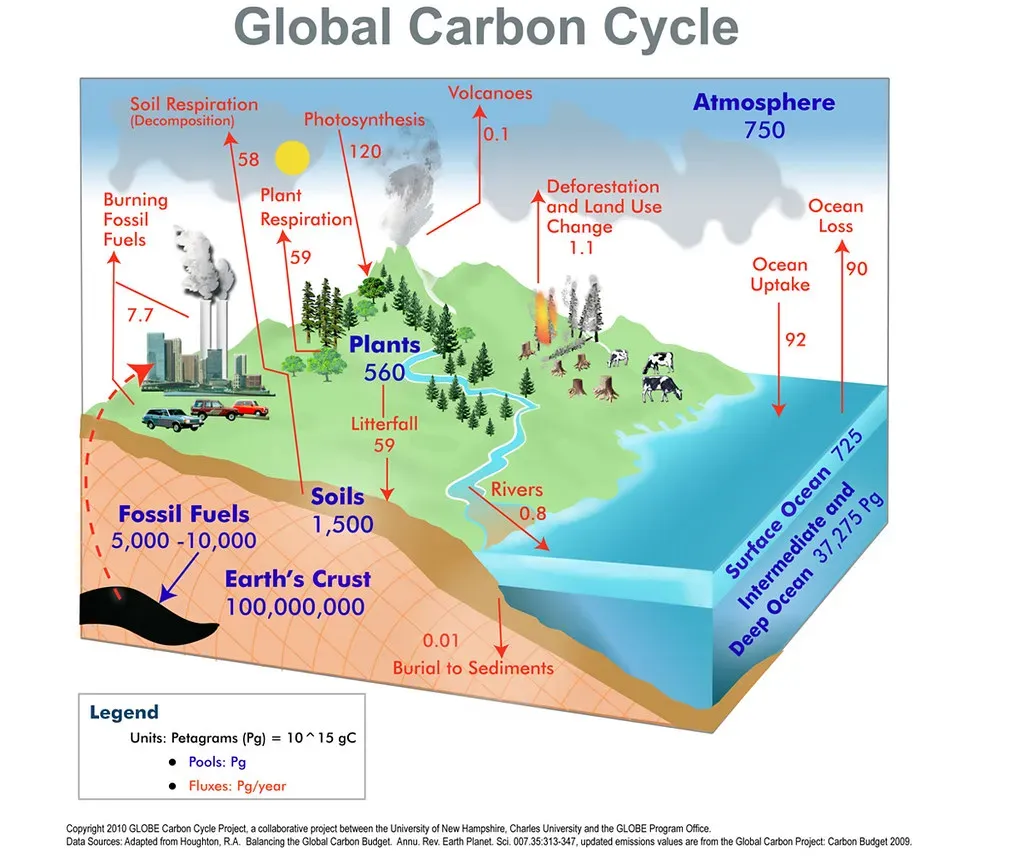
For years, discussions about carbon mostly focused on the surface: plants, animals, fossil fuels, and the atmosphere. The notion that vast amounts of carbon were being cycled deep into Earth’s mantle through subducting plates, stored, transformed, and sometimes returned through volcanic activity remained less prominent and, at times, underappreciated. Early efforts to map this deep carbon cycle seemed niche compared to more visible climate and energy debates.
As geochemists and geophysicists pieced together data from volcanic gases, mineral inclusions, and subduction zones, a more dynamic picture emerged. Earth behaves almost like a living system on geological timescales, inhaling and exhaling carbon through its tectonic processes. While many details are still being refined, the idea that deep Earth processes strongly shape surface climate and long‑term habitability is gaining traction. What once sounded like an esoteric niche has become a key part of understanding why our planet has been habitable for so long.
Conclusion: Being Early Is Not the Same as Being Wrong

Looking across these twenty‑three stories, a pattern jumps out: the biggest barrier to many discoveries was not nature itself, but our own attachment to what feels comfortable and familiar. Again and again, scientists who were right found themselves dismissed, mocked, or sidelined because their ideas clashed with the mood of the moment. I cannot help thinking of all the times in my own life when I brushed off something new because it did not fit my mental map, only to circle back later and realize I had been clinging to habit more than evidence.
That does not mean every wild idea deserves automatic respect; plenty of bold claims do turn out to be dead ends. But it does mean we should be careful about treating ridicule as a reliable filter for truth. The history of science is full of reminders that reality often arrives early, wrapped in forms we are not yet ready to accept. The real challenge is learning to hold skepticism and open‑mindedness at the same time, without letting either one swallow the other. When you hear about a “crazy” new theory today, are you sure you know which side of history you are standing on?