If you have ever seen a photo of green curtains of light rippling across a dark winter sky and felt a strange pull in your chest, you already know the spell the aurora borealis can cast. When you finally stand under it in person, it does something subtle but powerful: it reminds you that your planet is alive, electrically buzzing, and constantly dancing with the sun.
This is not just a pretty sky trick. When you understand what is really happening above your head during an aurora, the whole experience becomes even richer. You are not just watching colors; you are literally seeing invisible space weather made visible, watching the Earth’s magnetic shield react in real time. Once you know how to read it, every flicker, ripple, and color shift tells you a story.
What You Are Actually Seeing When the Sky Turns Green
When you look up and see the northern lights, you are watching subatomic particles from the sun collide with atoms and molecules in the upper atmosphere. These particles are mostly electrons and protons racing along the Earth’s magnetic field lines, slamming into oxygen and nitrogen around one hundred to three hundred kilometers above you. Those atmospheric gases absorb energy, get excited, and then release that energy as visible light.
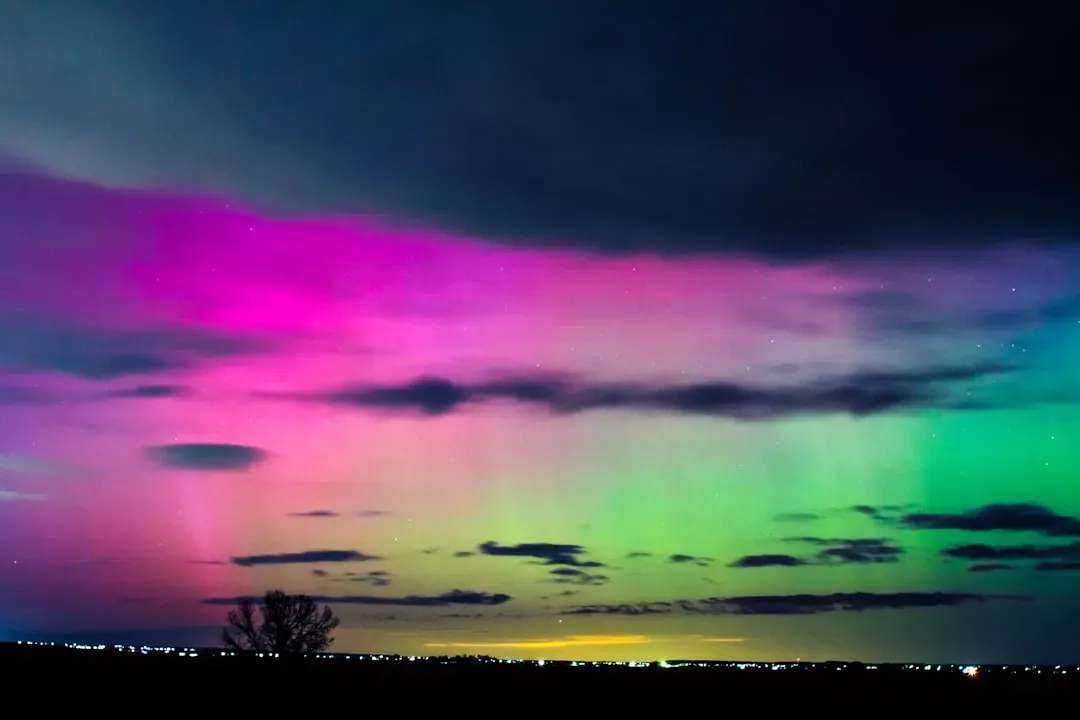
You can think of the sky like a giant neon sign that the sun switches on during solar storms. Different gases and different altitudes act like different colored tubes. Oxygen high up tends to glow deep red, while lower down it glows green, which is why green is the color you most often see. Nitrogen can add purples and pinks along the edges of the aurora, especially in more active displays.
How the Sun Fuels Earth’s Greatest Light Show
The real driver of the aurora borealis is the sun, even though the display happens in your sky at night. The sun constantly streams out a flow of charged particles called the solar wind, along with occasional violent eruptions like solar flares and coronal mass ejections. When those fast-moving particles reach Earth, they interact with the planet’s magnetic field and its outer atmosphere.
You can picture the sun as a campfire that sometimes throws sparks, and Earth as a person wearing a big, invisible magnetic cloak. Most of the time, the cloak deflects the sparks, but when there are more sparks or stronger ones, they get funneled toward the polar regions. That is where they dive down, hit the atmosphere, and trigger the glowing arcs and curtains that you call the northern lights in the north, and the southern lights in the south.
Why Auroras Love the Poles (And Not Your Backyard)
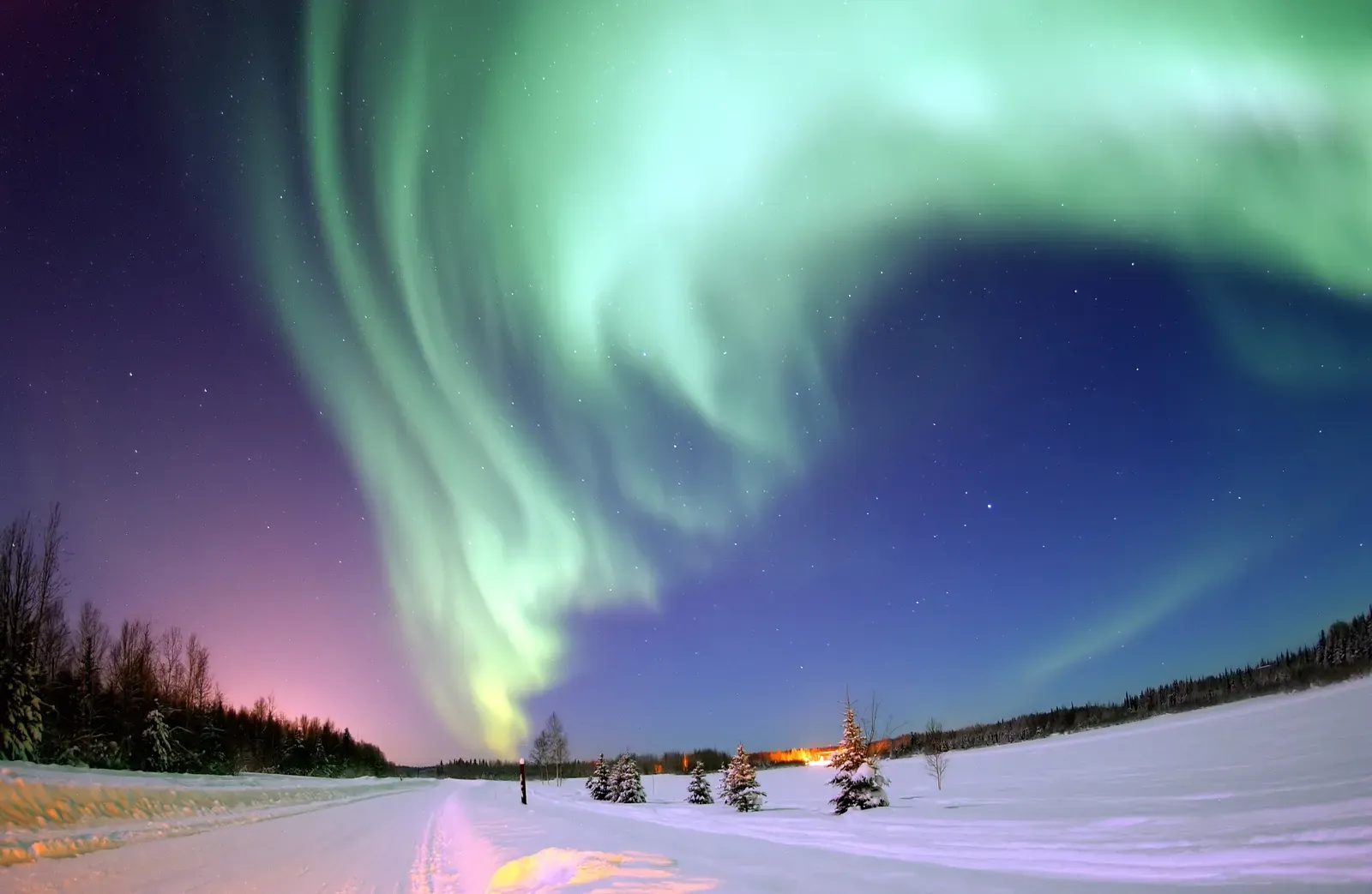
This tag does not indicate the copyright status of the attached work. A normal copyright tag is still required. See Commons:Licensing.
العربية ∙ বাংলা ∙
Bahaso Jambi ∙
Deutsch ∙ Deutsch (Sie-Form) ∙ English ∙ español ∙ euskara ∙ فارسی ∙ français ∙ italiano ∙ 日本語 ∙ 한국어 ∙ македонски ∙ മലയാളം ∙ Plattdüütsch ∙ Nederlands ∙ polski ∙ پښتو ∙ português ∙ русский ∙ slovenščina ∙ svenska ∙ Türkçe ∙ українська ∙ 简体中文 ∙ 繁體中文 ∙ +/−
http://www.af.mil/weekinphotos/wipgallery.asp?week=97&idx=9 (Full Image), Public domain)
If you have ever wondered why you do not regularly see auroras from most mid-latitude cities, the planet’s magnetic field is the answer. Earth’s magnetic field lines emerge near the poles and curve back into space, and those lines act like highways for charged particles streaming in from the sun. The particles spiral along them and are guided toward the polar regions, not toward the equator.
Instead of a simple circle around the geographic pole, the region where auroras most often appear forms an oval-shaped zone called the auroral oval. This oval is centered roughly around the magnetic poles, not the geographic ones, and it can expand or contract depending on how disturbed the solar wind is. When solar activity is strong, that oval stretches equatorward, and that is when people farther south suddenly get a chance to see the lights from places that rarely see them.
The Science of Color: Why Green, Red, and Purple Paint the Night
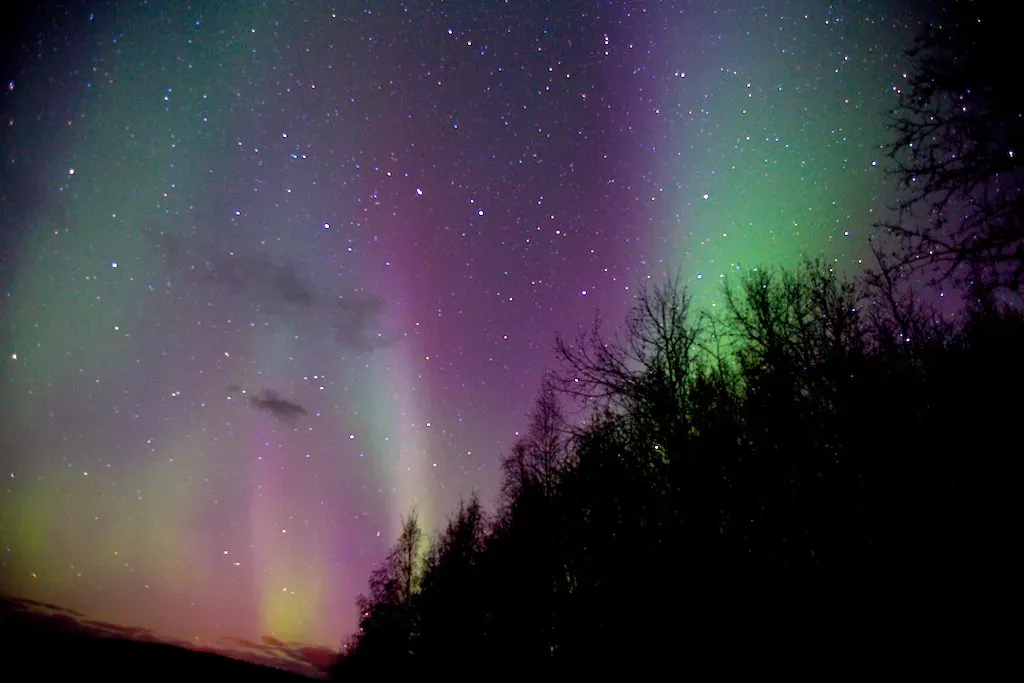
To understand the colors you see, you only need to remember which gas is being hit and how high above the Earth that collision happens. Oxygen at lower altitudes commonly produces that familiar green glow that most people think of as the classic aurora color. Higher-altitude oxygen, where the air is thinner and collisions are less frequent, can emit a deep, slow-building red light that often appears as a faint red cap above the brighter green.
Nitrogen behaves a bit differently and helps add variety to the show. When energetic particles collide with nitrogen molecules, they can generate blue and purplish-violet hues, especially in the lower parts of the auroral curtains or along fast-moving edges. Sometimes, when the aurora is really active, you might even see a full mix of green, red, pink, and purple, almost like someone spilled cosmic paint across the sky in layers.
Shapes in the Sky: Curtains, Arcs, and Rapid-Fire Pulses
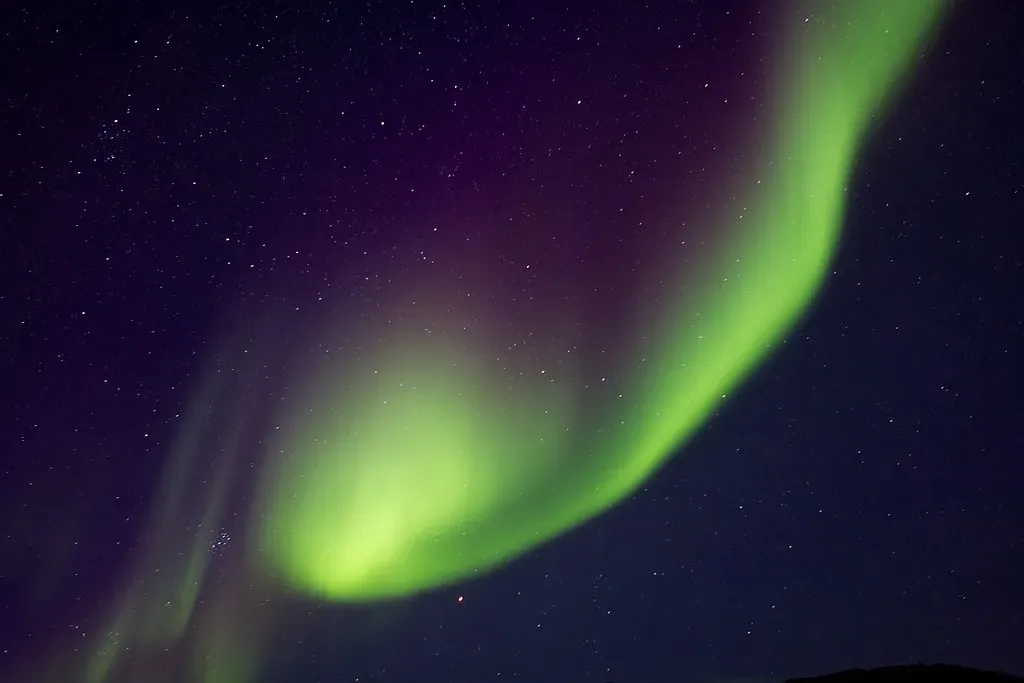
As you watch an aurora, you quickly notice that it is not a static band of color; it shifts, twists, and sometimes explodes into motion. Long, arching bands can stretch from horizon to horizon, quietly hanging there like a glowing highway. Then, without much warning, those bands might fold into shimmering curtains that wave back and forth, as if someone were shaking a giant glowing bedsheet in slow motion.
Sometimes the aurora breaks into vertical rays, almost like light shining through the slats of a massive cosmic blind. On especially intense nights, you might see the whole sky erupt into what people often call an auroral corona: streaks of light seeming to radiate from a point directly overhead, rushing in all directions. There are also more subtle forms, like faint patches that blink on and off or diffuse glows that look more like a strange cloud than a clear band, all shaped by changes in the magnetic field and particle flows far above you.
When to Go: Seasons, Darkness, and Your Best Odds
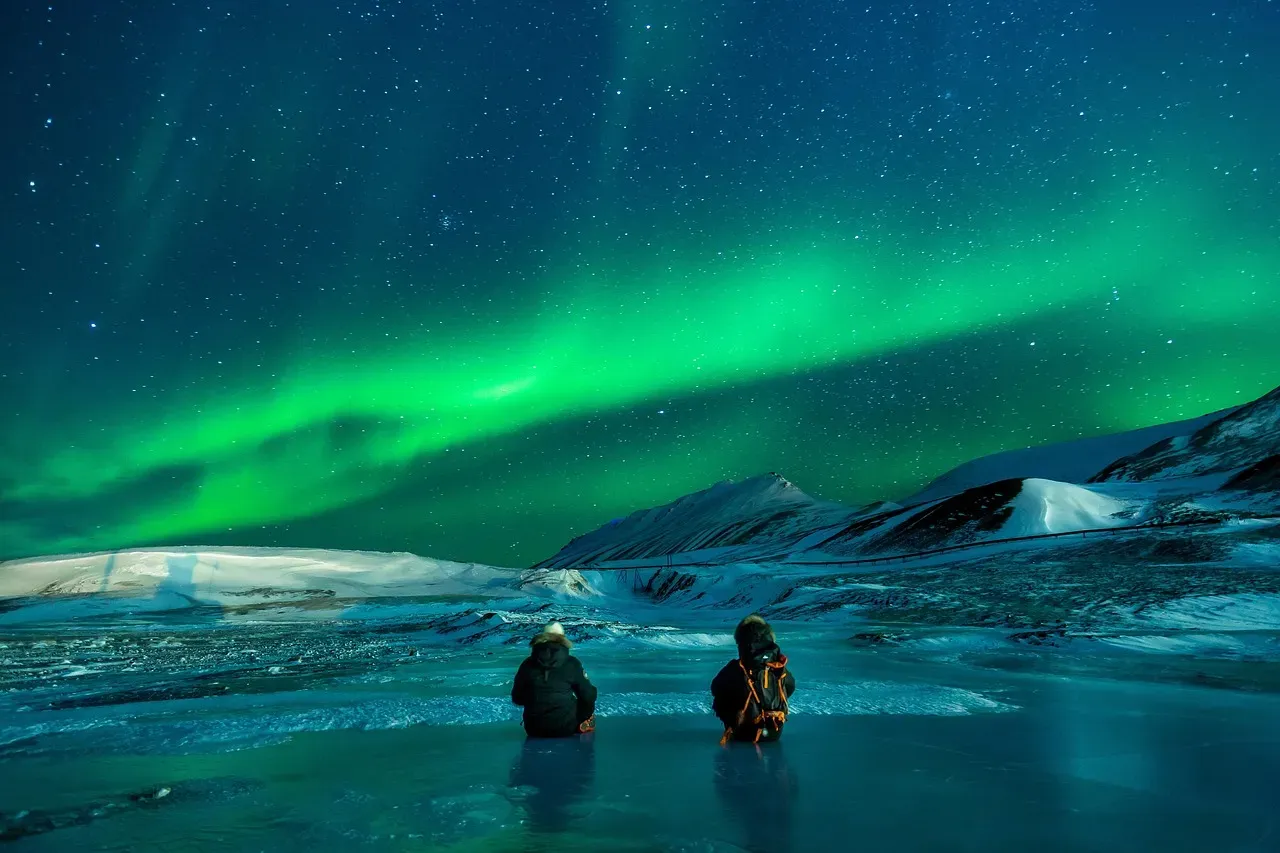
You cannot control the sun or the Earth’s magnetic field, but you can play the odds smartly if you want to actually see the lights. The first rule is simple: you need dark, clear skies. That generally means heading out in the local winter season in high-latitude regions, when nights are long and the sun stays below the horizon for many hours. Around the equinox months, in late autumn and early spring, geomagnetic activity often picks up, which can slightly boost your chances too.
Even on a good night, you still need to get away from city lights because light pollution can completely wash out faint auroral glows. Think of it like trying to see a candle in front of a stadium floodlight; turn off the floodlight, and suddenly the candle seems bright. Cloud cover is another spoiler, so flexible plans and a willingness to move locations can help. Many seasoned aurora chasers rely on short-term aurora forecasts and local weather radar to make last-minute decisions about which direction to drive.
Where You Should Go for a Front-Row Seat
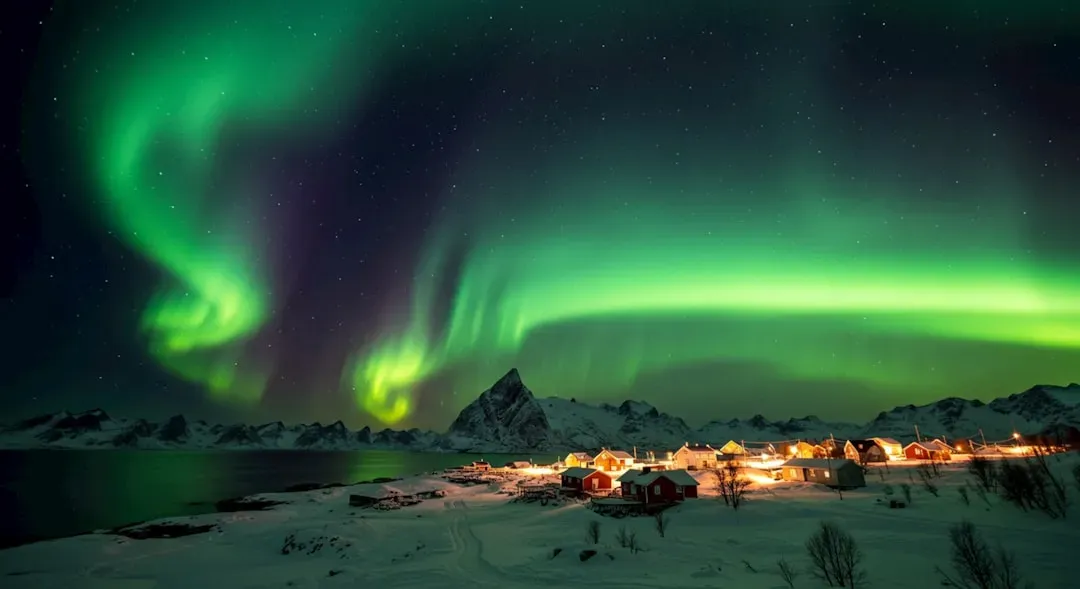
If you are serious about seeing the aurora borealis, your best bet is to travel to regions that sit right under the auroral oval. Northern parts of countries like Norway, Sweden, Finland, and Iceland offer a strong combination of good viewing conditions and accessible infrastructure. You can also find excellent aurora opportunities in northern Canada and Alaska, where entire towns cater to people coming mainly for the lights.
When you choose a location, it helps to think beyond just latitude. You want places with historically clear winter skies, far from dense population centers that produce light pollution. Some areas offer dedicated aurora lodges, heated glass igloos, or cabins with large north-facing windows, so you can watch the sky without having to stand outside in bitter cold all night. In many of these regions, you also get the bonus of other Arctic experiences, like dog sledding, snowmobiling, or simply listening to snow crunch under your boots in the stillness.
How to Photograph the Northern Lights Without Fancy Gear
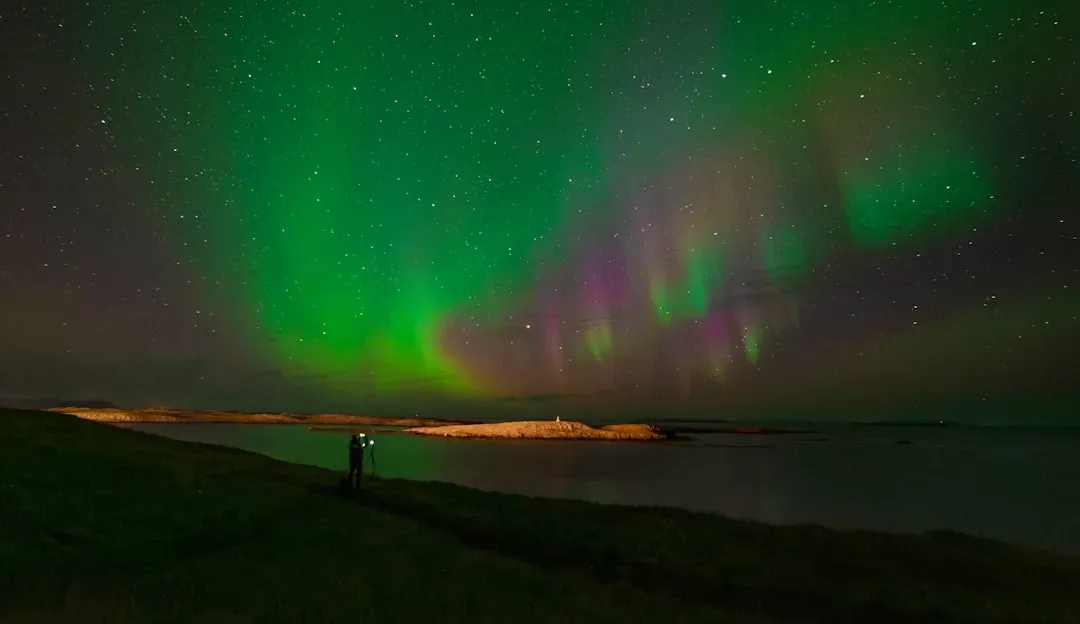
You do not need the most expensive camera on the market to capture auroras, but you do need to understand a few basics. A sturdy tripod is almost essential, because your camera will be taking long exposures of several seconds while you keep it completely still. A camera that allows manual control of ISO, shutter speed, and aperture will give you far better results than a fully automatic point-and-shoot mode that struggles in low light.
In practice, you will often start with a wide-angle lens, set a relatively high ISO so the sensor is more sensitive, and choose a shutter speed long enough to gather light but short enough that the aurora does not blur into a smear. You can think of it like trying to photograph a dancer on a dim stage: too slow, and the dancer is just a blur, too fast, and the image is too dark. Modern smartphones with dedicated night modes have improved a lot, so you can certainly try with your phone, but being able to tweak settings manually usually makes the difference between a disappointing blur and a shot you actually want to frame.
The Hidden Dangers and Benefits of Space Weather
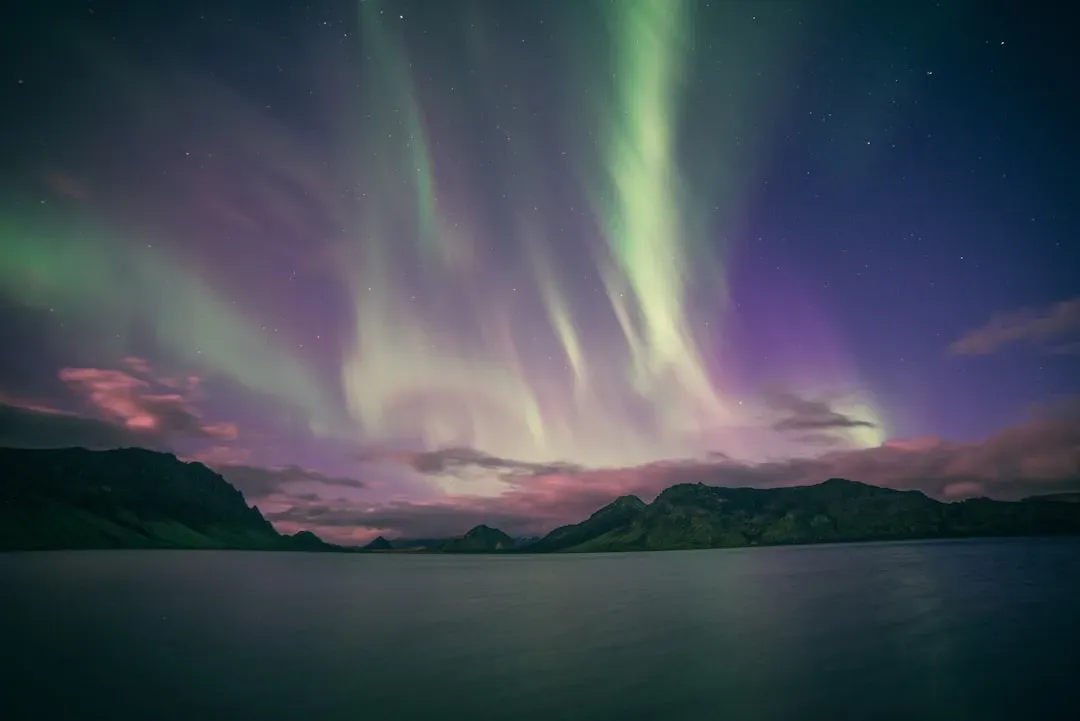
For you on the ground, auroras mostly mean beauty and maybe cold fingers. For technology and infrastructure, though, the same solar activity that powers the lights can be a serious headache. Intense geomagnetic storms can disturb radio communications, interfere with GPS accuracy, and induce extra currents in long power lines. In rare, very strong events, those induced currents have contributed to power grid failures in high-latitude regions.
On the other hand, the glow you see from the aurora is also evidence that Earth’s magnetic field is doing its job as a shield. Without that protective bubble deflecting and guiding charged particles, a lot more high-energy radiation would reach the surface and your everyday environment would be much harsher. Scientists study auroras not just because they look amazing, but because those lights are a visible signal that helps researchers understand how space weather interacts with your planet, which can help protect satellites, astronauts, and critical infrastructure.
Auroras in Culture, Myth, and Your Own Imagination
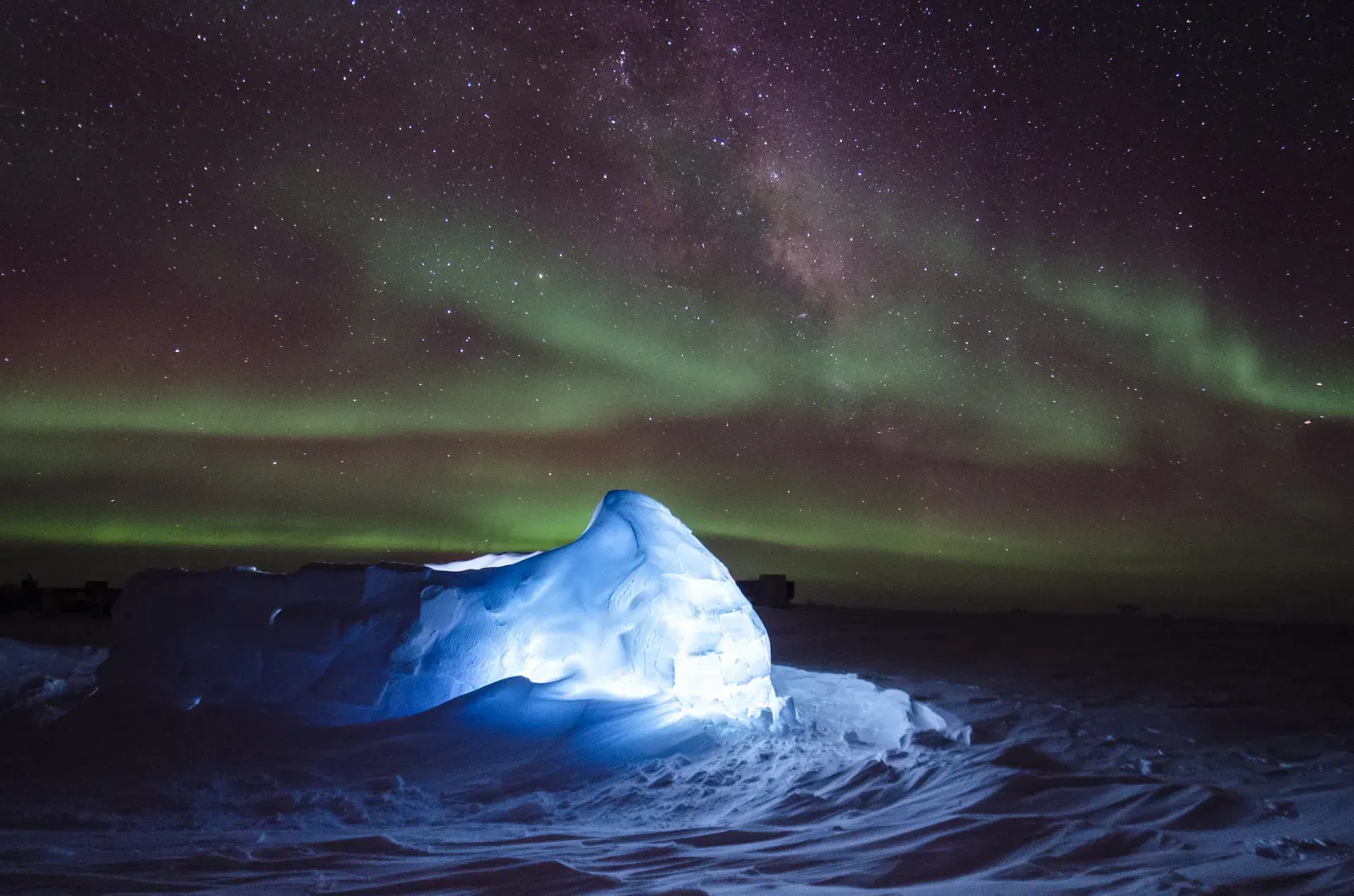
Long before you had satellites, magnetometers, or solar wind models, people watched the northern lights and tried to make sense of them with the tools they had: stories, beliefs, and imagination. In many northern cultures, the aurora has been linked with spirits, omens, or messages from ancestors. When you stand under a bright display, it is easy to appreciate why so many traditions treated these lights as something sacred or otherworldly.
Even now, when you understand the physics, the emotional impact does not really go away. If anything, knowing that those silent curtains of light are powered by explosions on a star one hundred and fifty million kilometers away can make the experience feel even more unreal. You might find your own mind drifting to personal meanings: maybe the aurora becomes a reminder of how small your daily problems are, or how interconnected everything is, from the core of the sun to the atoms in your own body. That personal layer of meaning is part of what makes seeing the lights feel so unforgettable.
How to Read Aurora Forecasts Like a Pro
If you want to move beyond luck and really time your aurora hunt, it helps to learn the basics of aurora forecasting. You will often see references to indices that describe geomagnetic activity, which is a rough measure of how disturbed Earth’s magnetic field is. Higher values usually mean auroras are more likely and visible farther from the poles. Forecasts might also mention the strength of the solar wind and the direction of its embedded magnetic field, because certain orientations make it easier for energy to transfer into Earth’s magnetosphere.
In practice, you do not need to become a space physicist to make use of this. You just need to combine three things: geomagnetic forecasts that tell you whether the sky is likely to light up, local weather reports that tell you if clouds will block your view, and a willingness to be patient and flexible. Learning to interpret those numbers and graphs is a bit like learning to read a tide chart if you love surfing; the more time you spend with it, the better you get at feeling when conditions are about to line up.
Preparing Yourself for the Experience (Beyond the Camera)
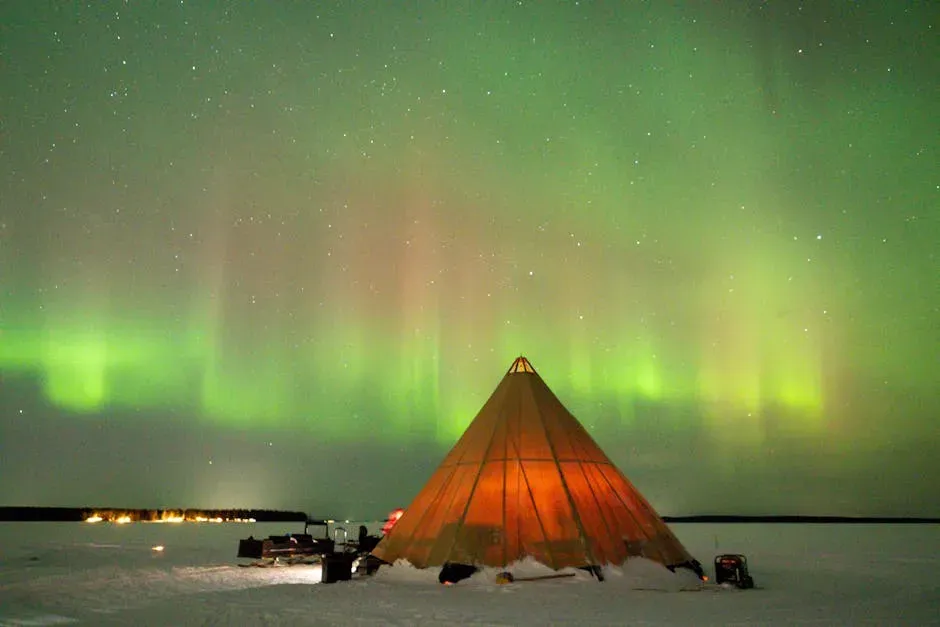
When you picture an aurora trip, you might imagine the colors first, but comfort is what often determines whether you actually enjoy the show. In most aurora hotspots, you will be spending hours outside in subzero temperatures, so layering properly matters. Warm boots, insulated gloves, a windproof outer shell, and something to cover your face can be the difference between staying out long enough to see a sudden outburst and retreating indoors just before the sky erupts.
Beyond clothing, it helps to manage your expectations and stay open to whatever happens. The lights are unpredictable, and you might wait for hours with only a faint glow that looks like a pale cloud, then suddenly watch it burst into flickering waves that leave you speechless. Bringing a thermos, a good friend, or someone you love can turn the waiting into part of the experience rather than just frustration. Some of the most memorable moments end up being the quiet ones: the crunch of snow, the stillness of the air, and then, finally, that first unmistakable sweep of green across the stars.
Conclusion: Standing Under a Living Sky
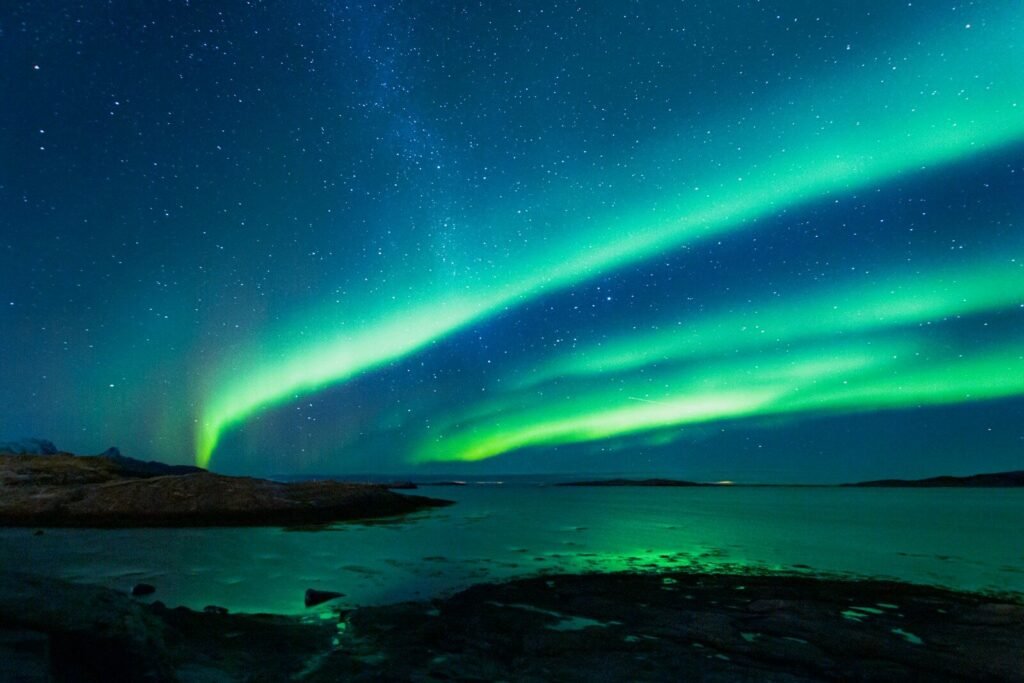
When you finally stand beneath an aurora and see it move with your own eyes, you are watching a live performance directed by the sun, shaped by Earth’s magnetic field, and painted on your atmosphere. You now know that behind every color and shape there is a chain of events that starts in solar storms and travels across space before playing out quietly above your head. That knowledge does not drain the magic; it deepens it, turning a beautiful scene into a story you can actually follow.
If seeing the aurora borealis is still on your list, you are not just planning another trip; you are setting yourself up for one of those rare nights that rewires how you feel about this planet. You will carry the memory of that living sky long after the camera batteries die and the clouds roll back in. So the real question is not whether the lights are worth chasing, but when you are finally going to step outside, look up, and let them change the way you see your world.