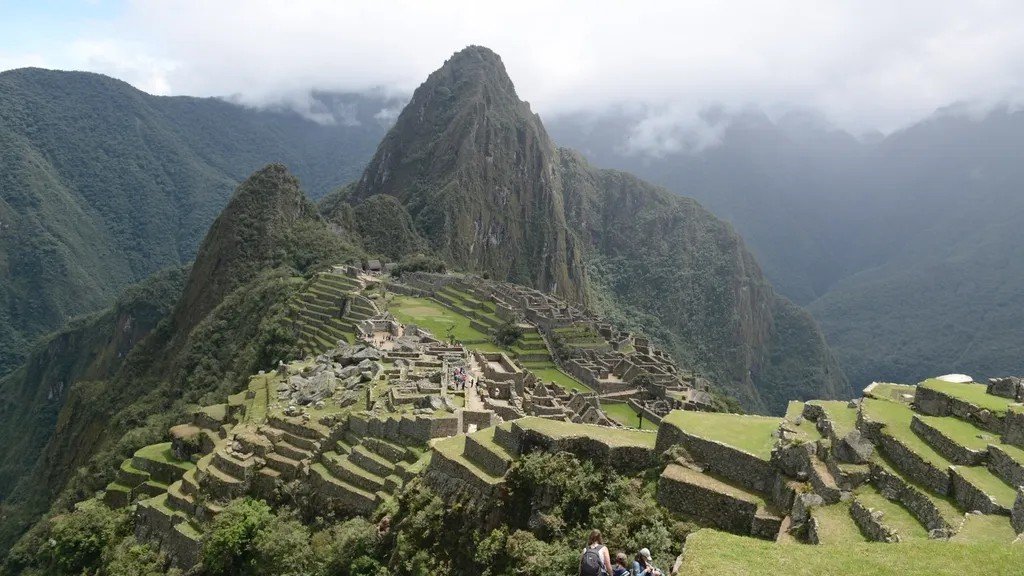

For centuries, the Amazon rainforest was seen as a wild, untouched wilderness – a place where nature reigned completely supreme and human civilization had barely scratched the surface. Explorers, historians, and even scientists assumed that the dense canopy, merciless humidity, and poor soils made it impossible for any large-scale human society to thrive there. That assumption, it turns out, was spectacularly wrong.
What lies buried beneath those endless treetops is a story that rewrites everything you thought you knew about the ancient Americas. Ancient roads, pyramids, garden cities, and engineered soils are emerging from the shadows of one of Earth’s most complex ecosystems. The revelations keep coming, and honestly, the more researchers uncover, the more the Amazon starts to feel less like a wilderness and more like a forgotten empire. Buckle up, because what you’re about to learn will completely change the way you see the rainforest forever.
The Legend That Turned Out to Be True
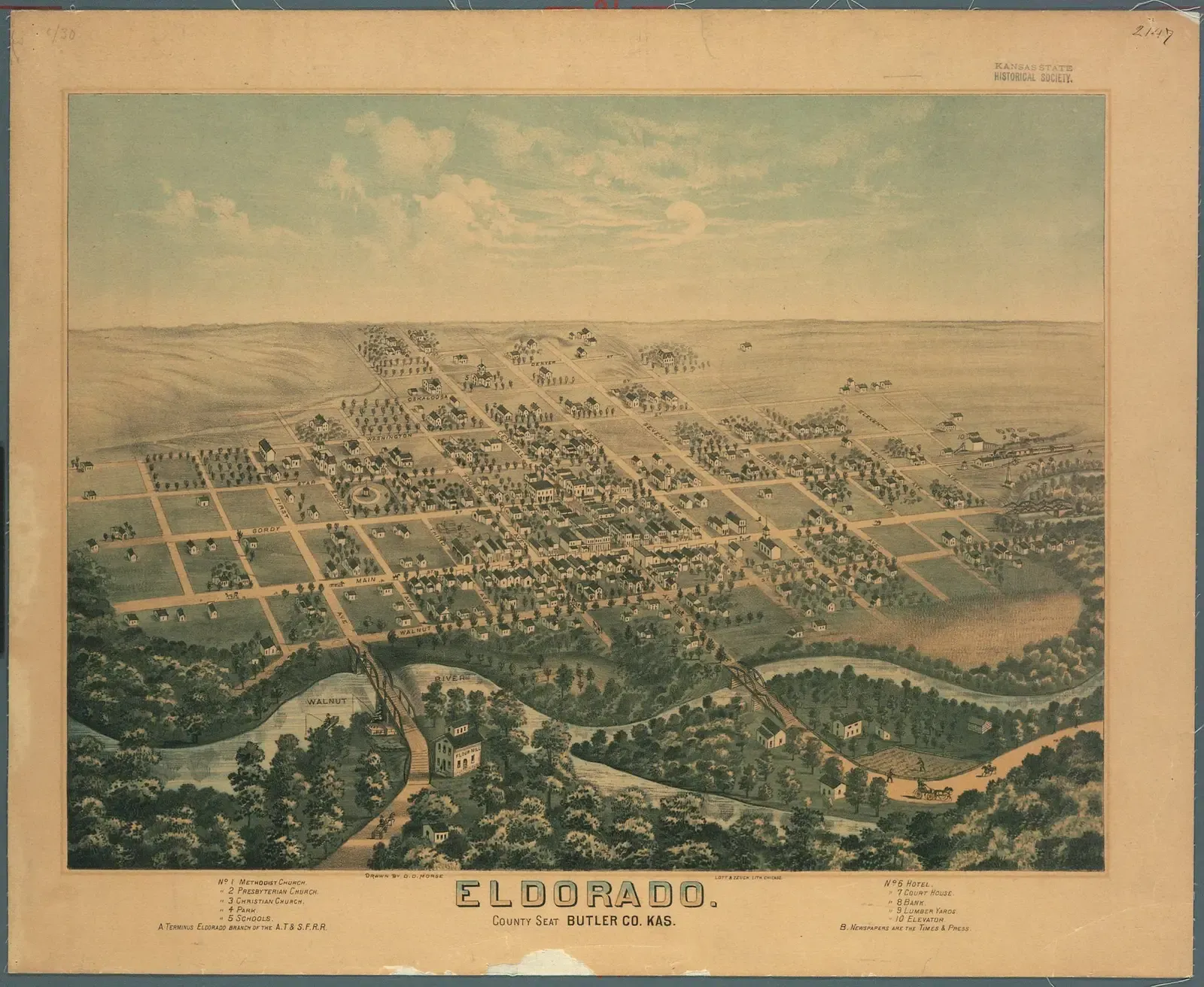
For hundreds of years, the idea of lost Amazonian cities was dismissed as fantasy. The Amazon was considered one of the planet’s last great wildernesses, and legends about lost cities deep within its forests – including the tantalizing search for El Dorado, a supposed city of gold – lured Spanish explorers far off the map, and some of them never returned. These stories were written off as colonial folklore, the fevered dreams of treasure hunters lost in the jungle heat.
Yet, eyewitness accounts from those early explorers were harder to fully dismiss. Contrary to the common misconception of the pre-Columbian rainforest as a pristine wilderness untouched by human influence, early Spanish and Portuguese explorers actually documented eyewitness accounts of populous cities and flourishing agriculture. The irony? Those accounts were largely mocked for centuries – right up until modern science proved them startlingly accurate.
LiDAR: The Technology That Literally Sees Through the Forest
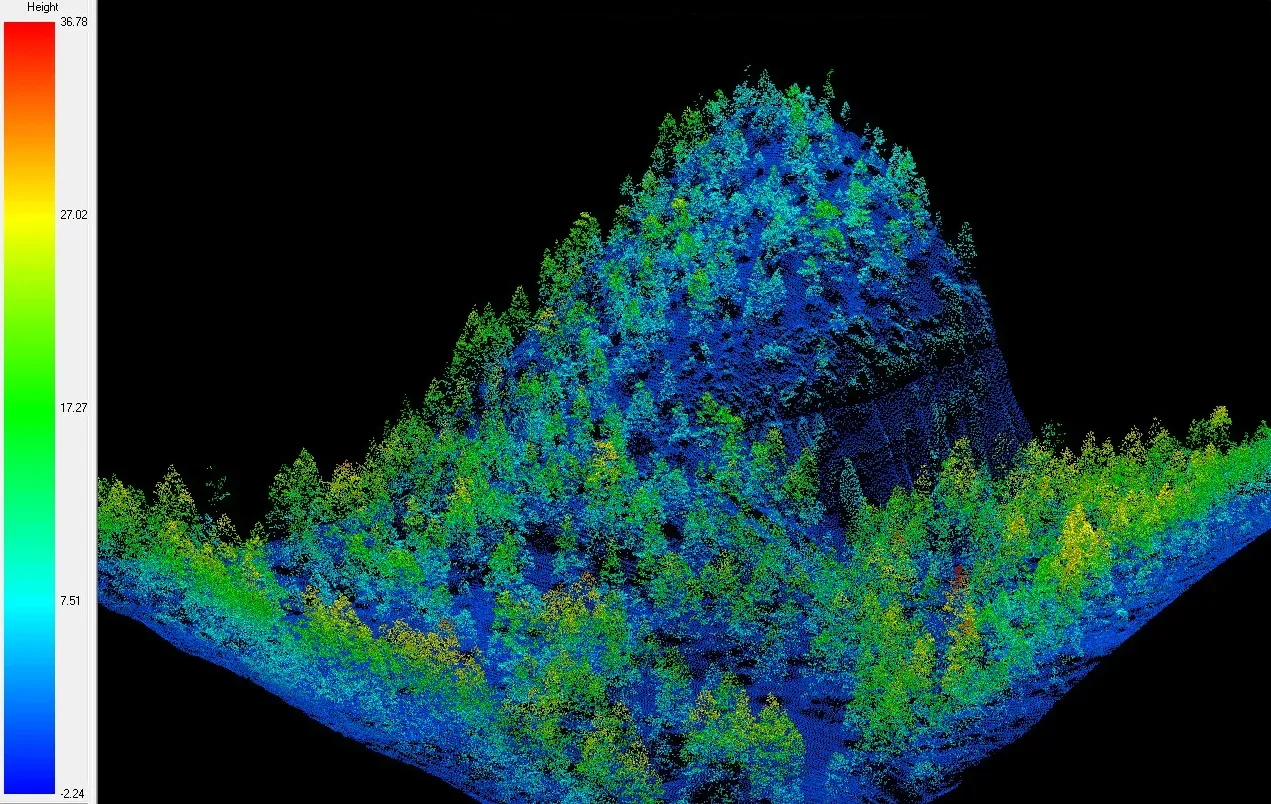
If you want to understand why these discoveries are happening now rather than a hundred years ago, you need to understand one game-changing piece of technology. LiDAR has been instrumental in revealing Amazonian cities that had been completely lost beneath dense vegetation. Mounted on aircraft or drones, this technology sends out millions of laser pulses per second, mapping terrain with remarkable accuracy and precision. Think of it like sonar, but using light instead of sound – and pointed straight down through a rainforest canopy.
Unlike ground surveys, which can take years, LiDAR can unveil hidden structures beneath thick forest cover in a fraction of the time, detecting irregularities in shapes that would otherwise remain obscured. For archaeologists, this was nothing short of revolutionary. Over the past fifteen years, as advances in technology have lowered costs, LiDAR has effectively remade modern archaeology, leading to the discovery of lost cities from Central America to Southeast Asia. The Amazon was simply next in line – and what it revealed was breathtaking.
The Upano Valley: A Lost Valley of Cities
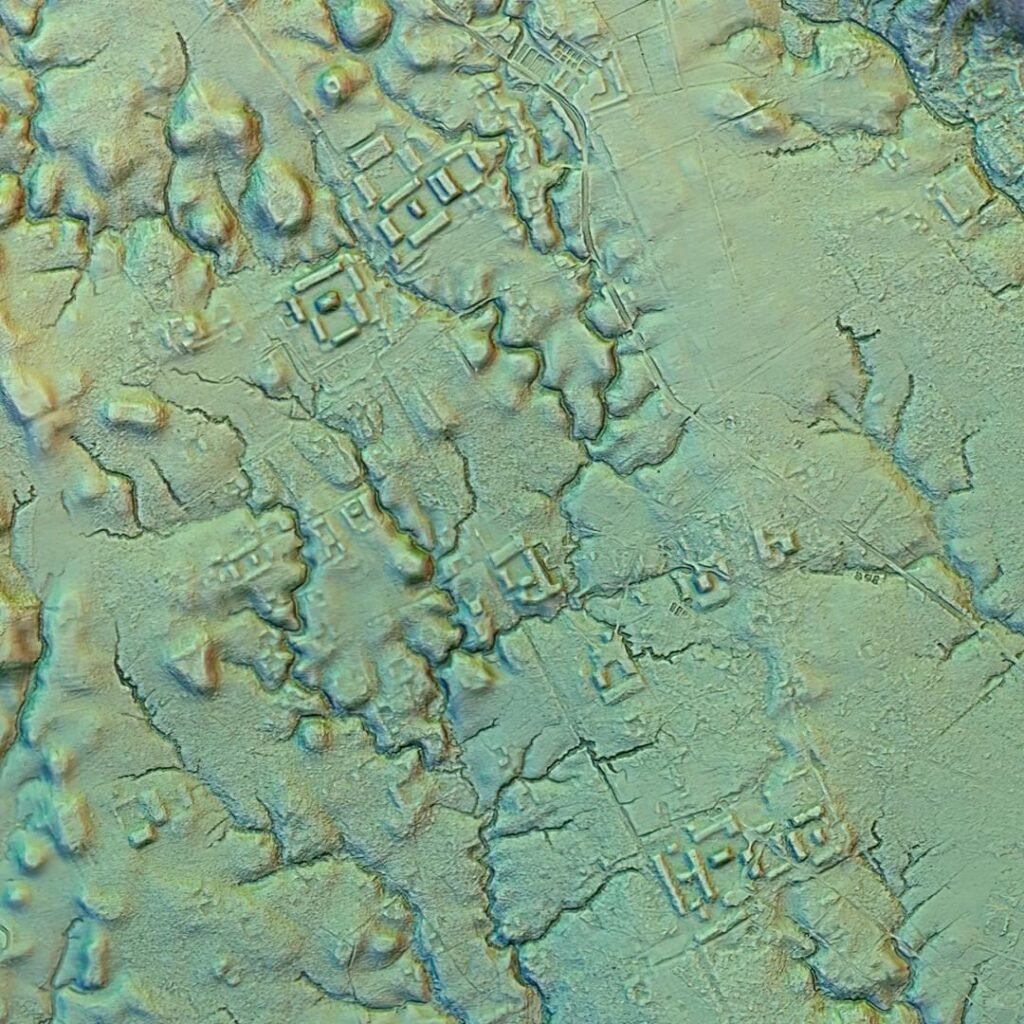
The Upano Valley: A Lost Valley of Cities (Image Credits: Reddit)
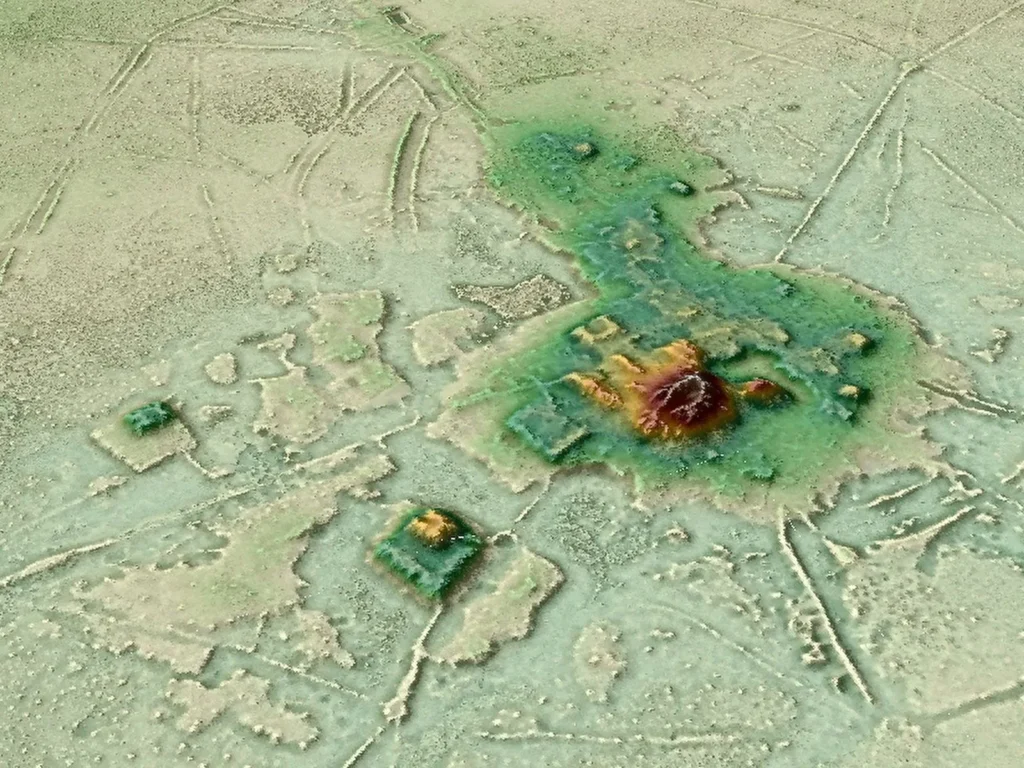
Perhaps the most jaw-dropping discovery so far came from Ecuador’s Upano Valley, tucked into the eastern foothills of the Andes. Archaeologists working deep in the Amazon rainforest discovered an extensive network of cities dating back 2,500 years. The highly structured pre-Hispanic settlements, with wide streets and long, straight roads, plazas, and clusters of monumental platforms, were found in the Upano Valley of Amazonian Ecuador. When the LiDAR data came through, researchers could barely believe what they were looking at.
The images revealed more than 6,000 earthen platforms distributed in a geometric pattern, connected by roads and intertwined with the agricultural landscapes and river drainages of an urban agrarian civilization in the eastern foothills of the Andes. The sites were built and occupied by the Upano people from about 500 B.C. to between 300 A.D. and 600 A.D., and the team found five large settlements and ten smaller ones with residential and ceremonial structures across 116 square miles in the valley. That’s not a village. That’s a civilization.
Garden Cities and Urban Planning That Rivals the Maya
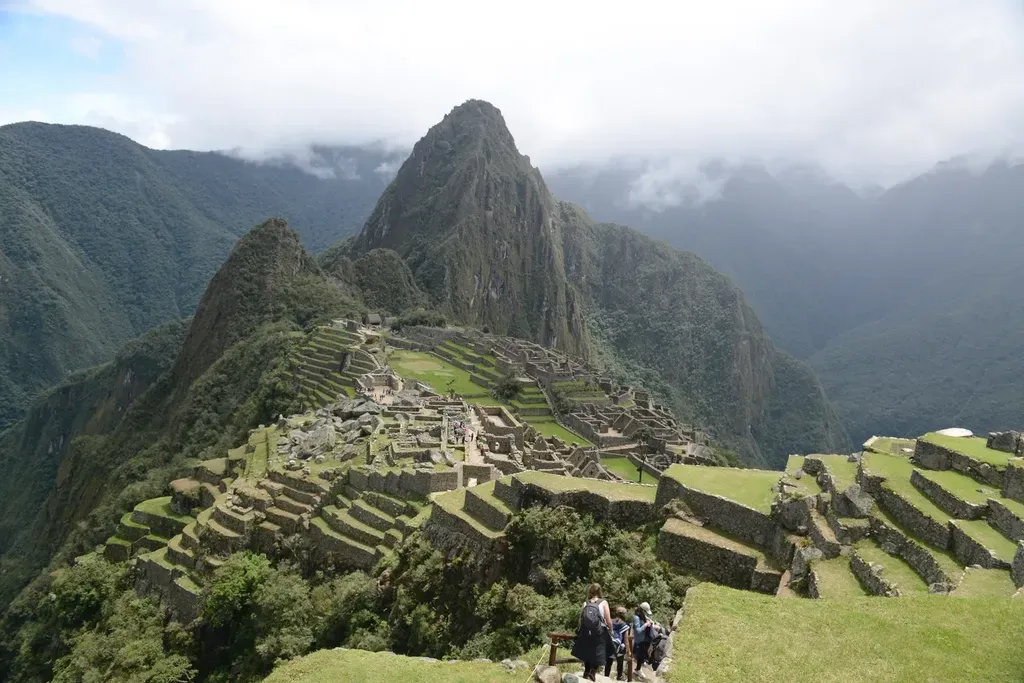
Here’s the thing that really blew researchers’ minds – it wasn’t just the scale of these settlements, it was the sophistication of how they were designed. According to the study, these structures formed at least fifteen distinct settlements connected by a system of wide, straight roads. Co-author Antoine Dorison noted that this society’s complexity is especially evident in this web of streets, which were carefully constructed to cross at right angles rather than follow the landscape. Right angles in the Amazon. That’s deliberate, meticulous engineering.
The LiDAR survey also uncovered hillside terraces, rectangular agricultural fields, and evidence of water management systems, including canals and causeways. The extent of landscape modification in the Upano Valley rivals other ancient civilizations, such as the Classic Maya. Unlike the dense cities of Europe or Asia, Amazonian urbanism was characterized by a “garden city” model, with clusters of buildings spread out among managed forests and gardens, a distributed layout that may have contributed to both sustainability and resilience. It’s almost elegant, once you understand what you’re looking at.
Terra Preta: The Black Earth Secret Behind It All
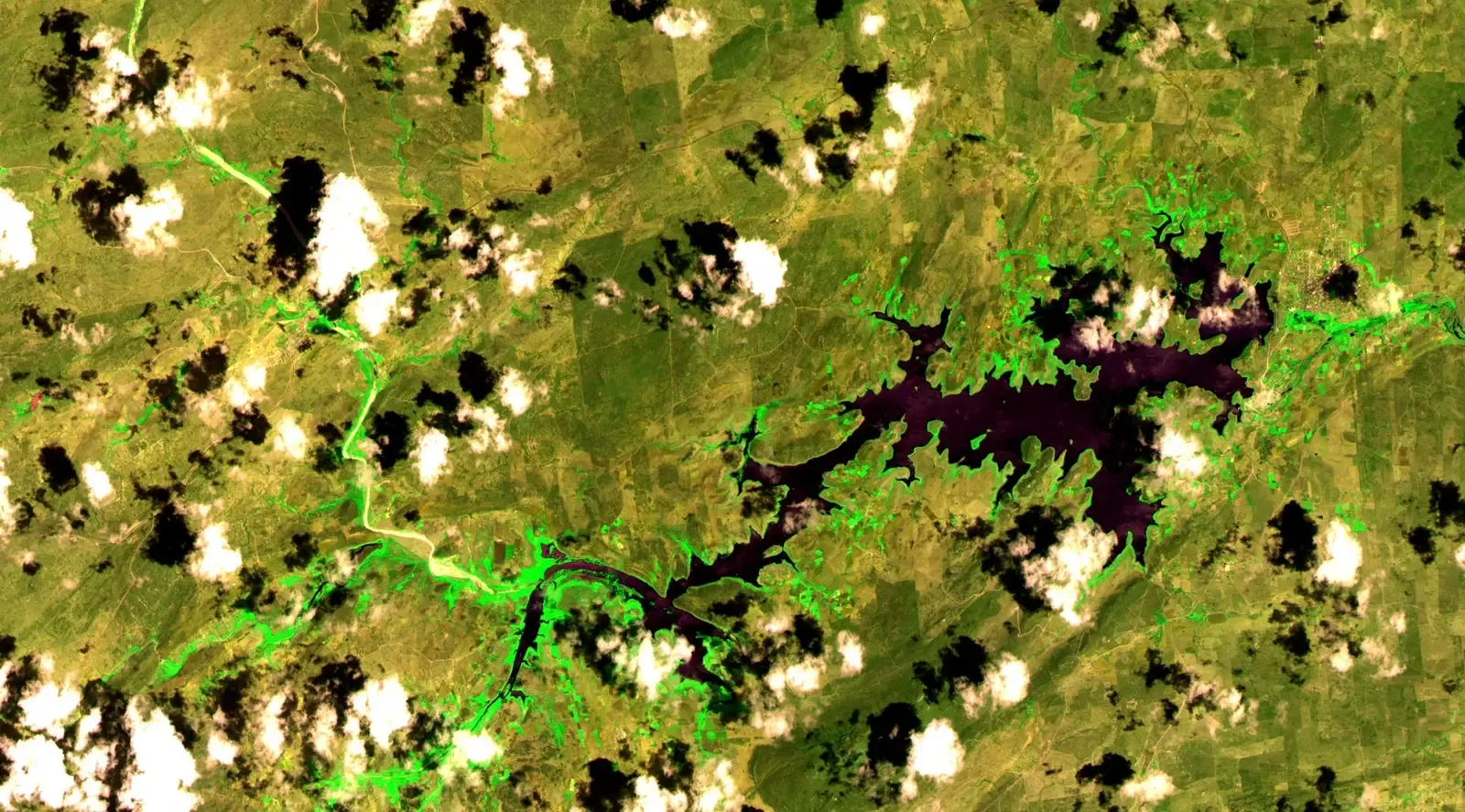
You might be wondering how any civilization sustained itself in soils that modern farmers still struggle with. The answer lies in one of the most remarkable agricultural innovations in human history. Terra preta, literally “black earth” in Portuguese, is a type of very dark, fertile anthropogenic soil found in the Amazon Basin. It owes its characteristic black color to its weathered charcoal content, and was made by adding a mixture of charcoal, bones, broken pottery, compost, and manure to the low-fertility Amazonian soil. A product of indigenous Amazonian soil management, the charcoal is stable and remains in the soil for thousands of years, binding and retaining minerals and nutrients.
Terra preta is a highly fertile, human-enhanced soil created through composting food scraps and organic waste. Covering an estimated 154,000 square kilometers – nearly twice the size of Ireland – terra preta allowed civilizations to thrive in nutrient-poor rainforest soils. A multidisciplinary team of scientists and Indigenous partners suggests the ancient Amazonians intentionally created the rich soil thousands of years ago to better foster their crops, and that their modern-day descendants are still making new terra preta today. I think that is one of the most quietly astonishing facts in this entire story.
How European Colonization Erased a World
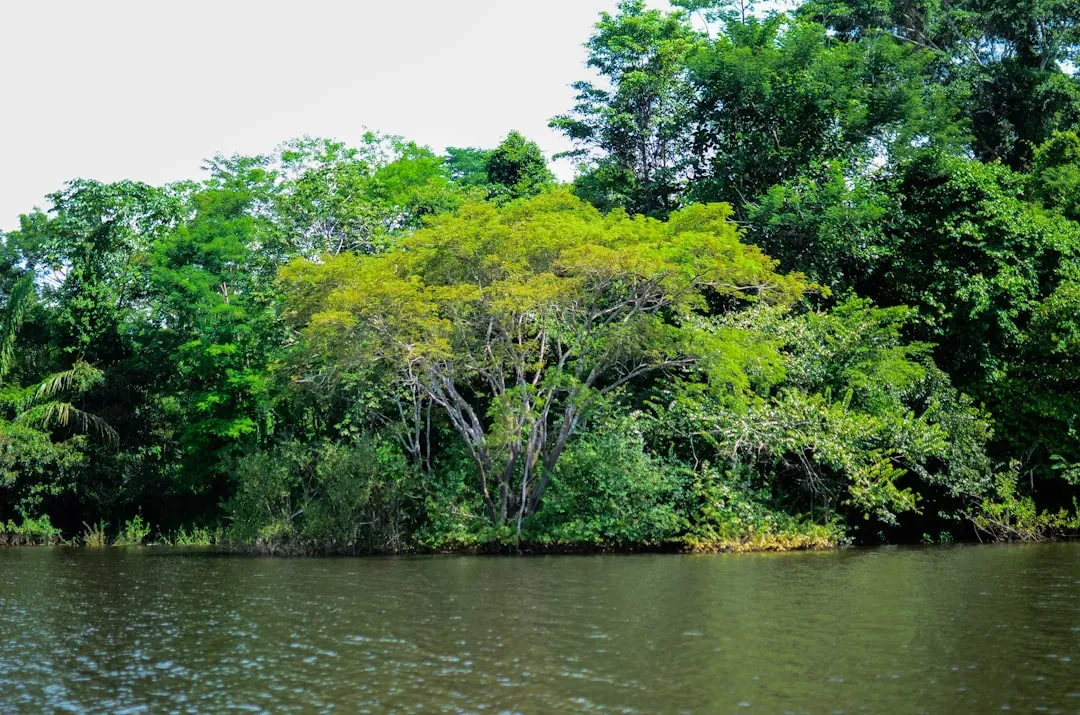
So why did it take us so long to find all of this? The painful answer has everything to do with what happened after European contact. The arrival of European colonists brought devastating consequences to the region. Waves of conquest, disease, and forced assimilation led to the collapse of many Indigenous populations, leaving their urban centers abandoned and eventually consumed by the rainforest, quickly disappearing beneath trees and undergrowth. An entire civilization, swallowed whole.
Population estimates for the pre-Columbian Amazon Basin range from a few million people to up to ten million. After the population collapse following the European conquest, these communities were largely forgotten. Recent scientific research has helped to reconstruct the story of these lost settlements. Many tribes today are direct descendants of those who built these lost cities, and their oral histories, spiritual traditions, and ecological knowledge are invaluable resources in reconstructing the Amazon’s rich past. The descendants of this civilization are still there. They never left.
What Still Lies Hidden and Why It Urgently Matters
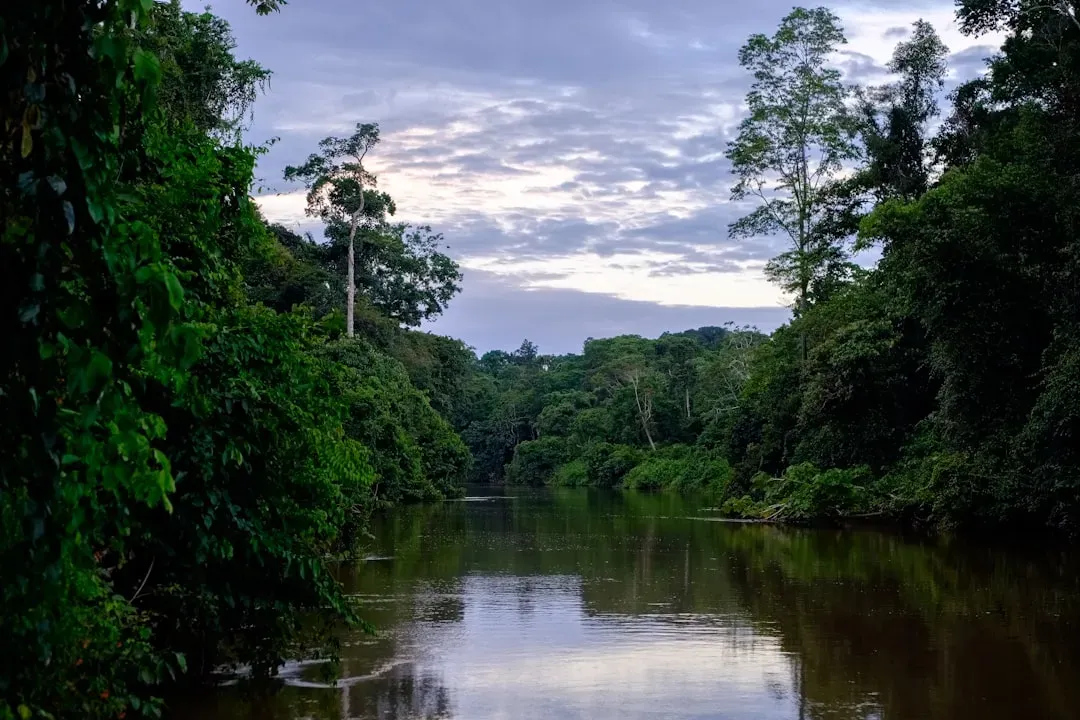
By applying statistical models, researchers suggest that anywhere from 10,000 to as many as 24,000 undiscovered earthworks could still be concealed beneath the dense foliage of the Amazon rainforest. Let that number sink in for a moment. What has already been found is likely just the opening chapter of an enormous, still-unwritten history. As one archaeologist put it, “It’s amazing that we can still make these kinds of discoveries on our planet and find new complex cultures in the twenty-first century.”
The urgency is real, though. The Amazon is changing rapidly. Forests are being eliminated to promote farming, ranching, energy production, and the roads and dams that support such efforts. Many of those undisturbed areas, with their hidden records of past cultures, won’t remain so for long. Understanding the history of ancient Amazon civilization is not merely academic – it has real-world implications for how we approach sustainability, indigenous rights, and conservation. The agricultural techniques and forest management strategies developed thousands of years ago could inform modern ecological practices and climate resilience efforts.
Conclusion
The story of the Amazon’s lost cities is not just an archaeology story. It is a story about how thoroughly we misread one of the most important chapters in human history – and how remarkable it is that modern science is slowly giving it back to us. Cities, roads, engineered soils, and garden civilizations were flourishing in the Amazon for well over two millennia, completely hidden from view beneath one of the world’s densest forests.
What makes this especially moving, if you think about it, is that the forest itself acted as the keeper of these secrets. Every tree planted over an ancient road, every root weaving through an abandoned platform – it was all preservation in disguise. The rainforest didn’t erase these civilizations. It sheltered them, waiting for us to finally develop the tools to listen.
As researchers continue scanning, dating, and excavating, the Amazon is gradually revealing itself not as a pristine wilderness, but as a once-thriving human world unlike anything most of us ever imagined. The real question now is: how much of that world can we uncover before deforestation takes it away forever? What do you think – does this change the way you see the Amazon? Share your thoughts in the comments below.
Hi, I’m Andrew, and I come from India. Experienced content specialist with a passion for writing. My forte includes health and wellness, Travel, Animals, and Nature. A nature nomad, I am obsessed with mountains and love high-altitude trekking. I have been on several Himalayan treks in India including the Everest Base Camp in Nepal, a profound experience.