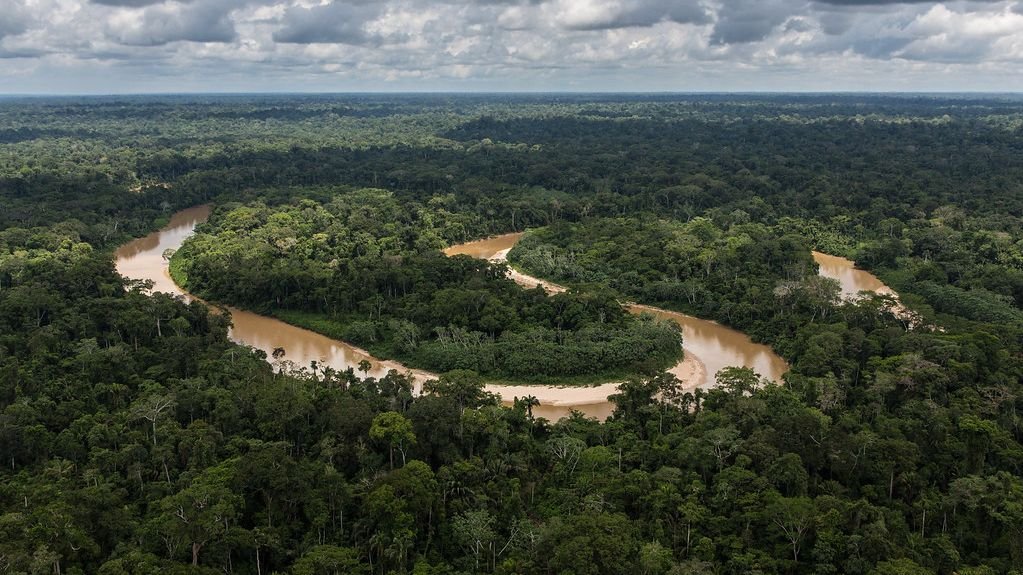

If you could stand above the Amazon and look down from the sky, you’d see an ocean of green pulsing with life, breathing in and out in slow motion. You might have heard it called the lungs of our planet and wondered if that’s just a pretty phrase or if it actually means something real. Once you start to understand how this vast forest quietly shapes your climate, your weather, and even the air you breathe, that nickname stops sounding poetic and starts sounding like a warning label.
In this article, you’ll walk through what the Amazon really does for you, far beyond postcard images of jaguars and giant trees. You’ll see how its trees move water like a hidden pump, how its soils store carbon like a gigantic underground bank, and how your own choices are tied to what happens thousands of miles away. By the end, you may not look at a cup of coffee, a steak, or even a map of South America the same way again.
How the Amazon Breathes: The Science Behind the Metaphor
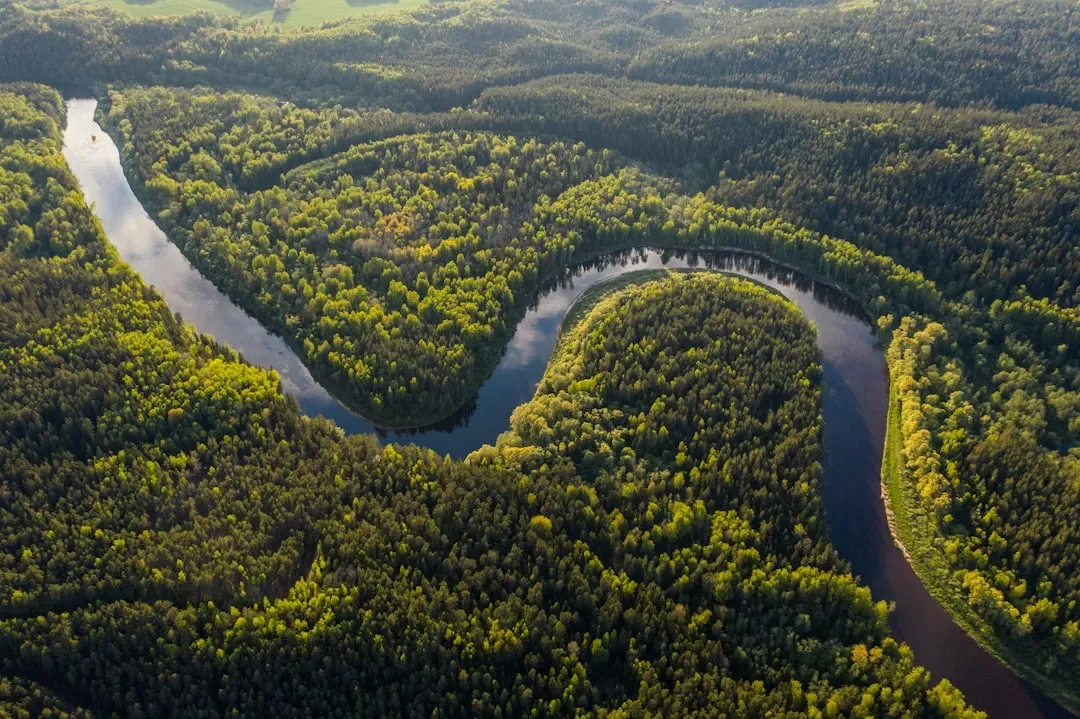
When you hear that the Amazon is the lungs of the Earth, you might imagine it constantly pumping out oxygen for you to inhale. In reality, it’s more like a massive, living exchange system, inhaling carbon dioxide and exhaling oxygen during the day, then burning some of that oxygen back at night through respiration. Over a full year, an old, stable forest like the Amazon roughly balances what it produces and what it uses up, so it’s not a magical oxygen factory that endlessly tops up your atmosphere.
What really makes the Amazon special is the sheer scale of that exchange and the way it supports life. You’re looking at hundreds of billions of trees and plants acting together, constantly processing air and energy, supporting animals, insects, and microbes that all depend on that cycle. The metaphor of lungs sticks because, just like your own lungs, the forest is essential to the way the system functions as a whole, even if the exact oxygen math is more complicated than people usually imagine.
Oxygen and CO₂: What the Forest Really Does for Your Air
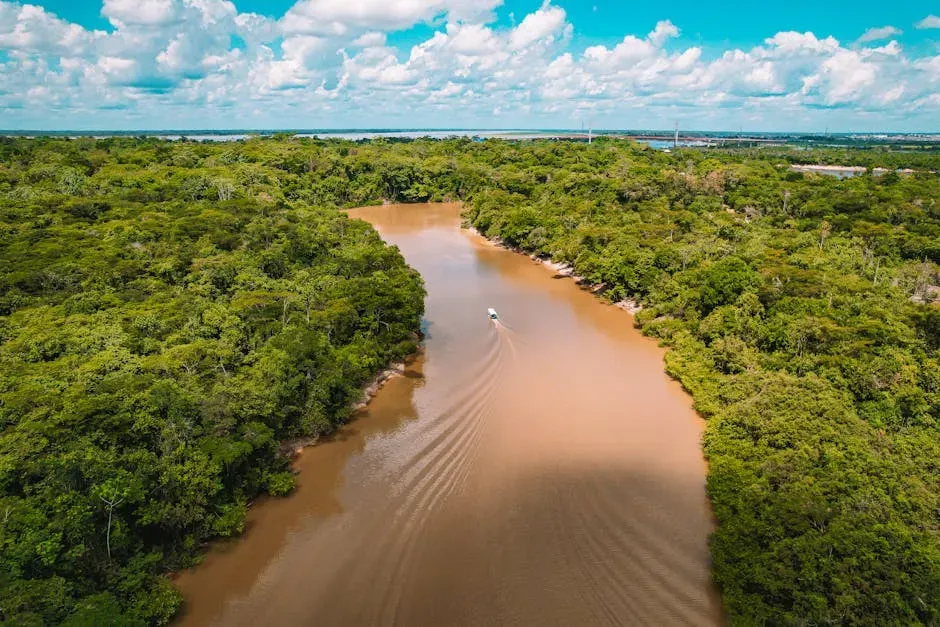
You might be surprised to learn that most of the oxygen in your atmosphere actually comes from tiny marine organisms in the ocean, not from trees. The Amazon does produce a huge amount of oxygen every day through photosynthesis, but most of that gets used up within the forest itself through respiration, decay, and fires. In other words, if the Amazon disappeared tomorrow, the air you breathe would not run out overnight, but the climate balance that makes your life comfortable would be shaken.
Where the Amazon really matters for you is in how much carbon it stores and cycles. The trees, soils, and dead wood in this forest lock up an enormous mass of carbon that would otherwise be floating around your atmosphere as heat-trapping gas. When you protect that carbon stock, you help slow climate change; when it’s cut and burned, you effectively turn the forest into a giant smokestack. So even if the lungs metaphor is imperfect, it still points you to the right question: how healthy is the forest that’s helping keep your climate stable?
Rain Factories: How the Amazon Makes Its Own Weather
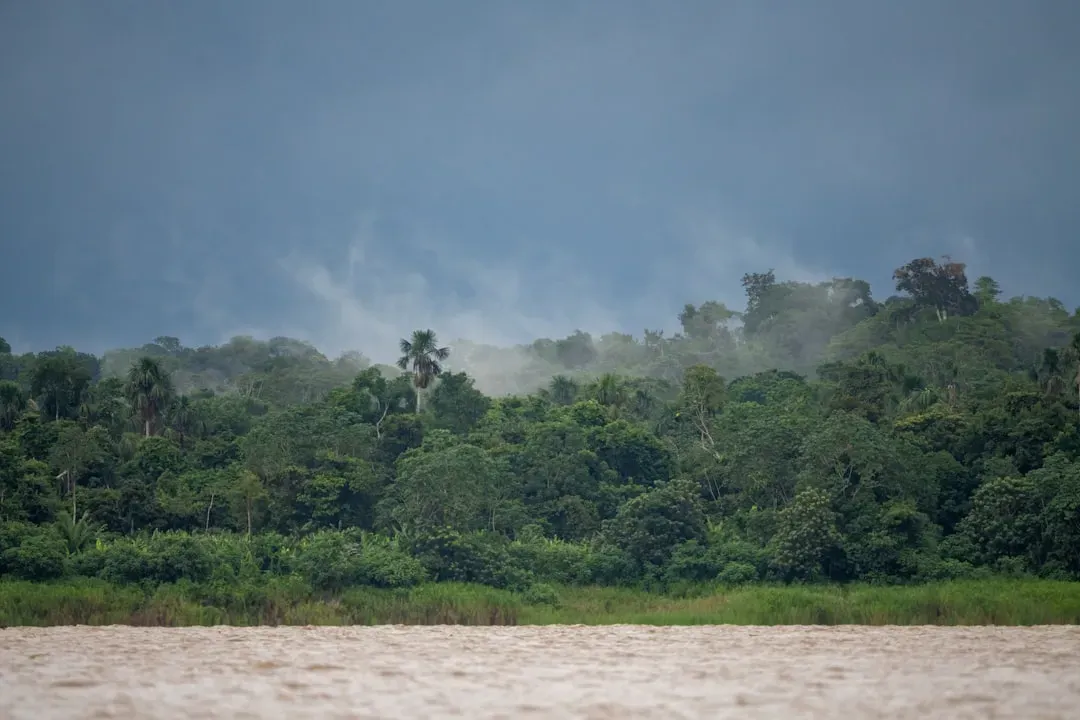
Imagine the Amazon as a living, green engine that evaporates water and sends it into the sky like invisible smoke. Every day, trees pull water from the ground and release it through their leaves, adding enormous amounts of moisture to the air. That moisture rises, cools, forms clouds, and falls again as rain, not just over the forest but far beyond its borders, feeding rivers and farms you may never realize are connected to it.
Scientists sometimes call these flows of moisture flying rivers because they behave like streams of water in the atmosphere, carrying rain from the forest toward other parts of the continent. If you live in certain regions of South America, the Amazon is quietly helping to water your crops and fill your reservoirs. When deforestation reduces the number of trees, those flying rivers weaken, and the entire system starts to dry and destabilize. You end up with a feedback loop: less forest, less rain, more drought, and eventually forests that can no longer recover.
Biodiversity: Why This Forest Is a Global Life Support System
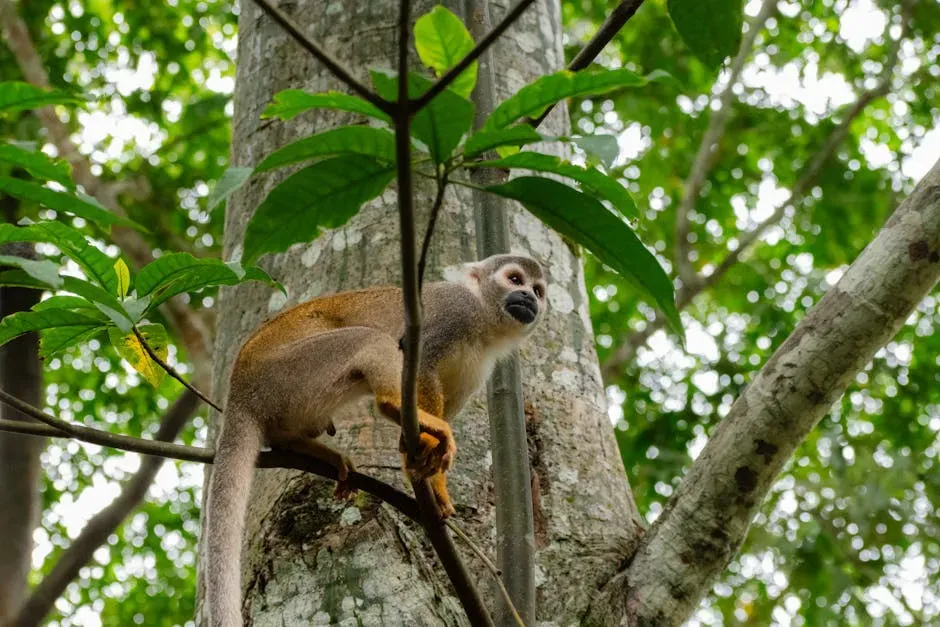
If you walk a single square kilometer in parts of the Amazon, you might pass more tree species than in some entire countries. You’re moving through one of the most diverse places on Earth, where plants, animals, fungi, and microbes have co-evolved in mind-bending complexity. Every leaf and insect is part of an intricate web that supports pollination, seed dispersal, nutrient cycling, and pest control, many of which directly or indirectly support your food, medicine, and economy.
What makes this matter for you personally is that a lot of the things you rely on have roots in this biodiversity, sometimes literally. Painkillers, treatments for heart conditions, and potential cancer therapies have been discovered in Amazon species, and many more remain unstudied. When you lose habitat, you’re not just losing pretty birds; you’re throwing away a library of possible solutions to future health and environmental challenges. That’s part of why scientists get nervous when the forest shrinks: you’re closing doors before you even know what’s behind them.
Carbon Storage: The Amazon as a Giant Climate Bank
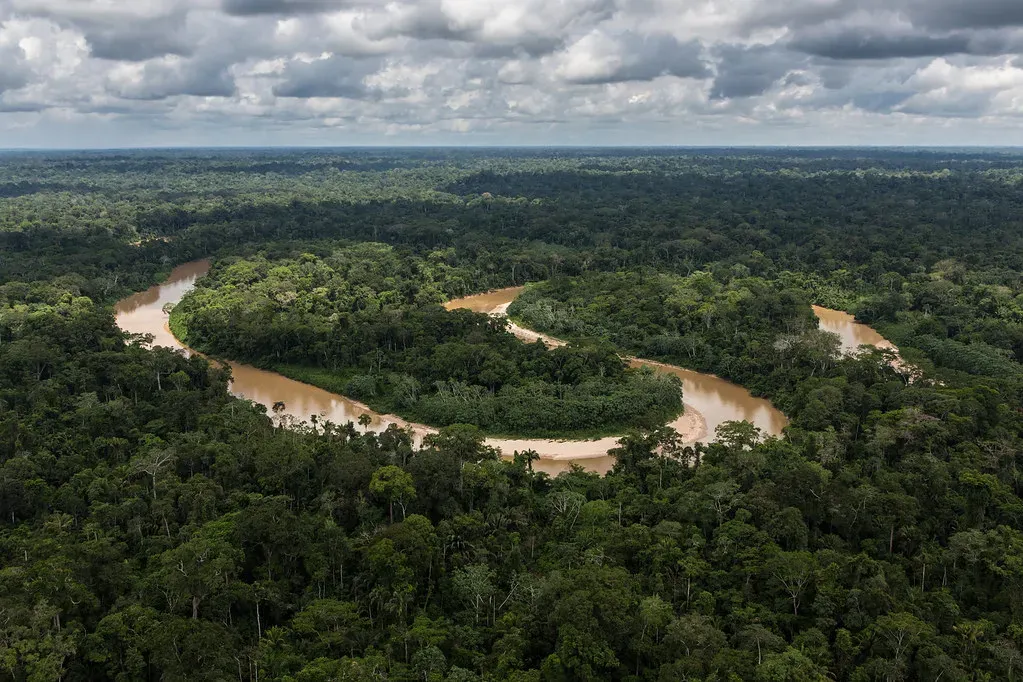
You can think of the Amazon as one of the planet’s biggest climate savings accounts. Every trunk, branch, and root is a deposit of carbon pulled out of the atmosphere and stored in living tissue and soil. For decades, this forest helped slow down global warming by absorbing more carbon dioxide than it released, giving you a crucial buffer while human emissions skyrocketed from fossil fuels.
But like any bank account, if you withdraw more than you deposit, you eventually go into the red. Large-scale deforestation, fires, and the stress of higher temperatures mean some parts of the Amazon are starting to emit more carbon than they absorb. That shift matters directly to you, because it reduces your safety margin and makes climate targets harder to hit. Treating the forest as a short-term resource to be cleared for cattle or crops is like cashing out your long-term savings to cover this month’s bills; it might feel profitable now, but it leaves you more exposed later.
Deforestation, Fire, and the Risk of a Tipping Point
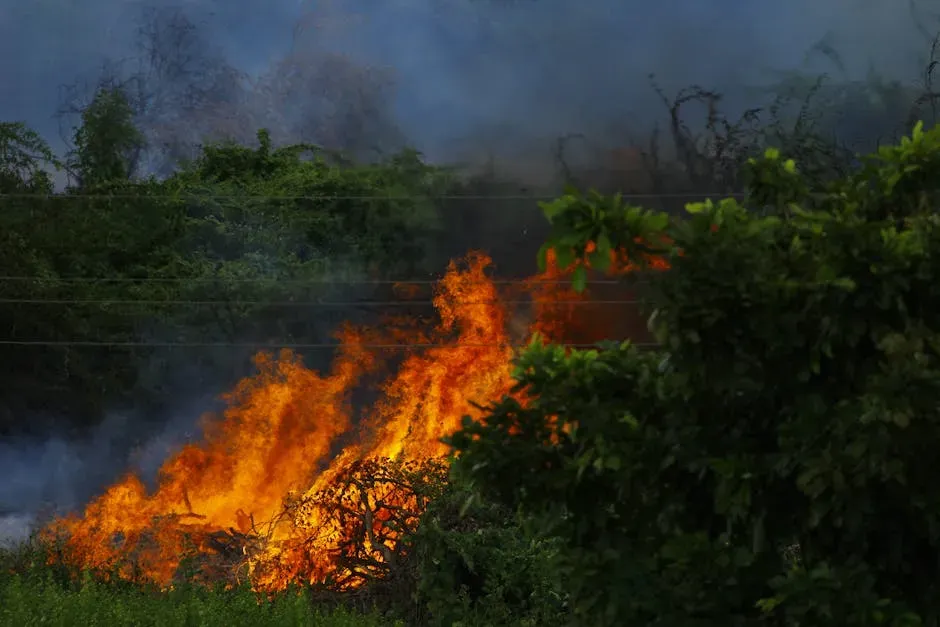
When you hear about a tipping point for the Amazon, it’s not scientific drama, it’s a sobering scenario. As more forest is cleared or burned, rainfall patterns change, the dry season gets longer, and stressed trees become more vulnerable to fire. At some point, large areas may no longer be able to bounce back to lush rainforest and could gradually shift toward a drier, savanna-like landscape.
For you, that would mean a cascade of changes: more carbon released, less moisture pumped into the atmosphere, more extreme heat, and less resilience in the face of climate shocks. The idea that the Amazon could flip from a net carbon sink to a major carbon source isn’t a distant thought experiment; some regions are already showing worrying signs. If you care about avoiding the most runaway climate scenarios, preventing that tipping point is one of the most urgent tasks on the table.
How Global Trade Puts the Forest on Your Plate
You might not see the Amazon when you look at your dinner, but it’s often there, hidden in supply chains. Land cleared for cattle ranching, soy production for animal feed, and other commodities is a major driver of deforestation in the region. When you buy beef, chicken, or processed foods, there’s a chance you’re indirectly connected to pasture or cropland that used to be forest, even if you live far from South America.
This doesn’t mean you’re personally to blame for every tree that falls, but it does mean your choices matter more than you might think. By supporting companies with strong deforestation-free policies and by reducing demand for products linked to forest loss, you send a signal up the chain. You can also support certification schemes, ask questions about sourcing, and choose more plant-based meals. Every shift in demand gives local communities and governments more space to pursue alternatives that keep trees standing while still creating income.
Indigenous Guardians: The People Protecting Your Climate
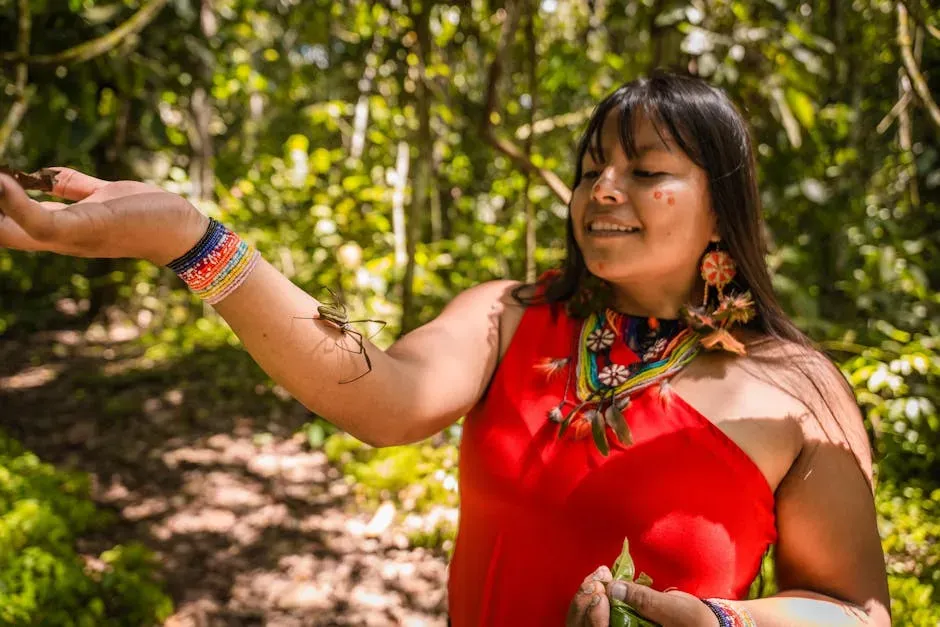
When you picture who’s really on the front line protecting your climate in the Amazon, it’s often Indigenous peoples and traditional communities. Many of them have managed these lands for generations with deep knowledge of the forest’s rhythms, species, and sacred places. Studies repeatedly show that where Indigenous land rights are recognized and respected, deforestation rates tend to be much lower than in surrounding areas.
For you, that means defending human rights and defending climate stability are tightly connected. When Indigenous communities are pushed out, criminal groups and illegal loggers often move in, accelerating forest destruction. Supporting organizations that defend land rights, amplifying Indigenous voices, and pushing for fair participation in climate funding are concrete ways you can help the people who are already doing the hardest work of protection. You’re not just backing a cause; you’re standing with the most effective guardians of one of your planet’s key life support systems.
What You Can Actually Do From Where You Live
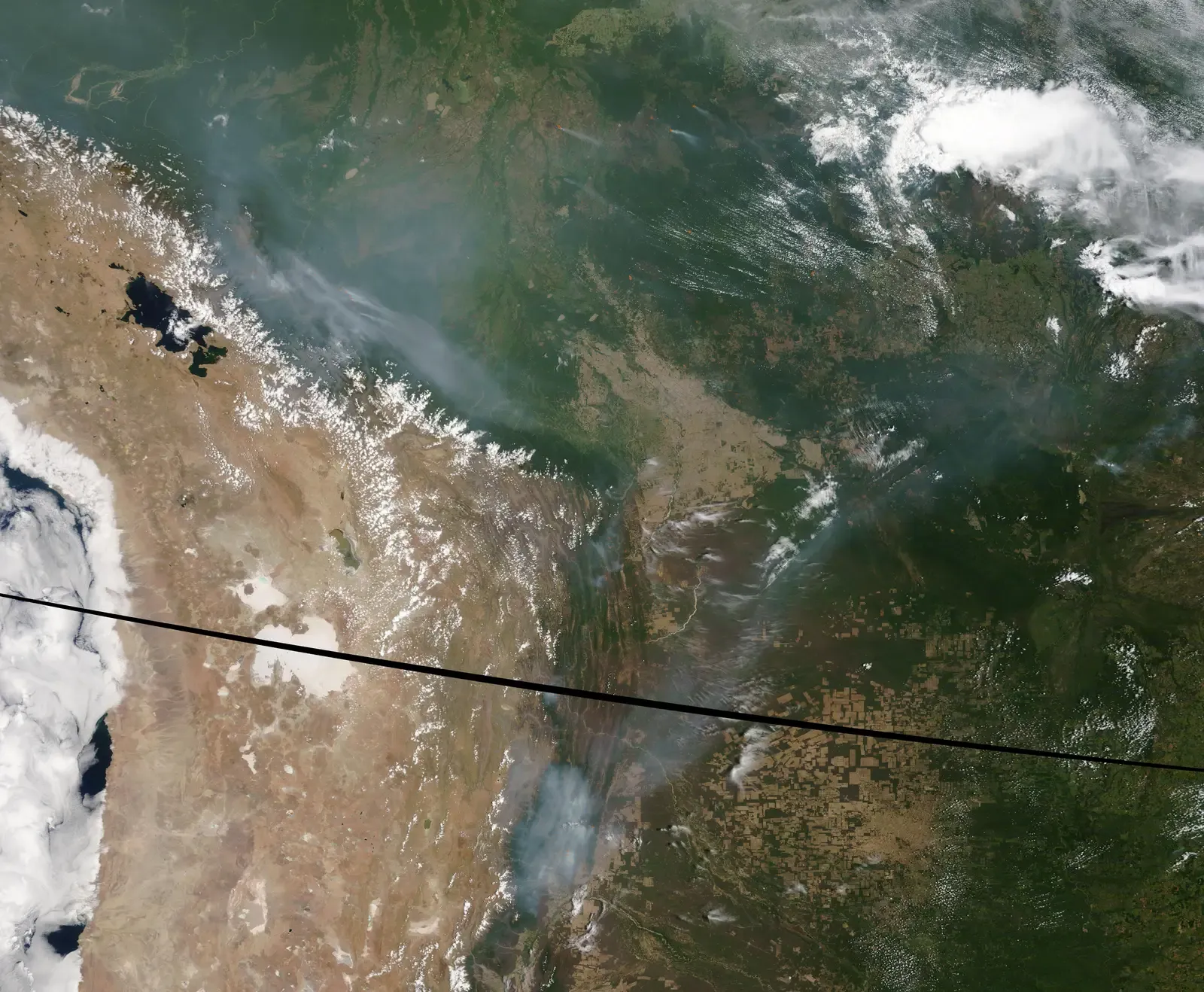
It’s easy to feel small when you look at satellite images of the Amazon and realize how vast it is compared to your life. But your influence travels through your wallet, your vote, and your voice. You can start by reducing support for products tied to deforestation, favoring companies with transparent sourcing, and eating fewer high-impact animal products. You can also donate to credible groups that protect rainforests and support Indigenous rights, turning your concern into direct action on the ground.
Beyond consumption, you can push for stronger policies where you live, because many countries import goods linked to Amazon deforestation. Supporting trade rules, climate agreements, and financial regulations that reward forest protection makes a bigger difference than you might expect. Talking about the Amazon with friends, family, and colleagues keeps it from being just a distant news story and turns it into a shared responsibility. You may never set foot under its canopy, but your choices help decide whether those trees are still standing in a few decades.
In the end, calling the Amazon the lungs of our planet is less about perfect science and more about a truth you can feel: you’re connected to this forest whether you notice it or not. It shapes your weather, helps buffer your climate, shelters astonishing life, and holds cultural worlds that have survived for centuries. The real question is not whether the metaphor is flawless, but whether you’re willing to help keep this living system breathing strong for the generations who come after you. What role do you want to say you played when they ask what happened to the great forest that once held up their sky?