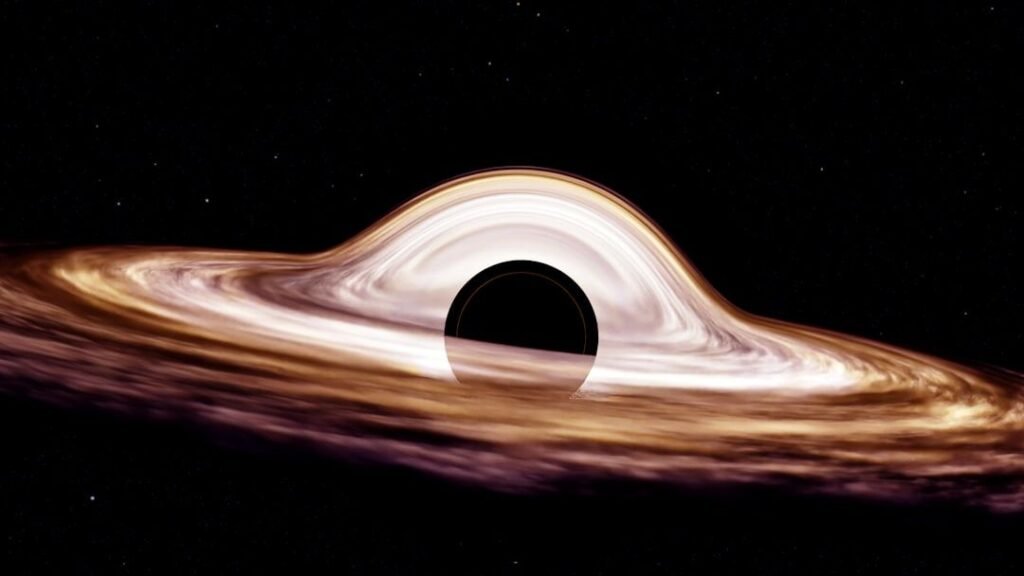
If you grew up thinking of a black hole as a kind of cosmic vacuum cleaner that simply swallows everything and disappears into nothing, you’re selling the universe wildly short. Black holes are not empty gaps in space; they’re some of the most extreme, massive, and influential objects you can possibly imagine. When you look at a galaxy in a telescope image, you might not see them, but at the heart of many of those pinwheel swirls sits a black hole so heavy it makes your sun look like a speck of dust.
Once you realize that these invisible beasts help shape entire galaxies, regulate star formation, and even bend time itself, you start to see them less as scary voids and more as essential engines of the cosmos. You’re living in a universe that’s quietly run, in part, by things you can never directly see, only infer by their gravity and their glow in surrounding matter. That’s the strange magic of black holes: they’re both terrifying and deeply beautiful, and they’re a lot more “there” than you might have ever imagined.
What a Black Hole Really Is (And What It Definitely Isn’t)
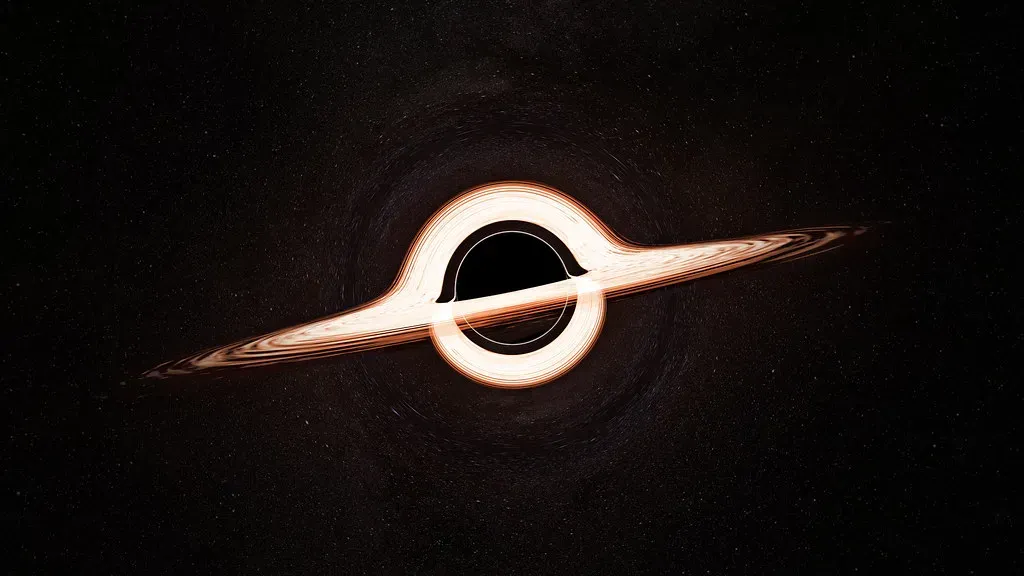
When you hear the phrase “black hole,” your brain might picture an empty hole in space, like a missing puzzle piece in the fabric of the universe. In reality, a black hole is the opposite of empty: it’s a compact object where a huge amount of mass is crushed into an incredibly tiny volume. You’re dealing with matter so dense that the escape velocity at a certain boundary becomes greater than the speed of light, which is why not even light can get out once it crosses that line.
That boundary is called the event horizon, and you can think of it like a one-way door: you can fall in, but you can’t climb back out. Inside, space and time are warped to such an extreme that your normal intuition just breaks down. A black hole is not a cosmic drainpipe sucking in everything from miles away; if you replaced the sun with a black hole of the same mass, Earth would keep orbiting almost exactly as it does now. The difference is that you simply wouldn’t see a bright sun in the sky anymore – you’d just be circling an invisible heavyweight.
From Dying Stars to Monsters: How Black Holes Are Born
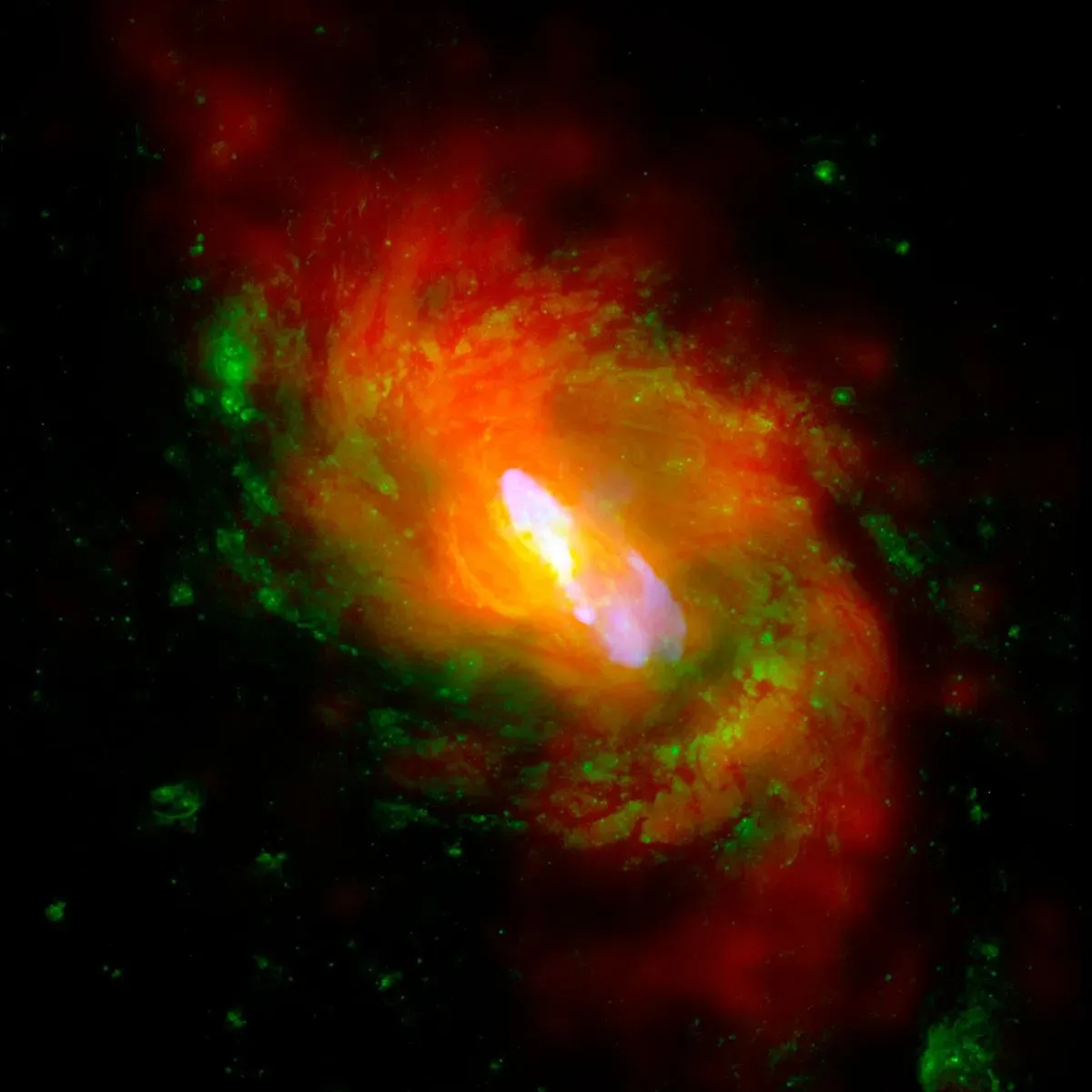
You can trace many black holes back to something much more familiar: massive stars that burn through their fuel and collapse under their own weight. If you look at the end of a very heavy star’s life, you see it run out of the nuclear reactions that push outward, and gravity wins the tug-of-war. In some cases, after a dramatic supernova explosion, the core collapses so hard that it forms a black hole only a few times heavier than the sun, squeezed into an area smaller than a large city.
But the truly mind-bending monsters in the centers of galaxies, the supermassive black holes, most likely grew through a mix of early rapid collapse and long-term feeding. You’re talking about objects with masses millions to billions of times that of the sun, built up through swallowing gas, stars, and even other black holes over billions of years. Astronomers are still piecing together the precise steps, but the pattern is clear: given enough time and fuel, gravity can take a relatively modest seed and grow a cosmic giant that dominates the core of a galaxy.
Gravity Turned Up to Eleven: Spacetime Around a Black Hole
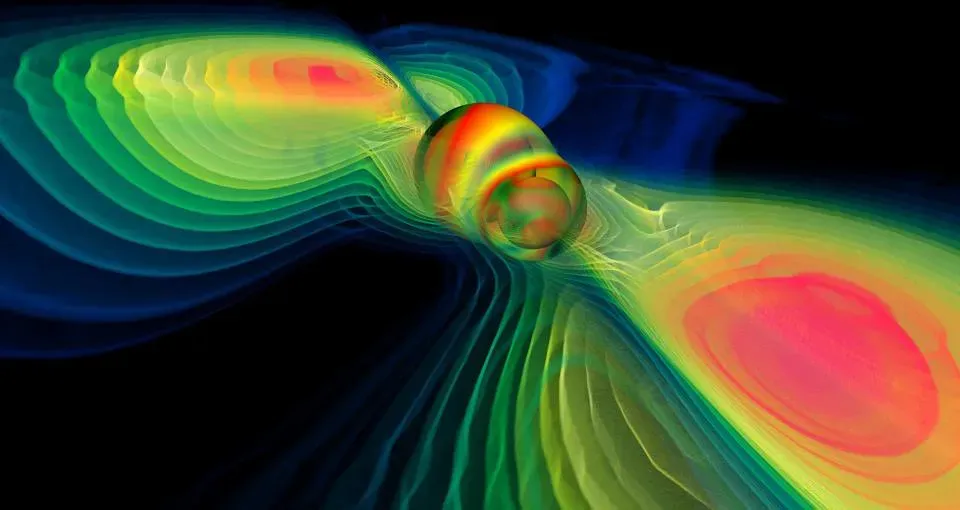
To really get what makes a black hole so strange, you need to picture gravity not as some invisible force pulling on things, but as a warping of space and time themselves. Near a black hole, spacetime is bent so severely that paths of light curve inward, clocks tick more slowly compared to faraway ones, and straight lines are anything but straight. If you could hover near a black hole and look up at the universe, you’d see distant stars and galaxies distorted, smeared, and magnified by the intense curvature.
For someone watching you from a safe distance, your fall toward the event horizon would look eerily slow; it would seem like you never quite reach the edge, because time appears stretched near that boundary. For you, though, you’d cross the horizon in a finite time and continue inward, with tidal forces building to unbelievable levels. It’s like entering a region where nature has turned all the knobs to maximum: gravity is stronger, time behaves differently, and the usual rules you rely on start to blur.
Supermassive Black Holes: The Beating Hearts of Galaxies
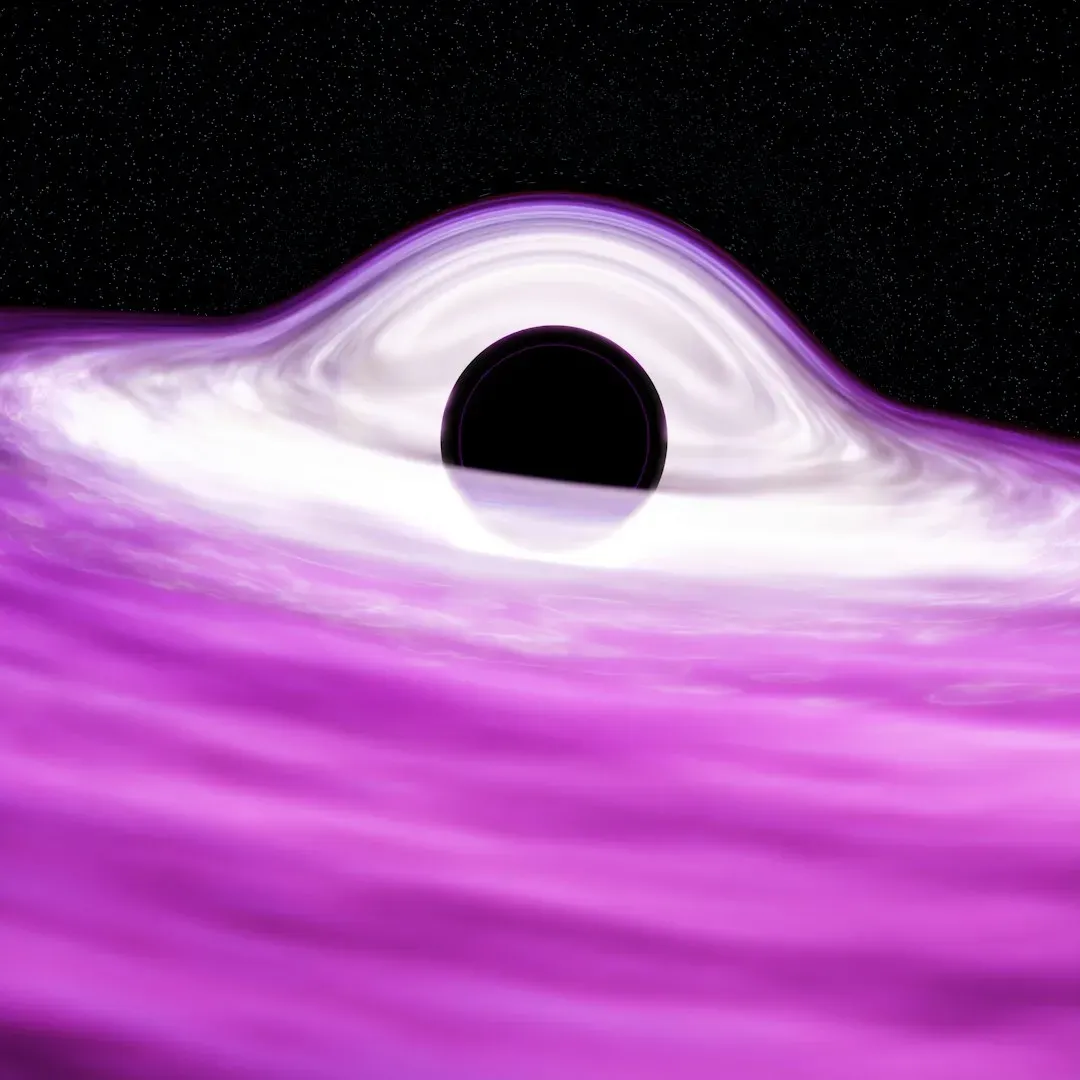
If you zoom out from individual stars and look at entire galaxies, you discover something almost eerie: at the center of many large galaxies sits a supermassive black hole. In your own Milky Way, there’s one weighing in at a few million times the mass of the sun, haunting the core where stars crowd around like bees around a hive. You don’t see it directly, but you see stars whipping around an invisible point at high speeds, revealing the hidden giant they orbit.
These central black holes are more than passive lumps of mass; they’re deeply linked to the galaxies that host them. There’s a surprising pattern where the mass of the central black hole correlates with features of the galaxy’s central region, suggesting that as a galaxy grows, its black hole tends to grow along with it. That kind of connection hints that you can’t fully understand a galaxy’s history without also telling the story of the black hole at its core.
Cosmic Engines: How Black Holes Shape Galaxies
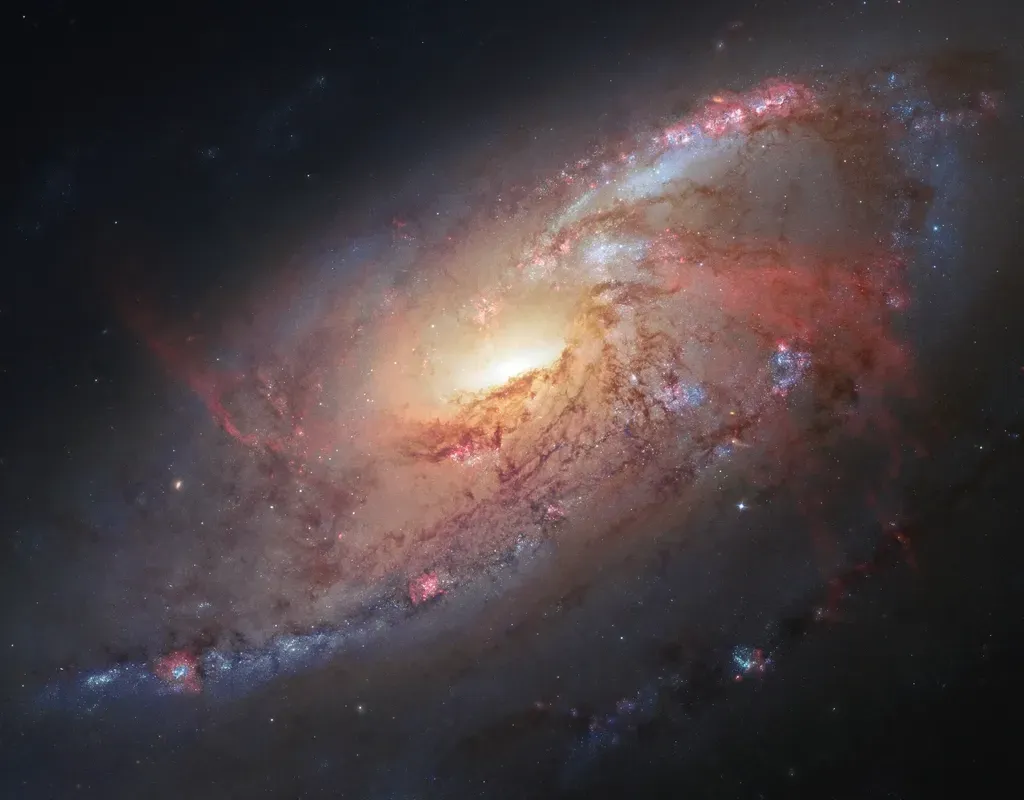
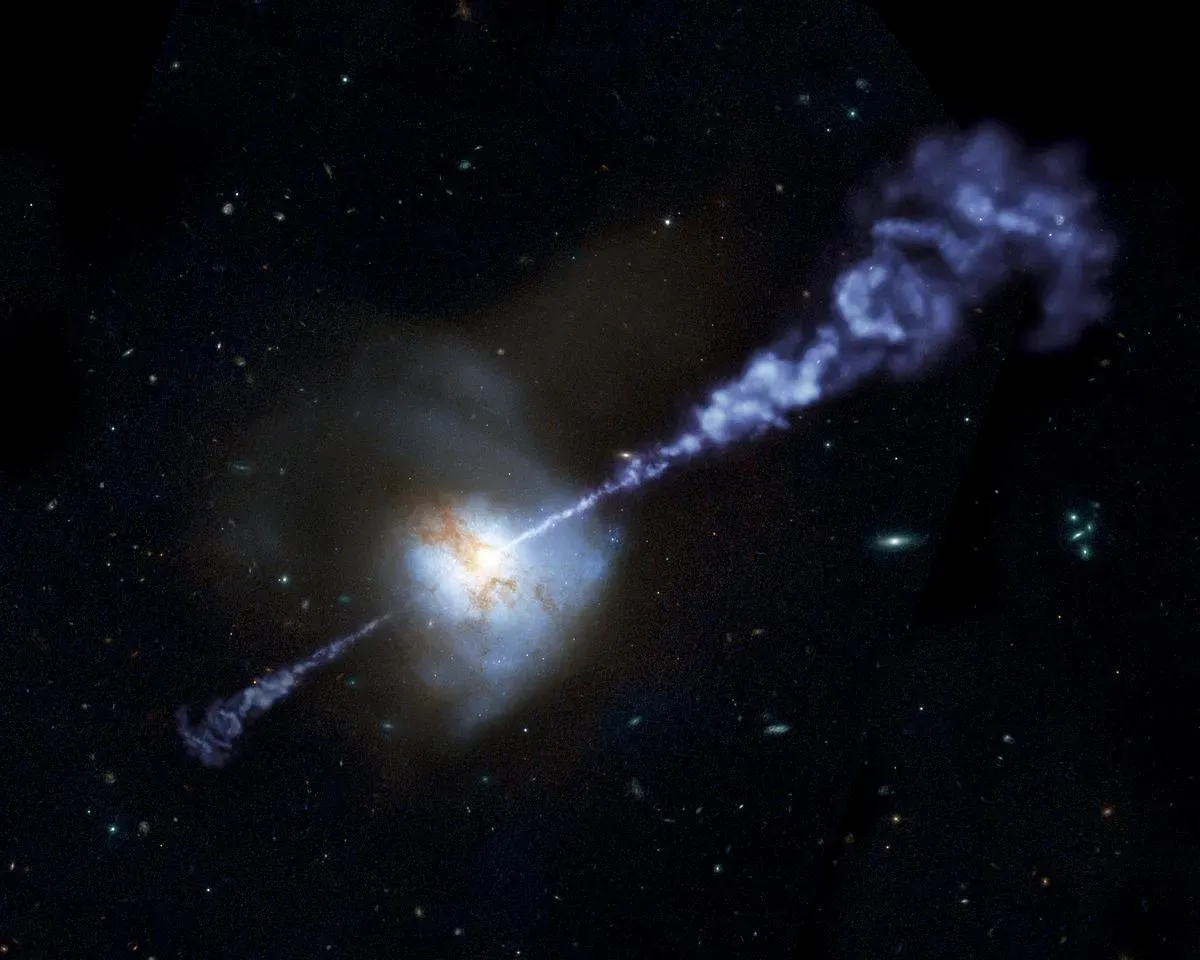
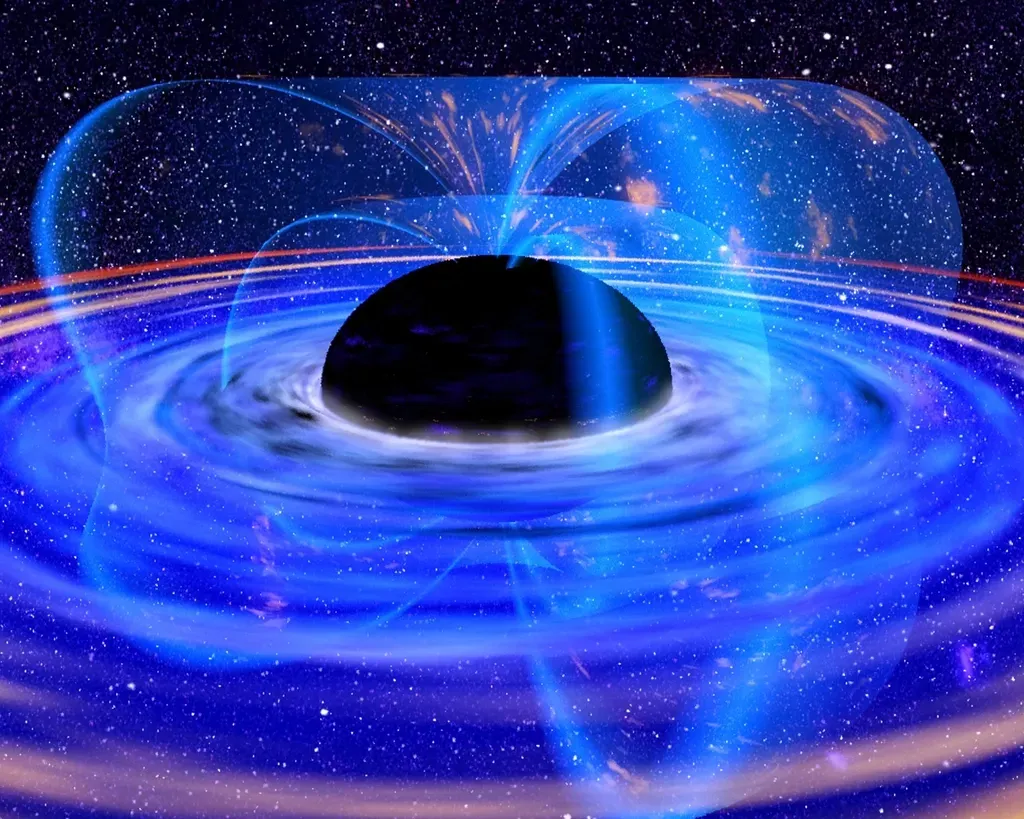
When a black hole actively feeds on gas and dust, it doesn’t quietly nibble away in darkness; it can light up the universe. As matter spirals in through a swirling disk, it heats up to extreme temperatures, blasting out radiation that can outshine the entire galaxy around it. You see this as what astronomers call an active galactic nucleus or quasar, and it’s powered not by magic, but by well-fed gravity turning matter into energy with incredible efficiency.
All that energy streaming back into the galaxy matters more than you might think. It can push gas away, heat up surrounding material, and either trigger or shut down star formation in different regions. In a way, the central black hole acts like a thermostat for the galaxy, regulating how much raw material is available to build new stars. Rather than being mere bystanders, black holes help decide what kind of galaxy you end up observing: a lively star factory or a quieter, more mature system.
Seeing the Invisible: How You Actually Detect a Black Hole
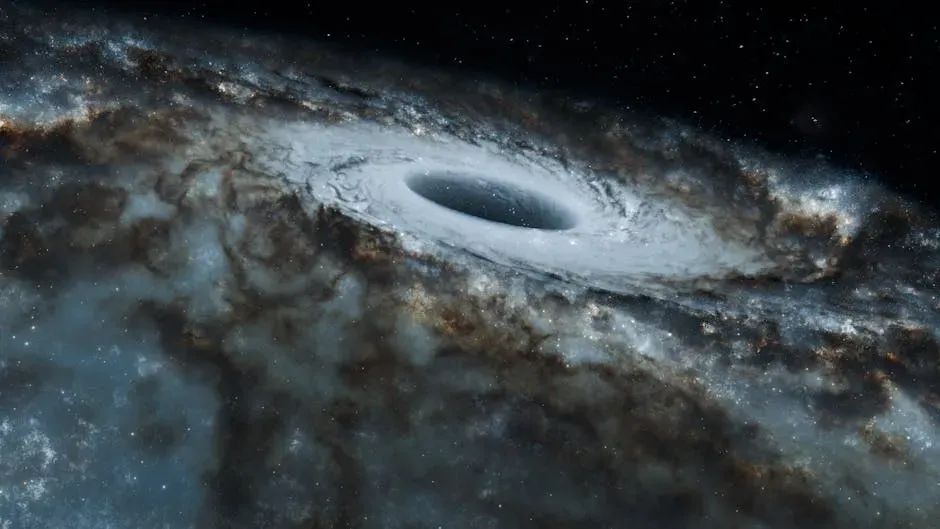
You’ll never see a black hole glowing on its own; by definition, it does not emit light beyond some subtle forms of radiation. Instead, you detect black holes by how they influence their surroundings, a bit like spotting a strong wind by watching trees bend and leaves swirl. If a black hole has a companion star, you might see that star’s orbit wobble in a way that screams “something massive and dark is tugging on me.” You might also see gas in a disk around the hole heating up and radiating strongly in X-rays.
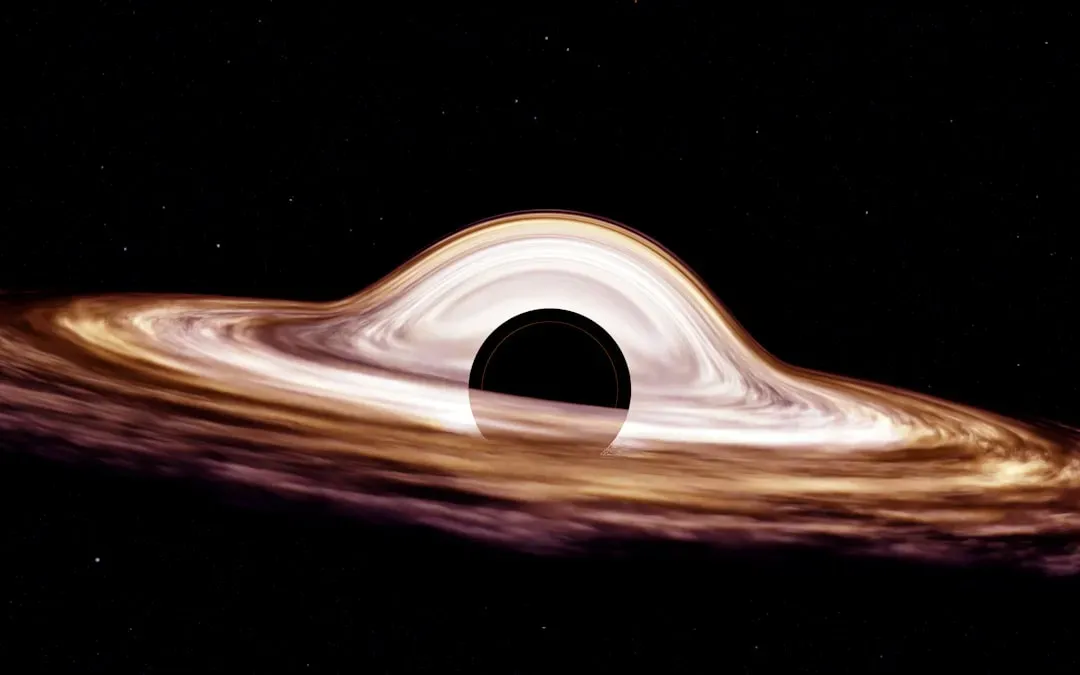
On even more dramatic scales, you now have direct evidence of black holes merging, thanks to ripples in spacetime called gravitational waves. Sensitive detectors on Earth can pick up those tiny distortions when massive black holes collide in distant space, giving you a new way to “hear” black holes instead of just inferring them from light. And in a remarkable leap, radio telescopes working together have produced horizon-scale images of the glowing material around supermassive black holes, revealing bright rings surrounding dark central shadows where light vanishes from view.
Spaghettification and Other Wild Effects Near the Edge
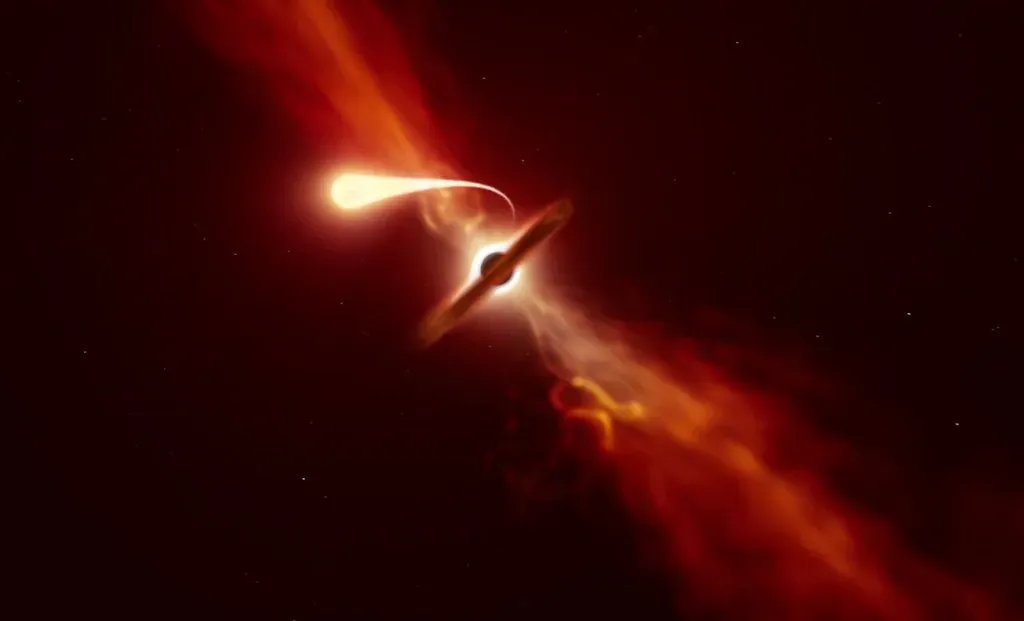
As you approach a black hole, gravity doesn’t pull on every part of you equally; it pulls more strongly on the closer parts and less on the farther parts. This difference can stretch objects in one direction and squeeze them in another, an effect often nicknamed spaghettification. If you fell feet-first into a very small black hole, the pull on your legs would be much stronger than on your head, and the result would be a violent stretching that your body would not survive.
For truly massive black holes, like the supermassive kind at galaxy centers, the tidal forces at the event horizon can actually be gentler, meaning you could cross that boundary without immediately being torn apart. That sounds almost peaceful, but anything that continues inward will eventually encounter regions where the curvature becomes extreme beyond imagination. Near and beyond the horizon, you’re not just dealing with stronger gravity; you’re entering a regime where your usual ideas of distance, time, and cause and effect start to fail in fundamental ways.
Do Black Holes Live Forever? Hawking Radiation and Evaporation
For a long time, it was tempting to think of black holes as eternal prisons from which nothing ever escapes and which never truly change. But when you bring quantum physics into the picture, the story shifts: you find that black holes can slowly emit a faint trickle of radiation. This process, often called Hawking radiation, means that over unimaginably long timescales, a black hole can lose mass and eventually evaporate completely.
For any black hole you’re likely to encounter in the real universe today, that evaporation is absurdly slow, far longer than the current age of the cosmos. In practical terms, your typical stellar or supermassive black hole is effectively stable on human, planetary, and even galactic timescales. Still, the idea that black holes are not perfectly permanent opens up deep questions about what happens to the information carried by the things that fall in, and whether the universe ultimately erases or preserves every tiny detail of its past.
The Information Puzzle: What Happens to What Falls In?
If you throw a book into a campfire, the information in the text is scrambled, but in principle, physics tells you it is still encoded in the smoke, heat, and ash. When you toss something into a black hole, though, you run into a tension between general relativity and quantum theory. From one angle, it looks like whatever falls in is gone behind the event horizon forever, taking its information with it. From another angle, quantum rules insist that information cannot simply vanish without breaking the foundations of physics.
This clash leads to what’s often called the black hole information paradox, and it has kept physicists debating for decades. Some ideas suggest that information is somehow imprinted in subtle ways on the event horizon and carried away in the slow evaporation process, even if you can’t yet say exactly how that encoding works. Others explore more radical possibilities involving new physics at the horizon or inside the black hole. For you, the key takeaway is that black holes aren’t just astronomical curiosities; they sit right at the edge of what we understand about reality itself.
Why Black Holes Matter for Your Picture of the Universe
It’s easy to think of black holes as distant oddities, the kind of thing you only meet in sci-fi stories or dramatic space documentaries. But if you want a realistic picture of the universe you live in, you can’t ignore them. They help shape galaxies, influence the birth of stars, and test your best theories of gravity and quantum mechanics at their limits. Every time a black hole merger sends out gravitational waves, you’re getting another data point in how the universe evolves on the largest scales.
Even though you’ll probably never be anywhere near one in person, black holes still touch your life by deepening your understanding of where you come from and what the cosmos is capable of. They remind you that the universe is not a gentle place of slow, predictable motion, but a wild arena where matter, light, and spacetime themselves can be pushed to extremes. In a sense, learning about black holes is like looking at the universe’s most intense diary entries, where the handwriting is warped but the story is unforgettable.
Conclusion: Meeting the Giants Hiding in the Dark
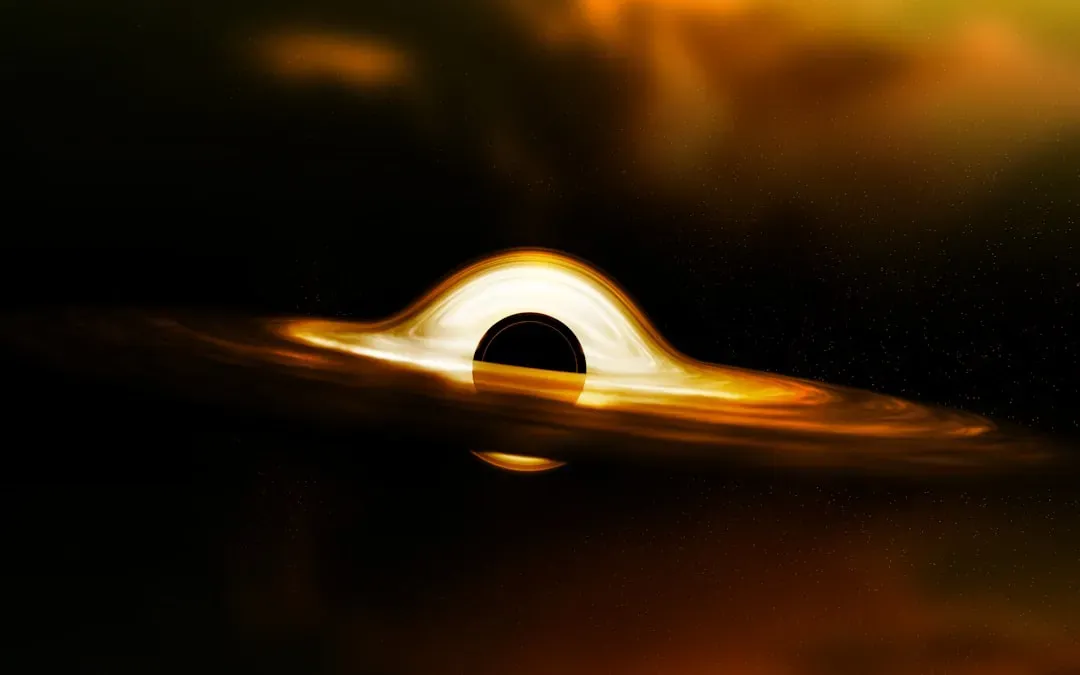
When you strip away the myths and the scary movie aesthetics, a black hole turns out to be less of a cosmic monster and more of an extreme, but natural, outcome of gravity doing what gravity does. You’re not looking at an empty gap in space; you’re dealing with an object so dense and powerful that it bends the rules you’re used to relying on. From the deaths of massive stars to the hearts of galaxies, these giants play starring roles in how the universe builds, shapes, and transforms itself over billions of years.
If you let yourself sit with that for a moment, black holes start to feel less like terrifying unknowns and more like essential characters in the story of everything. They challenge your intuition, stretch your imagination, and force your best scientific ideas to prove themselves under pressure. Next time you see an image of a glowing ring surrounding a dark center or hear news of a distant merger echoing through spacetime, you’ll know it is not just “empty space” you’re looking at, but a genuine cosmic heavyweight. When you picture the universe now, can you really imagine it without its hidden giants steering the drama from the shadows?