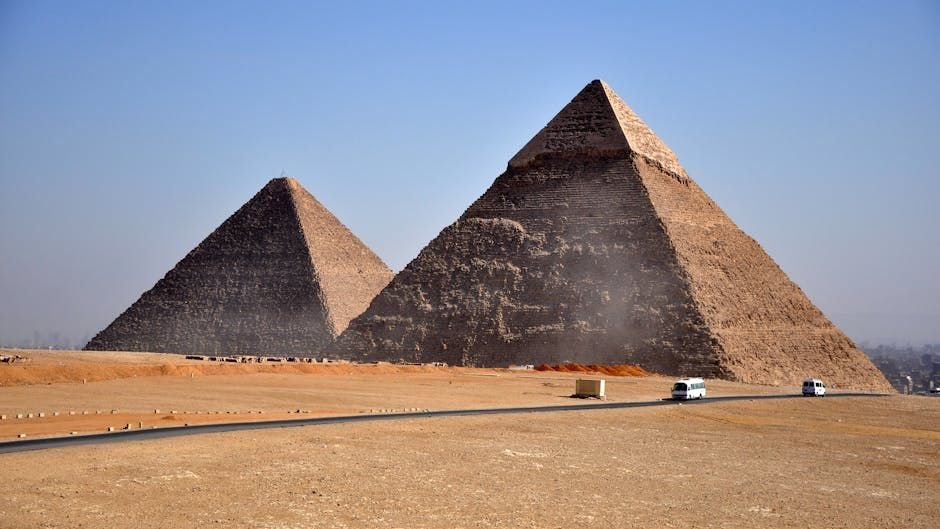

You think you know the Egyptian pyramids: giant tombs in the desert, built by thousands of workers with simple tools and unshakable faith. But the more you look closely, the more those familiar shapes start to feel strange again. The numbers, the alignments, the engineering choices, and even the way the stones fit together silently whisper that you still do not have the full story.
What makes the pyramids so compelling is that they sit at this eerie crossroads between what you can explain and what you can only guess. You can measure them, date them, even read some of the texts left behind nearby – yet crucial pieces of the puzzle are missing. As you walk through what is known, you constantly bump into what is not, and that tension is exactly where the pyramids feel most alive.
The Pyramids You Think You Know… And The Gaps You Don’t
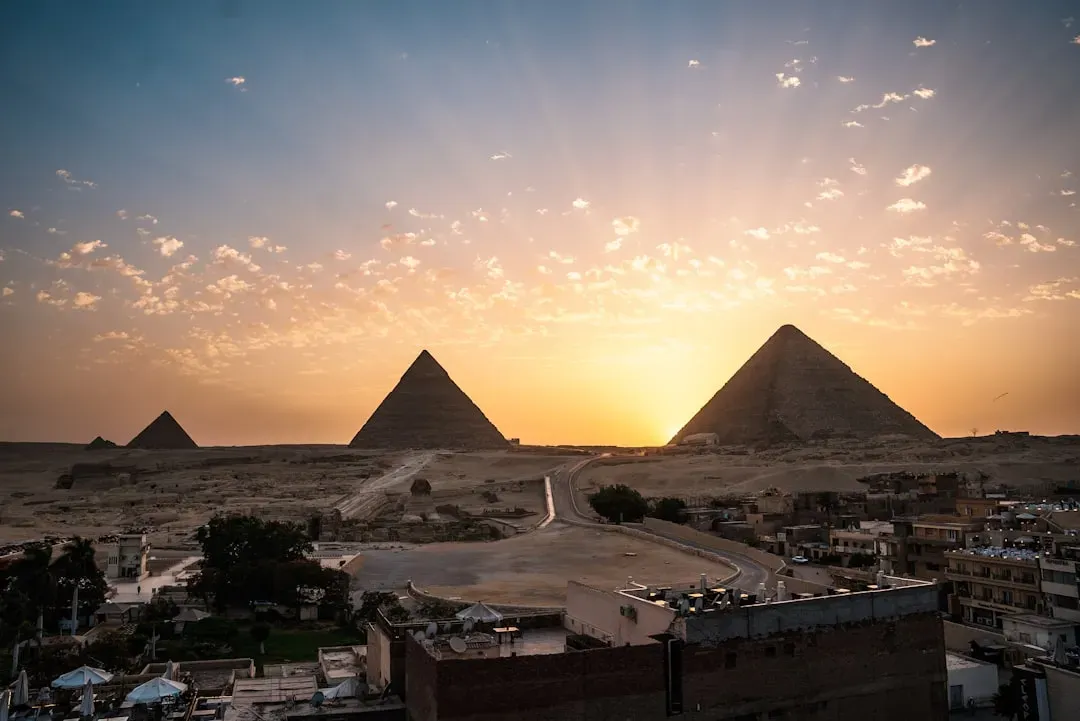
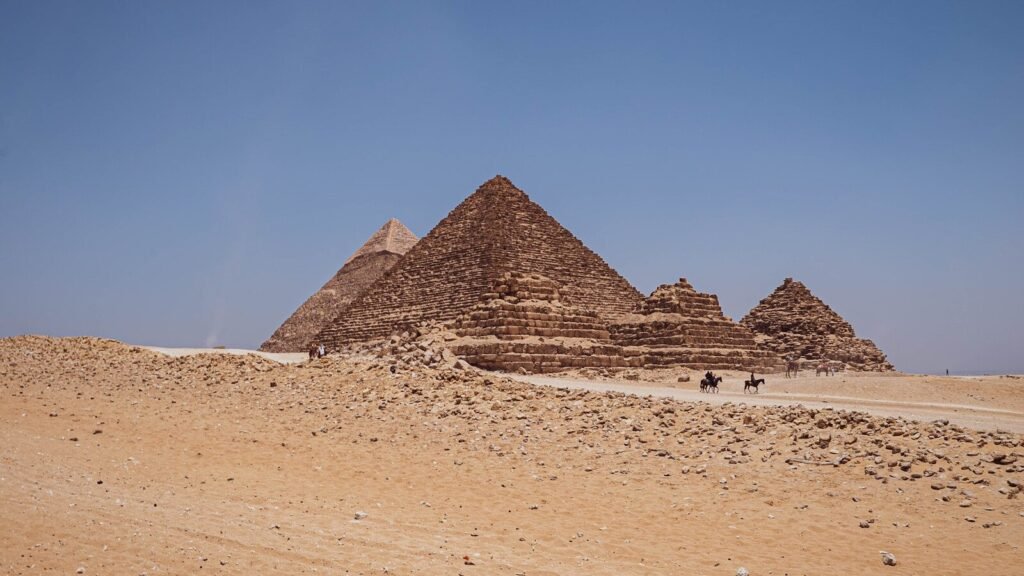
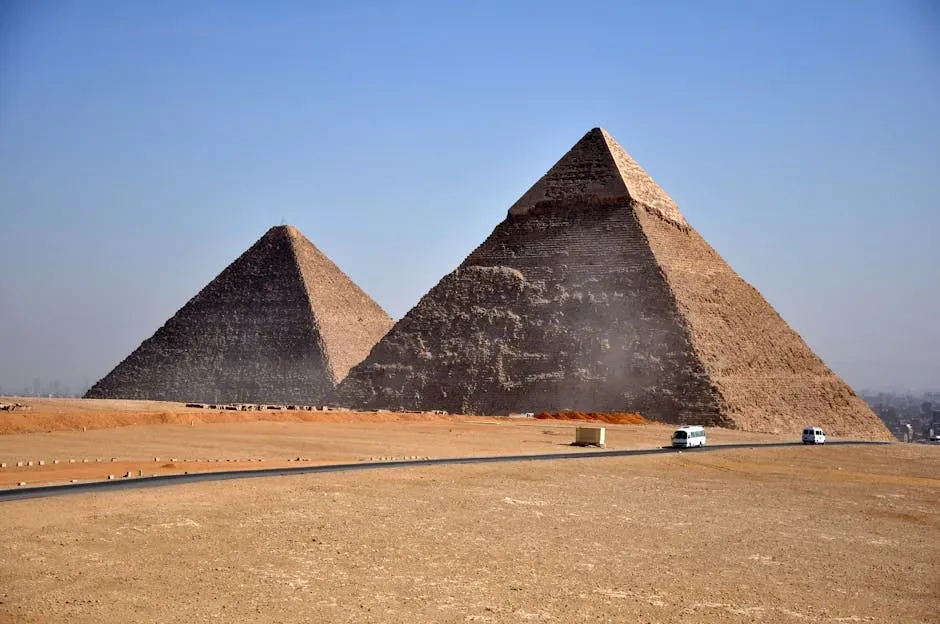
When you picture the pyramids, you probably see the three iconic giants at Giza lined up against the horizon. You are told they were royal tombs, built in the Old Kingdom more than four thousand years ago, and that seems straightforward enough. But as soon as you look for the original, complete explanation of why they were built that way, how the design evolved, and what every chamber was supposed to do, you discover that there isn’t a single, fully agreed-upon answer.
Archaeologists have made huge progress in the last century, but you still live with big blind spots. You are missing building records. You are missing detailed contemporary descriptions of construction. You are missing the personal voices of the people who planned the complex layouts. You are left with stone, fragments of inscriptions, and your own ability to reason things out – so you are always juggling strong evidence, educated guesses, and honest uncertainty.
How Do You Move A Mountain Of Stone Without Modern Machines?
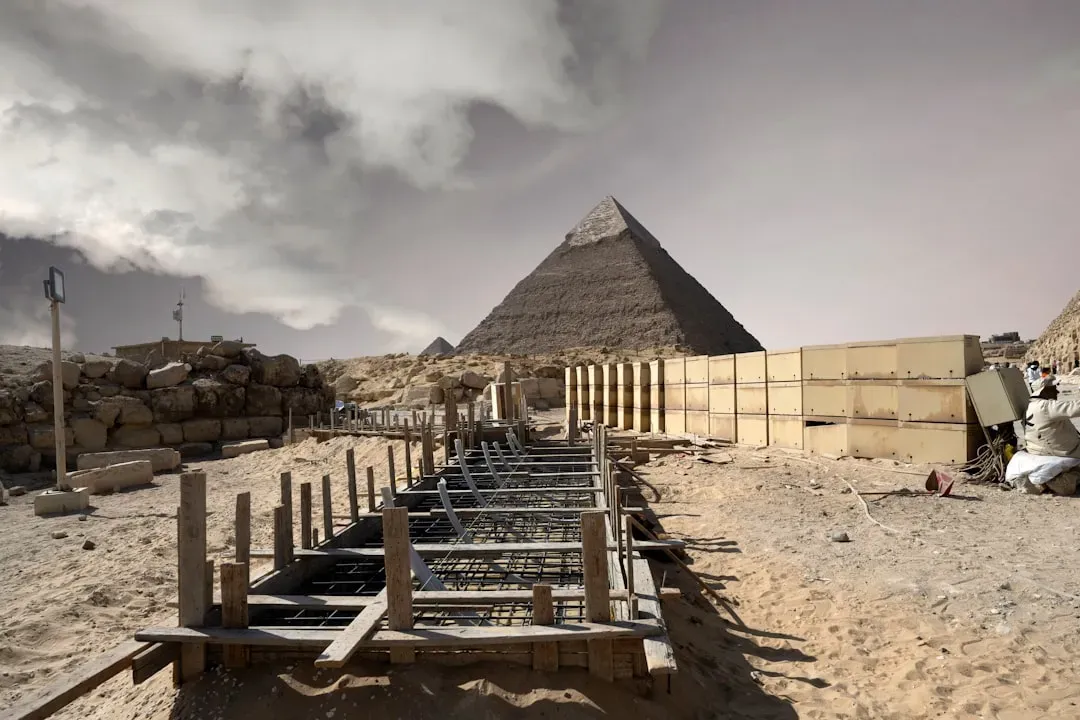
Standing in front of the Great Pyramid, you are basically looking at a controlled mountain: millions of limestone blocks, many weighing more than a small car, stacked to a height taller than many city skyscrapers of a few decades ago. You know the Egyptians had no steel cranes, no trucks, no powered winches, no GPS. Yet they quarried, transported, and set those stones with maddening precision. You can picture ropes, sledges, ramps, and teams of workers – but the exact combination, sequence, and techniques remain debated.
Archaeologists have found traces of ramps and tool marks, and experimental archaeologists have shown you that teams of people can move multi-ton stones on sledges over wet sand. That narrows the field, but it doesn’t close the case. Was there a single straight ramp? A spiraling ramp? Internal ramps hidden in the structure? You are piecing this together from indirect clues, so you are left with competing models rather than one definitive construction manual.
The Obsession With Aligning Stone To The Sky
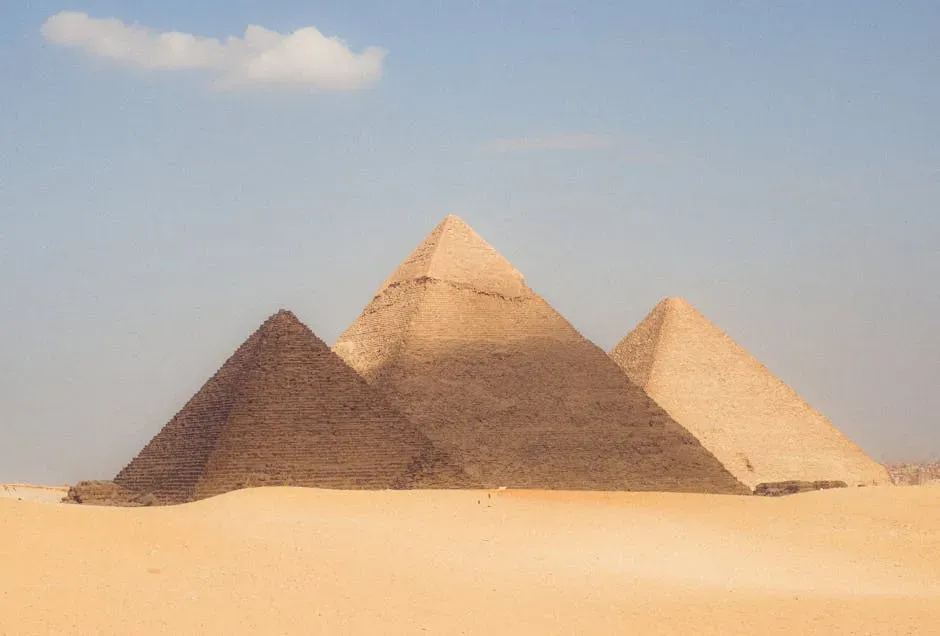
Once you stop staring at the sheer size of the pyramids and start paying attention to direction, you notice something that borders on unsettling: those huge bases are oriented incredibly close to the cardinal points. You are not talking about a rough guess at north and south; you are talking about an alignment that rivals or beats many much later buildings. The edges of the Great Pyramid are almost exactly aligned with true north, south, east, and west, with only tiny deviations.
That raises tricky questions for you. What methods did they use to find true north so accurately without magnetic compasses or satellites? Did they track the motion of specific stars, use the sun’s shadow, or combine multiple techniques over many nights and seasons? You know they were sharp observers of the sky, but the exact measuring routines and instruments they relied on are not fully preserved, so you are left reconstructing their astronomy from the results chiselled into stone.
Hidden Chambers And The Feeling Of A Half-Mapped Monument
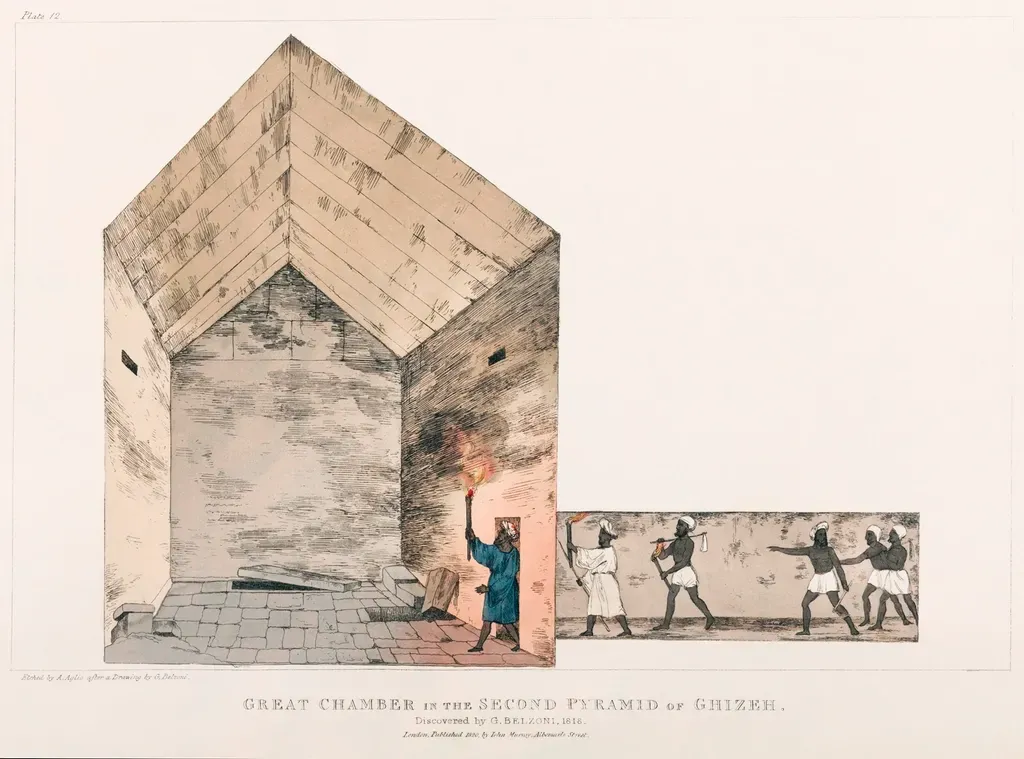
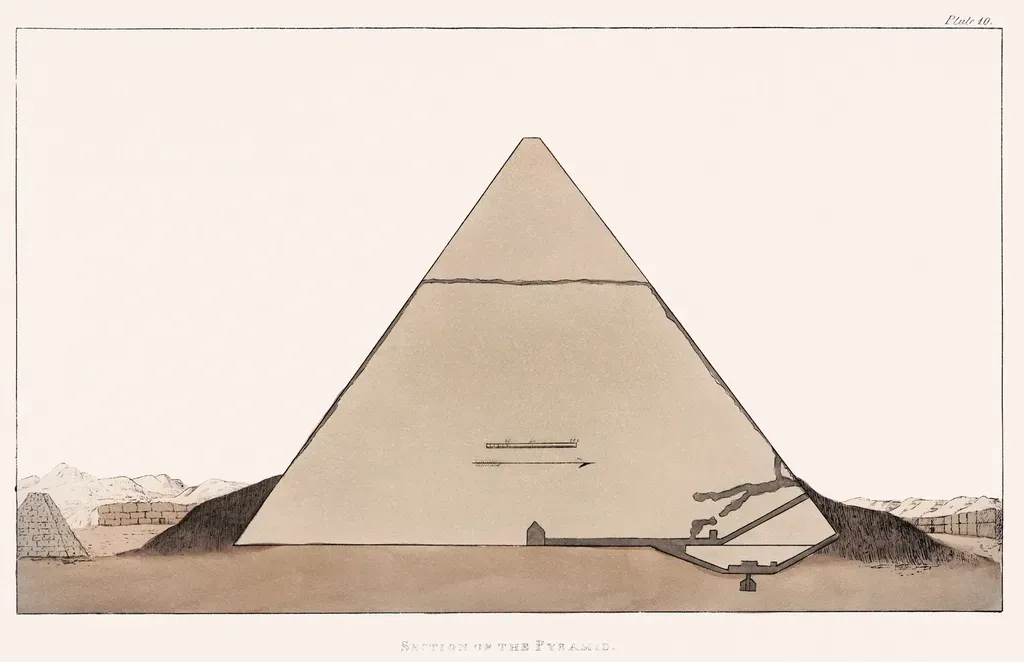
For a long time, you might have believed that the inside of the Great Pyramid was basically mapped: an entrance, some corridors, the so‑called King’s and Queen’s Chambers, and a few shafts. But modern scanning techniques have shaken that confidence. Using methods that detect subtle changes in density, researchers have found mysterious voids and anomalies that look like hidden spaces you have not physically explored yet. Suddenly, a structure you thought you knew starts to feel like a building with locked rooms behind the walls.
This does not mean there is a lost treasure room waiting for you, and you should be wary of the most dramatic claims. But it does mean the internal architecture is more complex than the classic diagrams in schoolbooks suggested. You are being forced to admit that even after centuries of exploration, you may still be missing structural cavities, relieving spaces, or chambers with an unknown purpose. The pyramid is no longer just a solved puzzle; it is a live investigation.
Why This Shape, At This Scale, For The Afterlife?
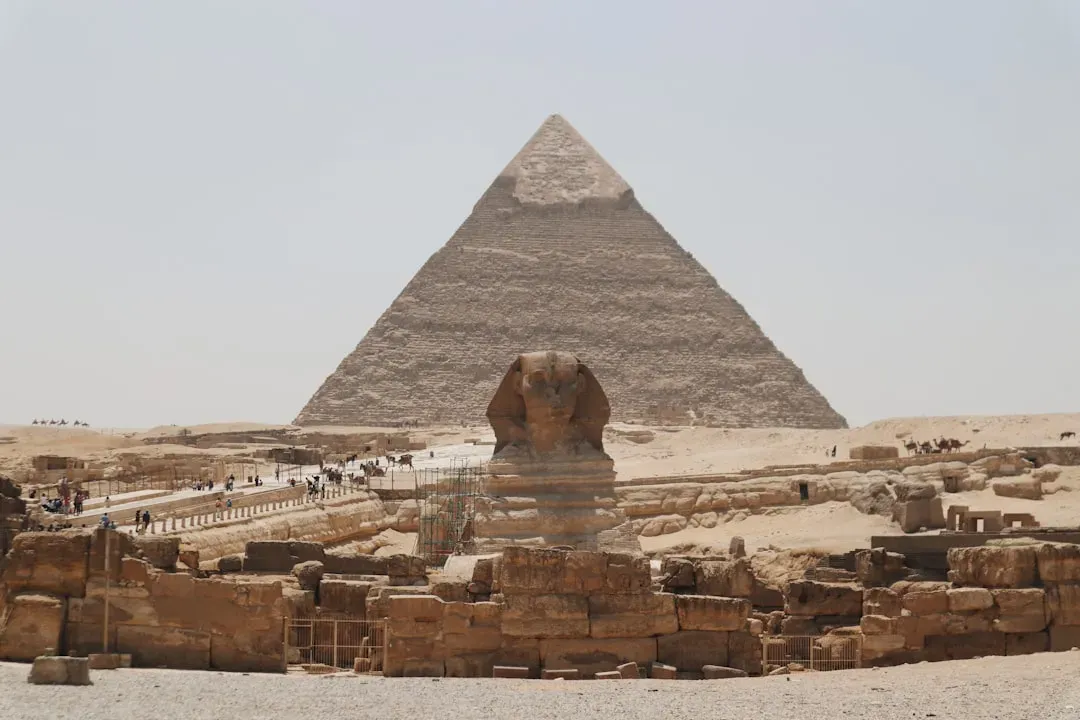
You often hear that pyramids were built as tombs, and that is broadly supported by archaeological evidence from other royal complexes. But when you try to get inside the mind of the people who decided that a pharaoh’s burial should take the form of a geometric mountain of stone, you quickly realize how much you are still guessing. Did they see it as a symbolic staircase to the heavens? A solidified ray of sunlight? A sacred artificial hill echoing older creation myths?
Egyptian religious texts written around and after the pyramid-building era connect kings, stars, and the afterlife in rich symbolic language. You can see how the pyramid might act as a sort of cosmic machine, a stable, eternal anchor linking earth and sky. Yet no ancient architect left you a clear written manifesto saying why this angle, why this scale, and why these internal pathways. You infer from scattered spells, iconography, and context, but you never get that direct, fully satisfying “because we believed X, we built Y” explanation.
Workforce, Logistics, And The Myth Of Slaves
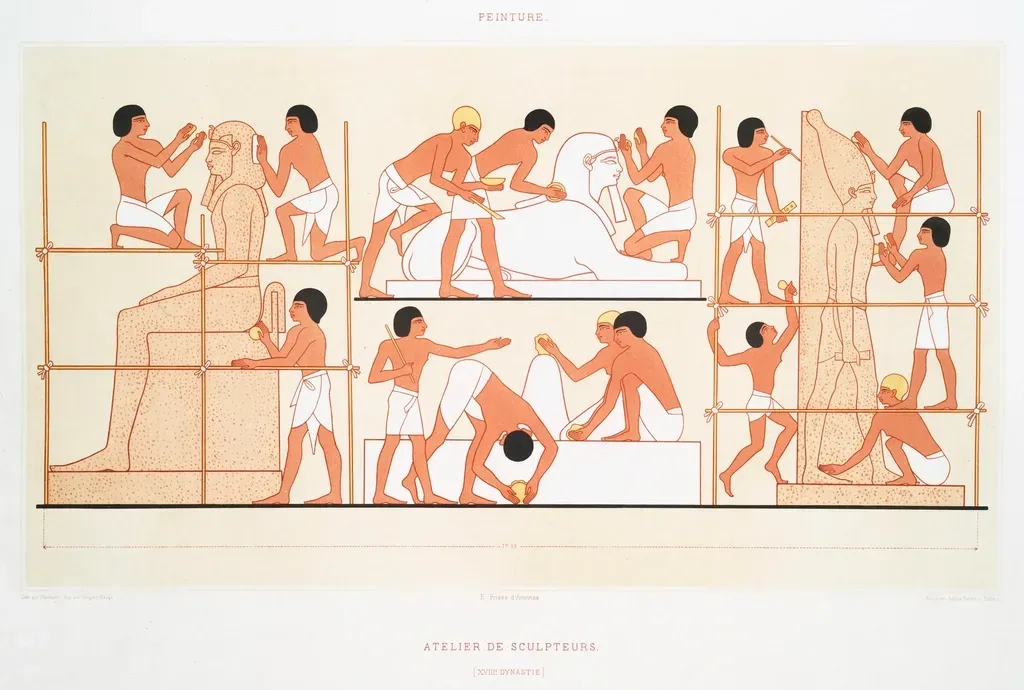
If you grew up with older films or stories, you probably imagined whipped lines of enslaved people dragging stones under a blazing sun. Archaeology has pushed you toward a very different picture. Evidence of worker villages, organized housing, food supplies, and medical care points to a large, fairly well‑structured labor force with skilled specialists and rotating crews, not just chained captives. That challenges your assumptions about how power and labor worked in ancient Egypt.
Even if you accept that thousands of organized workers could build pyramids over decades, the everyday logistics still boggle your mind. How did they coordinate deliveries of stone, food, tools, and water on such a massive scale? How were tasks assigned and checked without modern project management tools? You see some hints in remains of bakeries, breweries, and administrative marks, but the daily rhythm of this immense human effort is still mostly invisible to you, like the background system code hidden behind a smooth app interface.
The Strange Little Details: Air Shafts, Seals, And Stone Fit
When you zoom in from the big picture to the small details, some elements feel even more mysterious than the towering silhouette. Narrow shafts running from inner chambers to the outside or nearly outside the pyramid do not behave like normal ventilation ducts. Some point to regions of the sky that were symbolically important. Others end in sealed blocks or tiny “doors” with copper fittings. You are left wondering if they were symbolic star pathways, ritual channels, or part of a technical solution you do not yet grasp.
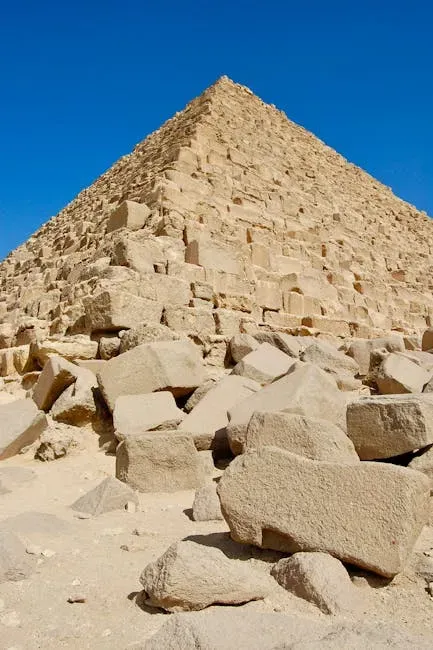
Then there is the fit of the stone itself. Many of the casing stones and internal blocks were cut and placed with a precision that still impresses modern engineers. You can run a fingernail along some joints and barely feel a gap, even after thousands of years of erosion. You know simple copper tools and pounding stones can achieve surprising results with patience, but the level of consistency and quality control on such a huge project still stretches your sense of what a Bronze Age workshop could routinely deliver.
New Technologies, New Clues, But Not All The Answers
Over the last few decades, you have gained tools the original explorers could not even imagine: thermal cameras, microgravity sensors, muon tomography, 3D laser scanning, and sophisticated computer modeling. These methods let you peek inside the stone, map every block’s position, and simulate construction hypotheses at your desk. With each new survey, you refine measurements, spot anomalies, and correct old assumptions. The pyramids are constantly being re‑measured and re‑interpreted rather than simply admired from a distance.
Yet technology does not magically fill every gap for you. Scanners can tell you where a void is, but not automatically why it was created. Models can show how a ramp could have worked, but not whether it actually did. Inscriptions and tools discovered around the sites still have to be interpreted by human minds, with all the biases and limits that implies. You are learning more than ever, but you are also becoming more aware of exactly how much you still do not know.
Balancing Wonder And Evidence Without Falling For Myths
Because there are open questions, you are constantly tempted by bold, easy stories. It is emotionally satisfying to imagine lost civilizations with secret technologies, or hidden alien blueprints. These narratives give you a straight line where reality offers a tangled web. But when you compare them with actual evidence – dated layers, tool marks, written records from the broader Egyptian world – they simply do not hold up. You have to accept that “we don’t fully know yet” is more honest than “it must have been something impossible.”
At the same time, you should not swing to the opposite extreme and act like everything is solved and boring. The real story is actually more impressive: regular human beings, working with the tools they had, pulled off something so ambitious that you still struggle to reverse‑engineer it in detail. If you let yourself sit with that, you keep both your critical thinking and your sense of awe intact. You do not need fantasy technology to feel humbled; the known skill and organization already do that for you.
Conclusion: Why The Pyramids Still Get Under Your Skin
When you step back, you realize the pyramids grab you precisely because they sit between clarity and mystery. You know roughly who built them, when they were built, and a lot about the world around them. But you do not fully grasp every design decision, every construction step, or every symbolic layer of meaning. That combination keeps your curiosity on a low simmer, always ready to flare up when a new scan, discovery, or idea appears.
If you let yourself listen, the pyramids quietly challenge you to stay both skeptical and amazed at the same time. They remind you that even with satellites in orbit and computers in your pocket, there are things your ancestors did that you are still learning to understand. Maybe that is their greatest secret: they prove that mystery can survive in plain sight, carved in stone on a bright desert plateau. Which unsettles you more – the secrets you know are hidden, or the ones you have not even thought to look for yet?