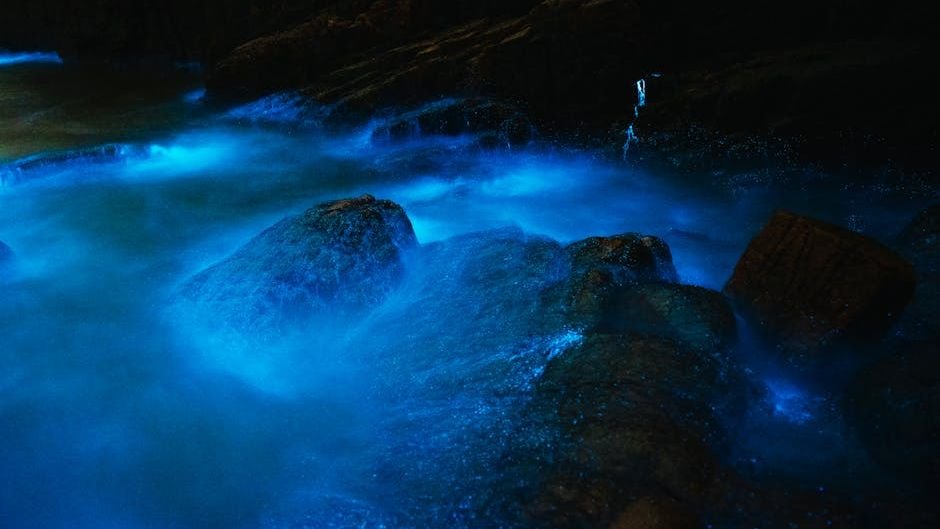

You switch off the lights, step outside, and the world should go dark. Instead, the ocean shimmers electric blue, a beetle flashes like a tiny lantern, or a mushroom glows faintly from a rotting log. Bioluminescence feels so unreal that your first instinct is to blame special effects, yet it is one of the most natural things life does. All over the planet, living organisms have quietly mastered the art of making their own light.
Once you start paying attention, you realize this glow is not just a pretty trick. It is a survival tool, a communication system, a hunting strategy, and even a scientific instrument in modern labs. In the deep ocean, where sunlight never reaches, bioluminescence is as common as leaves in a forest. When you understand how and why it works, the night stops being just “dark” and turns into something far more mysterious and alive.
The Chemistry Behind Living Light
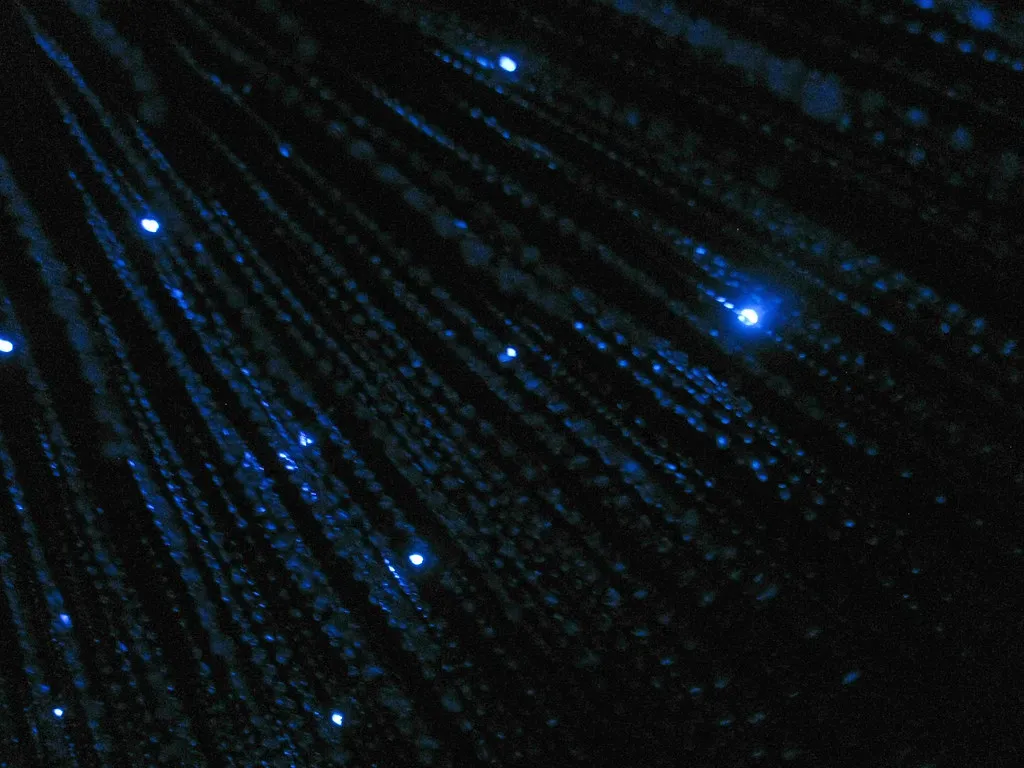
If you strip the magic away and look under the hood, bioluminescence is basically controlled fire without the heat. You have a special molecule called luciferin and an enzyme called luciferase. When luciferin reacts with oxygen in the presence of luciferase, it jumps into an excited state and then drops back down, releasing that extra energy as visible light instead of heat. Different organisms use different versions of luciferin and luciferase, which is why you see different colors and brightness levels in nature.
You can think of this reaction like a tiny rechargeable glow stick built into the organism’s body. As long as luciferin and oxygen are available and the organism can turn the reaction on and off, it can flash, pulse, or glow steadily whenever it needs to. Some marine microbes even squirrel away their light chemistry into little packets, firing them off when waves toss them around. Once you see it framed this way, the glow stops seeming mystical and starts feeling like a very clever bit of bio‑engineering that evolution stumbled upon again and again.
Where You’ll Actually See Bioluminescence
Even if you never visit a deep‑sea research vessel, you’re still surrounded by potential light makers. In the ocean, you find glowing algae, jellyfish, worms, crustaceans, squids, and fishes. On land, fireflies put on summer light shows, some click beetles carry glowing “headlights,” and a few fungi illuminate damp forest floors. Scientists estimate that in the deeper, open‑ocean waters, most of the larger animal groups include species that can produce light, so if you could suddenly see in the right way, the midnight sea would not look empty at all.
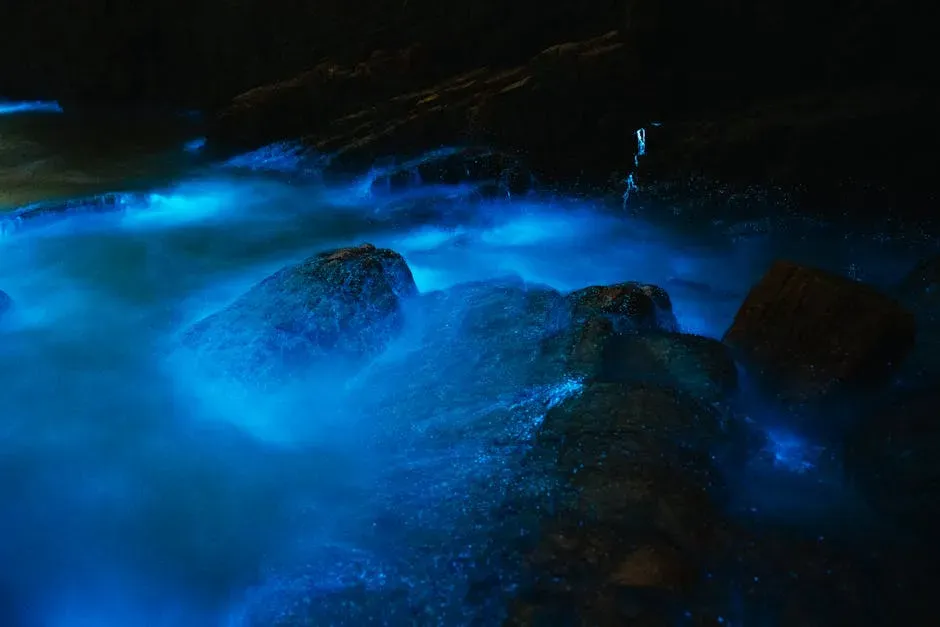
Closer to your daily life, you might encounter bioluminescence as a faint glow in waves breaking on a beach, tiny sparks around a boat’s wake, or a dusting of fireflies over a quiet field. If you travel to certain tropical bays, especially around the Caribbean, you can literally trail light with every stroke of your hand through the water. Once you understand that these displays are made by living things, not pollution or some odd reflection, the experience becomes strangely intimate – you’re watching millions of tiny organisms react to your presence in real time.
Why So Many Creatures Evolved to Glow
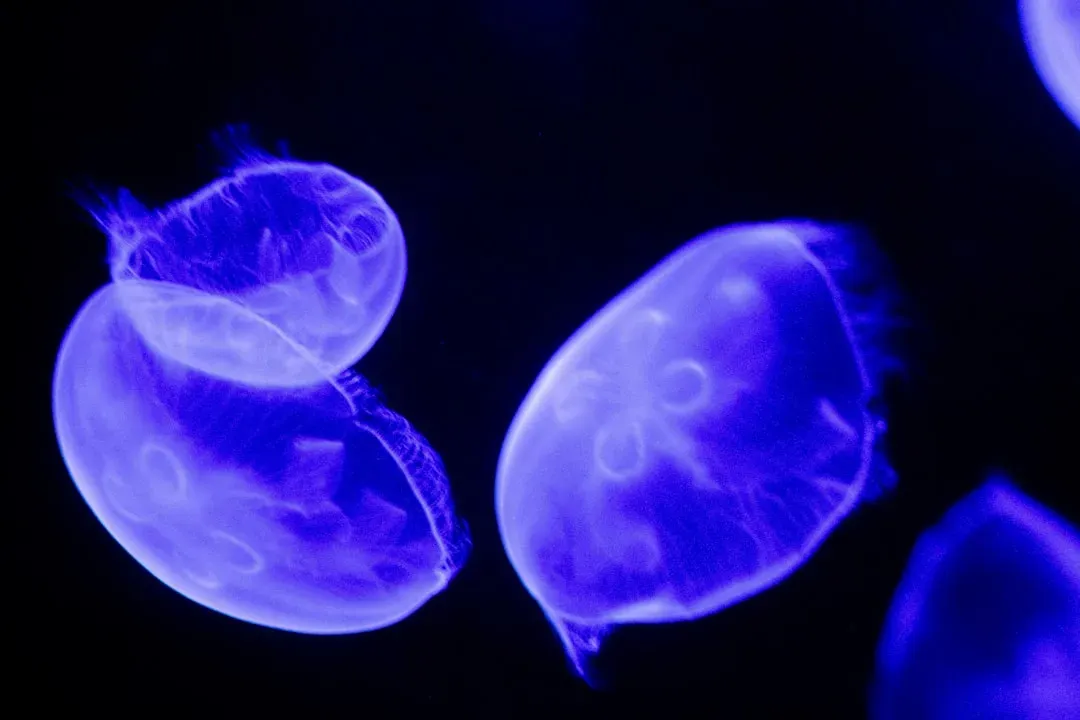
No creature invests energy in glowing just to look pretty for you. In the wild, bioluminescence earns its keep by helping organisms survive and pass on their genes. In the deep ocean, where sunlight never reaches, light can be the only way to signal a mate, lure prey, or confuse something trying to eat you. Some fish dangle a glowing “fishing lure” in front of their mouths to attract curious victims. Others release glowing clouds like a luminous smokescreen, distracting predators while they slip away into the darkness.
On land, the logic is just as practical. Fireflies turn light into a dating app, flashing in patterns that help males and females of the same species find each other in crowded nighttime fields. Certain glow‑in‑the‑dark mushrooms may use light to attract insects that help spread their spores. For you, this means every enchanting blue streak or flickering dot you see outdoors is not random decoration; it is part of a strategy, honed over countless generations, that quietly shapes who survives and who does not.
The Science of Bioluminescent Bays
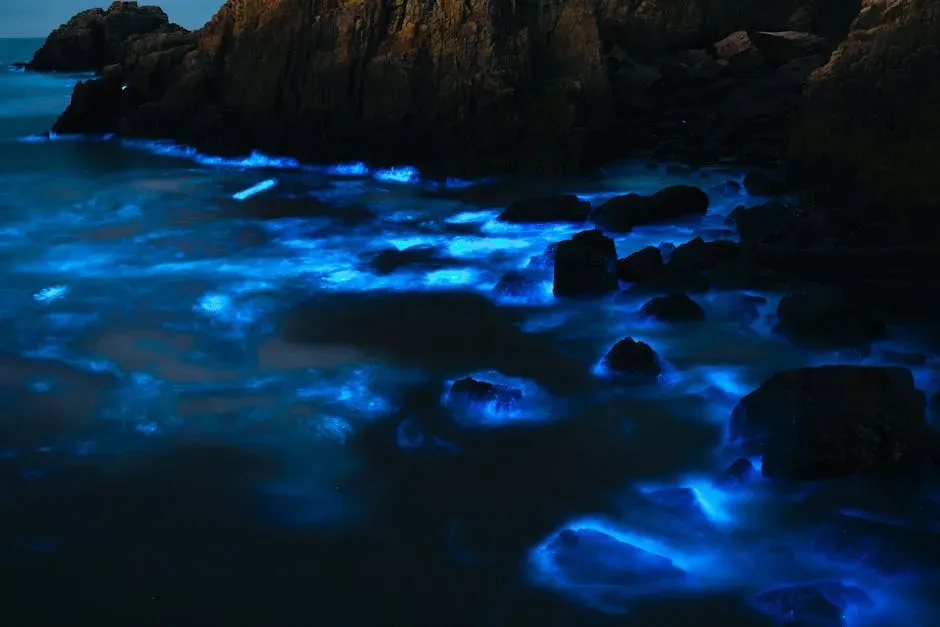
If you want to feel like you’ve paddled into a fantasy movie, bioluminescent bays are your best bet. In places like Mosquito Bay in Vieques, Puerto Rico, the water is packed with microscopic dinoflagellates – tiny plankton that flash blue‑green whenever they’re disturbed. Drag your hand through the water or dip a paddle, and each movement triggers millions of single‑celled organisms to light up at once. The result is a liquid light show where every splash looks like a trail of stars exploding under the surface.
These bays only exist where conditions line up just right: a mostly enclosed lagoon with a narrow opening to the sea, warm and relatively calm water, and surrounding mangroves shedding leaves that break down into the nutrients the plankton feast on. When you see videos of these bays glowing intensely, it can look fake, but the concentration of light‑producing plankton is truly phenomenal. If you ever go, the trick is to pick a night with as little moonlight as possible, let your eyes adjust, and then start moving slowly – you’ll realize the light follows you like a living aura.
How You Can See Bioluminescence for Yourself
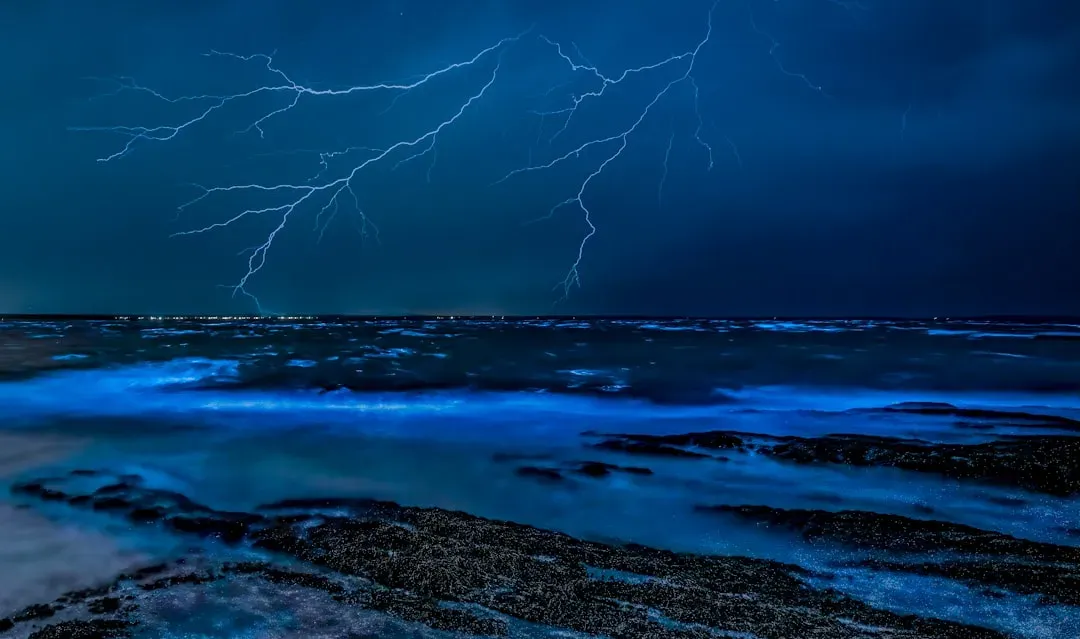
You do not need a research grant or a submarine to witness natural living light; you mainly need timing and the right spot. For ocean bioluminescence, darker is always better, so aim for moonless nights or times when the moon is low and the sky is clear. Coastal areas with known plankton blooms and sheltered bays are your best chance. Kayaking tours in bioluminescent bays often use non‑motorized or low‑impact boats so the glow is not washed out by bright lights, noise, or pollution. When you are on the water, avoid phones or flashlights as much as possible – your night vision is your greatest tool.
If you are more of a land person, look out for firefly season where you live, usually on warm, humid evenings after rain. Rural areas with less light pollution are ideal, but you might still see them in parks or backyards if you turn off outdoor lighting. For glowing fungi, you may need to hike forest trails at night with a red‑filtered headlamp and a lot of patience, ideally in wet, warm climates. The key with all these experiences is slowing down and letting your eyes adapt; once you do, faint glows that seemed invisible at first will suddenly appear everywhere.
Colors, Patterns, and Tricks of the Glow
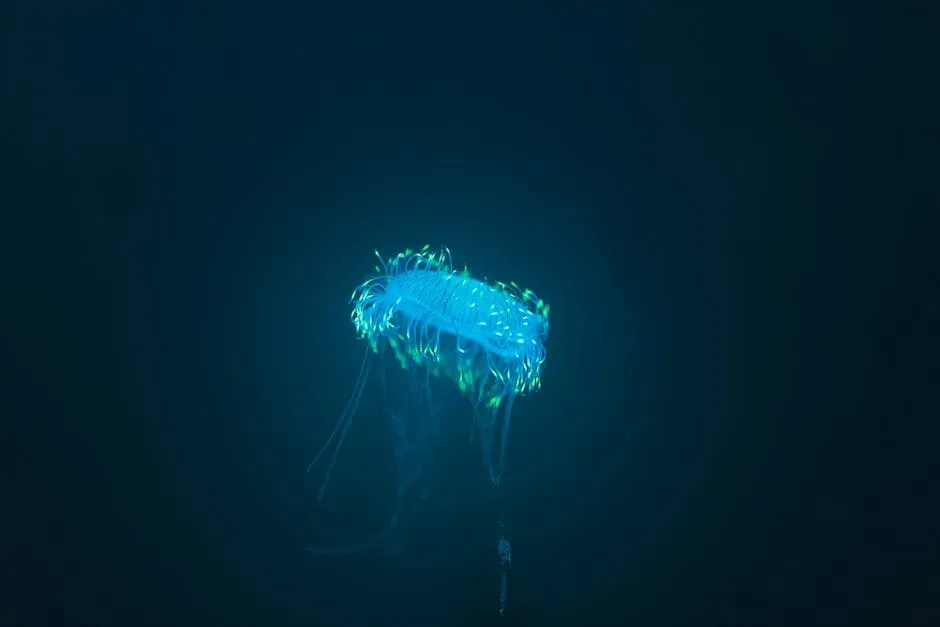
Most marine bioluminescence looks blue or blue‑green to you because those wavelengths travel farthest through seawater, and many ocean animals can see that range best. On land, you might see more yellow‑green or even reddish tones, especially in insects like fireflies. The specific color depends on the exact structure of the luciferin, the properties of luciferase, and any extra proteins or filters that tweak the light’s final hue. To your eyes, these differences can be subtle, but to another firefly looking for the right mate, they can be the difference between success and complete failure.
The way the light appears is also full of nuance. Some organisms shine with a continuous, soft glow, like a dim night‑light left on in the corner of a room. Others flash in brief, intense bursts, either when they are touched or in repeating patterns that function like Morse code signals. In turbulent water, bioluminescent plankton might fire off fast streaks along breaking waves or swirling eddies, painting the physics of ocean motion in light. When you learn to see these patterns as signals, not just pretty chaos, the ocean starts to feel like it is talking to itself in pulses and sparks.
Bioluminescence as a Tool in Modern Science
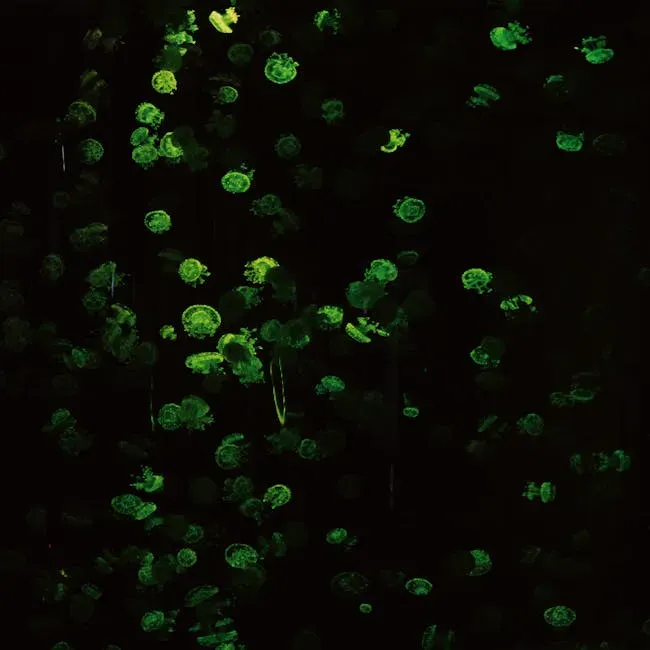
Beyond the wild, bioluminescence has quietly become one of the most useful tools in modern biology and medicine. Researchers have borrowed genes from light‑producing organisms, especially fireflies and certain marine creatures, and plugged them into cells in a lab. When those cells switch on a gene of interest, they also produce light. That means you can literally “watch” disease processes, drug responses, or gene activity in real time by measuring how bright the cells glow. It turns abstract molecular biology into something you can track with a sensor or even a camera.
For you, this might sound far removed from everyday life, but the glow has helped create better diagnostic tools, safer drugs, and more precise treatments. In some experiments, scientists follow the spread of cancer cells in animals by tracking tiny pinpoints of light, giving them a clear picture of how tumors grow and respond to therapy. In others, they monitor bacterial infections or brain activity using the same underlying chemistry that makes a firefly blink in your backyard. It is a humbling thought: the same molecular tricks that help a squid hunt in the deep have turned into a language your doctors and researchers now read to keep people alive.
Protecting These Fragile Natural Light Shows
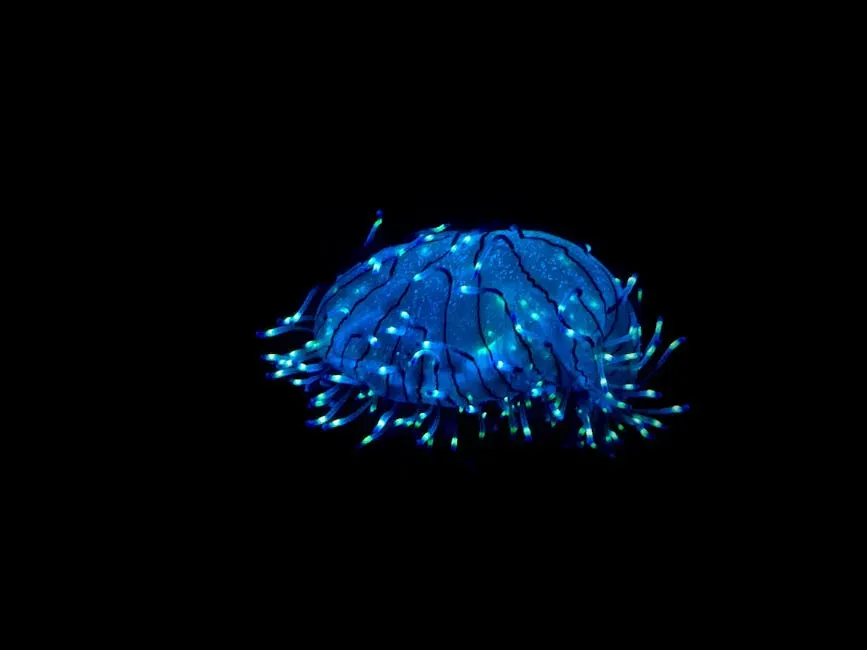
As magical as bioluminescent hotspots seem, they are also surprisingly easy to damage. In coastal bays, polluted runoff, excessive boat traffic, and artificial lights can all reduce the number of light‑producing organisms or drown out their glow. Even sunscreen, bug spray, or careless swimming in sensitive lagoons can disrupt delicate ecosystems that took centuries to stabilize. When you visit these places, you are stepping into a living laboratory, not a theme park, and your choices – how close you get, what you touch, what you leave behind – directly affect whether future visitors will see the same spectacle.
The good news is that you can be part of the solution without much sacrifice. You can choose tour operators who follow conservation rules, avoid touching or scooping up glowing organisms, and skip bright white flashlights in favor of red‑filtered lights. At home, supporting clean water policies, reducing plastic use, and cutting unnecessary nighttime lighting all help preserve the conditions that glowing organisms rely on. If you treat these light shows as something rare and worth protecting, not just a backdrop for social media, you’re already aligning yourself with the long‑term survival of nature’s living lights.
Final Reflections: Seeing the Night Differently
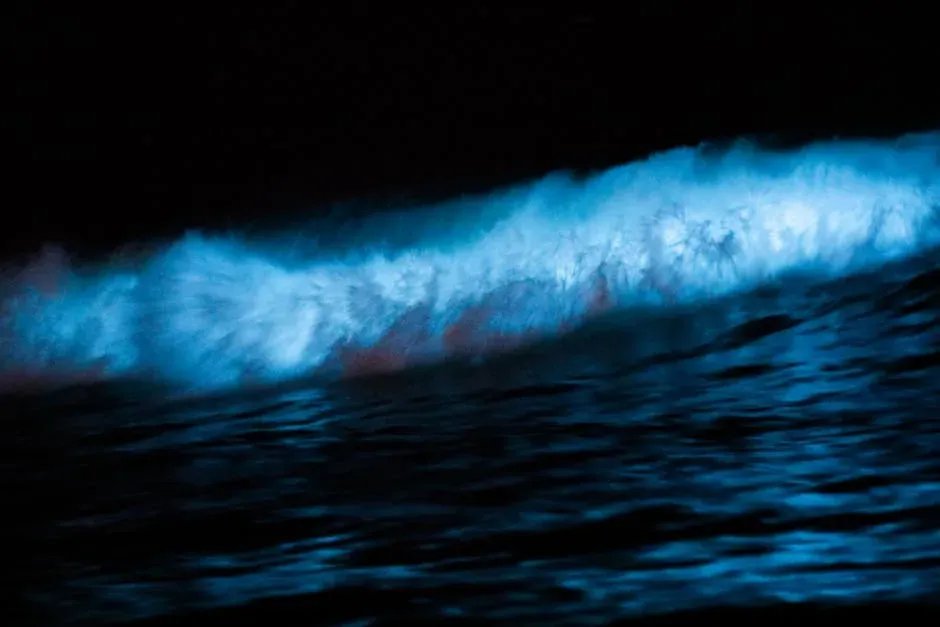
Once you know what bioluminescence is and why it matters, darkness never looks quite the same. You begin to suspect that behind every black wave or shadowy forest, countless tiny lights might be waiting for the right trigger – a splash, a brush of wind, the wingbeat of an insect. You also see how deeply practical and unromantic the glow really is for the organisms that use it: it is a tool for eating, escaping, mating, and surviving. That combination of stark usefulness and breathtaking beauty is what makes it so compelling.
If you ever find yourself standing at the edge of a glowing bay or watching a single firefly blink above a field, try pausing for a moment before you take a photo. Think about the chemistry quietly running inside that microbe or insect, and about the long evolutionary path that turned ordinary molecules into tiny lanterns. You may never look at the dark the same way again – and that might be the greatest gift bioluminescence offers you. When you picture the night now, do you imagine emptiness, or a hidden world of living lights waiting just beyond your sight?