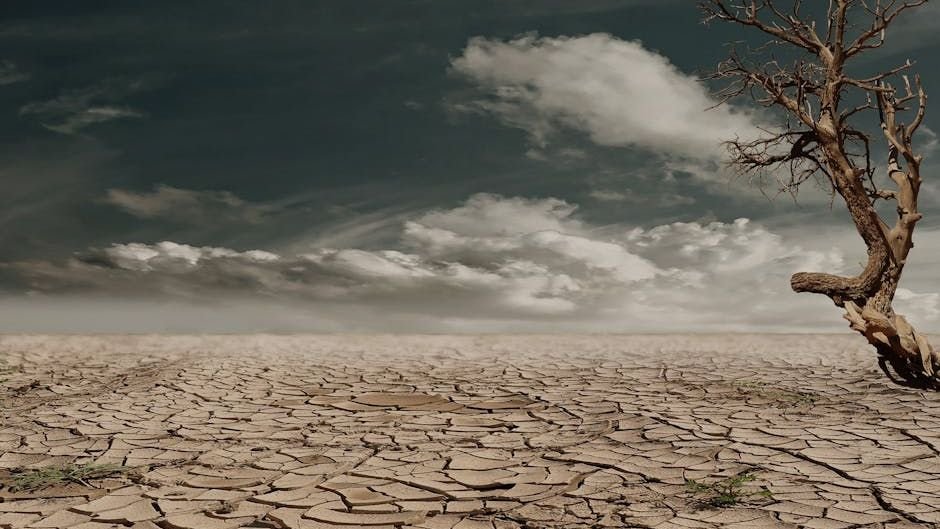

If you think Earth is a calm blue marble drifting quietly through space, you’re in for a shock. Your planet is home to places so hot they melt rock, so cold metal snaps like glass, and so crushingly deep that ordinary ideas about weather and climate just fall apart. These extremes are not rare curiosities tucked away in obscure corners; they’re active, powerful systems shaping the air you breathe, the oceans you rely on, and even the ground under your feet.
As you explore these extremes, you start to realize something important: what feels normal to you is actually the exception, not the rule. Your body is tuned to a narrow comfort zone, while most of Earth operates far outside it. That contrast is what makes these environments so addictive to learn about. They show you what happens when chemistry, physics, and geology are allowed to go absolutely wild.
1. You Live on a Thin Crust Floating Above a Sea of Rock
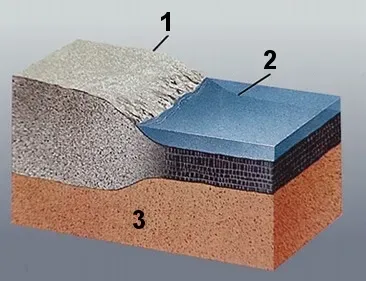
You walk around every day as if the ground beneath you is solid and permanent, but that “solid” part of Earth is shockingly thin. If you could slice the planet like an apple, you’d see that the crust you stand on is only a fragile skin, roughly as thin compared to Earth as an eggshell is to an egg. Beneath your feet spreads the mantle, a vast layer of hot rock that can slowly flow over millions of years, almost like absurdly thick honey.
This means the continents and ocean floors you know are really giant rafts riding on a dynamic, moving interior. Where that hot mantle rises, you get volcanoes and new seafloor; where it sinks, you get deep ocean trenches and earthquakes. When you feel a tremor or see footage of a volcanic eruption, you’re catching a brief, violent glimpse of just how restless this “solid” planet really is.
2. The Deep Ocean Is More Alien Than Most Sci-Fi Worlds
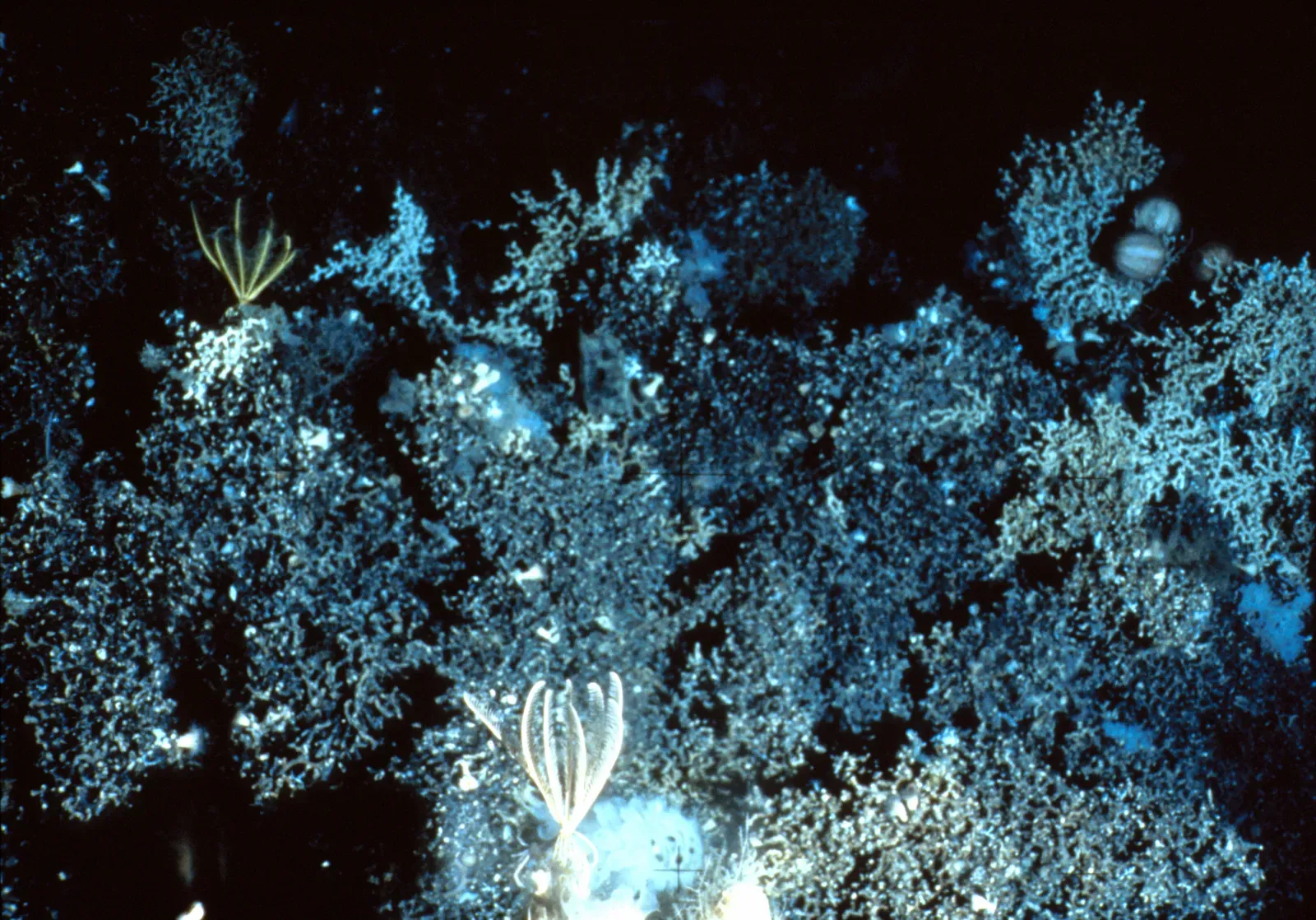
If you dive into the ocean and keep going down, there’s a point where the surface world simply disappears. Sunlight fades to nothing after only a few hundred meters, and by the time you reach the deep ocean, you’re in a realm of permanent night, near-freezing temperatures, and crushing pressures that would flatten a car like an empty soda can. Yet this pitch-black, high-pressure world covers more of your planet than all the continents combined.
Down here, animals have evolved in ways that feel almost supernatural to you: bodies that glow in the dark, jaws that unhinge to swallow prey nearly their own size, and delicate, transparent forms that would explode if brought to the surface. Strange communities cluster around hydrothermal vents where superheated, mineral-rich water gushes from the seafloor. Instead of relying on sunlight like you do, these ecosystems run on chemical energy, proving life can thrive without a single ray of daylight.
3. The Hottest Places on Earth Push the Limits of Life
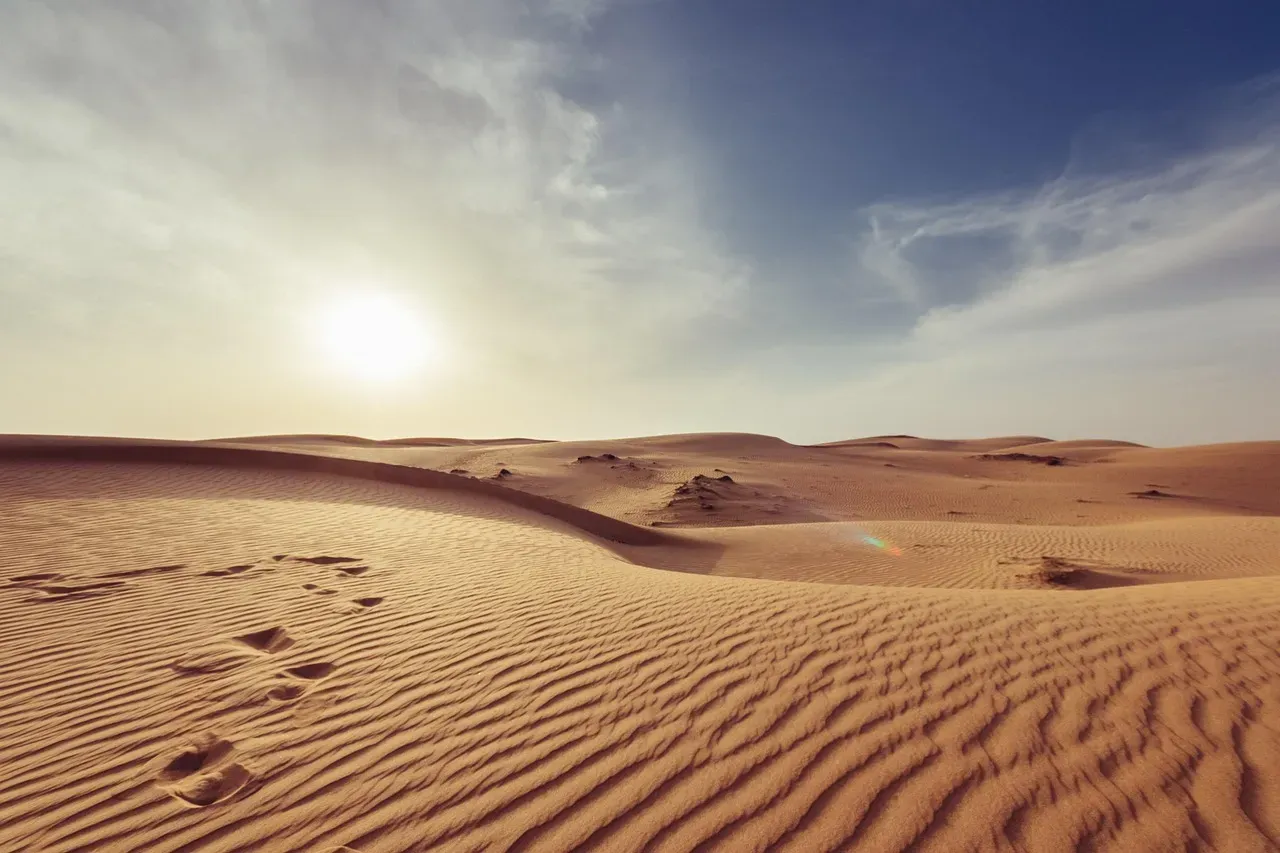
You probably think of deserts as just dry and uncomfortable, but some of Earth’s hottest spots are so extreme they almost break the definition of “habitable.” In the most intense hot deserts, ground temperatures can soar high enough to cook food, and the heat reflects off pale rock and sand like you’re standing inside an open oven. Your body fights to keep cool, sweating heavily, but in this heat, that moisture just vanishes into the air before it can help you.
Despite that, you still find life clinging on with stubborn determination. Tiny heat-loving microbes flourish in scorching springs and mineral pools, while desert plants have evolved roots that dive deep for hidden water or leaves that turn into water-storing tanks. If you ever walk across one of these baking landscapes, you’re moving through a laboratory where nature is testing the absolute upper limits of what living cells can handle.
4. The Coldest Environments Can Snap Steel and Freeze Breath Midair
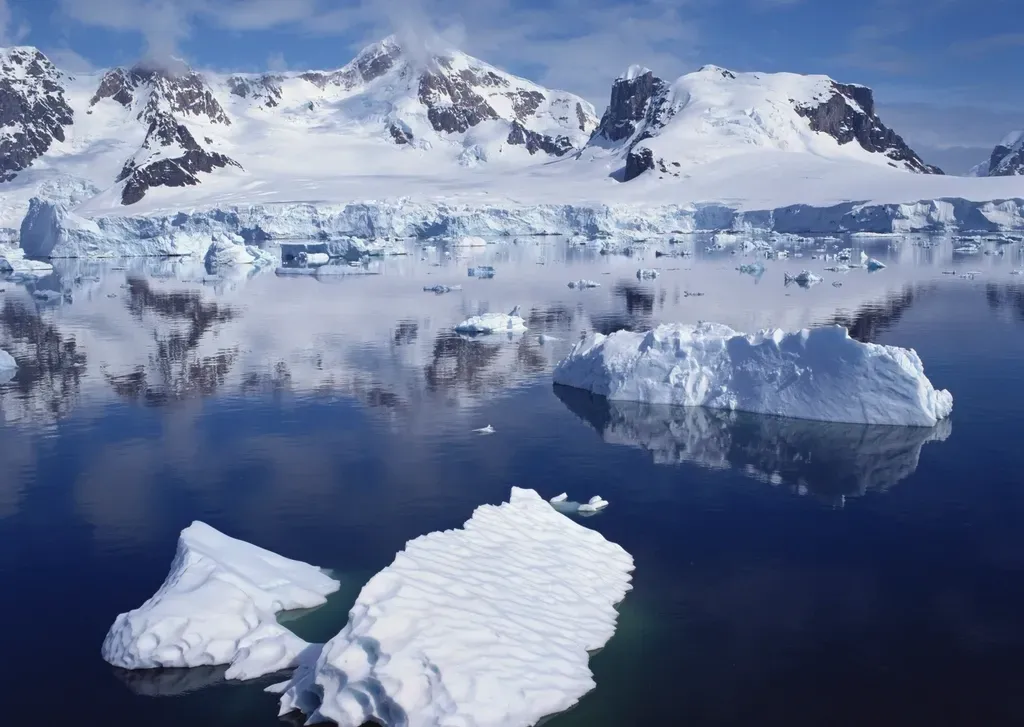
On the other end of the spectrum, some places on Earth are so cold that your basic instincts about how matter behaves start to fail. In the most frigid polar interiors and high Antarctic plateaus, temperatures can sink so low that metal becomes brittle and materials you trust in daily life simply shatter. Moisture in your breath can crystallize almost instantly, and exposed skin can be damaged in minutes.
Yet even in this deep freeze, your planet doesn’t just sit still. Ice sheets flow, crack, and grind their way slowly toward the ocean. The sheer mass of these ice caps is so immense that they actually deform the crust beneath them, pressing the surface down like a thumb into soft clay. When that ice melts or shifts, sea levels around the world respond, reminding you that what happens in these remote, frozen deserts has real consequences for coasts and cities far away.
5. The Deepest Ocean Trenches Crush Anything Not Built to Survive
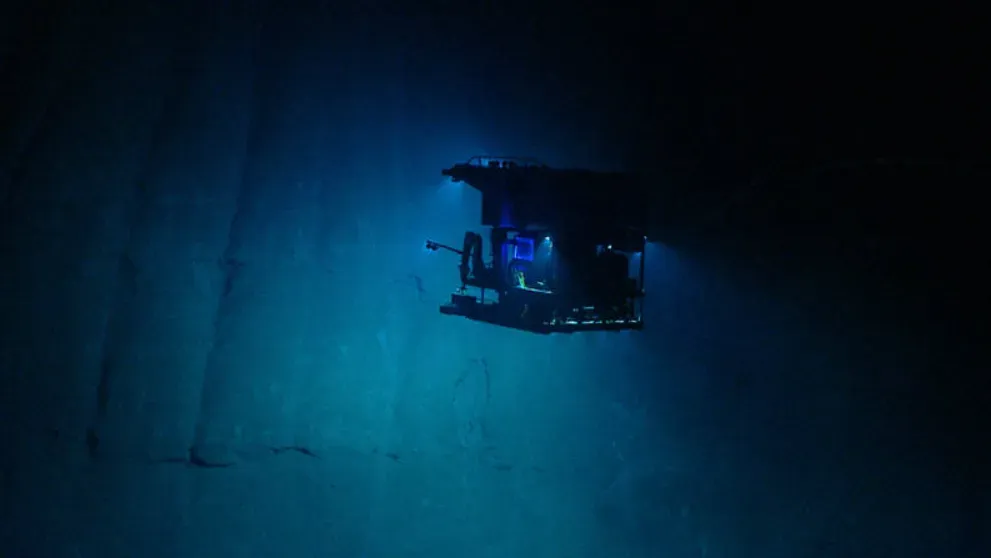
When you picture “deep water,” you might think of a few hundred meters, maybe the depth reached by normal submarines. But the deepest ocean trenches plunge down so far that if you dropped Mount Everest into them, its peak would still be underwater. Down there, the pressure is so intense that it’s like having the weight of dozens of jumbo jets pressing down on every square meter of surface.
Despite that almost unimaginable pressure, specialized submersibles and robotic vehicles have reached these depths, revealing a world that seems impossibly calm and strange. Sediments drift down like slow-motion snow, and bizarre creatures with soft bodies and flexible skeletons slide through the darkness. If you were to teleport directly into this environment, you wouldn’t last a fraction of a second, but the life that evolved here treats these crushing conditions as completely normal.
6. Volcanoes Can Create Worlds and Wipe Them Out
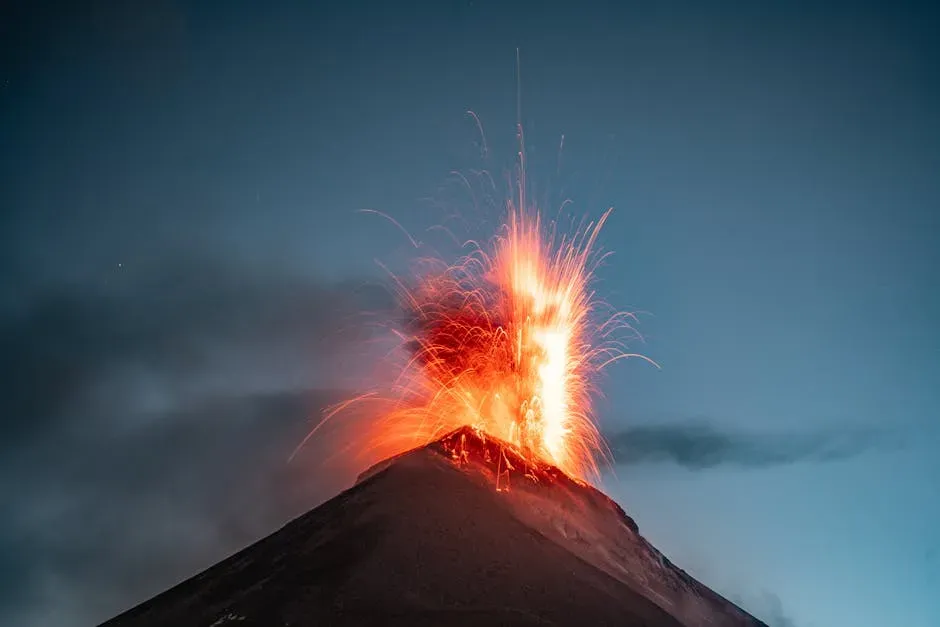
You might think of volcanoes as dramatic mountaintop eruptions, but volcanism is one of the most powerful and long-lasting forces shaping your planet. When molten rock bursts through the crust, it can build entirely new land, forming islands in the ocean or burying old landscapes under fresh lava flows. Over time, volcanic rocks break down into some of the most fertile soils, helping forests and farms thrive in places that were once glowing rivers of rock.
At the same time, major eruptions can throw ash and gases high into the atmosphere, dimming sunlight over wide regions and temporarily cooling the climate. For you, this duality is startling: the same process that creates lush new environments can also blanket towns in ash, disrupt air travel, and trigger global climate ripples. Every time you see a smoking crater or a slow-moving lava flow, you are looking straight at Earth’s internal engine poking through the surface.
7. Lightning Storms Turn the Sky Into a Violent Laboratory
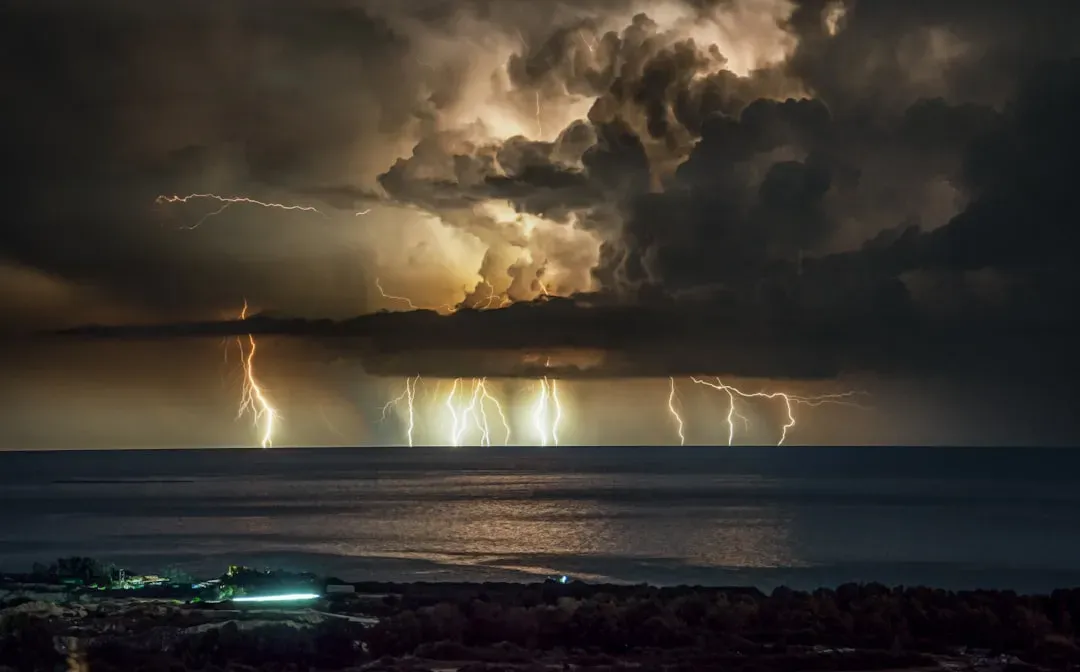
When you watch a thunderstorm roll in, it can feel dramatic but familiar: dark clouds, gusty winds, and booming thunder. The reality is much more extreme than it looks from your window. Inside a powerful storm, updrafts can fling raindrops and ice crystals upward at highway speeds, building enormous electric charges. When those charges finally equalize, a bolt of lightning slices through the air, heating the channel to temperatures hotter than the surface of the Sun for a brief instant.
That single flash can ionize the air, trigger chemical reactions in the atmosphere, and unleash a shock wave that you hear as thunder rolling across the landscape. In the most intense storm systems, these flashes can occur in rapid-fire bursts, sometimes branching across entire cloud systems, almost like neurons firing in a giant atmospheric brain. You feel like a tiny spectator watching from below, while Earth casually plays with energies that would fry almost any technology you could put in the sky.
8. The Atacama and Other Hyper-Arid Deserts Are Almost Lifeless – But Not Quite
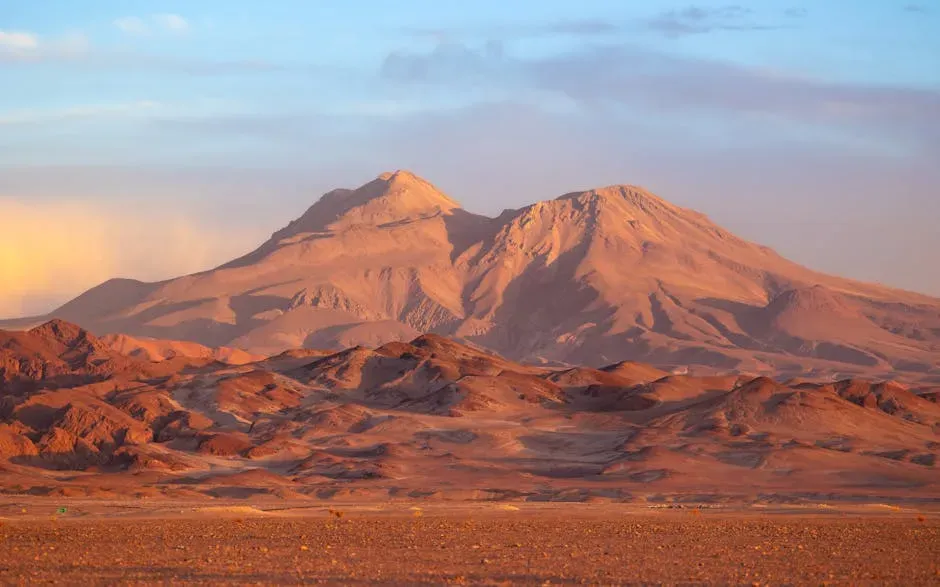
Most deserts still get some rain, even if it’s rare, but hyper-arid regions take dryness to another level entirely. In places like the driest parts of the Atacama Desert, there are zones where rain has barely fallen for decades, and in some stretches, centuries. The soil there can be so parched and salty that ordinary plants simply give up; it looks and feels more like the surface of Mars than anything you’d call “Earth-like.”
Yet when you look closely with modern tools, you still find hardy microbes tucked into soils and rocks, clinging to tiny traces of moisture from fog or underground sources. These organisms live so slowly and efficiently that your idea of a normal lifespan or growth rate just doesn’t apply. For you, these places are a powerful reminder that life doesn’t need lush forests or flowing rivers; sometimes, it survives on almost nothing at all.
9. High-Altitude Environments Rewire Your Body’s Limits
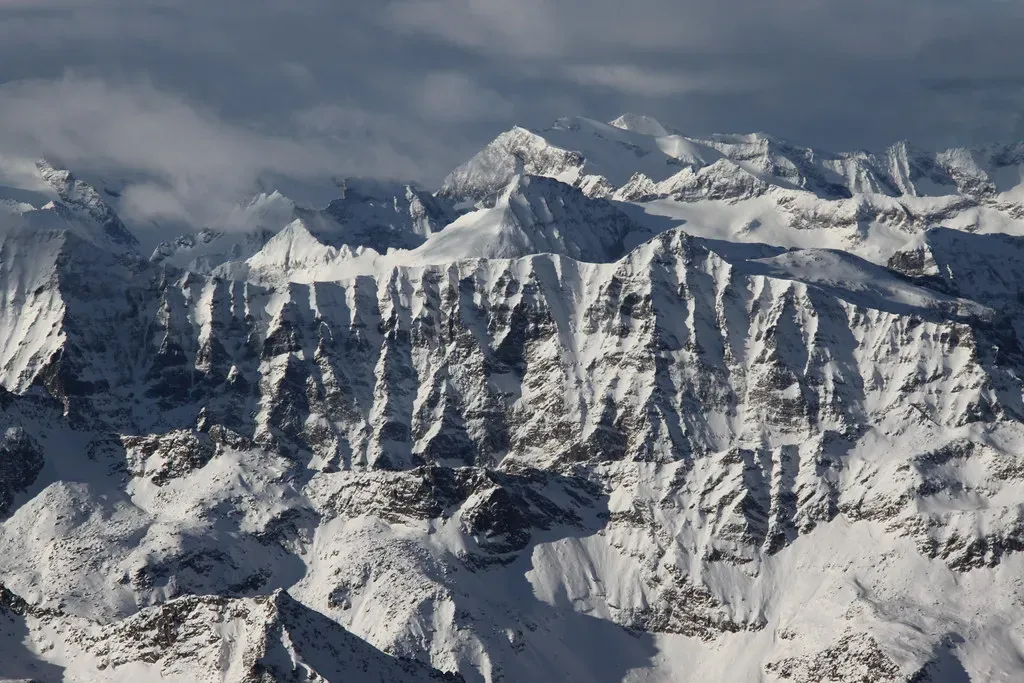
When you climb to very high elevations, you step into a hidden extreme environment that doesn’t always look dangerous at first glance. The air is clear, the views are huge, and the sunlight can feel sharp and invigorating. But with every breath, you’re taking in much less oxygen than at sea level, and your body has to scramble to adapt. Your heart beats faster, your breathing deepens, and your blood chemistry shifts to capture every possible molecule of oxygen.
For people who live their whole lives at high altitude, the body goes even further, often developing changes in lung structure and blood characteristics that make thin air feel almost ordinary. If you rush into these places without time to adjust, you can get altitude sickness, a harsh reminder that you’ve left your biological comfort zone. Mountains might look peaceful from a distance, but high on their slopes, you’re essentially testing how far your physiology can stretch before it starts to fail.
10. Extreme Environments Are Blueprints for Finding Life Beyond Earth
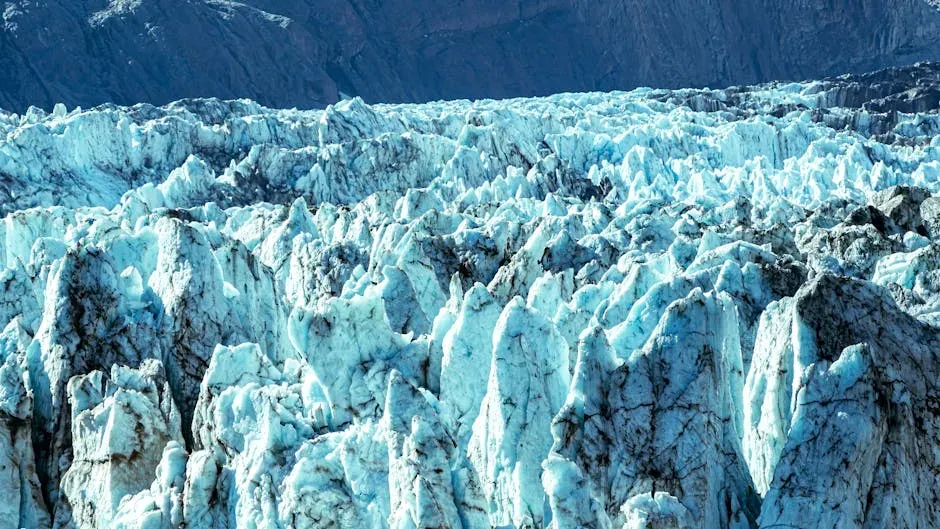
Every time you explore one of Earth’s extremes, you’re not just learning about your own planet; you’re rehearsing for the search for life elsewhere. Scalding hydrothermal vents show you that organisms can thrive without sunlight, feeding on chemical gradients instead. Hyper-arid deserts prove that life can endure almost complete dryness and intense radiation, while deep subglacial lakes trapped under ice caps hint that liquid water can hide in frozen worlds.
When you add all these examples together, you start to see a pattern: life is tougher, more flexible, and more inventive than you once assumed. So when you look up at icy moons, dusty planets, or distant exoplanets with exotic atmospheres, you no longer have to imagine them as sterile. The extreme corners of your own world are quietly telling you that, given the right chemistry and a bit of time, life might find a way in places you once wrote off as impossible.
Conclusion: Your “Normal” World Is the Real Exception
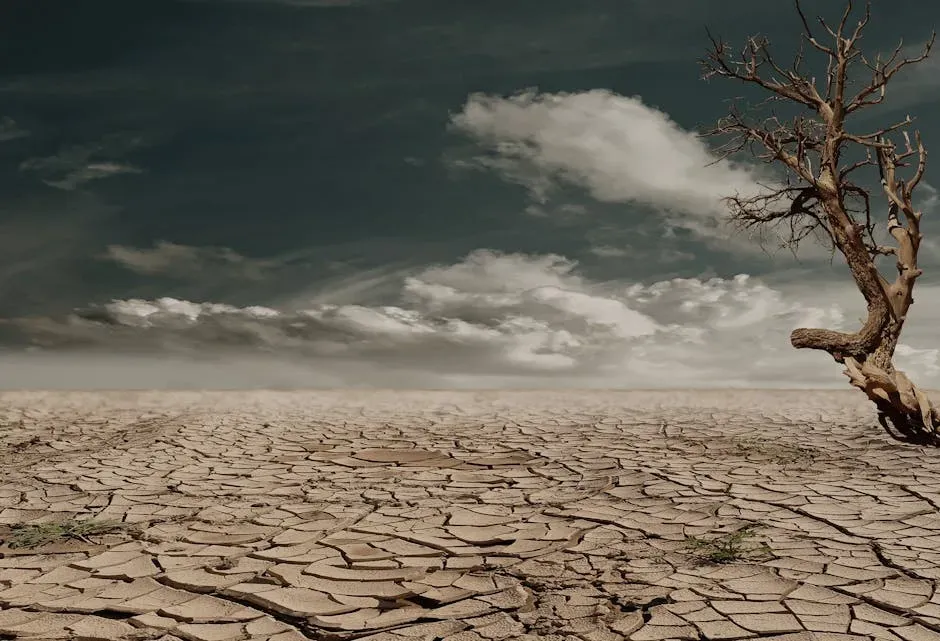
Once you’ve walked through these extremes in your mind, your everyday surroundings feel very different. That comfortable range of temperatures, the moderate air pressure, the reliable sunlight and liquid water – all of that is a narrow slice of what Earth can actually do. Most of this planet’s volume and many of its surfaces operate under conditions that would overwhelm you in seconds, yet they sustain their own rich, intricate forms of order and life.
The most powerful shift comes when you realize you’re not separate from these extremes; you’re connected to them. Deep-sea currents move heat around the globe, polar ice shapes coastlines and sea levels, deserts influence atmospheric dust and climate, and volcanoes help build the very continents you stand on. Next time you feel a breeze, watch a thunderstorm, or see a mountain range on the horizon, ask yourself: if this is just the edge of what Earth can do, what other surprises are still hidden out there, waiting for you to notice them?