You probably feel it already: life is changing faster than you can keep up. One year you are amazed your phone can unlock with your face, and the next, people are editing genes, printing organs, and talking to AI like it is a new colleague. It can feel surreal, almost like you woke up in a sci‑fi movie that forgot to warn you in advance. Yet behind the buzzwords and big promises, there are a few very real scientific breakthroughs quietly moving from lab benches into your everyday routines.
In this article, you will walk through five breakthroughs that are not just hype, but genuinely poised to reshape how you stay healthy, move around, power your home, work, and even heal your own body. You will see where the science really is right now, what is still experimental, and how it might actually show up in your daily life instead of just in headlines. Think of this as a sneak peek at the near future of your own routine: from the moment you wake up, to how you shop, travel, and take care of yourself when something goes wrong.
1. Gene Editing That Could Rewrite How You Think About Disease
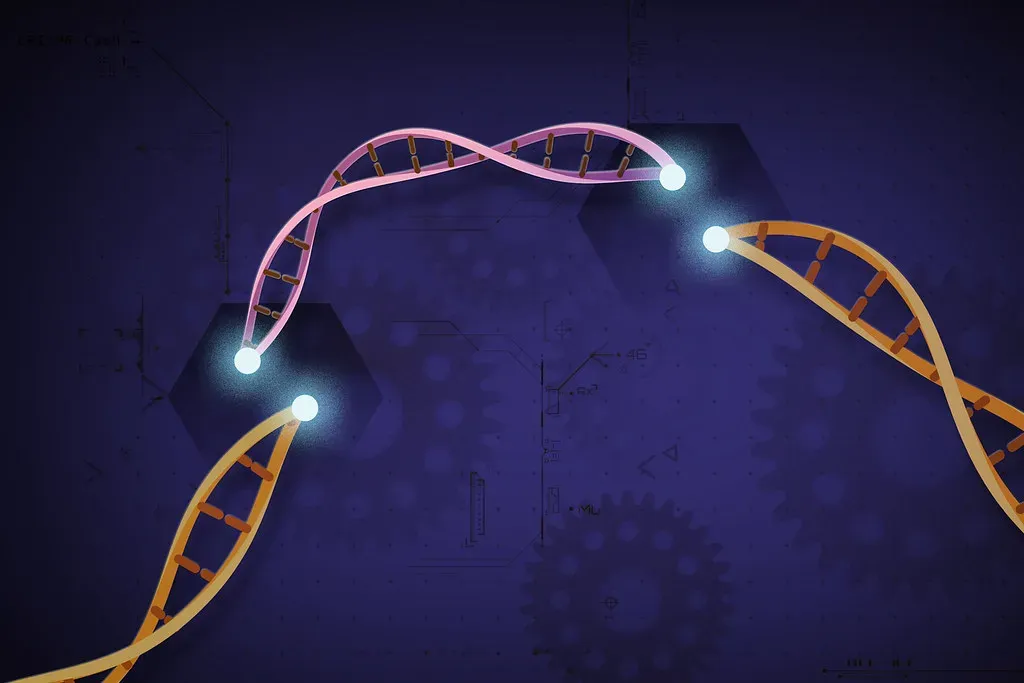
Imagine sitting in a doctor’s office and, instead of hearing that you will need a lifetime of medication, you hear that a one‑time genetic “fix” might actually address the root cause of your illness. That is the promise behind modern gene editing tools like CRISPR: they let scientists precisely snip and tweak your DNA in ways that were flat‑out impossible a generation ago. Instead of only treating symptoms, doctors are starting to directly repair or switch off the faulty genes that cause certain inherited diseases.
You are already seeing the first wave of this in real life, not just in theory. Some patients with rare blood disorders and certain genetic forms of blindness have received gene‑editing therapies that noticeably improve their condition. The treatment is still largely reserved for very specific, serious diseases, and it is expensive and complex, but the direction is clear. Over the next decade, you could see gene‑editing move from exotic last‑resort option to a mainstream tool for tackling everything from high cholesterol caused by a single gene variant to some cancers. You will still need regular checkups, but your relationship with chronic disease could shift from endless management to targeted repair.
2. mRNA and Next‑Generation Vaccines That Adapt Almost in Real Time
If you lived through the COVID‑19 pandemic, you already saw one of the biggest vaccine revolutions play out in real time. Instead of growing viruses in eggs for months, scientists used mRNA technology to teach your cells how to briefly make a harmless piece of a virus and train your immune system faster. For you, that means vaccines can be designed and updated in a fraction of the time old methods needed. The speed and flexibility of mRNA changed what you can reasonably expect during a global health crisis.
But the real impact for your day‑to‑day life is just getting started. Researchers are now testing mRNA vaccines for seasonal flu, RSV, and even some cancers, where a shot could be tailored to the specific mutations in your own tumor. In the future, you might get combined vaccines that protect you against several respiratory viruses at once, with formulas updated more quickly to match whatever strains are circulating that year. Instead of dreading an unpredictable flu season or feeling helpless during new outbreaks, you could live in a world where vaccine platforms work more like software updates: routine, rapid, and much more responsive to what is actually happening around you.
3. Artificial Intelligence as Your Everyday Copilot
You are already using artificial intelligence more than you realize, every time a map app reroutes you around traffic, your phone suggests the next word in a text, or a streaming platform eerily nails your next favorite show. But the leap happening now is that AI can understand context, images, and language well enough to feel like a real assistant rather than a handful of clever tricks. Instead of just recommending a song, an AI system can help you draft a business proposal, plan a trip, troubleshoot your computer, and even explain your lab results in plain language.
In practical terms, this means your daily tasks could become much more fluid and personalized. You might talk to a single AI “copilot” that remembers your preferences, helps you manage your calendar, learns your writing style, and even nudges you about your health, like tracking sleep and stress trends across your devices. At work, you could offload tedious chores such as summarizing long reports, sorting emails, or extracting key points from meetings, leaving you more brain space for creative thinking and human interactions. The key is that AI will not just be a separate app; it will be woven into almost every service you use, quietly shaving minutes and frustrations off your ordinary day.
4. New Battery and Energy Tech That Changes How You Power Your Life
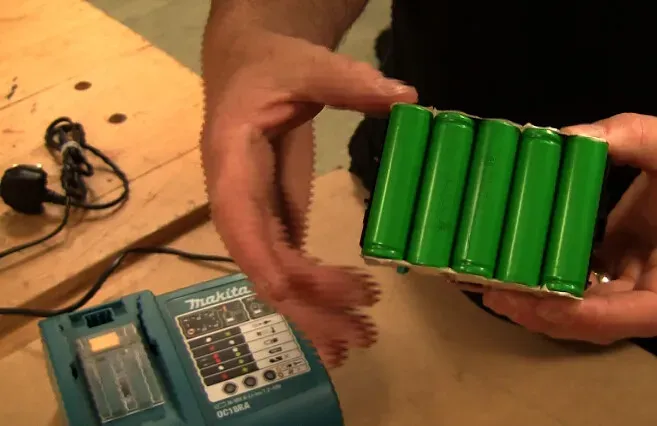
Think about how many things in your life now depend on a battery: your phone, laptop, earbuds, car, maybe even your lawnmower and doorbell. That is why new battery technologies and grid‑scale energy storage are such a big deal for your daily routine, not just for climate headlines. Researchers are developing better lithium‑ion cells, solid‑state batteries, and other chemistries that can pack more energy into smaller, safer packages that charge faster and last longer. For you, that could mean phones that comfortably get through a couple of days, electric cars that go farther than a tank of gas, and fewer worries about a device dying at the worst moment.
Beyond your gadgets, large‑scale batteries are starting to change how your home and city are powered. Energy storage systems can soak up daytime solar or windy‑night power and release it when you actually need it, like in the evening when you are cooking, doing laundry, or streaming movies. In the near future, your own electric car could double as a backup battery for your house, keeping your lights on during an outage. Paired with smart meters and rooftop solar, you could end up living in a home that quietly trades electricity with the grid, optimizing when it charges appliances or vehicles to save you money and reduce strain on the system without you constantly thinking about it.
5. Regenerative Medicine and Bioprinting to Help Your Body Heal Itself
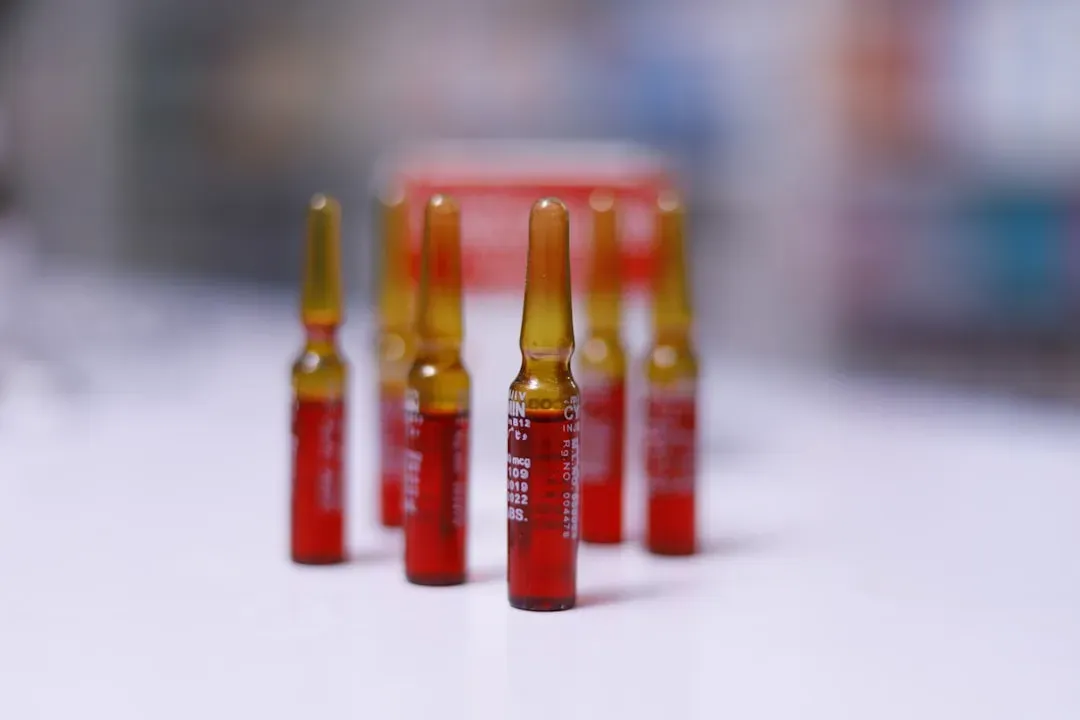
If you have ever worried about what would happen if you needed a transplant or major surgery, regenerative medicine is the field you will want to keep an eye on. Scientists are learning how to coax your own cells into repairing damaged tissues, growing mini‑organs in the lab, and even using 3D bioprinters to create structures that look and behave like living tissue. Instead of relying only on donor organs and metal implants, future treatments could use living, customized materials that blend in with your body far more naturally.
For your everyday life, this might start with seemingly small but meaningful changes: better skin grafts for burns, lab‑grown cartilage to ease joint pain, or cell therapies that help your heart recover after a mild heart attack. Over time, more complex possibilities could emerge, such as printed patches for damaged livers or kidneys, or engineered tissues that restore sight or hearing. You might one day walk into a clinic where a small sample of your own cells is turned into the building blocks of a personalized repair kit. Instead of seeing your body as something that inevitably wears out and must be patched with whatever is available, you could begin to see it as something that can be actively rebuilt using its own biological language.
When you zoom out, all five of these breakthroughs share a common thread: they push you from reacting to problems toward shaping them in advance. Gene editing aims at the root of disease, mRNA lets vaccines keep up with evolving threats, AI takes drudgery off your plate, advanced batteries reshape how you use energy, and regenerative medicine turns healing into something far more proactive. None of them is a magic wand, and each comes with serious ethical, economic, and safety questions you should take seriously.
Still, you are living in a time when what once felt like distant science fiction is starting to knock on your front door in very practical ways. Over the next decade, you may find your medical visits, your commute, your bills, and even your recovery from illness quietly shaped by these technologies, often long before you notice the transition. The real question is not whether your daily life will change, but how ready you are to understand, question, and help steer that change instead of just riding along. Which of these breakthroughs are you most curious to watch unfold in your own lifetime?