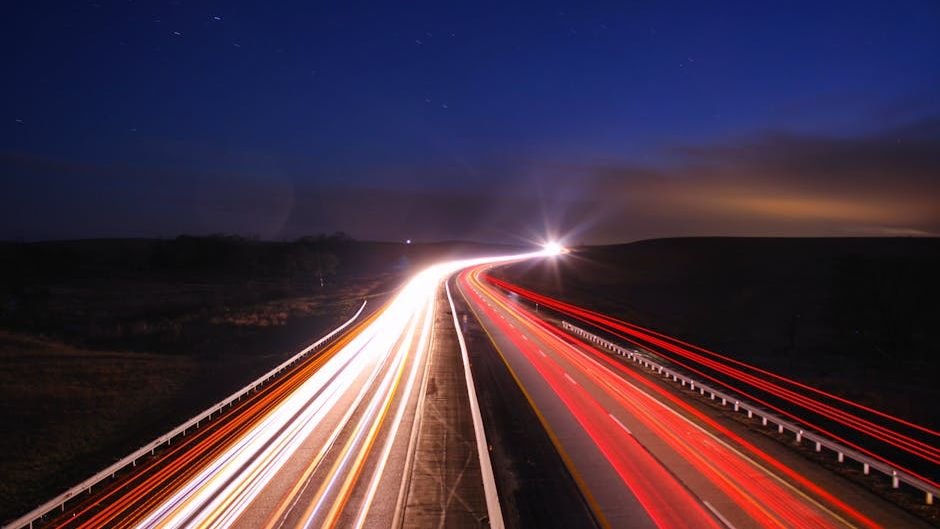

When you flip a switch and a room floods with brightness, it feels almost magical. Yet that glow is just one tiny moment in an incredibly long, wild journey that light has taken to reach you. From the core of the sun to the screen you’re reading right now, light has been on the move, weaving through space, bouncing off matter, and quietly writing the story of your everyday life.
Once you start paying attention to light, you realize it is not just something that helps you see; it is the invisible architect of your world. It shapes your mood, your sleep, your technology, even how you understand the age of the universe. By the time you finish this article, you will see that every sunrise, every photo, and every color around you is part of one incredible, ongoing journey.
The Birth of Light in the Heart of Stars
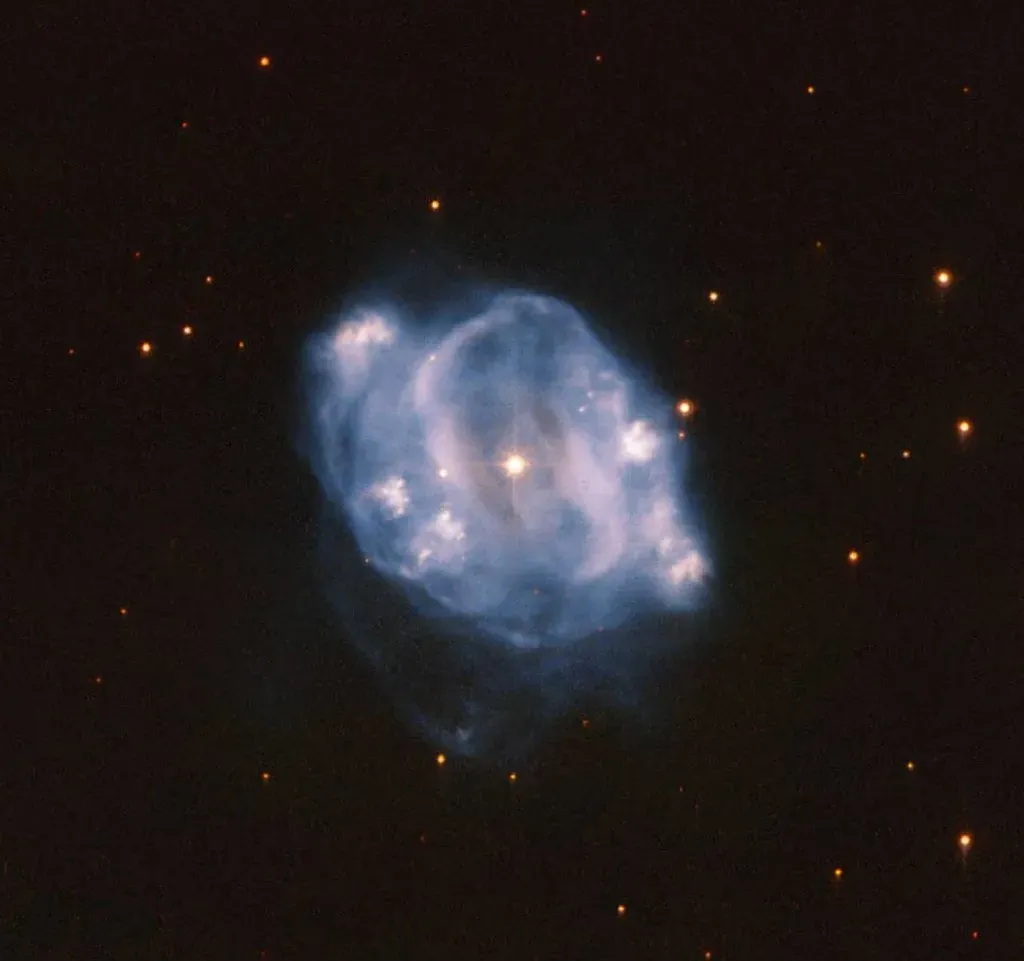
You might think of sunlight as something that simply pours out of the sky each morning, but its story starts in a place you never see: deep inside the sun. In the sun’s core, extreme pressure and temperatures so intense they are hard to picture force hydrogen atoms to fuse into helium. In that chaos, energy is released as high-energy light, but it does not just shoot straight out into space; it begins a slow, jittery migration outward through swirling layers of hot gas.
If you could shrink yourself down and hitch a ride on one of these newborn packets of light, you would not escape the sun anytime soon. Instead, you would be knocked around endlessly, absorbed and re-emitted by particles, zigzagging randomly for a very long time before finally reaching the surface. Only then does that energy stream out as sunlight, racing across space to reach your eyes about eight minutes after leaving the sun’s outer layer, even though its original journey inside the star took vastly longer.
A Cosmic Commute: Light Crossing the Universe
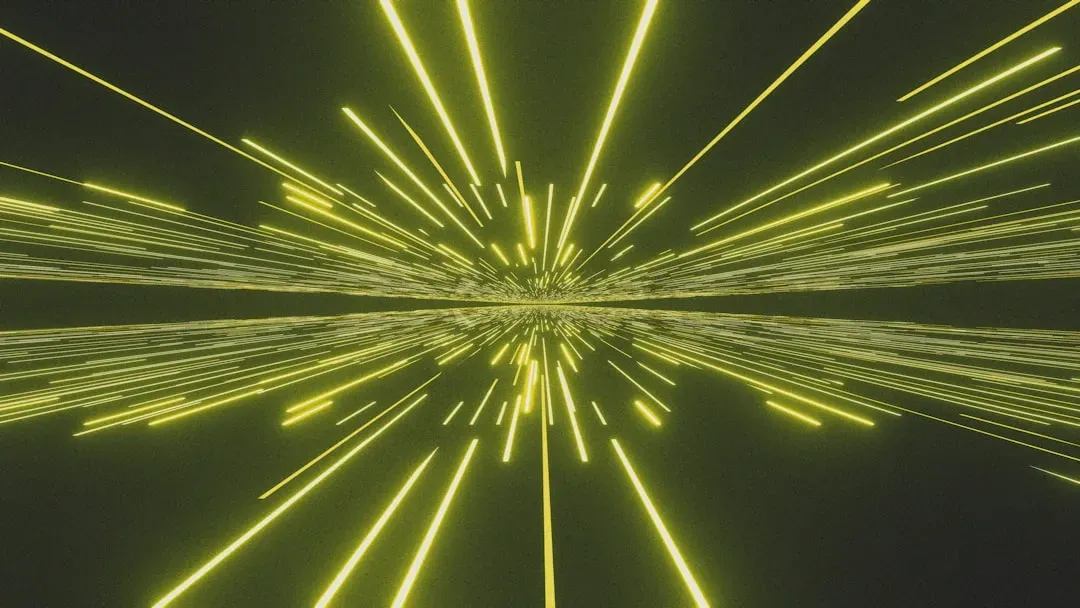
Once light escapes a star, its commute through space is both simple and mind-bending. It travels at a finite but enormous speed, so fast you might be tempted to call it instant, yet not quite: when you look at the sun, you are seeing it as it was several minutes ago; when you look at distant stars, you are looking years, centuries, or even millions of years into the past. Light becomes a kind of time machine for your eyes, silently carrying old snapshots of the universe to you.
Astronomers take advantage of this built-in delay all the time, and you benefit from the same principle whenever you look up at the night sky. That faint star you notice on a clear evening might have sent out the light you are seeing back when someone completely different was living in your house, or before your country even existed in its current form. The farther the light has traveled, the older the story it tells, and by decoding that story scientists can piece together how galaxies formed, how stars live and die, and how the universe itself has evolved.
When Light Meets Matter: Reflection, Refraction, and Color
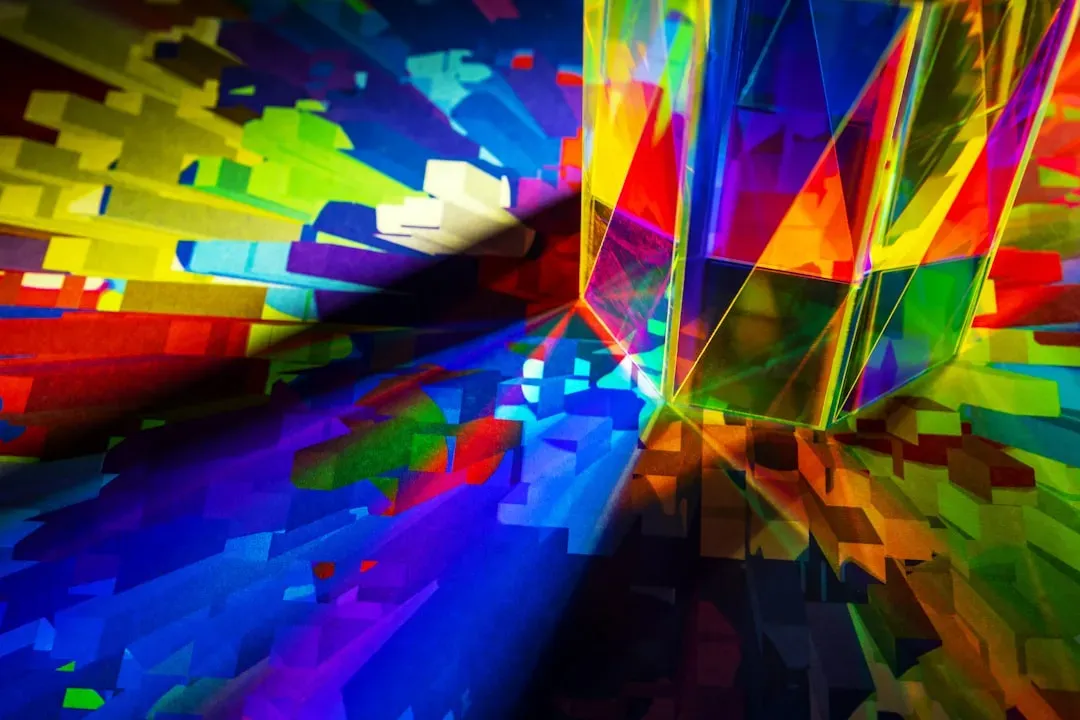
Light’s journey gets especially interesting the moment it meets matter, which is basically all the time in your daily life. When a beam of light hits an object, some of it bounces off, some passes through, and some gets absorbed and turned into other forms of energy like heat. The exact mix of those outcomes depends on what the material is made of and how its atoms and molecules are arranged, and that is where your experience of color comes in.
When you look at a red apple, for example, you are not really seeing “redness” built into the apple itself. Instead, the apple reflects certain wavelengths of visible light more strongly and absorbs others, and your eyes interpret that reflected mix as red. When light bends going from air into water or glass, that is refraction, and you see it in everyday moments: a straw in a glass that looks strangely broken, or a rainbow formed as sunlight passes through raindrops, each droplet acting like a tiny prism that splits the light into a spectrum of colors.
Your Eyes: Turning Light into Reality
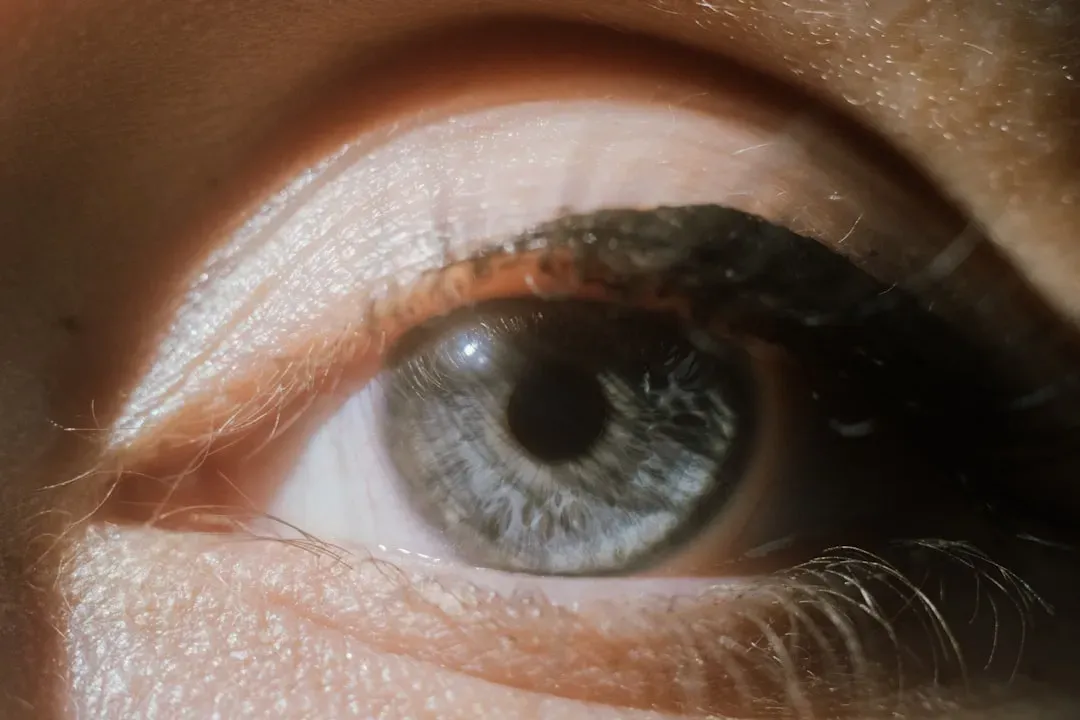
All this cosmic and physical drama would not mean much if you had no way to read it, and that is where your eyes step in as your personal light decoders. When light enters your eye, it passes through the cornea and lens, which bend and focus it so that it lands sharply on the retina at the back, something like projecting an image onto a screen. On that delicate surface, specialized cells called rods and cones respond to different aspects of the incoming light, such as brightness and color.
Rods help you see in dim lighting and are extra sensitive, which is why your night vision is mostly in shades of gray, while cones work best in brighter conditions and allow you to perceive color differences. Your brain then takes the electrical signals from millions of these cells and stitches them together into a seamless, detailed picture of the world around you. The wild part is that you never see the raw light itself; you experience the brain’s interpretation of it, a kind of continuous, real-time painting that feels so natural you forget it is even happening.
Light and Life: How Sunlight Governs Your Body and Mood
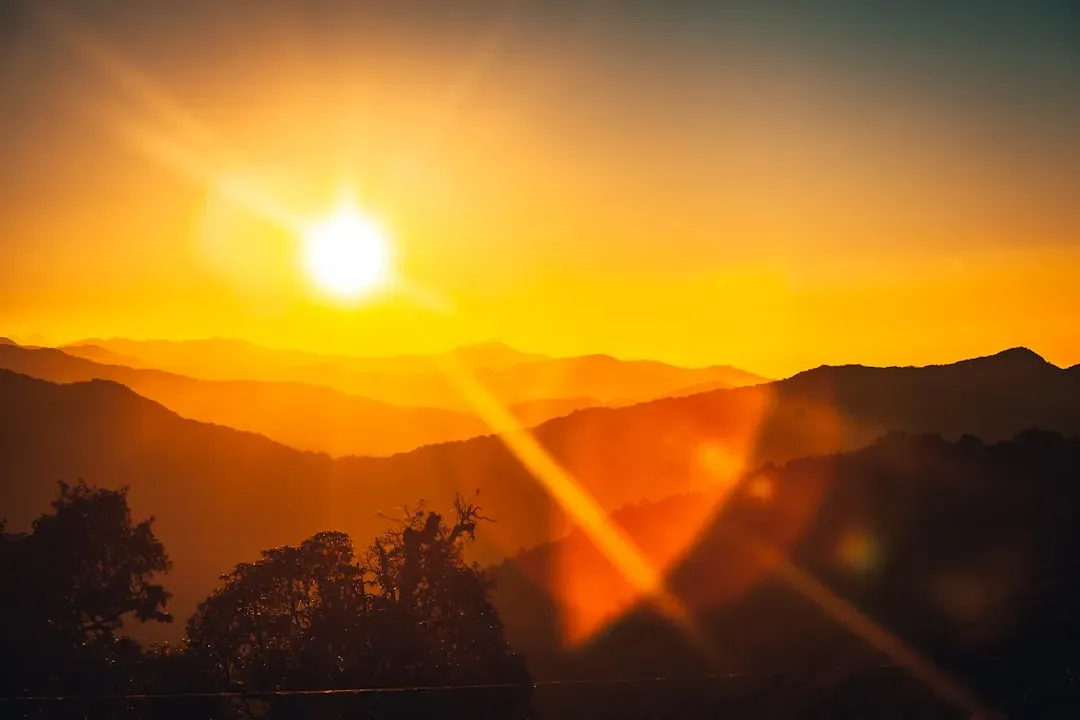
Beyond vision, light quietly sets the tempo of your biology in ways you might underestimate. Your body runs on an internal clock, a circadian rhythm, that is synchronized largely by the natural cycle of daylight and darkness. When sunlight, especially the bluish wavelengths, hits receptors in your eyes, it sends a powerful signal to your brain that it is time to be awake, alert, and active, and this influences hormones related to sleep, mood, and metabolism.
When you are cut off from natural light for long periods or exposed to bright screens late into the night, that clock can get confused. You might notice trouble falling asleep, waking up groggy, or feeling emotionally flat during long dark winters. On the flip side, spending regular time in daylight, even on cloudy days, can lift your energy and improve your sense of well-being. In a very real sense, you are tuned to the sun, and light acts like a daily conductor, guiding the rhythm of your mind and body.
Harnessing Light: From Fire to Fiber Optics

Your relationship with light is not just passive; for as long as humans have walked the planet, you have been learning to control it. Early people gathered around fire not just for warmth and safety, but for its light, extending the day and transforming social life after sunset. Later, oil lamps, candles, and eventually gas lighting made it possible to work and gather in the dark with far more reliability, changing how cities and communities functioned at night.
Then came electric light, which radically reshaped your world, letting factories run late, streets glow safely, and homes shine with the flip of a switch. Today, your tools for controlling light go far beyond simple illumination. You rely on lasers for everything from eye surgery to supermarket scanners, and you send information at incredible speeds through fiber-optic cables, where pulses of light carry data that becomes your messages, videos, and calls. Light is not only something you see by; it is now one of your main ways of moving information and power around the planet.
Seeing the Invisible: Beyond the Colors Your Eyes Can Detect
Even if you have excellent vision, you only see a small slice of all the light that exists. The colors of the rainbow make up what you call visible light, but beyond the red end lies infrared, and beyond the violet end lies ultraviolet, with many other types of electromagnetic radiation stretching out in both directions. Your skin can feel some of this, like the warmth of infrared, and it can be harmed by too much ultraviolet, even though you cannot see those wavelengths directly.
Technology lets you extend your senses into these hidden realms. Infrared cameras can show you how heat leaks out of your house or how warm-blooded animals stand out in the dark, while ultraviolet lamps can reveal patterns and markings that are invisible in normal light. Radio waves, microwaves, and X-rays are all part of the same family as the light you see; they just have different wavelengths and energies. Once you realize that, you start to understand that your world is flooded with light you never directly perceive, but that you constantly use in communication, medicine, and exploration.
Light as a Tool for Peering into the Past and the Future
Because light takes time to travel, every beam that reaches you carries a record of where it came from and what happened there. When scientists point powerful telescopes at distant galaxies, they are not just taking pictures; they are analyzing light that reveals what those objects are made of, how fast they are moving, and how long ago that light set out. By reading the subtle patterns in that ancient light, you can learn about events that happened billions of years before you were born.
In your personal life, you use the same principle in smaller ways without even thinking about it. Every photograph on your phone is frozen light from a particular moment, captured and stored so you can revisit memories later. On a larger scale, devices that measure faint ripples and patterns in cosmic light help scientists test ideas about how the universe might evolve in the future. You are constantly living at the intersection of past and future, with light acting as your messenger, bringing you clues about what has been and hints about what might come next.
When you step back and trace the journey of light – from violent birth in a star’s core, across the vacuum of space, through the air around you, into your eyes and your technology – you start to see just how deeply it shapes everything you know. Light sculpts your days, colors your memories, powers your tools, and reveals the universe beyond your reach. The next time sunlight hits your face or a screen lights up your room, you might feel a little awe at the sheer distance and complexity packed into that simple glow. Now that you know more of its story, what will you notice differently the next time you look at the light around you?