
You probably like to think of history as a neat timeline: one civilization hands the torch to the next, everything building in a straight line toward the present. But when you really look at the archaeological record, that story falls apart fast. Some cultures appear out of nowhere with advanced skills, others vanish without a clear reason, and a few left behind writing systems you still can’t read at all. In this article, you’ll walk through eight civilizations that continue to baffle experts today. You’ll see places where writing refuses to give up its secrets, cities that were engineered better than some modern towns, and sites so old they force you to rethink when “civilization” even began. As you go, keep one thought in the back of your mind: for all your technology and satellites and DNA tests, there are still huge blank pages in the story of humanity – and these are some of the biggest.
1. Göbekli Tepe: A Temple Older Than History Itself
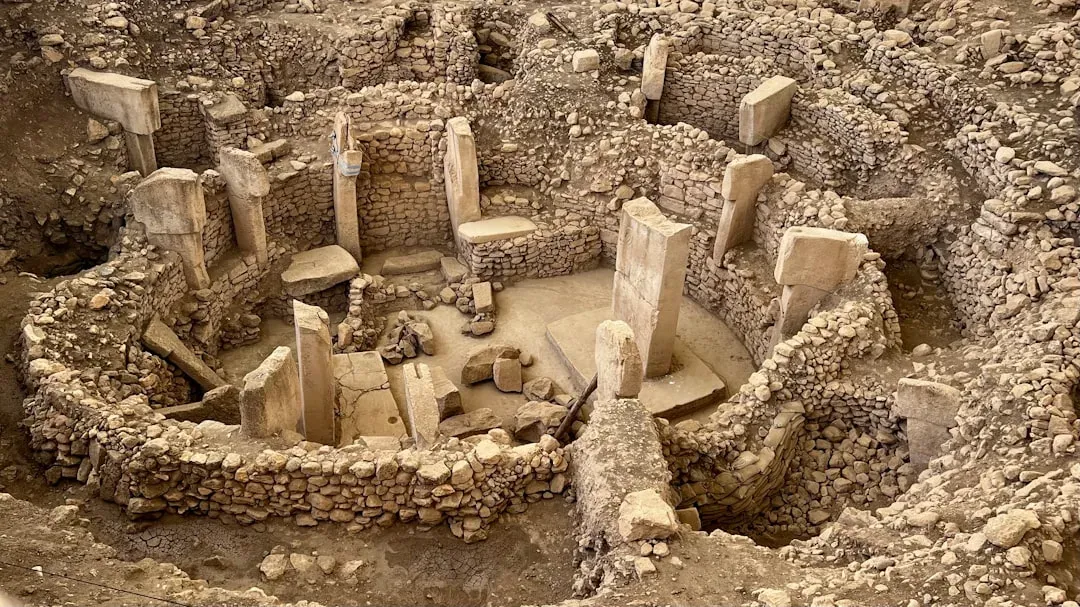
You’re used to hearing that farming led to villages, then cities, and only after that came organized religion and big temples. Göbekli Tepe in southeastern Turkey turns that sequence upside down. Here you’re looking at massive stone circles and towering T-shaped pillars that were carved and arranged around eleven to twelve thousand years ago, thousands of years before Stonehenge or the pyramids. Hunters and gatherers – people you usually picture carrying spears and living in small camps – somehow quarried, moved, and erected multi-ton stones decorated with intricate animals and abstract symbols.
What you still don’t really know is why they did it. No houses cluster around the site in the way you’d expect for a normal settlement, and there’s no clear evidence of everyday life on the scale that matches the effort involved. Instead, you see hints of large gatherings, feasting, and complex rituals, which suggests that shared beliefs may have pulled people together long before permanent towns and fields of grain. Even stranger, the place was deliberately buried in ancient times, almost as if its own builders wanted it hidden. You can stand there today and feel like someone took an eraser to an entire chapter of prehistory, leaving only a few cryptic sketches behind.
2. The Indus Valley Civilization: Cities Without a Voice
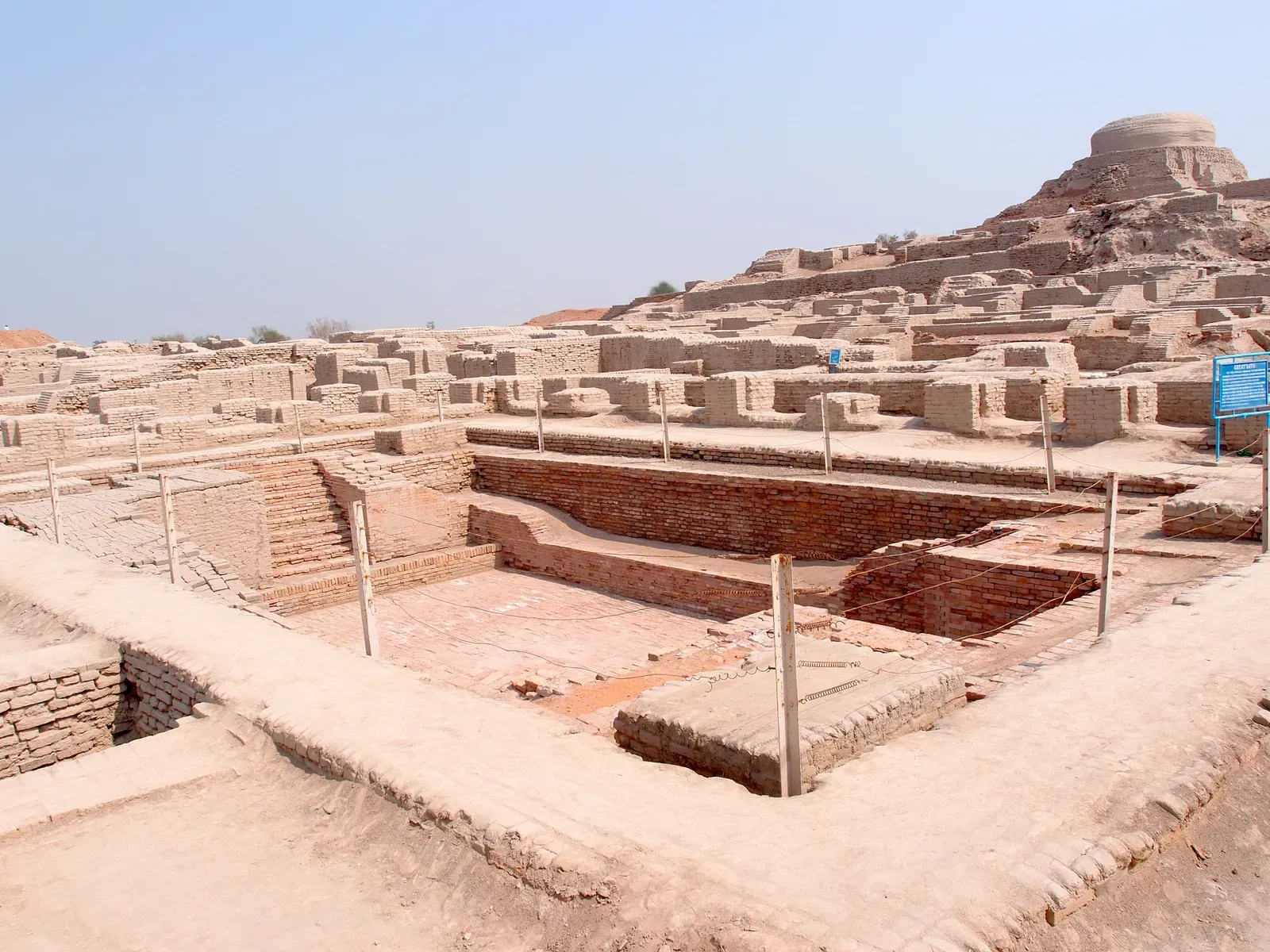
When you picture early urban life, your mind probably jumps to Egypt’s pyramids or Mesopotamia’s ziggurats. But if you step into the Bronze Age streets of the Indus Valley Civilization – stretching across what is now Pakistan and northwest India – you find something just as impressive, and in some ways even more modern. You’re walking along straight, well-planned streets laid out on a grid, with standardized bricks, multi-story houses, and advanced drainage systems quietly moving wastewater away from homes. Some neighborhoods had private bathing areas and covered sewers that would put many later cities to shame.
Yet for all that sophistication, the Indus people remain strangely silent to you. Their script, stamped on thousands of seals and objects, has never been conclusively deciphered. You don’t know what they called themselves, what gods they worshipped, how they governed their cities, or even exactly what language they spoke. Short inscriptions, no bilingual “Rosetta Stone,” and layers of later history all get in your way. Climate studies suggest that long, punishing droughts helped bring their urban phase to an end, but the inner logic of their society – their stories, their laws, their daily worries – still sits just beyond your reach, locked behind a writing system you can’t yet read.
3. The Minoans: Masters of the Sea and an Undeciphered Script
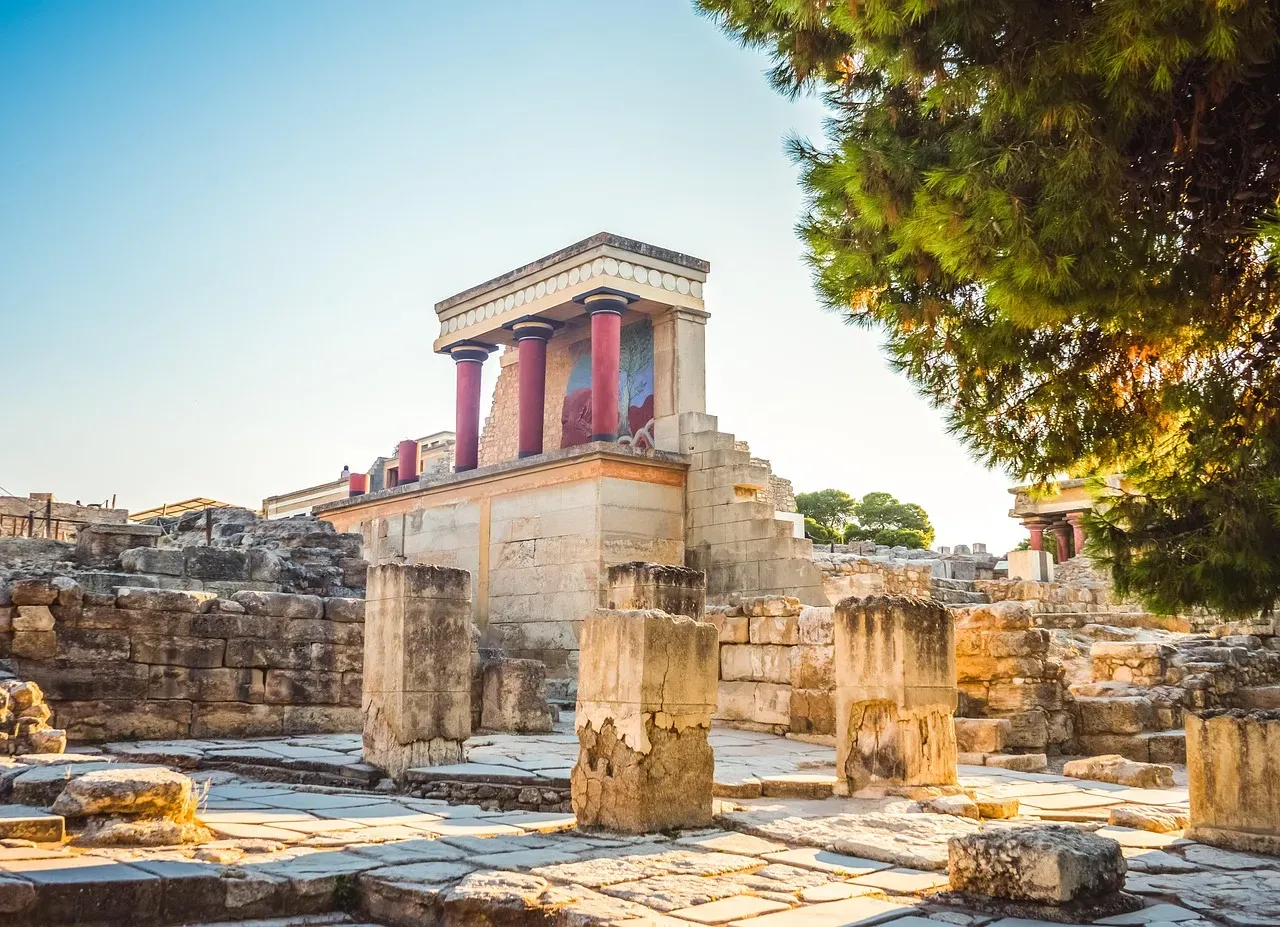
If you sail mentally back to the Bronze Age Mediterranean, you’ll eventually dock at Crete, home of the Minoans. You’re walking into a world of complex palatial centers like Knossos, filled with colorful frescoes of acrobats, trading ships, and vibrant nature scenes. These people traded widely, crafted fine metalwork and pottery, and seem to have lived in a society where the sea was as central as the land. Their art suggests a culture that valued movement, ritual, and perhaps a powerful priestly class – yet the details remain murky.
The real barrier between you and the Minoans is their writing. One of their main scripts, known as Linear A, remains undeciphered, despite decades of attempts and the later success of cracking related scripts from nearby cultures. You can read the numbers and recognize that many of the tablets record goods or offerings, but you can’t fully understand the language itself. Without that key, you’re left guessing about their myths, their political structure, even their view of death and the afterlife. Add in the still-debated role that volcanic eruptions and earthquakes played in their decline, and you’re looking at a civilization that skimmed across the waves of the ancient world and then slipped under the surface, leaving only ripples you can partially trace.
4. The Olmec: Mysterious Giants of Ancient Mesoamerica
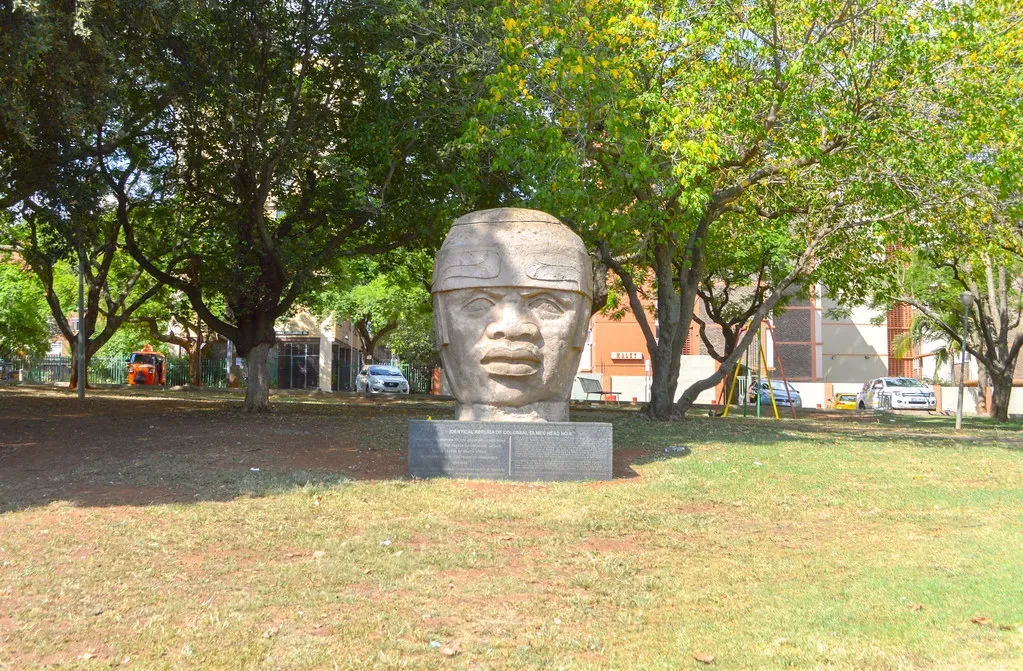
When you think of ancient Mexico and Central America, your mind probably jumps to the Maya or the Aztecs. But if you go back further, you run into the Olmec, often called a “mother culture” of Mesoamerica – and here the mysteries start piling up. You stand in front of colossal stone heads, some weighing many tons, each carved with distinctive facial features and headgear. Nobody can tell you exactly who these figures represent: rulers, warriors, ballplayers, or revered ancestors. You see evidence of long-distance trade in jade and obsidian and early hints of the ritual ballgames and religious themes that later cultures elaborated.
Yet the Olmec themselves remain frustratingly hard to pin down. Their possible writing – if that’s what some of the carved symbols really are – is still debated and largely undeciphered, which leaves you with barely any direct voice from them. You don’t know what they called their cities, how they justified their leaders’ power, or how they explained the cosmos. Their heartland sites show signs of both gradual changes and abrupt disruptions, including environmental shifts and possible internal conflict. As you look at those massive heads staring off into the distance, you get the feeling that you’re seeing the opening act of a play, but the script and the rest of the scenes have mostly gone missing.
5. The Nabataeans: Desert Traders Behind Petra’s Facade
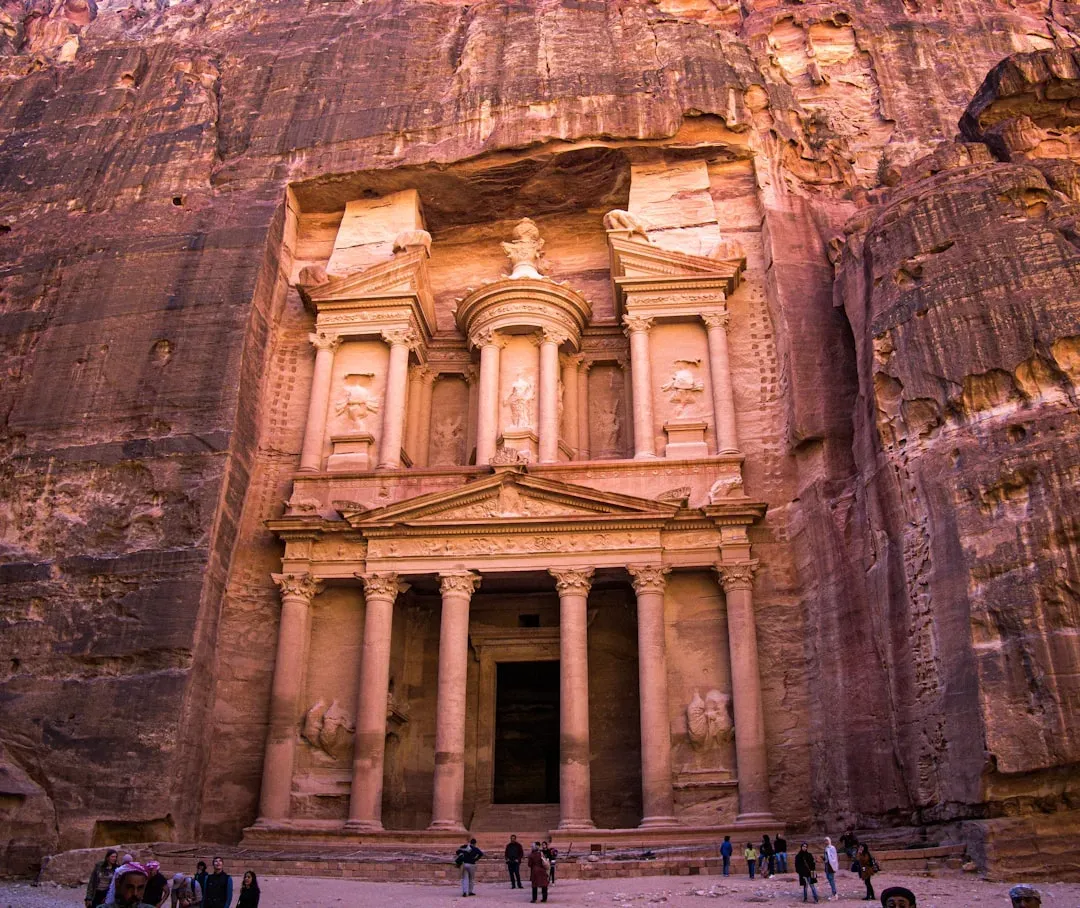
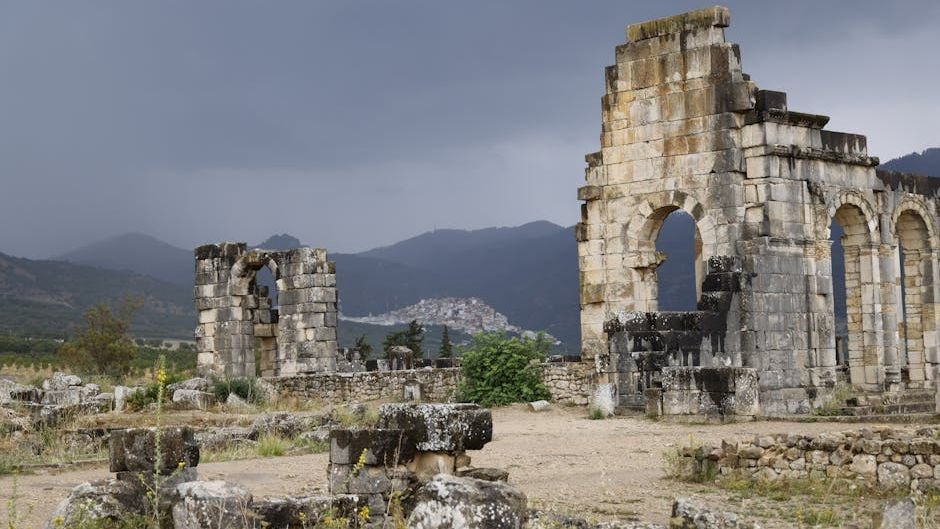
If you’ve ever seen photos of Petra – those rose-red facades carved straight into rock – you’ve already met the Nabataeans without realizing it. You walk through the narrow canyon and suddenly the famous “Treasury” appears, looking like a fantasy movie set. But behind that dramatic stone front was a real kingdom that controlled key trade routes through the deserts of what is now Jordan, Saudi Arabia, and beyond. They mastered water management in one of the harshest environments on Earth, building channels, cisterns, and dams that let them thrive where others might have simply passed through.
Despite all that, their inner world is still hazy to you. You can read some of their inscriptions in a form of early Arabic script, but they didn’t leave behind long chronicles, epic myths, or detailed histories the way the Romans or Greeks did. Much of what you “know” about them comes filtered through outside observers who didn’t fully understand their culture. Their religious practices, the extent of their political organization, and the real reasons behind their absorption into the Roman Empire remain topics of active debate. You see the carved tombs and the remains of bustling marketplaces, but the mindset behind those achievements – the philosophy of a people who turned desert rock into architectural poetry – is still mostly inferred rather than clearly voiced.
6. The Kingdom of Aksum: African Empire with a Hidden Story
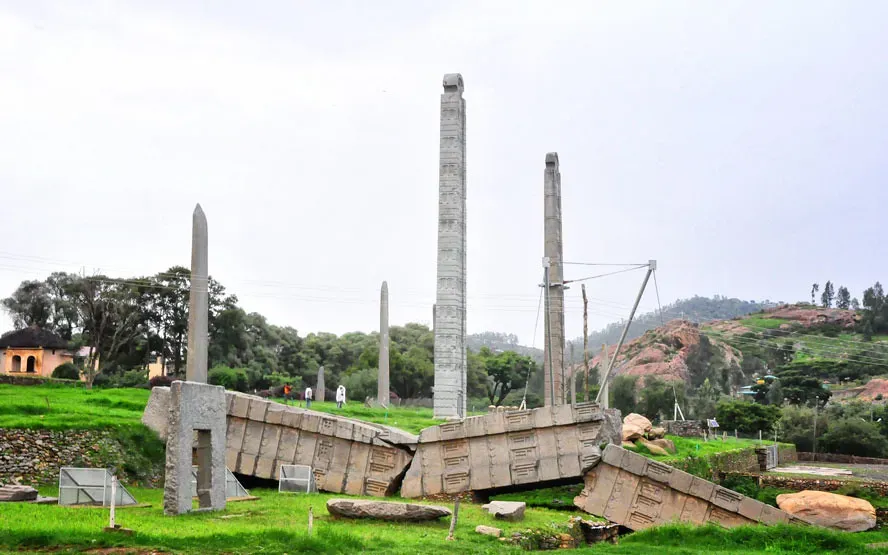
When you zoom out to look at the big ancient powers, you probably focus on Rome, Persia, India, and China. But if you shift your gaze to the Horn of Africa, you run into Aksum, a kingdom that once ruled parts of what are now Ethiopia and Eritrea and projected power across the Red Sea. You stand among gigantic stone stelae rising from the ground like frozen lightning bolts, some intricately carved to mimic multi-story buildings. Ancient inscriptions and coins show that Aksum traded with Rome, Byzantium, and South Arabia, and at one point it was considered one of the great powers of its time.
Yet for such an influential state, Aksum leaves you with big gaps. You have royal inscriptions that brag about victories and conquests, and you know the kingdom adopted Christianity relatively early, leaving a strong religious legacy in the region. But you don’t have a lot of everyday records that tell you how ordinary people lived, how administration really worked, or how diverse the population might have been. The reasons for Aksum’s decline – shifts in trade routes, environmental changes, political struggles – are still pieced together from hints instead of clear narrative sources. You’re left with towering monuments and a handful of royal voices, but a surprisingly quiet background where the lives of most people have largely faded away.
7. The Norte Chico (Caral-Supe) Culture: Cities Before Pottery
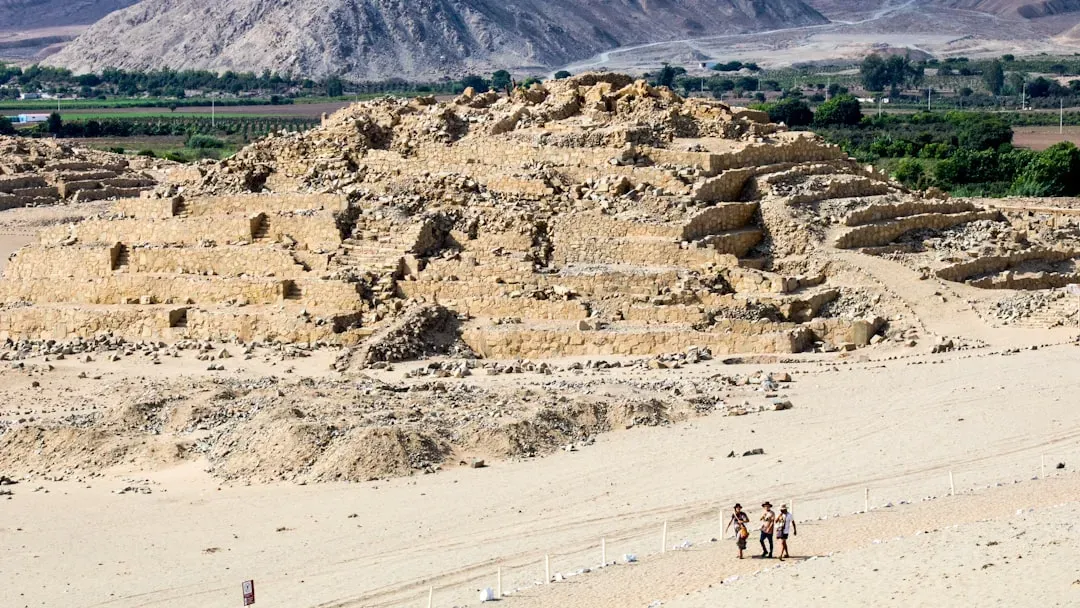
If someone asked you where the world’s first cities appeared, you’d probably name Mesopotamia or Egypt without hesitation. But if you walk the dry coastal valleys of what is now Peru, you stumble across something that complicates that story: the Norte Chico or Caral-Supe culture. Here you see monumental platform mounds, sunken circular plazas, and evidence of organized labor dating back to roughly the same deep antiquity as the earliest Old World civilizations. Strangely, you find large-scale architecture and social complexity without the usual markers you expect, like widespread ceramics or obvious fortifications.
What you still lack is a clear window into how this society thought about itself. There’s no known writing system, and the material culture is relatively sparse compared to later Andean cultures. You can see that they relied heavily on both agriculture and rich marine resources, and you find objects that suggest ritual music and ceremonial life played a big role. But you don’t know what they called their deities, how they justified social hierarchies, or how power was negotiated between inland and coastal communities. When you stand at Caral and look across its plazas and stepped platforms, you’re basically staring at one of humanity’s earliest experiments in urban living, with almost none of the explanatory notes preserved.
8. The Etruscans: A Vanished Language in the Heart of Italy
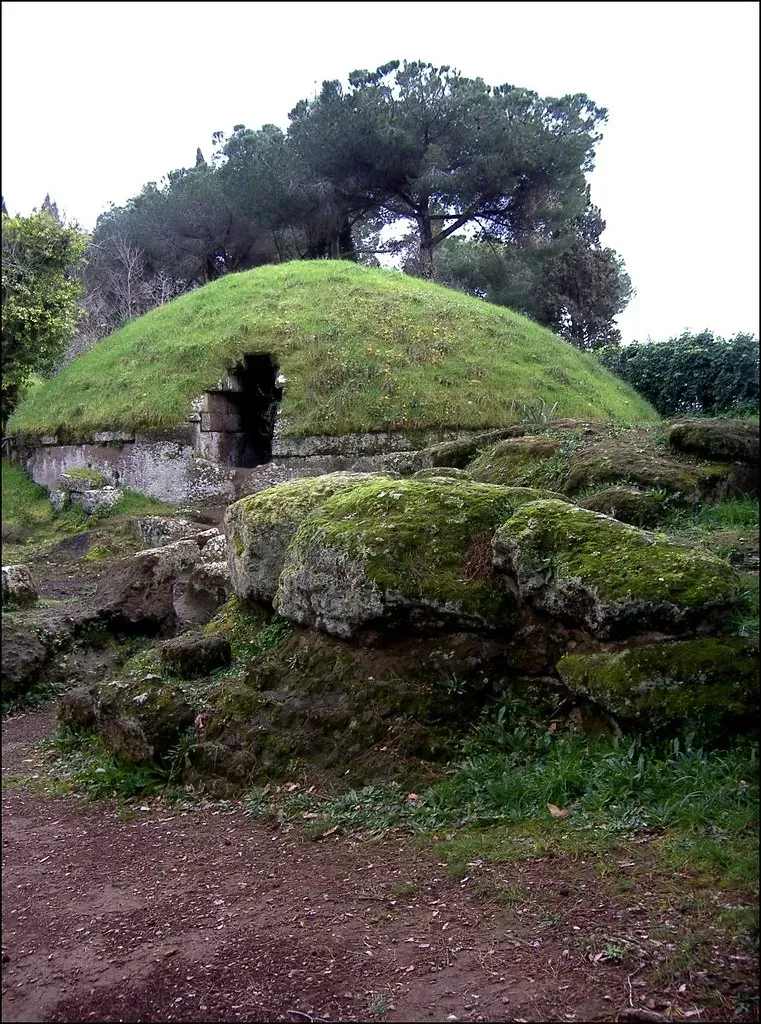
Imagine wandering through central Italy before Rome became the unchallenged power you usually imagine. Here you’d meet the Etruscans, a people whose culture heavily influenced early Roman religion, art, and even political symbols. You walk past elaborate tombs decorated with scenes of banquets, games, and dancing, suggesting a society that cared deeply about funerary ritual and the continuation of identity after death. Their metalwork, city planning, and religious practices made a big impression on their neighbors, and you’re still living with some of that legacy through Rome’s later dominance.
Yet you still don’t fully understand them because of their language. You can read Etruscan letters and even pronounce many of the words, but most of the surviving texts are short and formulaic – tomb markers, dedications, and a few ritual texts – leaving you with only a partial vocabulary. The longer, more informative works that might have explained their mythology, law, and philosophy didn’t survive the centuries of Roman rule and later upheaval. As a result, you’re in the odd position of seeing the Etruscans’ fingerprints all over Roman culture, while knowing that the Etruscans’ own voice has been reduced to scattered phrases and half-understood inscriptions. You walk through their necropolises feeling like you’re eavesdropping on a conversation where you only recognize every tenth word.
Conclusion: Living with the Gaps in Your Own Story
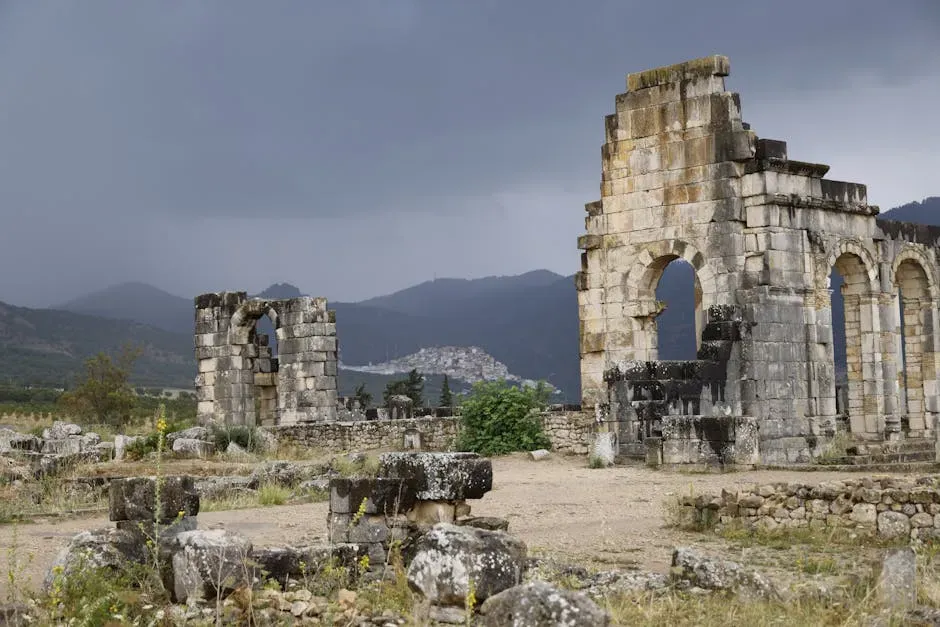
When you step back from these eight civilizations, you start to notice a pattern: the more you uncover, the stranger your own story of “progress” begins to look. Stone-age hunter-gatherers who built cathedral-like temples, urban planners whose drainage systems still impress engineers, desert traders who turned canyons into cities, seafaring powers whose languages fell silent, and early city-makers who skipped some of the steps you thought were necessary for civilization – all of them force you to admit how much you still don’t know. The gaps are not minor details; they cut right through questions of why people first gathered in large groups, how they organized power, and what they believed was worth carving into stone.
Instead of treating those gaps as failures, you can see them as an invitation. Every undeciphered script, every deliberately buried sanctuary, every anonymous monument reminds you that human creativity – and human memory – do not always follow neat lines. As new tools emerge, from satellite imaging to machine learning applied to ancient writing, you might unlock some of these mysteries, but there will always be others waiting just beyond the edge of what you can see. In the end, maybe the most honest way to read the past is to hold both ideas at once: that you know more about ancient people than at any point in history, and that you’re still only scratching the surface. Which of these civilizations makes you feel that hidden depth the most?