There is something chilling and strangely comforting about wondering what really happens in your brain in the last few minutes before you die. Is it just a quiet fade to black, or a final, frantic fireworks show of memories, emotions, and electrical chaos? Over the past decade, brain scans, case reports, and near‑death experiences have started to reveal a picture that is far more dramatic, and far more complicated, than the old idea of the brain simply “switching off.”
What makes this topic even more fascinating is that some people come back from the edge and remember parts of it. They describe tunnels, lights, voices, overwhelming peace, or a feeling of leaving their body behind. Science cannot fully explain all of that yet, but it can explain a surprising amount of what the brain is doing when the heart stops. Let’s walk through those crucial few minutes, step by step, to see what we actually know, what is still mystery, and why the line between life and death is much blurrier than most of us were taught.
The First 10–30 Seconds: When the Lights Start to Flicker
Right after the heart stops beating, blood flow to the brain drops sharply, and within seconds the brain is in serious trouble. Neurons are incredibly energy‑hungry, and they rely on a constant stream of oxygen and glucose; once that stream is cut off, electrical activity begins to falter almost immediately. People who suffer a sudden cardiac arrest usually lose consciousness within roughly ten to fifteen seconds, not because their soul has left their body, but because their cerebral cortex is starved of fuel.
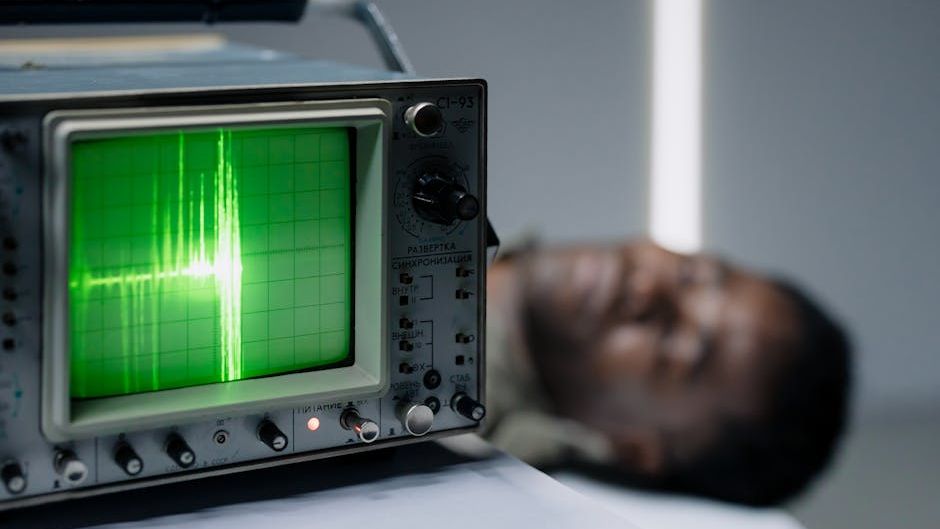
In this brief window, the brain is in a kind of limbo: it is still structurally intact, but its power supply is failing fast. Some EEG (electroencephalogram) recordings in both animals and humans have shown a short-lived surge in high‑frequency brain waves just after cardiac arrest, as if the brain is firing in one last intense burst before quieting down. That may sound dramatic, almost cinematic, but from the inside it likely feels like a rapid dimming of awareness, not a drawn‑out goodbye. Consciousness, at least in the way we usually experience it, slips away very quickly.
One to Two Minutes After: The Brain in Crisis Mode
As the first minute passes without blood flow, the brain starts running on fumes. Cells try to keep their internal balance using the tiny bit of energy left, pumping ions in and out to maintain their electrical charge, but this is a losing battle. At this stage, there may still be some organized brain activity deep in the brainstem, which controls breathing and basic reflexes, but the higher areas involved in awareness and thinking are collapsing into silence. To anyone watching from the outside, the person appears lifeless and unresponsive.
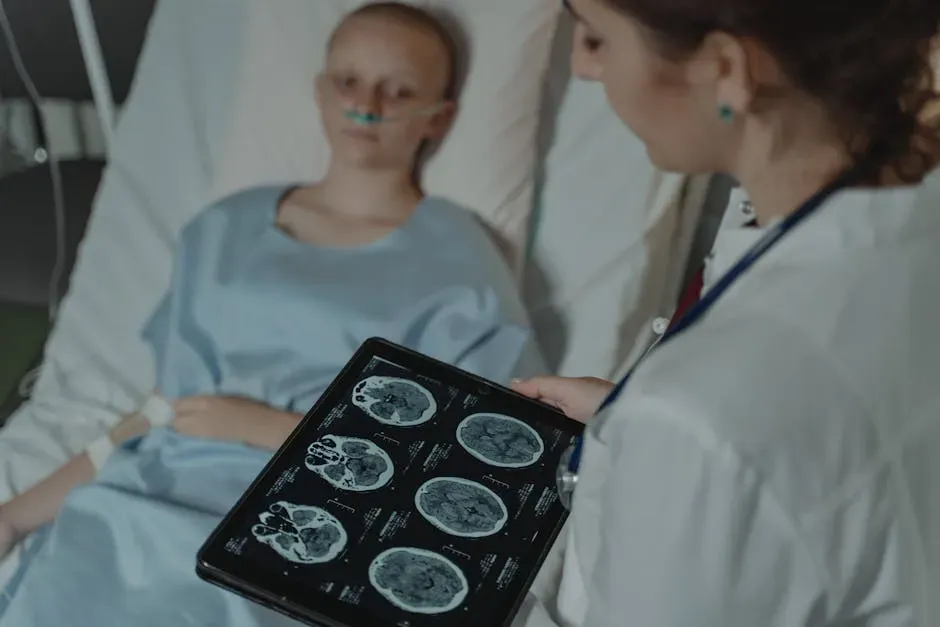
This is the zone where modern resuscitation medicine is fighting hardest. Chest compressions, defibrillation, and oxygen delivery are all aimed at restoring blood flow before too many neurons reach the point of no return. The crucial detail here is that “no heartbeat” does not instantly equal “dead brain.” For a short period, the brain is extremely vulnerable but not yet irreversibly gone, which is exactly why people can sometimes be brought back, with their personality and memories still intact.
The Famous “7 Minutes”: Why That Number Matters (and Why It’s Misleading)
You’ve probably heard some version of the idea that the brain stays “alive” for about seven minutes after death. The real story is more nuanced. It is true that brain cells do not all die at the exact moment the heart stops; instead, they go through a gradual, worsening process of injury over minutes to hours. Certain neurons, especially in the cortex and hippocampus, are incredibly sensitive to lack of oxygen and may start to show serious damage within a few minutes, while other cells hold on longer.
The “seven minutes” figure is more of a rough cultural shorthand than a hard biological law. In some experiments with animals, researchers have recorded organized brain activity for several minutes after cardiac arrest, including that intense spike right after the heart stops. In real‑world human cases, people have been successfully resuscitated after far longer than seven minutes without a heartbeat, especially when they were cooled or in very controlled settings. So yes, the brain can remain partly active for several minutes after the heart stops, but the quality and organization of that activity, and whether it could support conscious experience, is still an open question.
Electrical Storms and Last Surges: What the Brain Does on the Way Down
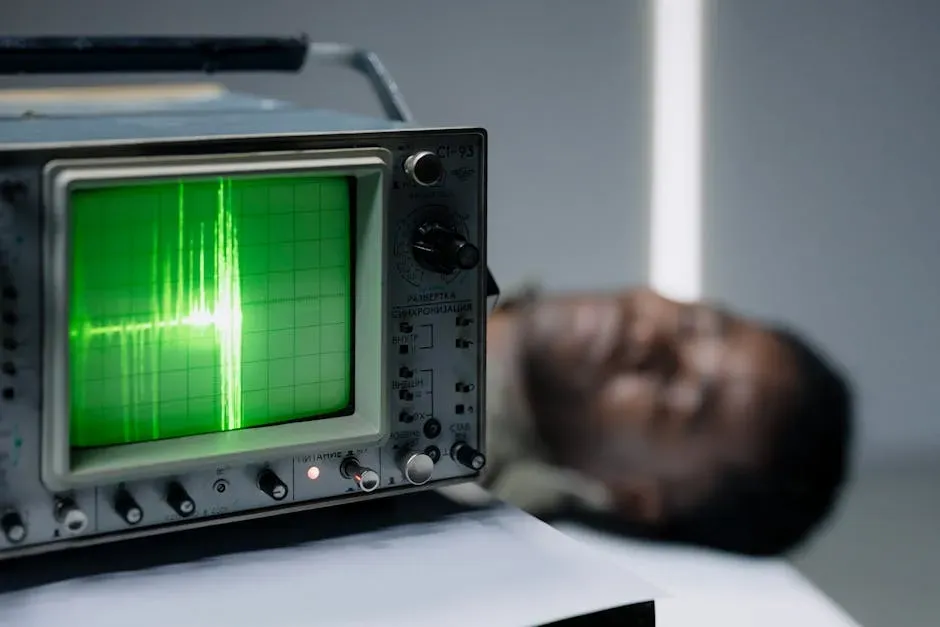
One of the most striking findings in recent years is that the dying brain does not always go quietly; sometimes it produces a brief, powerful storm of electrical activity. Studies in animals have shown a sudden, global surge in synchronized brain waves in the seconds after the heart stops, followed by a steep decline into silence. In some human cases, EEG recordings in people who were near death have shown patterns that look oddly similar to those seen during intense wakefulness or certain states of dreaming. This suggests that the brain might briefly “flare up” as its systems are collapsing.
Some scientists have proposed that these surges could be tied to parts of the near‑death experience that people report later, like vivid imagery, a sense of clarity, or life‑review‑type memories. It is a tempting idea: if the brain is dumping stored information and firing in unusual patterns, it might create a strange, heightened inner world just as consciousness is fading. But here’s the honest part: we do not yet have direct proof that these electrical storms are experienced subjectively. They line up in time with when near‑death experiences might happen, and they fit with some of the reports, but we are still connecting dots from the outside.
Near‑Death Experiences: Brain Phenomenon, Spiritual Mystery, or Both?

People who come back from the edge often describe their experiences with intense emotion, whether they are religious, non‑religious, skeptical, or deeply spiritual. They talk about leaving their body and watching medical staff work on them, encountering deceased loved ones, moving through darkness toward light, feeling profound peace, or having a rapid and detailed review of their life. What is striking is how many of these stories share common themes, even across cultures and belief systems, though the details can vary a lot from person to person.
From a scientific point of view, many elements of these experiences match what can happen when the brain is under extreme stress. Lack of oxygen, surges of certain neurotransmitters, disinhibition of visual and emotional circuits, and abnormal activity in areas that integrate body signals can produce things like bright tunnel‑like visuals, floating sensations, time distortion, and emotional euphoria. At the same time, science has not yet fully accounted for every detail of every story, especially the ones that seem to include accurate observations from an unresponsive state. This is where the debate heats up: some see near‑death experiences as entirely brain‑based, others as evidence of something beyond, and many people sit in a middle ground that respects the biology without pretending it explains everything.
Why Some People Come Back: Reversing the Clock on a Dying Brain
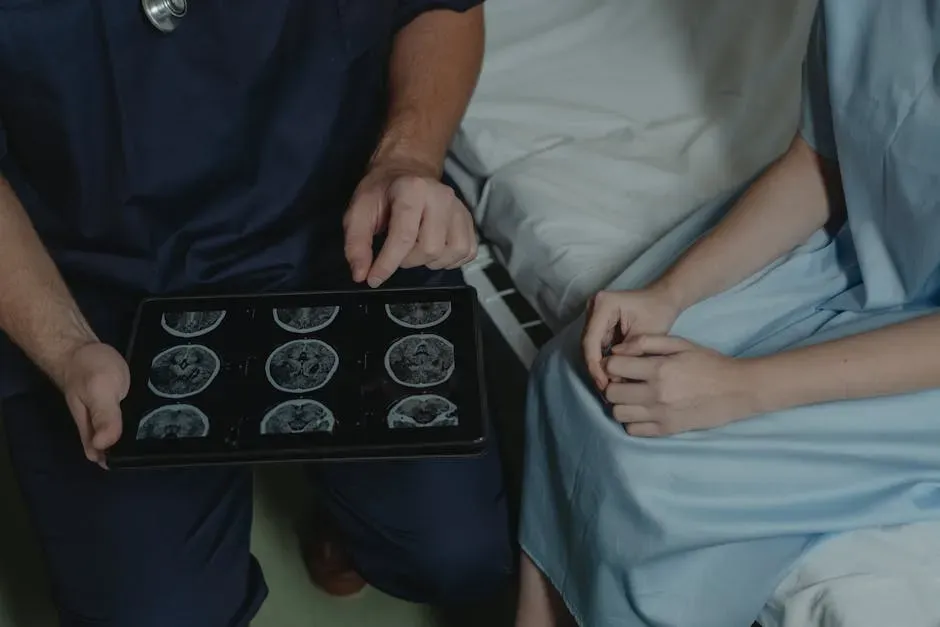
One of the most hopeful parts of this whole topic is how far resuscitation science has come. What used to be considered “too late” has been pushed further and further out, thanks to better CPR techniques, defibrillators in public places, rapid cooling protocols, and improved intensive care. When blood flow is restored in time, brain cells that were at the edge of death can sometimes recover, a bit like a wilting plant perking up when you water it. The key is how long the brain went without oxygen, how completely blood flow was stopped, and what protective measures were in place.
There have even been remarkable cases where people were revived after very long periods of cardiac arrest in icy water or controlled medical settings, because cold temperatures can slow metabolism and protect the brain. That said, there is still a harsh biological limit: if the brain is deprived of oxygen for too long without any protective factors, widespread cell death occurs, and no amount of technology can bring back the person who lived inside that network. Survival and recovery are not just about “coming back” with a heartbeat, but about how much of the original mind and personality return with it, which is why every minute really does matter.
Memory, Meaning, and How the Brain Files the Experience
When people do survive a near‑death event, their memories of those minutes can feel more real than ordinary memories, and for some, they are life‑changing. From a neuroscience angle, this makes sense: intense emotional and physiological stress can supercharge the brain’s memory systems, especially the amygdala and hippocampus. Even if the brain was badly compromised during the event, the moments before and after can get stamped very deeply into memory, colored by the chemicals and electrical patterns of survival. The story the person tells later is shaped both by what the brain recorded and by how they interpret it afterward.
Personally, I think this is where science and human experience intersect in the most interesting way. The brain offers a biological canvas: surges of activity, shifting networks, distorted time, powerful emotions. Then the mind, with its history, beliefs, and culture, paints meaning over that canvas. Two people can have similar physiological events in their brains and walk away with completely different stories about what it meant. Neither of them is lying; they are both trying to translate something almost impossible to put into everyday words. That mixture of raw biology and deep personal meaning is exactly what makes near‑death experiences so hard to fit into tidy scientific boxes.
Conclusion: The Thin, Blurry Line Between Life and Death
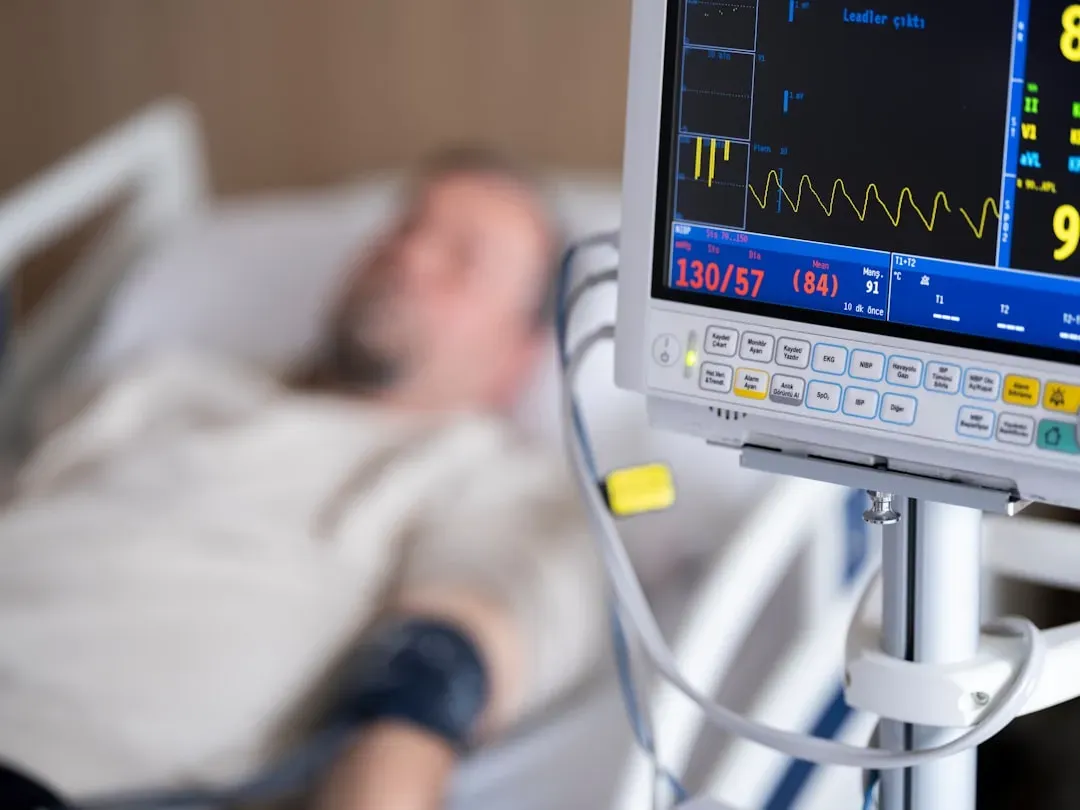
If there is one thing the science of the last few years has made clear, it is that death is not a simple on‑off switch, and the seven minutes before and after the heart stops are far from empty. The brain goes through a rapid, dramatic transition: brief surges, gradual shutdown, potential windows of recoverability, and in some people, intense subjective experiences that stay with them for the rest of their lives. We can map many of the physical steps, measure waves on EEGs, and watch what happens to neurons when oxygen disappears, but we are still only beginning to understand how those processes translate into what a person actually feels as they hover on the threshold.
My own opinion is that we should neither romanticize nor dismiss this territory. Reducing everything to “just brain chemistry” misses the emotional and existential weight that these experiences carry for people; treating them as untouchable mysteries shuts down a science that might improve how we care for the dying and the revived. The truth probably lives in that uncomfortable middle ground: the last minutes of brain activity are both deeply biological and deeply meaningful. Knowing that, maybe the real question is not simply what happens in those seven minutes, but how understanding them might change the way we live the rest of our lives. What do you find yourself hoping is true about your own final moments?