Most people assume museums have foolproof ways to spot a fake before it ever reaches the wall. They don’t. For over a century, some of the most respected institutions on Earth – the Metropolitan Museum, the Getty, even London’s Natural History Museum – have hung, displayed, and scientifically “verified” objects that turned out to be elaborate cons.
Some of these fakes fooled the world’s top experts for decades. A few are still debated today. Here’s what insiders, forensic scientists, and the forgers themselves actually say about how they pulled it off – and what finally gave them away.
#1 – The Piltdown Man Hoax Fooled Scientists for 41 Years
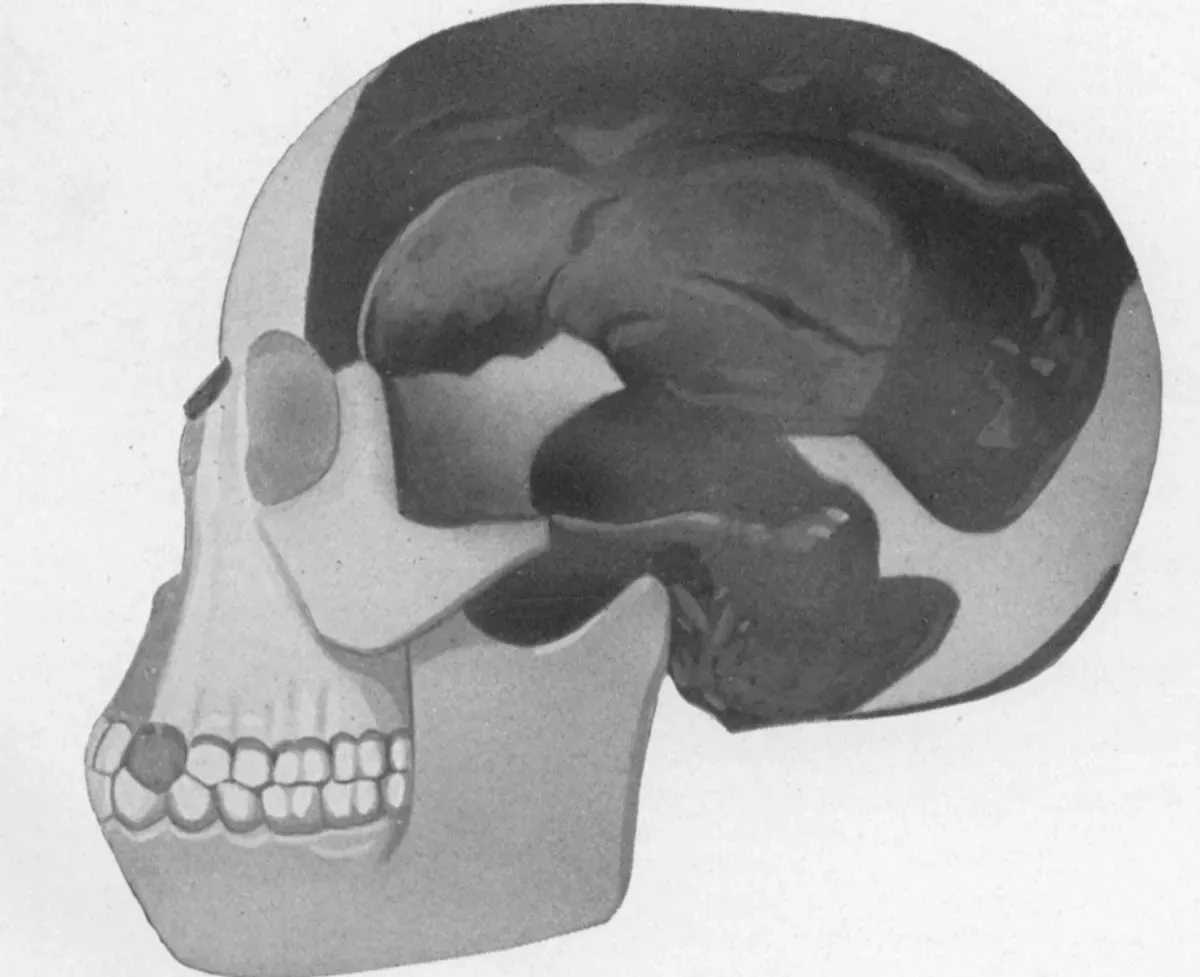
In 1912, amateur archaeologist Charles Dawson announced he’d found skull fragments in a gravel pit in Piltdown, England. The discovery was paraded through Britain’s most prestigious scientific circles and housed for study in connection with London’s Natural History Museum. For four decades, it was cited in textbooks worldwide as proof that early human evolution began in Europe.
Then, in 1953, chemical dating tests exposed the truth: the skull was a human cranium glued to an orangutan’s jawbone, with the teeth filed down and the whole thing stained to look ancient. It remains one of the longest-running scientific frauds ever recorded. Scientists wanted to believe it so badly that obvious anatomical mismatches went unquestioned for 41 straight years.
Fast Facts
- Discovered: 1912 in a gravel pit in Piltdown, England
- Found by: Charles Dawson, an amateur archaeologist
- Linked institution: London’s Natural History Museum
- Exposed: 1953, through chemical dating tests
- Length of deception: 41 years
#2 – Han van Meegeren Sold a Fake Vermeer to a Museum for a Fortune
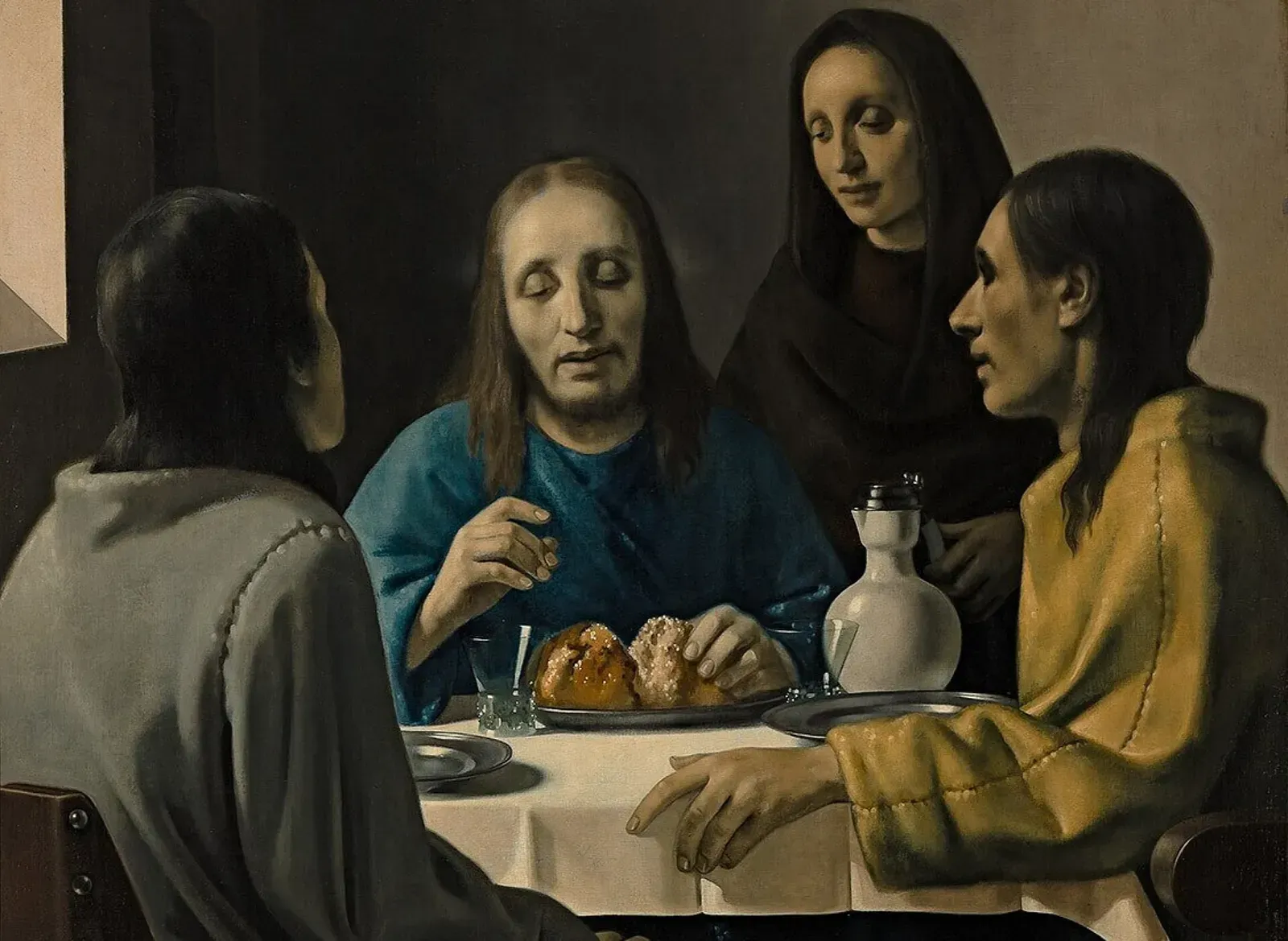
Han van Meegeren was a Dutch painter whose own work was mocked by critics, so he decided to humiliate the entire art establishment instead. Rather than copying an existing Vermeer, he did something far smarter: he forged an early religious-themed Vermeer based on a Caravaggio composition, filling a gap in the artist’s biography that scholars had long suspected existed.
In June 1938, the Boijmans Museum in Rotterdam paid 520,000 Dutch guilders – a fortune at the time – believing it had discovered a lost Vermeer masterpiece. Van Meegeren even made his own pigments and used Bakelite to fake centuries of hardened oil paint. The scheme only unraveled when he was accused of collaborating with the Nazis after trading his fakes to Hermann Göring for 200 real Dutch paintings.
#3 – The Met Displayed Fake Etruscan Warriors for Nearly 30 Years
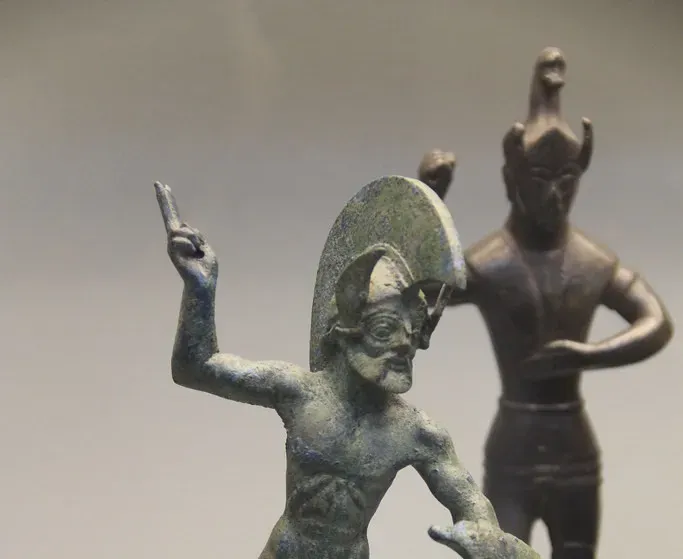
The Met has quietly displayed forgeries before, including a group of Etruscan terracotta warriors purchased between 1915 and 1921. Sellers claimed the figures had been unearthed in an Italian field, but they’d actually been produced in a modern workshop. The museum put them on display in 1933, and there they stood for nearly thirty years – even as scholars quietly raised doubts about their authenticity.
What finally exposed them wasn’t connoisseurship, it was chemistry. Researchers discovered a pigment in the glaze that the ancient Etruscans never used. The Met officially confessed in 1961, relabeling statues once dated to the “5th Century B.C.” as simply “modern.”
#4 – Elmyr de Hory Sold Thousands of Fake Picassos and Matisses Worldwide
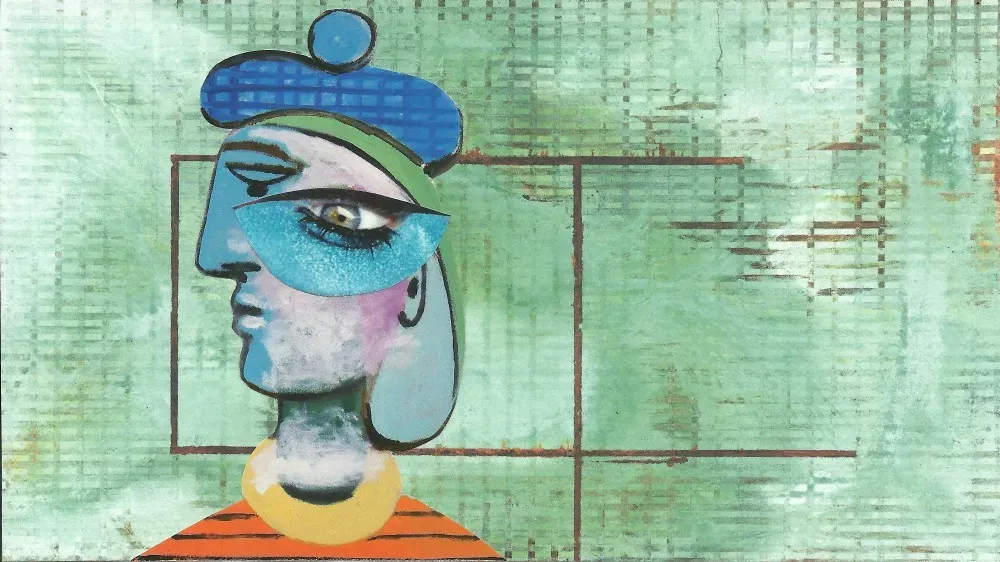
Elmyr de Hory was a Hungarian-born painter who turned rejection into a decades-long crime spree, forging thousands of works attributed to Picasso, Matisse, and Modigliani. He wasn’t a back-alley hustler – his forgeries moved through respected galleries and into private collections and museum walls around the world.
For years, the people buying his work had no idea they were sitting on fakes. The deception finally collapsed in the 1950s, and the story exploded into an international sensation. De Hory went on to become a celebrity in his own right, giving interviews and even inspiring a documentary about his own crimes.
#5 – Tom Keating Faked Over 2,000 Paintings and Planted “Time Bombs” Inside Them
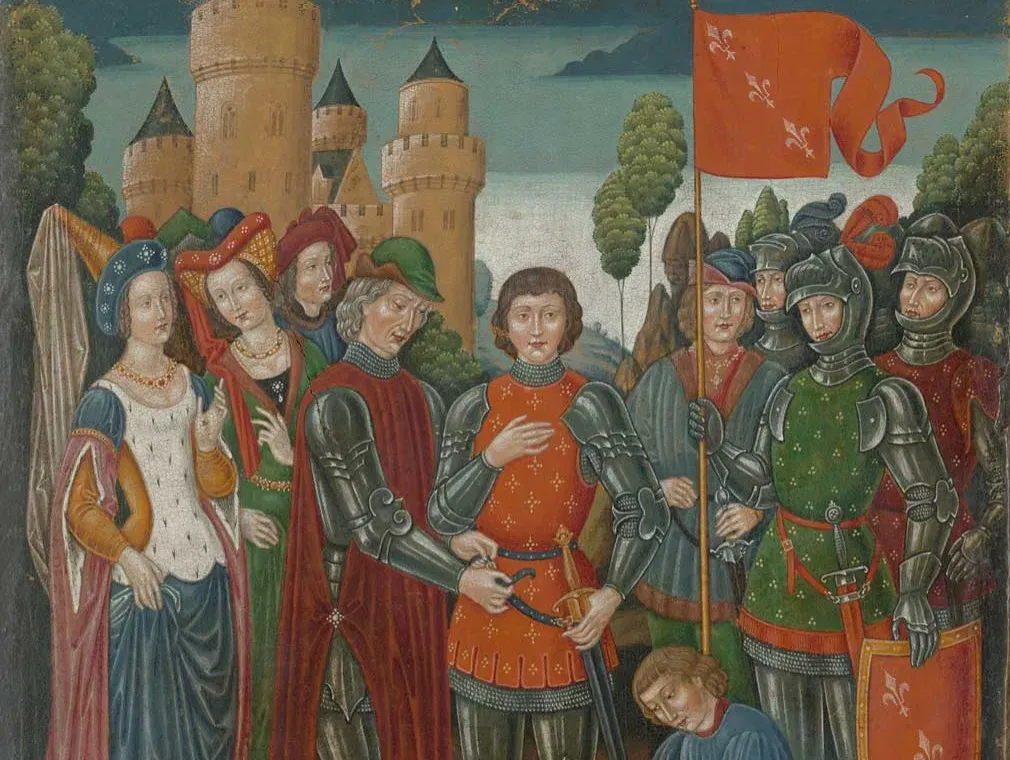
Tom Keating claimed to have faked more than 2,000 works in the styles of over 100 different artists, and he wasn’t shy about wanting to get caught. He deliberately built “time bombs” and anachronisms into his forgeries, meant to eventually expose them as fakes.
His signature trick involved layering glycerine beneath the paint, so it would dissolve the moment a restorer tried to clean the surface, revealing the deception underneath. That means some of his forgeries were engineered from day one to fool conservators, not just casual buyers. Keating’s work circulated for years before his methods came to light, and he remains one of the clearest examples of a forger who took more pride in the con than in the canvas.
#6 – Eric Hebborn Sold Fake Old Master Drawings for Years
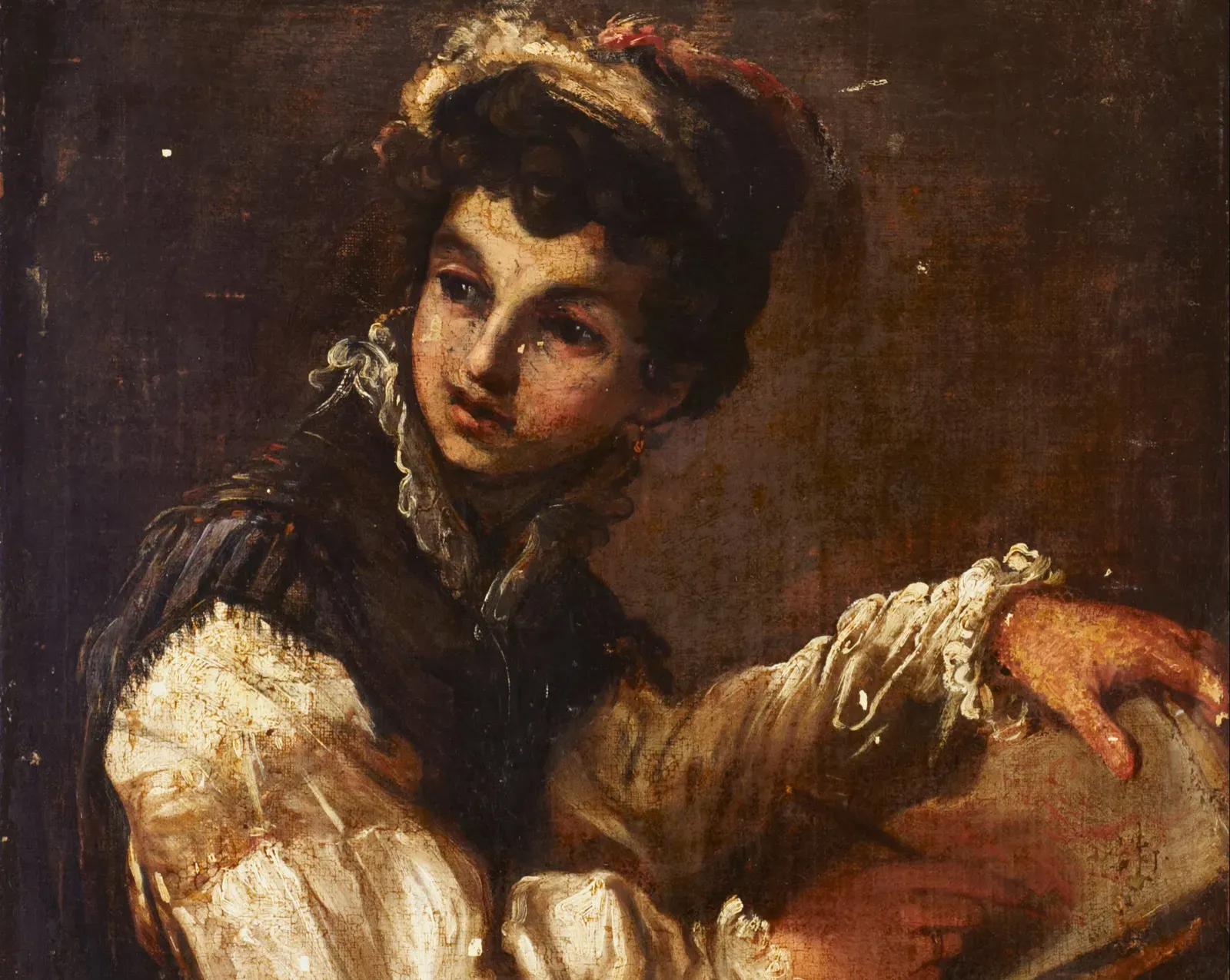
Eric Hebborn trained at the Royal Academy of Arts and had exquisite technical skill, but he felt belittled and underpaid by the modern art market. So he turned his talent against it, producing Old Master-style drawings convincing enough to pass through respected auction houses and dealers for years.
Most people assume paintings are the hardest thing to fake, but drawings are actually easier – ink and chalk leave far fewer chemical fingerprints than oil paint, which is exactly why Hebborn gravitated there. He later wrote openly about his methods, turning his deception into a strange confessional memoir that publicly embarrassed the very experts who had vouched for his work.
#7 – John Myatt Forged 200 Paintings While His Partner Faked the Paperwork
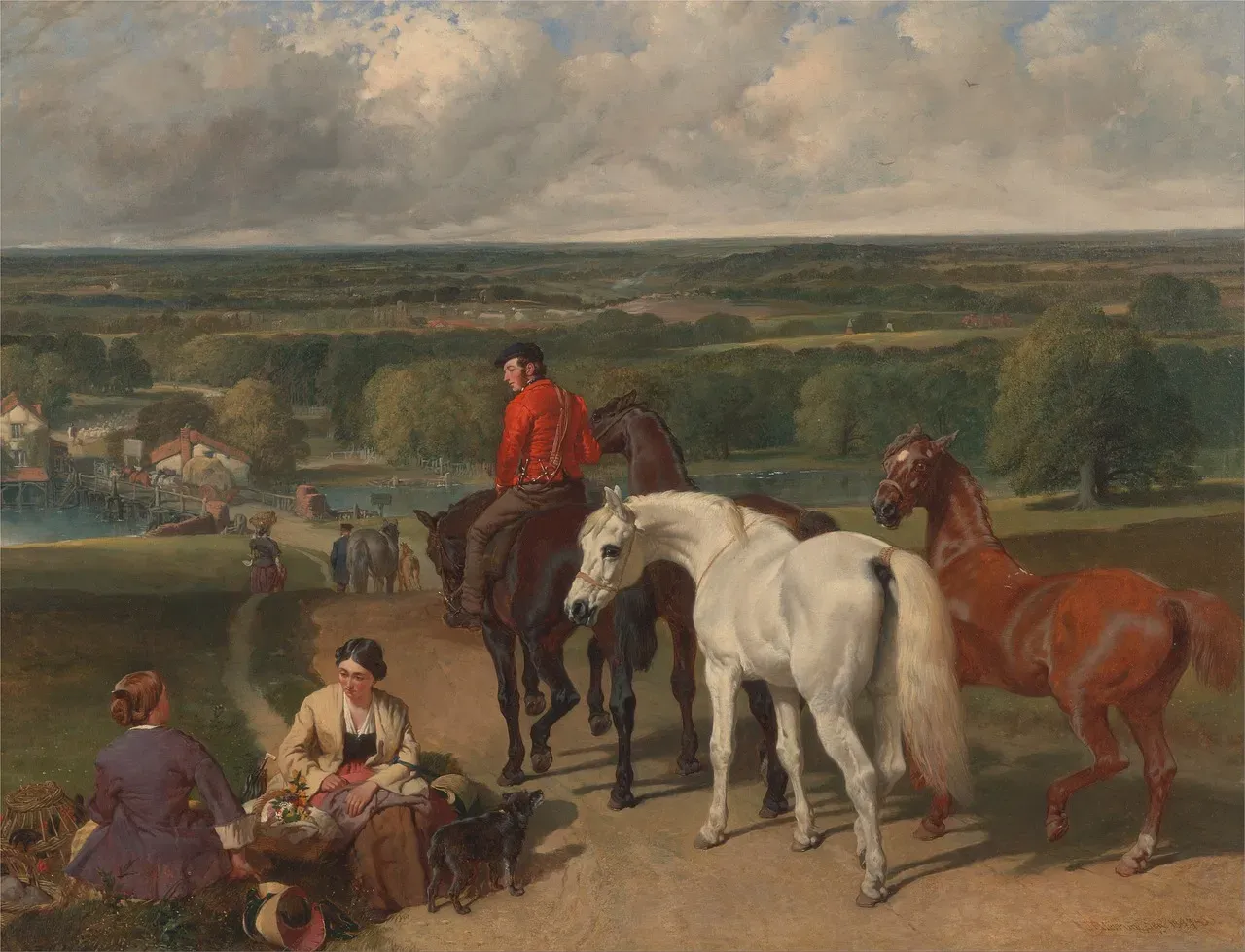
John Myatt forged over 200 modernist paintings, but the real mastermind of the operation was his partner, con man John Drewe. While Myatt handled the brushwork, Drewe corrupted the historical paperwork, falsifying the provenance documents collectors and curators rely on as proof a piece is genuine.
This was the real innovation of the scheme. Most forgers worry about getting the paint right; Drewe understood that provenance paperwork is often trusted more blindly than the artwork itself. He reportedly infiltrated respected archives to plant fabricated records, so even diligent researchers checking a painting’s history would find “proof” supporting the lie. Many experts now argue provenance fraud is more dangerous than painting fraud, because it corrupts the historical record itself, not just one sale.
Quick Compare
- Painting forgery: Has to fool the eye, and risks exposure through pigment or brushstroke analysis.
- Provenance forgery: Fools the paper trail instead, and can slip past researchers who trust archives over art.
- Myatt’s role: Painted more than 200 fake works.
- Drewe’s role: Fabricated the historical records to back every one of them up.
#8 – The Getty Paid $9 Million for a Statue That May Be Fake
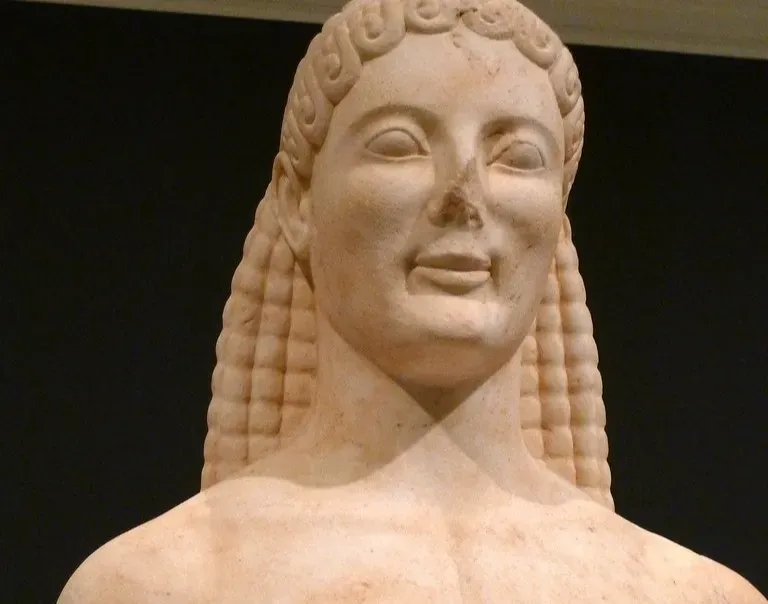
The Getty ran fourteen months of scientific testing before agreeing to buy a kouros statue reportedly sold by dealer Gianfranco Becchina, who claimed it had once belonged to a Geneva physician. Testing seemed to confirm its age, and the museum’s curator of antiquities purchased the statue for somewhere between seven and nine million dollars. One board member wasn’t convinced: Federico Zeri argued the piece was a forgery and should never be bought, then resigned from the board in protest when he was overruled.
The “proof” of its age later fell apart in the lab. Researchers initially believed a chemical process on the marble’s surface could only have occurred naturally over centuries – until scientists realized the exact same effect could be reproduced artificially. A follow-up investigation into the statue’s provenance letters revealed those were forged too. In 2018, the Getty quietly moved the kouros into storage, with the museum’s own director admitting, “It’s fake, so it’s not helpful to show it along with authentic material.”
#9 – A Queens Painter Fooled a 165-Year-Old Gallery for 15 Years
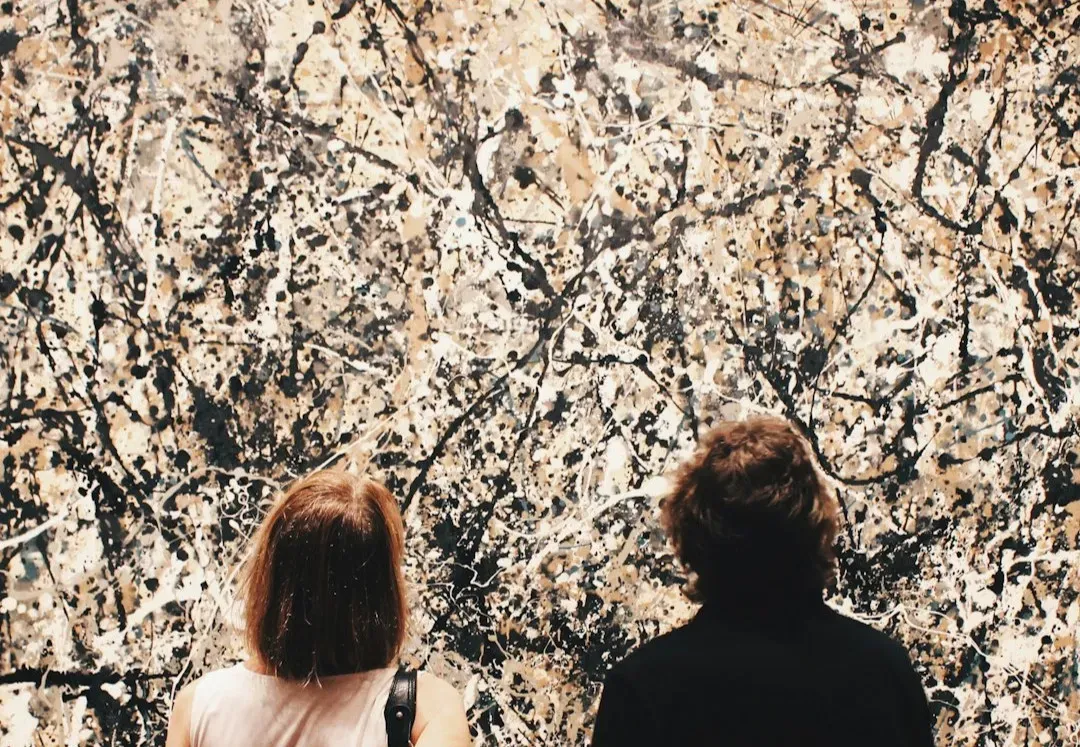
Over 15 years beginning in 1994, Knoedler Gallery president Ann Freedman bought and resold forged paintings attributed to giants like Jackson Pollock, Mark Rothko, Barnett Newman, Robert Motherwell, and Lee Krasner. The man actually painting them was Pei-Shen Qian, a Chinese immigrant working out of a garage in Queens, alongside a dealer who orchestrated the scheme.
Qian was reportedly paid only a few thousand dollars per painting while the 165-year-old gallery resold them for millions. In total, he forged 63 works that sold for more than $80 million to collectors who believed they were buying lost masterpieces. He used tea and dirt from a vacuum cleaner to fake decades of aging, then fled to China before he could be indicted – safely out of reach of U.S. prosecutors.
At a Glance
- Gallery age at the time of the scandal: 165 years
- Forger: Pei-Shen Qian, working from a garage in Queens
- Scheme length: 15 years, starting in 1994
- Paintings forged: 63
- Total sales generated: More than $80 million
#10 – A Serial Donor Fooled 50 Museums by Giving Away Fakes for Free
Mark Landis never sold a single painting – he gave them away, which somehow made museums even less suspicious. Facing financial hardship, Landis began copying famous works and donating them to museums across the country over two decades, sometimes posing as a grieving relative or even a priest to make the gift feel emotionally sympathetic rather than risky.
Because he never asked for money, he never technically broke the law, and he was never tried. That loophole is exactly what let him operate for so long – museums are trained to interrogate sellers, not donors. Curators flattered by a “generous” gift routinely skipped the scrutiny they’d apply to a purchase, and Landis exposed a blind spot most museums still haven’t fully closed.
#11 – A British Family Sold a Fake Egyptian Statue for £440,000
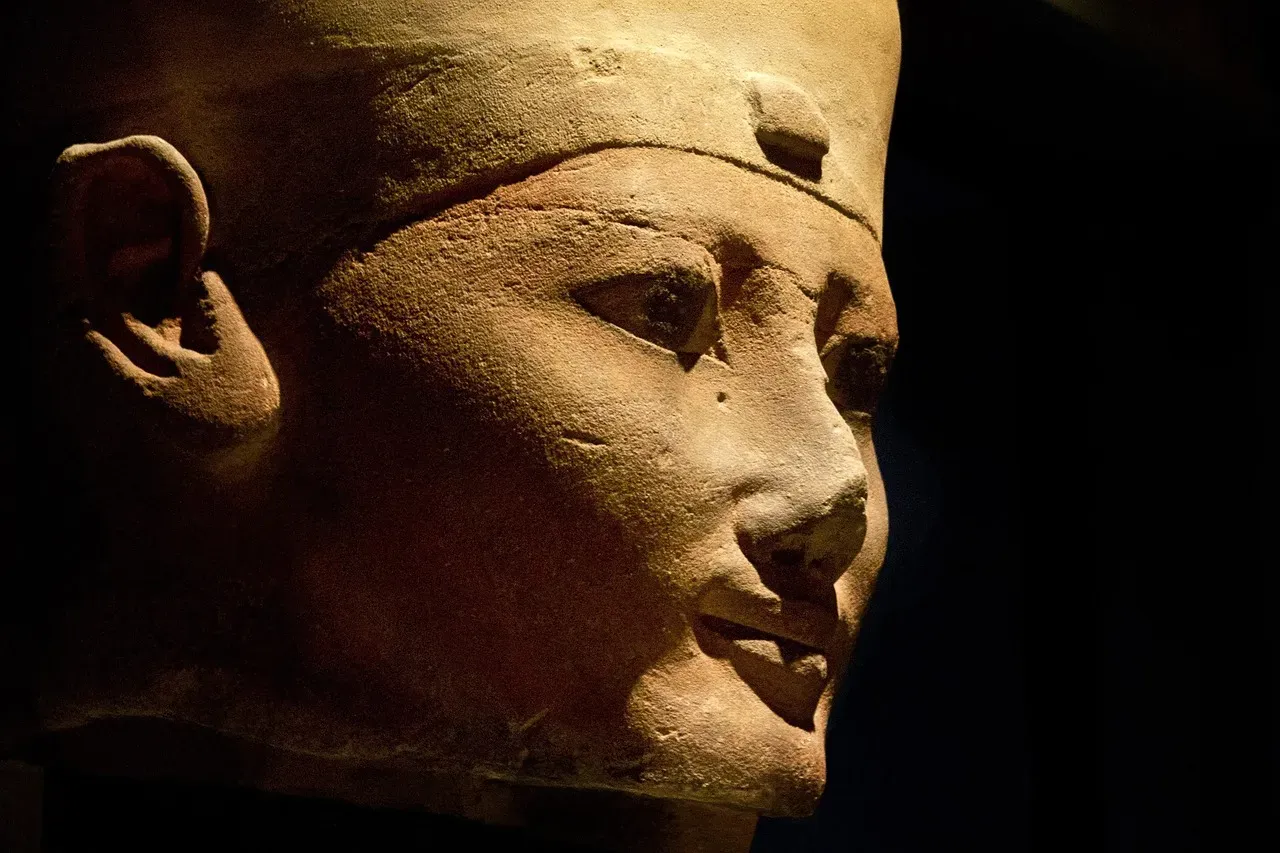
The Greenhalgh family sold a fake Egyptian statue, supposedly a 3,300-year-old princess, to Bolton Museum for £440,000 – worth roughly £735,000 today. It had actually been carved by Shaun Greenhalgh, a self-taught sculptor working out of the family’s garden shed, with tea stains standing in for three millennia of aging. It wasn’t their only forgery, either; over the years, the family made more than £1 million deceiving collectors and museums.
What made the Greenhalghs so dangerous wasn’t technical genius, it was restraint. No formal art training, no workshop, no assistants – just a shed, some tea stains, and decades of patience. They avoided headline sales and instead targeted regional museums that lacked the forensic budgets of the Met or the Getty, betting correctly that smaller institutions would be less equipped to catch them.
#12 – Thousands of Fakes Flooded Museums Under a Living Artist’s Own Name

Norval Morrisseau is Canada’s most celebrated Indigenous artist, and he spent his final years fighting to reclaim his own identity as forgers flooded the market with fake paintings bearing his name. The scale is almost hard to comprehend – investigators believe more than 10,000 fakes may have been produced over the years, tied to a scheme that also involved a rock musician turned amateur sleuth.
In the last years of his life, Morrisseau filed 15 affidavits identifying specific fakes and founded the Norval Morrisseau Heritage Society to protect his legacy. Unlike most forgery cases, where the original artist is long dead and can’t object, this scandal unfolded while the artist himself watched galleries and collectors buy fakes under his name for years before authorities took the claims seriously. Many art historians argue this case exposed how little legal protection living artists actually have against organized forgery rings.
#13 – Wolfgang Beltracchi Fooled Auction Houses for Decades With His Wife
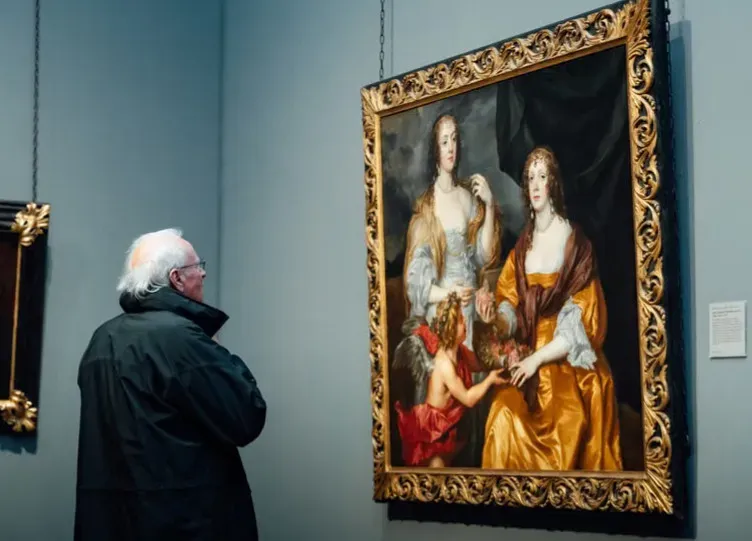
Wolfgang Beltracchi and his wife ran one of the most lucrative forgery operations in art history, tricking experts for decades by imitating the styles of 20th-century masters like Max Ernst, André Derain, and Heinrich Campendonk. His specialty wasn’t copying existing paintings – he invented entirely new “lost” works and attributed them to artists who had never actually painted them.
That’s the detail most people miss: Beltracchi wasn’t forging paintings that existed, he was inventing paintings that didn’t. His forgeries were convincing enough to sell for millions of dollars and hang in reputable galleries for years. When he was finally caught in 2010, it cost him six years in prison and millions of dollars in restitution.
Why It Stands Out
- Invented entirely new “lost” works instead of copying paintings that already existed
- Convincingly imitated multiple 20th-century masters at once
- Ran the scheme for decades before finally being caught in 2010
- Sentenced to six years in prison plus millions in restitution
#14 – Guy Ribes Forged Matisse and Renoir for Decades Without Getting Caught
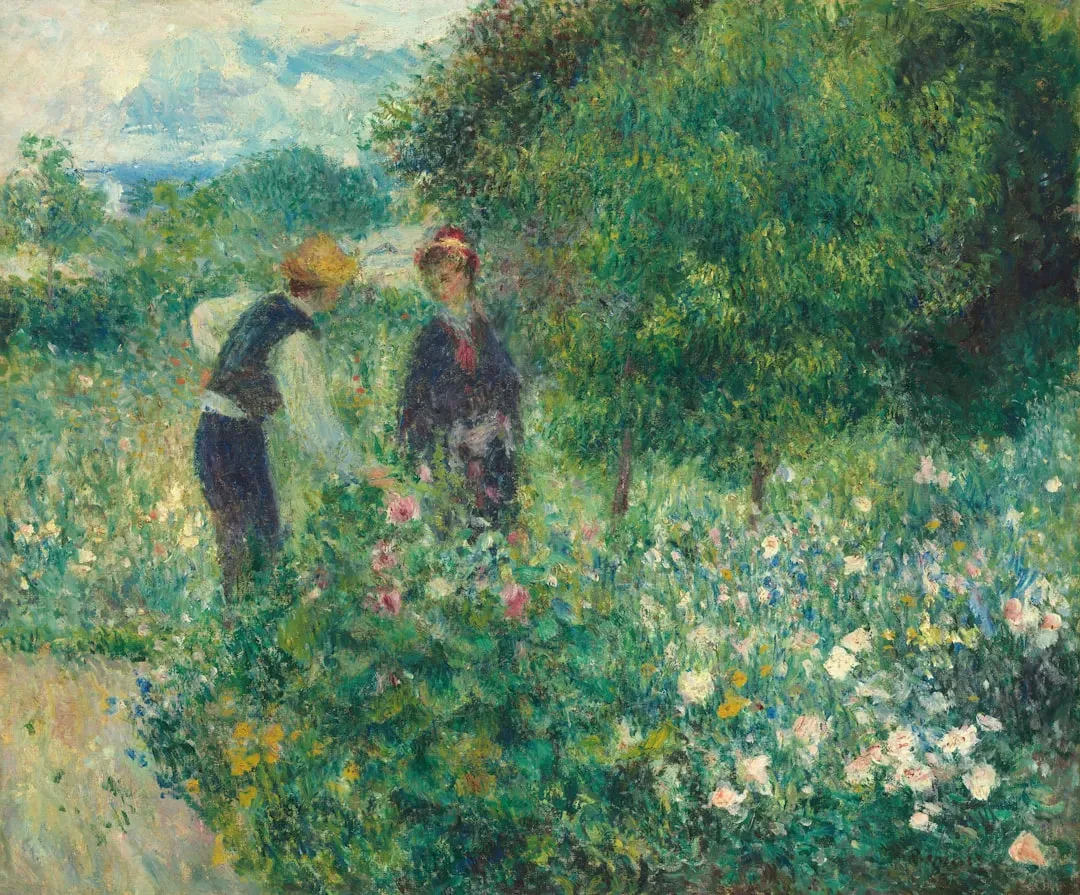
Guy Ribes produced hundreds of fake modernist works over several decades, quietly flooding the market with pieces attributed to Matisse and Renoir. Unlike Beltracchi, who courted a strange kind of celebrity after his arrest, Ribes operated with almost no flash at all – which is exactly why he lasted as long as he did.
His downfall wasn’t a single lab test or one suspicious buyer, it was years of quiet market saturation finally catching up with him. Ribes’ case is a reminder that the most successful forgers aren’t always the most talented – they’re often the most patient, content to make steady money in the shadows rather than chase a spotlight that eventually exposes bigger names.
The Bottom Line
Here’s the uncomfortable truth: authenticity in the art world runs on trust, not proof. From a fossil skull that duped scientists for 41 years to a $9 million Greek statue the Getty still can’t fully vouch for, these 14 cases prove that provenance papers, scientific tests, and expert eyes can all be gamed – sometimes by a single patient forger working alone in a shed or a garage.
The scariest part is that several of these fakes were only caught by accident, decades late, and not because the system worked the way it was supposed to. If institutions with unlimited budgets and world-class labs can be fooled this badly, it’s worth asking how many fakes are still hanging on museum walls right now, uncaught. Did we miss one you think deserves a spot on this list? Drop it in the comments.