Most people assume “never rebuilt” means crumbling ruins, roped-off rubble, and a plaque explaining what used to be there. That’s the myth. The reality is almost the opposite: some of the most intact, still-functioning buildings on the planet are the ones that quietly survived fires, wars, earthquakes, and empires without ever being torn down and started over from scratch.
No modern replicas. No total rebuild after a disaster. Just centuries of patching, propping up, and stubborn survival. These structures aren’t frozen in time – but their original bones absolutely are, and the evidence gets stranger the further down this list you go.
#12 – The Pantheon, Rome (c. 126 AD)
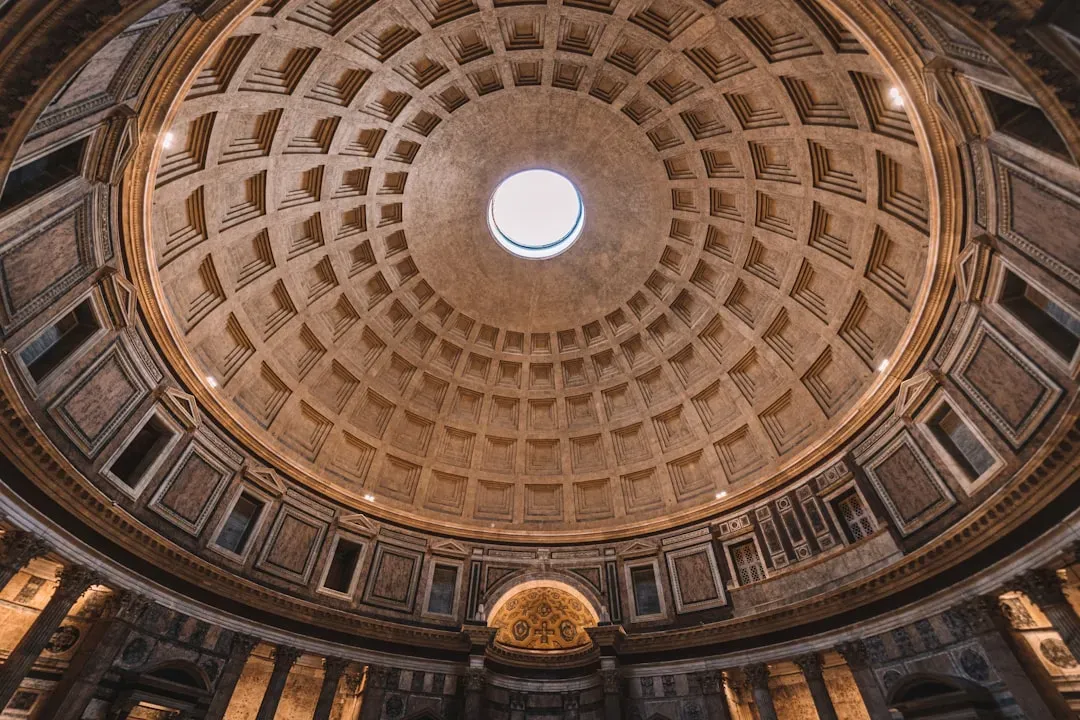
The bold claim: Rome’s Pantheon is still using the same concrete dome the emperor Hadrian opened almost 1,900 years ago – no rebuild, no modern skeleton hiding underneath.
Most tourists walk in, look up, and assume the dome must have been quietly reinforced with steel or fresh concrete at some point. It wasn’t. The structure standing today is the original second-century Roman building, completed around 126 AD. An earlier temple on the site did burn and get replaced, but Hadrian’s version – rotunda, dome, oculus and all – has never been demolished and rebuilt.
Fast Facts
- Completed under Emperor Hadrian around 126 AD, replacing an earlier temple that had burned
- The dome remains the world’s largest unreinforced concrete dome, with no rebar hidden inside
- The oculus – the open circle at the top – is the building’s only light source and has never been glazed
- Consecrated as a Christian church in 609 AD, a move that likely saved it from later demolition
The real trick is the concrete itself. Roman builders used a graded mix: heavier aggregates at the base, lighter volcanic pumice near the oculus, and zero internal rebar. That’s why there’s no rusting steel skeleton waiting to fail somewhere inside – the dome is one massive, carefully tuned pour. The coffers aren’t decoration; they shave weight off exactly where the structure needs it lightest.
The Pantheon hasn’t been frozen in amber, though. The interior was Christianized in the 7th century, the bronze roof tiles were stripped by later popes, and parts of the facade have been patched. But the load-bearing structure – drum, dome, the whole balance of forces – is still original Roman engineering doing its job, nearly two thousand years on. But that’s nothing compared to what we found about #11…
#11 – Hagia Sophia, Istanbul (537 AD)
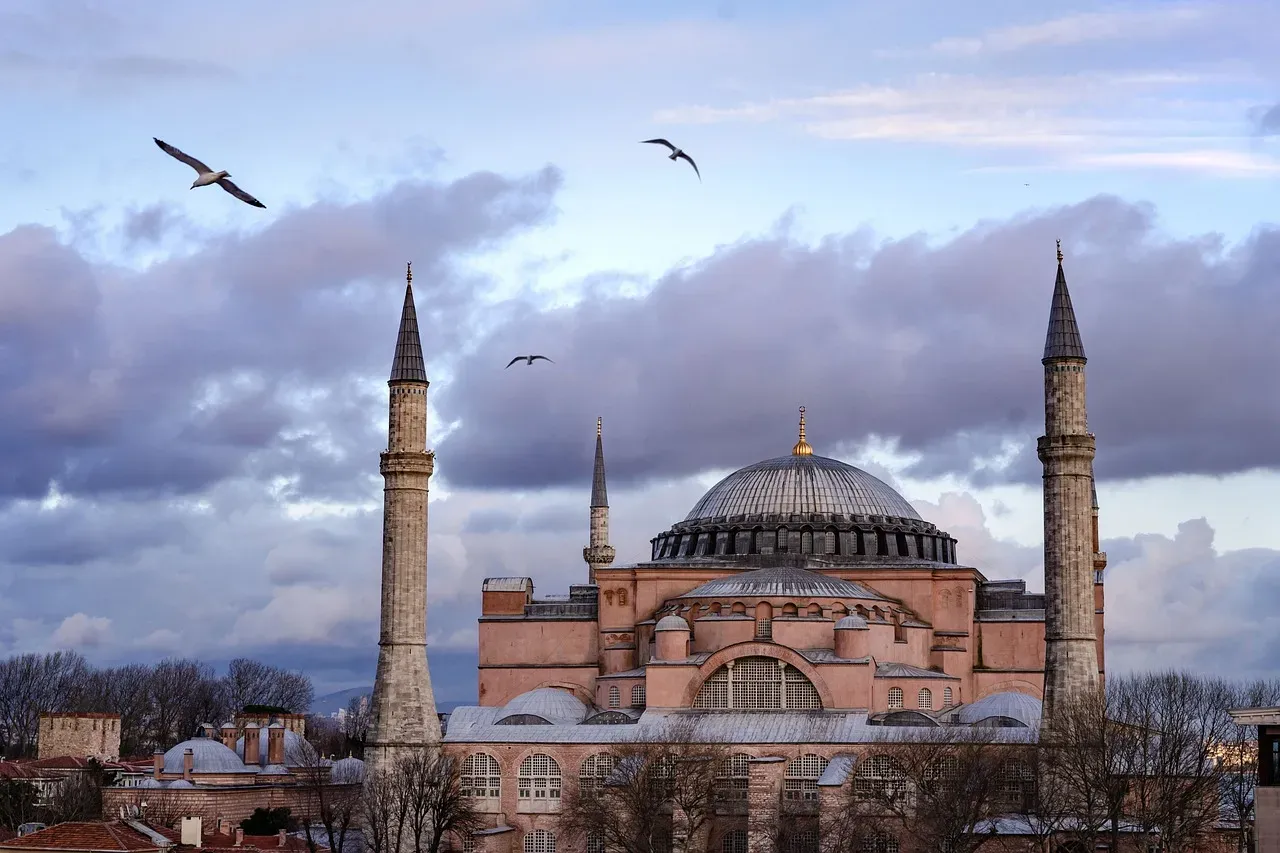
The bold claim: Hagia Sophia has survived empires, earthquakes, and religious conversions, yet the basic sixth-century structure still stands, never replaced by a new building.
Completed in 537 AD under Emperor Justinian, Hagia Sophia was built to be the ultimate flex of imperial power – a structure so audacious that legend says Justinian walked in and made a claim historians still repeat.
Solomon, I have outdone thee.
Emperor Justinian
The original building did suffer two partial dome collapses, in 558 and again in the 10th century, and Byzantine engineers repaired the damage. But here’s the key detail: they reinforced and reshaped the existing structure instead of tearing it down and starting fresh. The massive piers, the soaring main dome, and the basic footprint are all late-antique engineering that has never been replaced.
Ottoman architects later added buttresses, minarets, and internal reinforcements to keep the building upright in one of the world’s most active seismic zones. These were targeted, surgical fixes – not a wholesale rebuild. In 1453 it flipped from church to mosque; in 1935, to a museum; in 2020, back to a mosque again. Through all of it, the marble revetments, giant columns, and much of the original dome substrate stayed put, patched but never replaced. If you assume anything this old must be mostly rebuilt behind the scenes, Hagia Sophia is the uncomfortable exception. But that’s nothing compared to what we found about #10…
#10 – Basilica of San Vitale, Ravenna (547 AD)
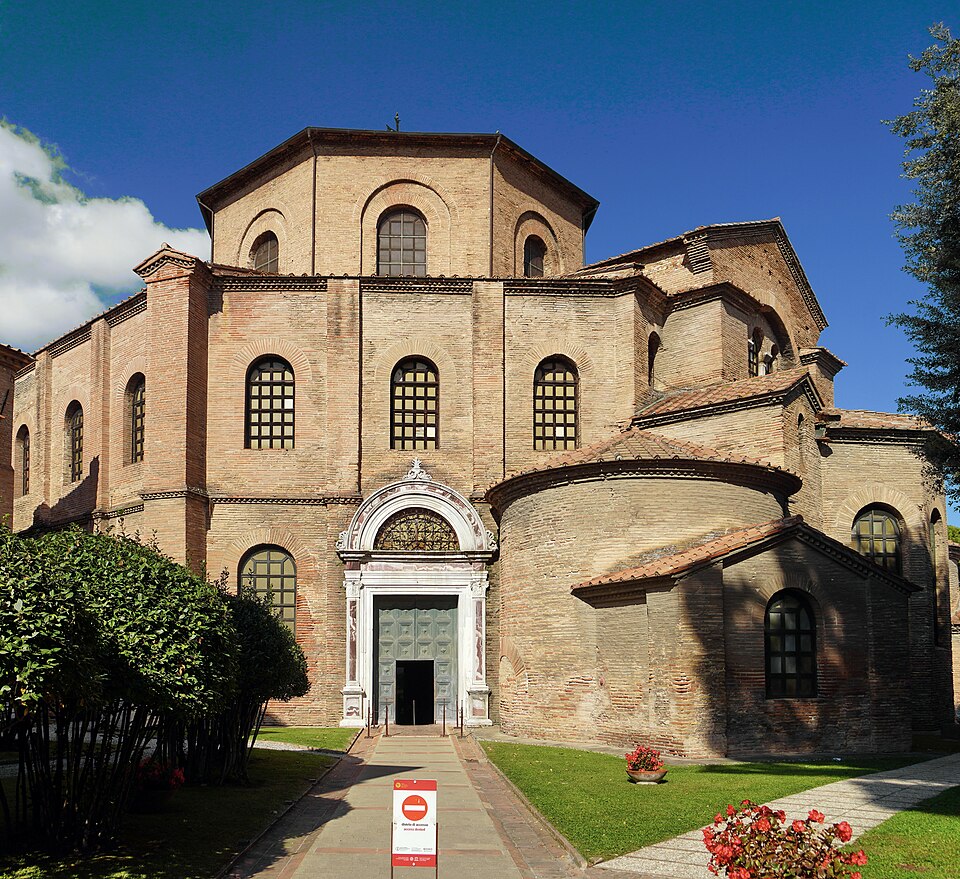
The bold claim: This octagonal church in a quiet Italian city may be one of the most pristine late-antique interiors on Earth, still housed in its original 6th-century shell.
Unlike Rome or Istanbul, Ravenna doesn’t get flooded with tourists year-round – and that anonymity is probably part of why San Vitale survived so authentically. Consecrated in 547 AD, the basilica has never been replaced by a newer structure. Its famous mosaics, Justinian and Theodora shimmering in green and gold, aren’t Victorian restorations or 19th-century fantasies. They’re genuine 6th-century glass and stone, still anchored in the same walls.
Architecturally, San Vitale is strange to modern eyes: neither a classic basilica nor a simple central plan, but an experimental octagon with a dome and layered ambulatories. That weirdness turned out to be protective. Later builders didn’t try to “rationalize” it with a heavy rebuild because it was already too specialized to mess with – they just repaired foundations and added minor Baroque touches.
Step back from the glittering apse and study the fabric – the bricks, the arches, the window proportions – and you’re looking at original Byzantine-era craftsmanship, not a later imitation. Some art historians even argue San Vitale beats better-known monuments for pure continuity of space. Controversial, maybe, but hard to argue once you’ve seen the walls up close. But that’s nothing compared to what we found about #9…
#9 – The Qasr al-Hayr al-Sharqi Palace Gate, Syria (8th Century)
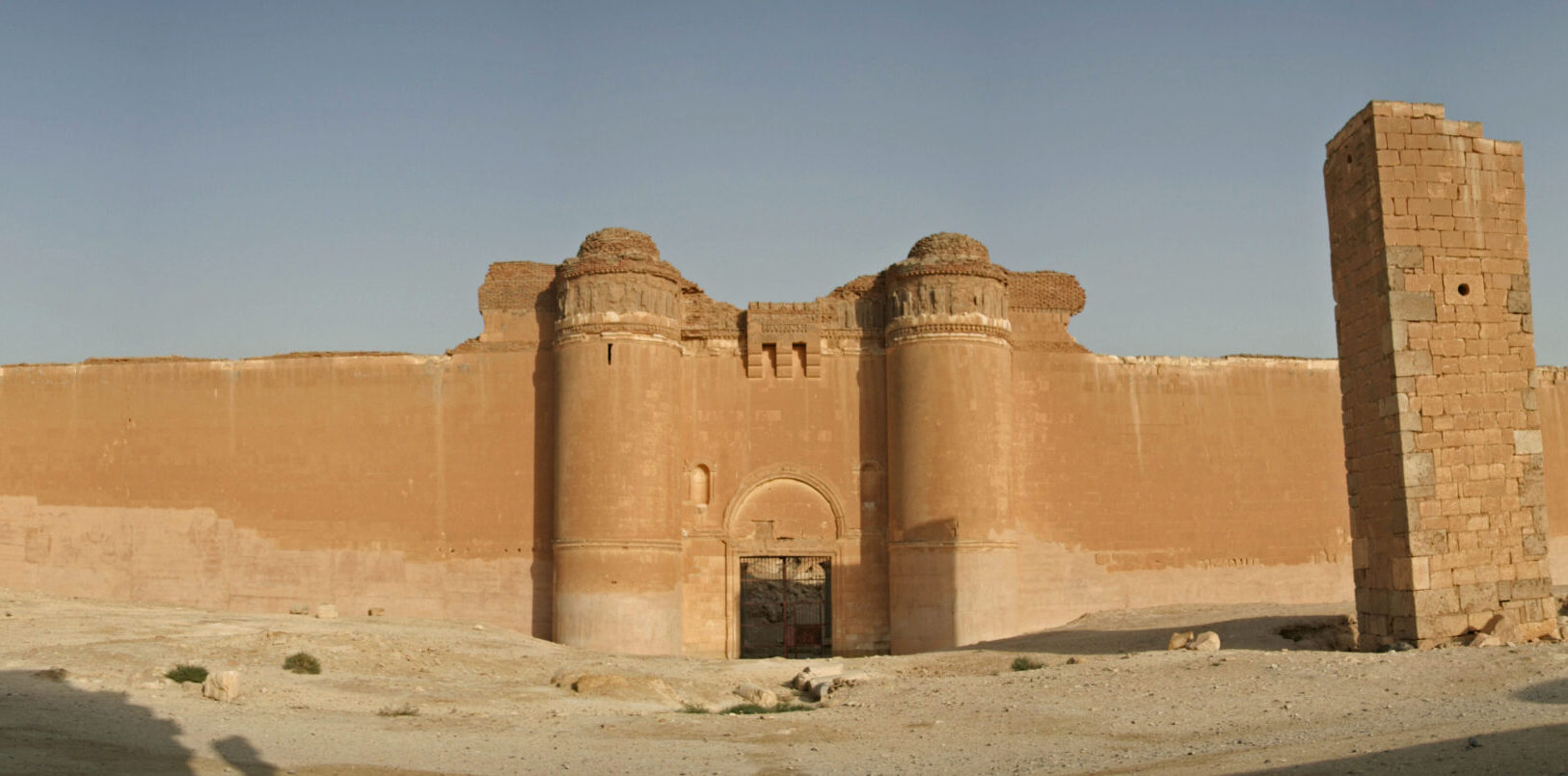
The bold claim: Parts of a desert palace complex built in the early Islamic era still stand where they were first raised, even after war, weathering, and archaeological meddling – without ever being rebuilt as a new structure.
Qasr al-Hayr al-Sharqi is a sprawling complex in the Syrian desert, founded in the early 8th century under the Umayyad dynasty. Portions have collapsed or been relocated – most notably, the famous gate was moved to Damascus for preservation – but key stretches of wall, towers, and architectural elements remain exactly where they were built. Conserved, yes. Demolished and rebuilt, no.
At a Glance
- Founded in the early 8th century under the Umayyad dynasty
- Located deep in the Syrian desert, far from major tourist routes
- The famous palace gate was relocated to Damascus for preservation, but the rest stayed put
- Remaining walls, towers, and masonry courses sit on their original footprint
- Remoteness and conflict spared it from the heavy concrete “restorations” common at other 20th-century sites
Here’s the uncomfortable truth about “restored” archaeology: a lot of 20th-century sites were aggressively reconstructed in concrete, dressed up to look older than they actually are. Qasr al-Hayr al-Sharqi, partly because of conflict and remoteness, avoided that fate. What you see on the ground – foundation lines, original masonry courses, surviving stretches of wall – is overwhelmingly the fabric laid by 8th-century craftsmen, not a modern fantasy.
The gate now standing in Damascus was carefully re-erected, so nobody’s calling that piece “original in place.” But the real story is out in the desert: eroded, partial, un-Instagram-polished, and intact in the way that actually matters. Most tourists will never go, and most lists never mention it – but if your standard is “never rebuilt, still standing where it was born,” this half-forgotten ruin outranks a lot of shinier fortresses. But that’s nothing compared to what we found about #8…
#8 – The Ise Grand Shrine’s Uji Bridge Footings, Japan (Ancient Origins, Continuous Renewal)
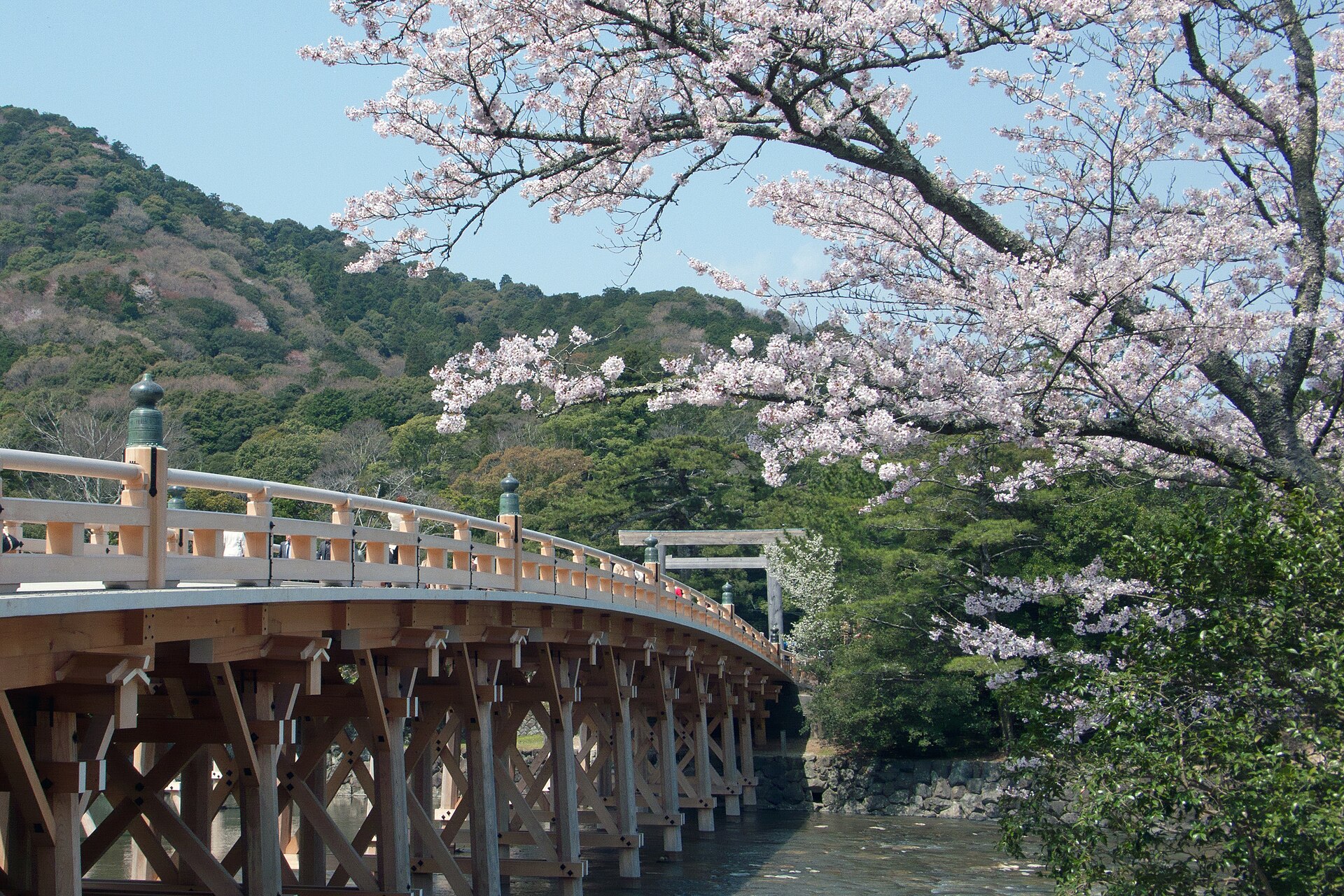
The bold claim: The Ise Grand Shrine is famously rebuilt every 20 years – except for one stubborn, quietly permanent element that has never been “rebuilt” in the way most people assume.
Let’s address the paradox head-on. The main shrine buildings at Ise are ritually reconstructed every 20 years, so by definition they’re not “never rebuilt.” That’s the entire point of Shinto renewal. But the site’s spatial logic and certain infrastructural elements tell a different story entirely.
The ancient axes, the sacred clearings, and, crucially, substructures like the Uji Bridge’s deep piles follow an unbroken continuity stretching back centuries. Archaeologists have found that while the visible bridge gets renewed on schedule, the buried piles and basic crossing point remain consistent, forming a kind of enduring skeleton beneath the ritual cycle above it.
The “building” here isn’t a single static structure but a persistent architectural organism – it sheds and regrows its skin according to a script that is itself ancient. Purists will say this bends the definition of the list, and they’re not entirely wrong. But if you care about unbroken continuity of use and layout, Ise’s bridge and site structure are an extreme case of “still standing through time,” even as the boards on top get swapped. It makes you ask what “never rebuilt” really means – stone, form, or pattern. If that debate annoys you, wait until #1. But that’s nothing compared to what we found about #7…
#7 – The Church of the Nativity, Bethlehem (4th-6th Century Core)
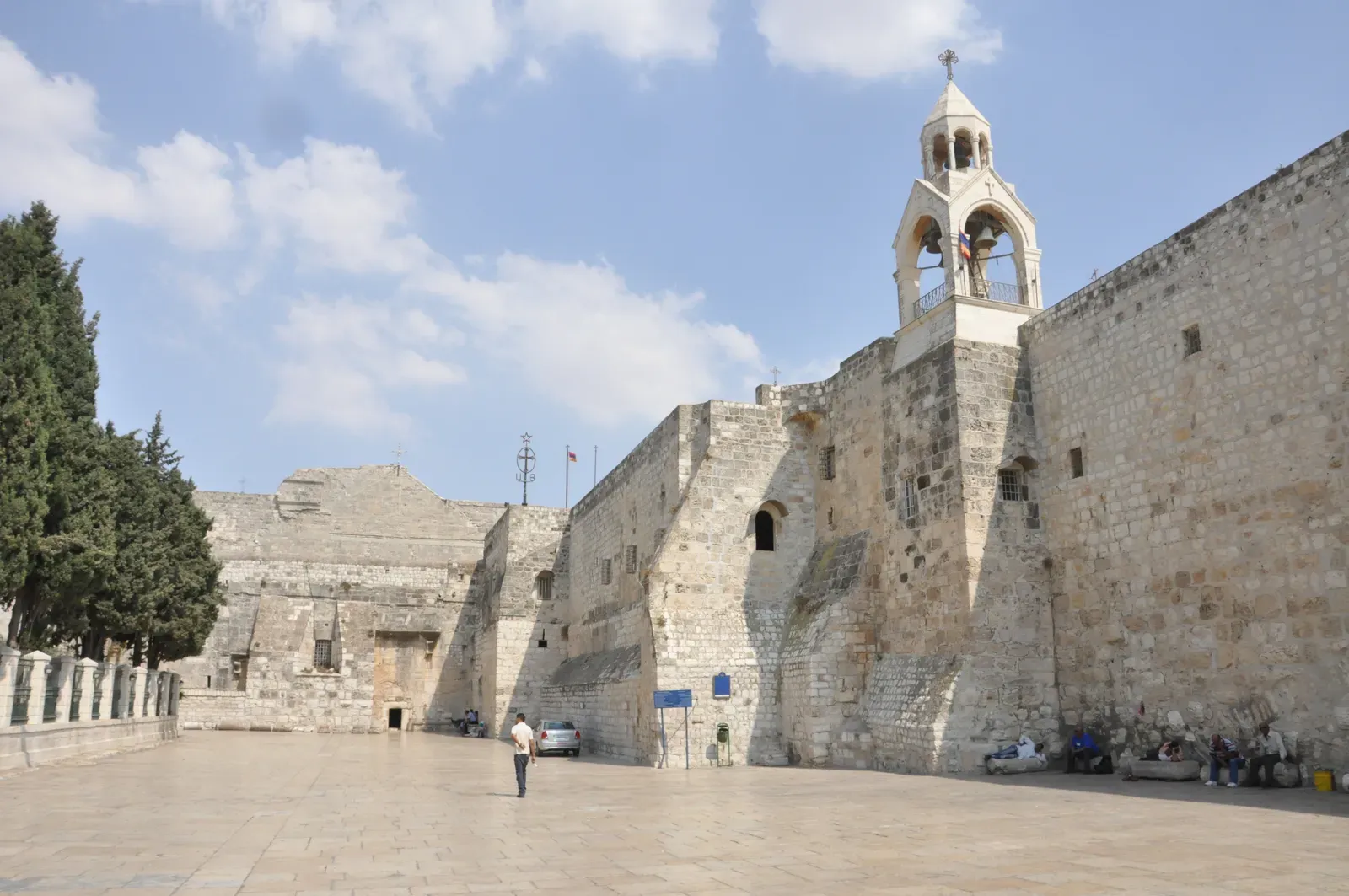
The bold claim: Beneath layers of plaster and politics, the Church of the Nativity still houses a largely intact 6th-century basilica, not a modern replica, and it never got the “tear down and start over” treatment so common elsewhere in the region.
Originally commissioned by Constantine in the 4th century, the first church on this site was damaged during Samaritan revolts. The current basilica dates mainly from Emperor Justinian’s rebuild in the mid-6th century. Since then it’s been extended, repaired, cosmetically altered, and nearly burned – but never rebuilt from the ground up. The timber roof has been replaced multiple times, yet the stone walls, columns, and basic spatial shell are still Justinian’s.
One of the strangest survival facts: during periods of iconoclasm and later upheaval, people simply plastered over the mosaics instead of ripping them out with the walls. That decision preserved original fabric inside the same standing structure for centuries. Even the Crusaders, who loved to “upgrade” holy places wherever they went, largely respected the core basilica form here, adding decoration rather than razing the building.
Recent restoration campaigns have peeled back soot and later interventions to reveal ancient mosaics and stone that were there the entire time, quietly carrying the building on their backs. What’s emerging isn’t a 19th-century neo-Byzantine fantasy – it’s authentic late-antique craftsmanship still doing its job after 1,500 years. Its survival is part engineering, part politics, and part sheer luck. But that’s nothing compared to what we found about #6…
#6 – Hōryū-ji’s Kondō (Golden Hall), Japan (7th Century)
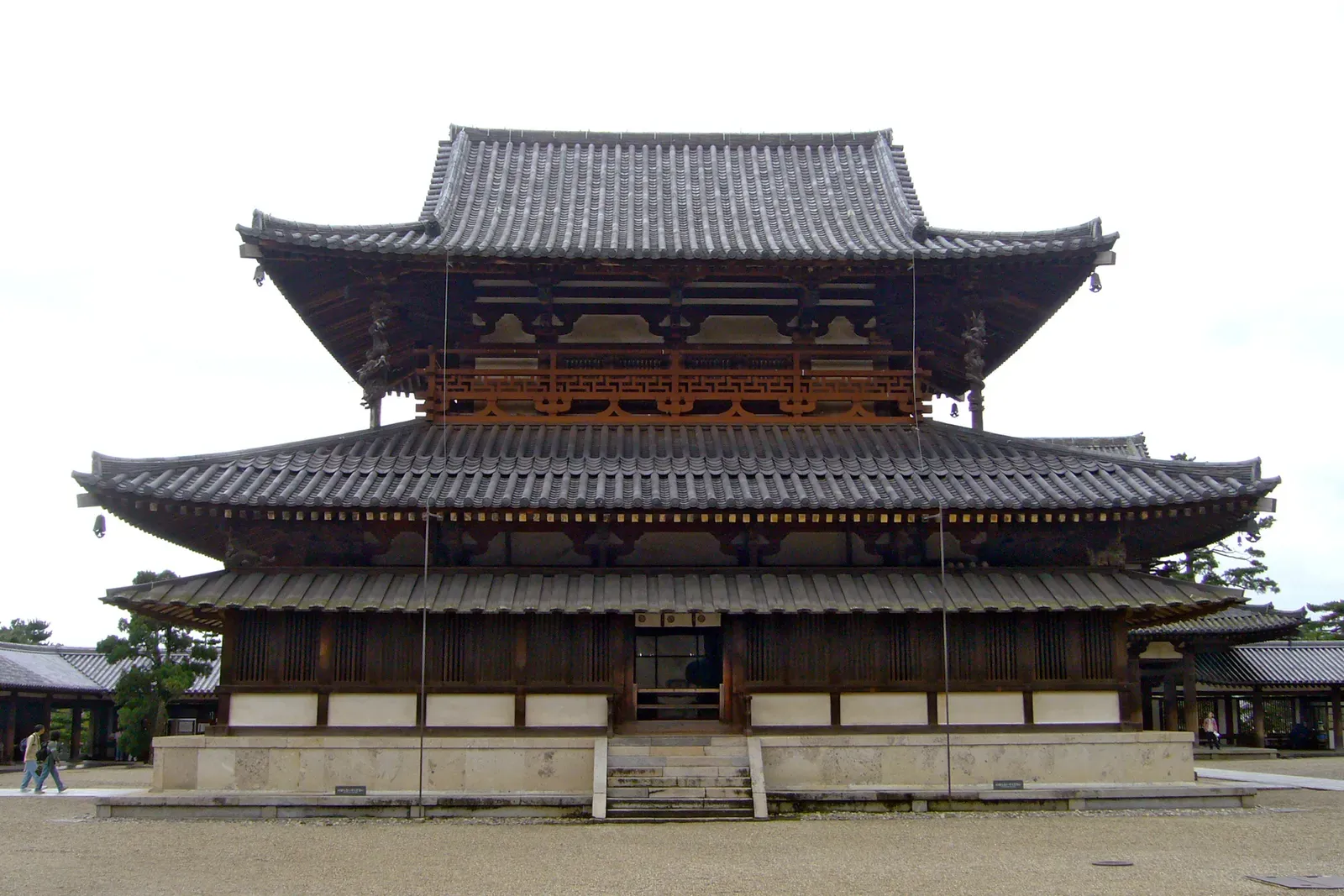
The bold claim: For years, Hōryū-ji’s Golden Hall was thought to be the world’s oldest wooden building – and while that exact ranking is debated, its core structure is still 7th-century timber that has never been replaced wholesale.
Located in Nara Prefecture, Hōryū-ji is a Buddhist temple complex with several ancient buildings, and the Kondō dates to the Asuka period. There’s evidence an earlier version may have burned and been rebuilt very early on, but the structure standing today has remained continuously in place for over 1,300 years. Japanese carpenters have replaced individual beams, rafters, and outer cladding as needed, yet they never demolished the hall and erected a new one in its place.
Quick Compare
- Stone survivors (Pantheon, Parthenon): original blocks and pours stay physically in place for millennia
- Timber survivors (Hōryū-ji): individual beams and cladding get swapped over centuries, but the frame and joinery are continuously maintained
- The real test: was the structure demolished and re-erected, or gradually repaired in place without ever restarting?
- Hōryū-ji passes the second test – continuity of frame and footprint, not continuity of every single plank
Traditional Japanese temple maintenance is incredibly hands-on – components get swapped out in a way that would count as a full rebuild in the West, but here it’s simply called conservation. Skeptics will say, “If you’ve replaced a beam, it’s not original.” That’s not how living timber architecture actually works. What matters is continuity of the load-bearing frame and joints, and much of that frame is still ancient cypress shaped by 7th-century tools.
Modern structural scans reveal a patchwork of ages – some elements centuries old, some just decades – but the hall’s footprint, proportions, and core skeleton have never been torn down and restarted. It’s a rare case where wood, not stone, carries this much historical continuity. If you think only stone can “really” count as never-rebuilt, Hōryū-ji is your counterexample. But that’s nothing compared to what we found about #5…
#5 – Tower of London’s White Tower, England (Late 11th Century)
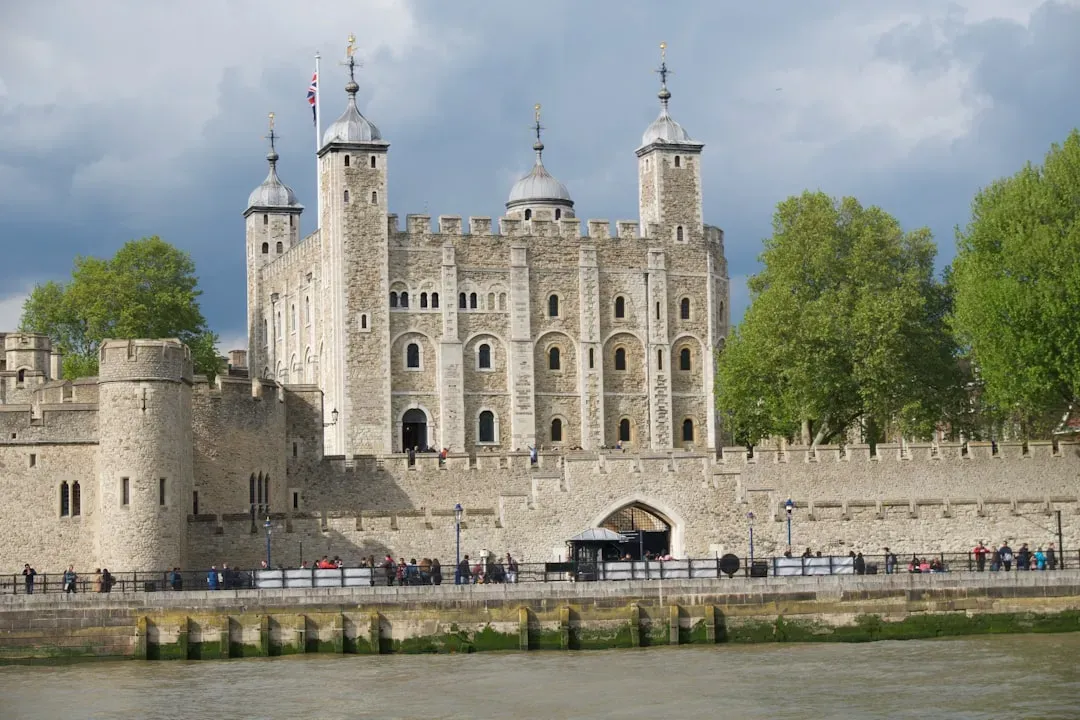
The bold claim: Despite fires, prisons, and royal drama, the White Tower at the heart of the Tower of London is essentially the same Norman keep William the Conqueror started in the 1070s – with no full rebuild in nearly a thousand years.
Everyone knows the Tower of London as a tourist stop and former prison, but the central keep is a rare survivor of early Norman military architecture. Construction likely began around 1078, and though later monarchs hacked at the windows, added floors, and wrapped it in layers of curtain walls, the core rectangular stone shell has never been demolished and replaced. Original Caen stone, shipped over from Normandy, still forms key parts of the walls.
The building has been altered plenty: medieval fireplaces added, Tudor renovations, 18th- and 19th-century “Gothic” touch-ups, and 20th-century conservation work. But these are surgeries on an existing patient, not the birth of a new one. During World War II, parts of the complex took damage from German bombing, yet the White Tower escaped the kind of catastrophic destruction that might have forced a rebuild.
Architectural historians sometimes call it “the most complete example of an eleventh-century palace-fortress in Europe” – code for: baseline structure still intact, not a later historicist stand-in. In an age when many “medieval” castles turn out to be heavily rebuilt or even 19th-century inventions dressed up in old stone, that’s genuinely rare. But that’s nothing compared to what we found about #4…
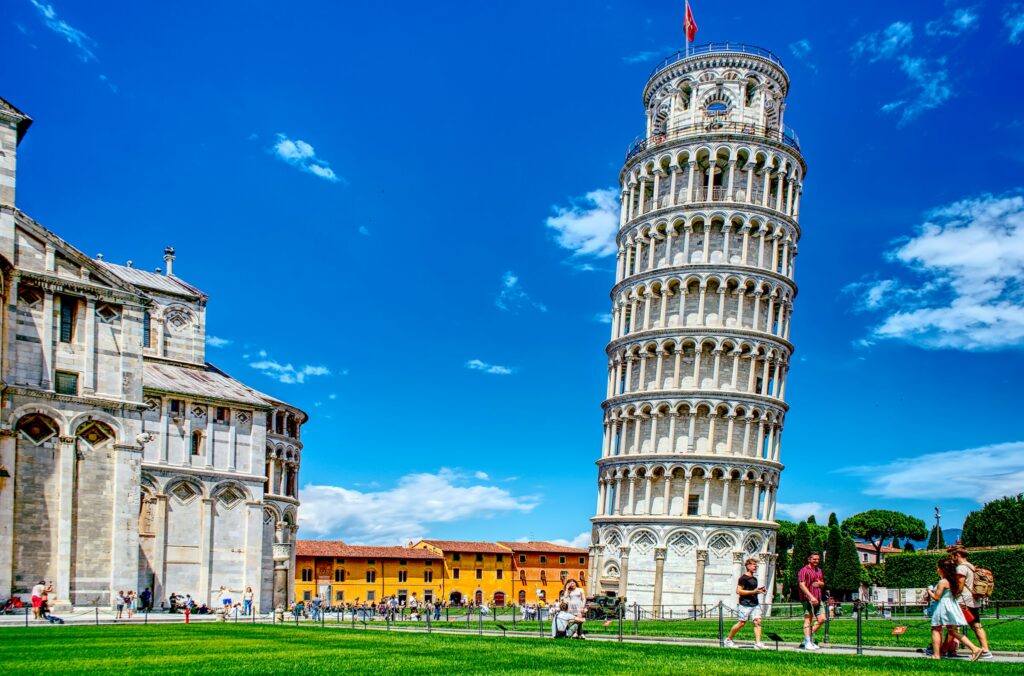
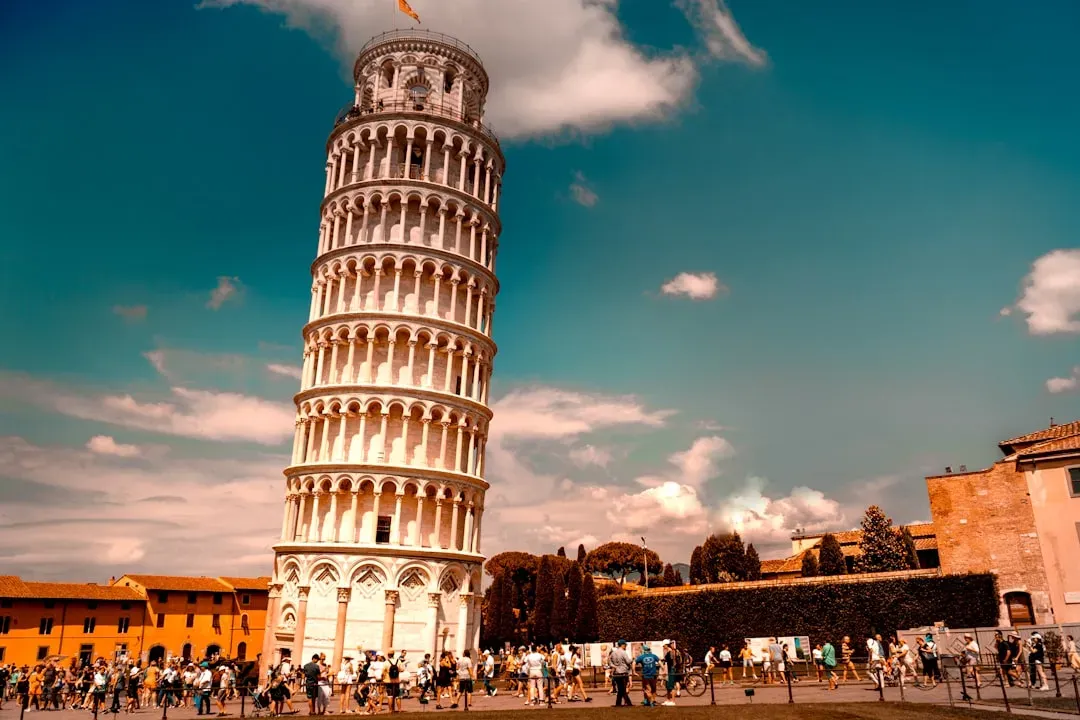
#4 – The Leaning Tower of Pisa, Italy (1173-1372)
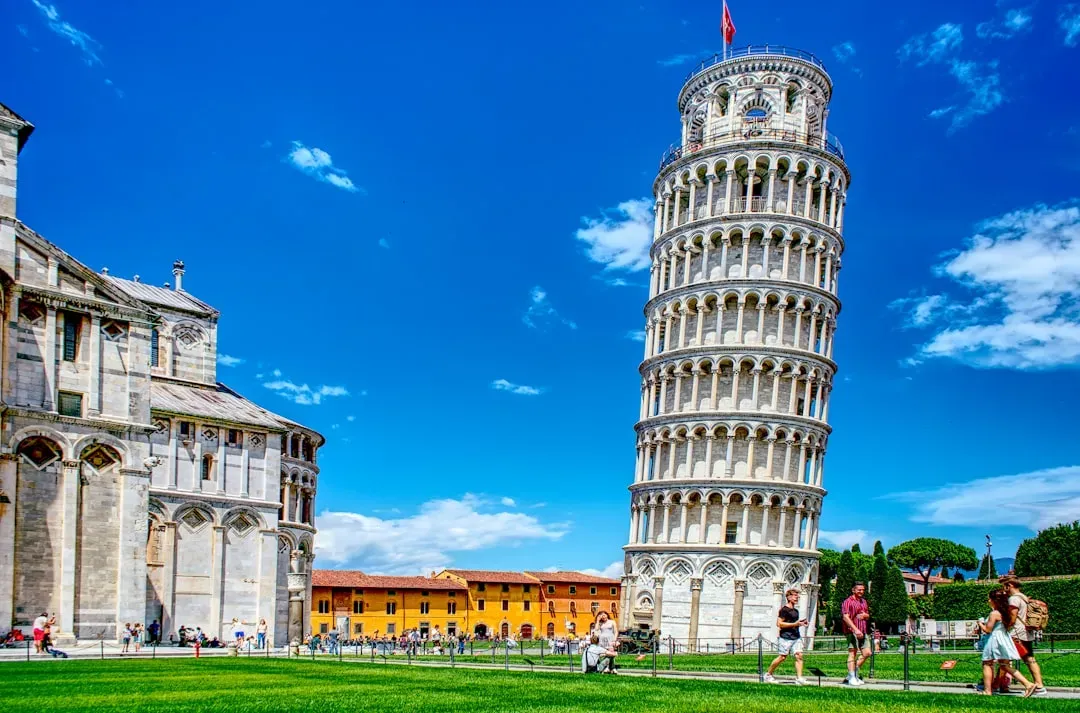
The bold claim: The Leaning Tower has been tilting dangerously for centuries, yet engineers have managed to stabilize it repeatedly without ever rebuilding its core structure.
Started in 1173 and completed in stages over almost 200 years, the bell tower of Pisa’s cathedral complex began leaning early in its life thanks to soft, unstable ground underneath it. Medieval builders tried to correct the tilt as they added upper stories, creating the subtle curve you can see in old photos. Despite this ongoing structural nightmare, no one ever tore the tower down and started fresh.
Fast-forward to the late 20th century, when the tilt became genuinely dangerous. Between the 1990s and early 2000s, engineers carried out a highly technical rescue: removing soil from beneath the higher side, adding counterweights, and anchoring the foundation – all without dismantling the tower’s historic masonry. The goal was explicit: stabilize the original fabric, not replace it.
Today the tower leans at a safer angle than it did a few decades ago, but visually it’s the same patchwork of Pisan Romanesque marble, weathering, and deformation. Some stones have been swapped for safety, and minor cracks injected or pinned, but the iconic spiral of loggias remains authentic medieval work. Structural engineers still study it as a living case study in how far you can push saving an old building without crossing the line into rebuilding it. But that’s nothing compared to what we found about #3…
#3 – The Mosque-Cathedral of Córdoba, Spain (8th-10th Century Core)
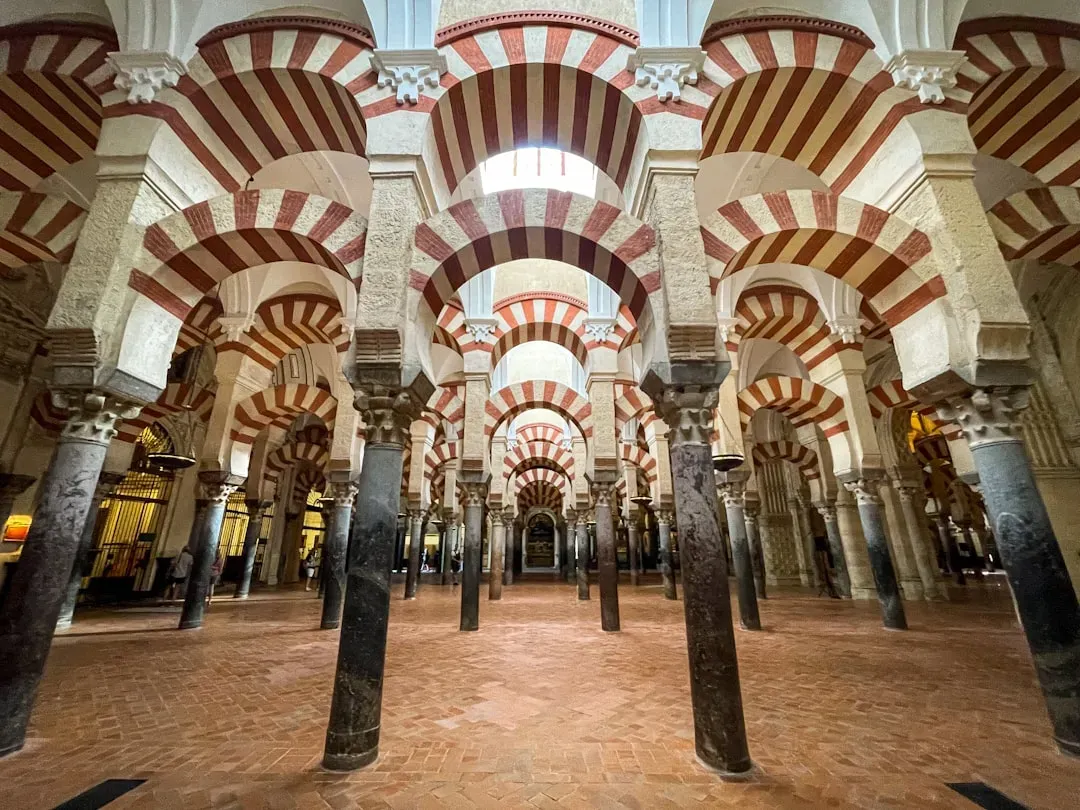
The bold claim: Beneath its later Christian cathedral insert, Córdoba’s forest of arches is still the original Umayyad mosque structure, extended but never demolished and rebuilt.
The standing fabric that matters here dates largely from the 8th to 10th centuries, when the Great Mosque was built and repeatedly expanded. The double-tiered arches, striped red and white, are genuine early medieval construction, not later reconstructions. When the city fell to Christian forces, they did something unusual for the era: instead of leveling the mosque, they inserted a cathedral directly into the middle of it.
That decision preserved more original fabric than almost any other conquest in Western Europe. The Christian builders carved out a cruciform nave and chapels, but the outer prayer hall remained, its arcades still resting on reused Roman and Visigothic columns. The minaret became a bell tower, but its core shaft is still Islamic masonry underneath the Christian additions.
There have been structural reinforcements over the centuries, obviously – earthquakes, subsidence, and continuous use demand it. But the essential envelope of stone and brick was never torn down and replaced with something new. Two faith traditions ended up literally interwoven into one standing structure, and whatever you think of the result aesthetically, it undercuts the simplistic idea that conquest always erases what came before. But that’s nothing compared to what we found about #2…
#2 – The Parthenon’s Core Shell, Athens, Greece (447-432 BC)
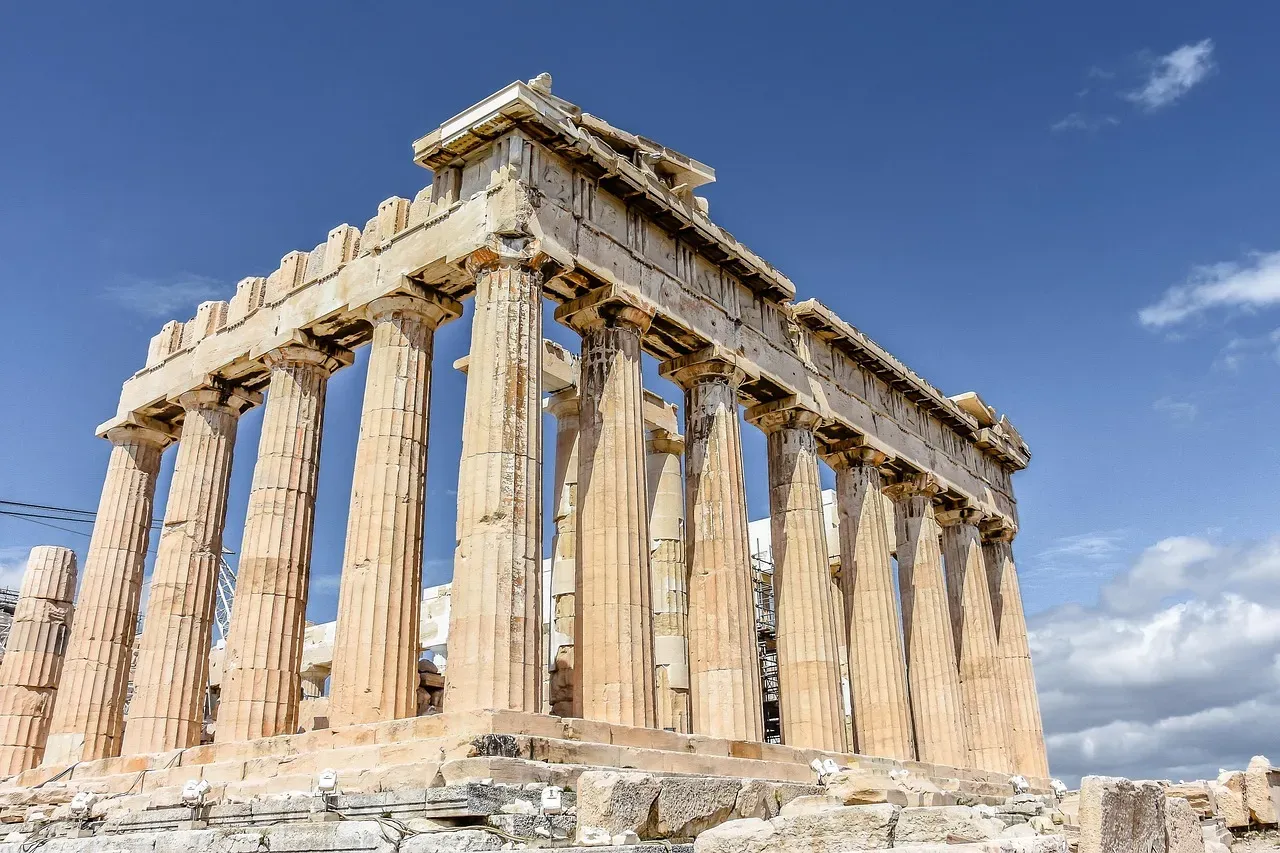
The bold claim: After explosions, looting, and heavy-handed “restorations,” the Parthenon’s standing colonnade and core platform are still the original 5th-century BC marble, not some modern Acropolis theme park.
Let’s be honest about the damage first. A massive explosion in 1687, when the building was used as an Ottoman gunpowder store, blew out large sections. Sculptures were removed, most controversially during the Elgin era. And 19th- and 20th-century restorations involved taking apart and reassembling sections to fix earlier mistakes. So why does it still earn a spot on this list?
Because despite all that, the core structural elements still in place are original. The peristyle columns standing on the stylobate are Pentelic marble drums carved in the 5th century BC. They’ve been cataloged, reinforced with titanium dowels, and occasionally lifted and reset – but never replaced by newly quarried stone pretending to be ancient. Modern anastylosis, re-erecting original fragments in their original positions, is technically brutal work, but it’s fundamentally different from pouring a concrete replica.
Why It Stands Out
- Survived a catastrophic 1687 gunpowder explosion without being demolished and rebuilt from scratch
- Restoration relies on anastylosis – re-erecting original marble fragments – rather than pouring new stone
- Titanium dowels reinforce joints, but the marble itself remains 5th-century BC Pentelic stone
- Subtle design tricks like entasis and stylobate curvature are original Greek optical refinements, not later fixes
The Parthenon today is a partial skeleton, but the bones are authentic. Even the platform’s subtle curves – entasis, stylobate curvature – are original Greek optical refinements, not later “fixes.” Critics argue endlessly about whether the site has been over-restored or under-restored, but almost everyone agrees on one thing: stand next to the surviving columns and you’re touching the actual 2,400-year-old temple, not a modern stand-in. But that’s nothing compared to what we found about #1…
#1 – Sanchi Stupa No. 1, India (Original Core from 3rd Century BC)
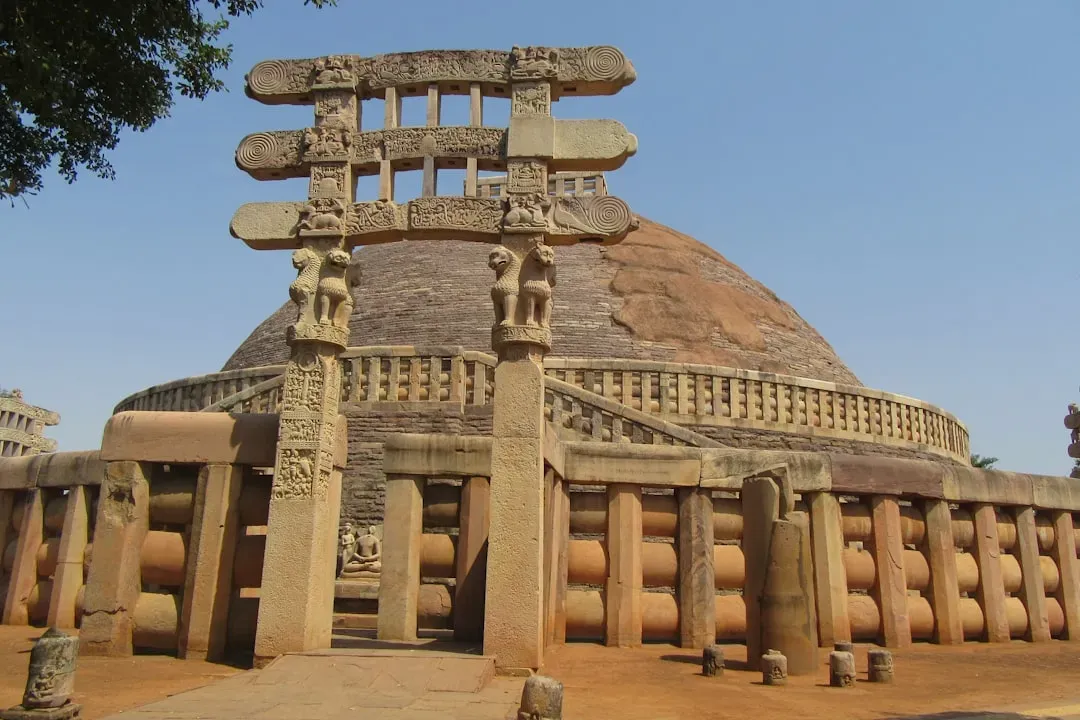
The bold claim: Sanchi’s Great Stupa is a layered survivor whose central brick core has never been demolished and rebuilt – only encased and enhanced – making it one of the most quietly authentic ancient religious structures still standing anywhere.
Founded under Emperor Ashoka in the 3rd century BC, the original hemispherical brick stupa at Sanchi holds relics and functions as a cosmic mound. Later dynasties enlarged and encased it in stone, adding the famous carved gateways in the 1st century BC. Here’s the key detail archaeologists found: the original brick core was never destroyed and replaced during any of these expansions – it was simply built over, preserved as a sacred nucleus buried inside the larger form.
What you see today – the massive dome, railings, and gateways – is a palimpsest of centuries of additions. But at no point did builders scrape the site clean and erect a brand-new monument from scratch. Even when British-era archaeologists “restored” the site in the 19th century, they largely reassembled fallen elements rather than manufacturing a modern copy.
The standing structure is a composite of ancient phases with continuity rather than replacement as its guiding thread – an original Ashokan core, later Shunga upgrades, and further touch-ups, none of which involved a total rebuild. It’s less a static sculpture than a living geological layer cake of belief. If you care about buildings that truly never got the “wipe it out and start again” treatment, Sanchi quietly outperforms a lot of flashier monuments on this list.
The Bottom Line
When people talk about “oldest buildings,” they usually mean prettiest survivors or the most Instagrammed landmarks. Almost nobody asks the harder question: how many of those structures were actually demolished and rebuilt at some point along the way? Once you start digging, the list shrinks fast, and a lot of famous “ancient” sites quietly fall off it.
The buildings here – whether it’s the Pantheon’s unreinforced concrete dome, Hōryū-ji’s patchwork of ancient timber, or Sanchi’s buried brick heart – share one stubborn trait. Their core fabric and layout endured without total replacement. That doesn’t mean untouched; it means they avoided the nuclear option of a full rebuild, generation after generation, war after war.
In a world obsessed with renovation and “like-new” upgrades, these places are almost an act of defiance. They’re messy, layered, sometimes half-broken – and honestly, that’s exactly why they’re worth trusting more than a polished replica ever could be. Did we miss a structure you think truly has never been rebuilt? Or do you think some of these inclusions stretch the definition too far? Drop your vote in the comments and start the argument.