Articles for tag: Astronomy, EarlyUniverse, FirstStars, galaxies, SpaceScience

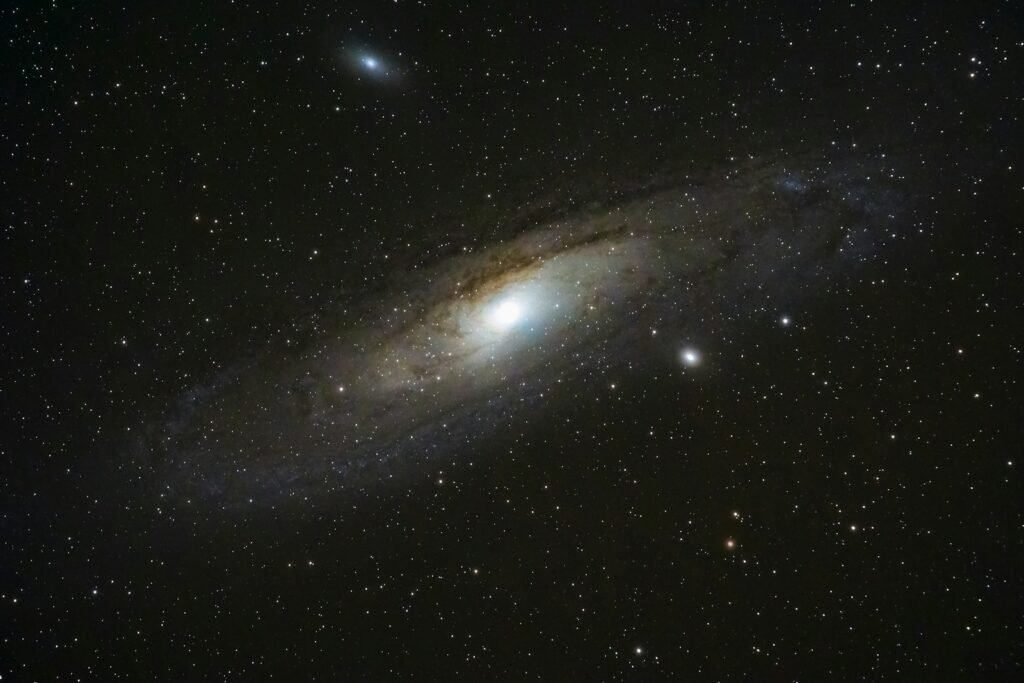
galaxy with starry night

The First Stars in the Universe May Have Been Colder Than We Thought

Suhail Ahmed

For years, textbooks painted the first stars as cosmic blowtorches – monstrously hot, lighting up the dark with ferocious energy. But a puzzling radio whisper from deep time suggests a quieter beginning, a chillier dawn that defies expectations. The mystery pivots on a faint hydrogen signal, stretched by the universe’s expansion and now echoing in ...

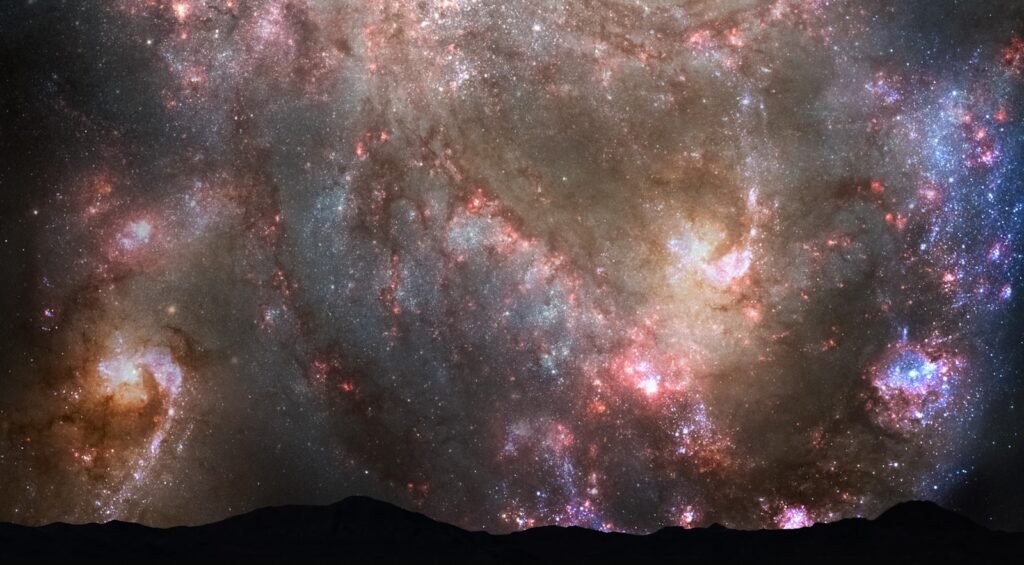
a large group of stars in the sky

The Cosmic Web: How Galaxies Are Connected Across Billions of Light-Years

Suhail Ahmed

  From a distance, the universe looks calm and almost empty, a vast black canvas scattered with lonely points of light. But as astronomers have learned over the past few decades, this first impression is spectacularly wrong: on the very largest scales, the cosmos is woven into a kind of three‑dimensional lace, a sprawling network ...

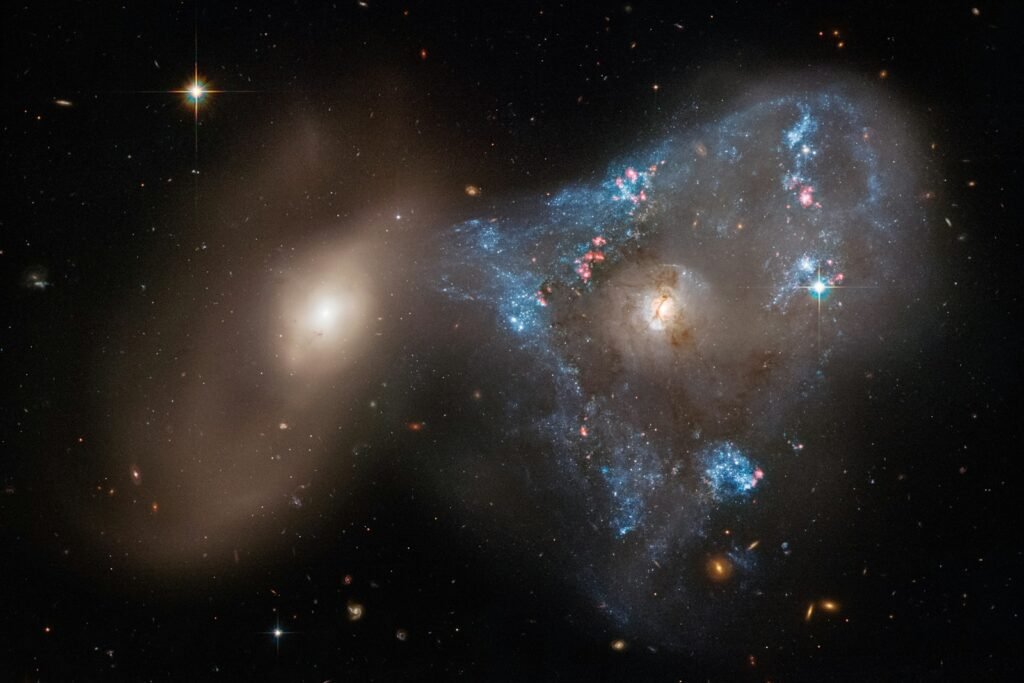
an image of a very large galaxy in the sky

The Mysterious Force That Pushes Galaxies Apart is Finally Being Understood

Suhail Ahmed

  On the largest scales we can see, the universe is doing something deeply counterintuitive: instead of slowing down under the pull of gravity, galaxies are racing away from each other faster and faster. For more than two decades, this runaway expansion has been blamed on a vague, unsettling concept called dark energy, a kind ...

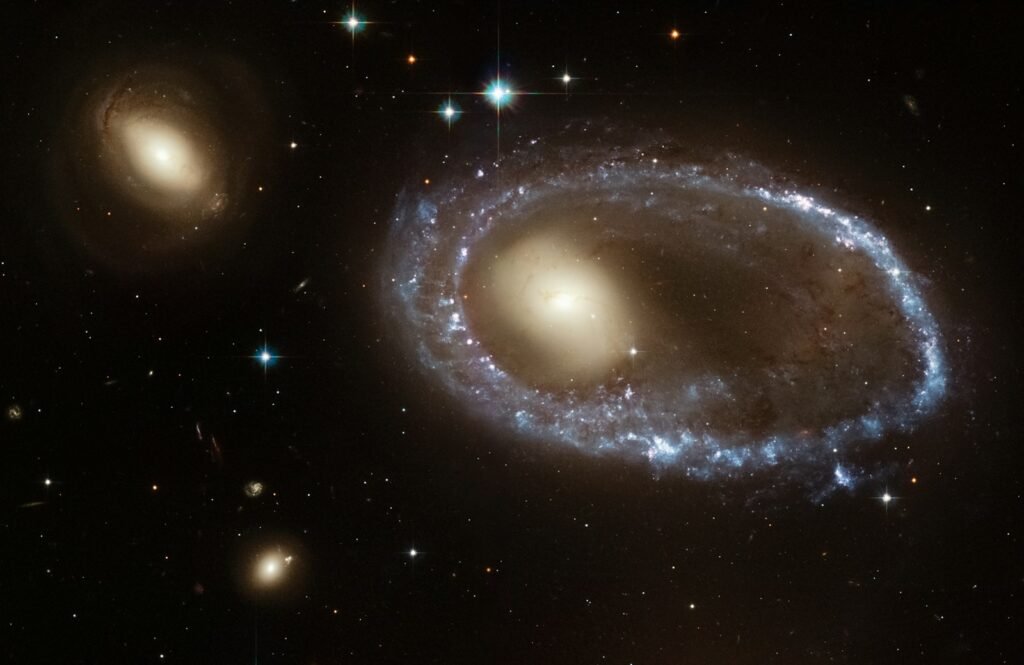
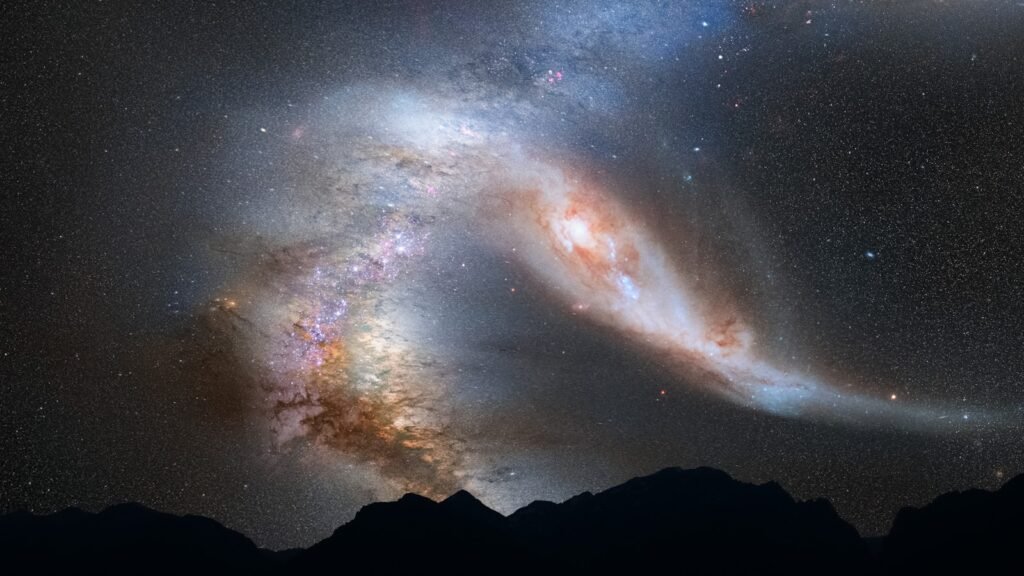
two spiral galaxy like objects in the sky

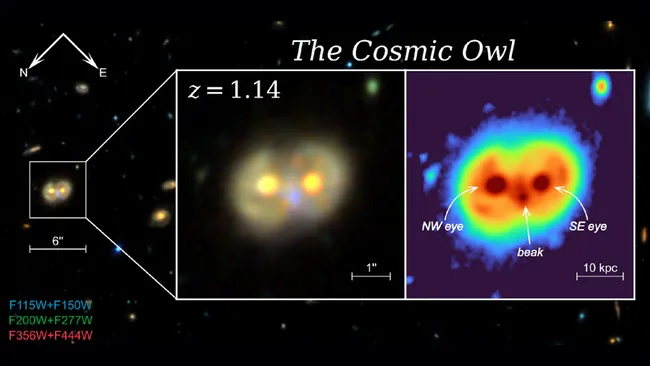
The Universe’s Oldest Galaxies Are Revealing Surprising New Insights

Suhail Ahmed

  In the faintest reaches of the sky, where even large telescopes once saw only darkness, astronomers are now finding sprawling cities of ancient stars that should not, by any reasonable model, exist so early in cosmic history. These are the universe’s oldest known galaxies, blazing into view from a time when the cosmos was ...

Artist's impression of the expected dark matter distribution around the Milky Way

Dark Matter and the Hidden Universe: New Frontiers in Astrophysics

April Joy Jovita

The universe is vast and mysterious, with over 85% of its mass composed of an invisible substance known as dark matter. Unlike ordinary matter, dark matter does not emit, absorb, or reflect light, making it challenging to study directly. Scientists continue to delve deeper into this enigma, uncovering its role in cosmic phenomena and the ...

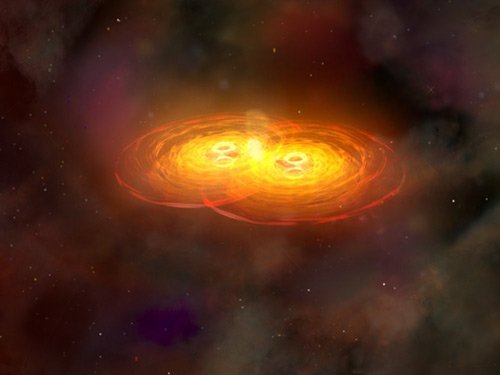
What Happens When Two Black Holes Collide Inside a Galaxy?

What Happens When Two Black Holes Collide Inside a Galaxy?

Andrew Alpin

Picture this: somewhere in the vast darkness of space, two cosmic monsters are locked in a death spiral. These aren’t your average black holes – they’re giants, each containing the mass of dozens or even hundreds of suns. They’ve been orbiting each other for millions of years, slowly drawing closer. What happens next is one ...