It’s hard not to stare in stunned wonder at Stonehenge, those ancient stones standing solemnly against the English sky, mysterious and unyielding. But what if the true story behind this iconic monument is even stranger than we ever imagined? Recent discoveries are shaking up everything we thought we knew—not just about Stonehenge itself, but about the people who built it. Imagine a wild, windswept world where ancient wanderers, draped in animal skins and perhaps accompanied by none other than llamas, made their mark on history. The idea sounds almost absurd, but as archaeologists dig deeper, the past grows ever more astonishing. Are we ready to accept that the builders of Stonehenge were not only ancient but also delightfully eccentric, with tastes and talents that would baffle modern minds?
Stonehenge’s Age: Older Than Most Civilizations
Stonehenge has always been a symbol of deep history, but just how old is it? Archaeologists have dated its first major construction phase to around 3000 BCE, long before the pyramids of Egypt or the rise of Rome. That’s over 5,000 years ago—an age almost impossible for most of us to truly grasp. The monument’s age alone places it among the world’s most ancient man-made structures. Each stone, some weighing as much as a small car, was hauled and erected by people with no metal tools or wheels. This feat alone is mind-boggling. The sheer determination and ingenuity required to raise Stonehenge from the earth make the builders seem almost superhuman. Yet, behind this epic construction are real people—whose lives and choices were shaped by a world nearly lost to time.
The Eccentric Builders: Not Your Average Ancients
The men and women who built Stonehenge were not silent, faceless figures from the past. Recent scientific research suggests they led lives that were both peculiar and unexpectedly sophisticated. Archaeological finds show evidence of colorful clothing, intricate jewelry, and elaborate feasts. Far from the drab, primitive image often painted of ancient Britons, these people embraced creativity and ritual. Some researchers even suggest that their social gatherings could rival the wildest modern festivals. Imagine a community where music, dance, and communal meals brought people together in the shadow of rising stones. Their eccentricity, it seems, was a driving force—maybe even the secret ingredient behind Stonehenge’s enduring mystery.
The Llama Connection: Fact or Fantasy?
The idea of llamas in ancient Britain might sound like pure fantasy, but there is a kernel of scientific curiosity behind the claim. While no direct evidence of llamas at Stonehenge has been found, genetic studies and bone analyses have uncovered traces of exotic animals traded or brought across vast distances. Ancient peoples were surprisingly mobile, and it’s not entirely outlandish to think they could have encountered or even imported strange creatures, including llama-like animals from far-off lands. Whether through trade, travel, or migration, the presence of llamas—or animals similar to them—adds an extra layer of intrigue to the builders’ story. Could these eccentric ancients have been the first to mix cultures and species in a way that set the stage for later civilizations?
A Social Network Like No Other

The people who raised Stonehenge weren’t isolated villagers. Recent DNA and isotopic studies show that they were connected to wide-ranging networks across ancient Europe. Evidence from burials and pottery styles suggests frequent contact with communities in what is now France, Spain, and even the Mediterranean. This means that ideas, goods, and—just maybe—animals like llamas could have traveled astonishing distances. The builders’ social lives were richer and more cosmopolitan than we ever guessed. Like today’s global citizens, they swapped stories, made alliances, and absorbed new customs. This web of relationships may have been the very reason Stonehenge became possible at all.
Strange Rituals and Surprising Beliefs
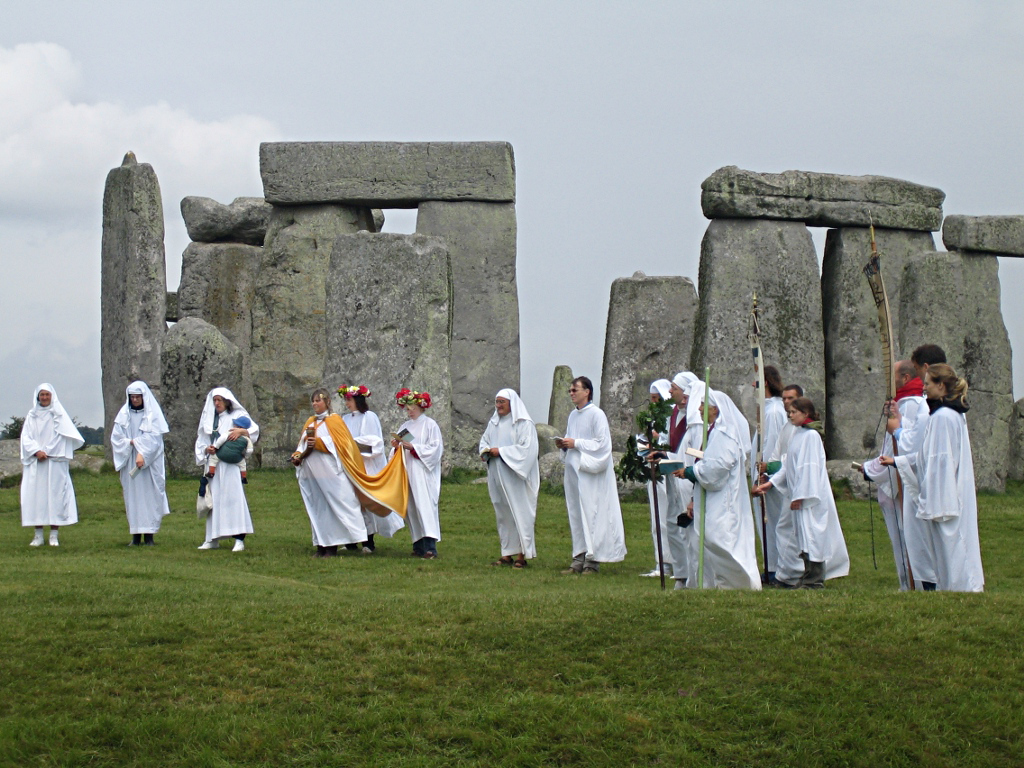
Stonehenge wasn’t just a construction project—it was the beating heart of a spiritual and social movement. Archaeological evidence points to elaborate ceremonies involving music, dancing, and possibly even mind-altering plants. Burnt animal bones and peculiar artifacts found at the site hint at rituals that mixed the sacred with the bizarre. Some scholars believe the builders saw Stonehenge as a bridge between worlds, a place where the living could commune with ancestors and cosmic forces. These beliefs shaped every stone and every gathering, giving the monument a mystical power that still echoes today. The weirdness wasn’t just a side note—it was the essence of Stonehenge’s magic.
Ingenious Engineering Without Modern Tools
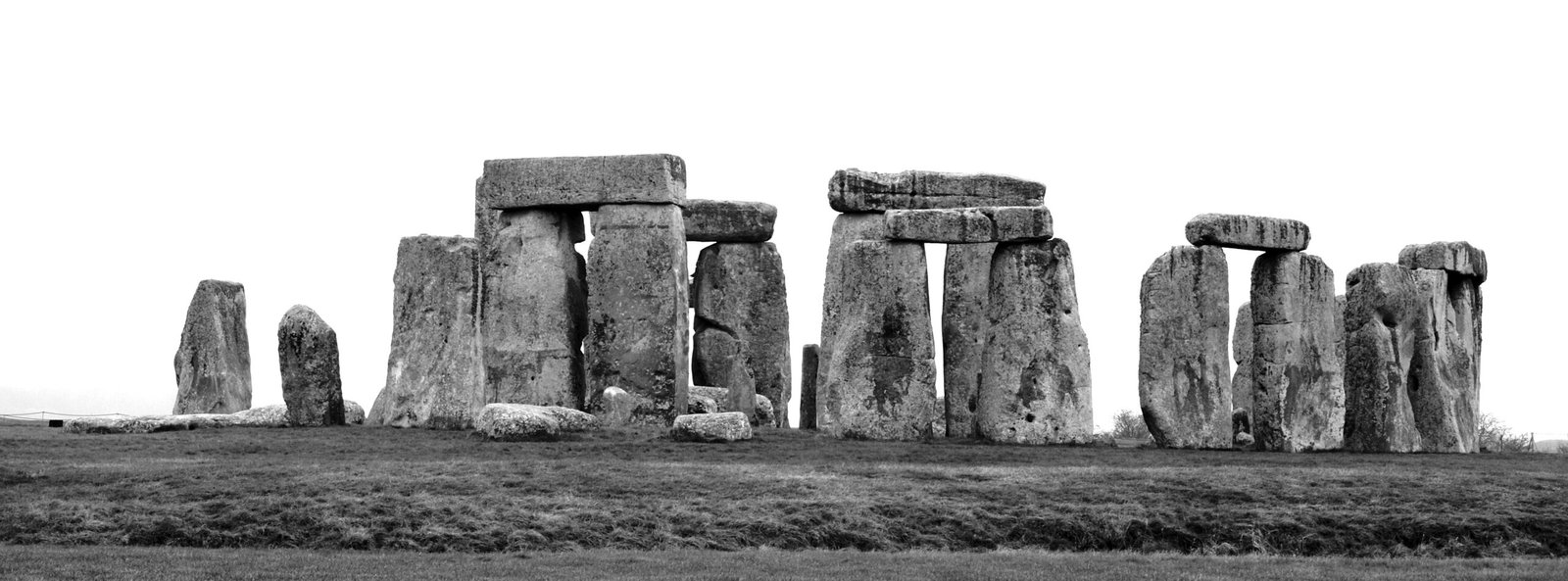
No cranes, no computers, not even the wheel—yet Stonehenge’s creators managed to move and position stones weighing up to 25 tons. How did they do it? Recent experiments using ropes, levers, and wooden sledges suggest that sheer cleverness and teamwork were key. Some researchers believe the builders may have used greased tracks or even animal power—perhaps the very llamas or other beasts they traded for. The precision and planning needed to align the stones with the solstices show these people understood astronomy and geometry far better than anyone expected. Their achievements are a testament to the wild inventiveness of the human mind.
Diet, Feasts, and Ancient Foodies
If you think ancient diets were bland, think again. Excavations around Stonehenge have revealed massive feasting pits filled with animal bones—mostly pigs and cattle, but sometimes more exotic fare. Chemical analysis of teeth and bones shows that people traveled from hundreds of miles away, bringing their own animals for communal meals. Some dishes were cooked in clay pots over open fires, flavored with herbs still found in the wild today. These gatherings weren’t just about eating—they were about sharing, storytelling, and forging bonds. The builders of Stonehenge were true food lovers, turning every meal into a celebration.
Trade Routes and Cultural Crossroads
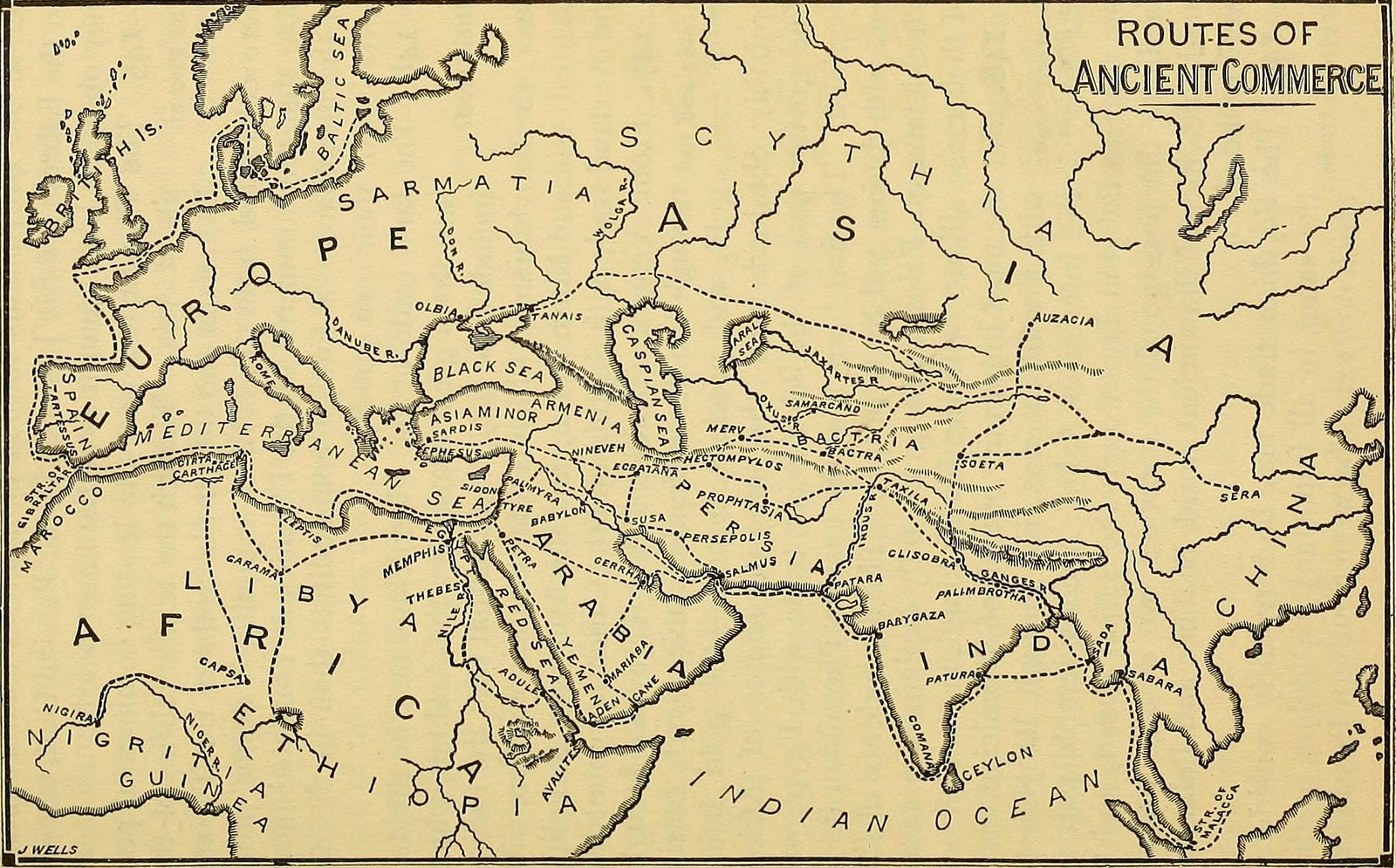
Stonehenge’s location was no accident. It sits at the intersection of ancient trade routes that crisscrossed the British Isles and beyond. Archaeological finds include beads from the Mediterranean, axes from the Alps, and pottery styles from distant lands. This evidence points to a society that was open to new ideas and influences, constantly evolving as new goods and people arrived. The builders were not isolated—they were at the heart of a thriving, multicultural world. Their willingness to embrace the strange and the foreign may be what set them apart, making them true pioneers of the ancient world.
Legends, Myths, and Modern Misconceptions
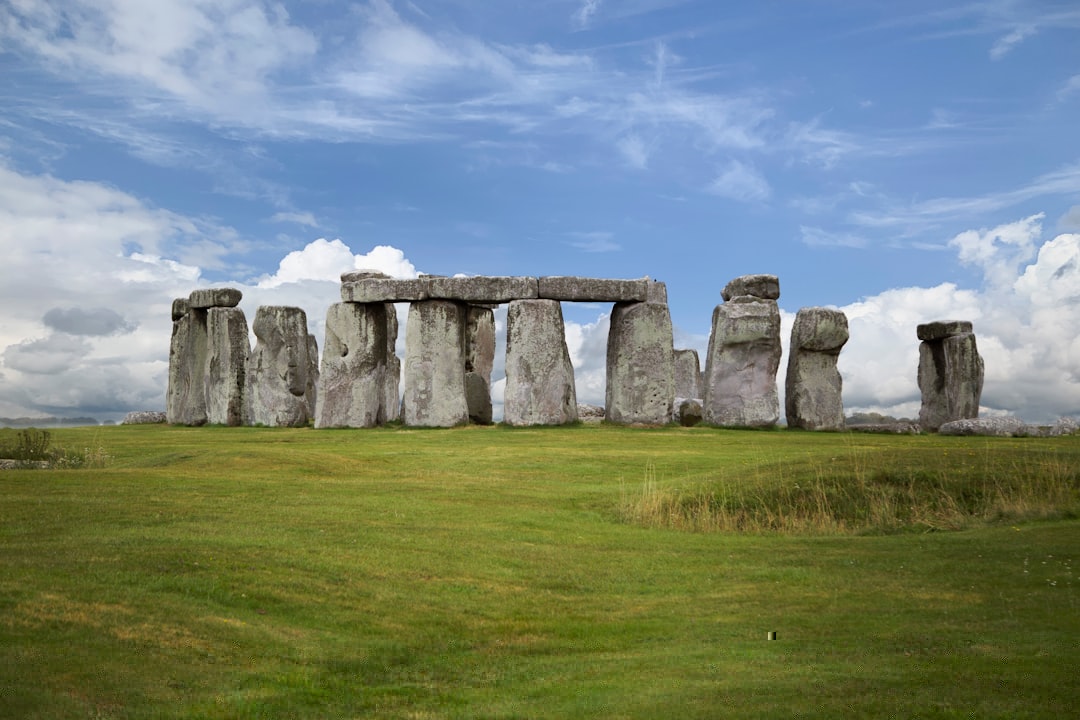
Over the centuries, Stonehenge has inspired countless legends—from Merlin the wizard to alien architects. While these stories are fanciful, they reveal something important: Stonehenge has always captured the human imagination. The truth, as emerging from recent research, is often stranger than myth. The real builders were not the dour, stoic figures of textbooks, but lively, inventive people with a taste for the unusual. Their story is still being written, one discovery at a time, and every new find challenges us to rethink what we know about our ancestors.
A Monument to Human Weirdness and Wonder
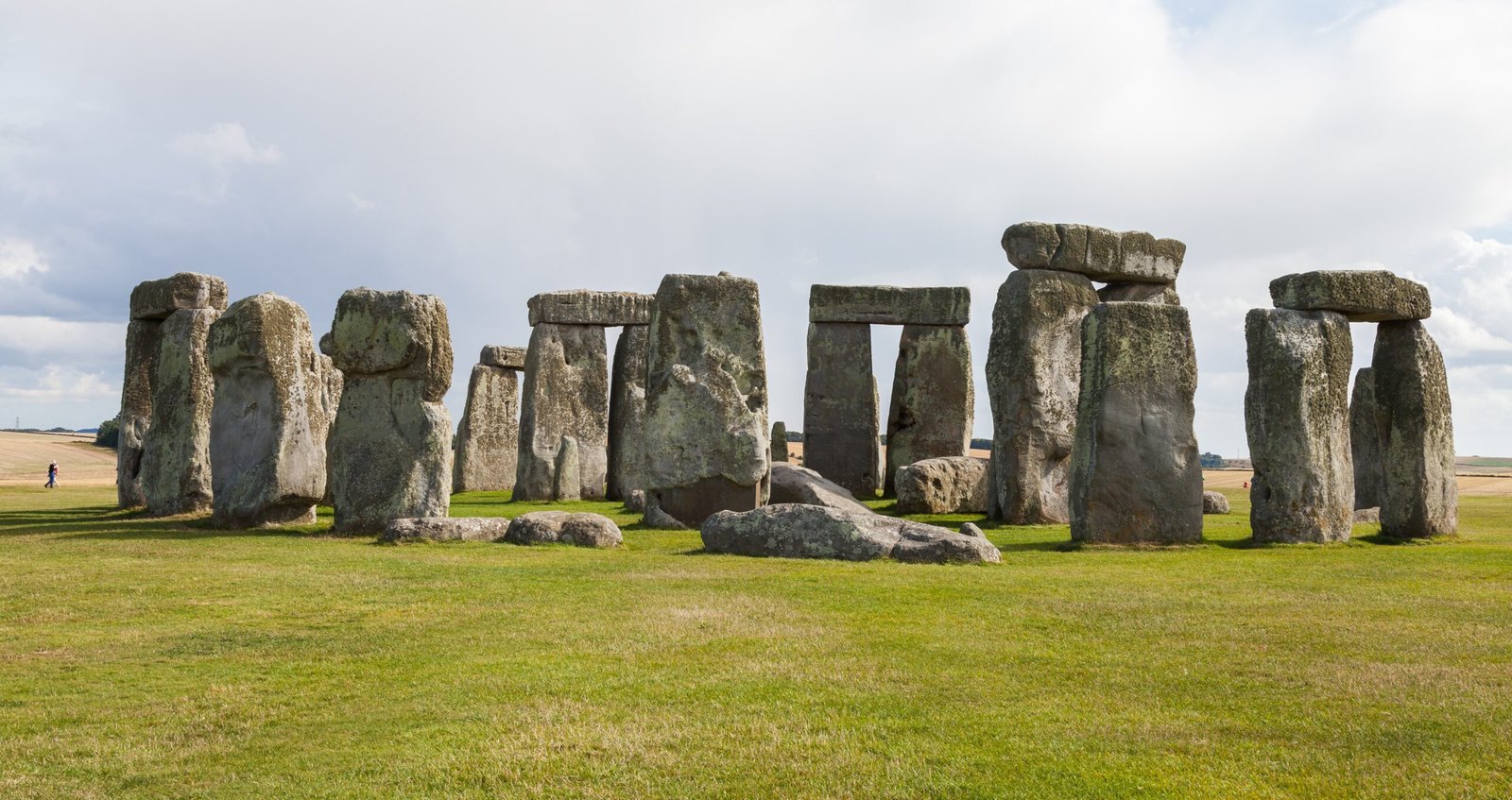
Stonehenge stands as a monument not just to ancient skill, but to the quirky, creative spirit that defines humanity. Its builders were dreamers, risk-takers, and—yes—maybe even weirdos with a flair for the dramatic. Whether or not llamas ever trod the grasslands of ancient Britain, the evidence points to a people who embraced the new and the strange, shaping a legacy that still stirs the soul. As we gaze at the stones today, we’re reminded that history is never as simple as it seems. Who knows what other surprises wait beneath the earth, ready to rewrite everything we think we know?