It’s hard not to smile when you picture a squirrel darting through autumn leaves, cheeks bulging with treasures. But imagine, just for a moment, that these clever little creatures are not just hoarding nuts—they’re also unwittingly crafting their own fermented treats. In the hidden corners of forests and bustling parks, some squirrels stash fruit, forget about it, and come back to find their snacks transformed by the magic of fermentation. This isn’t just a story of forgetfulness; it’s a tale of wild science, surprising behaviors, and nature’s quirky sense of humor. What really happens when squirrels become accidental brewers? The answer is as fascinating as it is unexpected.
The Squirrel’s Secret Stash: More Than Just Nuts
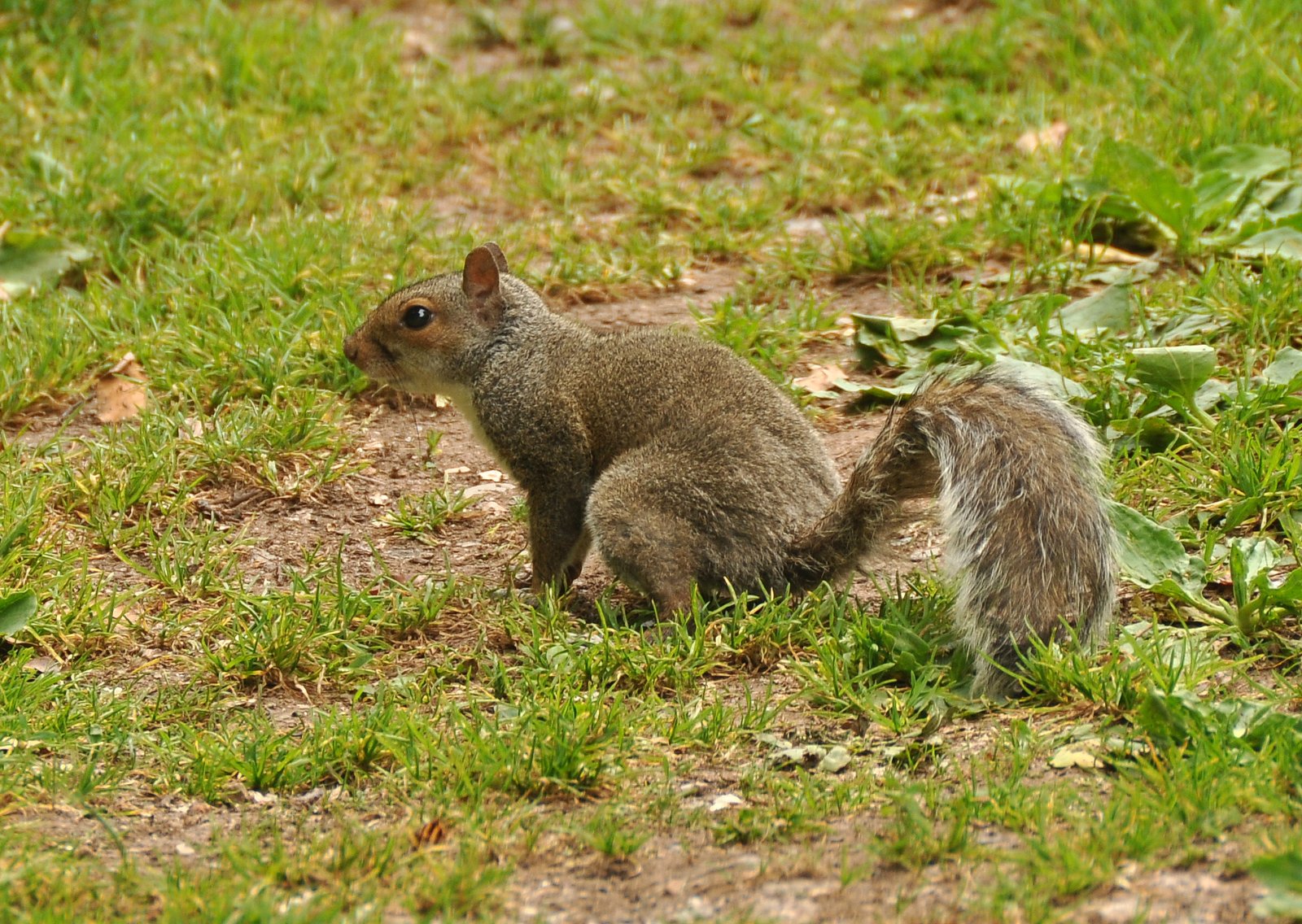
When most people think of squirrels, images of acorns and walnuts spring to mind. However, many species are true opportunists, collecting not just nuts but berries, apples, and other fruits. These food items are often hidden in tree crevices, buried in soil, or tucked beneath piles of leaves. The act of storing food, known as caching, is essential for surviving the lean winter months. Yet, with hundreds or even thousands of hiding spots, it’s inevitable that some treats get left behind. This forgetfulness isn’t a flaw—it’s part of what makes squirrels such important players in forest ecosystems.
Nature’s Little Brewers: How Fermentation Happens
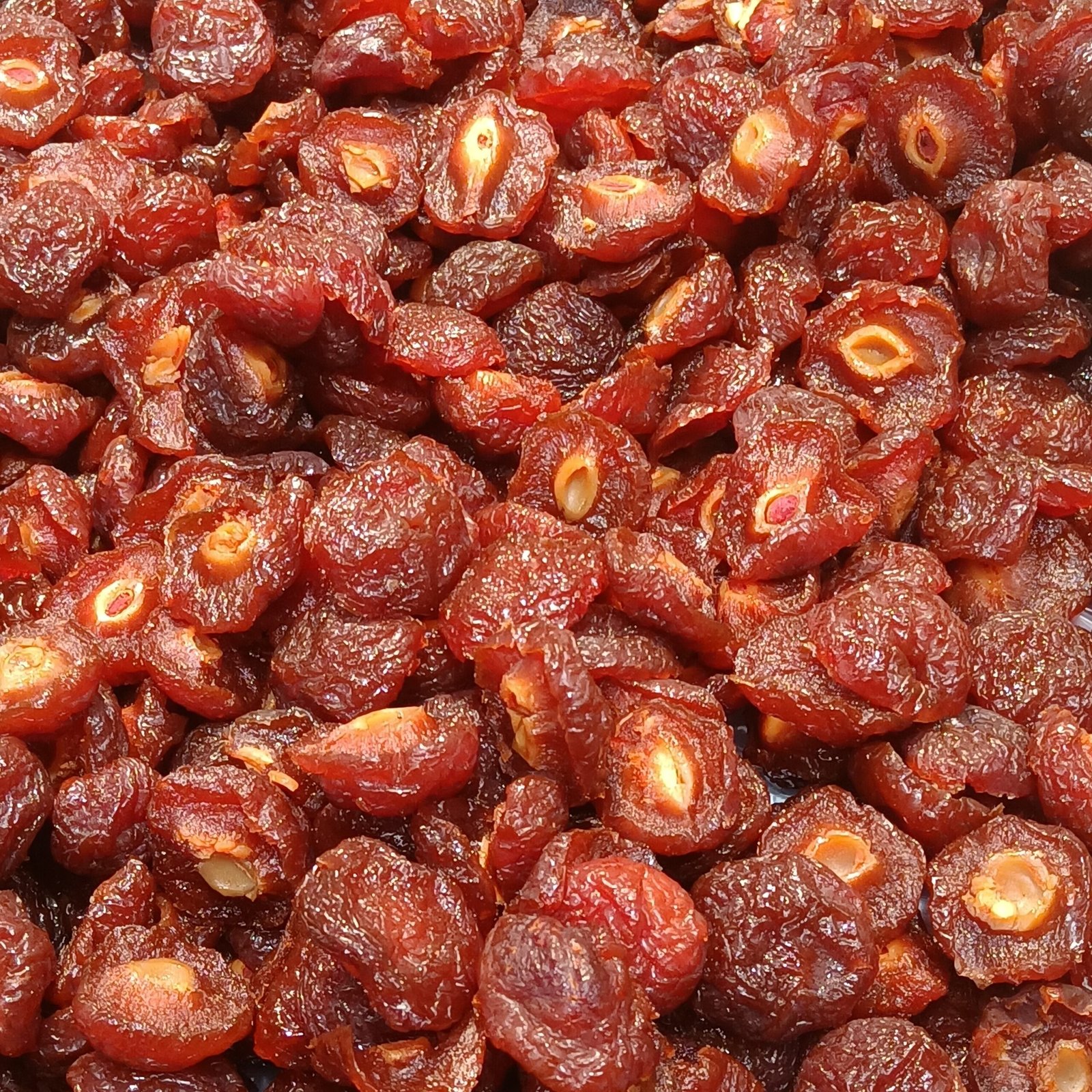
Fermentation is a natural process that occurs when yeasts and bacteria break down sugars in fruit, producing alcohol and other compounds. In the wild, when squirrels bury or hide fruit, especially in warm, damp areas, these conditions can be perfect for fermentation to start. As the fruit sits undisturbed, it slowly transforms, sometimes developing a slightly alcoholic content. The next time a squirrel uncovers one of these snacks, it might discover a different flavor, or even a heady surprise. The process is entirely organic, relying on the invisible world of microbes that surround us all.
Do Squirrels Really Get Tipsy?
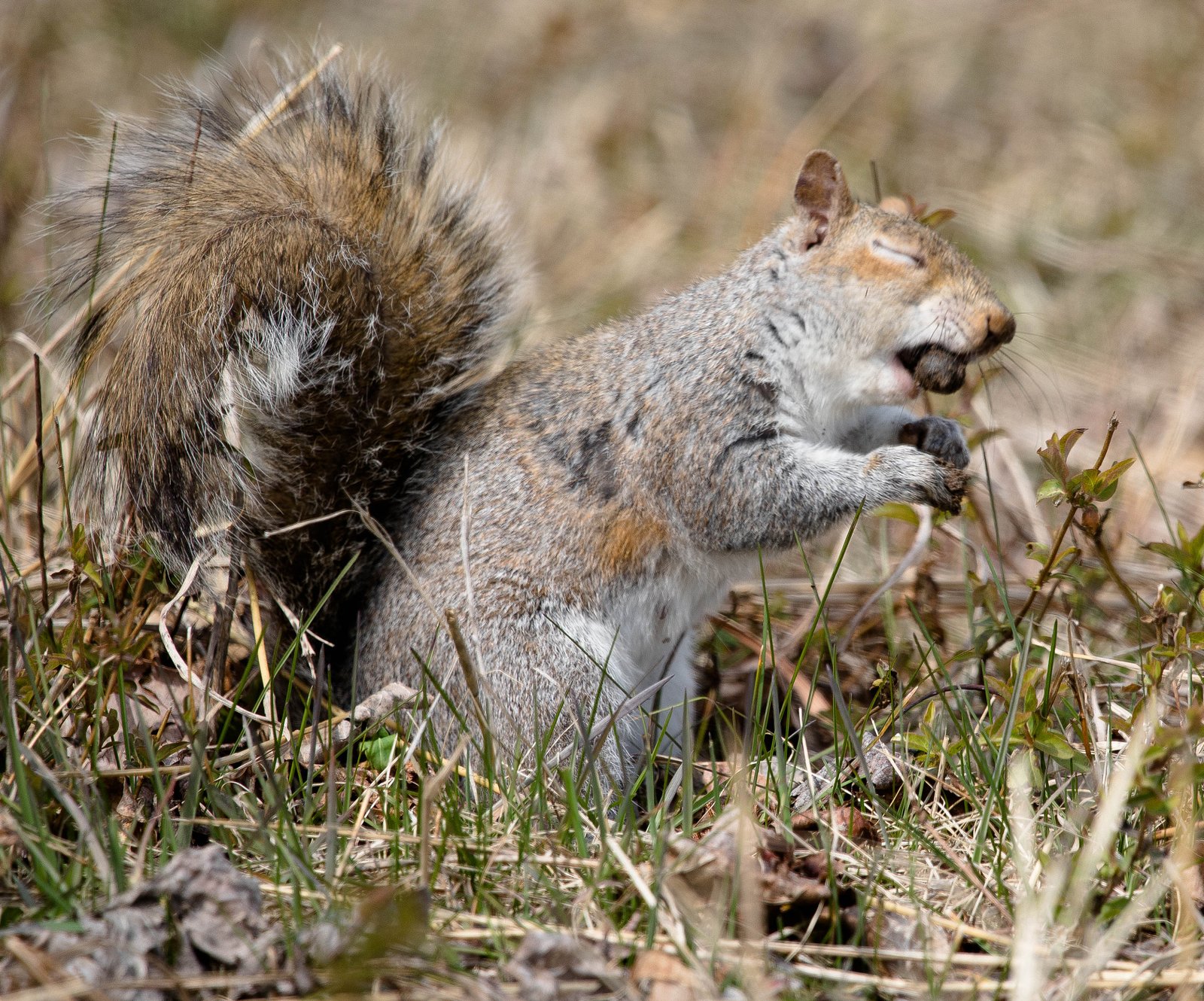
It might sound hilarious, but there are genuine reports of wild animals, including squirrels, appearing intoxicated after consuming fermented fruit. While it’s rare, some squirrels have been spotted wobbling or acting unusually bold after munching on overripe, naturally fermented snacks. Scientists suggest that most squirrels are quick to realize something’s off and usually avoid eating too much of the potent fruit. Still, the occasional tipsy rodent adds a touch of whimsy to the forest floor and a reminder that nature has its own sense of mischief.
A Memory Game: Why Squirrels Forget Their Food
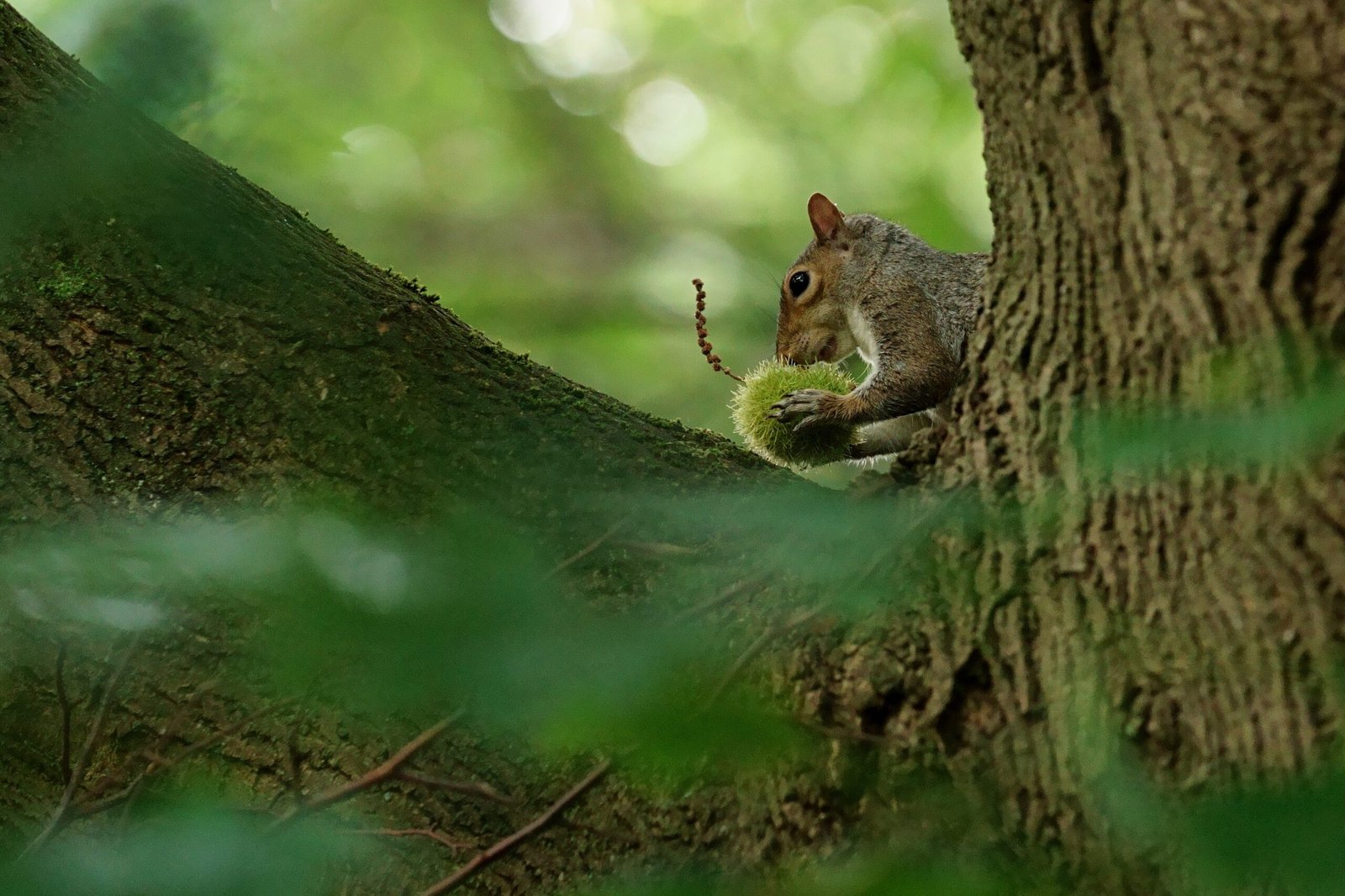
Squirrels are notorious for their forgetfulness—but this trait is actually a result of their caching strategy. By hiding food all over their territory, they increase their chances of finding at least some of it later. Their brains are wired for pattern recognition and spatial memory, but no animal is perfect. Some hidden fruits are simply lost to time, creating opportunities for fermentation. This “failure” is, in a way, a clever form of ecosystem engineering, as it also leads to new plants sprouting from forgotten seeds.
The Role of Squirrels in Forest Regeneration
When squirrels forget where they’ve buried fruit or seeds, they’re doing the forest a huge favor. Many trees and bushes rely on animals like squirrels to disperse their seeds. The buried snacks that never get eaten often sprout into new plants, helping to renew the forest. In this way, a squirrel’s forgetfulness is anything but wasteful—it’s a vital part of the cycle that keeps woods and wildlands thriving. The added twist of fermentation simply adds another layer to this complex relationship.
Fermented Snacks: A Feast for Other Wildlife
It’s not just squirrels who benefit from these hidden, fermented treats. When a squirrel fails to reclaim its fruit stash, other animals—like birds, deer, or even insects—might stumble upon the fermented bounty. For some, these snacks are a rare source of extra energy or nutrients, especially in late autumn or early winter. This sharing of resources underscores how interconnected and collaborative ecosystems truly are, with one animal’s oversight becoming another’s opportunity.
Squirrels’ Super Noses: Can They Smell Fermentation?

One of the most surprising facts about squirrels is their incredible sense of smell. They can detect buried food under layers of snow or soil. But does fermentation change how they find their food? Some researchers believe that the strong, fruity odor of fermentation could help squirrels locate forgotten snacks, while others think it might actually deter them if the smell becomes too pungent. Either way, their noses play a critical role in navigating the buffet they themselves have created.
Different Squirrel Species, Different Habits
Not all squirrels are fruit hoarders. Tree squirrels, like the eastern gray and red squirrel, are most likely to stash fruit, while ground squirrels and flying squirrels have different diets and habits. These differences affect the likelihood of fermentation happening. For example, squirrels living in warmer, wetter climates may experience more frequent fermentation of their cached fruit, while those in colder regions might see it happen less often. These subtle variations add to the rich tapestry of squirrel behavior across the world.
Accidental Alchemy: The Science of Wild Fermentation
The transformation of fruit into a fermented snack isn’t just quirky—it’s a fascinating example of wild chemistry in action. Scientists are only beginning to explore how these natural processes affect animal behavior and ecosystem health. Some researchers are even studying how wild fermentation might influence the diets and health of forest dwellers. The fact that such a simple act—forgetting a snack—can spark a chain reaction of chemical and biological changes is nothing short of amazing.
What We Can Learn from Forgetful Squirrels
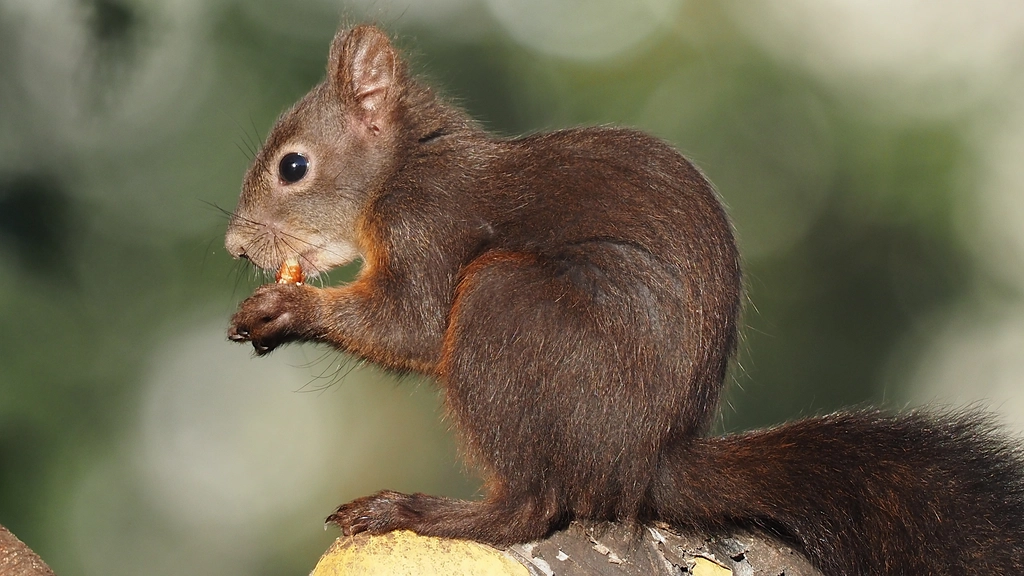
The story of squirrels that ferment their own fruit snacks is more than a funny footnote in natural history. It’s a window into the unpredictable, interconnected world of wildlife. These fuzzy foragers remind us that sometimes, mistakes lead to unexpected gifts. Whether it’s the growth of a new tree or an accidental woodland brew, nature is full of surprises. Next time you see a squirrel scurrying with a mouthful of fruit, consider the possibilities—what hidden magic might be brewing just beneath your feet?