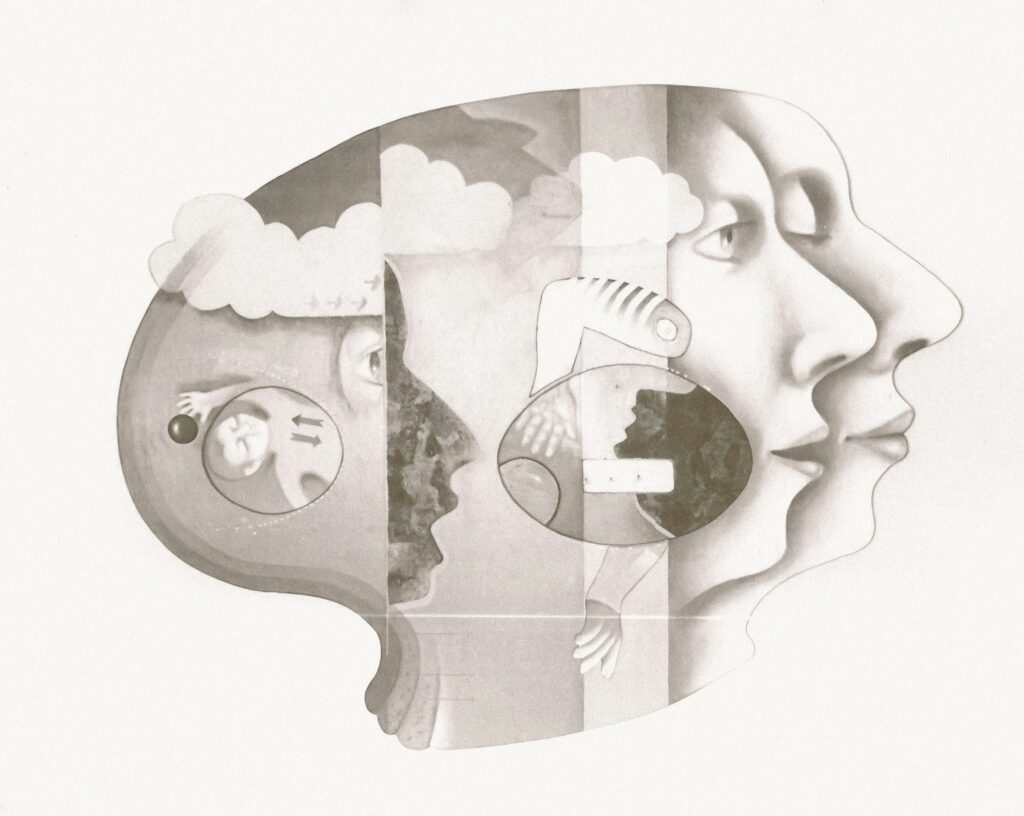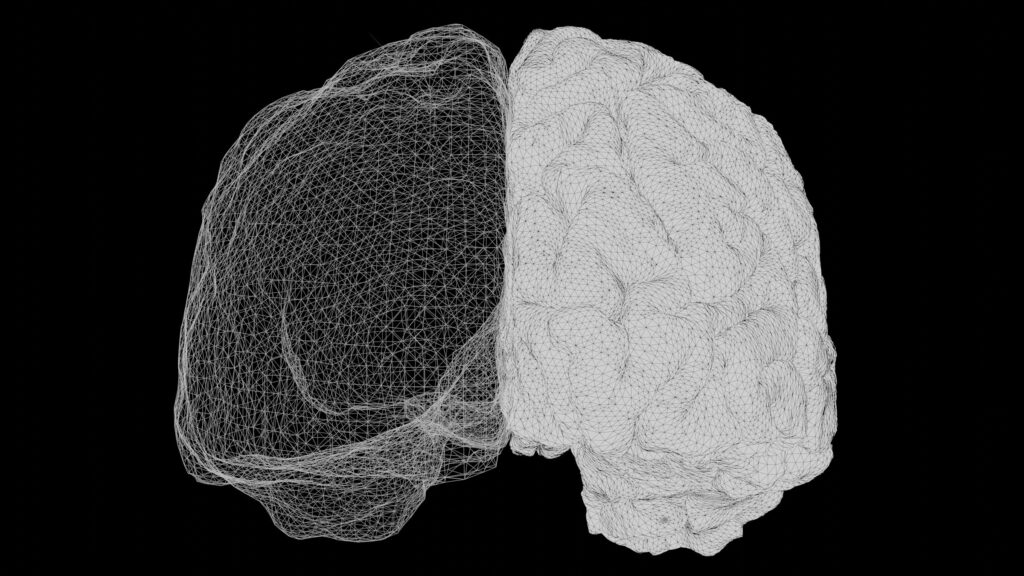

Imagine waking up one day and realizing that your left hand sometimes seems to have a mind of its own. It reaches for things you do not want, writes words you did not plan, or even unbuttons a shirt your right hand just buttoned. You are still you, but it feels like there is someone else quietly sharing the controls from inside your skull. That is the strange, unsettling reality suggested by decades of research on split-brain patients.
These are people whose left and right brain hemispheres were surgically disconnected, usually to treat severe, life‑threatening epilepsy. When scientists started testing them, they stumbled onto one of the most disturbing possibilities in neuroscience: a single human body might sometimes contain two relatively independent streams of awareness. When you really let that sink in, it forces you to rethink what you mean by “I,” “self,” and even “free will.”
The Radical Surgery That Split the Brain in Two

To understand what is going on, you first need to know what happened medically. In a split-brain procedure, surgeons sever the corpus callosum, the thick bundle of nerve fibers connecting your left and right hemispheres. This drastic step was typically taken for people whose epileptic seizures were so severe and frequent that nothing else worked, and the abnormal electrical storms in one hemisphere kept jumping across to the other.
When that bridge is cut, the seizures in many patients drop dramatically, which can be life changing. On the surface, you might look surprisingly normal: you talk, walk, recognize loved ones, and hold conversations. If you met a split‑brain patient at a party, you probably would not notice anything unusual at first. The real shock only shows up when you start testing what each half of the brain can see, know, and do on its own.
How Each Hemisphere Sees a Different World
Your eyes constantly feed information to both sides of your brain, but the wiring is crisscrossed in a clever way. What appears in your right visual field is processed mainly by your left hemisphere, and what appears in your left visual field is handled mainly by your right hemisphere. In a typical brain, the corpus callosum lets those two sides share what they see, so you experience one unified scene. After split‑brain surgery, that sharing channel is cut.
Now imagine you are in a lab and a researcher quickly flashes a word to your left visual field only, which means your right hemisphere sees it. You might be unable to say what you saw, because speech is usually controlled by the left hemisphere. But if you are asked to point or draw with your left hand, which is guided more by the right hemisphere, you may do it correctly. It is as if one half of you silently knows something that the talking half cannot access.
Two Streams of Consciousness in One Body
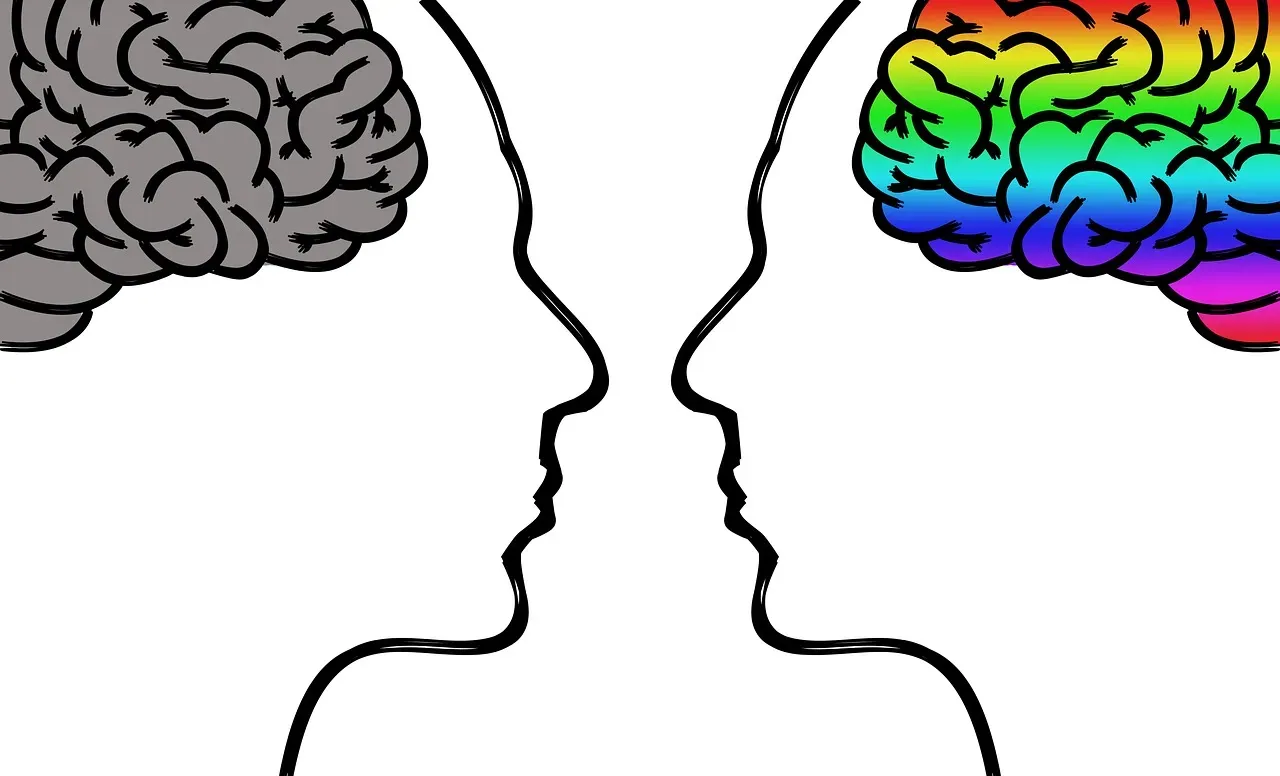
Once you start playing these visual tricks, a disturbing pattern emerges. Your left hemisphere might confidently tell a story about what is going on, while your right hemisphere behaves as if it has its own private knowledge, preferences, and intentions. In some famous experiments, one hemisphere was instructed to do something that the other could not consciously see, yet your body still carried it out smoothly.
From the outside, this looks very much like two awareness streams coexisting in one person, each one tethered to different inputs and outputs. You can speak with one side, mostly via language, while the other side talks through gestures, drawings, or actions. You, as the whole person, are still there, but your inner life is no longer a single seamless movie; it is more like two overlapping channels that rarely get to compare notes.
When Your Own Hand Feels Like a Stranger

One of the eeriest signs of this split comes from movement and control. Some patients describe their left hand as if it occasionally acts on its own, grabbing objects they do not intend to pick up or undoing tasks the right hand just completed. This so‑called “alien hand” phenomenon feels less like clumsiness and more like a quiet tug‑of‑war between two decision makers sharing one body.
If you put yourself in that position, it is deeply unsettling. You still feel like a single self, yet your behavior can reveal hidden conflicts between your hemispheres. You might verbally choose one option while a hand nudges toward another, or you might find yourself justifying an action that your speaking hemisphere never actually initiated. It challenges your sense that you are the sole author of what your body does.
The Left Hemisphere: Your Inner Storyteller and “Interpreter”
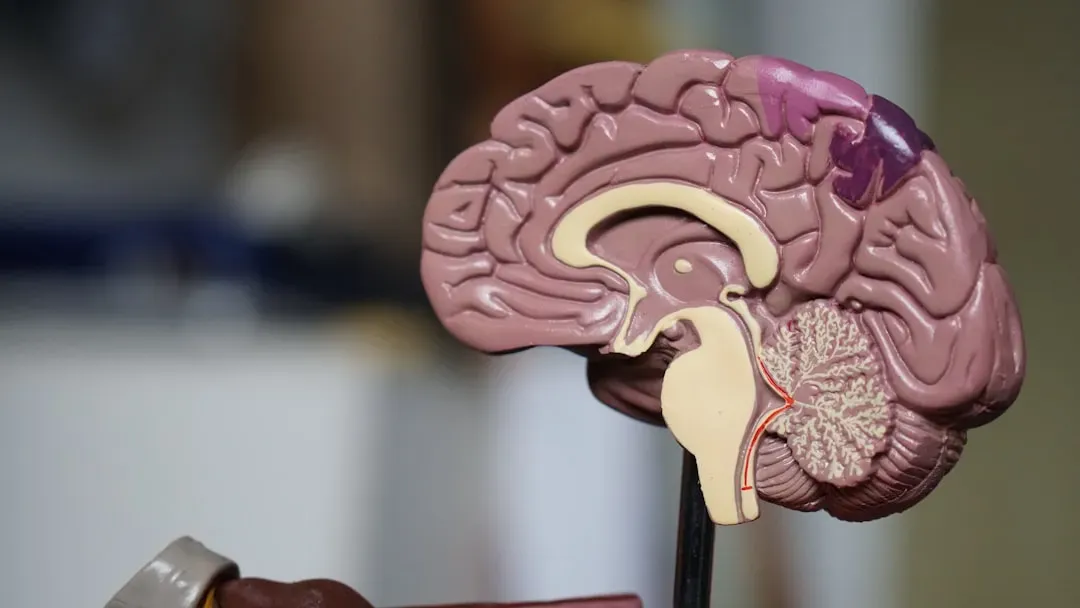
Researchers started to notice that your left hemisphere behaves like a compulsive storyteller. When it sees an action or choice that it did not initiate, it still tries to explain it, often by inventing a reasonable‑sounding motive on the spot. If your right hemisphere causes your left hand to do something, your left hemisphere may confabulate a reason, and you will sincerely believe that explanation.
This interpreter function is not unique to split‑brain patients; it is active in you right now. Your brain constantly fills gaps, builds narratives, and smooths over inconsistencies so you can feel like a continuous, coherent self. In split‑brain cases, the cracks in that narrative become much easier to spot, revealing how your sense of unity might depend more on persuasive storytelling than on a truly unified underlying system.
I remember the first time I read about this, it felt like someone pulling back the curtain on the wizard of Oz inside my own head. You walk around feeling like a single, solid “I,” but under the hood, there is a patchwork of semi‑independent modules, with the left hemisphere often acting as the press secretary, explaining decisions it never really made.
What Split-Brain Cases Reveal About Your Own Consciousness
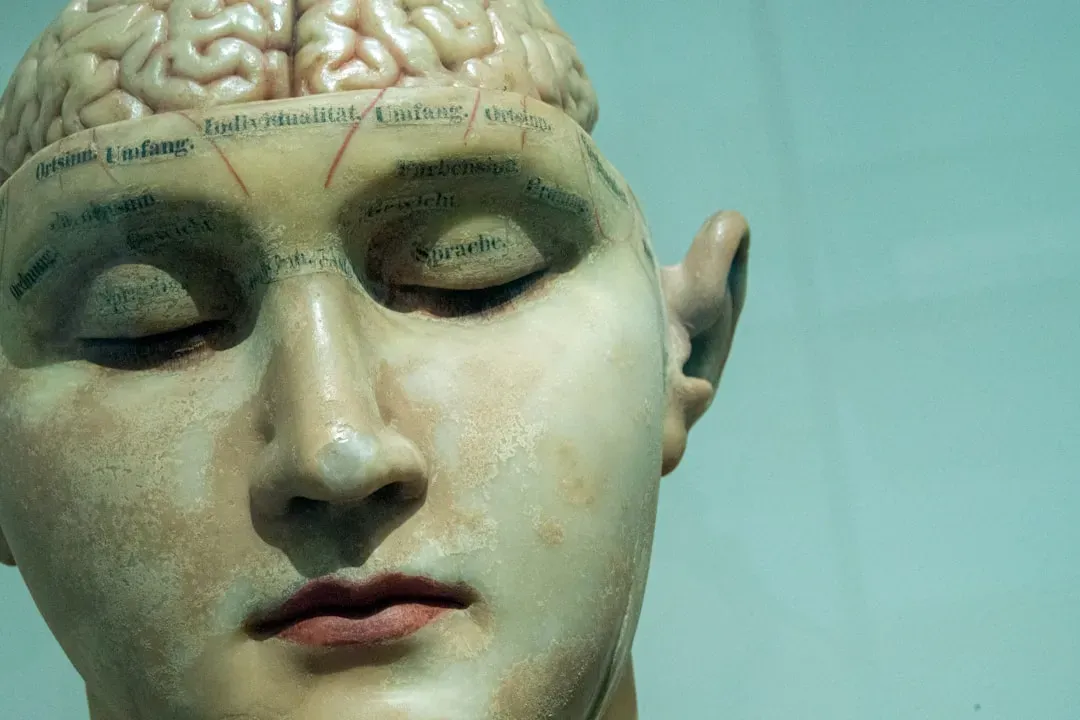
It is tempting to treat split‑brain patients as rare curiosities, but they actually hold up a mirror to you. They show that what you call your “self” might be more fragile and constructed than you think. If simply cutting a bundle of nerve fibers can lead to two parallel awareness streams, then your everyday feeling of being one indivisible subject may be more of a useful illusion than a basic fact of nature.
Even in an intact brain, different networks compete and cooperate all the time: emotion against reason, impulse against long‑term planning, habit against conscious control. You usually experience the outcome as one decision, but the split‑brain research suggests that the unity you feel is more like a negotiated truce than a single commander calling the shots. The staggering implication is that consciousness might be something your brain constructs on the fly, rather than something that sits neatly in one place.
The Ethical and Philosophical Shockwaves
Once you accept that there can be two conscious streams in one skull, unsettling questions pile up quickly. If each hemisphere has its own perceptions, memories, and goals, does that mean there are two persons in one body? If so, what does moral responsibility look like? When one hand acts against the other, who is truly to blame, and how should you even think about consent or autonomy in that situation?
These questions are not just abstract. They feed into live debates about free will, personal identity, and what counts as a person in discussions about brain injury, advanced dementia, or future brain‑computer interfaces. If a brain can be divided into multiple centers of awareness, you have to consider whether future technologies might accidentally create or suppress additional selves. The stakes are not small; they reach into law, medicine, and even how you treat people whose brains work very differently from yours.
Looking Ahead: What Split Brains Teach You About Being Human
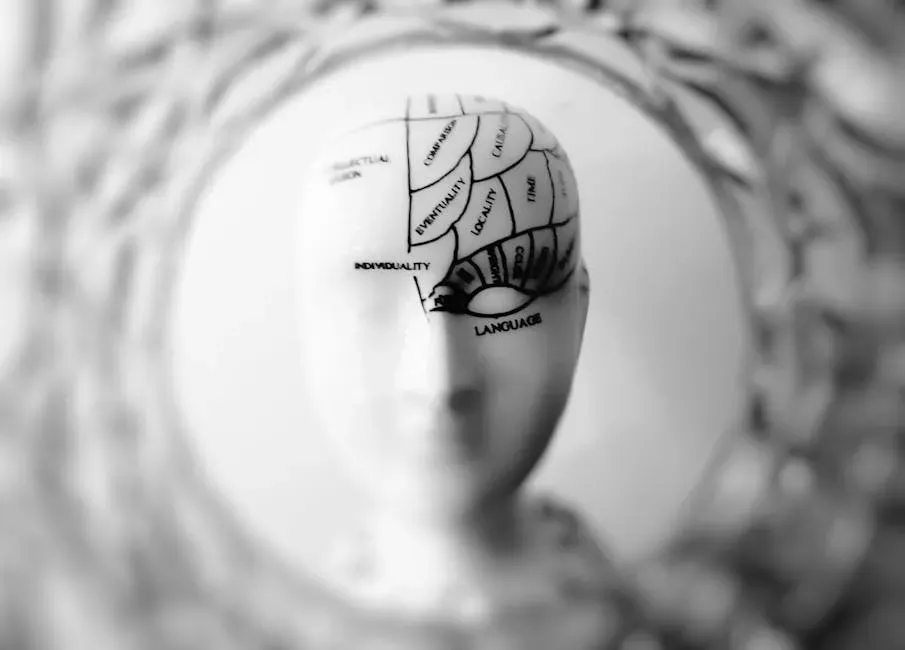
For now, split‑brain surgery is far less common than it once was, mainly because other treatments for epilepsy have improved. That means you may never meet someone with such a dramatic separation between hemispheres, and many of the classic experiments were done decades ago. Still, their lessons are very much alive, guiding modern research into how consciousness is distributed across the brain and how fragile the boundaries of the self really are.
When you think about your own life, the strangest part is realizing how much you take your inner unity for granted. You say “I” dozens of times a day, as if that word points to something simple and solid. Split‑brain patients force you to see that under the surface, you might be more like a small committee than a single ruler, and the feeling of being one person is a hard‑won achievement of your brain’s wiring and its constant storytelling.
So the next time you catch yourself arguing internally or feeling pulled in two directions, it might not just be a figure of speech. Your own brain already hosts multiple processes that could, under the right conditions, drift into more independent streams. Split‑brain research does not just tell you about a rare surgery; it quietly asks whether the “you” you trust so much has always been a bit more divided than it dares to admit.
In the end, that realization can be both unsettling and strangely freeing. If your sense of self is something your brain builds, not something fixed in stone, you might have more room to grow, change, and understand others whose minds work differently. When you look in the mirror and say “I,” how many quiet voices might really be answering back inside your head?