
If you love dinosaurs, you’re already more connected to the Morrison Formation than you realize. The famous giants you grew up with – like Allosaurus, Apatosaurus, Stegosaurus, Diplodocus, and Brachiosaurus – all come from this single slice of rock spread across the American West. You’re not just looking at random fossils; you’re looking at the remains of a real prehistoric ecosystem that stretched across what is now 13 different states.
Once you realize that so many of the “poster dinosaurs” come from the same geological formation, the Morrison stops being just a name in a museum caption and starts feeling like a place you could almost walk through. You’re basically exploring the ancient heartland of the Late Jurassic, a landscape that pulled together everything you love about dinosaurs into one sprawling, fossil-rich stage.
You’re Standing on a Dinosaur Superhighway and Might Not Even Know It
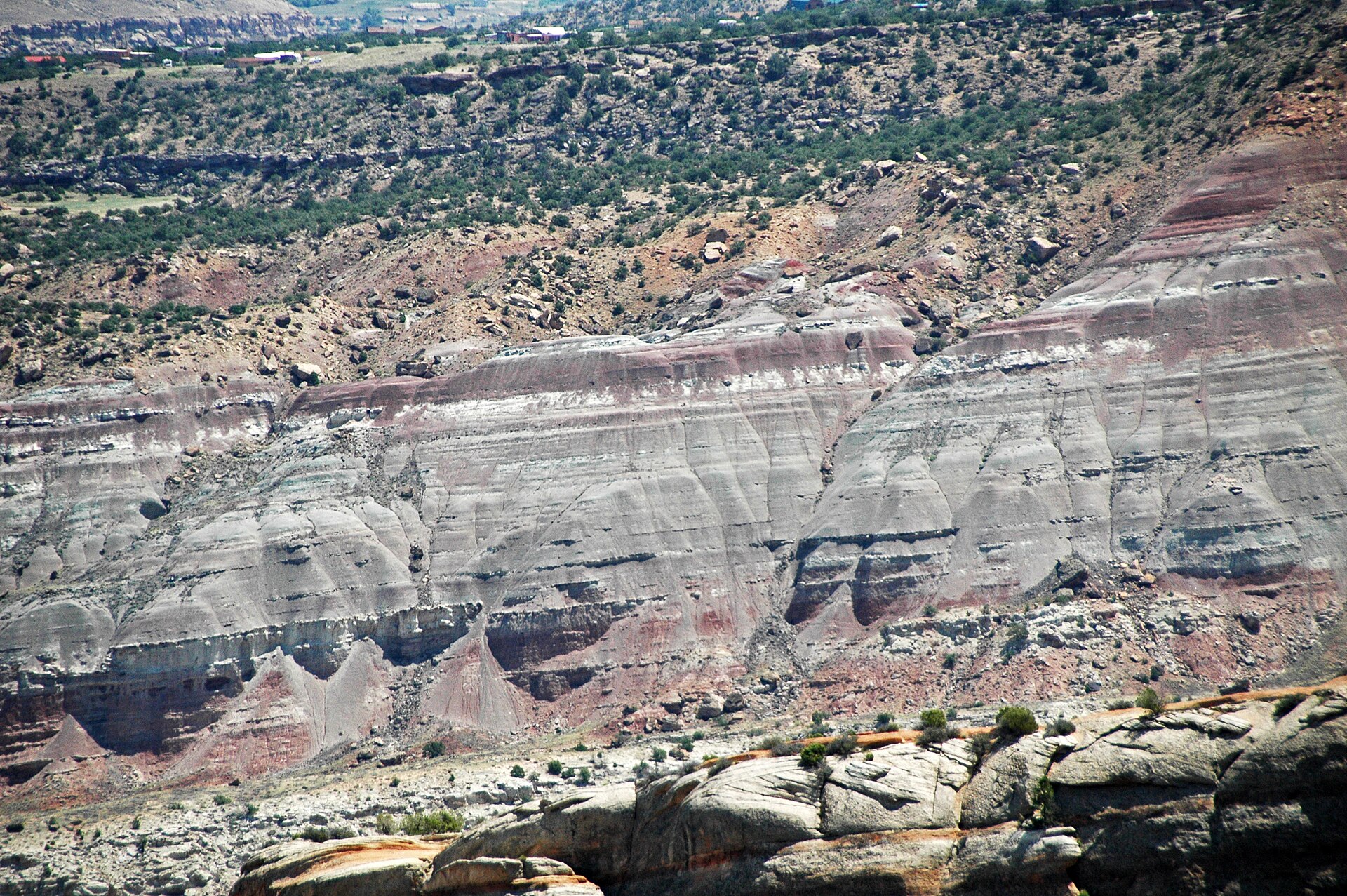
When you hear that the Morrison Formation runs through 13 U.S. states, it suddenly feels less like a dusty scientific term and more like a hidden map under your feet. If you travel through places like Colorado, Utah, Wyoming, Montana, New Mexico, South Dakota, or even parts of states farther east like Oklahoma and Kansas, you’re passing over layers of rock that once held living, breathing dinosaurs. In a few spots, you can literally stand where a Diplodocus may have trudged along 150 million years ago.
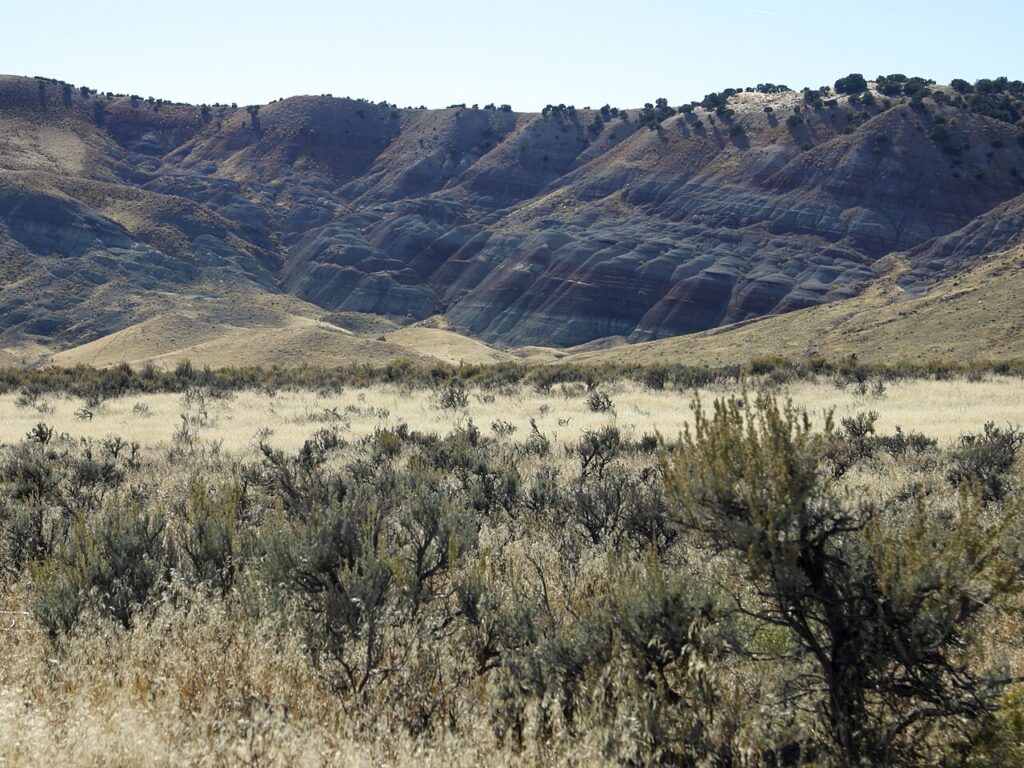
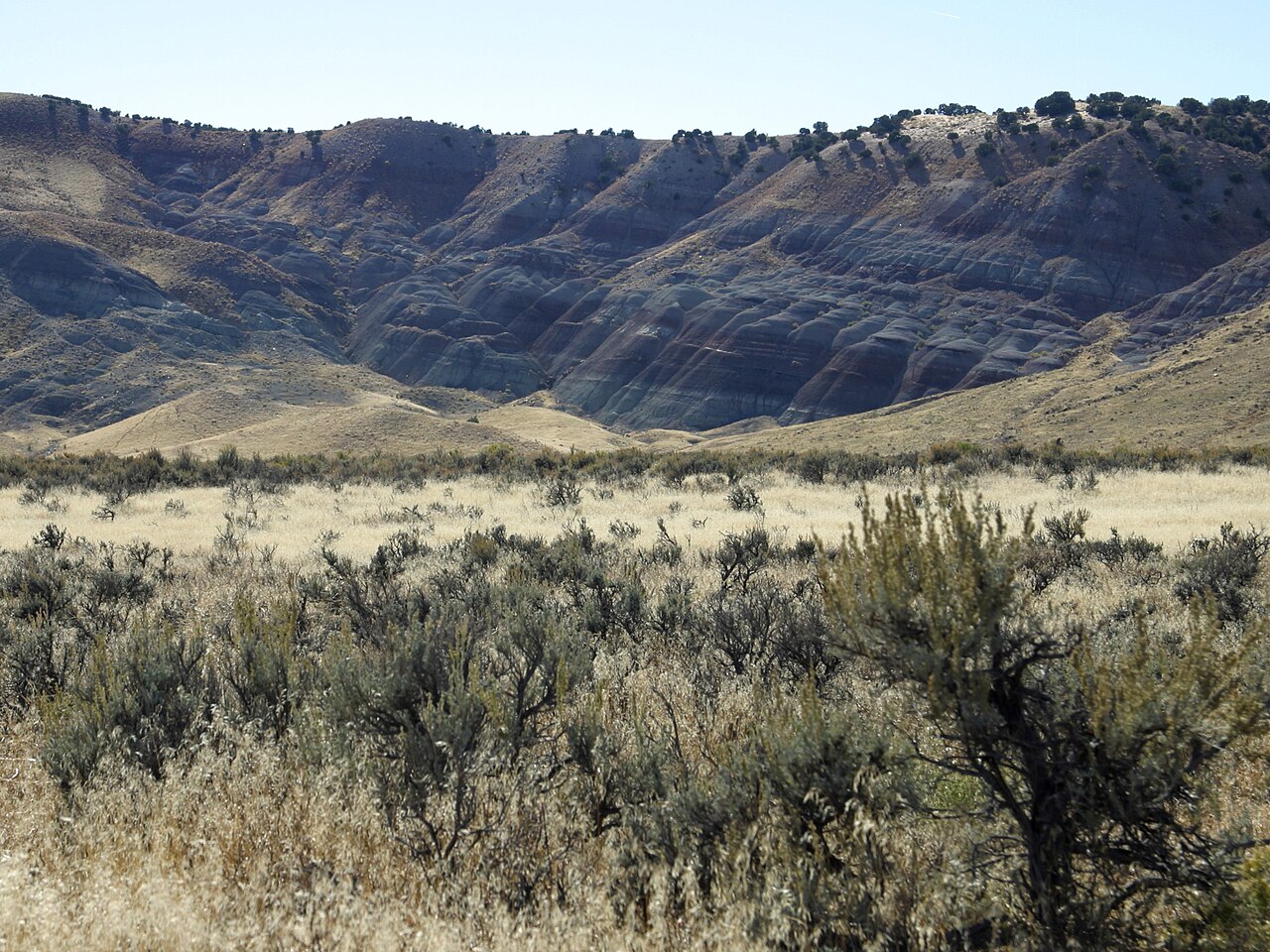
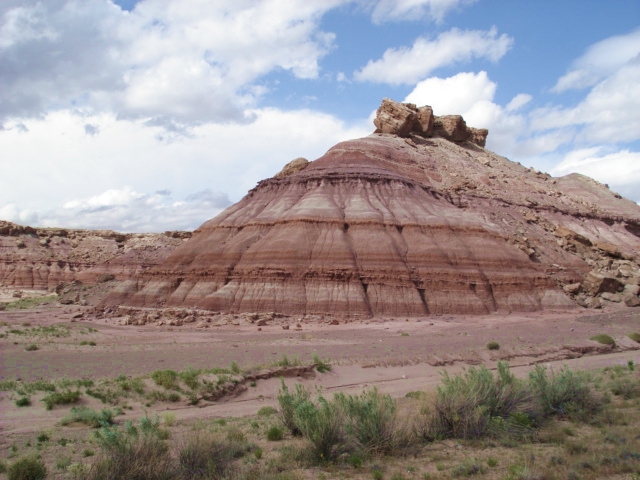
What makes this even wilder is how ordinary the landscape can look today. You might be driving past scrubby hills or layered cliffs, not realizing those striped rocks are pages in an ancient story. The Morrison is not one single cliff or canyon; it’s a huge blanket of sedimentary rock laid down over time, now peeking out in road cuts, badlands, and mesas. Once you know that, every band of reddish-brown or greenish-gray rock you pass in the West feels like a potential dinosaur chapter waiting to be opened.
You’re Looking at the Single Richest Source of Famous Dinosaurs on Earth
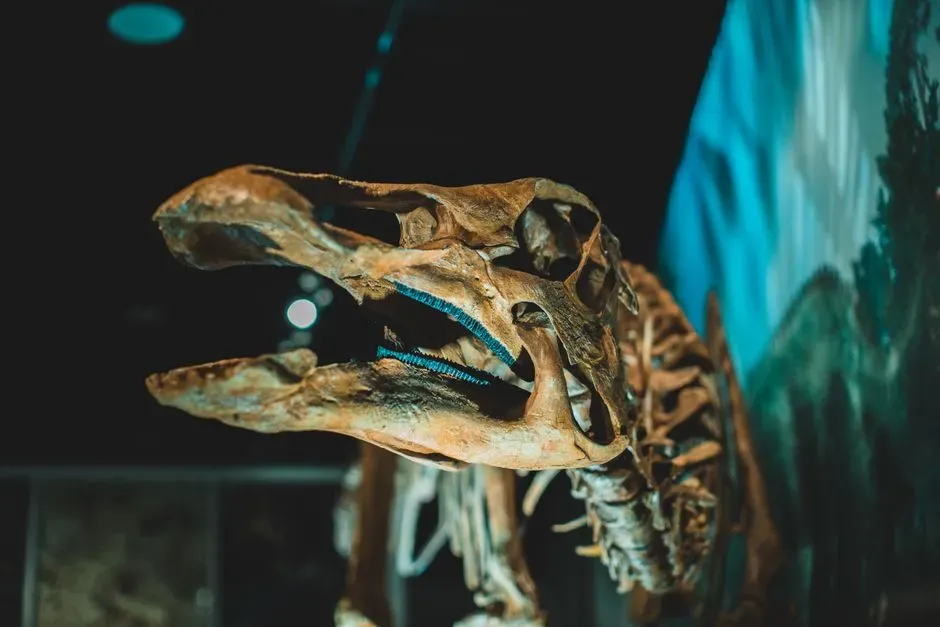
When you walk into a natural history museum and see the towering skeletons that stop everyone in their tracks, chances are you’re meeting celebrities from the Morrison Formation. Allosaurus, Stegosaurus, Apatosaurus, Diplodocus, Camarasaurus, Brachiosaurus – these are not from scattered corners of the planet, but from the same Late Jurassic ecosystem. You’re essentially seeing a cast of characters that once shared the same floodplains, fern forests, and river channels.
Other formations around the world are incredibly important, but no single one has gifted you so many iconic, household-name dinosaurs as the Morrison. You’re not just looking at random bones from random places; you’re getting repeated snapshots of one thriving ecosystem packed with giants, armored grazers, fierce predators, and everything in between. That’s why paleontologists keep coming back to it: if you want to understand dinosaur life at its grandest and most familiar, you keep mining the Morrison’s fossil treasure chest.
You’re Time-Traveling to the Late Jurassic: Warm, Seasonal, and Surprisingly Lush
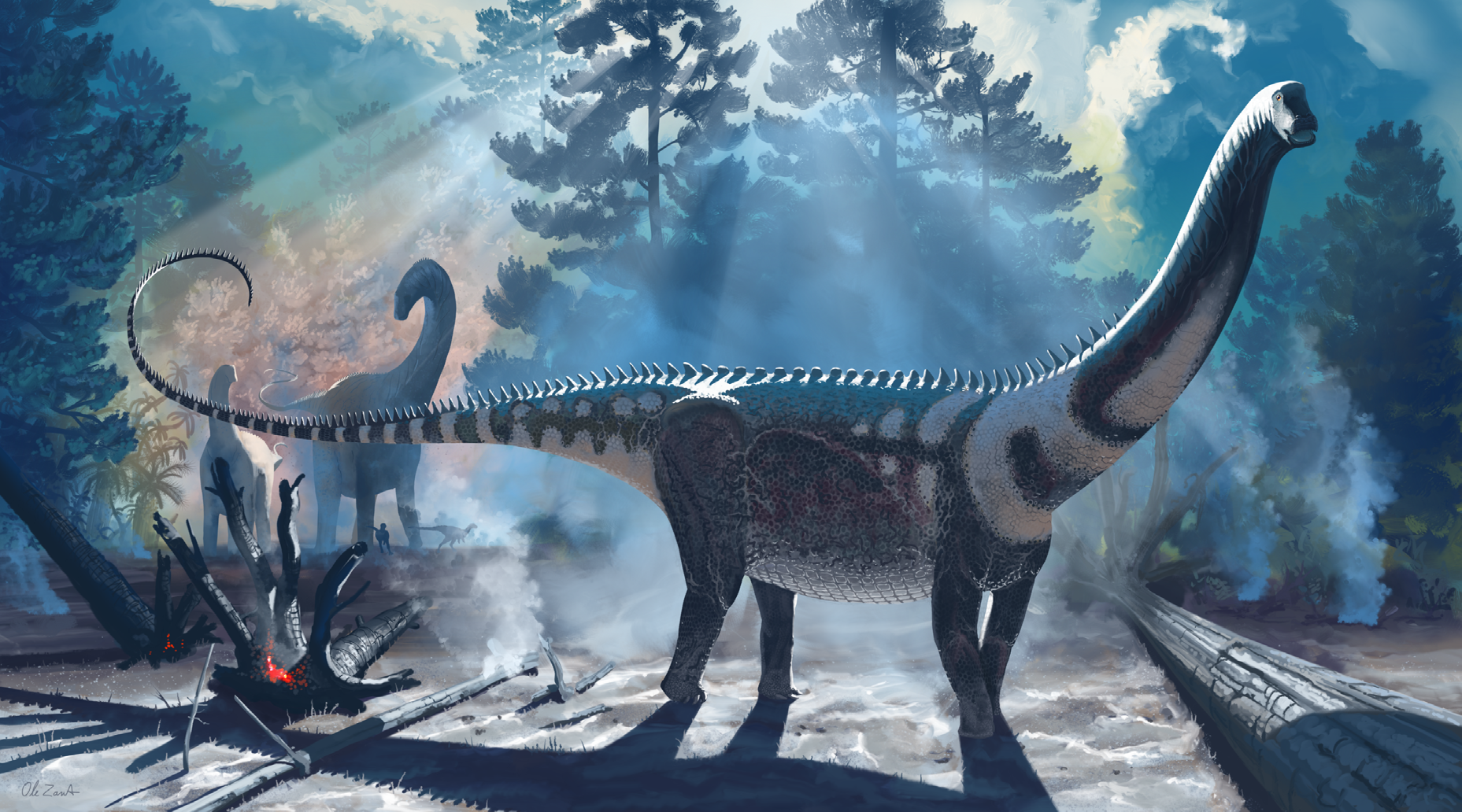
When you picture the Morrison world, try not to imagine a dry, endless desert. Instead, you’re stepping into a warm, seasonal climate with monsoon-like rains and long dry spells, more like parts of modern savannas than empty sand dunes. Rivers wound through wide floodplains, spreading mud, sand, and silt that later hardened into the very rocks where fossils now hide. That cycle of flood and drought did a crucial thing for you: it buried dinosaur carcasses quickly enough to preserve them.
If you were there, you’d move through woodlands of conifers, groves of tree ferns, and open areas with low vegetation where massive sauropods grazed. You might smell the earthy scent of wet mud after a storm or hear the constant rustle of insect life in the undergrowth. The Morrison is like a frozen moment in deep time, capturing an environment that could support herds of gigantic plant-eaters and the predators that followed them. That is the world you’re really seeing when you stand in front of a Morrison skeleton in a museum.
You’re Meeting Allosaurus, Stegosaurus, and the Rest of the Jurassic All-Stars
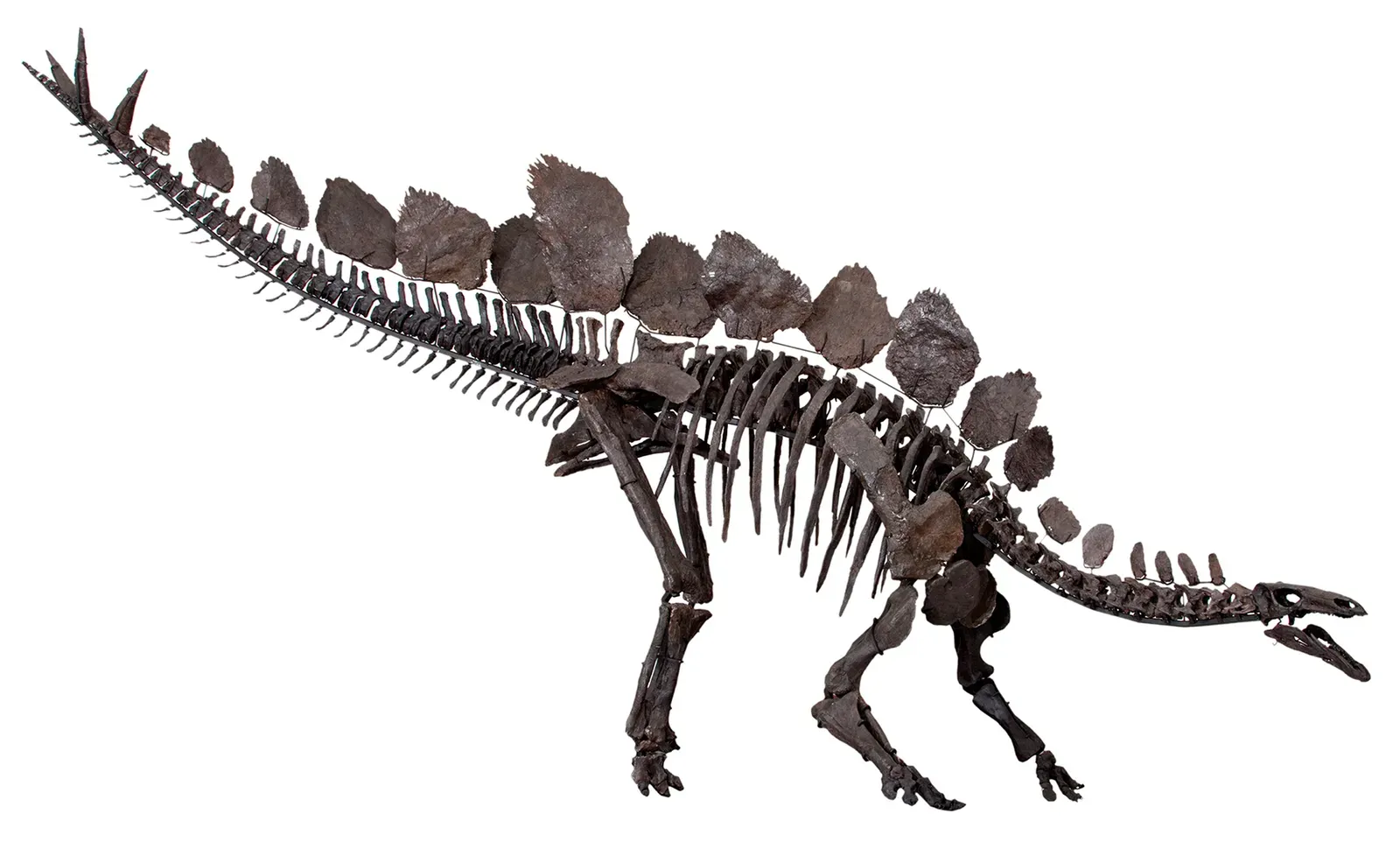
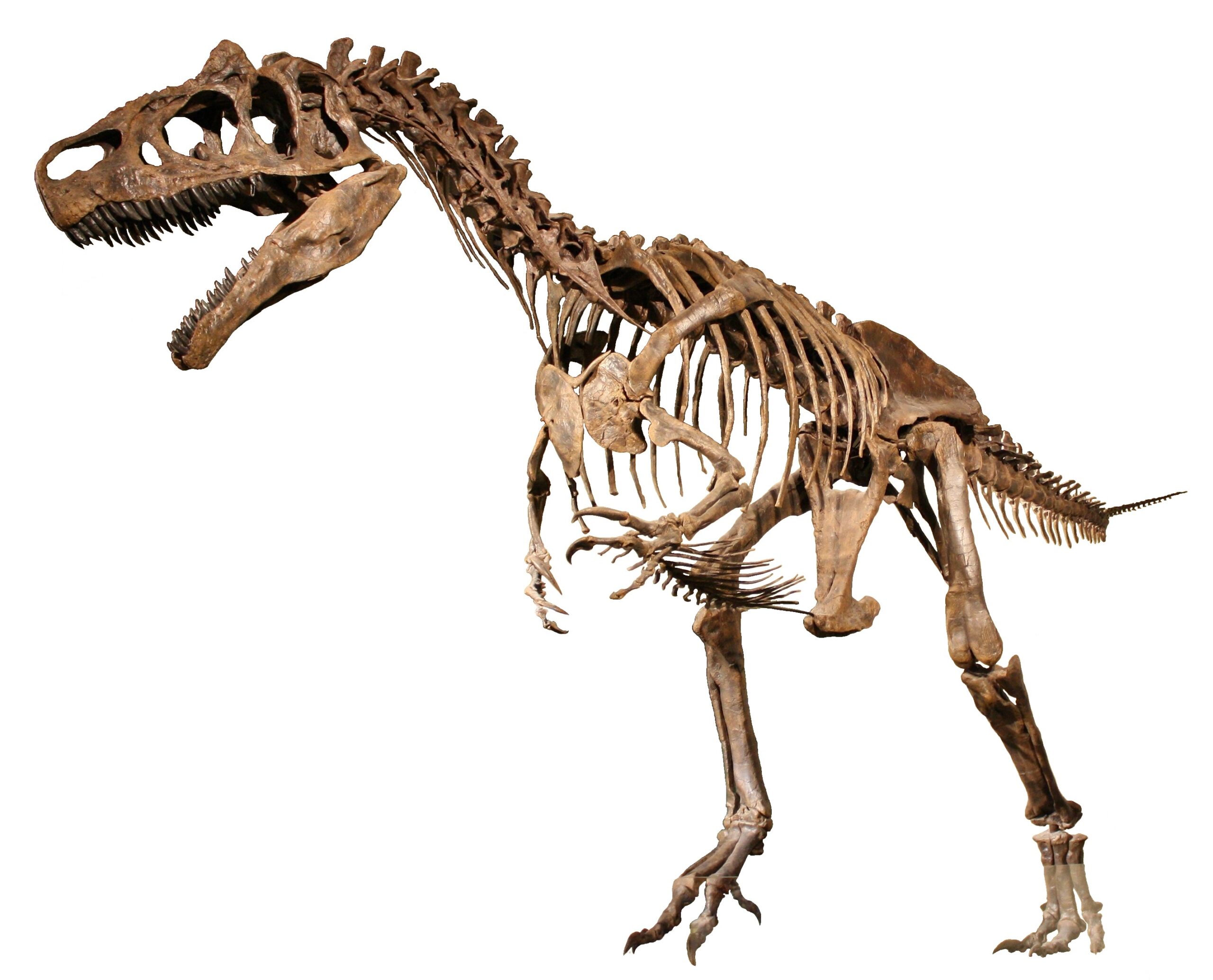
Every time you recognize a dinosaur name without thinking, you’re probably bumping into a Morrison veteran. Allosaurus gave you the classic big carnivore image long before some other predators stole the spotlight, with strong jaws and blade-like teeth perfect for carving into sauropod flesh. Stegosaurus handed you one of the most unmistakable dinosaur silhouettes on Earth, with those tall back plates and wicked tail spikes that have inspired toys, cartoons, and debates about what they were really for.
Then you get the tanker-like Apatosaurus and the whip-tailed Diplodocus, both stretching far longer than a city bus, along with the deep-chested Camarasaurus and the towering Brachiosaurus reaching for treetop foliage. Even lesser-known animals from the Morrison – small predatory theropods, early mammals, turtles, crocodile relatives – helped fill out the ecosystem you only glimpse through the famous giants. As you dig into these names, you’re not just memorizing a dinosaur roster; you’re learning who lived next to whom, who hunted whom, and how one ancient community held itself together.
You’re Seeing How Rivers, Floods, and Mud Turned Dinosaurs Into Fossils
If you follow the story back to its beginning, you find that the Morrison Formation is really a massive stack of old riverbeds, floodplains, and shallow lakes laid down over millions of years. Picture dinosaurs wandering along riverbanks, dying near channels, or being swept away in floods, their bodies coming to rest where sediment could quickly cover them. That repeated burial by sand, silt, and clay is what lets you see them now as beautifully preserved bones in layered rock.
When you look at the different colors and textures in Morrison rock, you’re basically reading the moods of ancient water and climate. Greenish mudstones whisper of low-energy floodplains and pond deposits; coarser sandstones trace old river channels. Over time, minerals seeped into buried bones and hardened them into fossils. So every time you see a Morrison skeleton mounted on a metal frame, you’re really looking at the final product of countless seasonal floods, shifting channels, and slow chemical changes that quietly turned death into discovery.
You’re Visiting Living Museums: Quarries and Parks Built on the Morrison
One of the best parts for you is that the Morrison Formation is not locked away in dusty collections; you can actually go see it in the field. In places like Dinosaur National Monument on the Colorado–Utah border or the dinosaur quarries in central Utah and Wyoming, you stand in front of rock faces still packed with bones. You see spinal columns half-exposed in the cliff, limb bones crosscut by walkways, and layers that look almost like someone stacked dinosaurs by hand, even though you know it took natural processes and deep time.
Many of these sites let you watch real paleontologists at work, chipping away at rock, wrapping bones in protective jackets, and carefully mapping each find. You’re not just a passive visitor; you’re sharing space with the very rocks that produced the skeletons you see in big-city museums. That direct connection between field and exhibit helps you understand that every polished skeleton started as a stubborn lump of stone in some quiet hillside of the Morrison.
You’re Watching Science Evolve as New Morrison Discoveries Keep Changing the Story
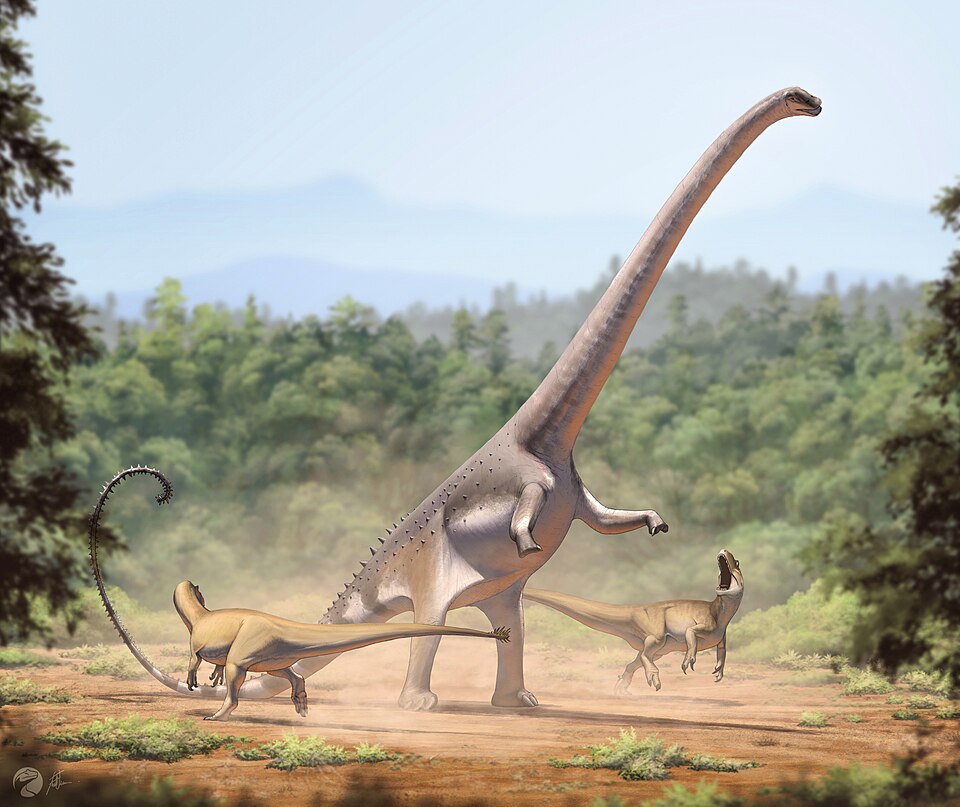
Even though the Morrison Formation has been studied for well over a century, you’re living in a time when it still refuses to stop surprising people. New digs keep refining what you know about growth, behavior, and diversity in Morrison dinosaurs, from how fast sauropods grew to how predators may have hunted or scavenged. Some discoveries suggest complex age structures in herds, with juveniles and adults possibly using the landscape differently, while others hint at subtle climate shifts recorded in the rock itself.
For you, that means the Morrison is not a closed chapter in a textbook; it’s an active research playground. Museum labels get updated, new species are described, and old ideas are quietly retired when better evidence shows up. Every time you read a fresh article about dinosaur growth rings, bone histology, or trackways from the Late Jurassic American West, you’re seeing another layer peeled back from the same formation. The more you follow these updates, the more you realize that this single geological feature is still rewriting how you picture the age of dinosaurs.
You’re Part of the Ongoing Story of the Morrison Formation
When you connect all these pieces, you see why the Morrison Formation stands out as the most iconic dinosaur-bearing formation on the planet. It stretches across 13 states, captures a vivid Late Jurassic ecosystem, and has supplied you with more famous dinosaur species than any other rock unit on Earth. From museum halls to national parks, from roadside cliffs to quarry walls, you’re constantly brushing up against the legacy of this ancient landscape, whether you recognize its name or not.
In a way, every time you point at a skeleton of Stegosaurus or Allosaurus and say you love dinosaurs, you’re already a fan of the Morrison without realizing it. The formation’s rocks turned life into stone, and stone into stories that you’re still telling today. The next time you drive through the American West or walk into a dinosaur gallery, you might ask yourself a simple question: are you looking at ordinary rock, or are you staring at another hidden doorway into the Morrison’s Jurassic world?