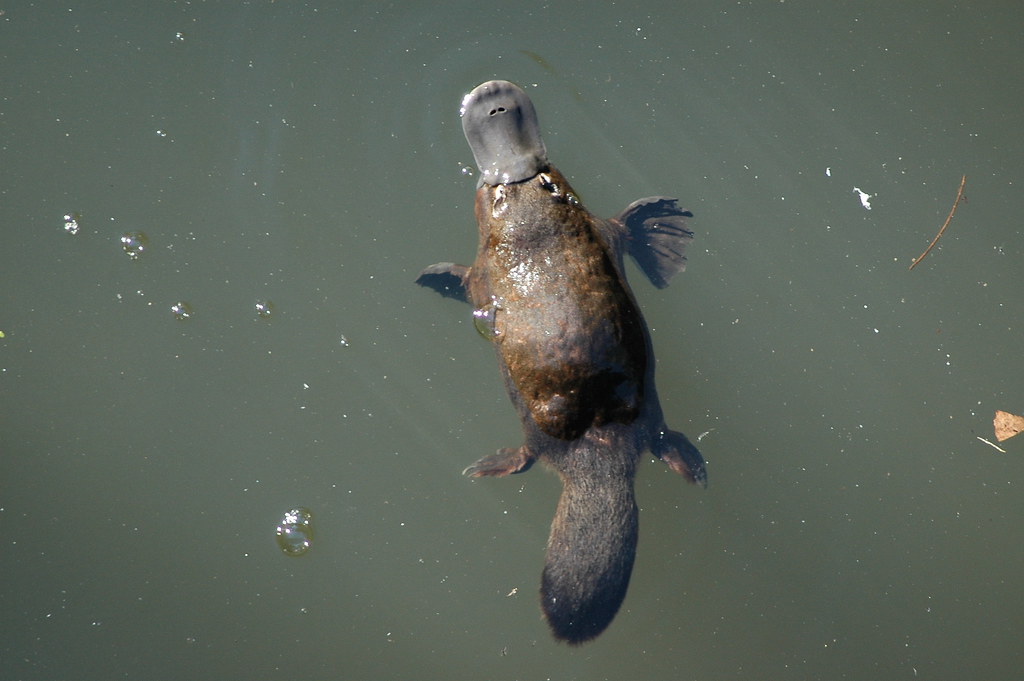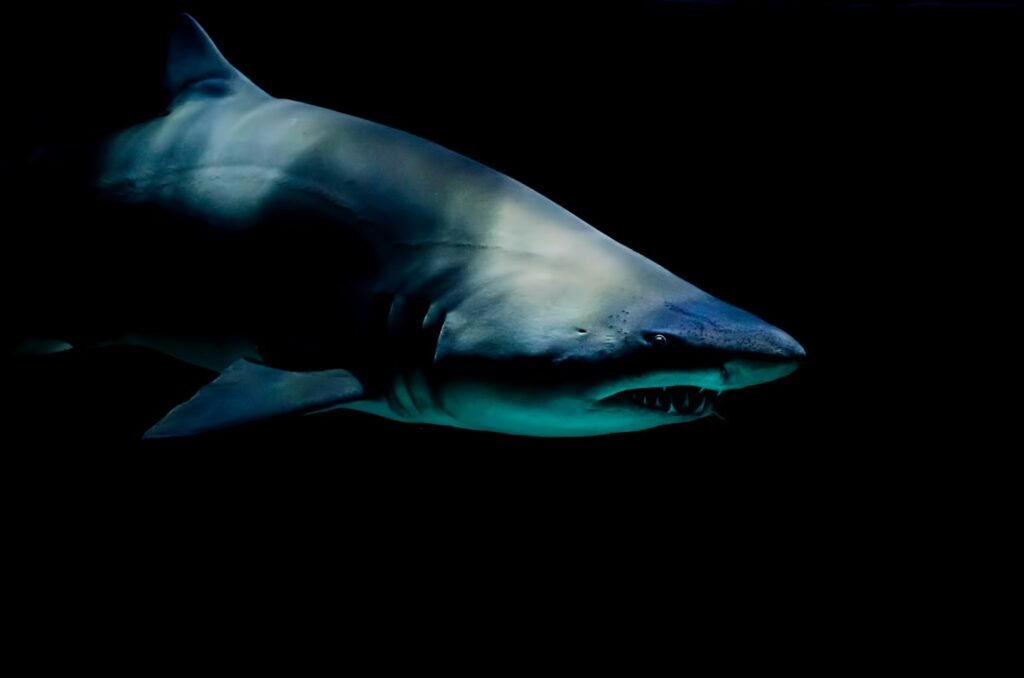
Imagine walking through a forest where the trees around you are younger than the sharks swimming in distant oceans. This isn’t science fiction – it’s reality. While the oldest trees on Earth sprouted around 385 million years ago, sharks have been patrolling our planet’s waters for over 400 million years. These ancient predators belong to an exclusive club of creatures scientists call “living fossils” – species that have remained virtually unchanged for millions of years, offering us a window into Earth’s distant past.
Living fossils are nature’s time capsules, creatures that have survived mass extinctions, climate changes, and the rise and fall of entire ecosystems. They’re the ultimate survivors, carrying ancient genetic blueprints that have proven so successful they haven’t needed major updates in hundreds of millions of years. From the depths of our oceans to the murky waters of rivers, these remarkable animals continue to thrive, largely unchanged from their prehistoric ancestors.
The Mighty Shark: Swimming Through Time

Sharks have been the ocean’s apex predators since before dinosaurs walked the Earth. These magnificent creatures first appeared around 420 million years ago, making them older than trees, flowers, and even insects. Their basic body plan has remained so perfectly adapted to aquatic life that evolution has barely touched it.
What makes sharks such incredible survivors is their remarkable design. Their cartilaginous skeletons are lighter than bone, allowing for swift movement through water. Their skin, covered in tiny tooth-like scales called denticles, reduces drag and provides protection. Even their teeth are evolutionary marvels – they continuously grow and replace themselves throughout the shark’s lifetime.
The Coelacanth: Back from the Dead

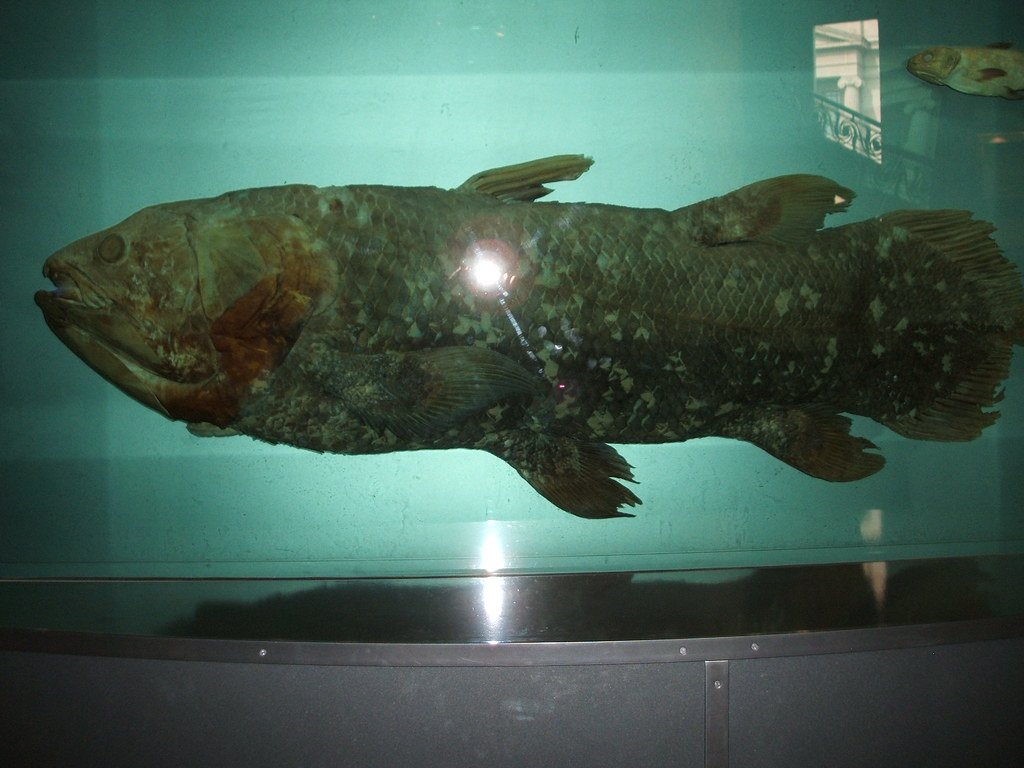
Scientists thought the coelacanth had been extinct for 66 million years until a fisherman caught one off the coast of South Africa in 1938. This discovery was like finding a living dinosaur – the coelacanth is often called the most important zoological find of the 20th century. These deep-sea fish have remained virtually unchanged for 400 million years.
The coelacanth’s fins are particularly fascinating because they contain bones arranged in a pattern similar to the limbs of land animals. This suggests they represent a crucial evolutionary link between fish and the first creatures that ventured onto land. Living in deep ocean caves, these mysterious fish can live for up to 100 years and grow to six feet in length.
Horseshoe Crabs: The Blue-Blooded Survivors
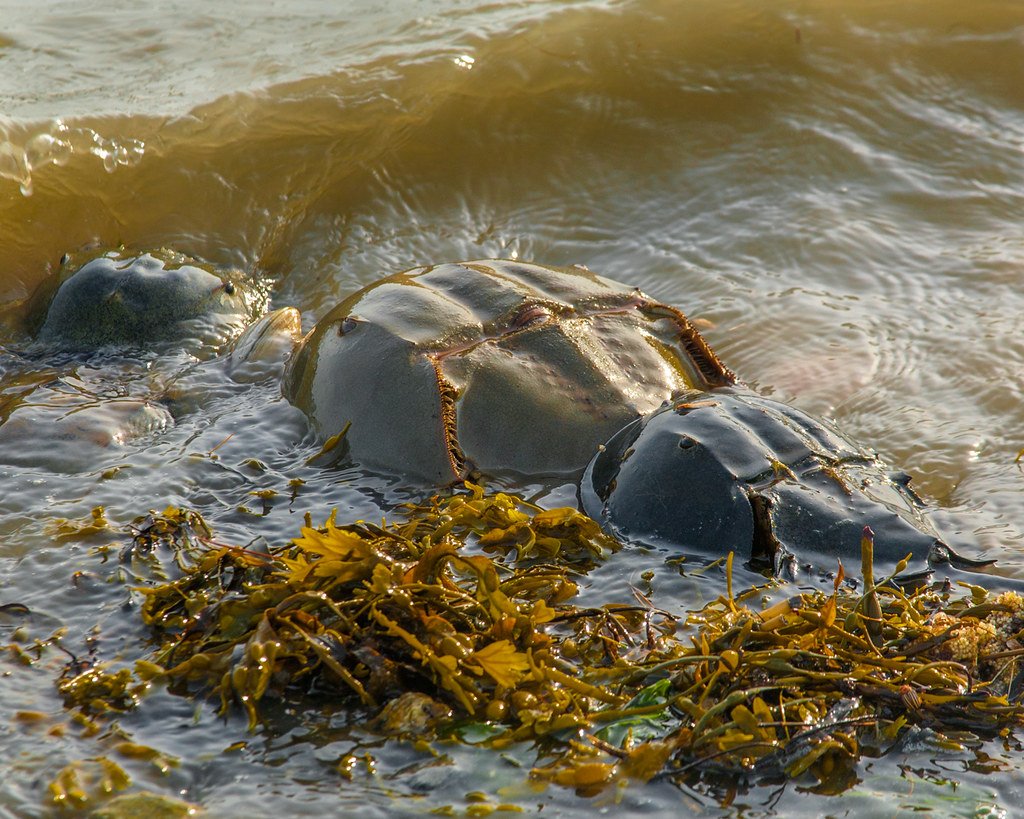
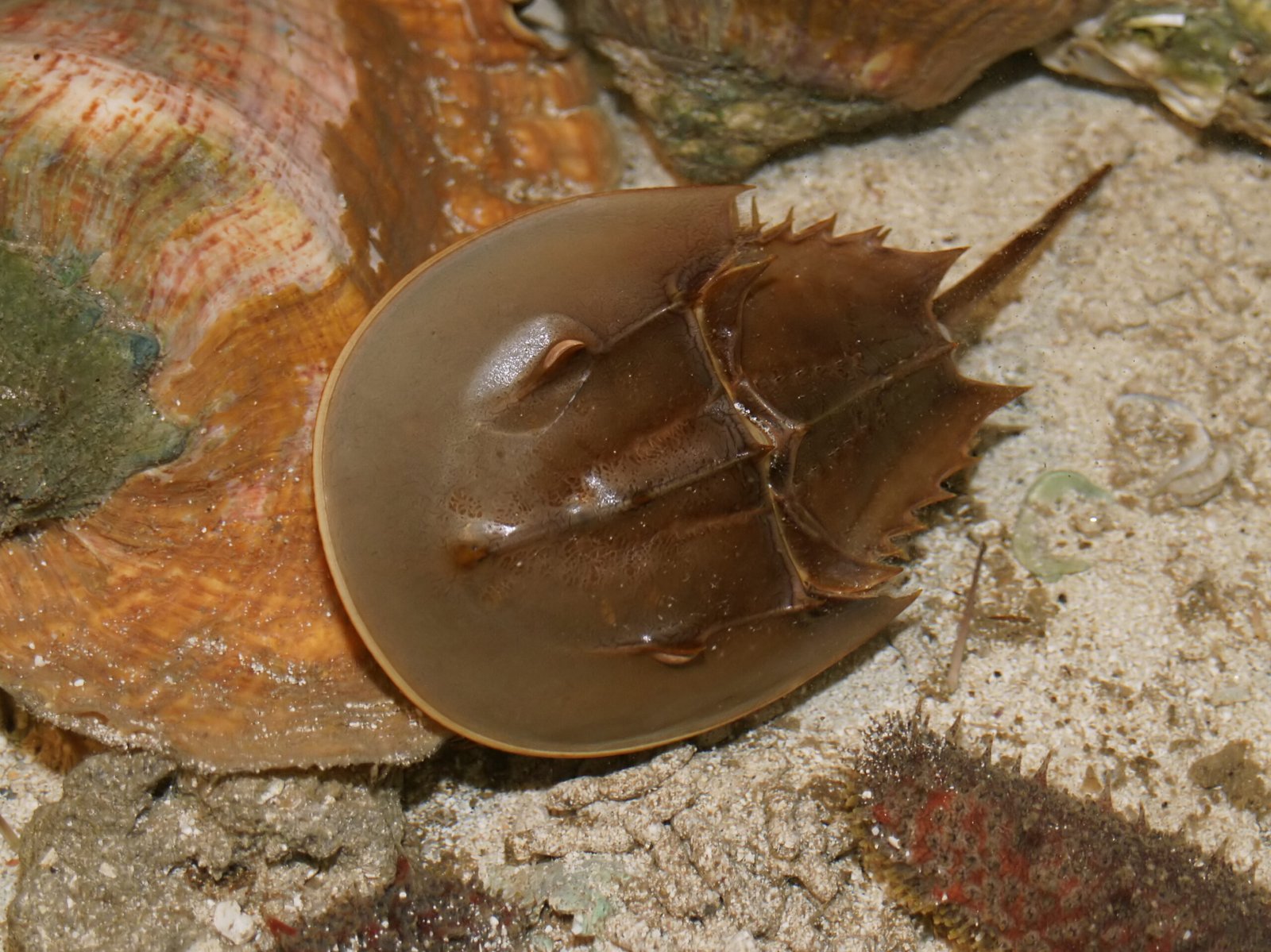
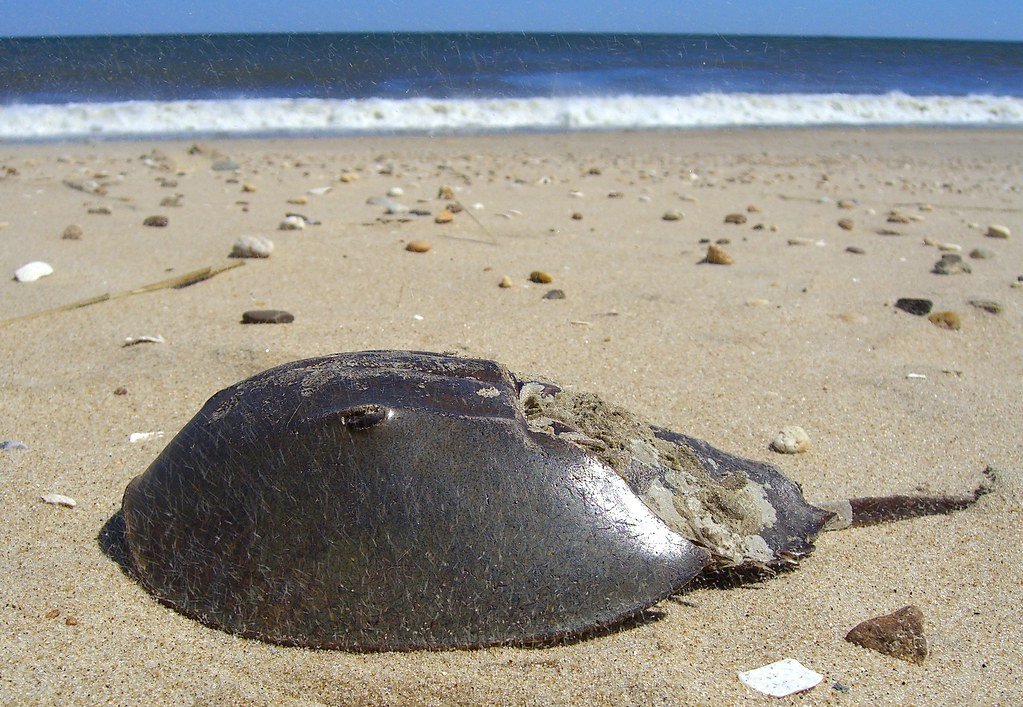
Despite their name, horseshoe crabs aren’t actually crabs at all – they’re more closely related to spiders and scorpions. These armored creatures have been scuttling along ocean floors for 450 million years, surviving multiple mass extinctions that wiped out countless other species. Their distinctive horseshoe-shaped shells and long, pointed tails make them instantly recognizable.
What’s truly remarkable about horseshoe crabs is their blue blood, which contains unique infection-fighting properties. Medical researchers harvest this blood to test for bacterial contamination in vaccines and medical devices. Every person who has received a vaccination has likely benefited from these ancient creatures’ contribution to modern medicine.
The Sturgeon: Ancient Giants of Fresh Water
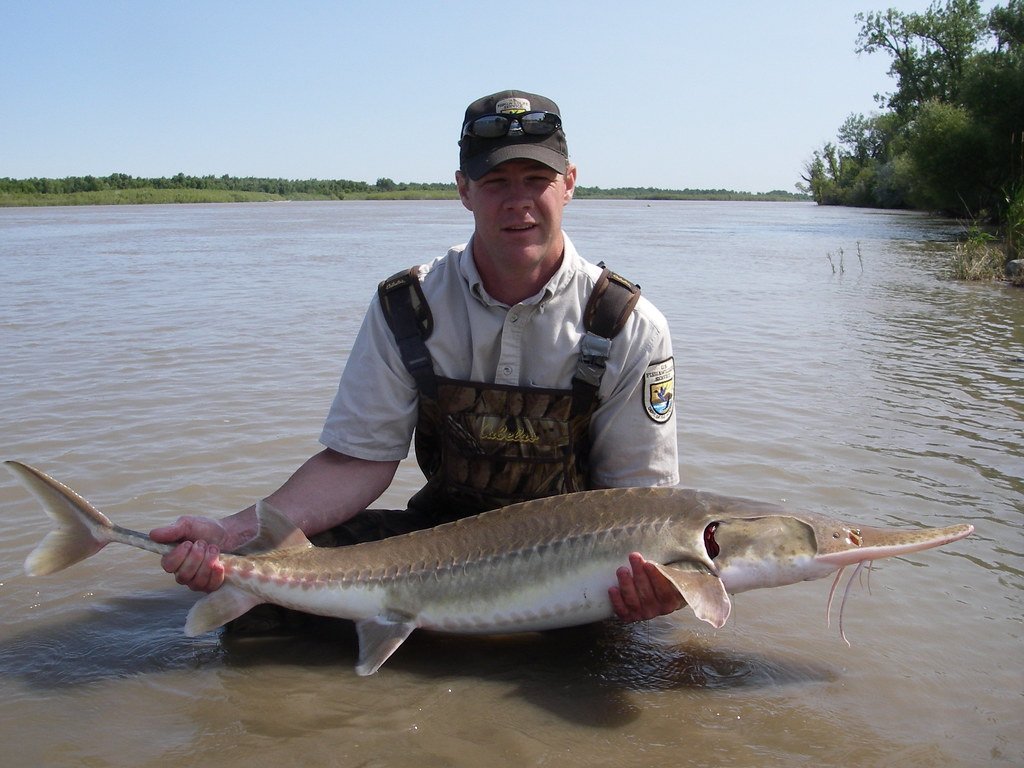
Sturgeons are living dinosaurs of the fish world, having existed for over 200 million years. These massive fish can grow up to 20 feet long and live for over 100 years. Their bodies are covered in bony plates called scutes instead of scales, giving them an almost prehistoric appearance that hasn’t changed since the time of the dinosaurs.
These gentle giants are famous for producing caviar, but overfishing has pushed many species to the brink of extinction. Sturgeons are incredibly slow to mature – some species don’t reproduce until they’re 20 years old. Their ancient lifecycle, perfectly adapted to stable environments, makes them vulnerable in our rapidly changing world.
Crocodilians: The Ultimate Survivors

Crocodilians – including crocodiles, alligators, and gharials – are the closest living relatives to dinosaurs. These apex predators have ruled wetlands for over 200 million years, surviving the asteroid impact that killed the dinosaurs. Their success lies in their incredible adaptability and efficient body design.
A crocodile’s body is perfectly engineered for its semi-aquatic lifestyle. Their eyes, nostrils, and ears are positioned on top of their heads, allowing them to remain almost completely submerged while still being aware of their surroundings. They can hold their breath for up to an hour and have one of the strongest bite forces in the animal kingdom.
The Tuatara: New Zealand’s Ancient Reptile
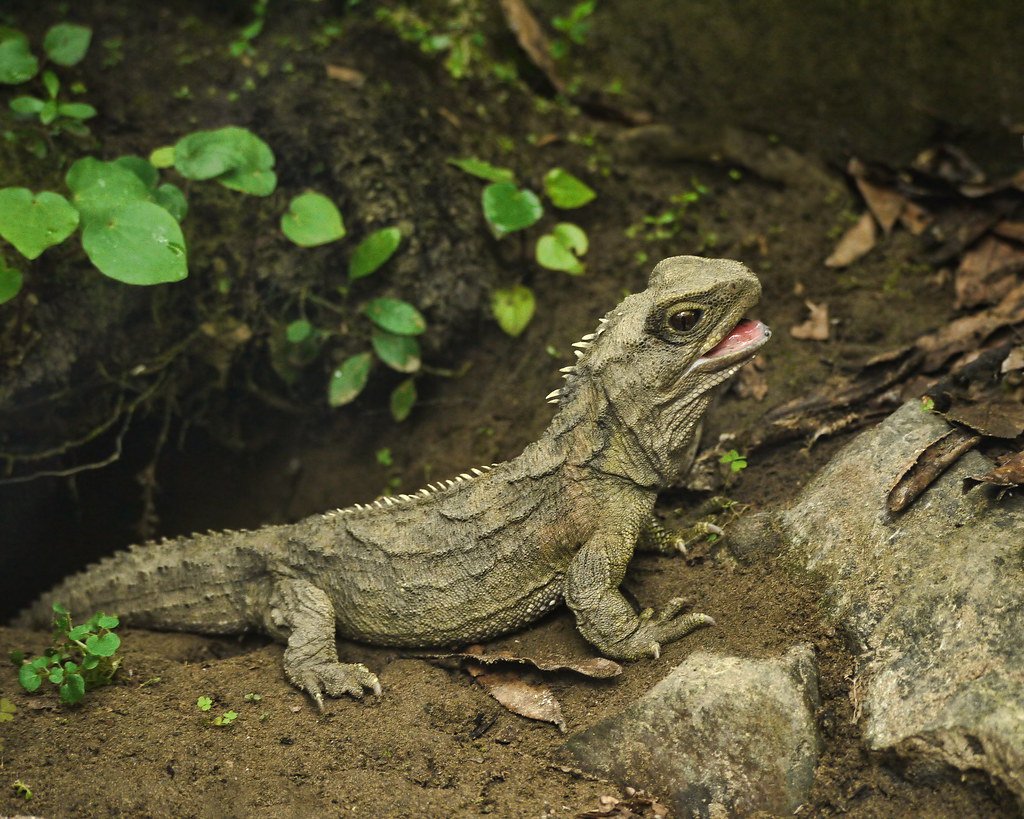
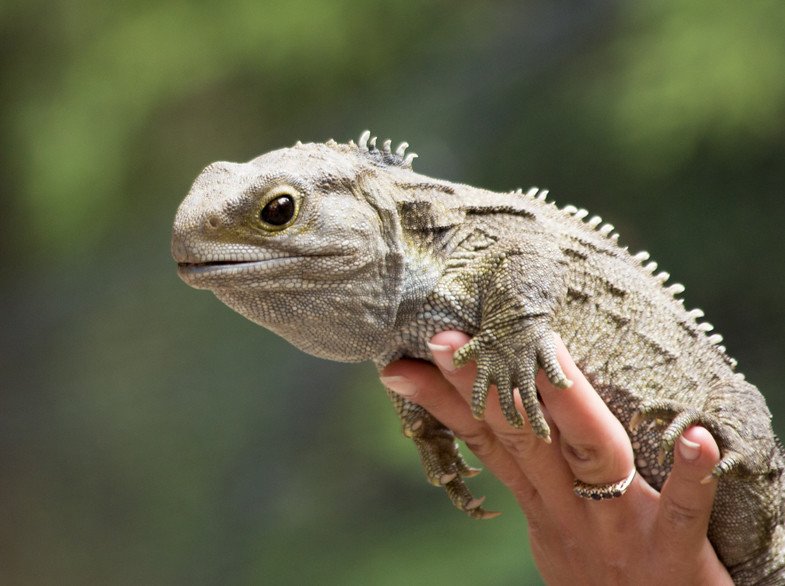
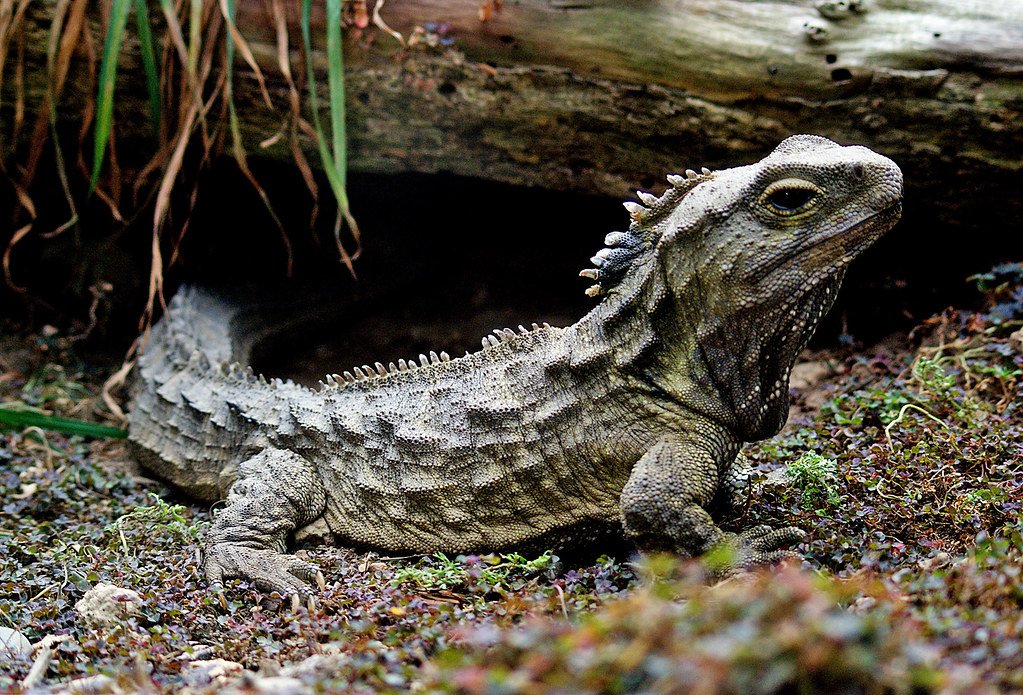
The tuatara might look like a lizard, but it’s actually the sole survivor of an ancient group of reptiles that thrived 200 million years ago. Found only in New Zealand, these remarkable creatures have a “third eye” – a photosensitive organ on top of their head that can detect changes in light and shadow. This primitive feature was common in ancient reptiles but has disappeared in most modern species.
Tuataras are incredibly slow-growing and long-lived, with some individuals reaching over 100 years old. They don’t reach sexual maturity until they’re 15-20 years old, and females only reproduce every two to five years. Their extremely slow metabolism allows them to survive in cool temperatures that would be fatal to most other reptiles.
What Makes a Living Fossil?
Living fossils share several key characteristics that have allowed them to survive for millions of years. They typically have slow metabolisms, long lifespans, and simple but highly effective body designs. Most importantly, they occupy stable environmental niches that haven’t changed dramatically over geological time.
These creatures often have broad diets and can survive in various conditions, making them adaptable to environmental changes. They also tend to reproduce slowly and invest heavily in each offspring, ensuring survival quality over quantity. Their conservative approach to evolution has proven remarkably successful over vast timescales.
The Deep Ocean: A Time Capsule

Many living fossils thrive in the deep ocean, where conditions have remained relatively stable for millions of years. The deep sea acts like a natural time capsule, preserving ancient life forms that might have disappeared from other environments. Cold temperatures, high pressure, and limited food sources create conditions that favor slow-growing, long-lived species.
The deep ocean’s isolation also protects these creatures from many of the rapid environmental changes that affect surface waters. This stable environment allows ancient body plans to persist unchanged, creating underwater museums of evolutionary history that scientists are only beginning to explore.
Evolutionary Perfection: When Change Isn’t Needed
Living fossils demonstrate that evolution doesn’t always mean dramatic change. When a species achieves a near-perfect adaptation to its environment, natural selection maintains that successful design rather than altering it. These creatures have found evolutionary “sweet spots” that have served them well for hundreds of millions of years.
Their success challenges the common misconception that evolution always leads to increasing complexity. Sometimes, the simplest and most efficient solutions are the best. Living fossils prove that being perfectly adapted to your environment is more valuable than being the most advanced or complex organism.
Modern Threats to Ancient Survivors

Ironically, many living fossils that survived mass extinctions and ice ages are now threatened by human activities. Climate change, pollution, and habitat destruction are happening faster than these slow-adapting species can respond. Their conservative evolutionary strategies, successful for millions of years, may not be sufficient to cope with rapid human-induced changes.
Overfishing has devastated sturgeon populations, while coastal development threatens horseshoe crab spawning grounds. The coelacanth’s deep-sea habitat faces pressure from deep-sea fishing and mining. These ancient survivors need our protection to continue their remarkable evolutionary journey.
The Scientific Goldmine
Living fossils are invaluable to scientists studying evolution, providing insights into how life developed on Earth. Their ancient DNA contains genetic information that has been lost in other species, offering clues about evolutionary relationships and developmental processes. Studying these creatures helps scientists understand how complex traits evolved and how organisms adapted to ancient environments.
Medical researchers are particularly interested in living fossils because their ancient immune systems and unique biological properties often lead to breakthrough discoveries. The horseshoe crab’s blood, the shark’s cancer resistance, and the coelacanth’s limb-like fins all provide valuable insights for human medicine and biotechnology.
Conservation Efforts: Protecting Our Living Heritage
Conserving living fossils requires special approaches that account for their unique biology and ancient evolutionary strategies. Many of these species reproduce slowly and have complex life cycles that make them vulnerable to environmental changes. Conservation efforts must focus on protecting entire ecosystems rather than just individual species.
International cooperation is crucial for protecting these global treasures. The coelacanth is protected by international law, while horseshoe crab conservation involves multiple countries working together to protect spawning beaches. These efforts require long-term commitment and substantial resources, but the scientific and cultural value of these species makes conservation essential.
Teaching Kids About Deep Time

Living fossils provide an excellent way to teach children about geological time and evolution. These creatures make abstract concepts tangible – it’s easier to understand 400 million years when you can see a shark that looks almost identical to its ancient ancestors. They demonstrate that life on Earth has an incredibly long and fascinating history.
Kids are naturally drawn to these “prehistoric” animals, and their stories can inspire a lifelong interest in science and nature. Learning about living fossils encourages children to think about their place in the natural world and the importance of protecting biodiversity for future generations.
Future Research and Discovery

Scientists continue to discover new living fossils, particularly in unexplored deep-sea environments. Advanced submersibles and DNA sequencing techniques are revealing previously unknown species and helping researchers understand the relationships between living fossils and their extinct relatives. Each new discovery adds pieces to the puzzle of life’s evolutionary history.
Future research may unlock secrets of longevity, disease resistance, and environmental adaptation hidden in these ancient genomes. As biotechnology advances, living fossils may contribute to developing new medicines, materials, and technologies inspired by their time-tested biological solutions.
The Wonder of Evolutionary Persistence
Living fossils remind us that success in evolution isn’t always about being the biggest, fastest, or most complex. Sometimes, the most successful strategy is simply being perfectly adapted to your environment and sticking with what works. These creatures have weathered Earth’s most dramatic changes while maintaining their ancient identities.
Their persistence through mass extinctions, climate changes, and geological upheavals demonstrates the incredible resilience of life. They serve as living proof that some solutions are so effective they transcend time, remaining relevant and successful across hundreds of millions of years of Earth’s history.
Conclusion: Windows to Our Planet’s Past
Living fossils offer us an extraordinary glimpse into Earth’s ancient history, serving as tangible connections to worlds that existed hundreds of millions of years ago. These remarkable survivors – from sharks older than trees to horseshoe crabs with blue blood – demonstrate that sometimes the most successful evolutionary strategy is simply perfecting a design that works.
Their stories teach us valuable lessons about adaptation, persistence, and the importance of protecting biodiversity. As we face rapid environmental changes, these ancient creatures remind us that survival often depends on finding balance with our environment rather than trying to conquer it.
The next time your kids see a shark or visit a horseshoe crab at the beach, they’ll be meeting creatures that have witnessed the entire history of complex life on Earth. What other secrets might these living time capsules reveal about our planet’s incredible past?