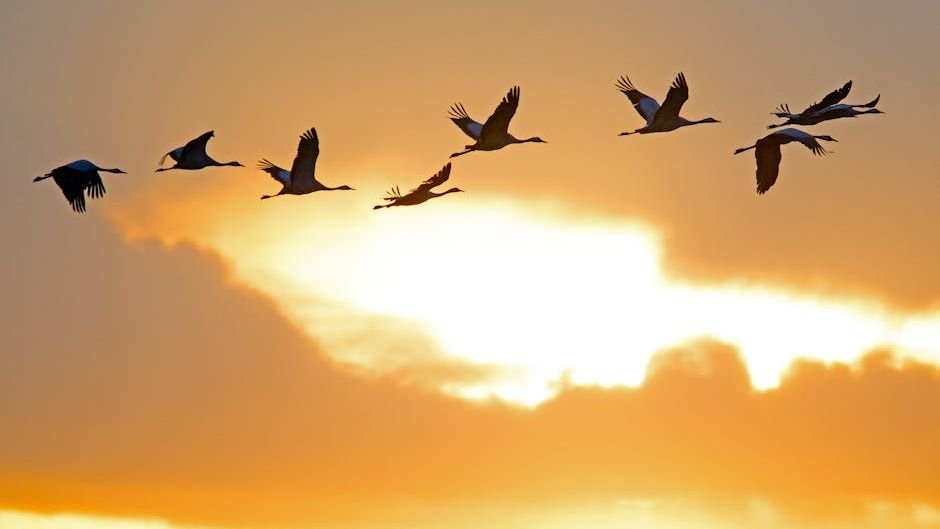
If you have ever watched a V-shaped flock of geese streak across an autumn sky and felt a weird mix of awe and confusion, you are not alone. The idea that tiny brains can solve a navigation problem that would fry most car GPS systems feels almost unfair. Migrating animals cross oceans, deserts, and entire continents and still manage to land on the same stretch of beach or the same tree in your backyard year after year.
For a long time, people tried to explain this with vague words like instinct or “just nature,” but modern science has made it clear: what looks like magic is actually a complex bundle of senses and strategies working together. The catch is that some of those senses, like detecting Earth’s magnetic field, are so alien to us that they still feel a bit like superpowers. The more researchers uncover, the more it seems that migration is not driven by one secret trick but by a layered, surprisingly flexible navigation system.
The Hidden Map in a Bird’s Brain
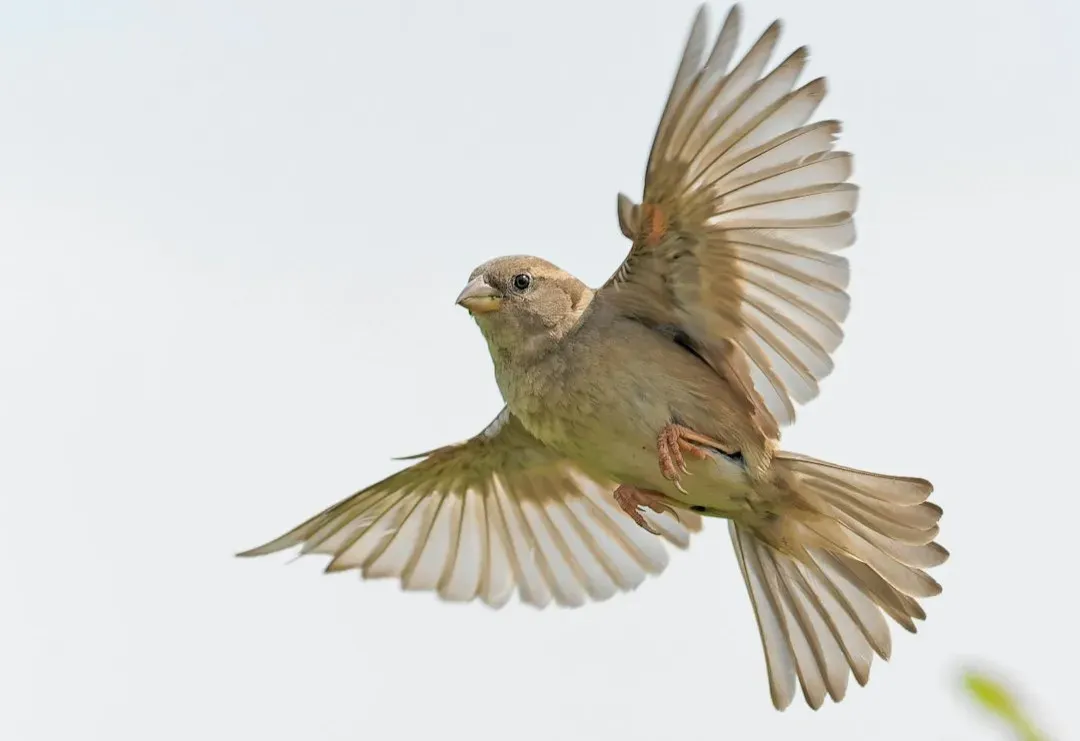
Imagine being dropped, blindfolded, hundreds of miles from home and somehow still knowing roughly which way to walk; that is the everyday reality for a migratory bird. Scientists now think many birds build what you could call a mental map, piecing together information from the landscape, the sky, the smell of the air, and the planet’s magnetic field. This map is not a literal picture the way we think of Google Maps, but more like a tight bundle of rules, memories, and reference points stored in specialized brain regions.
Areas in a bird’s brain linked to spatial memory, especially parts of the hippocampus, tend to be larger and more active in strong navigators. Homing pigeons, for example, have been a classic research model because they can be displaced hundreds of kilometers and still make it back. When their brain regions for spatial learning are damaged or chemically disrupted, their navigation falls apart, suggesting that long-distance travel is less a trance-like instinct and more a sophisticated learning process built over time.
Following the Sun and the Stars
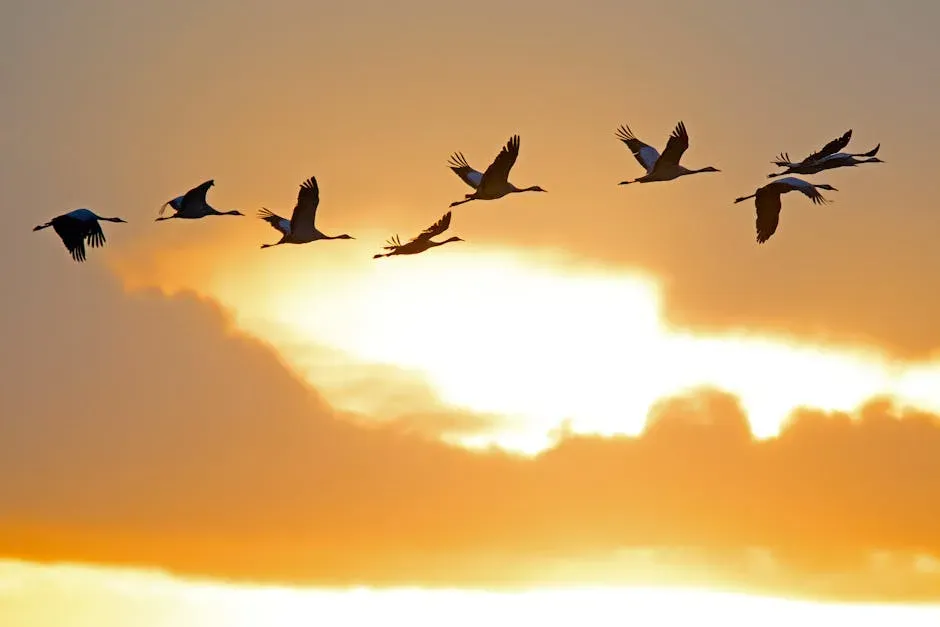
Long before humans learned to navigate by the North Star, migrating animals were already doing it. Many birds use the sun as a compass during the day, tracking its movement across the sky and relying on an internal clock to correct for the shifting position. So a bird does not just think “fly toward the sun”; it learns “in the morning, keep the sun on the left wing if I’m heading south,” adjusting the rule throughout the day.
At night, especially in songbirds that migrate after dusk, the starry sky becomes an enormous map dome. Experiments in planetarium-style setups have shown that when the positions of constellations are rotated, birds shift their preferred direction accordingly. They seem to pay special attention to the pattern of stars rotating around the celestial pole, treating that slow spin as a stable index of where “north” is. It is a bit like using a spinning ceiling fan to figure out where the center of the room must be.
The Strange Sense of Earth’s Magnetic Field
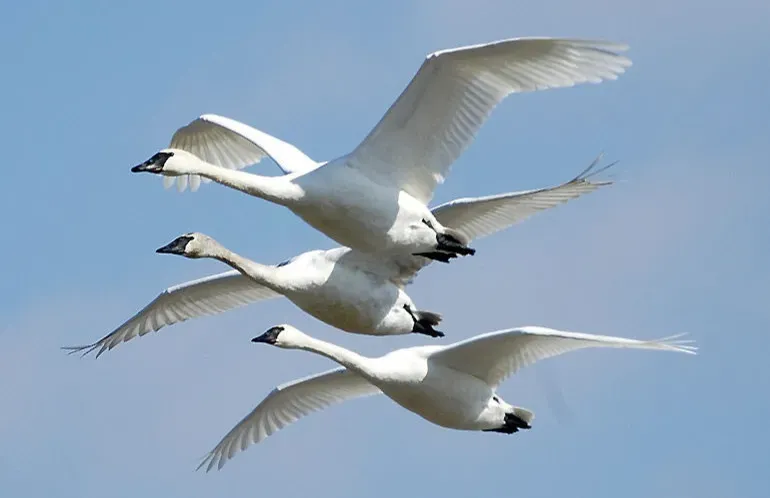
Of all the tools animals use to navigate, magnetic sense is the one that feels most like science fiction. Many birds can detect the direction and strength of Earth’s magnetic field and use it as an invisible compass, especially when the sun and stars are hidden by clouds. This sense seems to give them a broad directional framework, a kind of background grid on which they can layer other cues like smells and landmarks.
Researchers have found that when the magnetic field around a bird is altered artificially, its preferred orientation in flight experiments often shifts. Some evidence suggests that part of this magnetic detection happens in the eye, involving special light-sensitive molecules that react to the magnetic field. Other work points to structures in the beak or inner ear. The details are still being hammered out, and there is honest debate over the exact mechanisms, but the bigger picture is solid: many birds really can “feel” north and south in a way humans simply cannot.
Landmarks, Coastlines, and Memory of Place
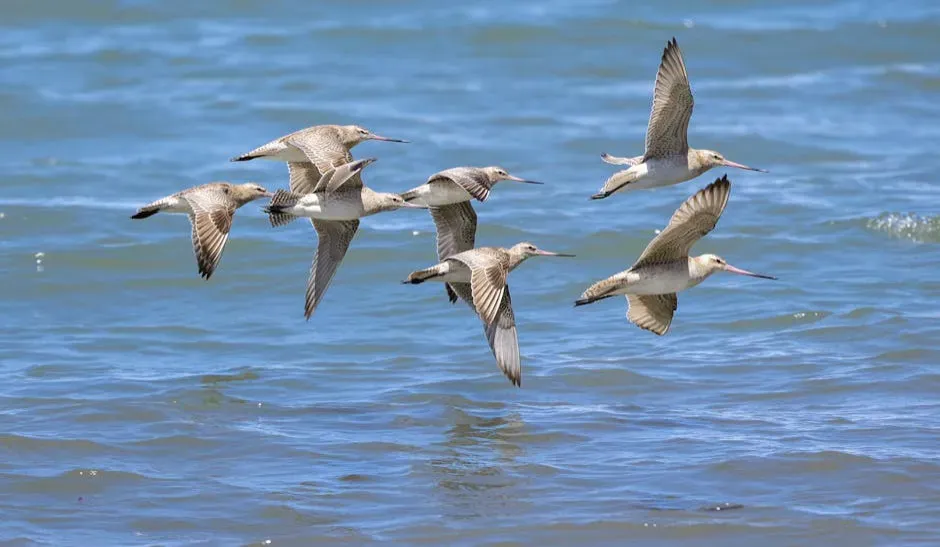
For all the excitement about magnetic fields and star maps, the good old-fashioned landscape still plays a huge role in animal navigation. Once birds close in on familiar territory, they often switch from long-range compass use to local piloting, following rivers, coastlines, mountain ridges, and even highways. In other words, a goose flying across open ocean might lean heavily on the sky and magnetic field, but as soon as it hits a known coastline, it starts following the curves like a driver hugging an exit ramp.
Studies tracking returning birds show that their routes often become more precise year after year, which suggests experience matters as much as raw instinct. Young birds on their first migration may take a broader, less efficient path, while older individuals cut corners using shortcuts they have learned. In a way, each bird builds a personal mental atlas: the smell of a marsh, the view of a mountain, the bend of a river, all stitched into a memory that guides them home more smoothly each season.
Smell as a Subtle, Powerful Compass
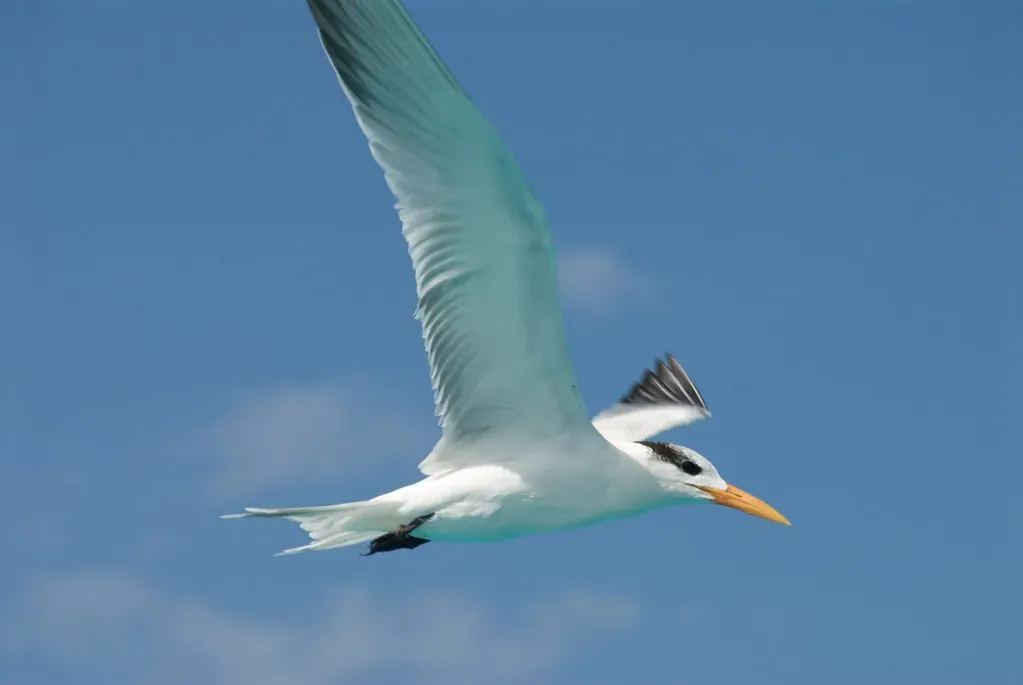
Smell tends to get ignored in conversations about birds because we instinctively think of them as visual creatures, but for some species, scent is a critical piece of the navigation toolkit. Seabirds like shearwaters and petrels can spend months roaming featureless open water and still find a tiny island, in part by following gradients of smells carried by wind and currents. These odour landscapes change with plankton blooms, coastal vegetation, and ocean fronts, and birds seem to learn their patterns like we learn street names.
Experiments where researchers temporarily block a bird’s sense of smell show that some individuals suddenly lose their fine-scale homing ability, even if their magnetic and visual cues are intact. They may still head in roughly the right compass direction but struggle with the last leg of the journey, wandering in wide circles instead of homing straight in. This suggests smell might act like a final approach system at an airport: once you are in the general region, the nose quietly takes over and lines you up with your true destination.
Inherited Instinct vs. Learned Experience
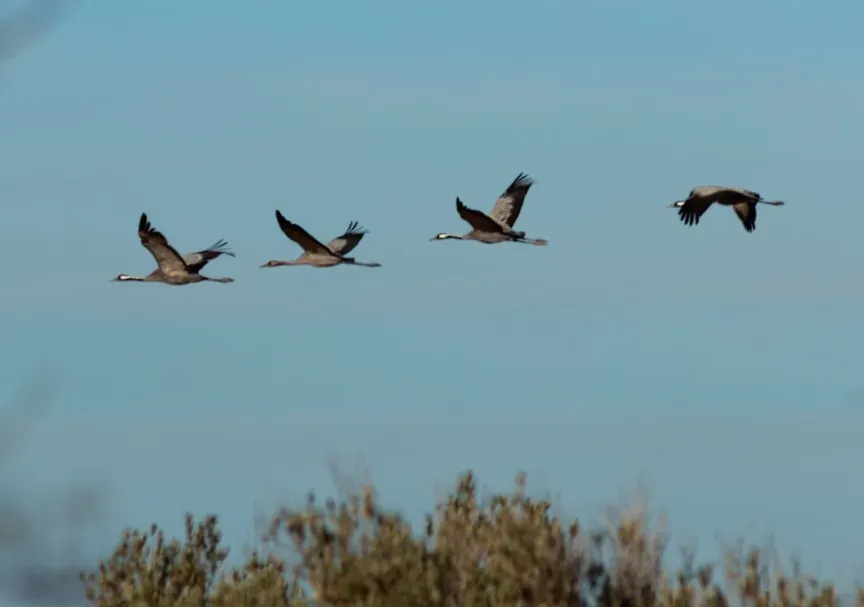
One of the most fascinating puzzles is how much of migration is baked in from birth and how much is picked up like a skill. There is strong evidence that some basic directions and timings are genetically encoded, especially in species where young birds migrate without any adult guides. These birds, raised in controlled settings, still become restless at the right season and attempt to fly in the inherited direction, as if carrying a built-in compass and schedule.
At the same time, experience clearly sharpens and sometimes even reshapes those instincts. Birds that survive several migrations often shift to more efficient routes, adjust their stopover choices, or tweak their timing to match food peaks. In social species, younger birds traveling with older ones can copy their paths like apprentices learning a trade. So while genes may set the broad rules of the journey, life on the wing writes the fine print in real time.
How Young Birds Survive Their First Migration
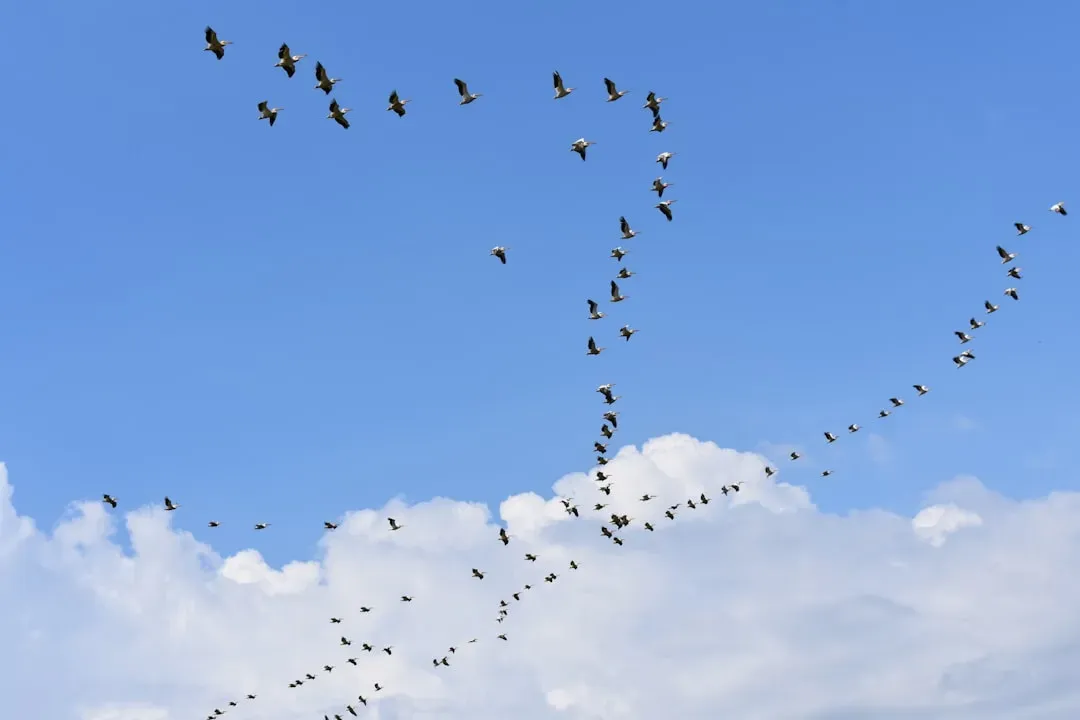
A bird’s first migration is easily one of the riskiest adventures in the animal world. Many juveniles launch into the sky with no older guide, relying on coarse inherited directions like “fly southwest for this many weeks” rather than a carefully memorized route. Their paths are often less direct, with more detours and mistakes, and survival rates are lower than for seasoned adults, which underlines how brutally high the learning curve can be.
Still, nature offers a few smart advantages. Young birds often have a more flexible internal program, allowing them to correct direction gradually if they drift too far off course, based on cues like the position of the sun, stars, or magnetic field. Those that make it back form powerful memories of key locations, turning a once-vague script into a sharp, customized map for future journeys. Over time, the clumsy first trek becomes a precise annual commute, as if a rough pencil sketch were filled in with careful ink and color.
The Role of Weather, Winds, and Ocean Currents
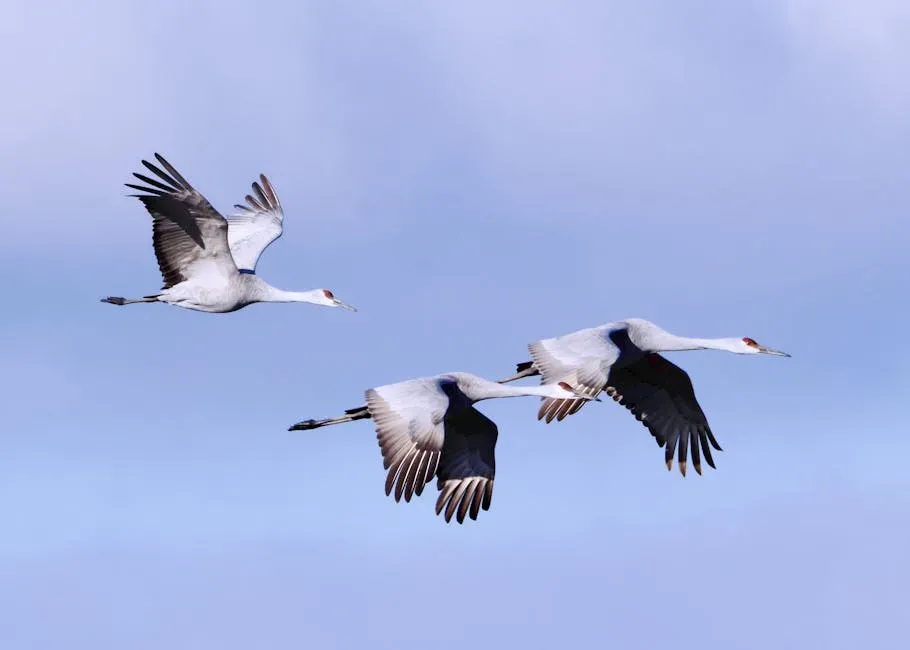
Navigation is not just about knowing where to go; it is also about when and how to ride the forces around you. Migrating birds pay close attention to winds, often timing departures to coincide with tailwinds that can carry them hundreds of kilometers with less effort. A favorable wind can turn an exhausting marathon into something closer to a moving walkway at the airport, while strong headwinds can stall migration or push birds dangerously off course.
For seabirds and marine animals, ocean currents add another layer of complexity and opportunity. Some species seem to align their movements with large-scale current systems that bring food-rich waters to the surface. When storms or unusual climate patterns shift winds and currents, migration routes can stretch, bend, or fragment. In that sense, the animals are not just following a fixed blueprint; they are negotiating with the weather in real time, adjusting strategy the way a skilled sailor trims sails in a shifting breeze.
Human Impacts: Lights, Cities, and Changing Climates
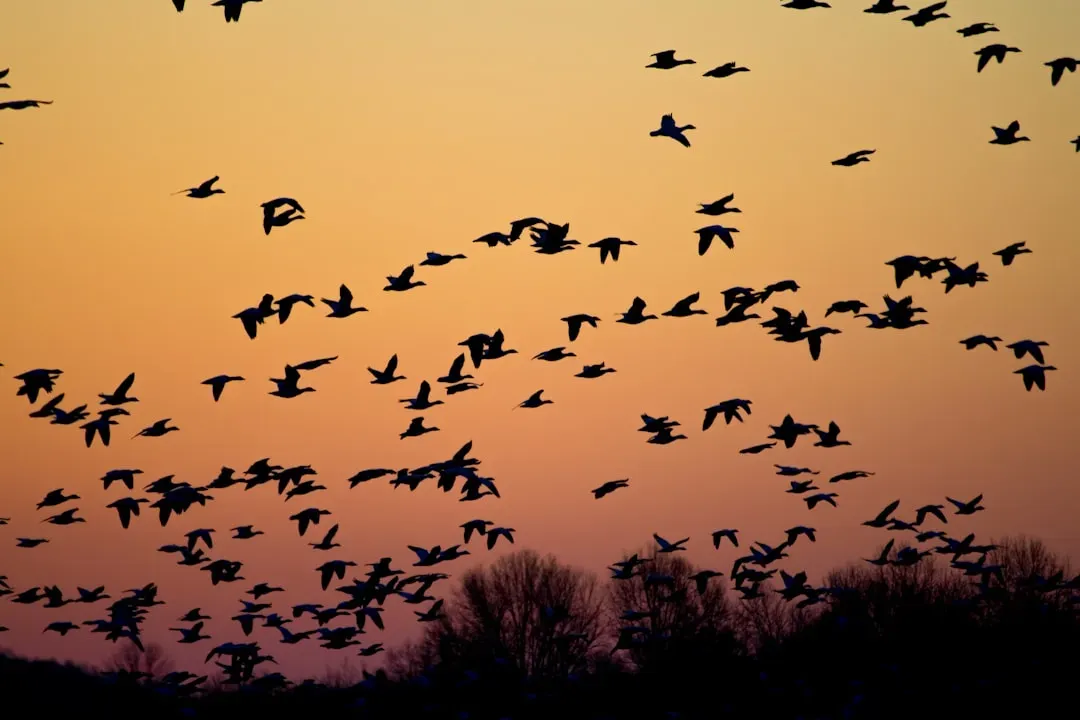
Our rapidly changing world is testing the limits of animal navigation in ways we are only just beginning to understand. Bright city lights and illuminated skyscrapers can confuse nocturnal migrants that rely on stars, pulling them off course or into dangerous collisions. Tall glass buildings, communication towers, and offshore platforms create a kind of obstacle maze in skies that were once open and dark, turning previously safe flyways into risky zones.
Climate change adds an even subtler challenge by shifting seasons, altering wind patterns, and moving the location of key food sources. Birds that once timed their arrival to match insect hatches or plant blooms can arrive too early or too late, even if their navigation is technically still accurate. In other words, they are still good at getting where they aim to go, but the target itself is moving. Some species are adjusting their routes or timings, while others are struggling, reminding us that even the most elegant natural navigation system has limits when the whole stage is being rearranged.
What Animal Navigation Teaches Us About Intelligence
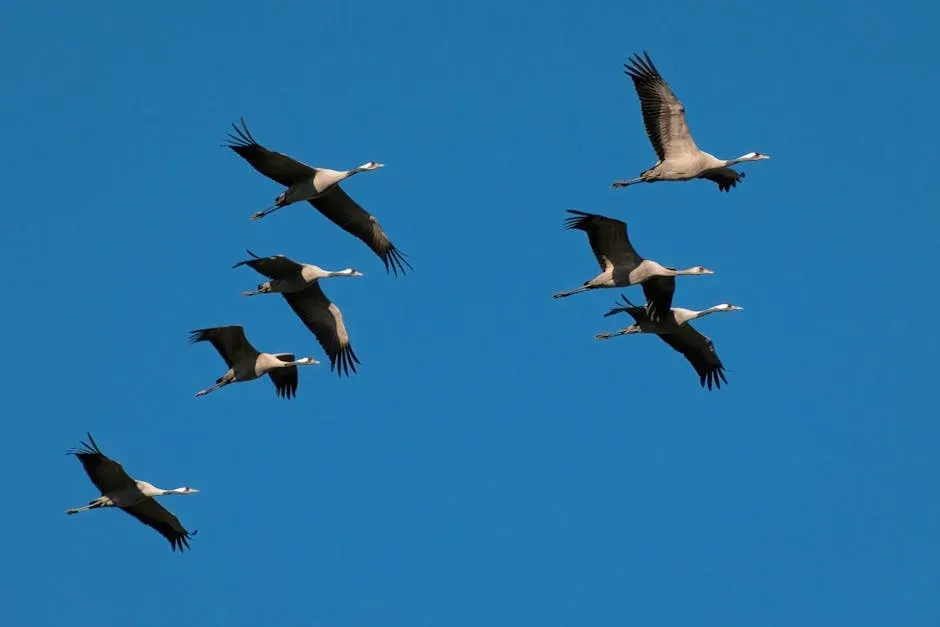
Watching a migrating bird slice across continents forces us to rethink what intelligence looks like. It is tempting to measure smarts only by problem-solving in a lab or tool use, but navigation is its own kind of mastery: an ongoing calculation that blends memory, timing, physics, and senses we barely understand. A small warbler carrying a detailed sense of direction in a brain not much bigger than a walnut is a quiet rebuke to the idea that big hardware is everything.
On a more personal level, there is something humbling and oddly comforting about knowing that so many creatures move through the world with such certainty. They do not have maps or apps, yet they knit together sun, stars, smells, and magnetic whispers into a coherent sense of “this way home.” The next time you see a flock overhead, you are not just looking at birds on a trip, but at the living, beating edge of one of nature’s most intricate guidance systems. How could that not make you look up a little longer and wonder where else they might be going, and how they know when they have finally arrived?