You probably think you know Yellowstone: geysers, bison, hot springs, and crowds with cameras. But picture this for a second: away from the paved paths and visitor centers, a research team squeezes through a narrow opening in volcanic rock and steps into a space that has been sealed off for roughly ten thousand years. No footsteps. No flashlight beams. No human breath. Just a world that has been quietly ticking along since the last Ice Age.
That kind of discovery does not just add a footnote to a geology textbook. It forces you to rethink what a “national park” even is. Yellowstone stops being a pretty backdrop for vacation photos and becomes something closer to a living time capsule. As you follow what scientists are actually learning from caves and lava tubes in and around Yellowstone, you start to see how one hidden chamber can shake up how you understand climate, life, and even your own place in deep time.
The Hidden Yellowstone You Never See
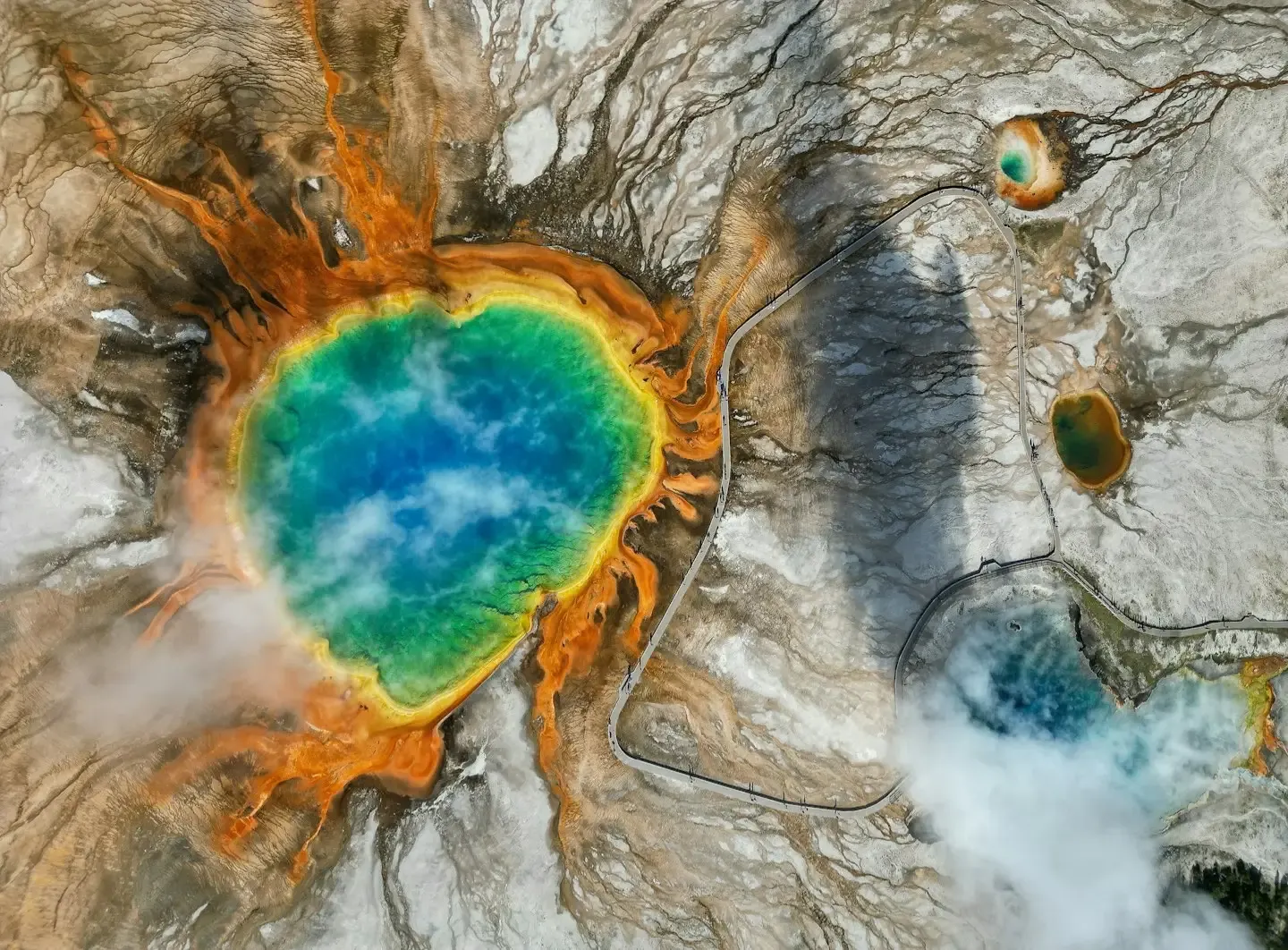
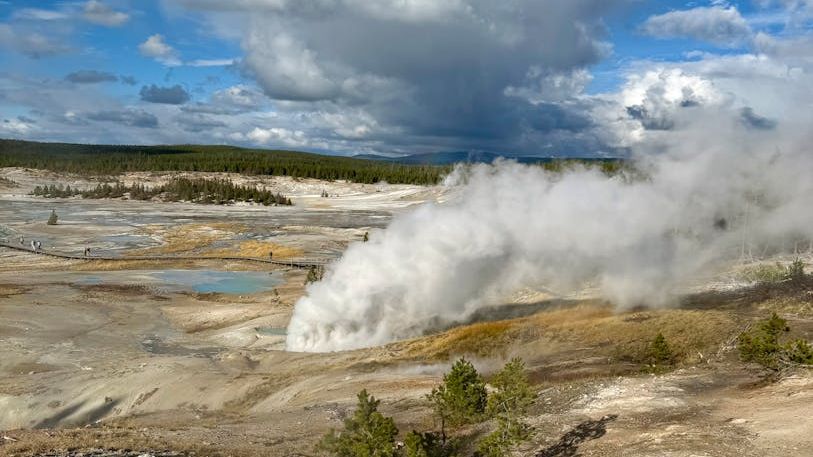
If you have ever stood at Old Faithful and felt the ground rumble, you already know Yellowstone is built on restless rock. What you do not see is the underground maze that hot water, gas, and lava have carved over hundreds of thousands of years. Beneath your feet, there are lava tubes, fractures, and voids that can form cave-like spaces, some of which have stayed isolated since long before recorded history. When researchers finally access one of these sealed chambers, it is like opening a vault stocked with everything the surface world forgot.
In a cave that has been undisturbed for around ten millennia, every layer of mineral buildup, every trapped pocket of air, and every speck of dust becomes a clue. You are not just looking at rock; you are looking at frozen stories about past eruptions, ancient forests, and long-gone climates. It is the kind of place where a stalactite can double as both art and archive, silently recording how the outside world warmed, cooled, rained, or dried out over thousands of years while no one was watching.
A Climate Time Machine Carved in Stone
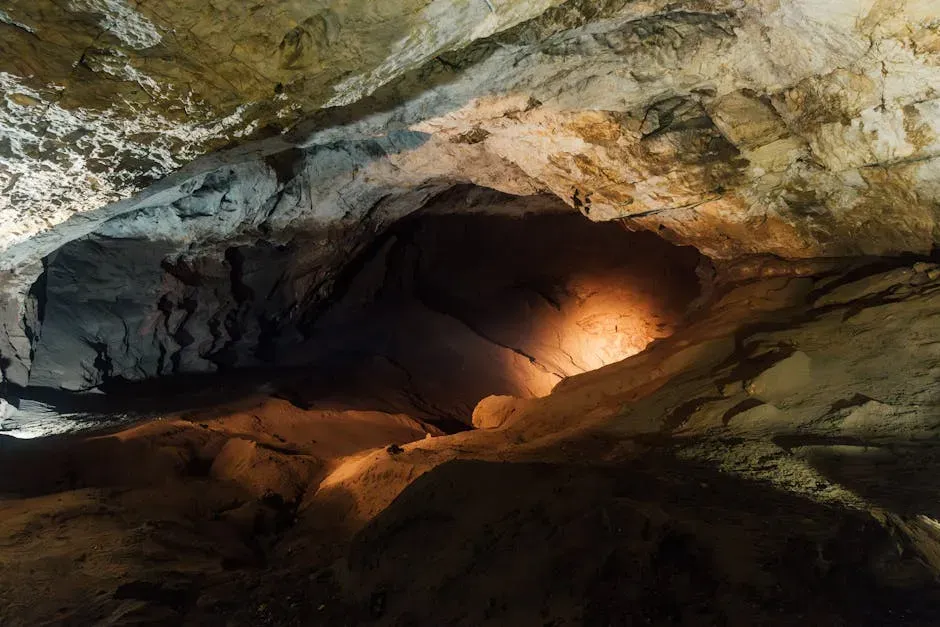
When scientists step into a cave like this, one of the first things they look for is not treasure or fossils, but minerals that grew slowly over time. Formations such as stalagmites, stalactites, and thin, sheet-like flowstones are built drip by drip as water seeps through rock and leaves tiny traces of dissolved minerals behind. That same water carries a chemical signature of the climate above: how much it rained, how warm it was, even how much vegetation covered the ground. By slicing and analyzing these formations, you can essentially read a climate diary written in stone.
What changes everything is the timescale. Weather records from weather stations might go back a century or two at best. Tree rings can stretch that to a couple thousand years in lucky cases. But a protected cave deposit can quietly capture patterns over many thousands of years, reaching back to the tail end of the last glacial period. When you hold that record in your hands, modern climate change stops feeling like a short-term blip and starts looking like a sharp, unusual spike against a very long, detailed backdrop that you can no longer ignore.
Ancient Air and the Story It Tells You
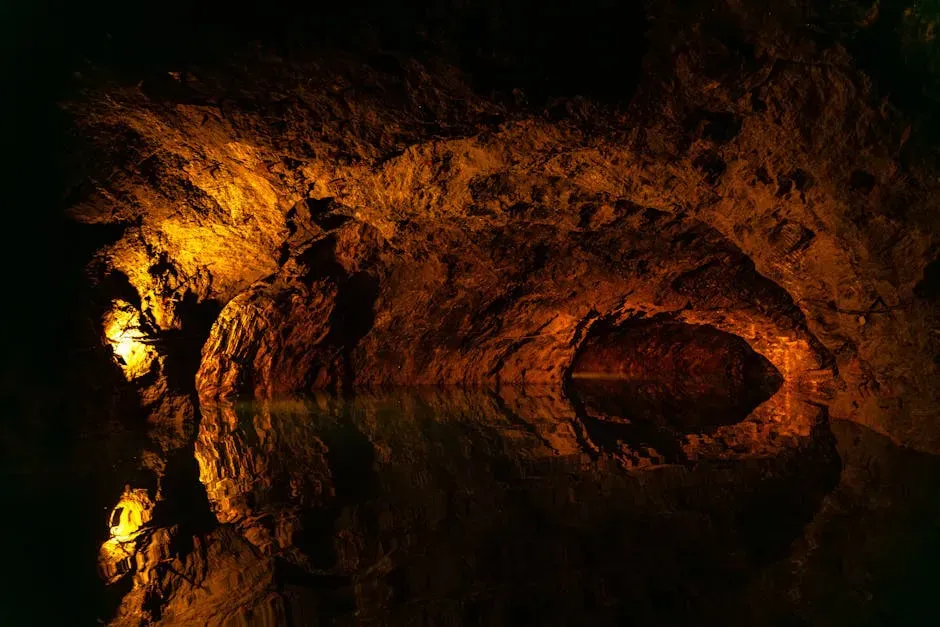
One of the strangest ideas to wrap your head around is that a cave can preserve tiny samples of ancient air and water in ways the open atmosphere never could. Microscopic bubbles trapped in mineral deposits, or water locked inside crystalline structures, can carry fingerprints of what the atmosphere and hydrologic cycle looked like long ago. When scientists measure the ratios of different forms of oxygen, carbon, or other elements in these samples, they start to reconstruct how the world outside the cave was breathing over thousands of years.
For you, that means this cave is more than a dark hole in a park; it is a measuring stick for how fast and how far the planet has changed since the last big ice sheets were melting. Comparing ancient cave records to modern observations lets researchers see whether today’s shift in temperature or greenhouse gases is gentle and gradual or abrupt and unusual. Standing in that cave, you are not just looking back in time; you are also facing a very pointed question about where things are headed if current trends keep running faster than anything those minerals ever recorded before.
Evidence of Vanished Landscapes and Lost Ecosystems
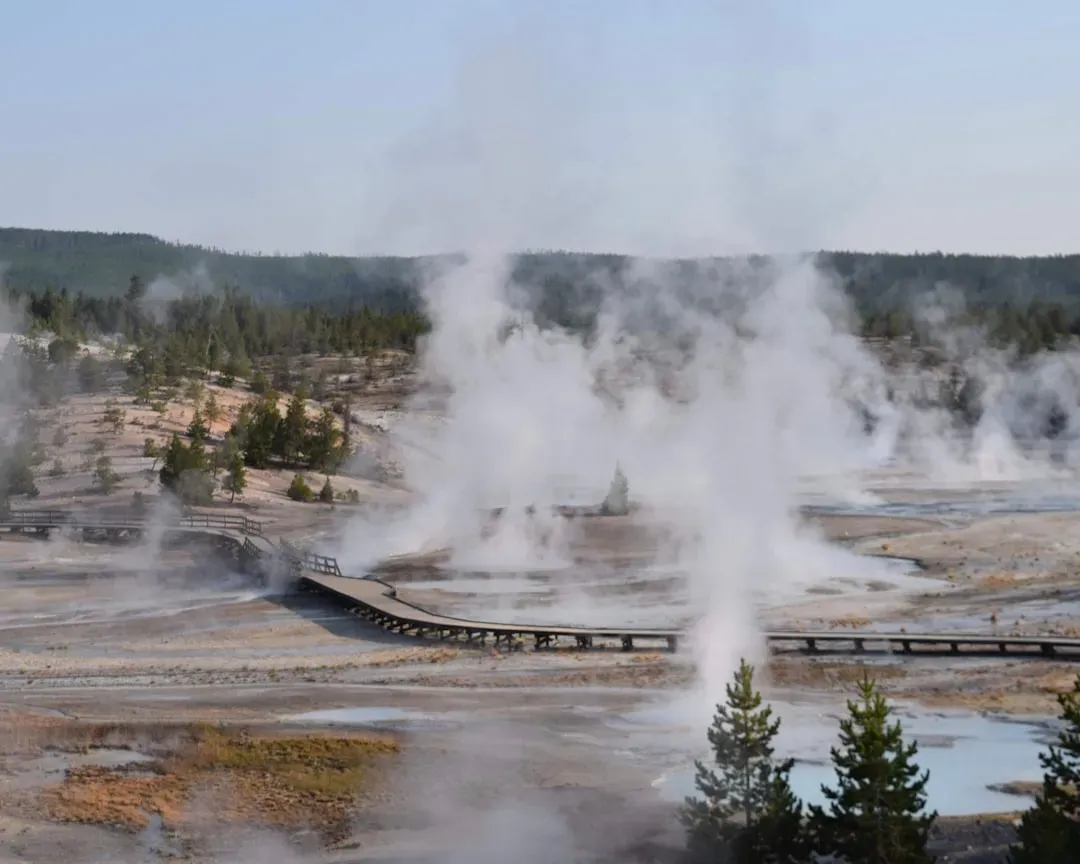
A cave formed in Yellowstone’s volcanic terrain is also a storage room for the ghosts of ecosystems that do not exist there anymore. Dust, pollen, bits of plant material, or even insect remains can get washed, blown, or tracked into a cave entrance and then quietly entombed under layers of mineral deposits for thousands of years. When researchers carefully extract and examine those microscopic remains, you get snapshots of what once grew, bloomed, and roamed where you now see forests, meadows, or thermal basins.
Through those tiny fragments, you might learn that what you think of as “natural” Yellowstone is actually just one brief chapter in a much longer story of shifting species, changing tree lines, and advancing or retreating ice. You see how forests moved uphill or downhill with temperature swings, how wetland plants came and went, or how ash from distant eruptions settled across the region like a gray snow. Suddenly, the park around you feels less like a frozen postcard and more like a breathing, shape-shifting landscape that has reinvented itself again and again over deep time.
Why One Cave Can Change How You See Yellowstone Forever
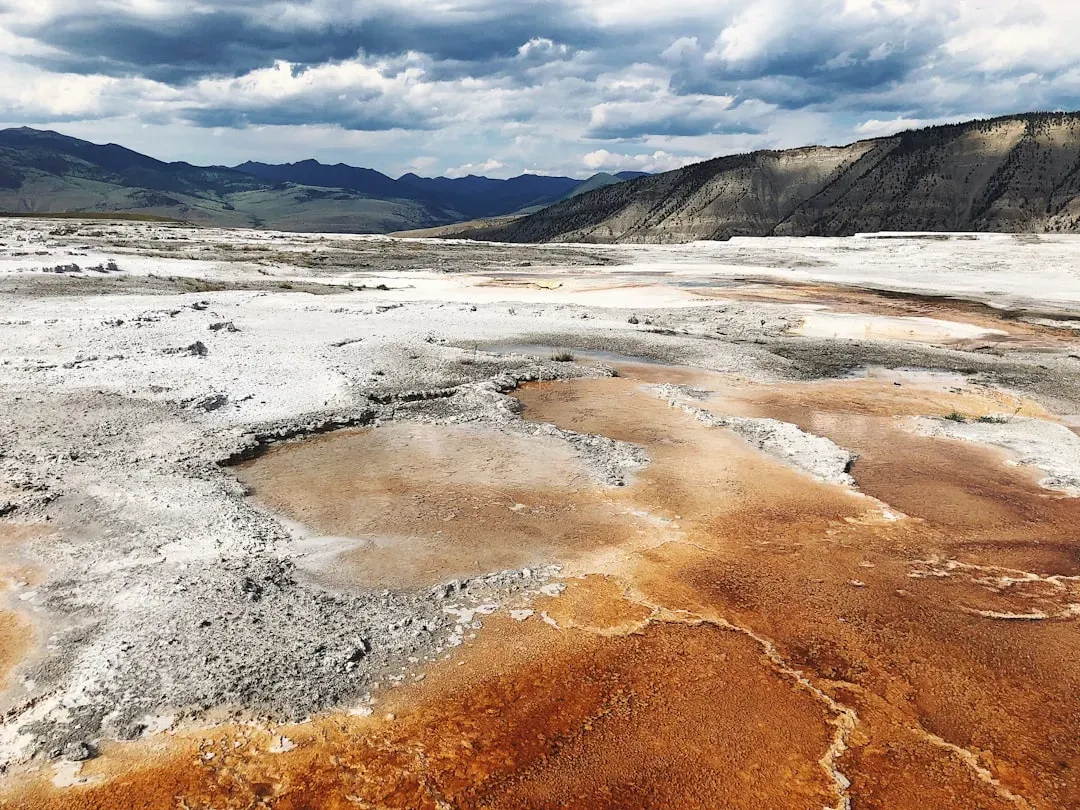
Once you understand what a ten-thousand-year-old cave can hold, Yellowstone stops being just America’s first national park and starts looking like one of the longest-running scientific experiments on Earth. The surface gives you spectacular snapshots: geysers bursting, bison grazing, hot springs steaming. But the cave connects those snapshots into a timeline that stretches from the end of the Ice Age to the present, letting you see how volcanoes, climate, water, and life have been locked in a restless dance the whole time. You are no longer just a visitor; you are stepping into a story that has been unfolding for ages.
That shift changes how you think about your role there. You realize that protecting a place like Yellowstone is not just about saving scenery; it is about preserving a library of deep-time evidence that we have barely begun to read. Each undisturbed cave, each mineral layer, each hidden microbial community is a page that could help you understand how the planet copes with major change – and what happens when it cannot. When you walk back out into the daylight, the boardwalks and viewpoints look the same, but you carry a different question: if this cave shows you how much the world can transform, what part will you play in the next chapter?
From Mystery to Meaning: What You Take Away
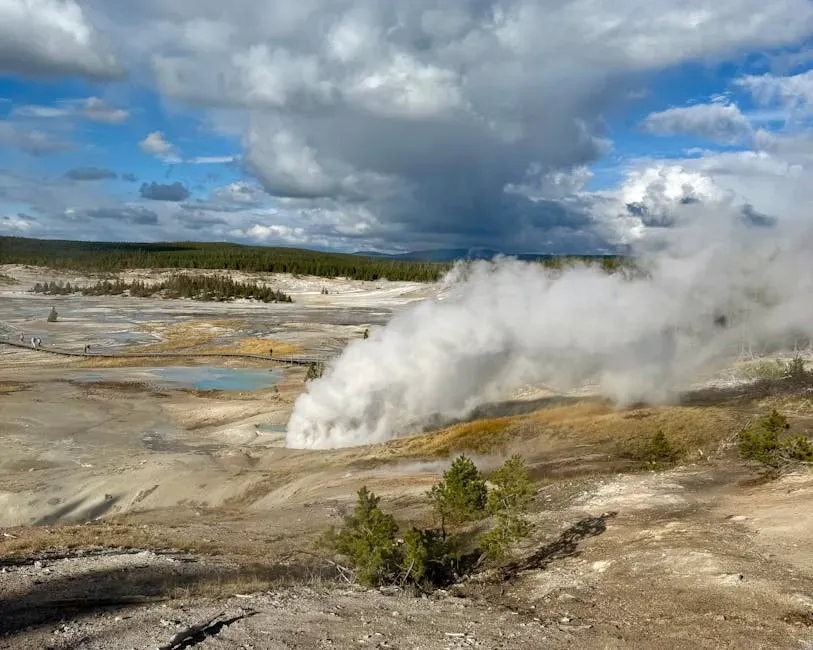
Even if you never crawl through a tight rock opening or strap on a headlamp, the story of a ten-thousand-year-old cave in Yellowstone still belongs to you. It reminds you that under every familiar landscape, there is a hidden layer of history, quietly logging every flood, drought, eruption, and slow shift in temperature. The cave does not care about politics or arguments; it simply holds the record. When you choose to pay attention to that record, you get a kind of long-term perspective that is hard to find in daily headlines and short attention spans.
In the end, what the scientists found inside that ancient chamber is not a single dramatic relic, but something more unsettling and more powerful: proof that the Earth changes, that it remembers, and that you are walking through the latest moment in a much larger story. That realization can be sobering, but it can also be strangely comforting, because it shows you that your choices matter in a chain that stretches thousands of years backward and, hopefully, thousands more ahead. The next time you picture Yellowstone, will you just see the surface – or will you imagine the silent cave below, still keeping watch?