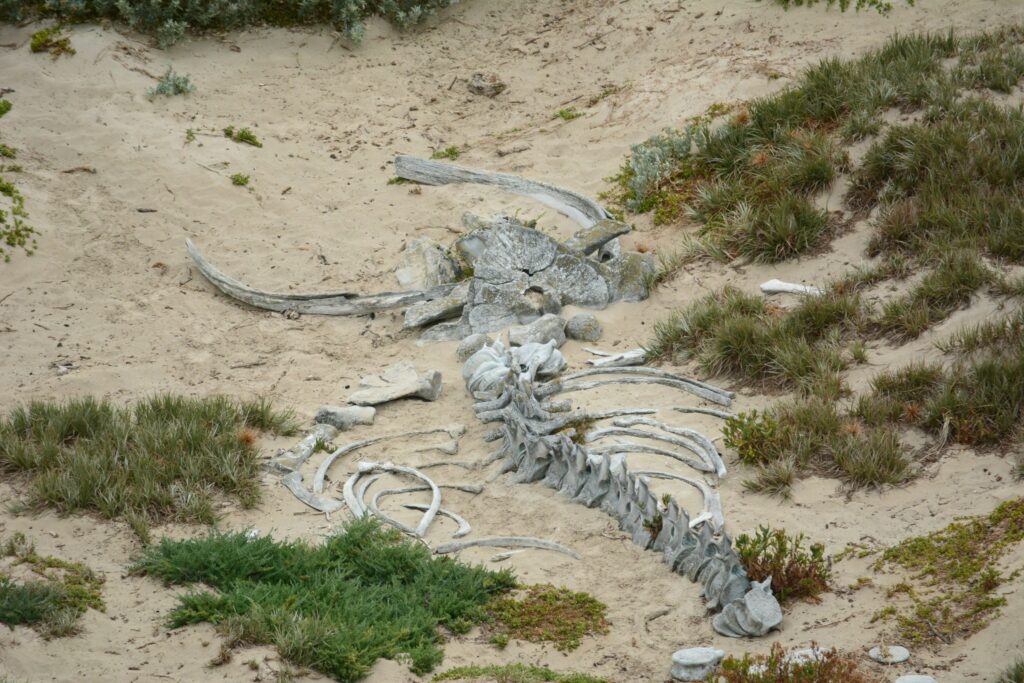
Beneath the shimmering surfaces of our oceans lies a vibrant world teeming with life, a world that is increasingly under threat. Coral reefs, often referred to as the “rainforests of the sea,” are facing unprecedented declines due to human activities. These underwater ecosystems are crucial not only for marine life but also for the survival and well-being of human communities. At the heart of their decline are two significant culprits: overfishing and pollution. This article delves into the intricate tapestry of life in coral reefs, exploring the consequences of our actions and emphasizing the urgent need for change.
The Importance of Coral Reefs
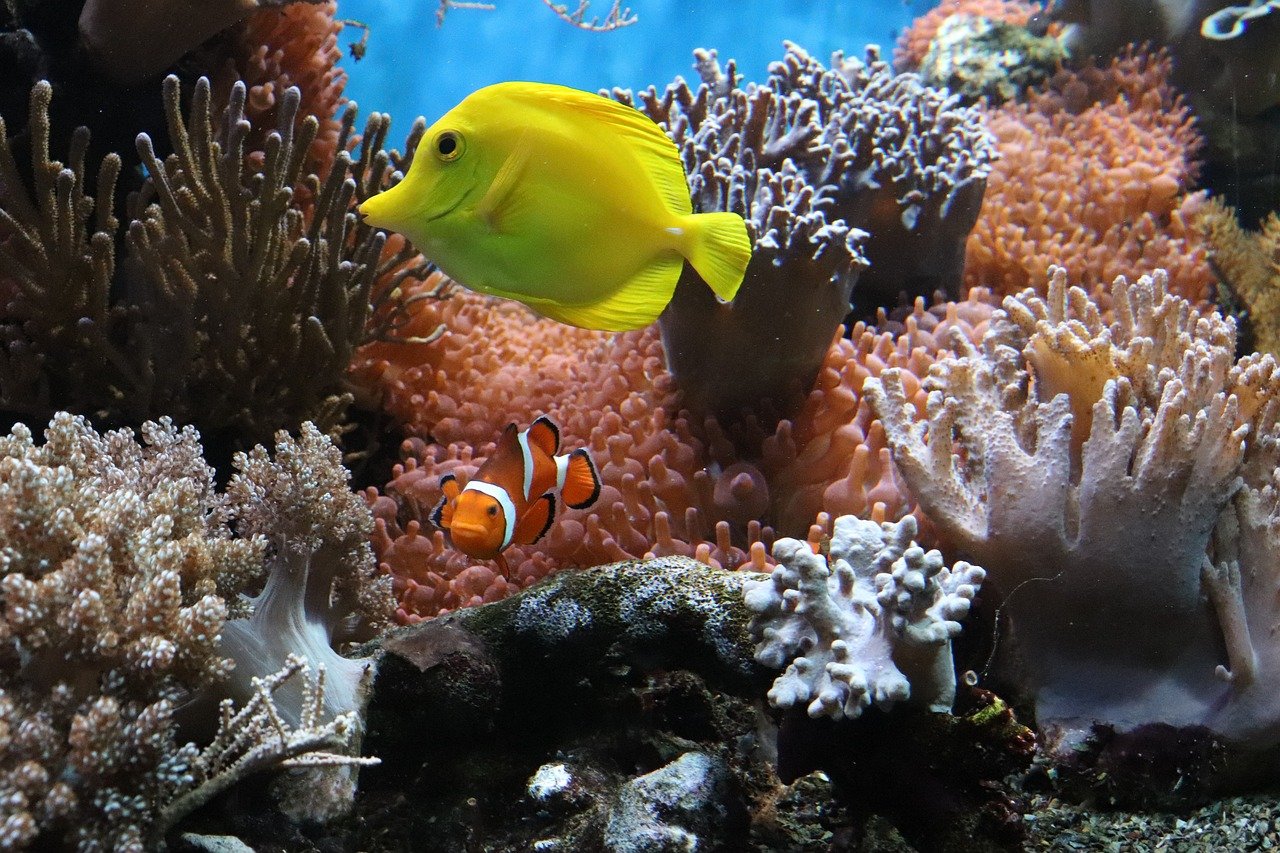
Coral reefs are vital to marine ecosystems, offering a habitat for a vast array of marine species. They serve as nurseries for fish, providing shelter and food. Coral reefs support over 25% of all marine life, despite covering less than 1% of the ocean floor. This biodiversity hotspot is crucial for maintaining the balance of marine ecosystems. Additionally, coral reefs provide significant economic benefits to humans, including tourism, fishing, and coastal protection. Their decline poses a threat to the livelihoods of millions worldwide.
Understanding Overfishing
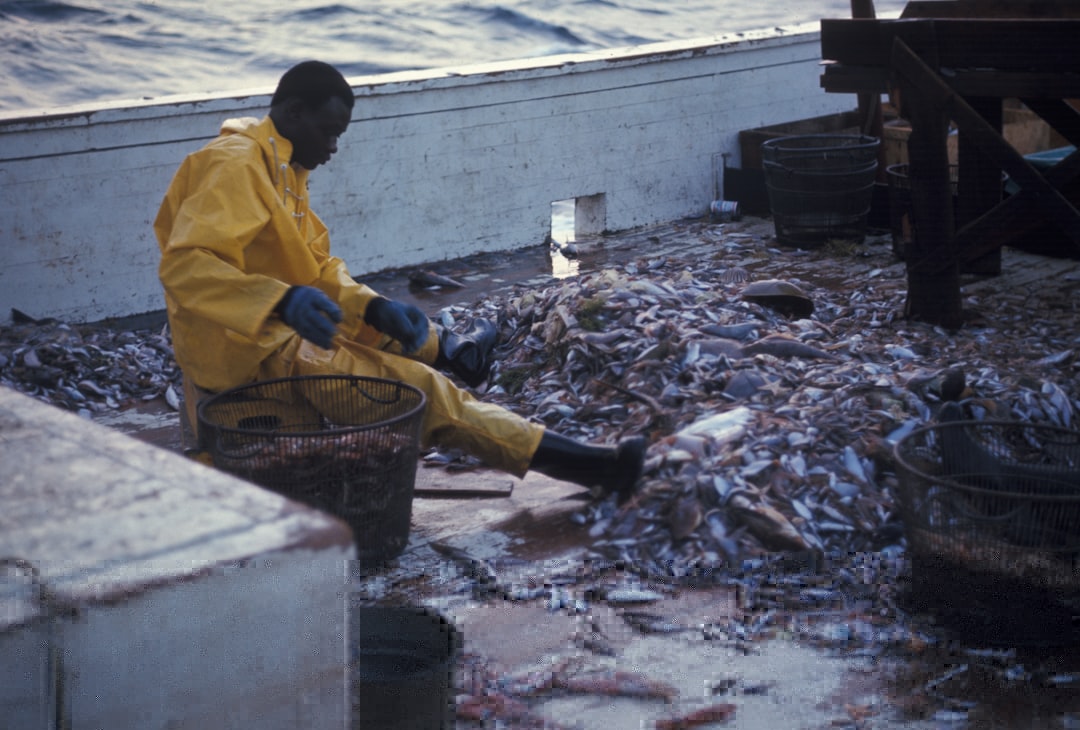
Overfishing occurs when fish and other marine species are caught at a rate faster than they can reproduce. This unsustainable practice leads to the depletion of fish stocks, disrupting the delicate balance of marine ecosystems. Overfishing not only affects the targeted species but also has cascading effects on entire food webs. The removal of key species can lead to an overabundance of others, causing imbalances that threaten the health of coral reefs. As populations of certain fish decline, the entire ecosystem becomes vulnerable to collapse.
The Impact of Overfishing on Coral Reefs

Coral reefs rely on a balanced ecosystem to thrive. Overfishing disrupts this balance by removing species that play crucial roles in the health of the reef. For instance, herbivorous fish help control algae growth, preventing it from smothering corals. When these fish are overfished, algae can proliferate, blocking sunlight and inhibiting coral growth. Furthermore, the absence of predator fish can lead to an increase in smaller prey species, further upsetting the ecosystem’s equilibrium. The cascading effects of overfishing can devastate coral reefs, leading to their decline.
Pollution: A Silent Killer
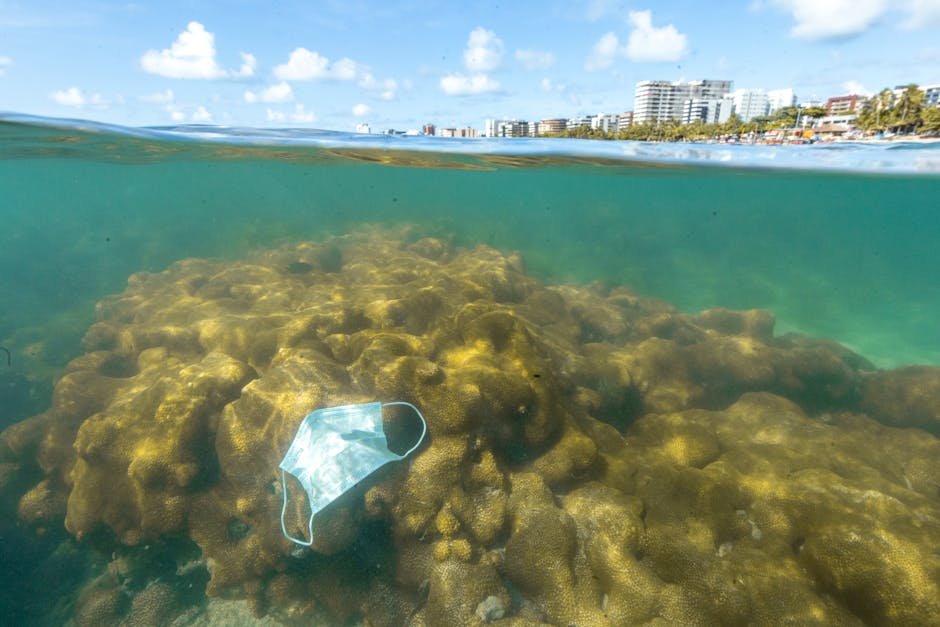
Pollution is another significant threat to coral reefs, often acting in tandem with overfishing to exacerbate their decline. Runoff from agriculture, industrial waste, and sewage introduce harmful substances into the ocean. These pollutants can cause coral bleaching, a phenomenon where corals expel the symbiotic algae living in their tissues, turning them white. Without these algae, corals lose their primary source of nutrition and are more susceptible to disease and death. Pollution also affects water quality, making it difficult for marine life to survive.
The Effects of Climate Change

Climate change is an overarching threat that amplifies the effects of both overfishing and pollution. Rising ocean temperatures cause coral bleaching events, while ocean acidification weakens coral skeletons. The increased frequency and intensity of storms damage coral structures, further hindering their recovery. As climate change progresses, the resilience of coral reefs diminishes, making it more challenging for them to withstand other stressors. The combined effects of overfishing, pollution, and climate change create a perfect storm that threatens the survival of coral reefs.
Case Study: The Great Barrier Reef
The Great Barrier Reef, one of the most iconic coral reef systems, serves as a stark example of the challenges faced by coral reefs worldwide. Over the past few decades, this World Heritage site has experienced significant coral bleaching events, largely attributed to rising sea temperatures. Overfishing has also taken its toll, with certain fish populations declining to critical levels. Pollution from agricultural runoff further exacerbates the reef’s decline. The Great Barrier Reef highlights the urgent need for conservation efforts to protect these vital ecosystems.
Conservation Efforts and Solutions
Addressing the decline of coral reefs requires a multifaceted approach. Implementing sustainable fishing practices, such as catch limits and protected marine areas, can help restore fish populations. Reducing pollution through improved waste management and agricultural practices is crucial. Additionally, combating climate change by reducing greenhouse gas emissions is essential for the long-term survival of coral reefs. Conservation organizations and governments worldwide are working to implement these solutions, but success depends on global cooperation and commitment.
The Role of Education and Awareness
Education and awareness play a crucial role in the conservation of coral reefs. By understanding the importance of these ecosystems and the threats they face, individuals can make informed choices to reduce their impact on the environment. Public awareness campaigns, educational programs, and community involvement are essential for fostering a sense of responsibility and stewardship. By empowering individuals to take action, we can collectively work towards a future where coral reefs thrive.
The Economic Impact of Coral Reef Decline
The decline of coral reefs has significant economic implications. Many coastal communities rely on the fishing and tourism industries, both of which depend on healthy coral reefs. The loss of these ecosystems can lead to economic instability and loss of livelihoods. Additionally, coral reefs provide natural protection against storms and erosion, reducing the need for costly man-made structures. Investing in the conservation of coral reefs is not only an environmental imperative but also an economic necessity.
A Call to Action
The decline of coral reefs is a pressing issue that demands immediate attention and action. Protecting these vital ecosystems requires a concerted effort from individuals, communities, and governments worldwide. By adopting sustainable practices, reducing pollution, and addressing climate change, we can work towards a future where coral reefs thrive. The time to act is now, and the responsibility lies with all of us to safeguard the future of our oceans and the countless species that call them home.