

You live in a world your brain was never really designed for. Evolution wired you for campfires, not comment sections; for a close-knit village, not an endless scroll of faces, profiles, and opinions. No wonder you sometimes feel strangely exhausted after a day spent mostly online, or oddly lonely despite being surrounded by people.
Once you see that your mind is still running ancient social software on modern hardware, a lot of your stress starts to make more sense. You stop blaming yourself for feeling overwhelmed and start recognizing how much you’re actually being asked to carry. And from there, you can begin to work with your brain’s design, instead of constantly fighting against it.
Your Brain Still Thinks You Live in a Village
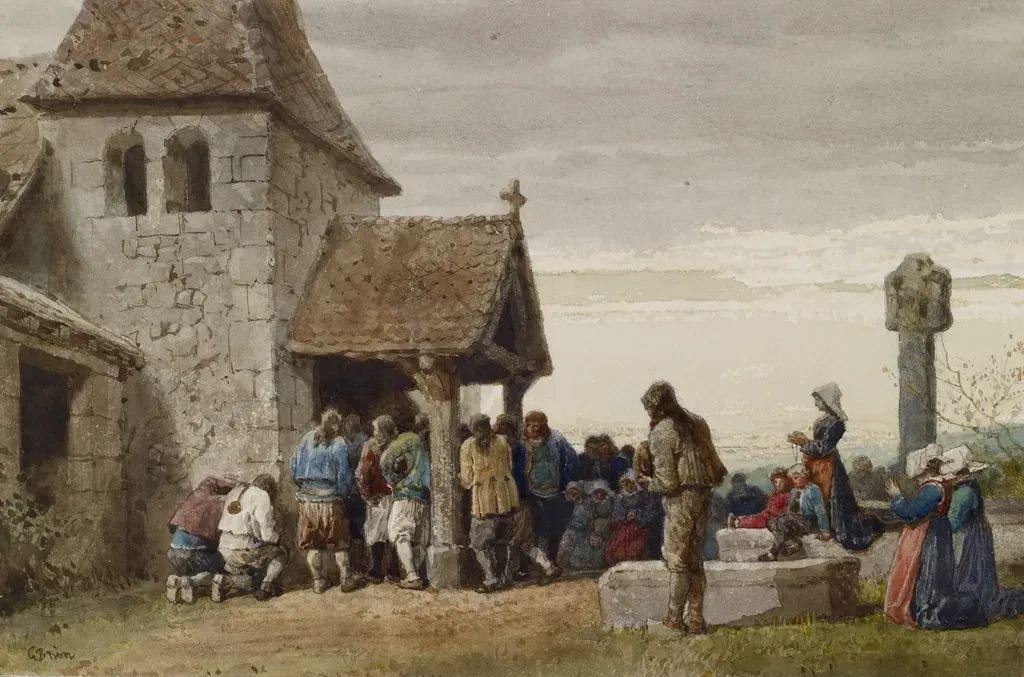
Imagine your brain as if it still expects you to wake up in a small camp with a few dozen familiar faces. For most of human history, you would have known almost everyone you ever met, and your social world would have been stable, predictable, and limited. This is the environment your brain learned to navigate: one where every person you saw mattered to your survival, and you mattered to theirs.
Now fast-forward to your daily life. In a single morning, you might see more faces on your phone than your ancestors saw in months. Yet your brain doesn’t flip a secret “modern mode” switch; it keeps reacting as if all these people are part of your tribe. That mismatch between what your brain expects and what it actually gets is one big reason why your social life can feel confusingly intense, even when “nothing is really wrong.”
Why Your Social Circle Has a Natural Upper Limit

You probably feel closer to a small inner circle than to the hundreds or thousands of people you technically “know.” That’s not a personal failing or a lack of effort; it’s a feature of how your brain handles social information. You can remember a lot of names and faces, but really knowing what’s going on with a person’s life, emotions, and needs takes mental energy and attention.
Your mind naturally organizes people into layers: a tiny core of your closest people, a slightly wider ring of good friends, then looser connections, acquaintances, and strangers. You might label these groups differently, but your brain is always doing this quiet sorting in the background. Once you accept that you are not built to meaningfully keep up with everyone, it becomes much easier to stop feeling guilty about the people you can’t constantly message, call, or follow closely.
How Social Media Tricks Your Tribal Wiring
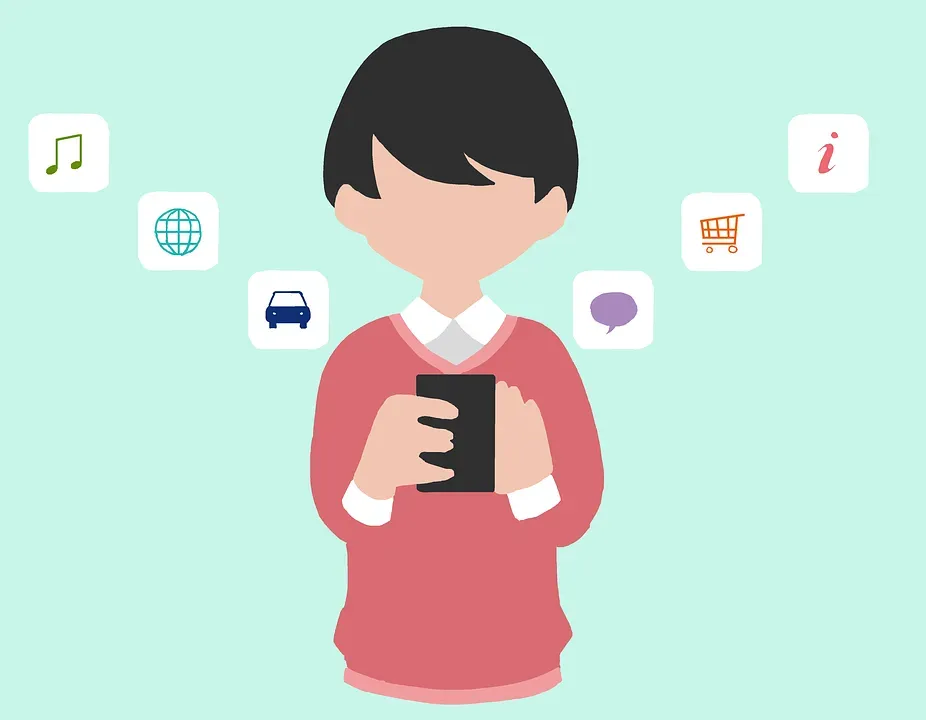
Every time you open a social app, your ancient social instincts are getting played with. Each notification, like, comment, or view is treated by your nervous system as some kind of signal about your standing in the tribe. Your rational brain can tell you it’s “just the internet,” but your emotional brain reacts as if you’re being praised, ignored, or rejected by people who matter deeply.
This constant drip of micro-approval and micro-rejection can leave you feeling restless, insecure, or strangely dependent on what your screen says about you. You might catch yourself checking who watched your story, who liked your post, or who left your message on read, as if all of these are urgent social emergencies. Your wiring is doing its job; it just doesn’t realize the tribe it’s panicking about is made up of coworkers, acquaintances, and distant strangers you will never actually meet.
Why You Feel Lonely in a Crowd (Or Online)
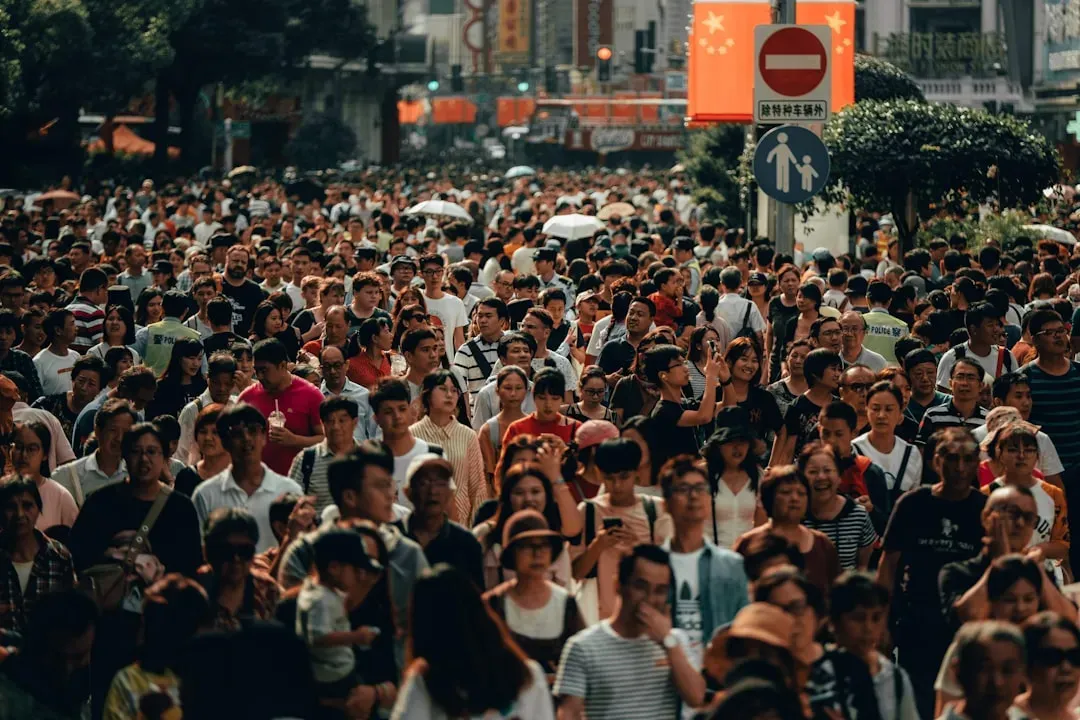
Have you ever been at a party, in a busy office, or scrolling through a crowded feed and still felt alone? That feeling can be confusing, especially when you tell yourself you “should” feel connected because you’re technically surrounded by people. But your brain does not count passive exposure to others as true social nourishment.
What your nervous system really registers are deep, mutual, and safe connections: the people you can be honest with, who notice when you’re off, who would actually show up if something went wrong. You can have thousands of casual contacts and still be starved for this kind of connection. When you notice that emptiness, it is not proof you are broken or ungrateful; it is evidence that your deeper social needs are not being met, even if your calendar or your follower count looks full on paper.
Social Overload: When Your Mind Has Too Many People to Track
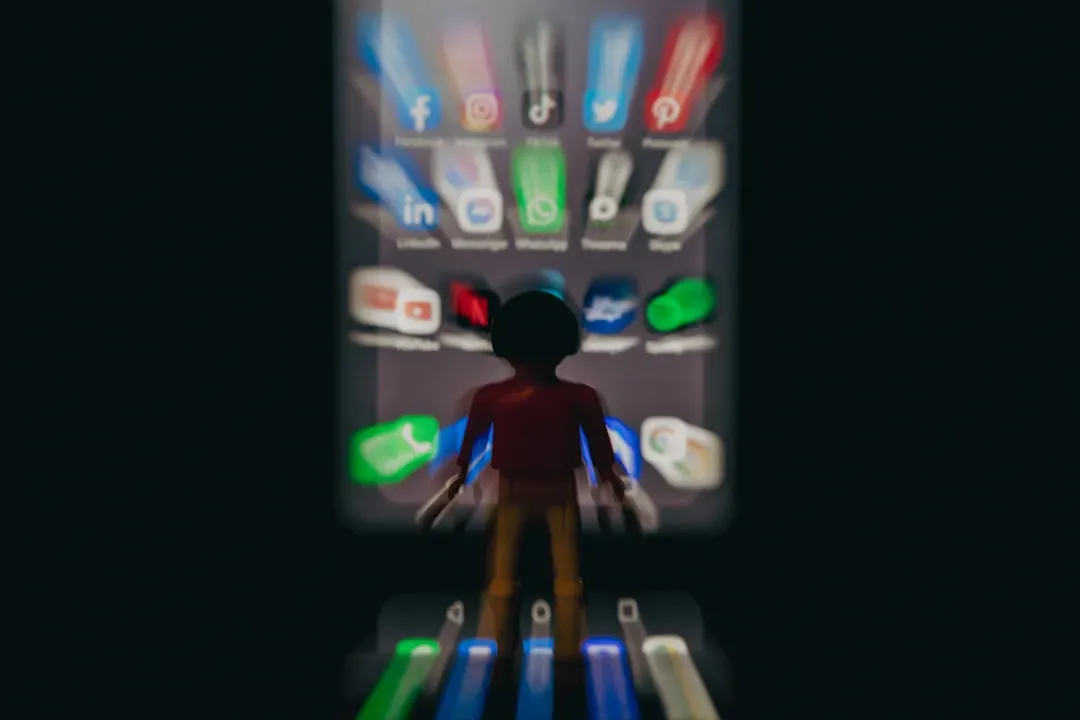
You might notice that trying to keep up with everyone leaves you drained in a way that is hard to explain. Between group chats, work threads, family updates, old classmates, and online communities, you can end up juggling far more relationships than your brain can comfortably maintain. Each one demands names, stories, emotions, expectations, and unspoken rules.
When you overload that system, you can start dropping balls: forgetting messages, missing birthdays, zoning out in conversations, or feeling guilty for not responding fast enough. Underneath, your mind is simply reaching its capacity. Instead of seeing this as laziness or poor character, you can see it as a bandwidth issue. You are not meant to keep every single person “close,” and your energy is supposed to be limited so you can fully show up for the people who matter most.
Comparison Culture: Your Brain Was Not Built for This Many Life Benchmarks

Your brain is wired to compare yourself to the people around you to figure out if you’re doing okay. In a small group, that might mean glancing at what a few neighbors, friends, or relatives are doing. In your current environment, though, you are being bombarded with curated snapshots of hundreds or thousands of lives at once: careers, bodies, houses, kids, vacations, hobbies, and relationships.
Because your comparison system evolved in a small, local context, it tends to treat all these people as if they’re living right next to you, in the same conditions, playing the same game. That can leave you feeling permanently behind, even if you are doing fine by any reasonable standard. When you feel that surge of “everyone else is ahead of me,” you are often just feeling an ancient comparison system reacting to an environment with far too many examples to process sanely.
Practical Ways to Right-Size Your Social World

You cannot go back to living in a tiny village, but you can make your modern world feel psychologically smaller and kinder. One powerful step is to be deliberate about your inner circle: decide who your true “village” is, and give those relationships priority when it comes to time, energy, and emotional presence. You do not have to formally downgrade anyone; you just quietly choose where your best attention goes.
You can also place gentle boundaries around how many social inputs you let in each day. That might mean muting certain notifications, trimming your feeds, or stepping back from groups where you feel more obligation than connection. None of this makes you antisocial; it makes you realistic about what your brain can hold. By shrinking the number of people you mentally “carry” at once, you free up capacity to actually enjoy the people you care most about.
Building Deeper Bonds in a Shallow-Connection World

When everything around you pushes you toward quick reactions and surface-level contact, going deeper with a few people can feel almost rebellious. Yet this is exactly what your social brain craves: conversations where you can say what you really think, time together that is not constantly interrupted by phones, and shared experiences that turn into strong, lasting memories. Every time you choose depth over breadth, you’re feeding your mind the kind of connection it was built to thrive on.
One simple way to do this is to invest slightly more in the relationships that already feel safe and energizing. You might reach out first a bit more often, share something vulnerable, or create regular rituals: weekly calls, monthly dinners, recurring walks. These small, consistent touches matter more to your nervous system than occasional flashes of attention from a large crowd. In a world obsessed with numbers, you are allowed to care more about the quality of your few than the quantity of your many.
Making Peace with the People You Cannot Keep Up With

There will always be more people in your orbit than you can reasonably keep close. Old friends drift, coworkers move on, online connections fade, and sometimes you just do not have the capacity to respond to everyone who wants your time. Instead of letting this fill you with guilt, you can see it as a natural consequence of living in a hyper-connected era with a brain built for something much smaller.
You are allowed to let some relationships stay light or seasonal without turning that into a story about being a bad friend or a cold person. You can still be kind, respectful, and warm when paths cross, while accepting that not everyone can have equal access to your inner world. That acceptance can feel bittersweet, but it is also freeing. It lets you show up more fully where you truly want to be, instead of scattering yourself so thin that no one, including you, really benefits.
Conclusion: Designing a Social Life Your Brain Can Actually Handle

When you recognize that your brain was built for a small, tight-knit community, your modern social struggles stop feeling like mysterious personal flaws. The anxiety from endless notifications, the heaviness of comparison, the guilt of not keeping up, and the ache of feeling lonely in the middle of “so many people” all start to look less like failures and more like predictable side effects of an overloaded system. You are not weak for feeling this way; you are human, reacting exactly as a human brain would in a world that constantly overstimulates your social circuits.
You cannot control the size of the modern world, but you can choose how big it feels inside your own mind. By narrowing your focus to a real inner circle, setting gentle limits on social input, and investing deeply in a few meaningful bonds, you line your life up with the way your brain actually works. In the end, your well-being is less about how many people know you exist and more about whether a small handful really know who you are. If you let yourself live as though your village matters more than the crowd, how different might your days start to feel?