

If you pay attention for just one day, you’ll notice how often your brain quietly sorts people into groups: your coworkers and the higher-ups, your hometown and the city you moved to, your political side and the other one. You do this even when you do not mean to, and even when you genuinely want to treat everyone fairly. That automatic “us versus them” switch is not a personal flaw; it is a deeply wired human habit with roots that stretch back into prehistory.
Understanding this tendency does not magically erase prejudice, but it gives you something powerful: awareness. When you can see what your mind is doing behind the scenes, you get a bit of distance from it. Instead of being dragged along by tribal instincts, you can decide how you actually want to show up with people who are different from you. That is where psychology helps you turn an ancient survival tool into something more aligned with the world you live in now.
Why Your Brain Loves Shortcuts (Even Unfair Ones)

Your brain is constantly flooded with far more information than you can consciously process: faces, clothes, accents, social cues, subtle signals about status and safety. To cope, your mind leans heavily on shortcuts, or heuristics, to sort people quickly into categories. It is like having a mental filing cabinet that labels others as friend, threat, ally, rival, insider, or outsider in a split second, often before you feel you have even noticed them.
The problem is that these shortcuts are fast but messy. You end up relying on stereotypes, assumptions, and learned associations without meaning to. You might see someone’s age, skin color, or clothing style and your brain quietly whispers “one of us” or “not like us” long before you consciously form an opinion. You may think of yourself as fair-minded and still find that those brain shortcuts tilt you toward favoring people who feel familiar and subtly distrusting those who do not.
The Ancient Survival Logic Behind “Us” and “Them”
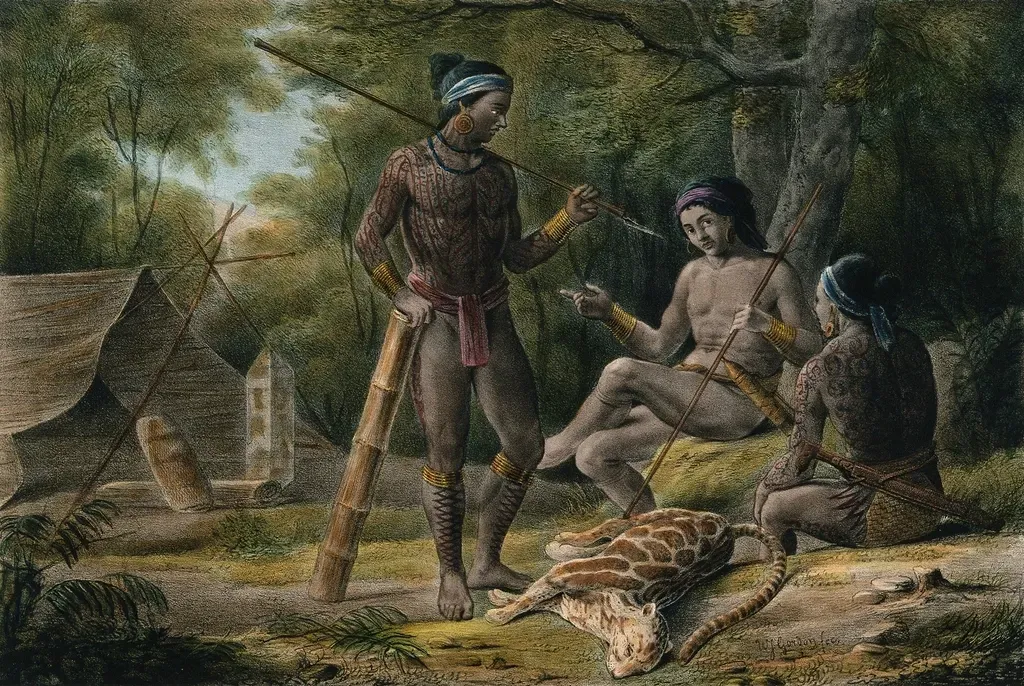
If you imagine life tens of thousands of years ago, the logic behind this wiring becomes clearer. Back then, recognizing who belonged to your group could literally mean the difference between life and death. Your survival depended on people who shared food, protected you, and would likely come to your defense. Strangers were unknown variables: they might be friendly, but they might also bring danger, disease, or competition for scarce resources.
Your ancestors did not have the luxury of long interviews and background checks. Their brains had to make rapid judgments based on appearance, language, and behavior to decide if someone was “one of us” or potentially a threat. That ancient environment rewarded quick, group-based decisions, even if they were imperfect. You inherited that system, but you are now using it in a world where the stakes are usually not mortal danger, and where those old instincts can easily misfire.
How Group Identity Quietly Shapes Your Behavior

Once your brain decides someone is part of “your” group, you tend to see them in a warmer light. You are more likely to give them the benefit of the doubt, see their mistakes as accidents, and interpret their successes as deserved. On the flip side, when someone lands in the “them” category, you are more likely to see their mistakes as proof of flaws and their successes as due to luck or unfair advantages. You might not say this out loud, but you feel it.
You see this in everyday life: maybe you notice yourself instantly clicking with someone from your hometown, or automatically defending a coworker from your department in a dispute with another team. You are not thinking, “I will now be biased,” but the group connection nudges your judgments, emotions, and decisions. This is why two people can look at the same event and come away with completely different interpretations, simply because they identify with different sides.
Why You See Patterns and Threats That Are Not Really There
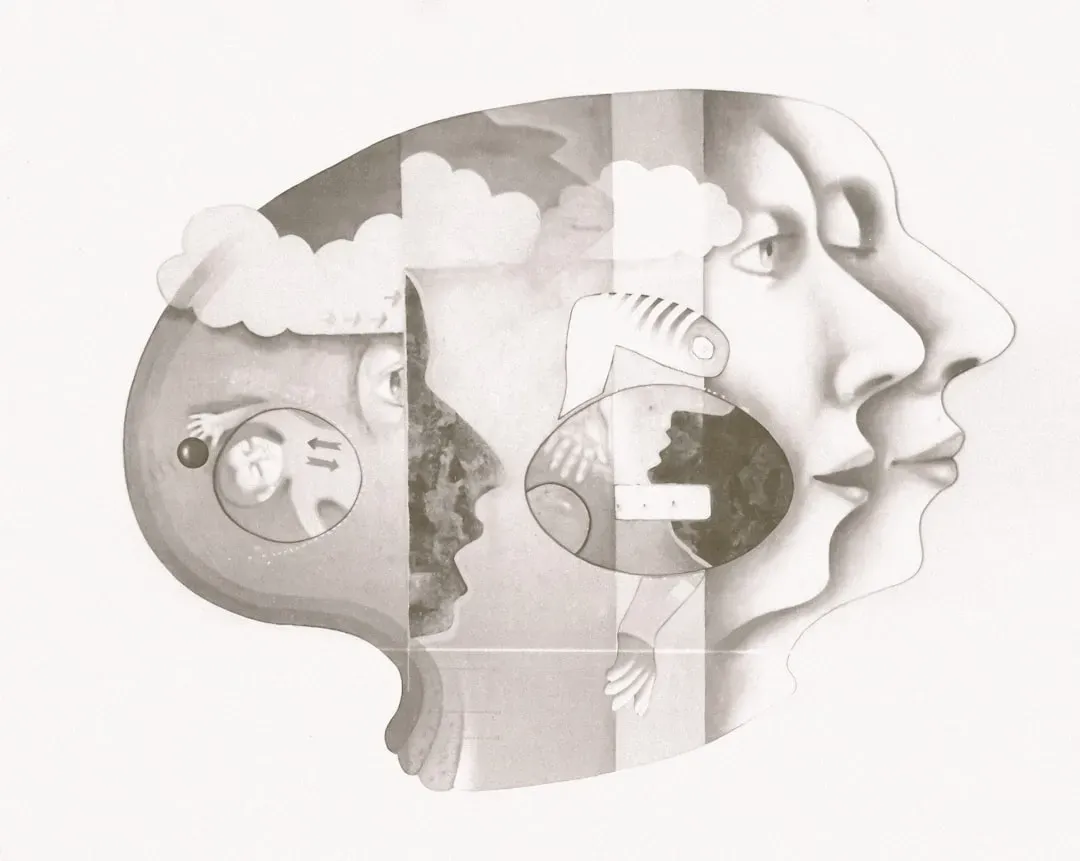
Your brain is also a pattern-detection machine, and once it has a story about “us” and “them,” it starts seeing evidence everywhere that confirms it. If you believe your group is more hardworking, you will notice every example that fits that story and quietly ignore the many counterexamples. If you believe another group is disrespectful or dangerous, you will remember every incident that seems to prove it and forget the times they were kind, ordinary, or helpful.
This is how normal cognitive biases turn into fuel for division. You overestimate how different “they” are from you and underestimate how varied and complicated your own side really is. You might catch yourself saying things like “they always do this” or “they are all like that,” even when you logically know no group is that uniform. Your brain is taking shortcuts again, creating a simple story that feels satisfying, but does not really match reality.
The Emotional Payoff of Belonging to “Us”

There is also a softer, emotional side to all of this. Being part of an “us” feels good. You get a sense of belonging, shared identity, and mutual support. Whether it is your favorite sports team, your profession, a religious community, or an online fandom, you probably feel grounded when you are surrounded by “your people.” That feeling is powerful enough that you might adjust your opinions, clothes, or even your values just to stay in sync with the group.
But there is a hidden cost: sometimes loyalty to “us” quietly encourages you to see “them” as less worthy of empathy or fairness. You may not say it out loud, but you might feel a little thrill when “your side” wins and the other side loses, even if the issue is serious and affects real lives. When your identity gets tightly wrapped up in your group, it becomes harder to consider that another group might have valid points too. It can feel like any concession is a betrayal, not just a shift in perspective.
How You Can Catch Your Own “Us vs. Them” Reflex

You cannot switch off this wiring, but you can learn to spot it as it shows up in real time. Start by noticing when you use broad labels in your own thoughts: “those people,” “that crowd,” “they are all like this.” Ask yourself what you are assuming without evidence and whether you would judge someone from your in-group the same way. Often, you will realize you are holding outsiders to harsher standards than insiders without even intending to.
Another simple move is to humanize individuals from groups you tend to see as “them.” When you catch yourself flattening a whole group into one caricature, pause and picture a specific person from that group with a complex life, mixed motives, and personal struggles, just like you. This does not mean you have to agree with them or excuse harmful behavior. It just means you are refusing to let your brain reduce them to a one-dimensional symbol of “the other.”
Turning an Ancient Instinct Into Modern Wisdom

You will probably always feel some pull toward “your” people; that is part of being human. The skill you can build is choosing what you do with that feeling. Instead of letting your tribal reflex decide who deserves respect, you can treat it as a signal to slow down. When you notice an argument turning into “our side versus their side,” you can ask better questions: What might I be missing? How would this look if I were on the other team? What actual evidence do I have?
In a way, you are parenting your own brain. The ancient part of you wants quick answers and clear lines: safe versus unsafe, friend versus foe. The wiser, more reflective part of you can say, “Thanks for the warning, but I am going to look a bit closer.” That is how you honor the survival tools your ancestors passed down without letting them run your life in a world that is far more connected, complicated, and interdependent than anything they could have imagined.
Conclusion: Noticing the Line So You Can Cross It
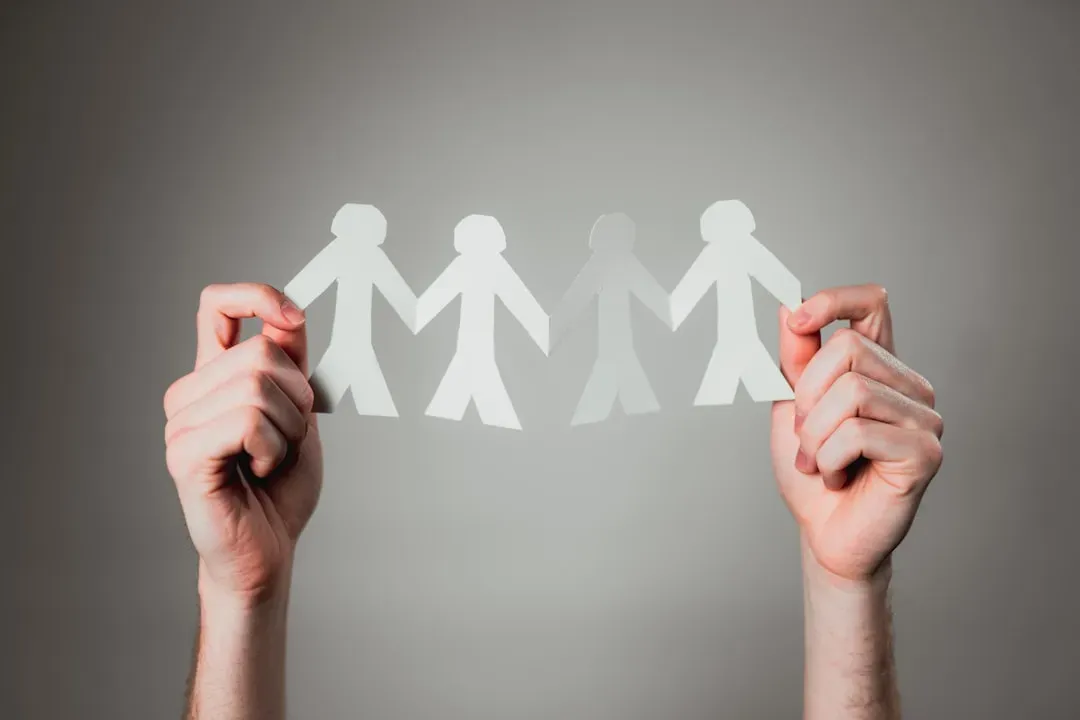
When you understand how deeply rooted “us versus them” really is, you stop treating it as a personal defect and start seeing it as an old script your brain keeps trying to run. You did not choose this wiring, but you can choose how consciously you respond to it. Every time you question a snap judgment or look for the full story behind a stereotype, you are quietly rewriting that script in a more humane direction.
You will still feel loyalty, pride, and connection to your own groups, and that is perfectly normal. The shift happens when your sense of “us” gets big enough to recognize that “they” are also fully human, with fears, hopes, and contradictions that look a lot like your own. The habit may have ancient roots, but your awareness of it is very modern – and that awareness is what lets you ask, in each moment, whether the line you are drawing actually needs to exist at all. When you notice your brain whispering “us” and “them,” what are you going to do with that knowledge?