
You probably grew up thinking history moves in a straight, sensible line: stone tools, bronze weapons, iron, printing presses, smartphones. Then you stumble across an artifact that seems to whisper, “Your timeline is wrong.” That’s the unsettling magic of so‑called “out‑of‑place” discoveries: they show up where they shouldn’t, when they shouldn’t, and they force you to look again at what you thought you knew. In this article, you’re going to walk through nine famous finds that have been claimed to be in the wrong place or the wrong time. Some of them genuinely stretch your assumptions about ancient technology. Others turned out to be less mysterious once the hype died down. But taken together, they teach you how to love the mystery without abandoning evidence and common sense.
1. The Antikythera Mechanism: A Mechanical Brain Lost for Two Millennia
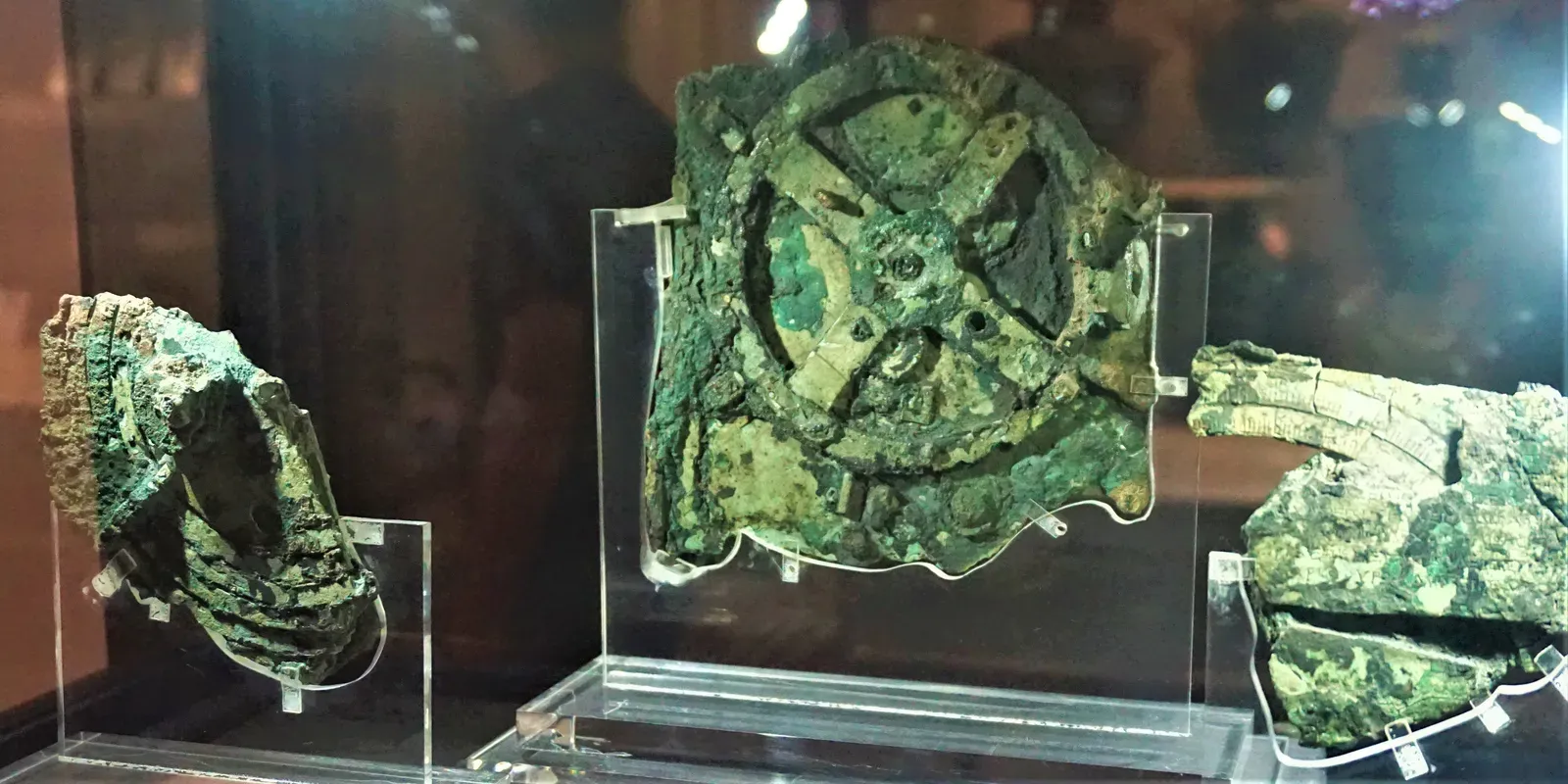
If you could pick up one ancient object that feels like it fell through a time portal, you’d probably choose the Antikythera mechanism. You’re looking at a corroded lump of bronze, pulled in 1901 from a Roman‑era shipwreck off a tiny Greek island, and yet inside that lump are finely cut gears that once predicted eclipses, tracked the movements of the Sun and Moon, and even followed cycles of ancient games. Modern research shows it was built in the second century BCE and functioned as a kind of hand‑cranked analogue computer, centuries before similar complexity appears again in surviving European machines. What makes it feel “wrong” is not that the Greeks were incapable of this level of engineering, but that you only have this one fragile survivor hinting at a whole lost tradition of precision devices. X‑ray imaging has revealed over 30 interlocking bronze gears and inscriptions that act almost like an instruction manual, showing you that whoever built it understood astronomy, mathematics, and metalworking at a very high level. When you turn this over in your mind, you realize the real shock is not that such a device existed, but how much vanished knowledge you’re probably never going to see.
2. The Baghdad “Battery”: Ancient Power Source or Misunderstood Jar?
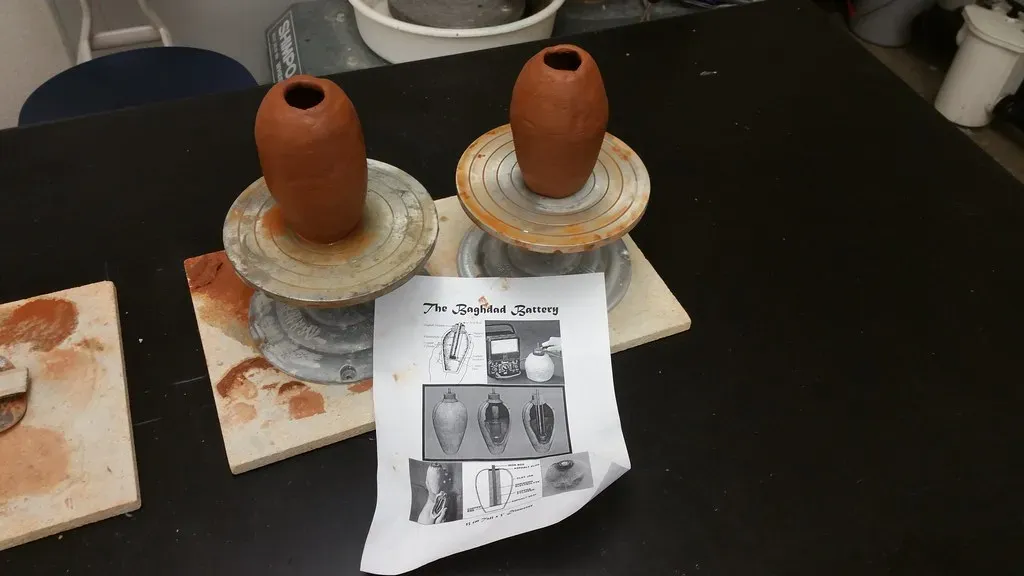
You’ve probably seen breathless claims that people in ancient Mesopotamia had working electric batteries two thousand years before modern science. Those stories trace back to a small set of objects from near modern Baghdad: clay jars with a copper cylinder and an iron rod, dating roughly to the early centuries CE. When modern experimenters filled replicas with acid or vinegar, they could produce a small electrical current, and suddenly the internet had “proof” that ancient people were electroplating treasures in secret laboratories. When you slow down and actually look at the evidence, the mystery changes shape. You don’t have any ancient texts describing these jars as power sources, no depictions of wires or lamps, and no firm archaeological context tying them to workshops that needed electricity. Some specialists suggest they were simple storage containers, possibly for scrolls or ritual objects, and that the “battery” performance is just a side effect of their materials. If you treat them as a neat laboratory curiosity rather than a sign of lost high‑tech civilizations, you can still appreciate what they are: a reminder that not every clever modern experiment tells you what an ancient person actually did.
3. The Piri Reis Map: Old World Eyes on a New World
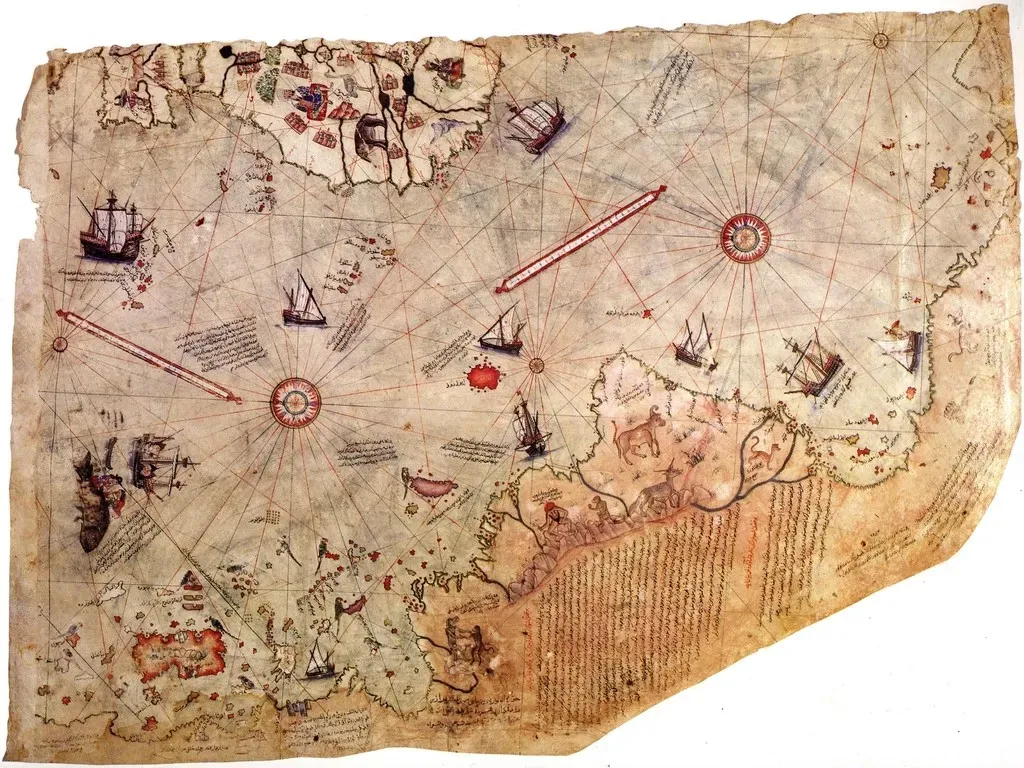
Imagine unrolling a sixteenth‑century map and seeing, in faded ink, parts of South America drawn decades after Columbus but based on sources you no longer have. That is what you meet in the famous world map created in 1513 by the Ottoman admiral and cartographer Piri Reis. Only about one third of the gazelle‑skin parchment survives, yet in that fragment you can trace coastlines of western Europe, North Africa, and the newly encountered Americas drawn with remarkable accuracy for such an early date. You’ve likely heard wild claims that this map shows Antarctica ice‑free or proves contact with lost Atlantean surveyors. When you check the details, those claims fall apart: the southern shapes are more realistically understood as imaginative extensions of South America combined with mythic islands, and Piri himself wrote that he used Portuguese and Spanish charts, including one that he believed came from Columbus. What makes this map feel “out of place” is not aliens or forgotten continents; it’s the unsettling realization that large parts of the early mapping record have simply disappeared, leaving you with a brilliant composite whose sources you can only partly reconstruct.
4. The London Hammer: A Modern Tool Trapped in Ancient Stone?
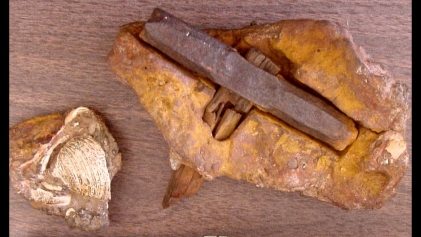
Few objects scream “wrong time” as loudly on first glance as the London hammer: an iron and wood hammer seemingly emerging from a chunk of rock near London, Texas, found in the 1930s. At first sight, it looks like a modern tool that somehow ended up sealed in stone supposedly many millions of years old. If you only see photos and captions, your mind leaps to time travel, ancient advanced miners, or at least a broken science textbook. When you examine it with a cooler head, the story shrinks into something far more ordinary and, in its way, more interesting. Geologists point out that the “rock” encasing the hammer is not solid, untouched ancient bedrock, but a concretion: relatively recent minerals that hardened around the object, much like seashells or bottles can become cemented into beach rock within decades. The hammer itself matches nineteenth‑century American tools in style and material. Once you understand that the stone is younger than the layers it formed on, the mystery evaporates – and you’re left with a case study in how easily your brain can be fooled by appearances and poorly explained photographs.
5. Roman Coins and Artifacts Far from Rome’s Comfort Zone
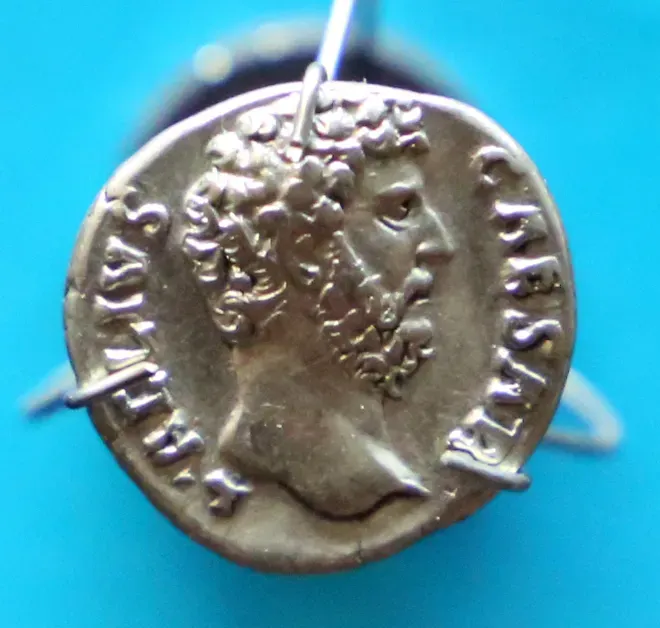
Every so often you hear about Roman coins turning up in places where the legions never marched: a coin in Japan, a handful in India, a stray piece in Scandinavia or even North America. Standing in front of one of these coins in a museum case, you might feel like you’re seeing a tear in the historical map, as if some lone Roman traveler walked thousands of miles beyond the documented frontiers and dropped change along the way. It is exactly the kind of find that tempts you into spinning grand stories from very small objects. But when you place these discoveries side by side and ask hard questions, you see more grounded explanations. Trade networks in the ancient world were vast and messy, and a coin could travel through many hands as a curiosity, a scrap of metal, or a charm long after it stopped functioning as money. Modern collecting and site disturbance can also move artifacts far from their original resting places. So when a single Roman coin appears in an otherwise non‑Roman layer, you should be cautious about rewriting the map. The real lesson for you is that objects wander much more easily than cultures do, and you need patterns, not isolated surprises, before you redraw history.
6. The Kensington Runestone: Viking Saga or Pioneer‑Era Storytelling?
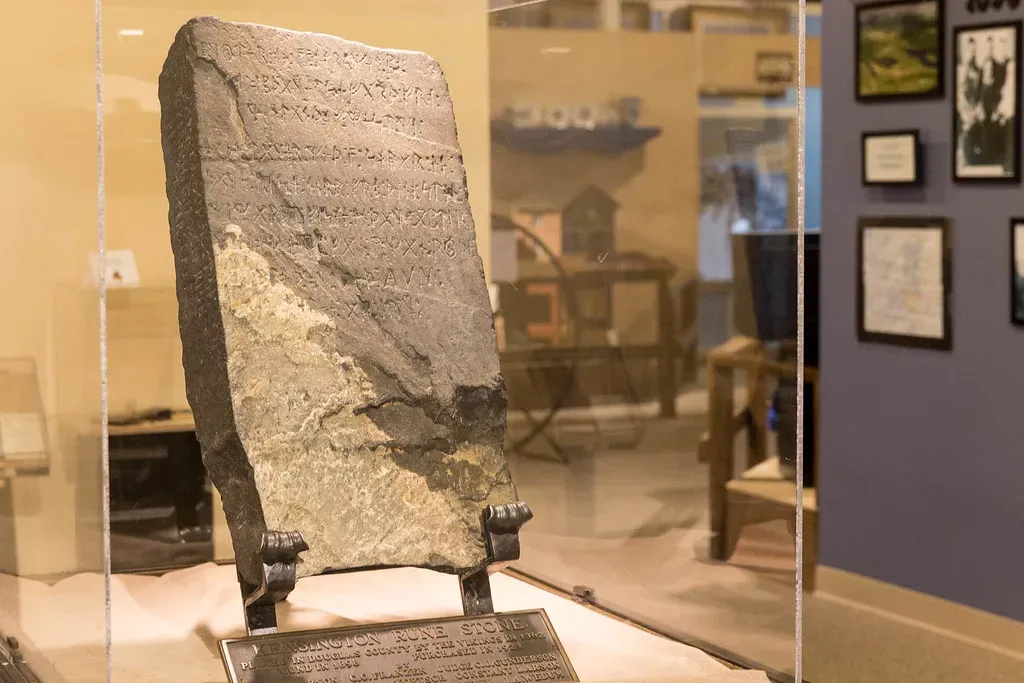
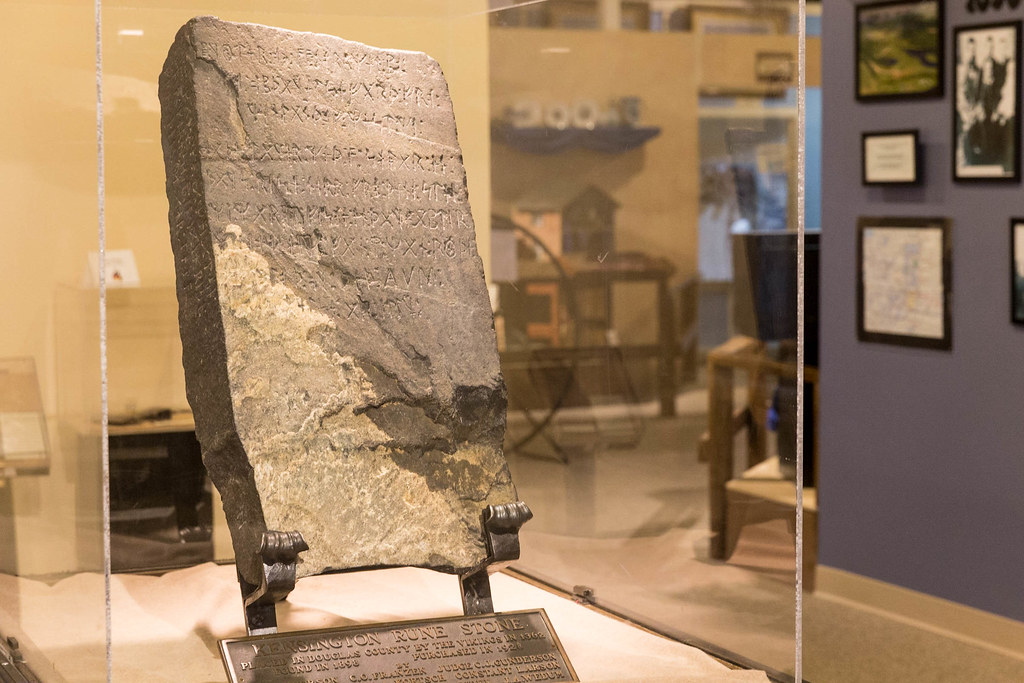
Picture yourself as a farmer in Minnesota in the late nineteenth century, clearing land and finding a large stone covered in runes that seem to tell of Norse explorers traveling deep into the interior of North America in the fourteenth century. That is the origin story of the Kensington Runestone, an inscribed slab said to date to 1362 that, if genuine, would push Viking exploration far beyond the well‑documented sites in Newfoundland. To someone eager for local legends, it feels like proof that history reached your backyard long before the official narrative says it did. Yet when linguists and historians got to work, the cracks started to show. The language on the stone uses features and spelling that look much more like nineteenth‑century Scandinavian than medieval usage, and the runic forms also line up suspiciously well with what an educated Scandinavian American of that time might have seen in books. Geological weathering studies have struggled to support a medieval date. You’re left with a possibility that is much less romantic but still very human: an earnest or playful attempt in the 1800s to link local identity to Viking heritage. Instead of rewriting the history of Norse exploration, the runestone now mostly tells you about how powerful the desire for epic ancestors can be.
7. The Vinland Map: A World Map That Almost Rewrote the Textbooks
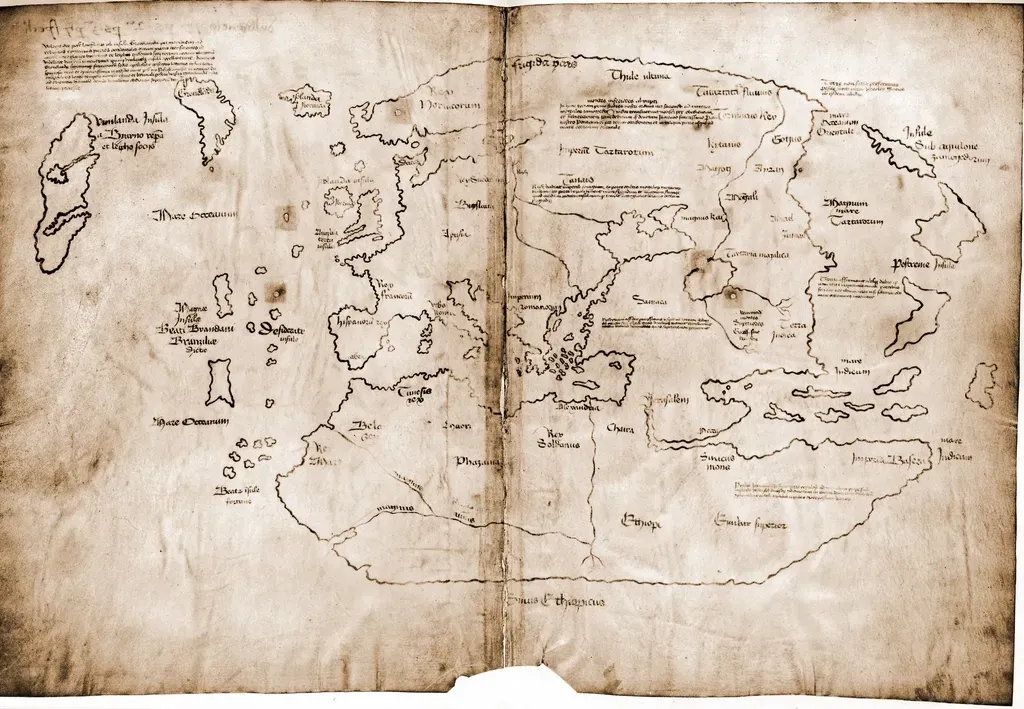
When the Vinland Map surfaced in the mid‑twentieth century, it looked like the ultimate out‑of‑place document: a medieval world map that appeared to show part of North America labeled as Vinland, suggesting that Europeans had charted western lands decades before Columbus. If it were authentic, you could imagine yourself turning a page and watching entire school curricula scrambling to catch up. For years, museums and scholars wrestled with the possibility that this might be a fragile window into pre‑Columbian transatlantic knowledge. But as scientific techniques improved, so did your ability to test such claims. Analyses of the map’s ink revealed modern compounds inconsistent with medieval materials, and the parchment itself likely came from an older, reused sheet that someone may have drawn on centuries later. Historical comparison showed that the map’s coastlines echoed much later cartographic conventions. Gradually, the consensus solidified that the Vinland Map is a modern forgery created to look ancient, probably in the twentieth century. For you, it becomes a cautionary tale: even experts can be tempted by artifacts that confirm a dramatic story, and the best defense is patient, boring, methodical checking.
8. Fossil Footprints and the Temptation to Rewrite Human Origins
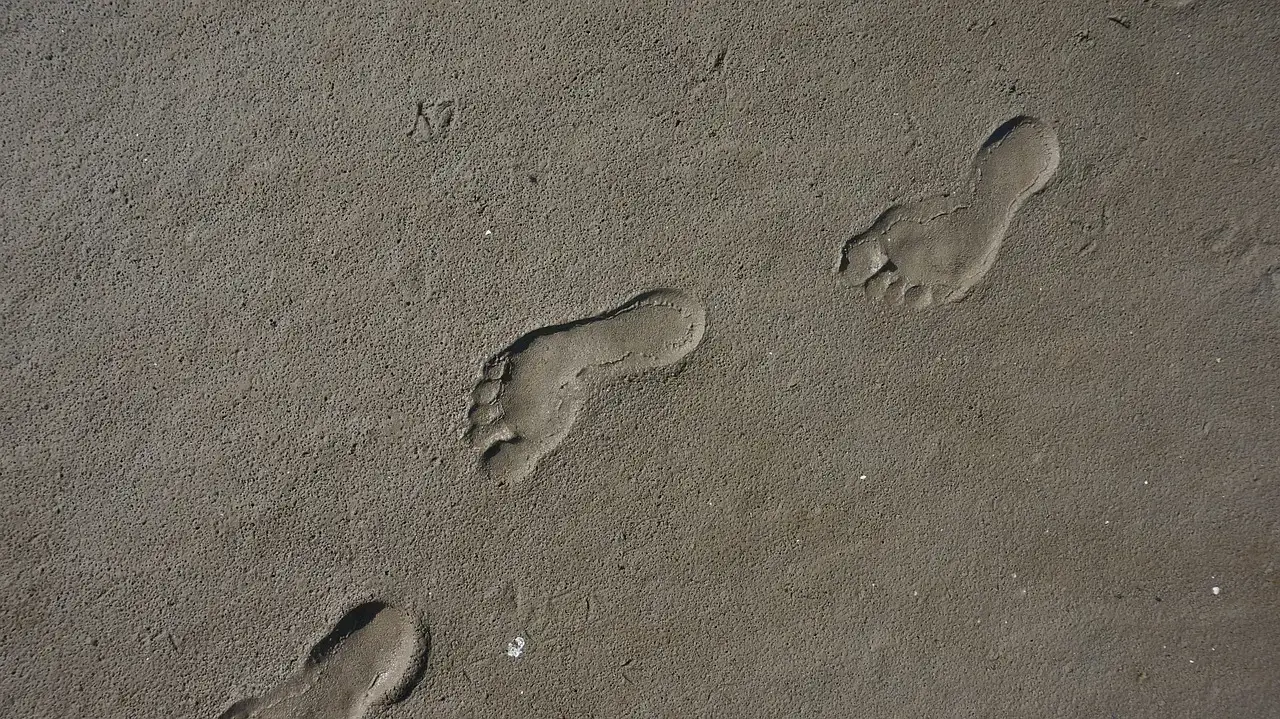
Every decade or so, a headline bursts out claiming that human footprints have been found in rock layers supposedly millions of years old, right alongside dinosaur tracks or ancient sediments. If you only read the headline, you might feel like evolution and geology just got tossed out the window. These impressions show up in places like the Paluxy River in Texas, where erosional shapes and overlapping prints can create the illusion of human tracks walking with dinosaurs. When you dig into the actual fieldwork, the story becomes more grounded. Many alleged “human” prints turn out to be eroded dinosaur tracks, natural rock features, or even deliberate carvings meant to attract tourists. In other cases, the age of the sediment has been misunderstood, and later markings have been misread as ancient. What you learn from these episodes is less about people and dinosaurs, and more about how eager you can be to see familiar shapes in random patterns. It nudges you to balance imagination with humility, especially when a discovery seems perfectly tuned to support a particular worldview.
9. Nazca’s Imported Oddities: Objects That Traveled Further Than You’d Expect
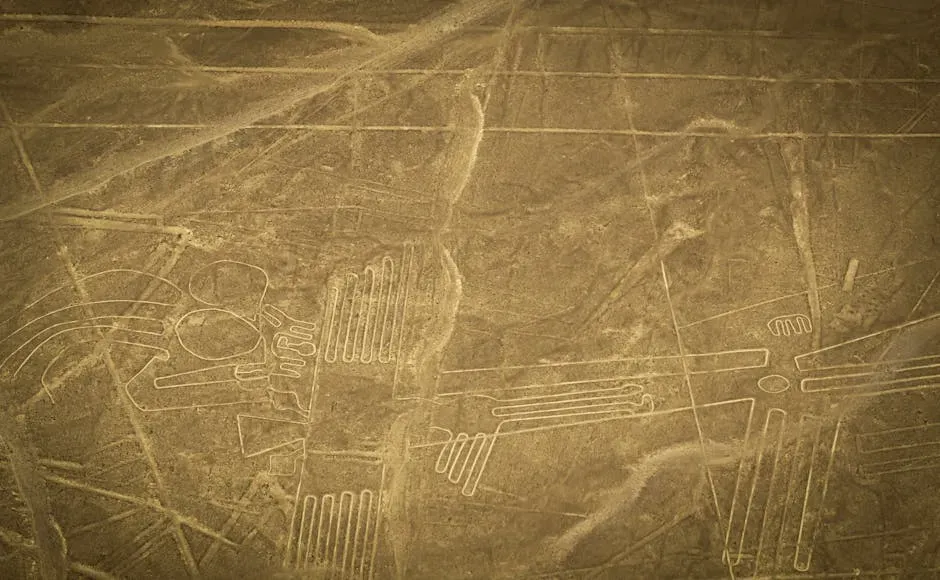
When you look at the Nazca culture in coastal Peru, you usually think of desert lines and geoglyphs, not far‑flung artifacts. Yet archaeologists working there and in other pre‑Columbian sites sometimes uncover materials that clearly came from far away: exotic shells in the highlands, metals from distant regions, or stylistic influences that hint at long‑distance exchange before European contact. To someone used to thinking of pre‑modern societies as isolated, these items can feel like they are in the wrong place and the wrong time. Once you set these finds against the bigger picture, though, they stop being anomalies and start becoming evidence of trade routes you may have underestimated. People in the ancient Andes moved goods and ideas across impressive distances, using routes that linked coasts, mountains, and forests in complex webs. When you see a “foreign” object in a Nazca burial, you are not necessarily catching a civilization out of time; you are often catching a snapshot of a busy network of exchanges. That realization pushes you to replace the image of small, sealed cultures with one of constant movement, curiosity, and contact.
Conclusion: Loving the Mystery Without Losing Your Balance
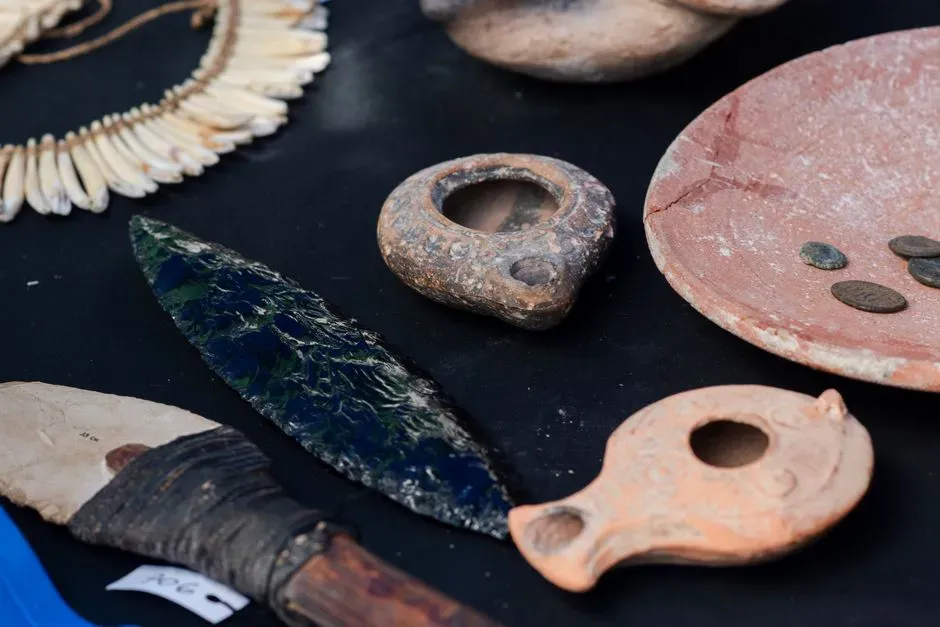
If you step back from these nine cases, a pattern emerges that’s more satisfying than any single sensational explanation. Some objects, like the Antikythera mechanism or the Piri Reis map, really do show you that ancient people sometimes pushed technology and knowledge further than your textbooks casually admit. Others, like the London hammer or the Vinland Map, shrink under scrutiny and turn out to be modern intrusions, misinterpretations, or outright fakes that say more about recent hopes and fears than about deep history. The real skill you gain from looking at “wrong place, wrong time” finds is a kind of double vision: you learn to stay open to genuine surprises while also demanding careful evidence before you overhaul your understanding of the past. You start to see artifacts not as isolated miracles, but as pieces in a much bigger and messier puzzle of human creativity, trade, belief, and error. And once you feel that, you may find yourself asking a better question every time a new wonder hits the news: not just “Could this change everything?” but “What, exactly, does this really tell you about how people once lived, imagined, and made sense of their world?”