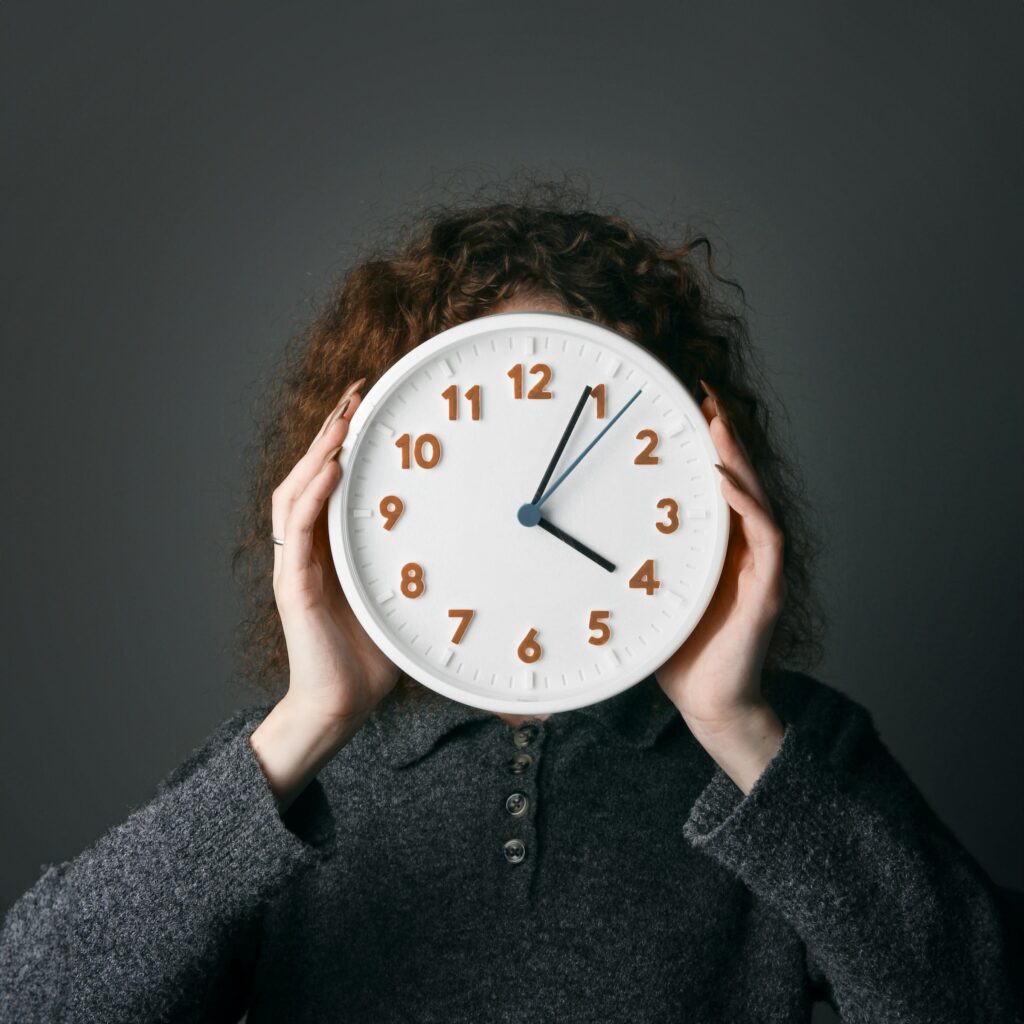
There’s a moment, usually somewhere in adulthood, when you catch yourself saying something you once heard from older relatives: the years are flying by. Summers feel shorter, holidays arrive faster, and entire decades somehow blur together. It doesn’t just feel strange – it can feel a little unsettling, like you’re losing your grip on your own life as it rushes past.
Psychologists will tell you: you’re not imagining it. The sense that time speeds up with age is a genuine cognitive effect, shaped by how your brain processes memory, attention, novelty, and emotion. When you understand what’s going on under the hood, you can start to gently bend your experience of time back in your favor – not by stopping the clock, but by changing how fully you live inside it.
Why Your Childhood Felt Endless and Adulthood Feels Like a Blur

Think back to when you were a kid: a single school year felt like an era, and summer vacation seemed to stretch on forever. One major reason is that almost everything was new to you, from your first day at school to your first time riding a bike. Your brain had to work hard to process these fresh experiences, laying down rich, detailed memories that later made those years feel long and packed.
Now compare that to adult life, where many days look similar: same commute, same office, same routines. When your days repeat, your brain doesn’t bother to store as many vivid details, because it has seen versions of them before. Looking back, those months and years compress into a smooth, fast-moving timeline, and you get the eerie sense that time has somehow accelerated, even though the clock has not changed at all.
The Brain’s “Compression” Trick: How Memory Distorts Time
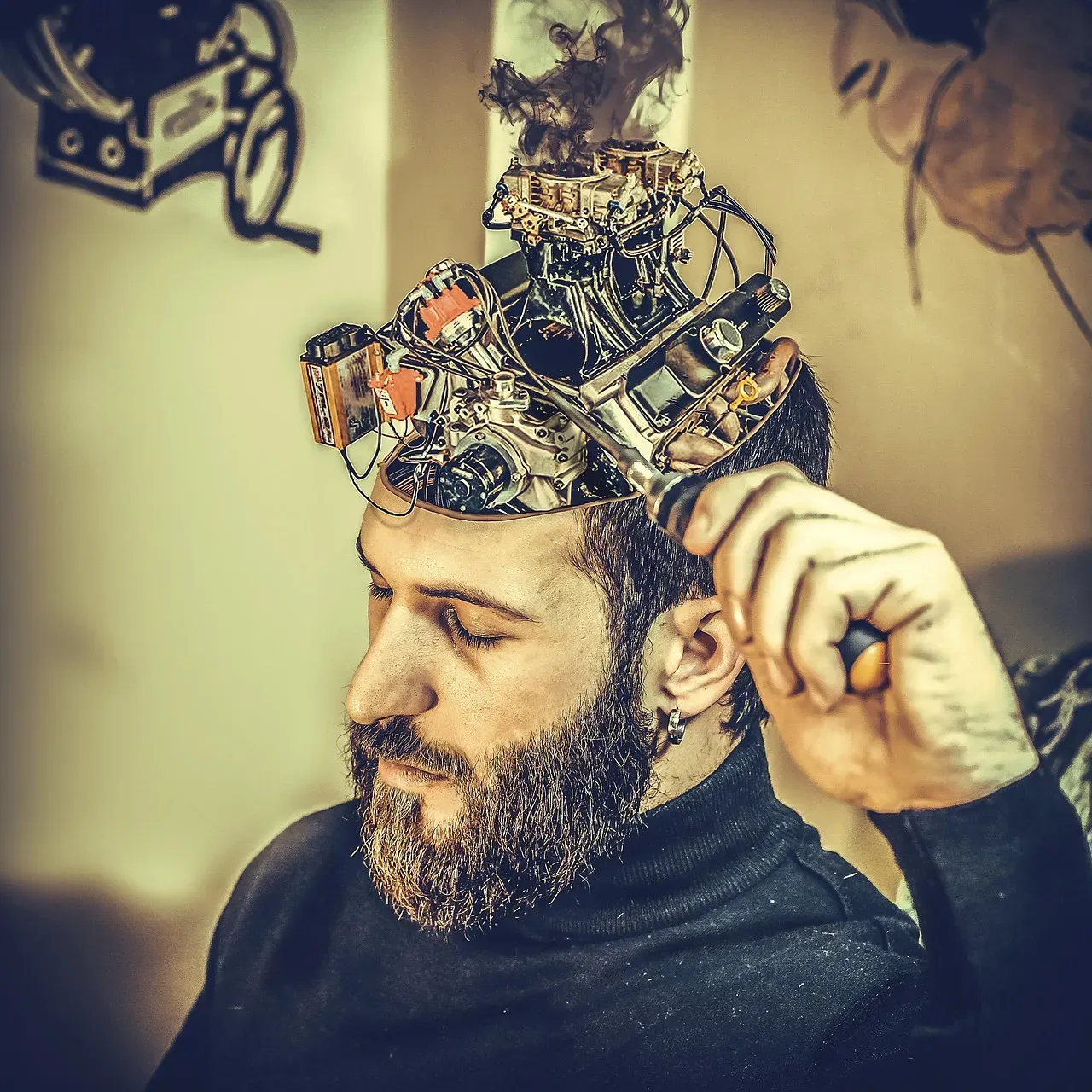
When you say time is flying, you’re usually not talking about the present moment; you’re talking about how a chunk of your past feels when you look back at it. Your brain does not store time like a calendar – it stores experiences, and then reconstructs time from the density of those memories. More unique, emotionally charged experiences mean thicker, more spacious-feeling stretches of life when you remember them later.
If your days are filled with very similar tasks, your memory compresses them into a compact narrative. Instead of dozens of separate, colorful episodes, you get a vague sense that you “worked a lot,” “were busy,” or “had a hectic year.” That compression makes the span feel dramatically shorter in hindsight. The result is that even if a year was exhausting, it can still feel like it flew by simply because your memory has smoothed it into a thin slice.
Novelty: The Secret Ingredient That Stretches Your Sense of Time
One of the strongest levers you have over your experience of time is novelty. When you travel somewhere new, start a hobby you’ve never tried, or meet a completely different group of people, you feel more vividly present. Your brain shifts into learning mode, taking in sights, sounds, and details you’re not used to, and that extra processing makes the moments feel richer and longer, both while they happen and afterward.
Contrast that with a long streak of identical workdays, where you might barely remember what happened last Wednesday because it looked exactly like the Wednesday before. When your life lacks novelty, your perception of time collapses, and entire periods feel like a fast-forward montage. By deliberately sprinkling new experiences into your routine – even small ones, like trying a new route home or cooking a cuisine you’ve never made – you can slow down your felt sense of time without changing the number of hours in a day.
How Attention and Distraction Quietly Steal Your Days
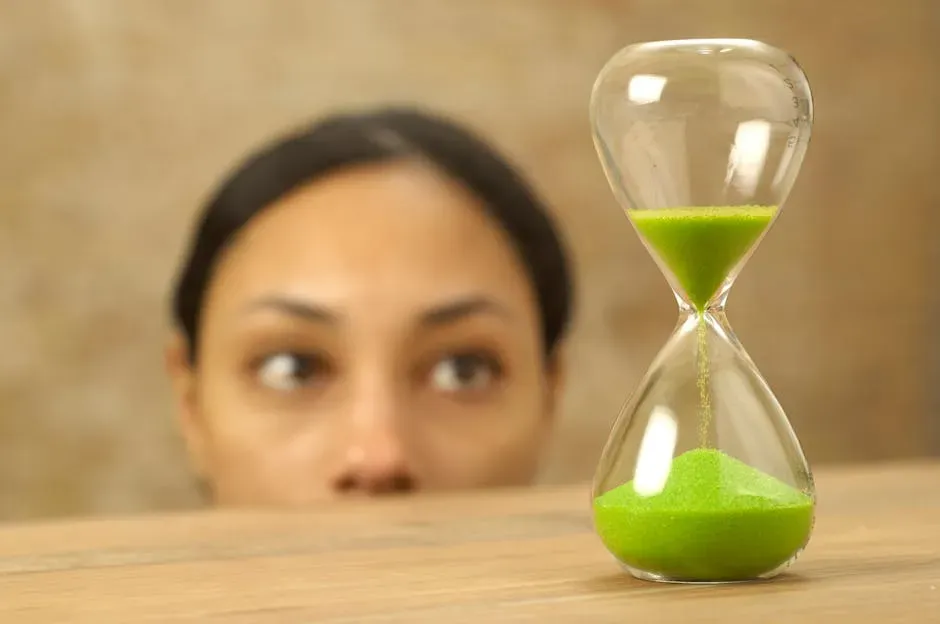
Your perception of time is also shaped by where your attention goes. When you’re deeply engaged in something meaningful or challenging, you often get lost in what you’re doing; the clock might seem to move fast in the moment, but later you remember the experience as rich and substantial. That engaged focus leads to stronger memories, which stretch out your sense of how full that day or week really was.
On the flip side, when you drift through hours on autopilot – scrolling your phone, half-watching a show, or multitasking your way through tasks you barely care about – your attention fragments. You may feel restless and bored in the moment, but your brain doesn’t bother encoding much detail. Later, those hours practically disappear from your mental timeline, leaving you with the unsettling impression that the day evaporated and you have little to show for it.
The Proportional Theory: Why Each Year Feels Smaller Than the Last
Another reason time seems to accelerate as you age is surprisingly simple: proportion. When you were five, one year was a huge slice of your life – a full fifth of everything you had ever experienced. Now, if you are forty, one year is just a small fraction of all your years, so it naturally feels shorter relative to your entire life story.
Your brain unconsciously compares new durations to all the time you’ve already lived. Each passing birthday makes a year a smaller piece of the pie, so it feels like it slips by faster. You can’t change this basic math, but you can change how you respond to it. Instead of treating years as shrinking units, you can fill each one with enough depth and variety that it stands out in your memory instead of fading into the background.
The Role of Emotion: Why Highs and Lows Stretch Time

Emotion acts like a highlighter for your sense of time. When you go through intense experiences – falling in love, starting a new job, losing someone important, facing a crisis – time can feel slower and heavier. In those moments, your brain pays closer attention, storing more detail: where you were, what you felt, what people said, even small sensory cues like smells or sounds.
More emotionally neutral stretches, even if they are busy, leave a much fainter mark. If you spend months feeling flat, detached, or mildly stressed but not deeply moved, those months can collapse into a blur when you look back. That is one reason big life transitions often feel like they lasted longer than the routine years between them. When you allow yourself to care deeply, even when it feels risky, you are also giving your life a thicker, more substantial sense of time.
How Routines Help You Cope – and Quietly Speed Up Your Life

Routines are not the enemy here; they protect your mental energy and keep your life stable. When you do certain things the same way every day, like brushing your teeth or following a regular morning ritual, your brain can run on autopilot for those tasks. That frees up focus for more important decisions, but it also means those routine moments barely leave a mark in memory.
The problem comes when routine quietly takes over almost everything. If your weeks are just endless copies of each other – same schedule, same places, same conversations – you may start to feel like your life is slipping past in fast-forward. The key is not to scrap your routines, but to punctuate them. When you deliberately insert pockets of novelty, learning, or connection into an otherwise stable structure, you get the best of both worlds: calm predictability plus a richer, slower-feeling life.
Practical Ways You Can Slow Down Your Experience of Time
You can’t change the length of a year, but you can absolutely change how long it feels in your memory. One powerful habit is to schedule at least one “memorable” activity each week – something that is new, meaningful, or emotionally engaging. It does not have to be dramatic; visiting a new park, inviting a friend you have not seen in a while, or taking a short class can be enough to give that week a distinct flavor in your mind.
Another practical move is to practice more deliberate attention. You might put your phone away during meals, really notice your surroundings on a walk, or take a few minutes each evening to quickly jot down what stood out about your day. These tiny acts of mindfulness help your brain encode more detail, which thickens your sense of time. Over months and years, you build a mental timeline filled with clear, memorable chapters instead of an indistinct blur.
Conclusion: You Can’t Stop the Clock, but You Can Change the Story
The strange feeling that time speeds up as you age is not a personal failing or a sign that you are doing life wrong. It is your brain doing what brains naturally do: compressing routine, highlighting novelty, and comparing each new year to all the ones that came before. When you understand that, you can trade a bit of anxiety for curiosity and start treating your sense of time as something you can influence, not just something that happens to you.
If you choose to seek more novelty, protect your attention, allow deeper emotions, and punctuate your routines with meaningful experiences, you give yourself a richer experience of the years you have. The calendar will still turn at the same pace, but your memory of your life will feel fuller, slower, and more alive. When you look back someday, would you rather remember a blur of similar days – or a series of vivid chapters that feel like they truly belonged to you?