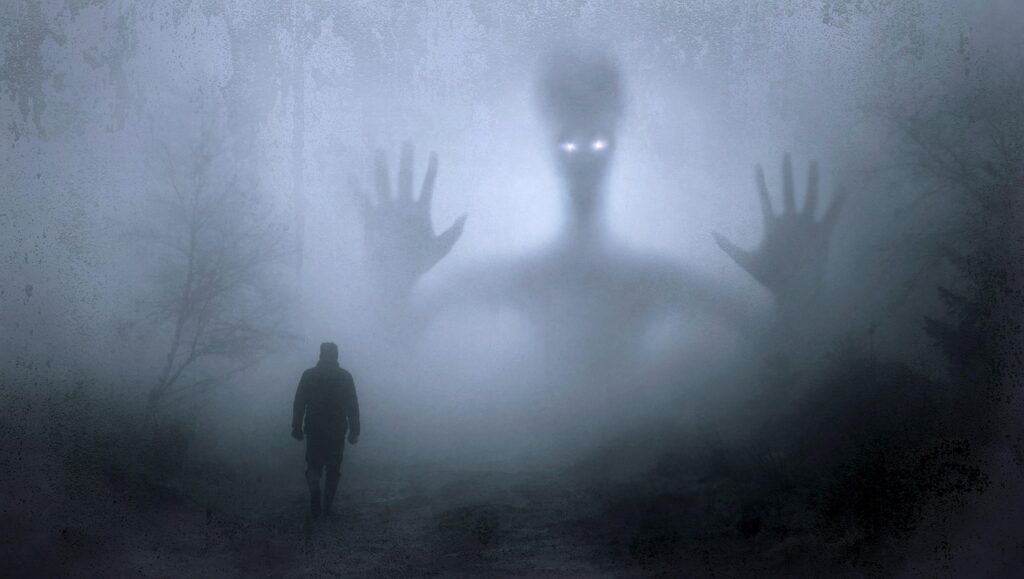
You know that cold prickle on the back of your neck when you swear someone’s right behind you, but nobody’s there? You might chalk it up to nerves, superstition, or a creepy room, but what is really happening is far more interesting. Your brain, for a split second, may be misreading your own body as if it belongs to someone else. In other words, that eerie “there’s someone behind me” feeling can be a glitch in how your brain tracks your body in space. You are not just imagining it in a vague way; your brain is briefly simulating a ghostly presence made from pieces of your own movements, posture, and expectations. Once you see it like that, the experience stops feeling like pure mystery and starts looking like a clever, if sometimes faulty, prediction engine at work.
The Strange Sensation of a Presence Behind You

You have probably had the experience: you are walking alone, doing chores, or working late, when a sudden conviction hits you that someone is standing right behind you. Your muscles tense, your shoulders rise, and you turn around faster than you would like to admit, only to find empty air. The feeling is vivid, almost physical, as if another body is invading your space. What is striking is how specific this sensation can be. It usually is not just a vague unease; you feel as if an “other” is close to the back of your body, almost sharing your posture or mirroring your stance. Even when your eyes confirm that nobody is there, your heartbeat may stay high for a while. Your senses settle only slowly, as if your nervous system needs a moment to rewrite reality.
How Your Brain Builds a Map of Your Body
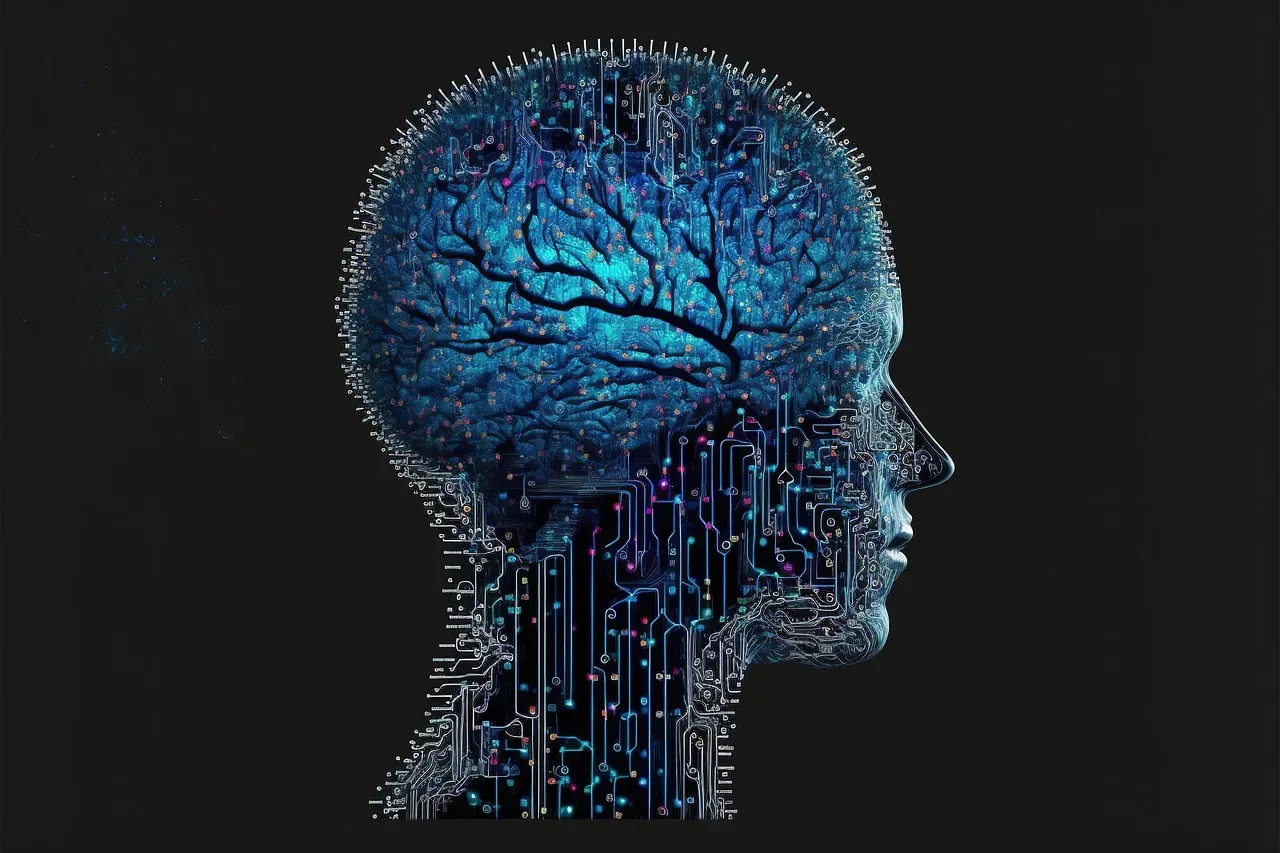
To understand this eerie feeling, you first need to know that your brain constantly maintains a detailed internal map of your body. This map, sometimes called a body schema, blends input from your skin, joints, muscles, inner ear, and vision to answer one basic question: where am I and what is me? You usually never notice it because it runs in the background like an operating system. You rely on this map for everything from catching a ball to walking through a doorway without smashing your shoulder. When this body map is accurate, your movements feel smooth, automatic, and natural. When it slips, even a little, you might feel clumsy, disoriented, or strangely detached from your own body. The feeling that someone is behind you seems to pop up in those brief moments when that internal map falters.
When the Brain Momentarily Loses Track of You

Sometimes your brain’s body map gets momentarily out of sync with incoming signals. That can happen when you are exhausted, stressed, anxious, in the dark, or in unfamiliar surroundings. It can also happen when your movements are delayed, distorted, or processed in an unusual way, such as with certain neurological conditions or intense sensory overload. In those split seconds, your brain is forced to guess what is going on. Because your brain hates uncertainty, it sometimes fills in the gap with a best guess that is slightly wrong. Instead of correctly attributing a movement or posture to you, it treats it as if it belongs to someone else close by. The result is a vivid sense of a “presence” that is spatially near your body, often right behind you, sharing your space but not quite matching your sense of self.
How Misreading Your Own Movements Creates a “Ghost”
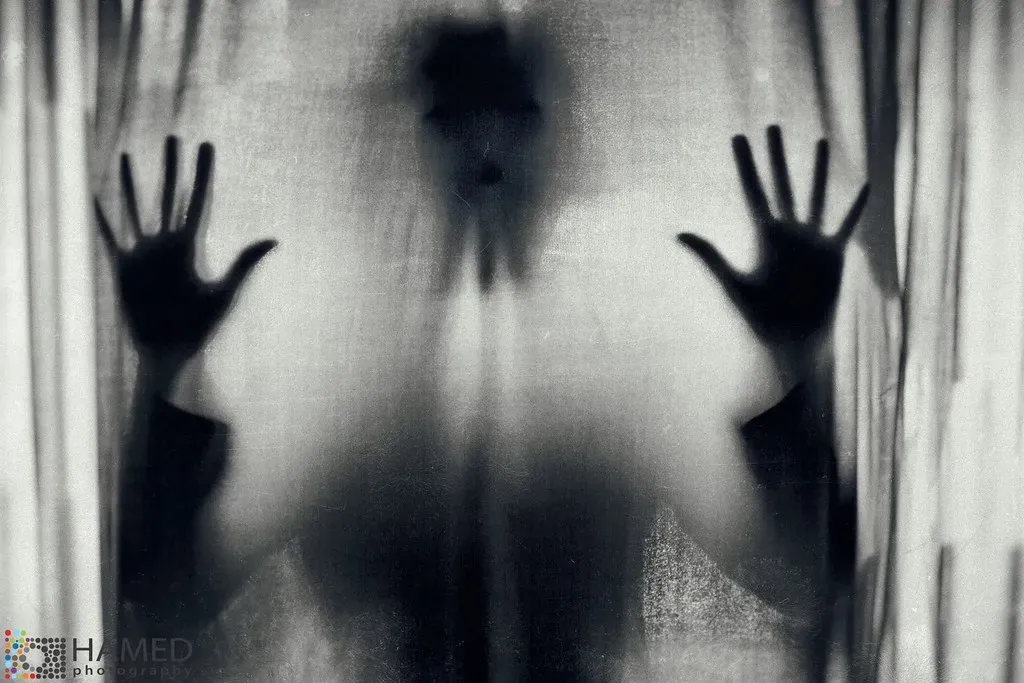
Imagine poking your own back with a finger while someone else gently taps your shoulder a beat out of sync. If the timing and position are mismatched just right, your brain can struggle to tie the sensation to your own finger. In some experimental setups, people actually report feeling as though another person is touching them, even when they know they are doing it themselves. Your brain, misled by timing and space, creates a phantom other. Now stretch that idea to your whole posture and movement. If your brain receives signals from your muscles, joints, and skin that it cannot neatly assign to “me,” it may interpret them as belonging to a second body located just behind you. You still feel the pressure, the sense of position, and the outline of a figure, but your sense of ownership has slipped. What you are really feeling is yourself, reframed as an external presence.
Why Darkness, Stress, and Loneliness Make It Worse

You are much more likely to feel a presence behind you when you are alone, in the dark, or under pressure. In low light, your visual system provides fewer reliable cues about what is around you, so your brain leans more heavily on internal predictions and bodily sensations. When that happens, any weird or ambiguous signal from your body map has more weight and can be misread as something external. Stress and anxiety narrow your attention and prime you for threats. Your brain becomes biased toward detecting danger, especially social or physical threats, like someone following you. In that heightened state, if your internal body signals wobble even slightly, your brain is quick to construct the story that someone is near. It is not trying to scare you on purpose; it is trying to keep you safe by erring on the side of caution, even if that means conjuring a presence that is not really there.
What This Has to Do With Ghosts, Angels, and Haunted Places
You can probably see why this body-map glitch has been linked to reports of ghosts, spirits, or unseen companions. For centuries, people have described feeling a presence at their back during grief, isolation, or fear, often interpreting it through the lens of their culture or beliefs. From a psychological perspective, you are dealing with an ancient brain system that is extremely sensitive to bodies and social proximity, even when no one is around. When your internal sense of self blurs at the edges, that social detection system can treat parts of your own body as if they belong to a separate figure. You might interpret that figure as a loved one, a guardian, or something threatening, depending on your expectations and environment. The raw sensation is real and intense, but its cause may be much more about your brain’s internal housekeeping than about anything supernatural standing in the hallway.
When This Feeling Becomes Persistent or Distressing

For most people, the sense of someone behind them is occasional and fades quickly. You might shrug it off as a weird blip and move on. But for some, especially those dealing with certain neurological or psychiatric conditions, these presence sensations can become frequent, vivid, and deeply unsettling. They may occur along with other distortions in body awareness, such as feeling watched, followed, or touched by invisible agents. If you find that these experiences are recurring, frightening, or interfering with your daily life, it is worth taking them seriously. Talking with a mental health or medical professional can help you sort out whether they are tied to stress, sleep deprivation, trauma, or an underlying condition that affects how your brain integrates sensory signals. You are not “crazy” for feeling them; you are noticing the side effects of circuits that are working unusually hard to keep track of you.
How You Can Ground Yourself When the Feeling Hits

When you suddenly feel as though someone is behind you, one of the most helpful things you can do is anchor your awareness back into your body. You might deliberately move your shoulders, press your feet into the ground, or lightly touch your own arms while paying close attention to the sensations. By doing this, you feed your brain clear, synchronized information about what belongs to you and where you are in space. You can also use your surroundings to pull your nervous system out of that ambiguous zone. Turn slowly, scan the room with your eyes, notice colors, shapes, and sounds, and name a few objects around you. It sounds simple, but these small grounding moves give your brain enough reliable data to update its prediction and drop the phantom presence. Over time, this kind of practice can make the whole experience feel less mysterious and more manageable.
What This Teaches You About Your Own Mind
Once you understand that your brain can momentarily lose track of your own body and turn that confusion into the feeling of someone standing behind you, the whole thing becomes oddly empowering. You see that your sense of self is not a fixed object but a moving construction, constantly updated from second to second. It is a bit like watching the backstage of a theater and realizing how many people and props are needed to keep the illusion going. You might even notice other subtle ways your brain makes similar guesses: hearing your name in random noise, feeling your phone vibrate when it did not, or sensing someone staring at you when nobody is. All of these moments show you that your brain is a prediction machine, aiming to keep you safe and connected, sometimes at the cost of accuracy. The “presence behind you” feeling is one of the clearest windows you get into that hidden machinery.
In the end, that creepy sensation of someone standing at your back is not proof that you are haunted; it is proof that your brain cares deeply about where your body is and who is near it. When its tracking system slips for a moment, it would rather invent an invisible companion than leave you uncertain. Next time you feel that prickle, you can still turn around and check, but you might also quietly marvel at the strange, clever system inside you that is trying its best to keep up. Did you expect that one of your spookiest feelings could actually be a sign of your brain working overtime to protect you?