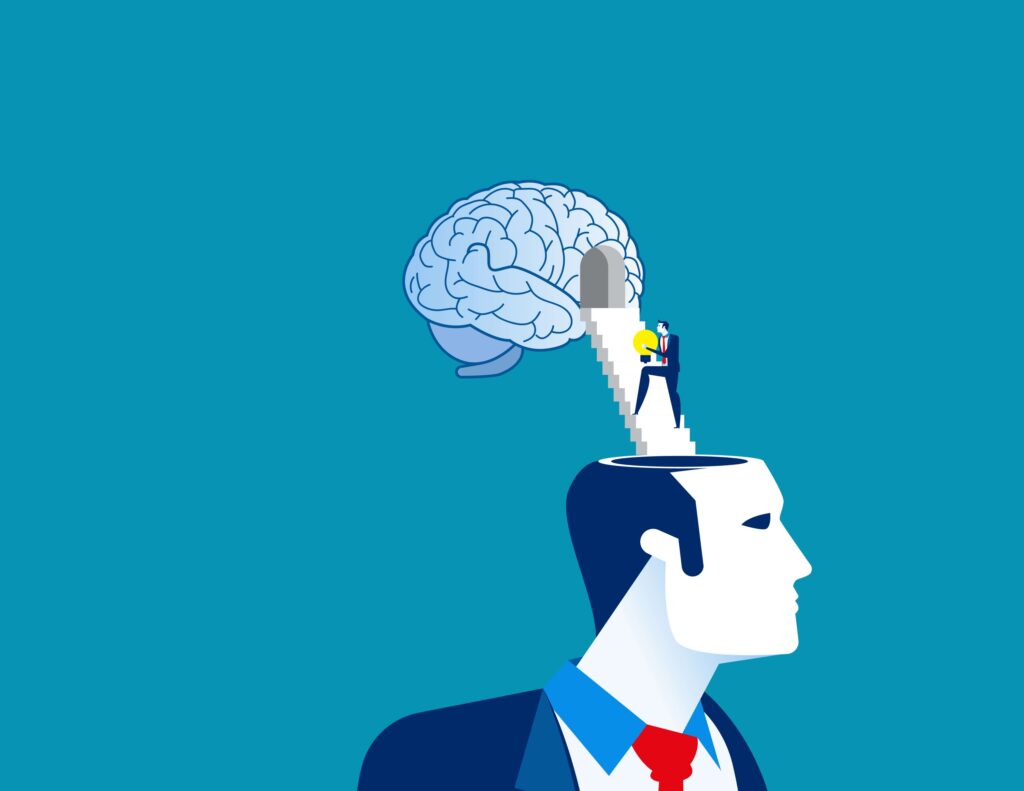
Imagine raising your hand and realizing your brain secretly kicked off that action before “you” decided anything. It sounds unsettling, almost like you are a passenger in your own life. Yet for decades, brain research has suggested exactly that: your neural circuits start preparing your choices milliseconds, sometimes seconds, before your conscious mind catches up.
This does not mean you are a helpless robot, but it does mean your everyday sense of “I chose this in the instant I felt like it” is far less accurate than you think. When you dig into what scientists have actually found, you start to see your decisions not as single moments, but as waves building beneath the surface of awareness until they finally break into consciousness.
How Scientists First Discovered Decisions Start Before Awareness
You might assume that first you decide, then your brain acts, and finally your body moves. The earliest experiments that challenged this picture measured three things at once: your brain activity, the moment you move (like flexing a wrist), and the instant you say you consciously decided to move. What surprised researchers was that a slow buildup of electrical activity in your motor regions started well before you reported deciding.
This buildup, sometimes called a readiness potential, begins hundreds of milliseconds before your conscious “I’m going to do it now” appears. In simple tasks where you are told to move whenever you feel like it, your brain ramps up toward action and only near the end of that ramp does your conscious mind seem to wake up and claim ownership. You feel like the author, but your neurons have already signed the contract.
Why “Before You Know It” Does Not Automatically Kill Free Will
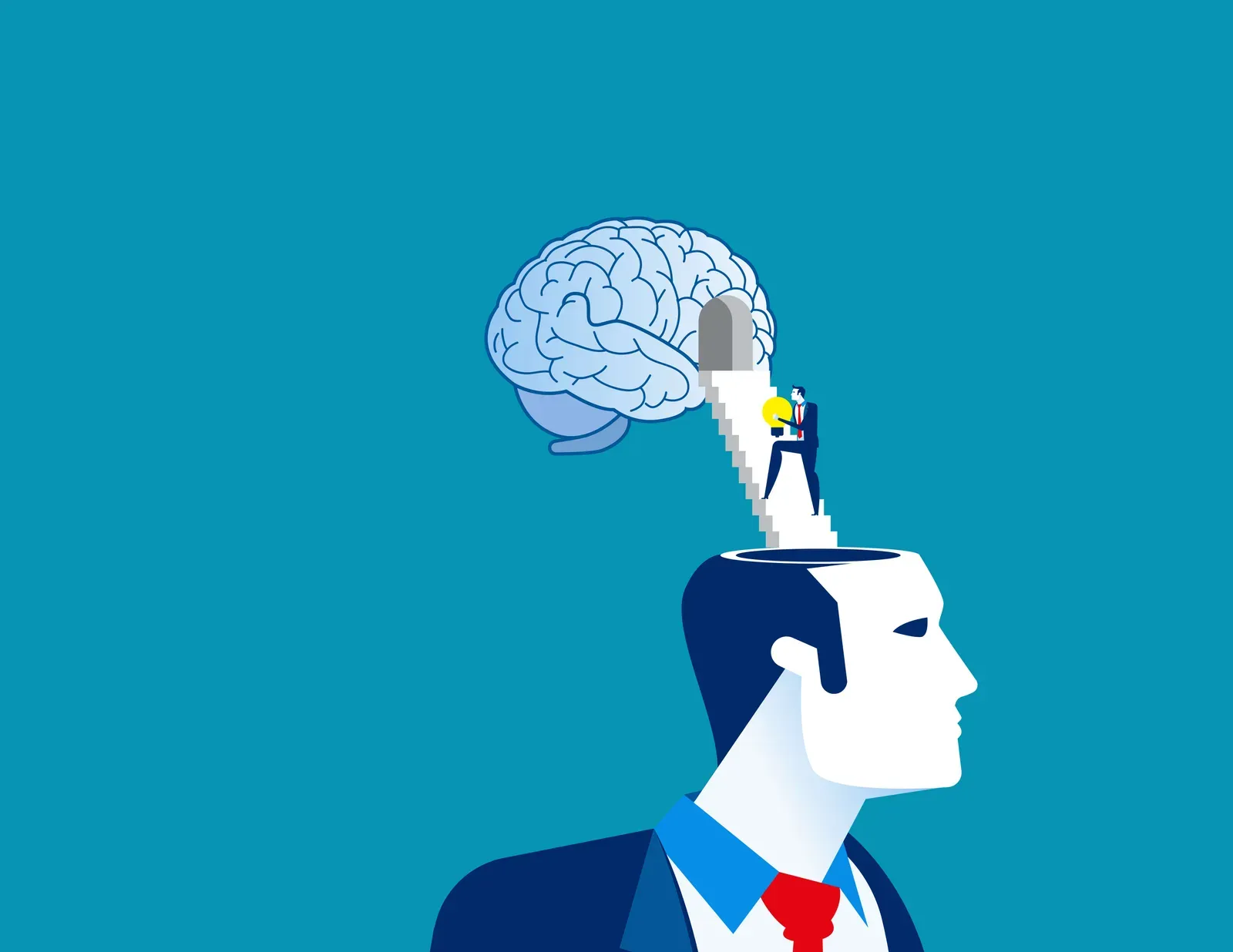
When you first hear that your brain starts decisions before you are aware, it is tempting to jump straight to “So I have no free will.” But those classic experiments usually involve trivial choices like flicking a finger at any random moment, which are about as meaningful as choosing which foot hits the next stair. Your brain automates this kind of stuff because it is efficient, not because you are secretly a puppet.
More complex decisions in your real life – who you date, whether you switch careers, how you respond in a heated argument – unfold over longer periods and involve memory, values, and reflection. Your brain is still doing the work, of course, but your conscious thinking, second-guessing, and planning are part of that neural process, not separate from it. Instead of free will vanishing, it shifts into something more like guided participation in a huge, ongoing brain conversation.
What Your Brain Is Quietly Doing in the Background
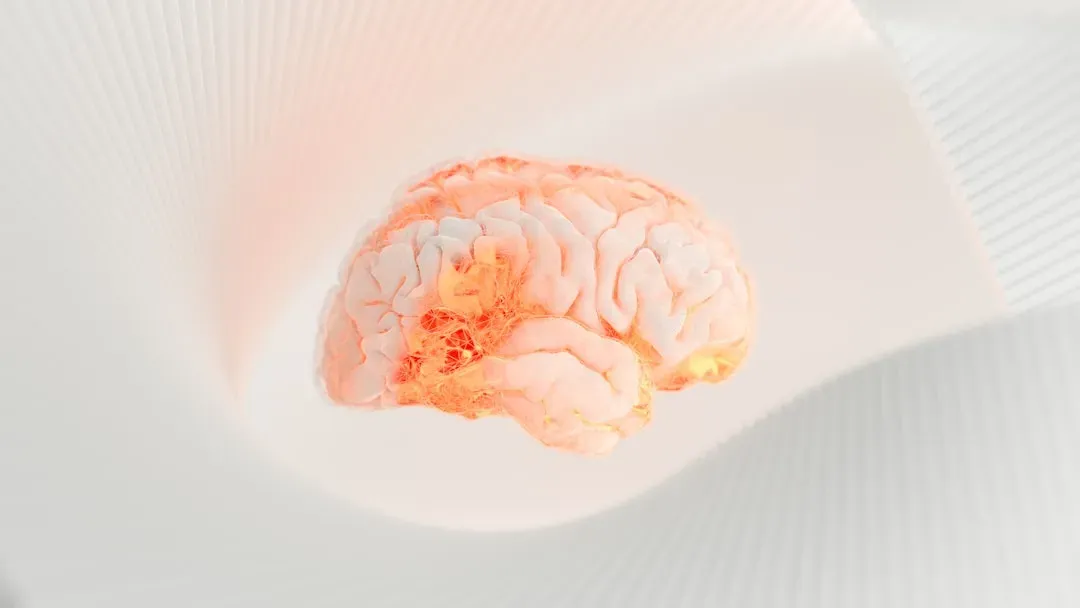
Before you experience a decision, your brain is constantly juggling predictions, habits, emotions, and sensory input. You can think of it like a committee meeting where dozens of silent voices are voting on what to do next. Those neural “votes” are influenced by your past experiences, your current goals, your stress level, and even your blood sugar, long before you notice any particular urge.
When a certain pattern of activity crosses a threshold, an action plan becomes strong enough to enter your awareness and feel like a fresh decision. By the time you feel “I just now decided to send that text,” your brain has already evaluated your relationship history, your fears about rejection, your last conversation, and how tired you are. You get the final headline, not the full drafting process.
How You Can Still Shape Decisions That Start Unconsciously
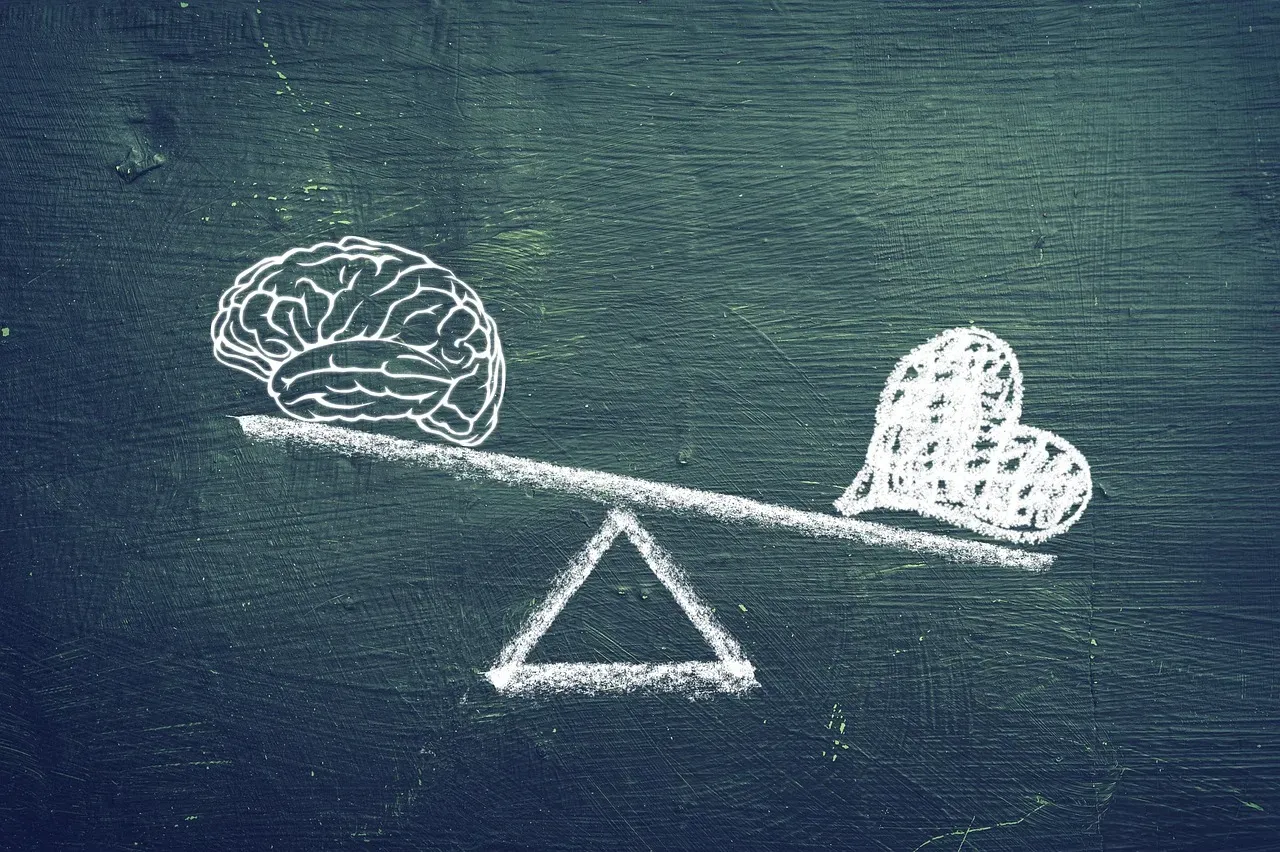
Here is the encouraging part: even if a lot of the groundwork happens before consciousness, you can still train the conditions that shape that groundwork. Repeated choices literally rewire your brain, strengthening some pathways and weakening others, so that over time your “automatic” decisions start to align more with what you say you care about. That means your earlier actions today are quietly sculpting the decisions you will feel yourself “suddenly” making months from now.
Habits, for example, are decisions you once made consciously that have become mostly unconscious scripts. When you deliberately practice a new habit – like pausing before replying in anger, or putting your phone in another room at night – you are changing the probabilities of what your brain will start preparing tomorrow. You may not control each millisecond of neural buildup, but you do influence the patterns that tend to win.
The Power of the Last-Moment “Veto”
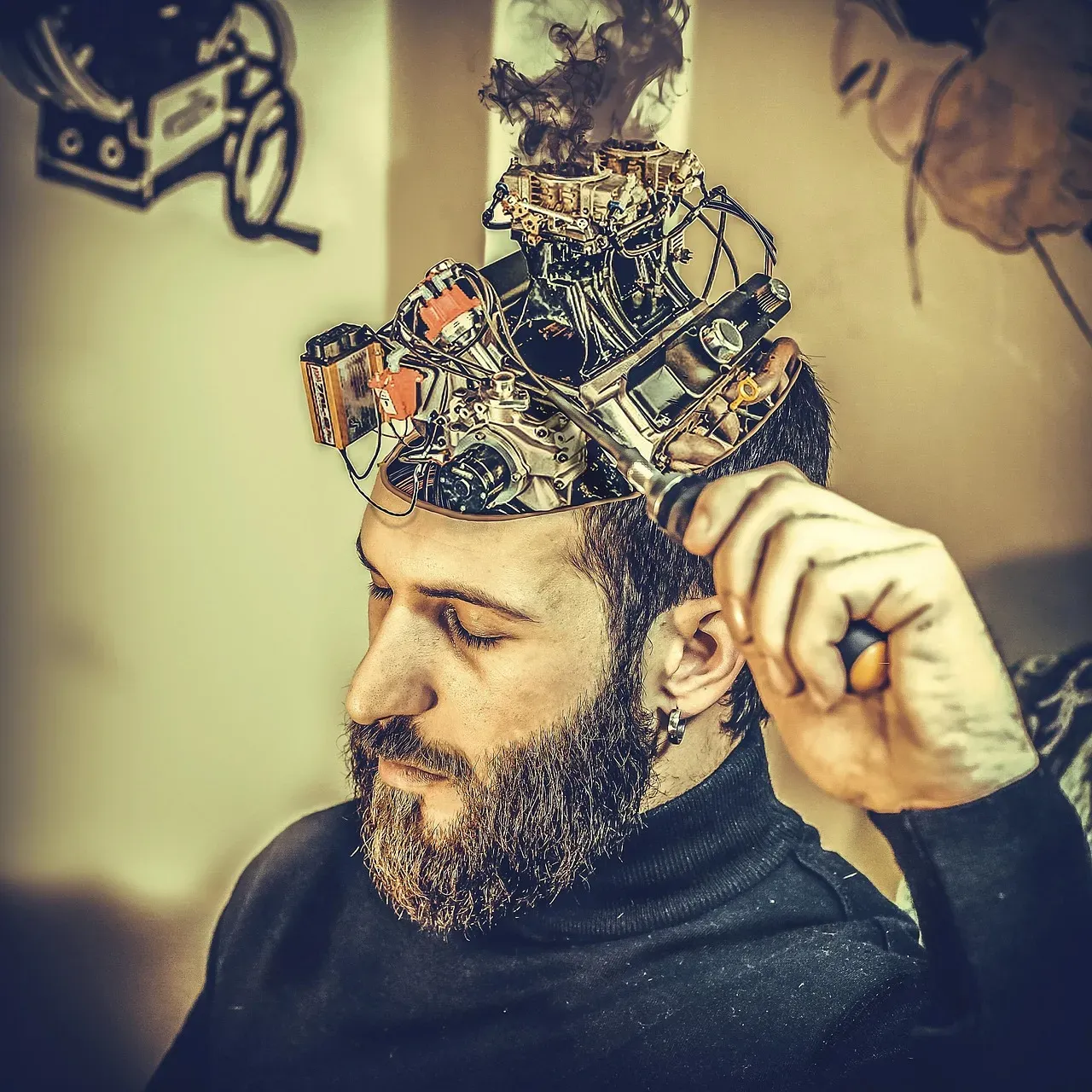
Some researchers suggest you might not fully initiate every action, but you do retain the power to stop many of them at the last moment. You might notice this in everyday life when you catch yourself about to blurt something out and suddenly clamp your mouth shut. Behind that brief hesitation is a control system in your brain that can interrupt plans even after they have started forming.
This idea of a “veto” gives your consciousness an important role: you may not generate every impulse, but you can evaluate and sometimes block them before they turn into behavior. Think of it like being the editor instead of the first draft writer. Your brain throws up a suggestion – eat the cookie, send the risky text, snap back at your partner – and you still have a window, sometimes tiny, to overrule it.
How This Changes the Way You See Responsibility
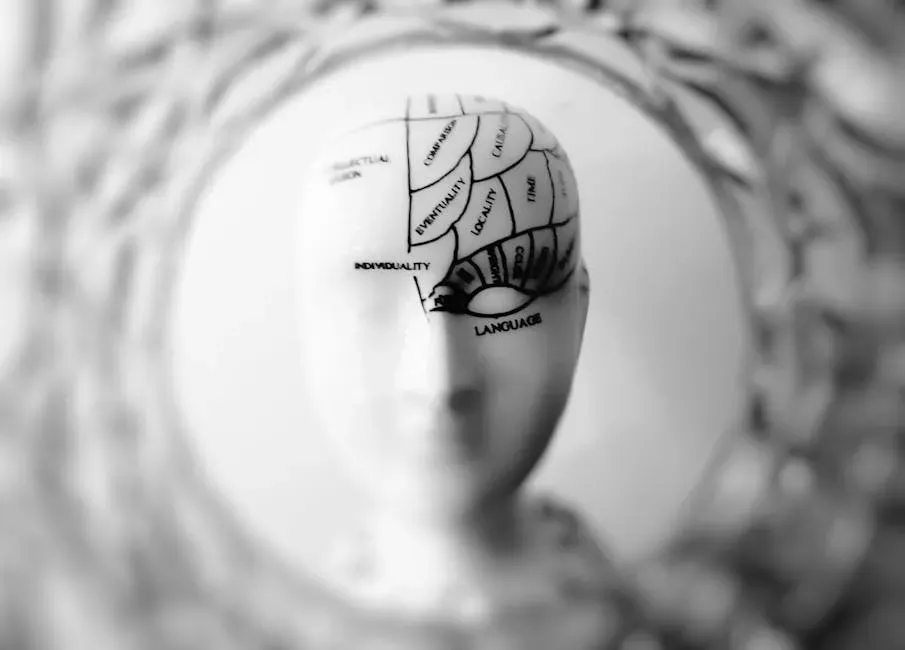
Knowing your brain kicks off actions before you are aware does not let you off the hook for what you do, but it can nudge you toward a kinder, more realistic view of yourself and other people. When someone lashes out or makes a terrible choice, you can see it less as a single evil moment and more as the end result of many prior experiences, habits, and states of mind converging. That does not erase responsibility, but it highlights the importance of what comes before the moment of action.
For yourself, this perspective can be strangely liberating. Instead of blaming your “willpower” every time you fail, you can look upstream and ask what you fed your brain: your sleep, your environment, your practice, your stress, your social circle. Responsibility becomes less about magically overriding your biology in the instant, and more about steadily shaping the biology that will show up for the next decision.
Practical Ways to Work With a Brain That Decides Early

Once you accept that your brain often gets a head start, it makes sense to focus on designing situations where your unconscious leanings are more likely to help than to hurt. You can do this by changing your environment so the default options are better – things like keeping unhealthy snacks out of the house if you tend to eat on autopilot, or setting your workout clothes out the night before so exercising feels like the easy path. You are basically steering the committee behind the scenes instead of trying to argue with it after the vote.
You can also train your brain to build in a tiny pause before acting. Simple practices like mindfulness, journaling after stressful events, or rehearsing “if-then” plans (for example, “if I feel attacked in a meeting, then I take one breath before speaking”) create new pathways for that last-second veto to ride on. Over time, your brain starts preloading not just impulses, but also wiser responses that line up better with the kind of person you want to be.
What This Means for Your Sense of “You”
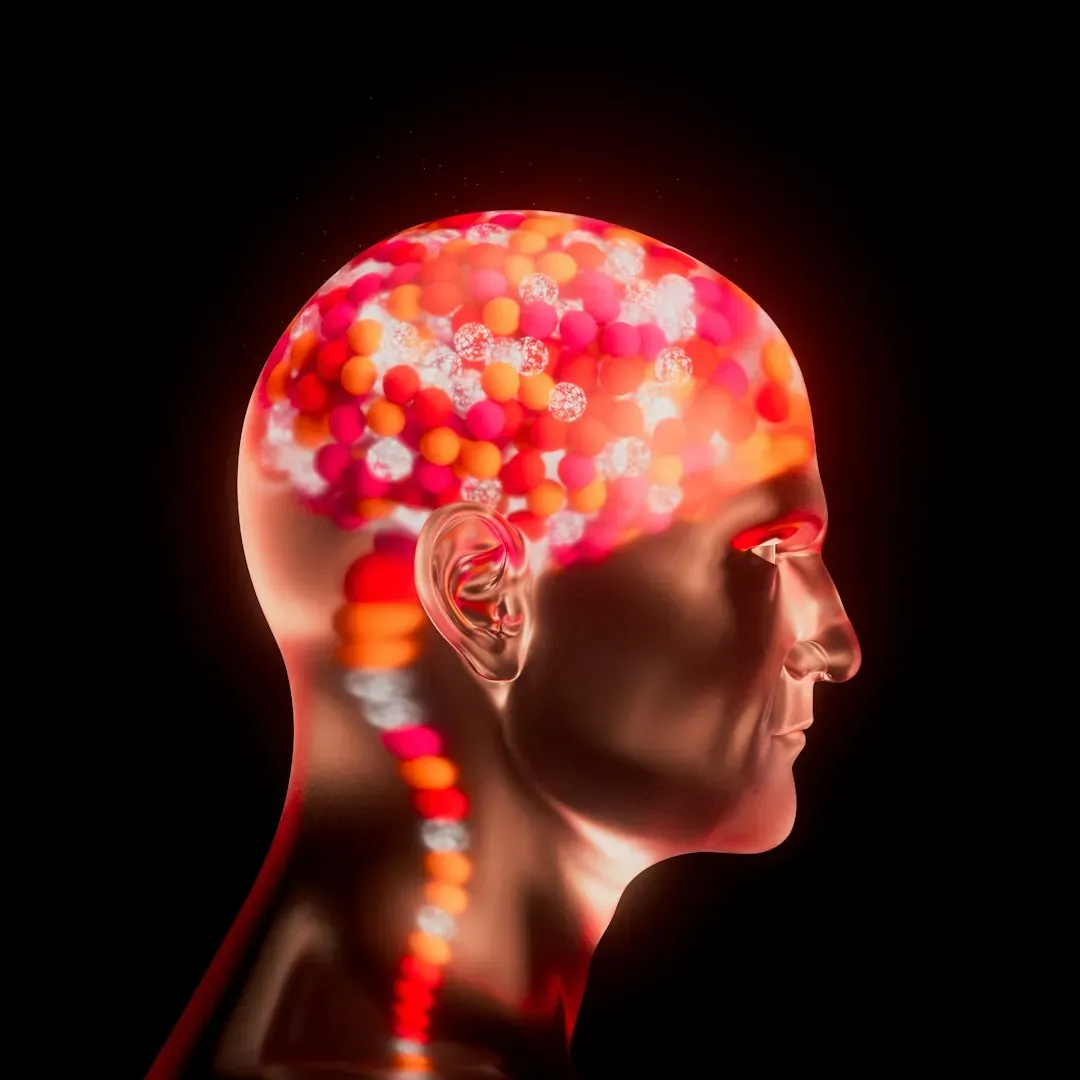
At first, the idea that your brain decides before you do can feel like an identity crisis. If neurons are already at work before you feel a decision, you might wonder where “you” even fit into the story. But when you zoom out, you realize that your conscious experience is not separate from your brain; it is one layer of what your brain is doing, a summary of the deeper processes rather than a competing boss.
Instead of imagining a tiny you sitting in your head pulling levers, it can be more helpful to see yourself as the whole system: your history, your habits, your unconscious patterns, and your conscious reflections all woven together. The fact that some steps in a decision come earlier and outside awareness does not make them less yours. It simply means that who you are includes more than what shows up in the spotlight of your attention.
Conclusion: Living Wisely With a Head-Start Brain
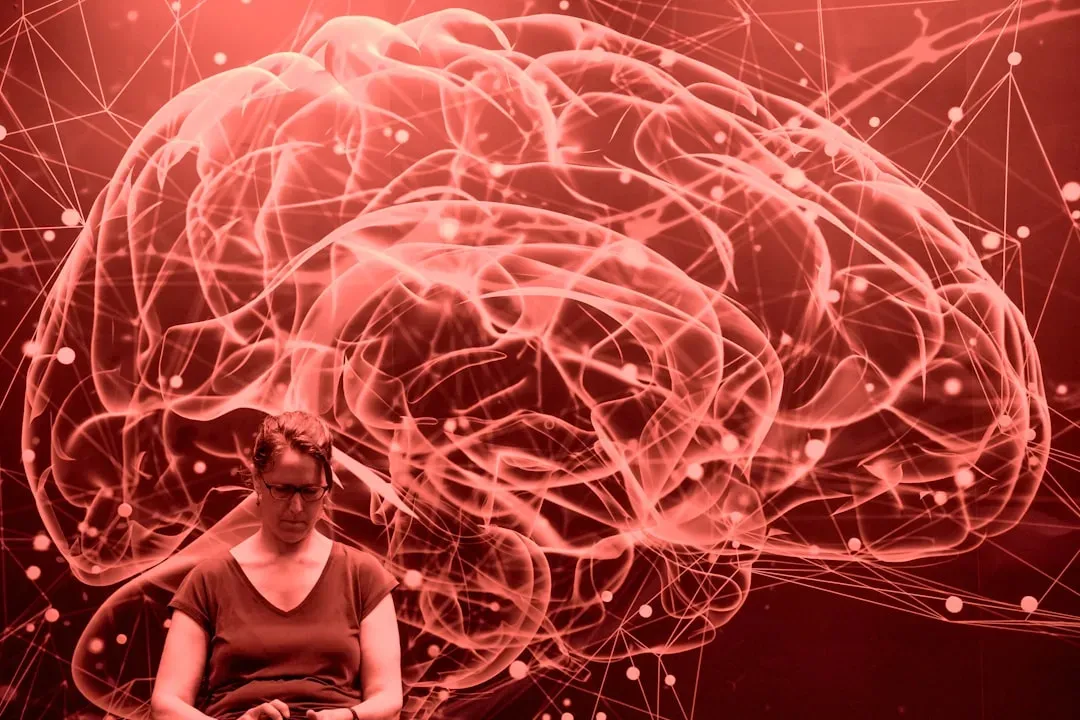
So yes, your brain often gets moving before your conscious mind catches on, and that can be both humbling and strangely comforting. You are not a perfectly rational driver behind the wheel, making crisp choices out of nowhere; you are more like a surfer riding waves that started far beneath the surface, with real skill but never total control. Once you accept that, you can stop pretending every choice is born in a single instant and start respecting the slow build that leads up to it.
The real power you have lies in shaping those waves over time – through your habits, your environments, and the stories you tell yourself about who you are and who you are becoming. Your brain may decide before you are consciously aware, but you still get to decide, over and over, what kind of brain you are training. Knowing that, what small upstream change are you willing to make before your next “sudden” decision arrives?