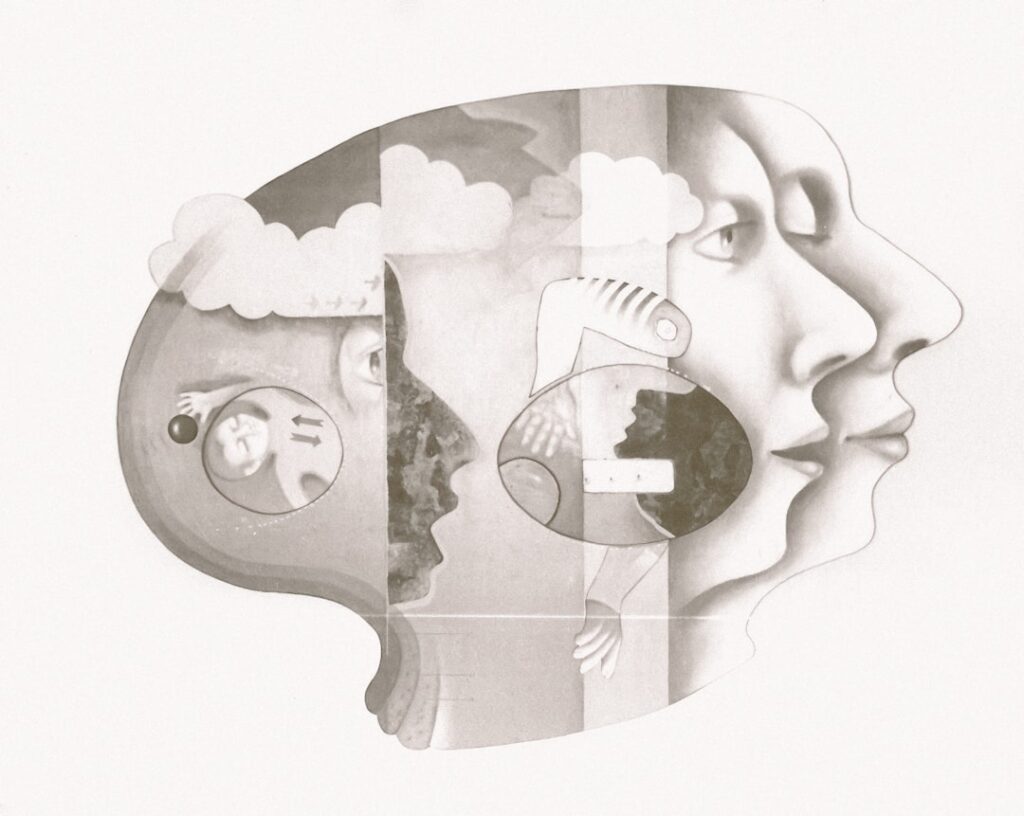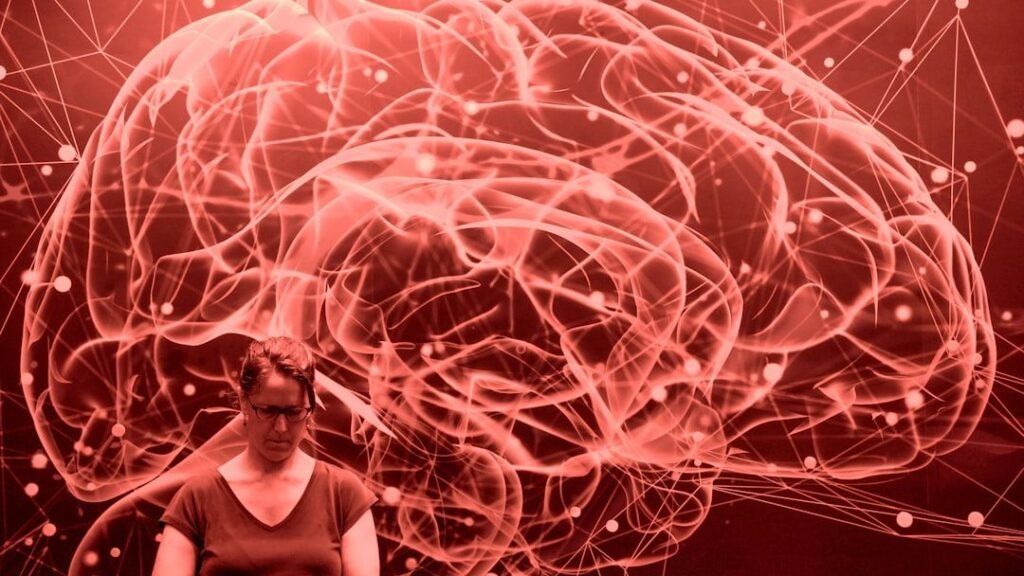

You walk around every day feeling like you see the world as it is. Solid. Stable. Obvious. But you actually live inside a custom-built simulation that your brain is constantly stitching together on the fly. Colors, sounds, even your sense of self are not raw reality; they’re interpretations that your brain finds useful enough to believe.
When you really dig into how your brain does this, things start to feel a little unsettling and a lot more magical. You realize that what you call “reality” is more like a negotiation between the outside world and your inner expectations, history, and biology. Once you see that, you can start using it: to change how you feel, how you focus, and even how you understand other people.
Your Brain Is a Prediction Machine, Not a Camera

You probably think you see first, then interpret later. In truth, your brain mostly predicts first and checks later. Instead of passively recording everything like a camera, it’s constantly guessing what will happen next – what you’re seeing, hearing, and feeling – and then comparing those guesses with incoming signals. This saves energy and lets you react faster, but it also means you’re always slightly hallucinating a world that just happens to match well enough most of the time.
You can feel this prediction engine in everyday glitches. When you mishear song lyrics you already “know,” your brain fills in the expected words even if they’re wrong. When you startle at a shadow that looks like a person, your prediction about danger arrives before careful analysis. Most of the time this system helps you move smoothly through life, but every now and then it shows its hand and reminds you: you do not see reality directly – you see your brain’s best guess.
What You See Is a Custom Illusion, Not Raw Reality
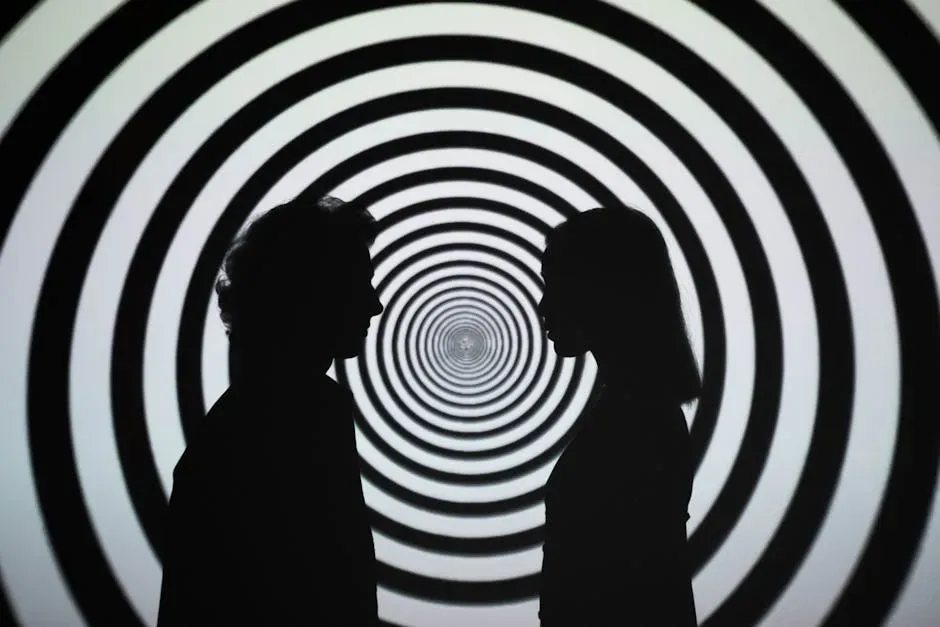
Look around you right now: the vivid colors, sharp edges, and solid shapes feel so obvious that it’s hard to believe they aren’t baked into the world itself. But color is your brain’s way of labeling different wavelengths of light, not something that exists “out there” on its own. Your brain takes messy, incomplete signals from your eyes and builds a clean, stable scene that you can navigate without going insane. That clean scene is an illusion that works well enough to survive.
Optical illusions are like little cheat codes that let you peek behind the curtain. When a still image looks like it’s moving or when two identical colors appear different next to contrasting backgrounds, you’re catching your brain in the act of making assumptions. These shortcuts usually help you, but they prove a crucial point: perception is not a faithful copy of the world, it’s a useful story your brain tells so you can act quickly and confidently.
Your Memories Feel Solid but They’re Shockingly Rewritable
You probably trust your favorite memories like old photographs in a mental album – fixed, clear, and waiting to be replayed. In reality, every time you recall something, you’re not just watching it; you’re editing it. Your brain reconstructs the memory using fragments of what actually happened mixed with your current emotions, beliefs, and later experiences. Over time, the story can drift, even while your confidence in it stays strong.
This is why two people can swear they remember the same event in completely different ways and both feel absolutely certain. You are not lying to yourself; your brain is doing its best to build a coherent narrative that makes sense of your life. The strange twist is that your memories are less like stored files and more like saved-over documents that change a little each time you open them. Realizing this can be unsettling, but it also gives you power: you can consciously reshape how you remember something by how you talk about it, write about it, or emotionally process it.
Your Emotions Color Reality More Than You Realize

On a stressful day, minor inconveniences feel like proof that the world is against you. On a peaceful day, the very same events might barely register. That shift is not about the world changing; it’s about your emotional state changing the reality you experience. When you are anxious, your brain is biased toward spotting threats and dangers, like turning up a mental alarm system. When you are calm, that same system dials down, and the world looks safer, kinder, and more manageable.
You can think of emotions as filters that tint everything you perceive. If you have ever re-read an old text message and been shocked at how different it sounds when you are in a better mood, you have felt this filter in action. The message didn’t change. Your emotional lens did. Once you accept that your feelings are not just reactions to reality but active shapers of it, you can start to work with them – by grounding yourself, breathing more slowly, or even simply labeling what you feel – to gently adjust the reality your brain is constructing.
Your Sense of Self Is a Story Your Brain Keeps Telling
You feel like a single, consistent “you” moving through time, but your brain is juggling countless processes at once – memories, body sensations, predictions, habits – and weaving them into one coherent character. That character is the story of you. When you catch yourself thinking “I’m just the kind of person who…,” that’s the narrative you’re reinforcing. The stability you feel comes not from an unchanging core but from your brain’s talent for smoothing over conflicts and gaps.
You can see this storytelling power in action whenever your behavior surprises you. Maybe you blow up in anger or suddenly burst into tears and then explain it to yourself after the fact. Your brain often builds a clean explanation after your reaction, like a press secretary inventing reasons that sound reasonable. That does not mean you are fake; it means your brain is constantly doing post-production to keep the movie of your life feeling continuous. Once you see your self as a flexible story rather than a fixed object, it becomes much easier to grow, change, and forgive yourself.
Your Attention Is a Spotlight That Builds Your World
Right now, as you read this, almost everything around you is fading into the background. Your brain has decided that these words deserve the spotlight, and so they become your reality for the moment. Attention is not just noticing; it is constructing. Whatever you focus on, your brain treats as more important, more vivid, and more real. The things you ignore do not fully disappear, but they might as well, because they no longer shape how you feel or what you decide.
You have probably had the experience of learning a new word or buying a new kind of car and then suddenly seeing it everywhere. The world did not change; your attentional system did. This is sometimes called a frequency illusion, but really it is your brain saying, “This matters now. Highlight it.” If you spend most of your attention on threats, failures, and insults, your reality will feel hostile and hopeless. If you deliberately notice small wins, kind gestures, or interesting ideas, your reality becomes more hopeful and alive – not because you are faking it, but because you are choosing which parts of the world your brain uses to build your experience.
Your Social Brain Quietly Rewrites What You Think Is Normal

You like to believe you make your own judgments, but your brain is wired to tune itself to the people around you. What your group considers normal, acceptable, or outrageous slowly becomes your baseline reality. If everyone you spend time with complains all day, that becomes the standard soundtrack in your mind. If your circle is curious, supportive, and ambitious, your sense of what is possible shifts in a very different direction.
Your brain constantly tracks social cues – facial expressions, tone of voice, group reactions – and adjusts your inner world accordingly, often without telling you. You might laugh at something you do not actually find funny, simply because everyone else is laughing, and your brain decides it is safer and easier to join in. Over time, these small social calibrations can dramatically change what you tolerate, what you strive for, and what you believe you deserve. Realizing that your reality is partly a group project can push you to be more intentional about who you let close to you and which environments you keep feeding your mind.
You Can Deliberately Hack the Reality Your Brain Builds
Once you accept that your brain is constructing reality rather than just reporting it, you can start nudging that construction process. You cannot just will yourself into a completely different world, but you can change small inputs that have big ripple effects. Simple practices like journaling, reframing how you describe your day, or practicing gratitude are not fluffy extras; they are ways of feeding your prediction machine new patterns so it can build a slightly kinder, more flexible reality.
Physical habits matter just as much. Sleep, movement, and nutrition all change the state of your brain, which in turn changes the world you experience. When you are exhausted, your predictions skew negative, your attention narrows, and your memory distorts toward threats and mistakes. When you are rested and nourished, your brain has more bandwidth to consider alternatives, see nuance, and resist spirals of fear. You will still face hard facts, but the difference between a brain stuck in survival mode and a brain with some breathing room is the difference between a cramped, dark reality and one with windows.
In the end, you are not a helpless observer trapped in a fixed universe; you are an active collaborator in the reality you live in. Your brain’s predictions, illusions, memories, emotions, stories, attention, and relationships are constantly shaping what feels true and possible. You cannot step outside your brain and see the world in some perfectly objective way, but you can become more aware of the levers you do have and use them with care.
That awareness does not magically solve everything, but it does give you a different kind of freedom: the freedom to question your first impressions, to soften your harshest stories about yourself, and to choose better inputs for the world your brain is building. If your mind is already creating a reality you , why not start shaping it in ways that serve you, instead of silently letting old patterns run the show?