
You walk around every day inside the most advanced piece of technology on Earth, but most of what your body can do never crosses your mind. Under your skin, there are quiet superpowers at work: abilities that help you adapt, heal, sense danger, and even reshape your brain. For a long time, scientists either underestimated these abilities or did not have the tools to see them clearly. Now, thanks to better imaging, genetics, and data, researchers are finally starting to uncover just how extraordinary your biology really is.
What makes this so fascinating is that none of these abilities are science fiction. You do not need to be a monk on a mountaintop or a comic-book hero to access them. You are already using them, often without realizing it. When you understand how they work, you can start nudging them in your favor – thinking more clearly, recovering faster, handling stress better, and even subtly reshaping the way your mind works. In other words, this is not about becoming superhuman; it is about finally appreciating how super your human body already is.
Your Brain Quietly Rewires Itself Every Day
You might think your brain is pretty much “set” once you reach adulthood, but it is not even close. Your brain is constantly rewiring itself – forming new connections, pruning old ones, and reshaping pathways in response to what you do, feel, and pay attention to. This process, called neuroplasticity, is why you can learn new skills later in life, recover some function after a stroke, or slowly change stubborn habits that once felt impossible to break. Every time you practice something, you are literally changing the structure and efficiency of your brain circuits.
Here is the wild part: you are always training your brain, whether you mean to or not. If you spend hours doom-scrolling, you teach your brain to seek short hits of novelty. If you practice a language, an instrument, or a new sport, you strengthen networks for focus, memory, and coordination. You cannot turn neuroplasticity off; you can only choose what you are wiring in. Once you see it that way, every repetition – every thought pattern, every evening routine – stops being “just how you are” and becomes something you are actively building.
You Can Sense Far More Than Five Basic Senses
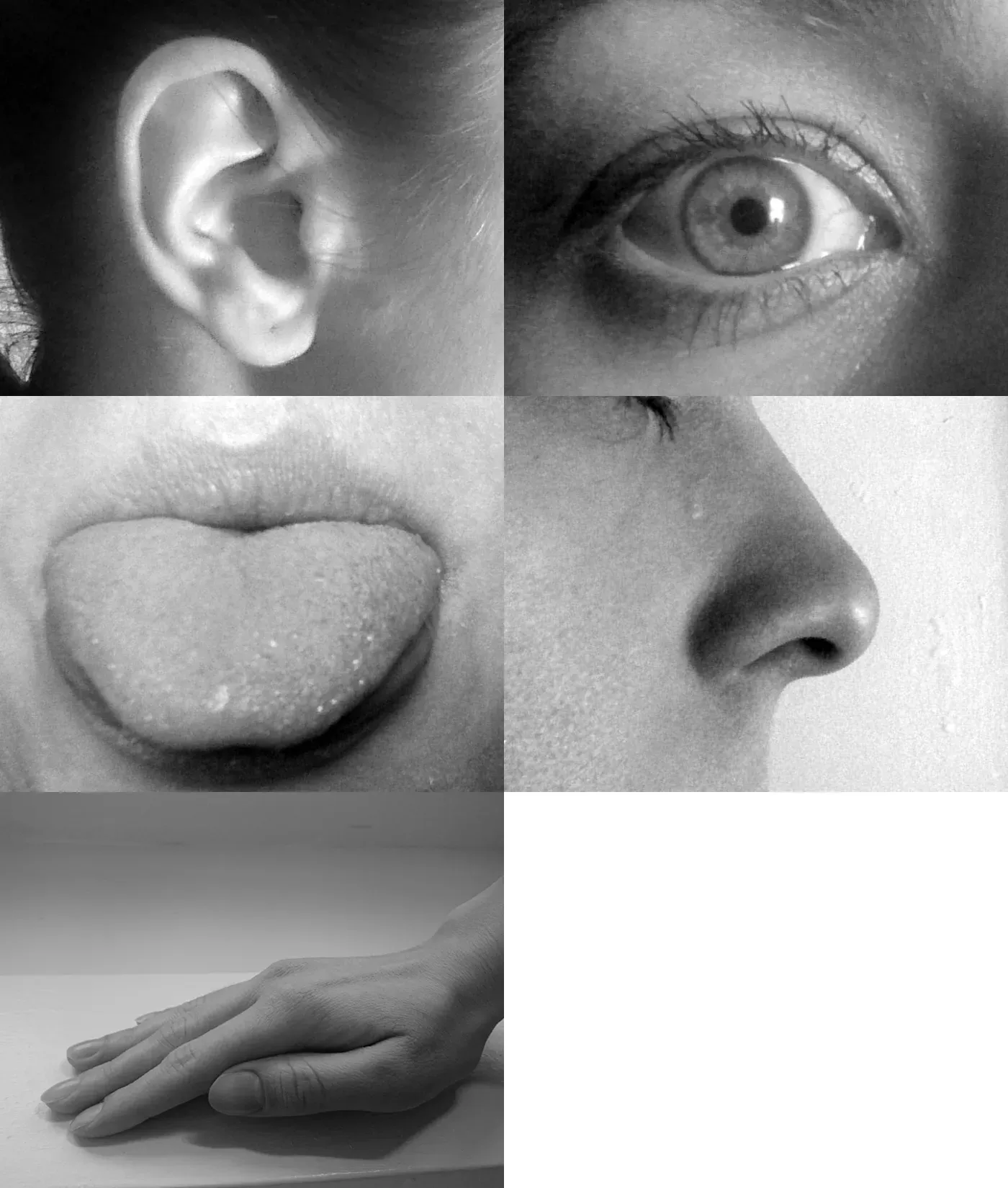
You probably grew up hearing that you have five senses: sight, hearing, taste, smell, and touch. But that classic list barely scratches the surface of what your body is actually sensing. You have internal senses that constantly monitor things like your body’s position in space (proprioception), balance (vestibular sense), temperature, pain, and even the status of your organs and internal state (interoception). You rely on these hidden senses every moment just to stand upright, walk down stairs, or know whether you are hungry, thirsty, or anxious.
Once you pay attention, you start noticing how these senses shape your life in subtle ways. When you feel “butterflies” in your stomach before a big meeting, that is your brain interpreting signals from your gut and heart. When you can type without looking at the keyboard or walk through a dark room you know well, that is proprioception guiding you. You can even train some of these senses; balance exercises sharpen your vestibular system, and mindfulness practices help you tune in to interoceptive signals so you can catch stress earlier instead of only noticing it once you are completely overwhelmed.
Your Gut and Brain Are in Constant Secret Conversation
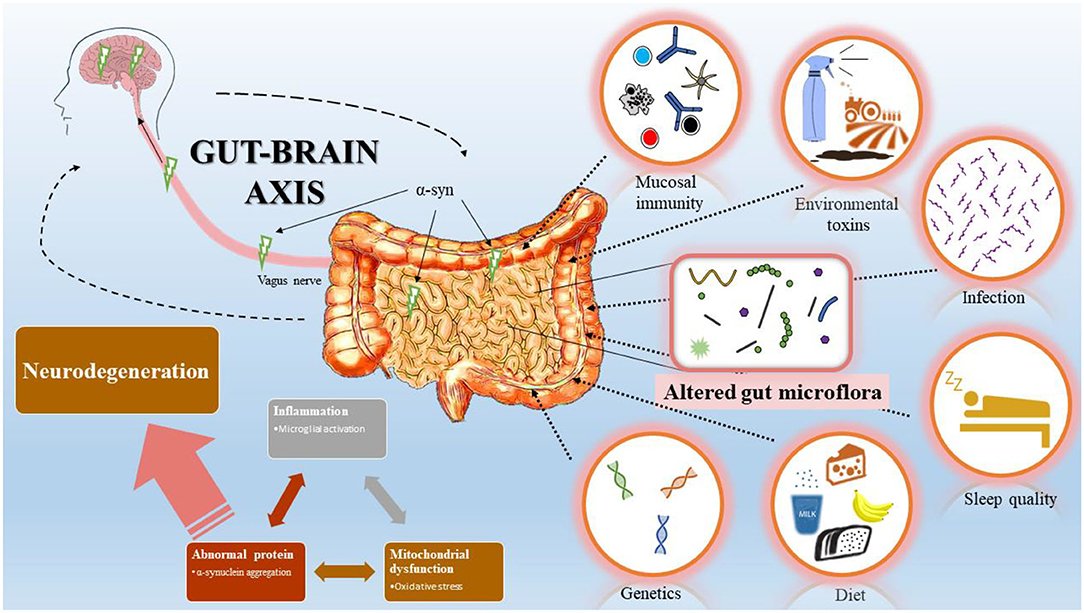
You may have heard people talk about a “gut feeling,” but that phrase is more literal than you might think. Your gut and your brain are linked by a high-speed communication highway made of nerves, hormones, and immune signals. Trillions of microbes in your digestive system help produce and regulate molecules that influence mood, appetite, and inflammation. You are not just digesting food; you are feeding a complex inner ecosystem that quietly affects how you feel and function.
This does not mean you can cure every mental or physical problem by changing what you eat, but it does mean your daily choices matter more than you might expect. When you consistently give your body fiber-rich plant foods and avoid constant ultra-processed snacks, you are not only helping your digestion – you are also supporting a more stable internal environment that can nudge your mood, energy, and focus in a better direction. Paying attention to how specific meals make you feel a few hours later can be surprisingly revealing once you realize the gut-brain connection is always running in the background.
Your Body Can Turn Genes On and Off Without Changing DNA
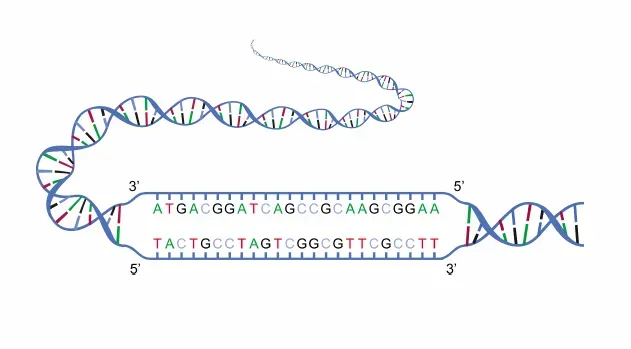
You often hear people say something is “just genetic,” as if your DNA is a fixed destiny. The reality is more nuanced and, honestly, more empowering. While you cannot rewrite your genes, your body can dial many of them up or down through chemical tags and structural changes around your DNA. This layer of control, often called epigenetics, lets your cells adjust to your environment – responding to things like diet, stress, sleep, movement, toxins, and social experiences – without altering the underlying code.
What that means for you is that your lifestyle and environment do not just affect how you feel today; they can shape how your genes are expressed over time. Chronic stress, for example, can push your system toward inflammation and wear, while regular movement, decent sleep, and meaningful social connection can support healthier patterns of gene activity. You are not fully in control, and some things are absolutely hardwired, but you have more influence than the old “blame your genes” story suggests. Think of your genes as a piano, and your daily life as the hands deciding which keys get played more often.
You Have Built-In Pain Modulation Systems

When you feel pain, it can seem like a simple signal: something is wrong, and your body is just reporting it. In reality, your nervous system constantly edits, amplifies, or dampens pain signals before they reach your conscious awareness. Your brain can release its own pain-relieving chemicals and activate pathways that turn the volume down, especially in moments of threat or high focus. That is why athletes sometimes keep playing on an injury they do not fully feel until after the game ends.
You tap into this system more than you realize. When you get hurt and instinctively rub the area, you are sending competing signals that can partially override the pain. When you are deeply absorbed in a task and barely notice a minor ache, your attention is acting like a filter. Things like stress, poor sleep, and fear can turn your nervous system into a more sensitive alarm; on the flip side, practices like relaxation training, breathing exercises, gentle movement, and even understanding pain science can help recalibrate that alarm. You may not be able to simply will pain away, but you can influence how your body processes it.
Your Immune System Learns, Remembers, and Sometimes Overreacts
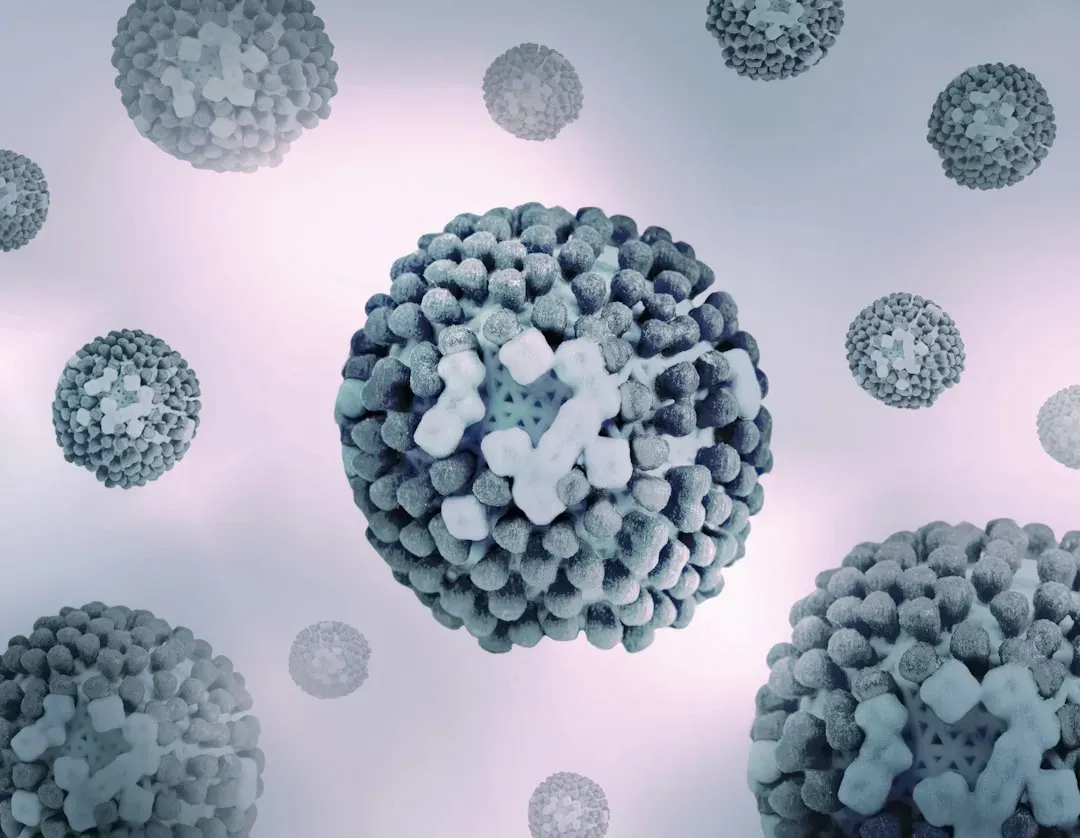
You might think of your immune system as a simple defense shield that attacks invaders, but it is much more like a complex learning network. Certain immune cells can “remember” past infections or vaccines and respond faster next time. Others patrol for damaged or abnormal cells, including potential cancer cells, and flag them for destruction. Your immune system is constantly making judgment calls about what is dangerous and what is safe, all while staying in delicate balance so it does not accidentally wage war on your own tissues.
When that learning process goes off track, you see it in allergies and autoimmune conditions, where your defenses overreact or misfire. On the other hand, when things are working well, you do not notice anything at all; you just stay healthy more often and recover faster when you do get sick. Your sleep, stress levels, movement patterns, and even your relationships all feed into this system. You cannot micromanage it like a thermostat, but you can create conditions where your immune network is more likely to stay sharp without spinning out of control.
Your Body Keeps Time With Hidden Biological Clocks
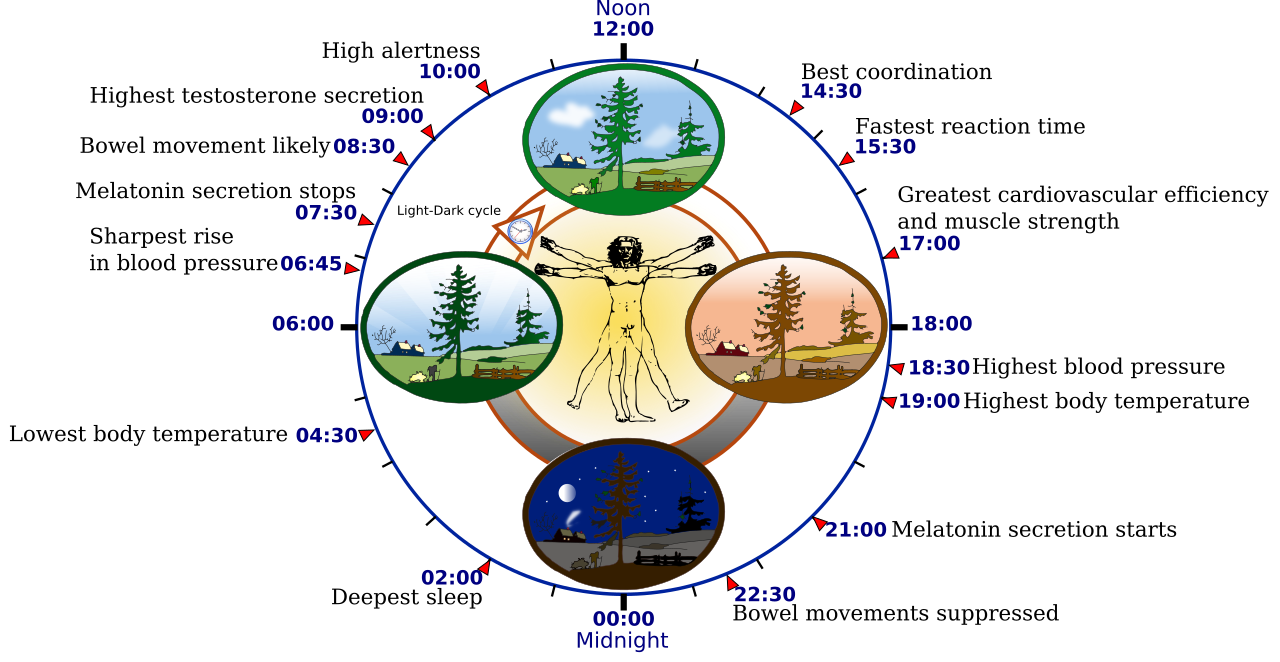
You probably know what it feels like to stay up too late or cross several time zones: your energy, appetite, and mood all get strange. That happens because almost every cell in your body runs on built-in clocks that follow roughly daily cycles. These circadian rhythms help coordinate hormone release, body temperature, digestion, alertness, and even how well medications work at different times of day. Your brain’s master clock, strongly influenced by light, tries to sync all these rhythms so your body is working together instead of fighting itself.
When you constantly disrupt these rhythms with irregular schedules, late-night light exposure, or erratic eating patterns, your body has a harder time staying in balance. On the other hand, you can support your inner clocks with simple habits: getting morning daylight, keeping a fairly consistent wake-up time, eating most of your calories earlier instead of right before bed, and dimming bright screens in the evening. You do not have to live like a monk, but even small nudges toward regularity help your hidden timekeepers do their job, which often shows up as better energy, clearer thinking, and steadier mood.
Your Muscles and Bones Adapt Far Beyond Just Getting “Stronger”
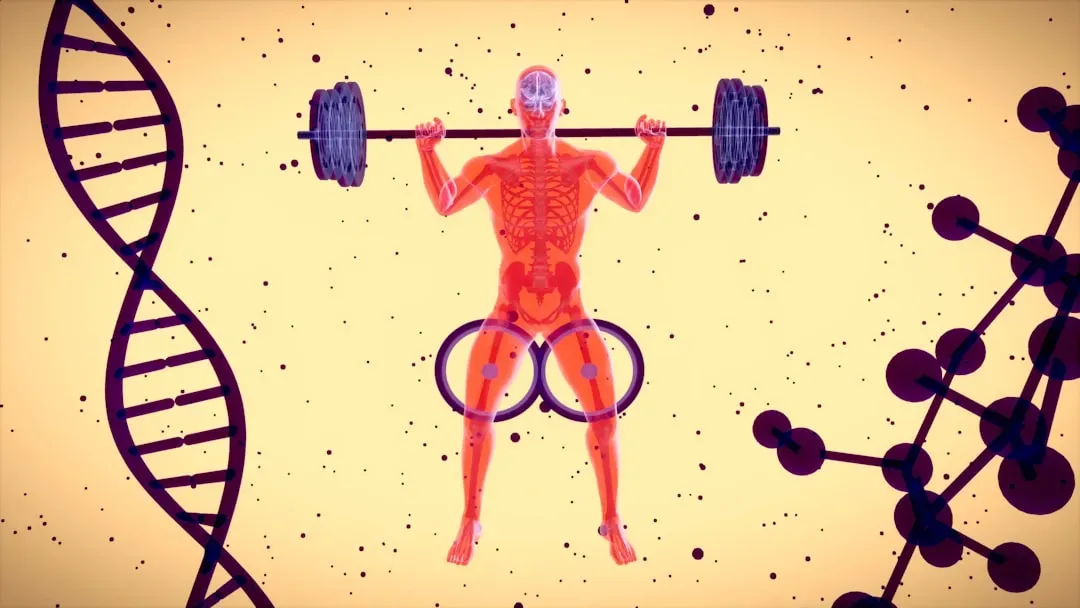
When you move and challenge your body, you are not just burning calories; you are sending powerful mechanical signals into your cells. Your muscles do not simply grow or shrink – they change in how efficiently they use fuel, how quickly they contract, and how much force they can handle. Even your bones are constantly remodeling, responding to impact and load by adjusting their density and structure over time. This is why weight-bearing activities are so important for long-term bone health and mobility.
The same workout means different things to different bodies, but the underlying logic is the same: your tissues adapt to what you repeatedly ask them to do. If you sit most of the day, your body gets very good at sitting. If you walk, lift, stretch, and occasionally push your limits, you are giving your muscles, bones, tendons, and joints a reason to stay resilient. You do not need extreme training to tap into this adaptation; even modest, consistent movement sends the message that your body should invest in staying capable instead of quietly winding down.
Your Mind and Body Shape Each Other in Both Directions
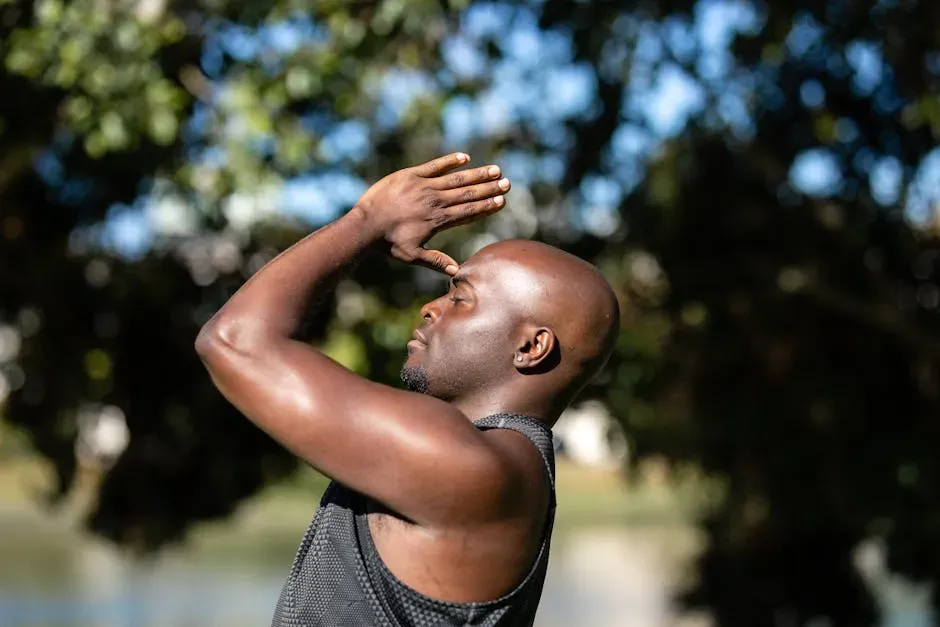
It is easy to think of your mind and your body as two separate things, but they are deeply entangled. Your thoughts and emotions influence your heart rate, breathing, muscle tension, hormone levels, and immune activity. At the same time, signals from your body – your posture, facial expression, gut state, and breathing pattern – feed back into how you feel and what you pay attention to. You live inside a constant loop where mental and physical states reinforce one another.
You have more leverage here than you might expect. When you deliberately slow your breathing, relax your shoulders, or take a walk outside, you are not just moving your body – you are sending new information to your brain about safety and control. Over time, shifting these physical inputs can gradually reshape patterns of anxiety, stress, and even how you interpret challenges. You will still have real problems and hard days, but you are not just at the mercy of your thoughts; you can use your body as a handle to gently turn the whole system in a better direction.
Conclusion: You Are Living in a Far Stranger Body Than You Realize
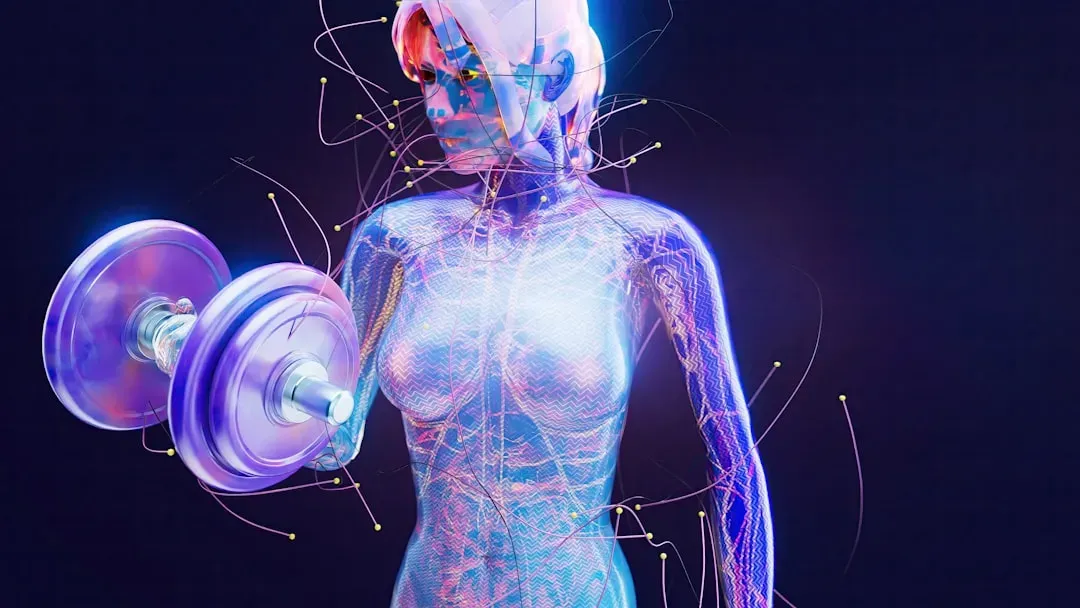
Once you start seeing these hidden abilities, your body stops feeling like a basic machine and starts looking more like an ongoing experiment – one you are participating in every day. Your brain is rewiring itself, your senses are tracking far more than you notice, your gut is talking to your mind, your genes are being dialed up and down, and your clocks, immune cells, muscles, and bones are all listening to how you live. Nothing here demands perfection, but everything responds to patterns, repetition, and environment.
You do not have to unlock every secret or optimize every system to benefit from this knowledge. Even small changes – more daylight in the morning, a bit more movement, a little more attention to how food affects your mood, a few deeper breaths when stress spikes – are ways of gently leaning into abilities your body already has. You are not broken tech waiting for an upgrade; you are a living, adapting network of hidden powers that never really stops evolving. Knowing that, what is one quiet ability in your own body you are suddenly a lot more curious to explore?