You live in a universe that almost seems obsessed with making stars and planets. When you look up at the night sky, you are not just seeing pretty lights; you are staring into a vast laboratory where nature has been running experiments for billions of years. It would actually be more shocking if life had only appeared once, on one small rocky world, around one ordinary star.
Scientists are not just wishfully thinking when they say they are optimistic about finding life beyond Earth. Their confidence comes from data, from telescopes, from robots on dusty worlds, and from what you already know about how stubborn and adaptable life can be. When you put all of that together, the odds start to feel less like a wild dream and more like a waiting game.
The Universe Is Overflowing With Potential Habitats
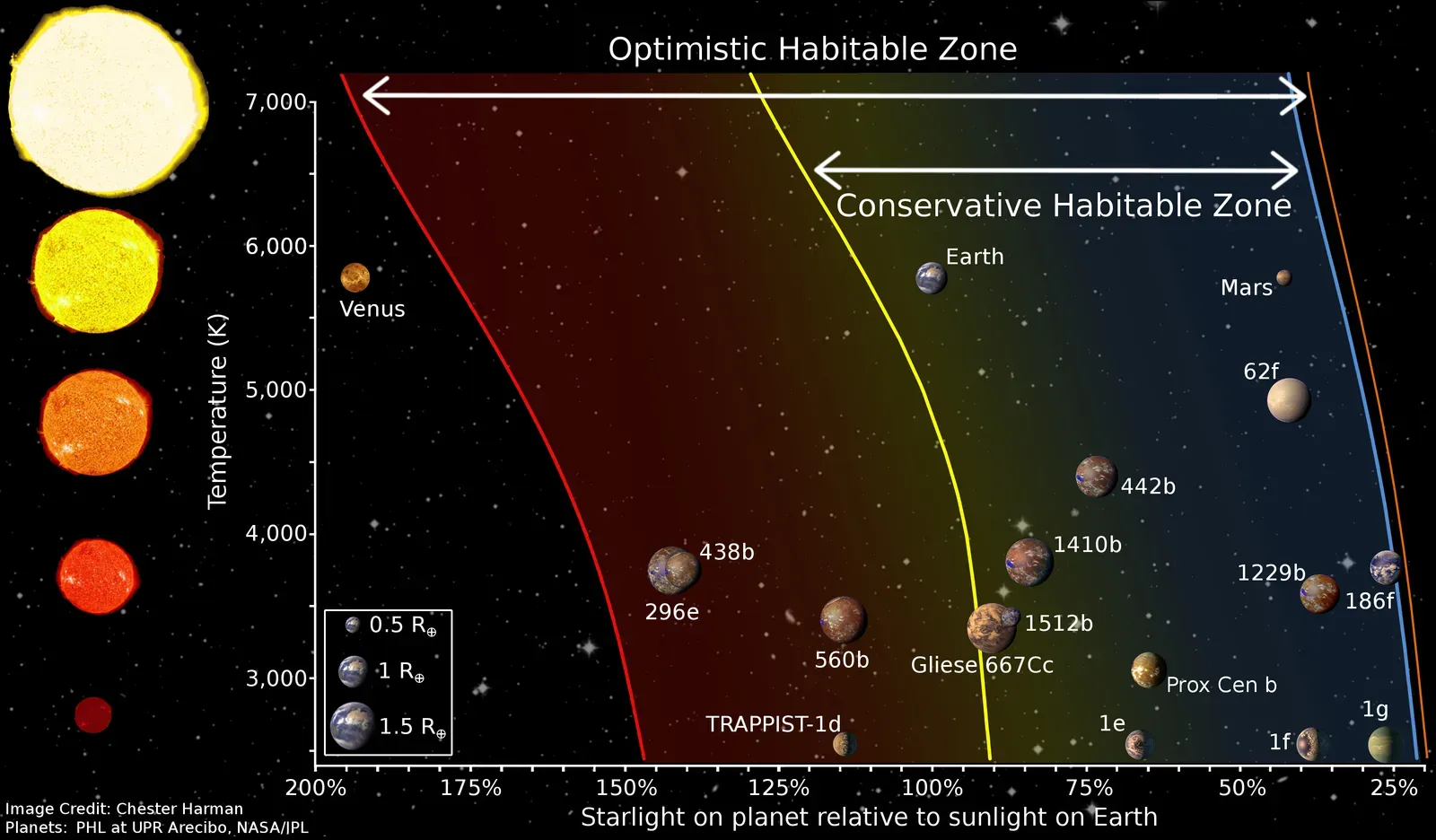
The first big reason you can feel hopeful is simple: there are just so many places where life could exist. A few decades ago, you did not know for sure if planets around other stars were common. Today, astronomers have confirmed thousands of exoplanets and strongly suspect there are billions in your galaxy alone, many of them roughly Earth-sized and at the right distance from their stars for liquid water.
When you zoom out farther, you are looking at hundreds of billions of galaxies, each packed with hundreds of billions of stars. Even if only a tiny fraction of those stars have planets in a habitable zone, you are still dealing with a truly staggering number of possible homes for life. It starts to feel less like asking whether life exists elsewhere and more like wondering how many different ways nature has found to make it happen.
Life on Earth Thrives in the Most Extreme Places
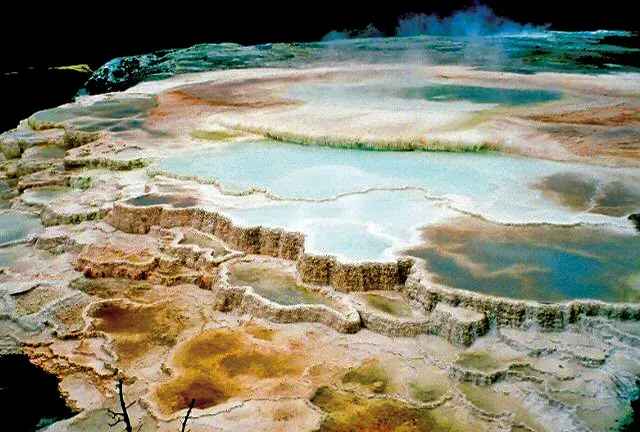
If you want a reason to believe life might exist in harsh alien environments, you only have to look at what life does on your own planet. Microbes happily live in boiling hot springs, under crushing pressure at the bottom of the ocean, in acidic lakes, deep inside rocks, and even in subzero salty brines in the Antarctic. You find living things where, not so long ago, you would have confidently said life was impossible.
This matters because many worlds in your solar system would look hostile at first glance. Mars is cold and dry, Europa and Enceladus are wrapped in ice, and Venus has an atmosphere that would destroy unprotected equipment in minutes. Yet when you remember that some organisms on Earth survive radiation, vacuum-like dryness, and absurd temperatures, the idea that simple life could hang on in protected niches on other worlds no longer sounds so far-fetched.
Water and Organic Molecules Are Surprisingly Common

On top of that, you now know that organic molecules – the carbon-based building blocks of life – show up almost everywhere you look. They have been detected in interstellar space, in the atmospheres of planets and moons, in meteorites that have landed on Earth, and in the plumes of icy moons. You are not starting from a blank cosmic canvas; the chemistry that makes life possible seems to be part of the standard toolkit of the universe.
Planets and Moons Close to Home Are Still Full of Secrets
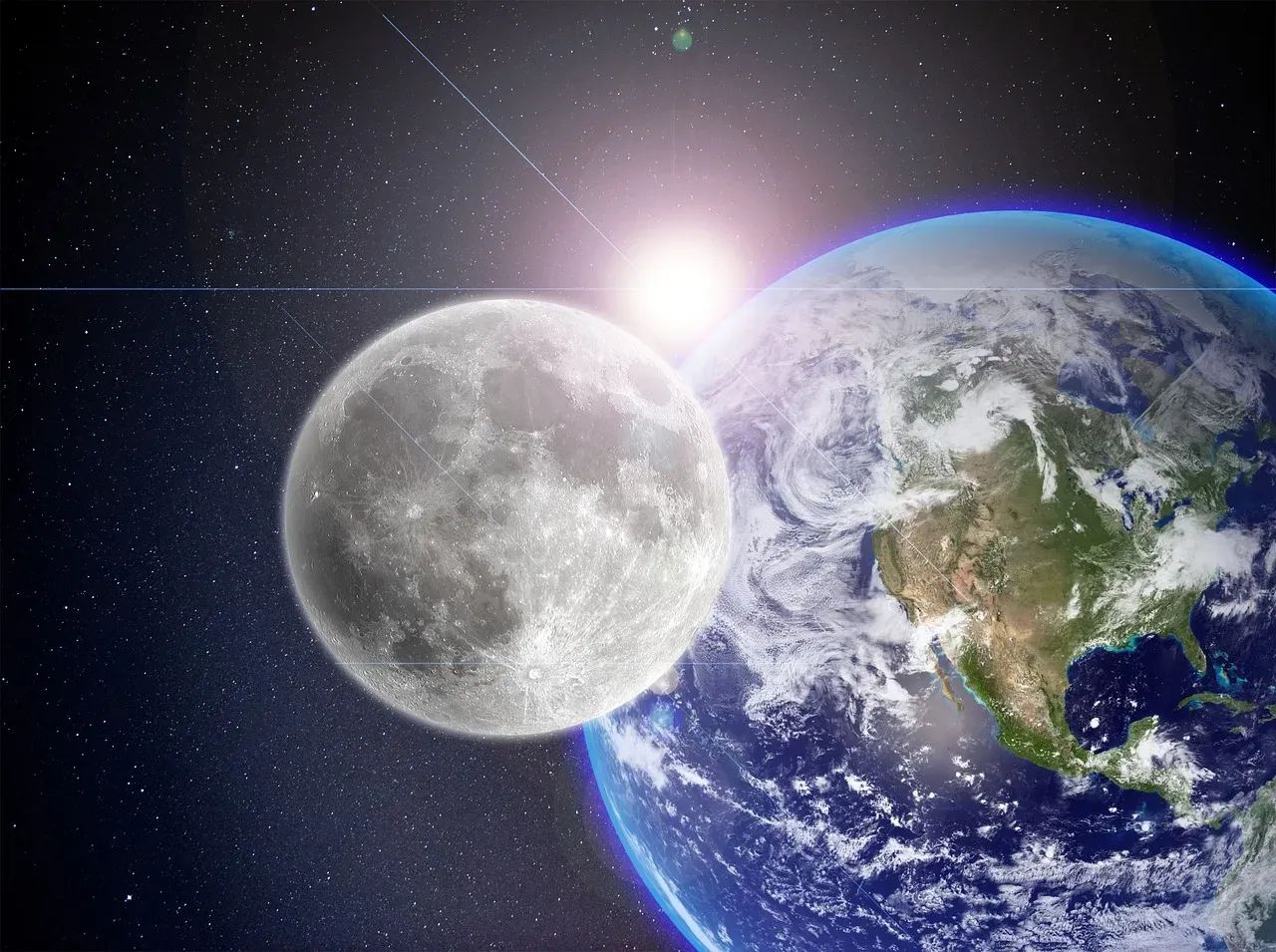
You do not have to travel to distant stars to search for life; you have a whole mini–solar system of interesting targets right in your backyard. Mars once had rivers, lakes, and possibly even oceans, and today, underground pockets of liquid water might still remain. Icy moons like Europa and Enceladus hide deep global oceans beneath their frozen crusts, kept warm by tidal forces and possibly rich in energy sources that life could use.
Even worlds once written off as dead or boring have surprised you. Mars has seasonal changes in atmospheric gases that are still not fully understood. Enceladus sprays water-rich plumes into space that contain complex organic molecules. When you realize how much you are still learning about these places, it becomes hard to believe you have already ruled out the possibility of something living there, especially at the microbial level.
Exoplanet Atmospheres Are Becoming Readable
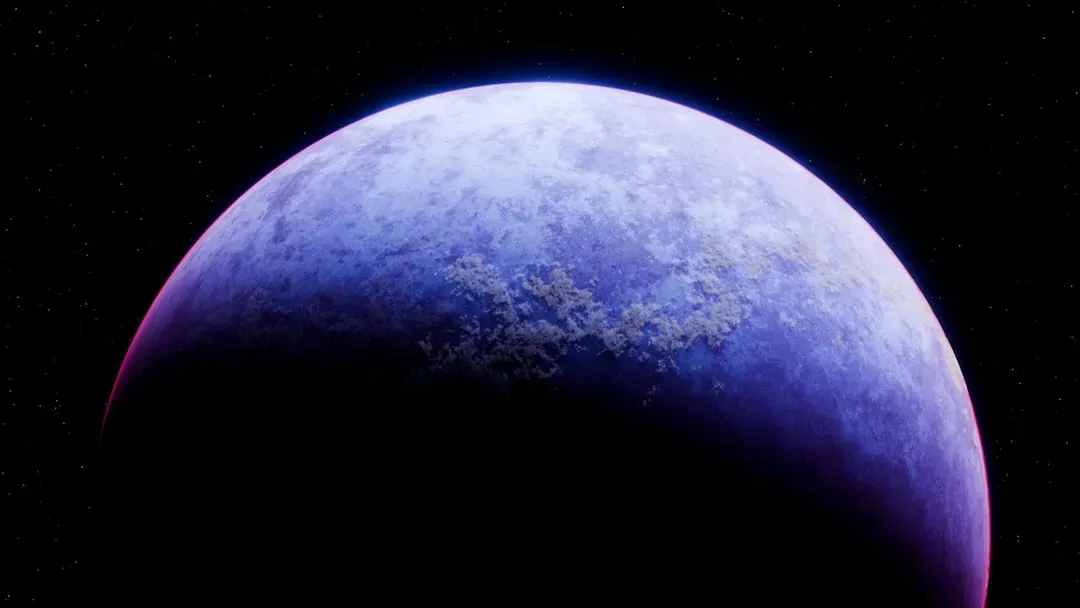
For a long time, exoplanets were just numbers in a catalog: mass, size, orbit. Today, you are starting to peel back their atmospheres and look for clues in their air. With advanced telescopes, scientists can measure the starlight that filters through a planet’s atmosphere as it passes in front of its star, revealing hints of gases like water vapor, methane, carbon dioxide, and others.
This matters because, in principle, certain combinations of gases can reveal whether a planet might be habitable or even show hints of biological activity. You are not yet at the point where you can confidently claim a “biosignature” on an exoplanet, but the tools to make that kind of detection are being built and improved right now. The optimism comes from knowing that your ability to read those distant skies is getting better every single year.
Life Emerged Quickly on Earth Once Conditions Were Right
When you look at Earth’s history, one detail jumps out and quietly changes how you think about life elsewhere: life appears to have emerged relatively quickly once your planet cooled down and stabilized enough to support liquid water. In cosmic terms, it did not take very long for chemistry to turn into biology once the conditions lined up.
That does not prove life will always appear wherever it can, but it does suggest that life might not be an incredibly rare accident. If your planet is any indication, once you have energy, water, and the right chemistry, life may be more of a natural outcome than an improbable miracle. If that is true, then every roughly Earth-like planet out there becomes a serious candidate for at least simple forms of life.
Future Missions Are Designed to Look for Signs of Life Directly
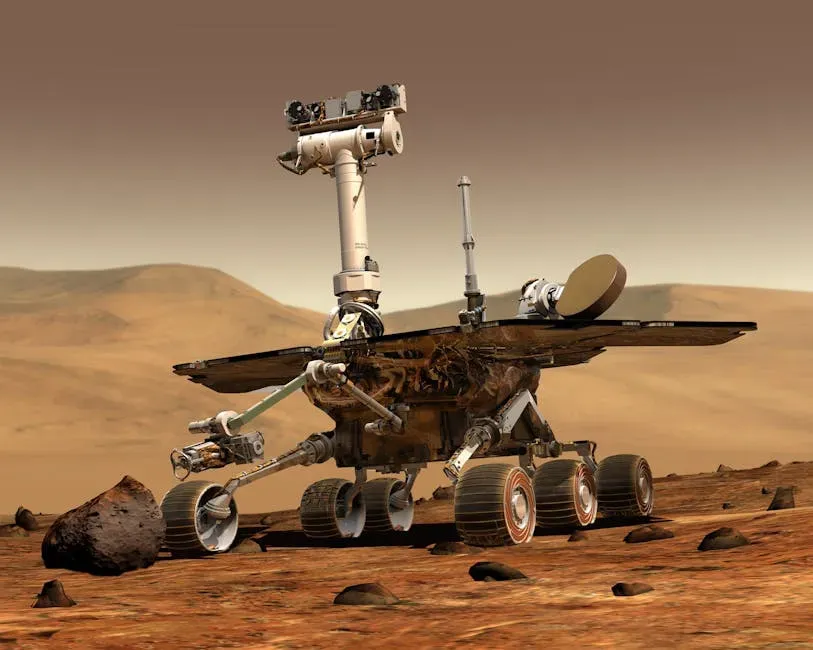
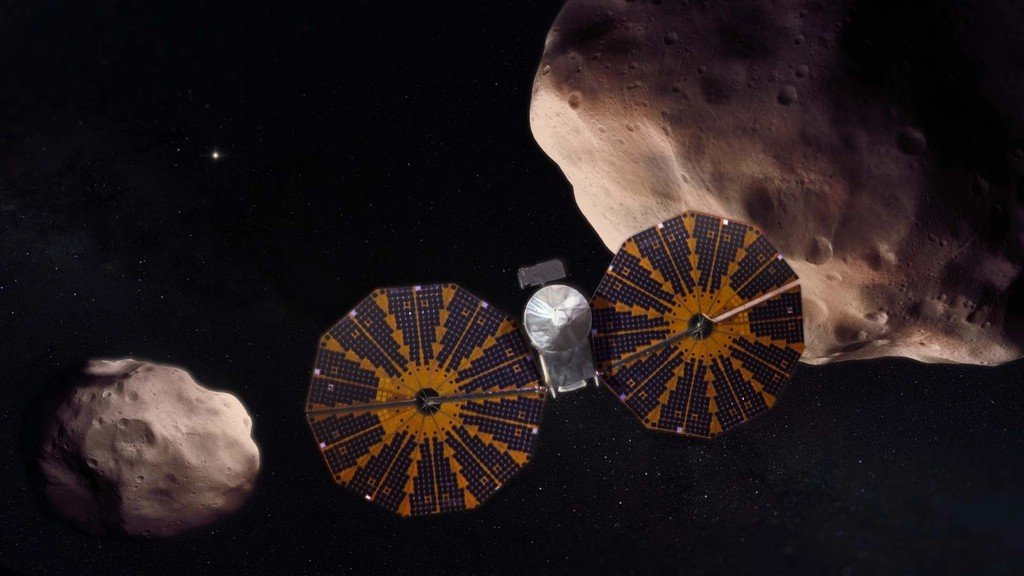
Another reason you can feel hopeful is that you are not just passively staring through telescopes anymore; you are building machines with one clear purpose: look for signs of life. Rovers on Mars are carefully collecting and caching samples so that future missions can bring them back to Earth for detailed analysis. Orbiters are mapping ice, minerals, and potential habitats with incredible precision.
Plans are also advancing for missions to explore ocean worlds, sample plumes from icy moons, and study the atmospheres of promising exoplanets in far more detail. Instead of general “exploration,” these missions are guided by clear strategies about where life is most likely and what signatures would be most convincing. When you intentionally design tools to answer a question as specific as “Is there life out there?”, it becomes much more reasonable to believe you will eventually get an answer.
Even Finding Only Microbes Would Be Profound
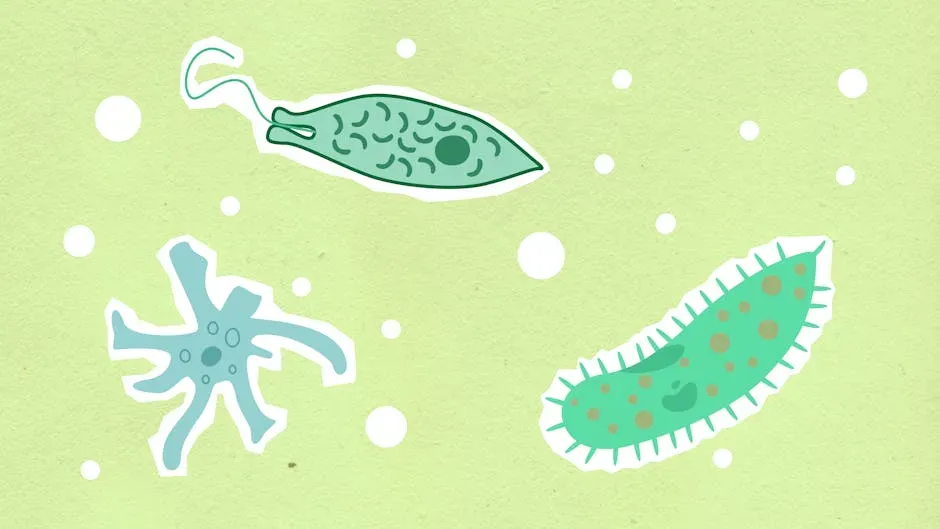
You might secretly dream of alien civilizations with cities and starships, but scientists stay optimistic even about finding something far more humble: microbes. Discovering microscopic life on Mars, in the subsurface ocean of an icy moon, or floating in some distant planet’s atmosphere would instantly prove that biology is not unique to Earth. One confirmed example elsewhere would change your place in the universe forever.
It would also tell you that the boundary between non-living chemistry and living organisms may be crossed more than once in cosmic history. If life can appear on two worlds in one ordinary star system or in different corners of the galaxy, then the universe starts to look alive in a very deep sense. You might never meet those distant microbes face to face, but knowing they exist would quietly rewrite what it means to be human on a once-lonely planet.
Conclusion: Optimism Rooted in Evidence, Not Fantasy
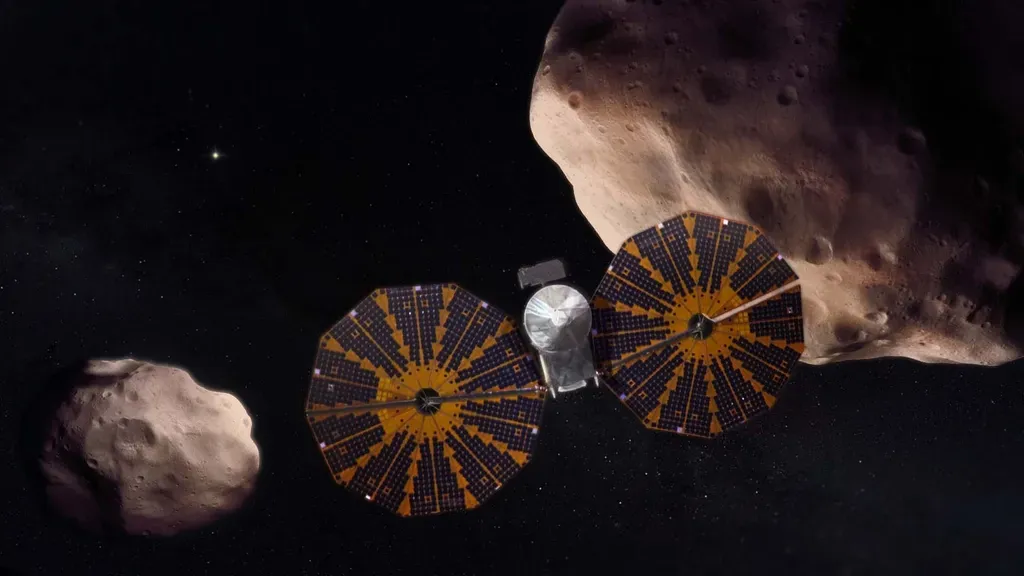
When you put it all together – the sheer number of planets, the resilience of life on Earth, the abundance of water and organics, the strange worlds in your own solar system, and the new tools aimed directly at this question – it becomes clear why scientists remain hopeful. This is not blind faith or science fiction; it is a careful reading of what the universe has already shown you. The more you learn, the more it seems that life belongs on the list of natural cosmic outcomes.
You may not know when or where the first solid evidence will show up, and you should stay honest about the gaps and uncertainties. But if you stand under a dark sky and imagine all those stars with their planets, it is hard not to feel that somewhere, in some hidden ocean or on some distant shore, something else is staring back in its own way. If the universe has already produced you once, why should it have stopped there?