You hear a lot about polar bears and pandas, but some of the most threatened animals on Earth are a lot closer to your backyard than you might think. Across the United States, a handful of rare species are hanging on by a thread, surviving in shrinking pockets of habitat, dodging cars, disease, and climate change. Their names rarely trend online, yet the fight to save them is intense, emotional, and surprisingly hopeful.
As you explore these five American animals on the brink, you start to see a bigger story: every rescue attempt is really about rebuilding a relationship between people and the land they share. You’ll see scientists crawling through caves, tribes reintroducing sacred species, and volunteers planting wildflowers one by one. And you might realize that protecting these animals is not just about them – it quietly rewrites the future you’re walking into.
1. Red Wolf: America’s Ghost of the Southeast
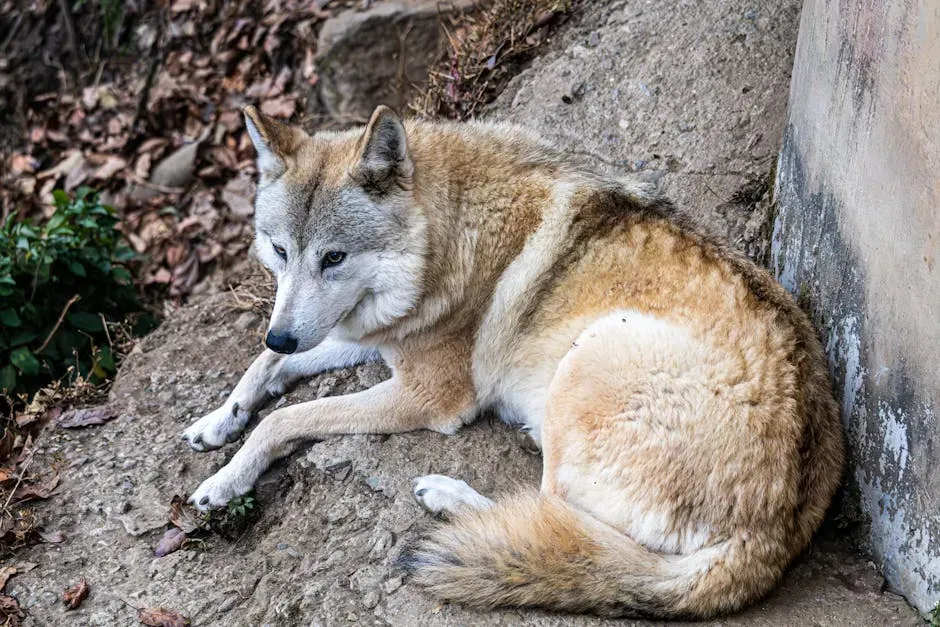
If you walked through the coastal forests of North Carolina at night, you’d almost never see the world’s rarest wolf – but it might be watching you. The red wolf once roamed from Texas to New York, yet now fewer than a hundred survive in the wild, mostly in and around a single recovery area in eastern North Carolina. You’re looking at an animal that was declared extinct in the wild in the late 1900s, then slowly stitched back into the landscape through captive breeding and reintroduction, only to decline again from shootings, car strikes, and interbreeding with coyotes.
Conservationists are fighting for every single pup. You see them fitting wolves with radio collars, tracking their movements through pine forests and farm fields, and quietly releasing captive-bred wolves into the wild to strengthen family packs. You also see a new strategy taking shape: working more closely with local landowners, offering support to protect livestock, and teaching people how to tell a coyote from a protected red wolf before pulling a trigger. When you zoom out, the red wolf becomes a test case: if you can share a crowded, working landscape with a shy, misunderstood predator, you prove there’s still room for wildness in the modern South.
2. Florida Panther: Big Cat in a State of Highways
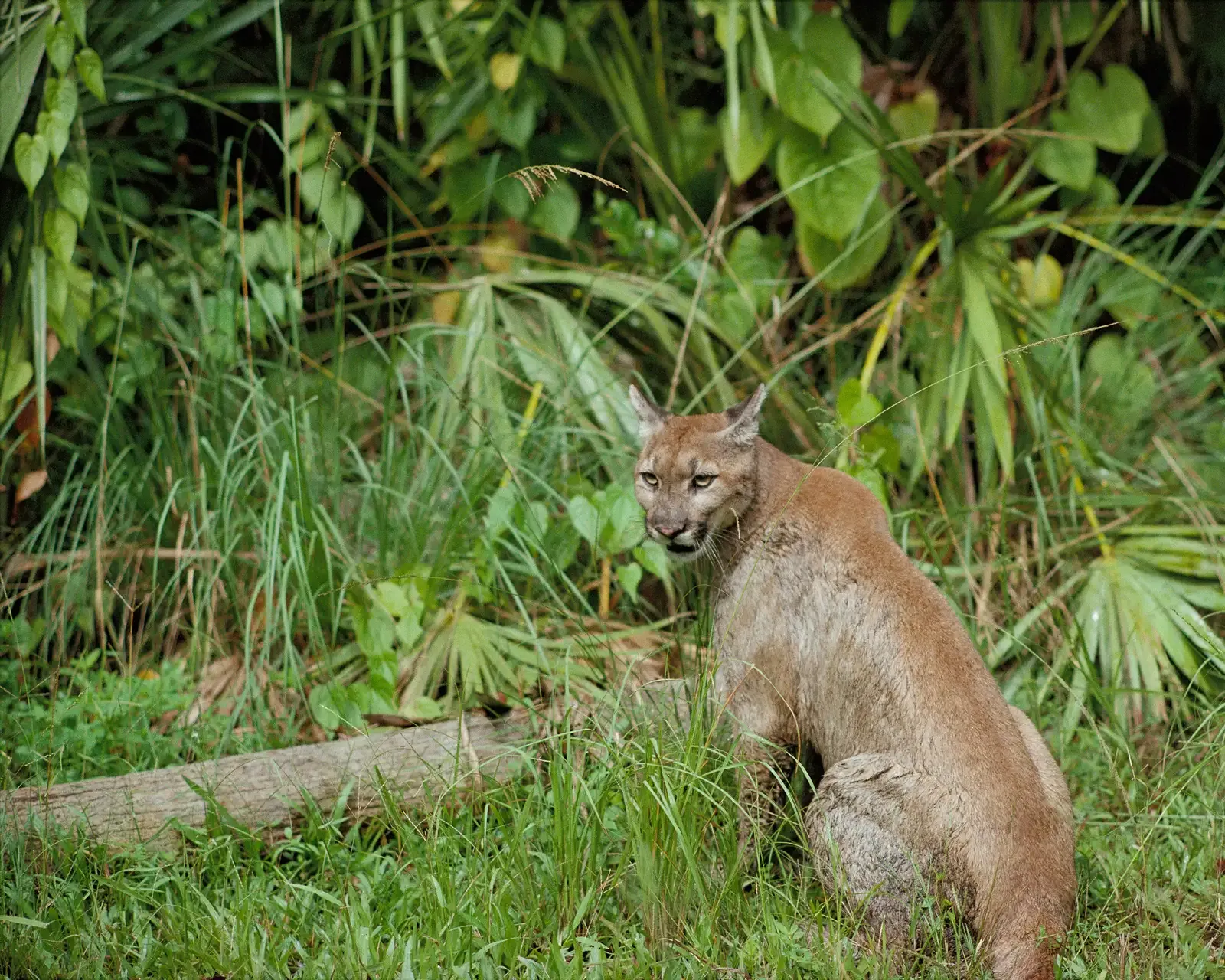
When you picture Florida, you might think of theme parks and beaches, but hidden in the swamps and pine flatwoods is one of North America’s rarest big cats: the Florida panther. This is actually a subspecies of the cougar that has been squeezed into the southern tip of the state, with only a few hundred adults left in the wild. You’re talking about a predator that needs huge territories but now navigates a maze of highways, housing developments, and canals – with vehicle collisions killing a noticeable share of the population every year.
To keep this cat from disappearing, conservationists have turned Florida into a kind of life-size puzzle. You see wildlife underpasses built under busy roads, miles of fencing guiding panthers safely toward them, and land deals that protect private ranches and forests as vital corridors. Biologists are also tracking panthers with GPS collars, learning where they cross roads, where they den, and which habitats they can’t live without. On top of that, you see a bold decision that changed everything: introducing closely related cougars from the West decades ago to increase genetic diversity, which helped panther numbers slowly climb. When you follow this story, you realize saving the Florida panther is really about deciding how much wild space a fast-growing state is willing to keep.
3. Hawaiian Monk Seal: A Survivor in a Warming Ocean
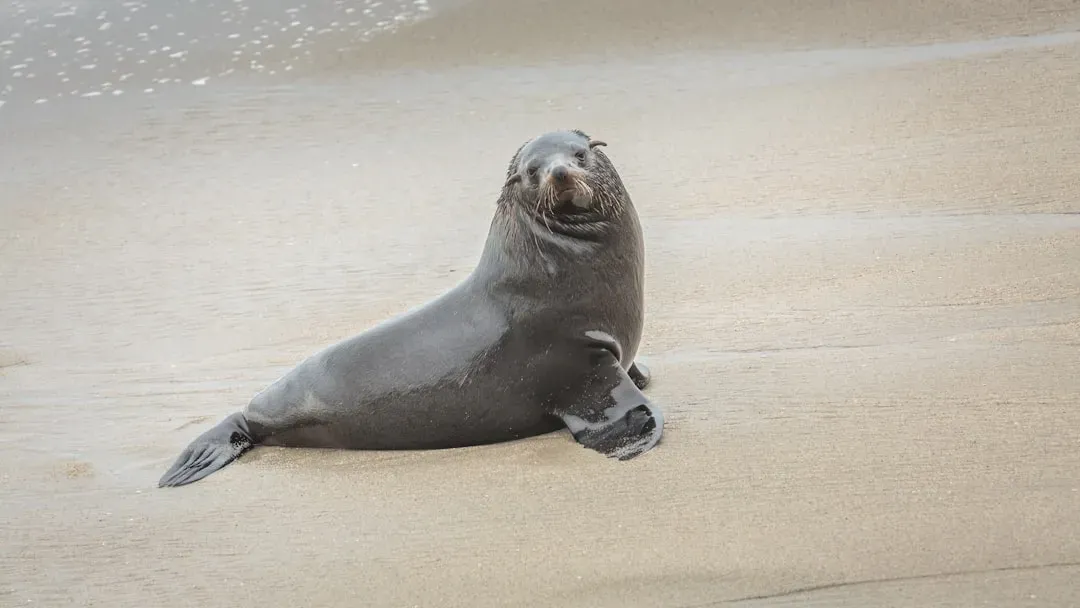
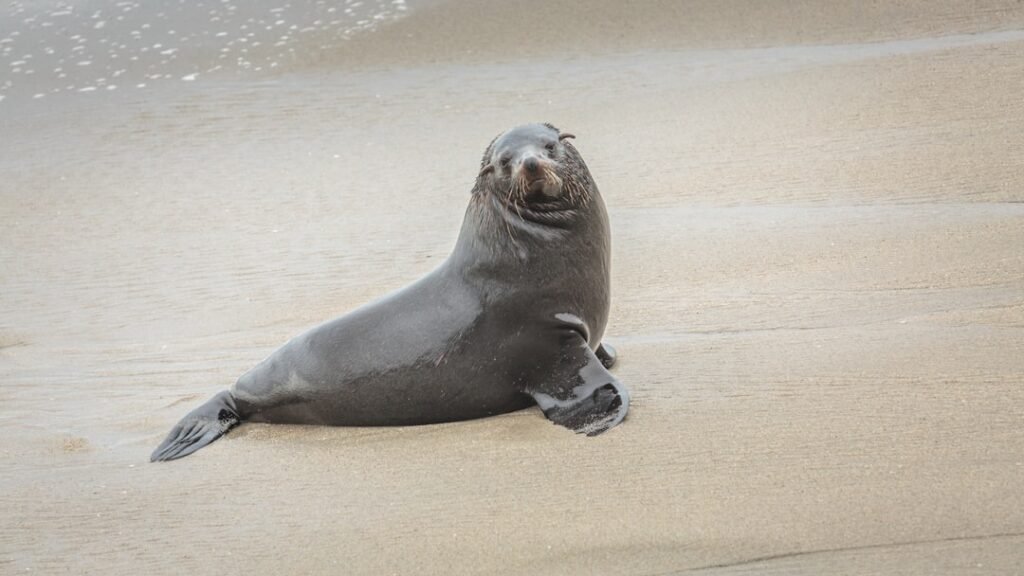
If you ever visit remote Hawaiian beaches and see a fat, sleeping seal draped like a gray rug on the sand, you’re looking at one of the rarest marine mammals on the planet. Hawaiian monk seals exist nowhere else on Earth, and their total numbers are only in the low thousands, scattered between the remote Northwestern Hawaiian Islands and the main islands where people live. You’re watching an animal pushed from multiple sides: pups drowning in rising seas, adults tangled in discarded fishing gear, and seals weakened by disease and lack of prey in some areas.
Conservationists have turned into full-time problem-solvers for these seals. You see teams cutting nets off stranded animals, moving vulnerable pups from eroding islets to safer beaches, and vaccinating seals against deadly diseases that could sweep through a small population. On the more human side, you see heavy outreach: signs on beaches, volunteers explaining to visitors why you should keep your distance, and even social media campaigns discouraging people from harassing or feeding seals. By combining hands-on rescue work with quiet culture change, scientists and communities are trying to buy time for monk seals as the ocean around them transforms faster than ever.
4. California Condor: Giant of the Skies, Saved in the Nick of Time
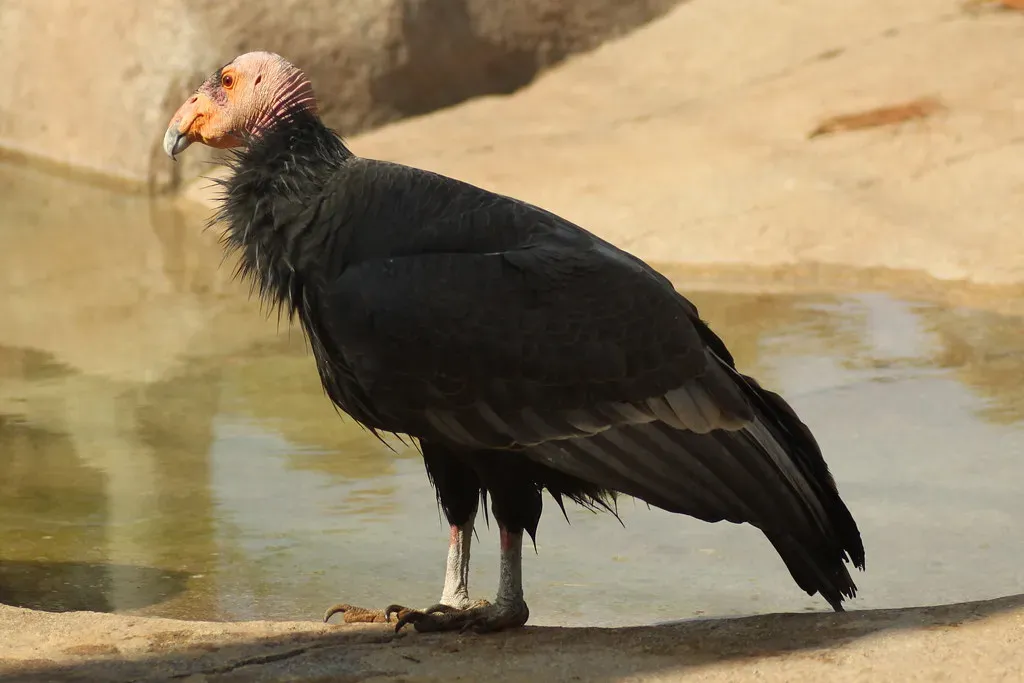
Imagine looking up and seeing a bird with a wingspan wider than you are tall, circling like a slow airplane over canyons and cliffs. That’s the California condor, a scavenger that nearly vanished when the last wild individuals were captured in the 1980s to start an emergency breeding program. For a moment, there were literally none flying free. Today, thanks to that desperate move, several hundred condors soar again over California, Arizona, Utah, and northern Mexico, but the species is still considered critically endangered.
What’s holding condors back now is not just numbers, but poison. When they feed on carcasses containing fragments of lead ammunition, they get sick and die, so biologists constantly trap condors to test their blood and treat lead poisoning. At the same time, you see conservation teams releasing captive-bred birds into carefully chosen sites, training them with puppet-like condor heads when they’re chicks so they don’t imprint on humans. You also see a growing push to switch hunters to non-lead ammunition in key condor areas, which is one of the most practical ways you personally can help if you hunt. Every condor that survives long enough to raise chicks in the wild is a small miracle, and proof that a species can come back from zero if you are willing to commit for decades.
5. Vaquita: The Tiny Porpoise on the Edge of Disappearing
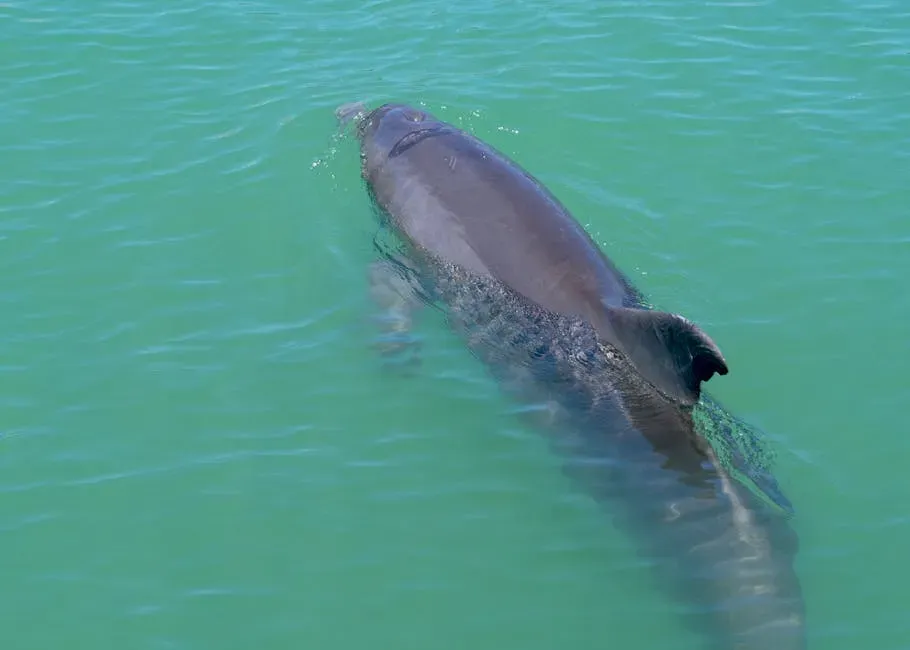
Even if you’re deeply into wildlife, you might never have seen a vaquita, and at this point, almost nobody has. This tiny porpoise lives only in the northern Gulf of California, just off Mexico, but it has become one of North America’s most heartbreaking conservation stories. Its numbers have crashed to only a handful of individuals, all because of entanglement in illegal gillnets set for another species, the totoaba, whose swim bladder is sold on black markets. You’re not dealing with slow habitat loss here; you’re watching a small animal vanish in the same nets over and over.
Conservationists are racing time. They’re pushing hard for gillnet bans in the vaquita’s core habitat, patrolling with the help of local communities and, in some areas, the navy to remove illegal nets before animals drown. You also see attempts to shift fishers toward alternative gear that can catch legal fish without killing vaquitas, and experiments with new technologies to monitor the porpoises acoustically, since they’re so hard to spot. The situation is fragile and uncertain, but it teaches you a blunt lesson: if you want rare animals to survive, you cannot separate wildlife protection from law enforcement, trade policy, and the everyday reality of coastal families trying to make a living.
When you step back from these five animals, you start to notice a pattern: none of them are being saved by a single silver-bullet solution. Every story is messy, long, and full of trade-offs – roads versus corridors, fishing versus bycatch, development versus wild space. But you also see that when people decide a species matters, even one most of the public has never heard of, incredible things can happen: laws change, money appears, new technologies are invented, and kids grow up knowing these animals as part of their world instead of a sad story from the past.
You might never crawl into a condor release pen or pull a net off a monk seal, but your choices still ripple outward – what you vote for, what you eat, what you support, and even what you share with friends. If you live in or visit these regions, you can volunteer, report wildlife harassment, choose wildlife-friendly products, or simply give animals space when you encounter them. In the end, the question hanging over all of this is pretty simple: when your grandchildren ask what wild America looked like, do you want these animals to be something they can see – or just something they can only imagine?