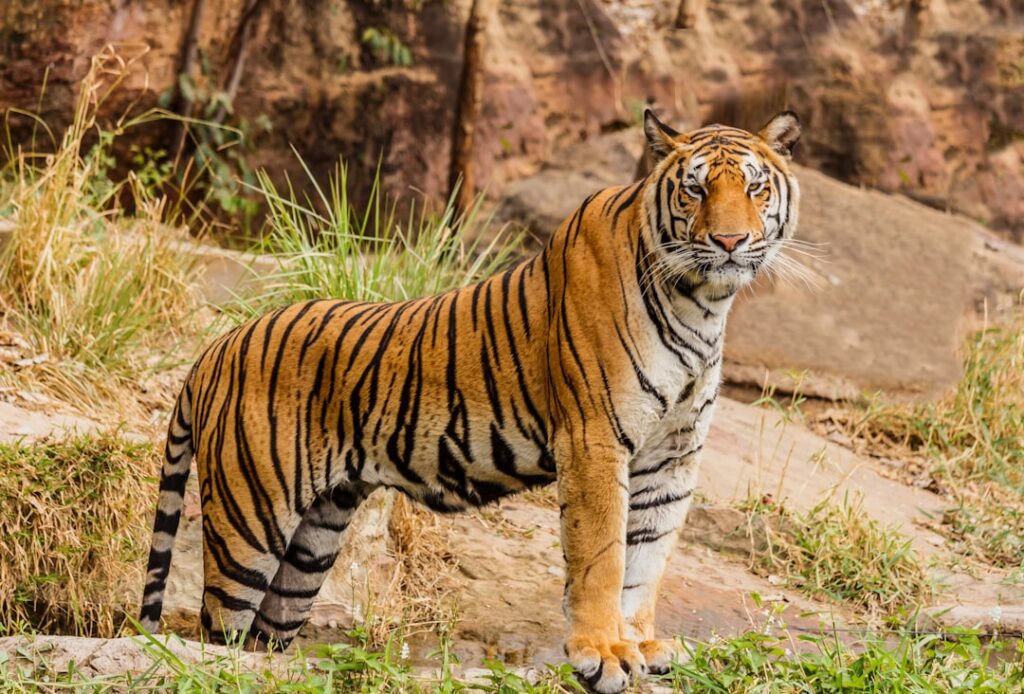
Picture yourself standing at the edge of North America, the salty Atlantic wind tangling your hair, as ancient rocks tower above and crumble beneath your feet. Now imagine these cliffs are not just stone, but a time machine, peeling back the layers of 300 million years to reveal a world of monstrous millipedes, towering trees, and a wilderness so alien it almost feels like fantasy. Nova Scotia’s Joggins Cliffs aren’t just another pretty face on Canada’s coast—they are a breathtaking portal into Earth’s deep history, a place that whispers secrets of lost forests and the creatures that roamed them. Can you feel that chilly shiver on your neck? That’s the thrill of standing where time itself is exposed.
The Landscape That Time Built

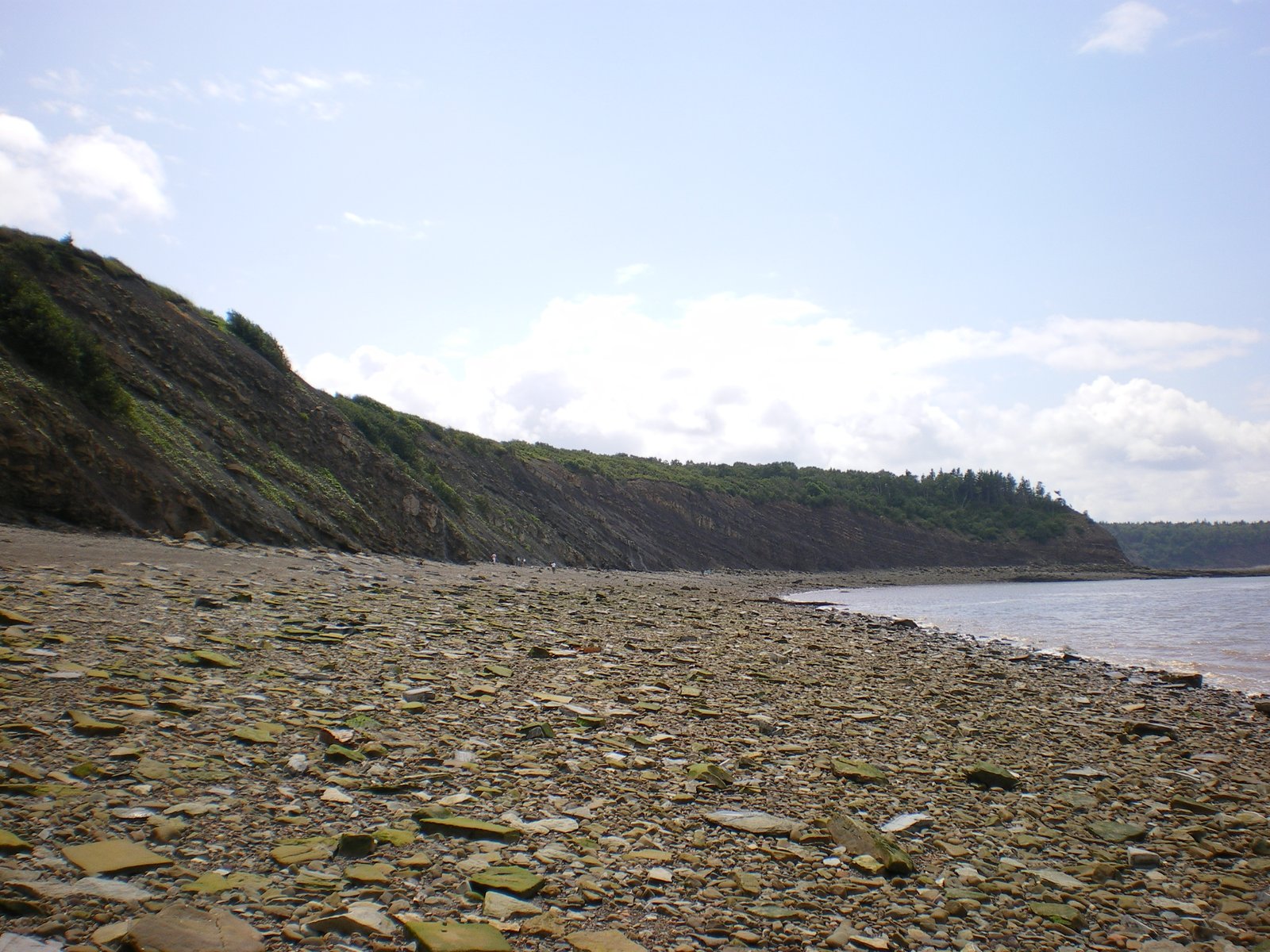
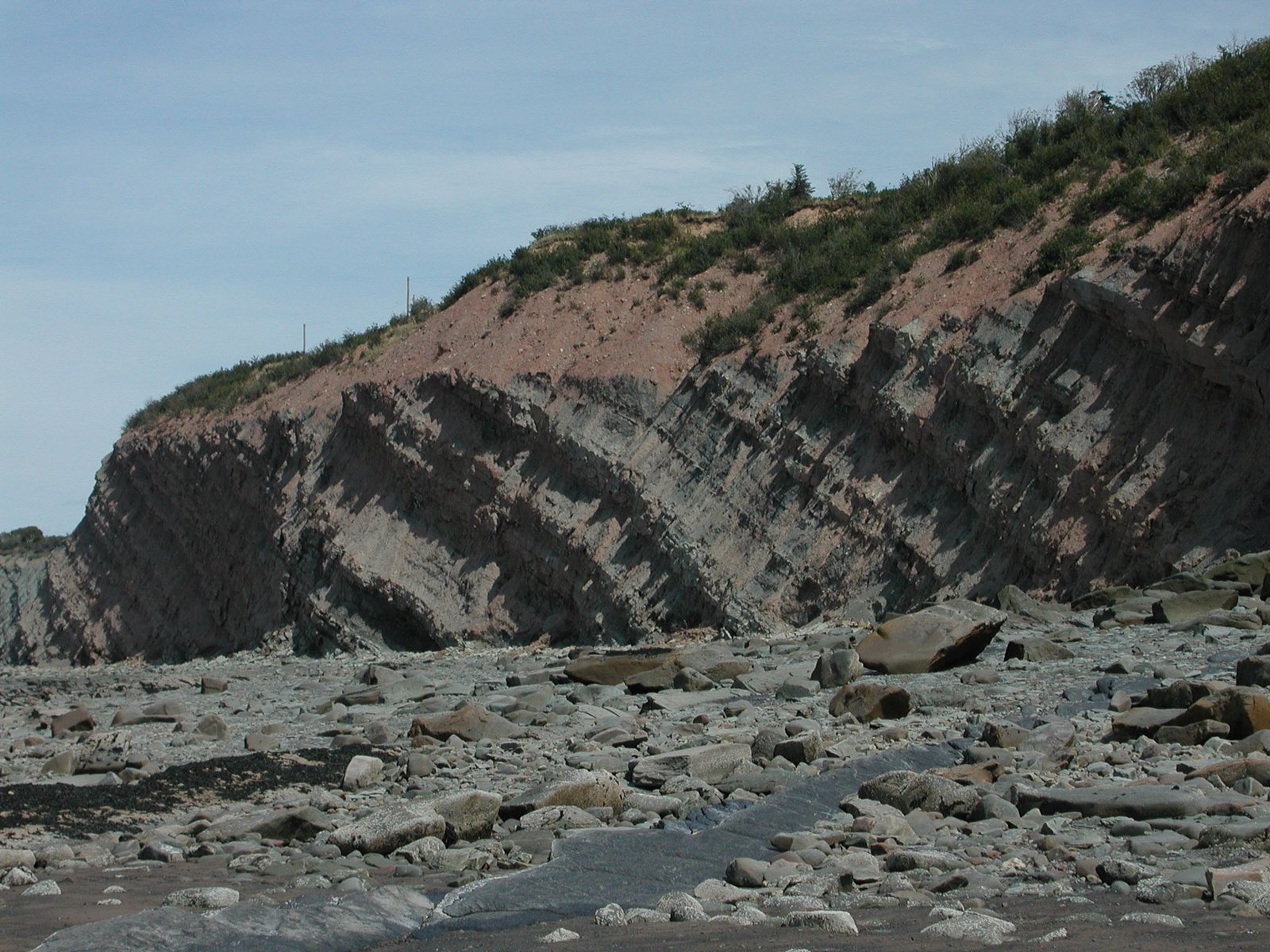
Joggins Cliffs stretch for nearly 15 kilometers along the Bay of Fundy, their ragged edge sculpted by relentless tides. What makes them extraordinary isn’t just their beauty—it’s their story. Layer upon layer, these cliffs hold one of the world’s most complete fossil records from the Carboniferous Period. Every inch is an open window to a vanished world, where tropical swamps once flourished and bizarre creatures left their mark in stone. Walking here, you’re literally stepping over the bones and roots of Earth’s ancient past. The sheer scale of time these cliffs represent is almost overwhelming, making you feel tiny in the grand sweep of history.
A Carboniferous Wonderland
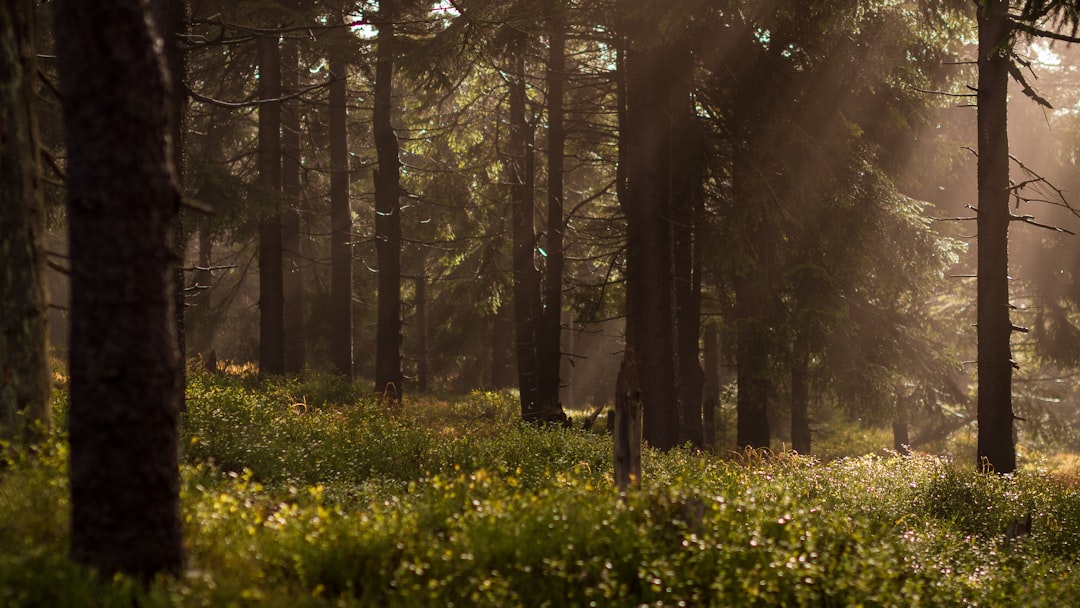
About 310 million years ago, long before the first dinosaur ever thundered across the land, the area now known as Joggins was a lush, muggy swamp near the equator. Gigantic trees called lycopsids and tree ferns soared skyward, creating dense, dark forests that would eventually form the coal seams visible today. The air was thick with humidity and the buzz of ancient insects. This was a world where amphibians ruled and the first reptiles took their tentative steps. The cliffs freeze this moment in geologic time, capturing fossilized remains as if nature pressed the pause button.
Fossil Forests: Trees Turned to Stone
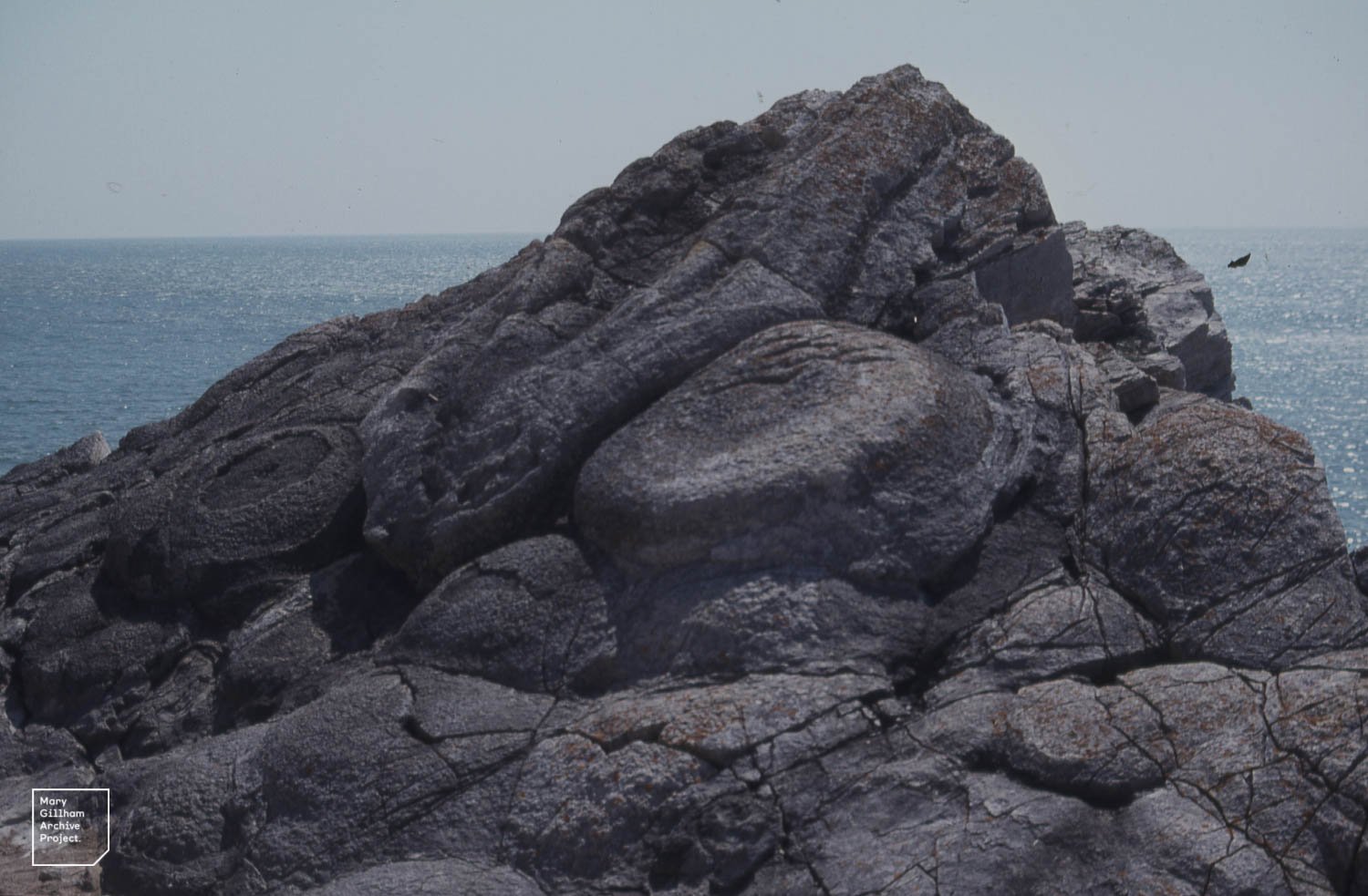
Joggins is famous for its “fossil forests”—upright trees petrified in place, their roots still clutching the ancient soil. Imagine stumbling upon a tree trunk, not lying down, but jutting straight out of the cliff face as if it’s still growing. These fossilized trees, some over six meters tall, are mostly giant clubmosses (Lepidodendron) and horsetails (Calamites). Their bark is sometimes so perfectly preserved that you can see the unique patterns left by ancient growth. Each tree is a silent witness to a world before mammals, before birds, before flowers—just endless green and the occasional, enormous bug.
The Giant Millipede: Arthropleura’s Reign
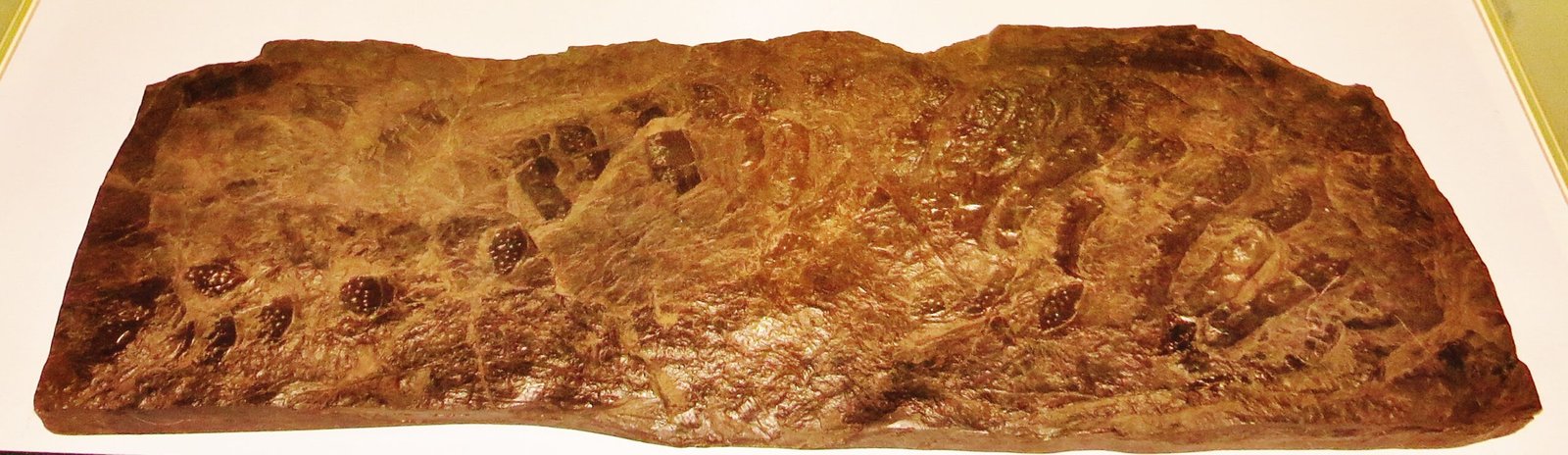
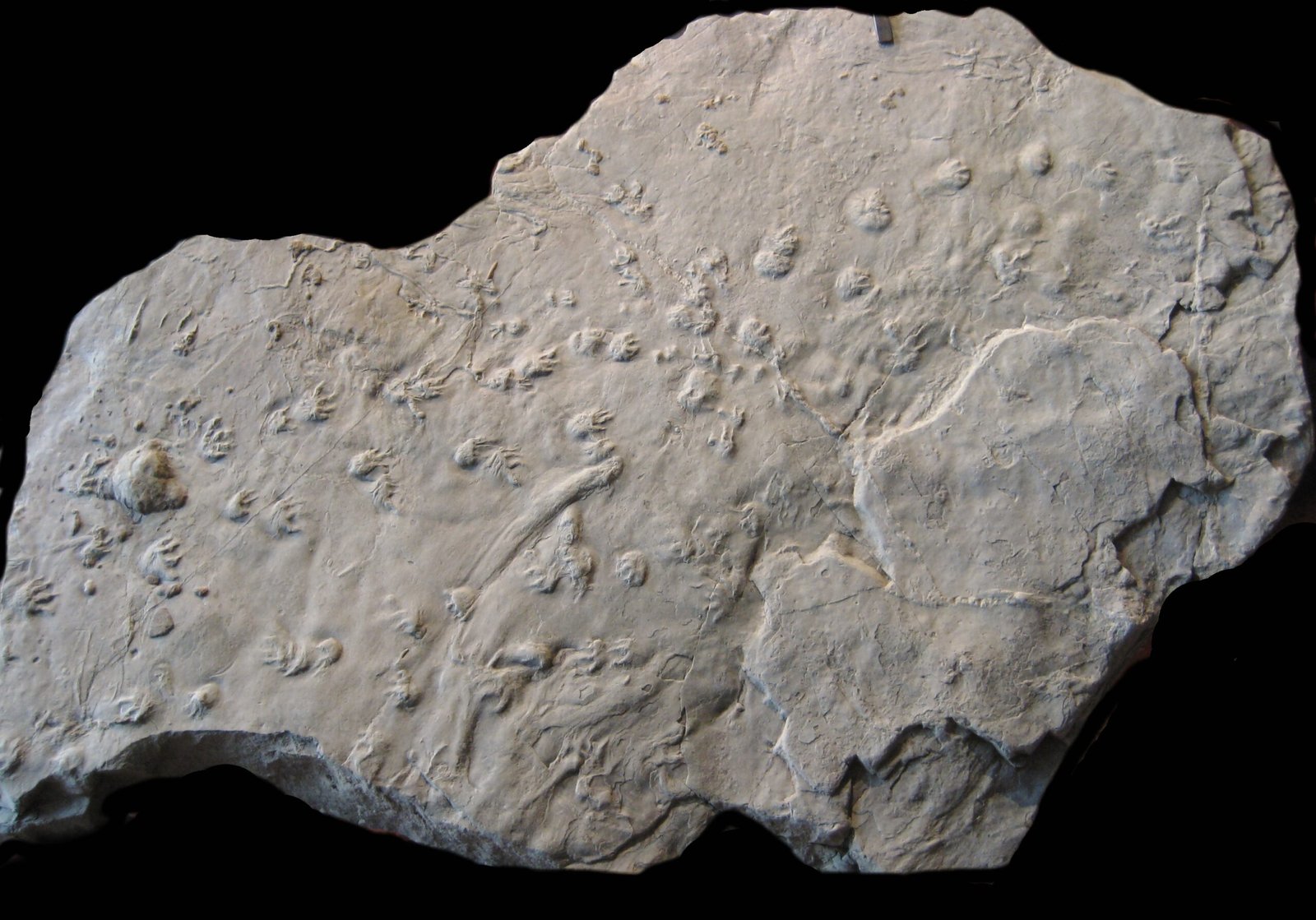
Perhaps the most jaw-dropping creature uncovered at Joggins is Arthropleura—a millipede as long as a car. Try to imagine a many-legged invertebrate, wider than your arm, creeping through tangled roots and fallen logs. Fossil tracks of Arthropleura are etched into the rocks, revealing how these gentle giants roamed the ancient forests. Scientists believe they grew so large because of high oxygen levels in the Carboniferous air. Today, nothing like them exists; their extinction marks the end of an era where arthropods ruled the world.
First Reptiles: Hylonomus and the Dawn of Eggs
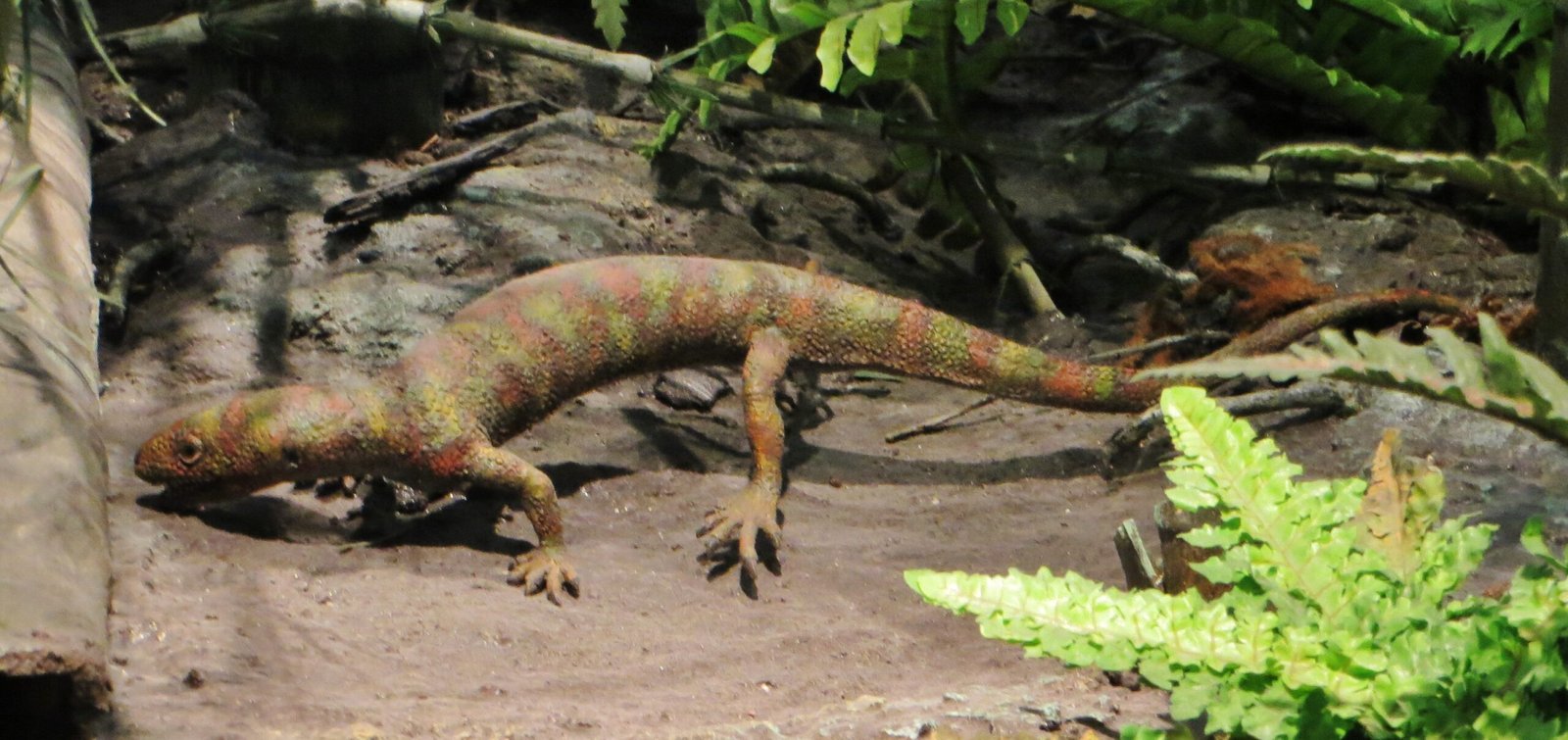
One of the most scientifically significant finds at Joggins is the fossil of Hylonomus lyelli, the oldest known reptile. About 315 million years ago, this tiny lizard-like creature scurried through the undergrowth, laying eggs in hollow tree stumps. Its discovery at Joggins was a game-changer—it showed that vertebrates were starting to break free from water, using amniotic eggs to conquer dry land. This moment marked the beginning of a new evolutionary chapter, leading eventually to dinosaurs, mammals, and us.
Coal and Fossils: Nature’s Hidden Treasure

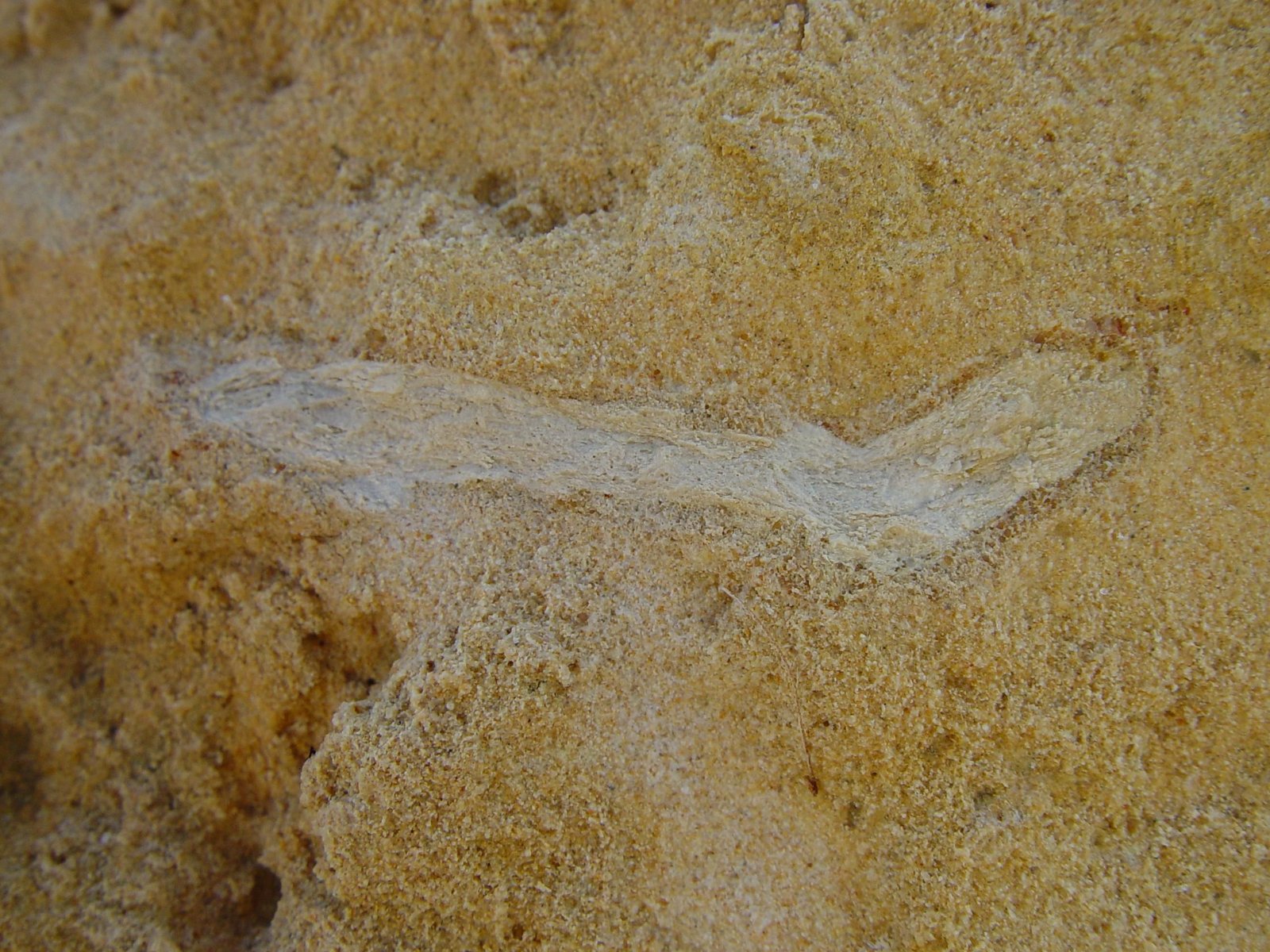
The same swamps that nurtured ancient life also laid down thick beds of peat, which over millions of years became coal. Embedded within the coal seams are fossils—plants, insects, and even footprints—preserved by the weight and chemistry of deep burial. In the 19th century, when coal mining began at Joggins, workers stumbled upon these astonishing relics, sometimes pulling a fossilized tree out of a coal face. The cliffs became a treasure trove for scientists and collectors, their stories locked in black rock.
The Tides That Reveal the Past

The Bay of Fundy is famous for having the highest tides on Earth. Every day, these surging waters chew away at the cliffs, exposing new fossils while erasing old ones. The constant erosion means that Joggins is never the same place twice—each visit offers a fresh chance to glimpse something unseen for millions of years. For fossil hunters, it’s like a living laboratory where the past is always being uncovered, sometimes right at your feet after a stormy night.
Footprints and Trackways: Ancient Life in Motion
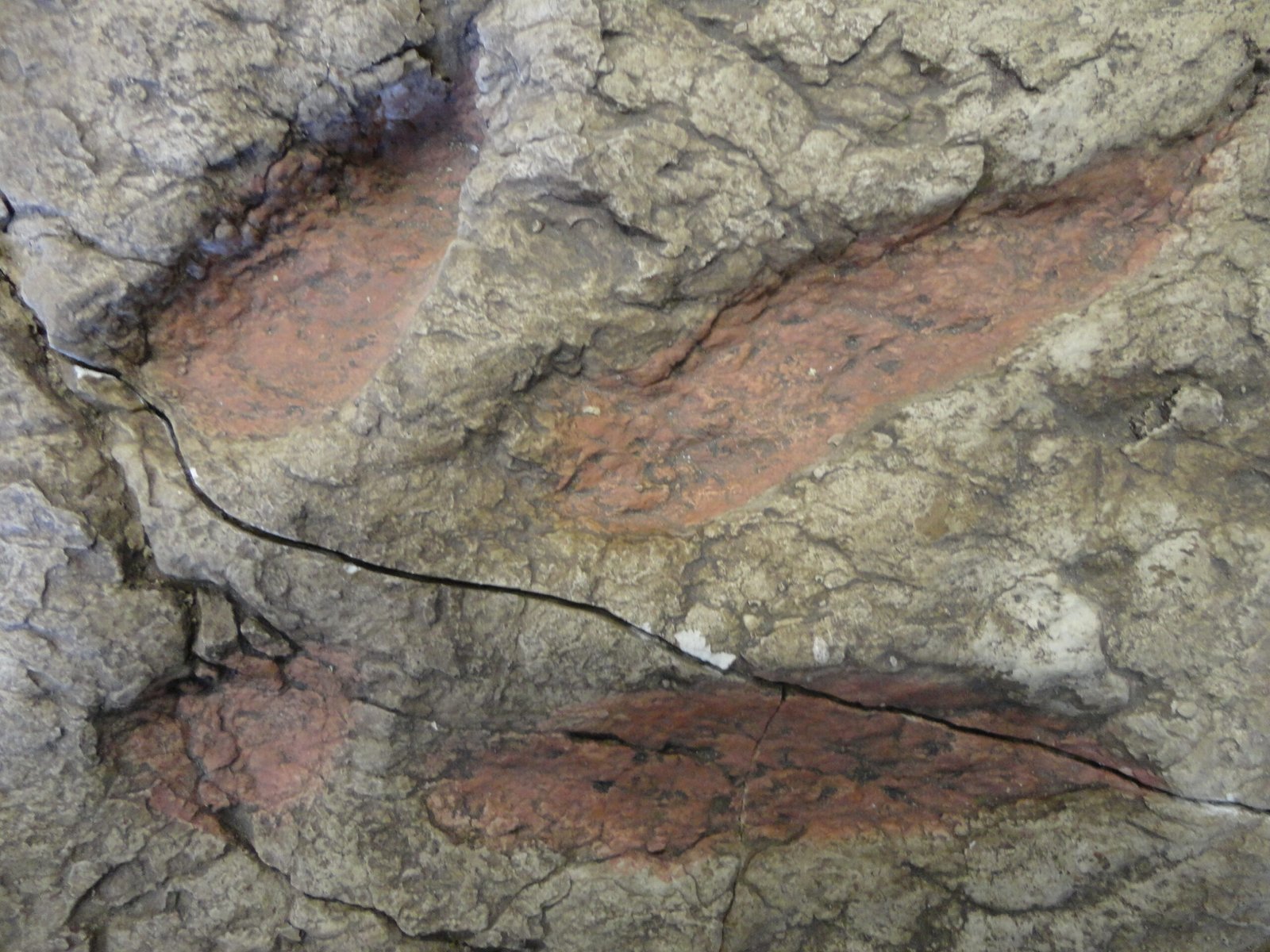
One of the most magical aspects of Joggins is the abundance of fossil trackways—impressions left by creatures as they slithered, crawled, or hopped through the mud long ago. These tracks tell stories that bones cannot: the slow amble of an amphibian, the scurry of a reptile, the twisting path of a giant millipede. Each footprint is a fleeting moment caught in stone, offering a glimpse into the daily drama of a vanished ecosystem. It’s like finding a diary written in mud.
Insects of Unimaginable Size
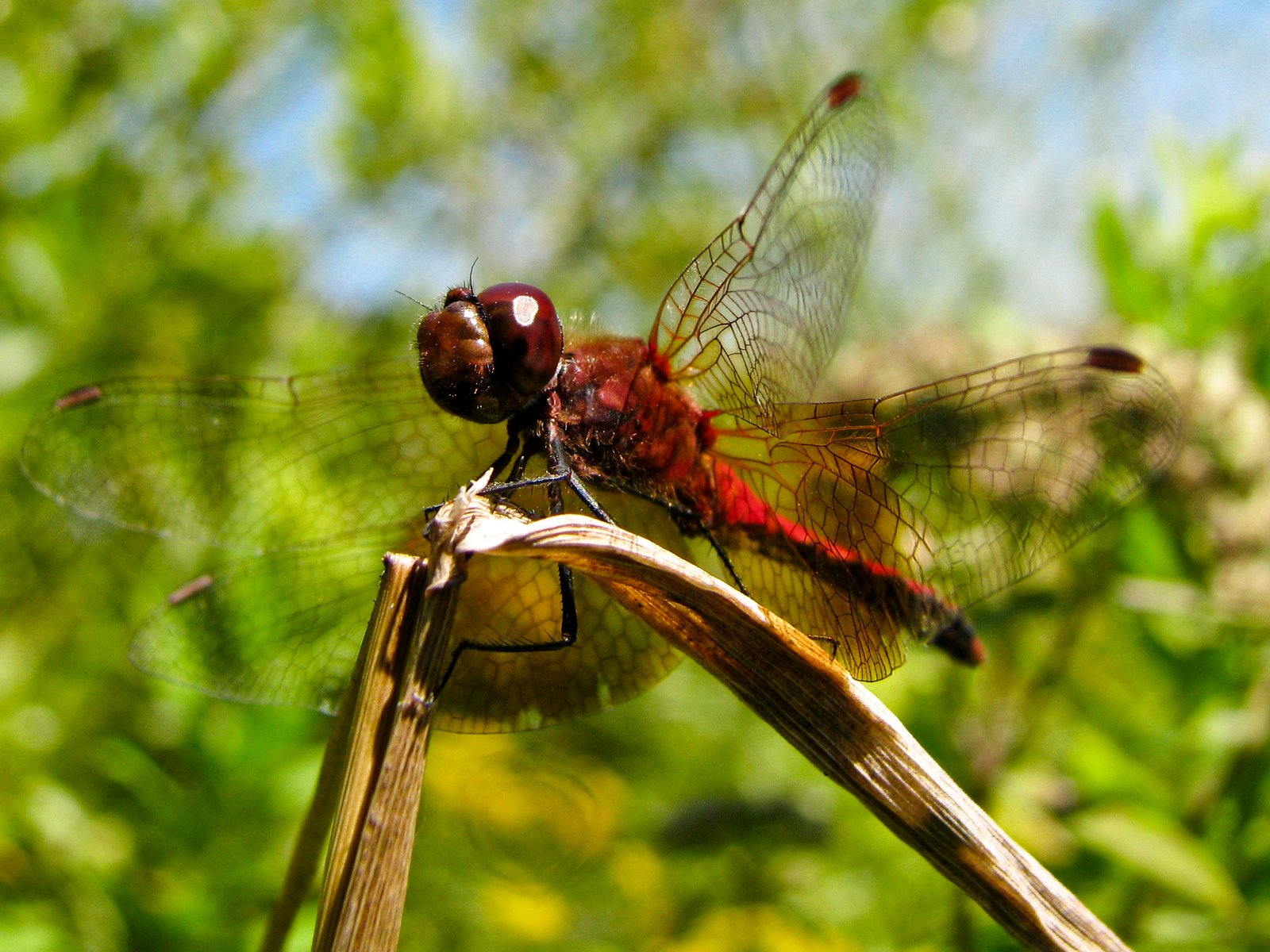
The Carboniferous Period was a golden age for insects. With oxygen levels much higher than today, bugs could grow to monstrous sizes. At Joggins, fossilized wings and bodies of dragonflies with two-foot wingspans have been found. Meganeura, a giant predatory dragonfly, once ruled the skies here. Imagine the buzzing of insects so large they cast shadows on the forest floor—it’s both awe-inspiring and a little terrifying, making today’s mosquitoes seem downright friendly.
Swamps, Rivers, and Ancient Ecosystems
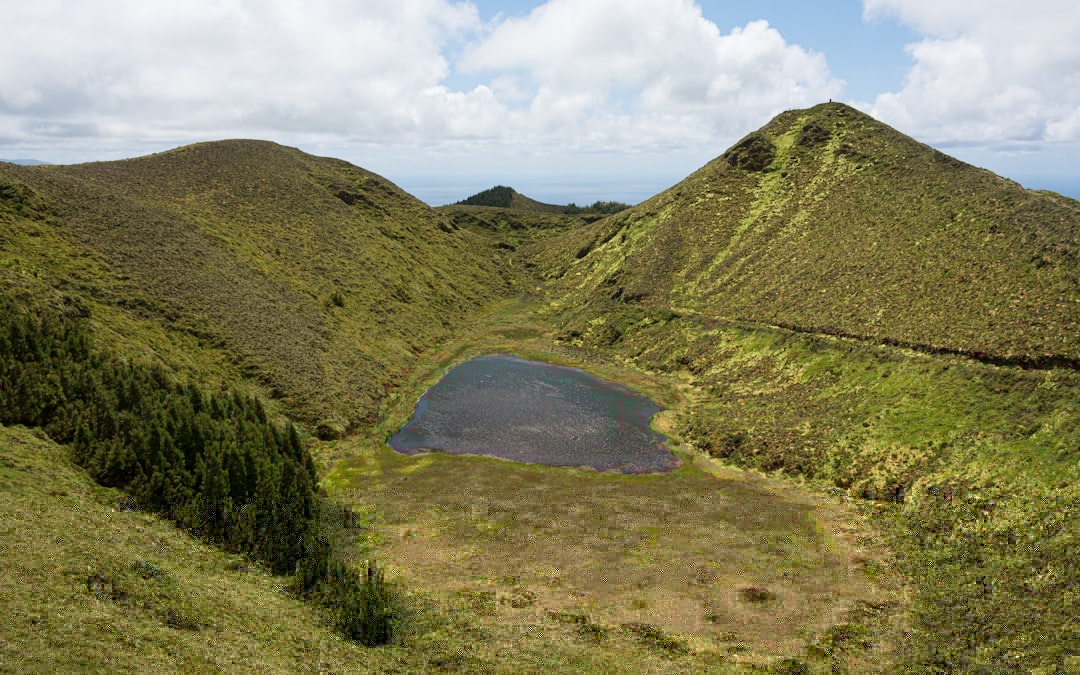
Joggins wasn’t just a swamp—it was a dynamic landscape of rivers, lakes, and shifting forests. Plant fossils show a constantly changing environment, with floods burying forests and new growth springing up overnight. Sediment layers tell of sudden catastrophes, like storms or river shifts, that trapped and preserved whole groves of trees. This diversity of habitats made Joggins a hotspot for life, and a perfect place for fossils to form; it was a messy, muddy paradise for ancient life.
The Pioneers of Paleontology
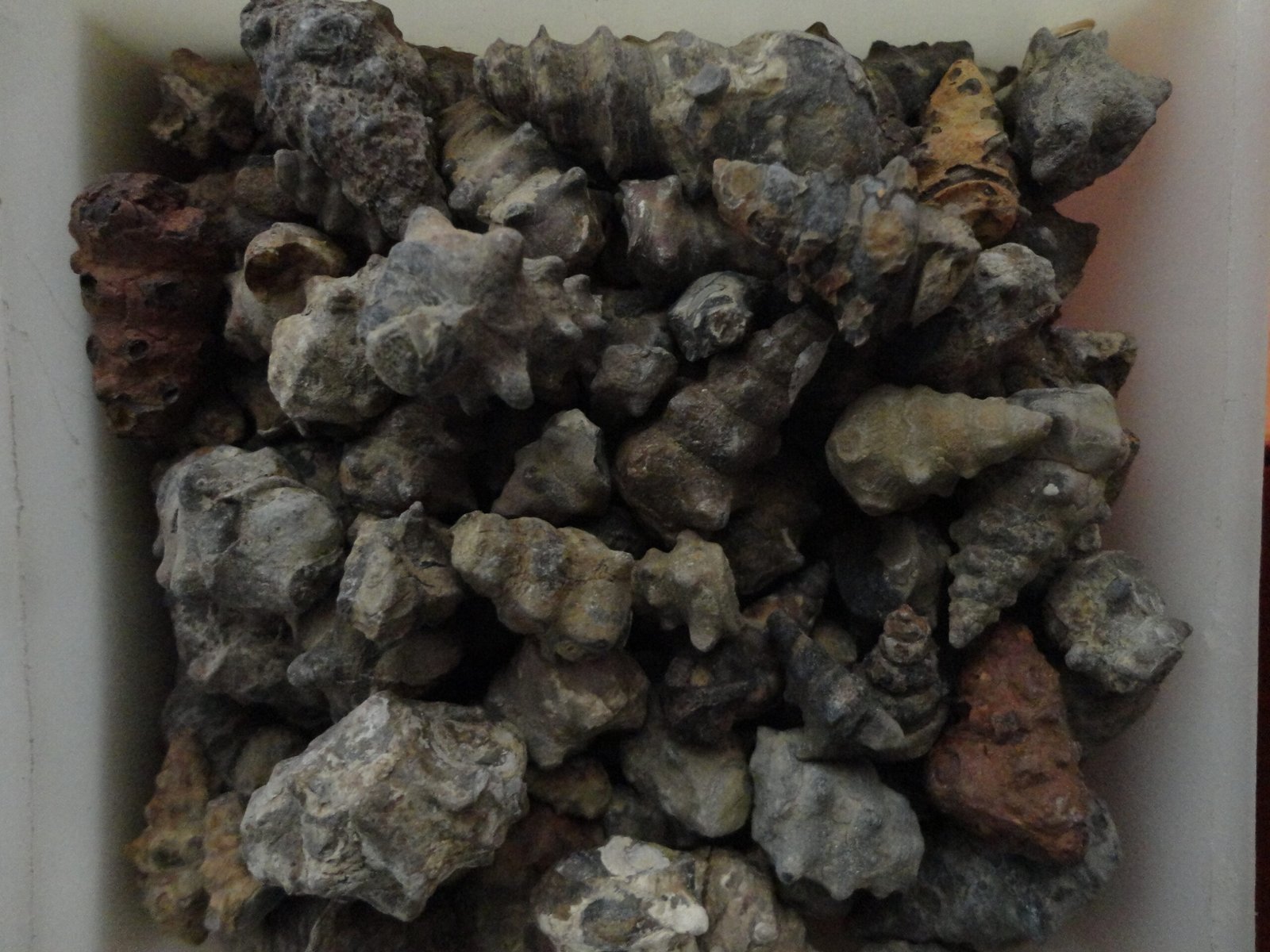
Joggins has a rich history of discovery, with famous scientists like Sir Charles Lyell and Sir William Dawson exploring its cliffs in the 1800s. Their work here helped shape our understanding of geology and evolution. Dawson’s discovery of Hylonomus lyelli changed the course of paleontology, showing that reptiles evolved earlier than once thought. Today, the cliffs draw researchers from around the world, all chasing the thrill of finding the next big thing in a place where history is always being rewritten.
World Heritage Recognition
In 2008, the Joggins Fossil Cliffs were declared a UNESCO World Heritage Site. This honor recognizes their unmatched value as a record of Earth’s deep past. It’s not just about fossils; it’s about the story they tell, the window they offer into a world we can barely imagine. The designation helps protect the cliffs for future generations, ensuring their secrets will keep inspiring awe and wonder in scientists and visitors alike.
Education and Community

Joggins isn’t just for scientists—it’s a place for everyone. The local community has worked hard to make the site accessible, creating museums, guided tours, and educational programs. Schoolchildren come here to touch fossils, ask questions, and let their imaginations run wild. For many, it’s their first taste of real scientific discovery, the spark that might light a lifelong passion. There’s a sense of pride and stewardship here, as locals help protect the cliffs and share their magic with the world.
Climate Clues Locked in Stone
The rocks at Joggins don’t just tell the story of ancient life—they hold clues about Earth’s changing climate. By studying the layers of coal, ash, and mudstone, scientists can reconstruct the ancient atmosphere, tracking shifts in temperature, rainfall, and even oxygen levels. These findings help us understand how life adapts to climate change, which is more relevant than ever as we face our own environmental challenges today. The cliffs are a reminder that nothing on Earth stays the same forever.
Modern Fossil Hunting: Science Meets Adventure

Today, you don’t have to be a professional paleontologist to make discoveries at Joggins. With careful guidance, visitors can hunt for fossils along the beach, feeling the thrill of finding something no one has seen in millions of years. It’s not just fun—it’s science in action. Every new fossil, no matter how small, adds to our understanding of this ancient ecosystem. The sense of wonder and adventure is infectious, making Joggins a playground for curious minds of all ages.
Nature’s Art Gallery: Patterns, Shapes, and Stories
The fossils at Joggins aren’t just scientific specimens—they’re works of natural art. The spirals of ancient shells, the bark patterns of giant trees, the delicate tracings of insect wings—all preserved in stone, all uniquely beautiful. Walking the cliffs is like visiting a gallery where every piece tells a story. These patterns connect us to the past in a deeply personal way, inviting us to imagine, to wonder, and to dream.
The Power of Preservation

Preserving Joggins isn’t just about protecting rocks; it’s about keeping history alive. Erosion, development, and careless collecting threaten to erase what nature took millions of years to create. The community, scientists, and government all work together to balance access and conservation. Responsible stewardship means future generations will still be able to walk these cliffs and feel the weight of deep time pressing in around them.
Inspiration for the Future
Joggins is more than a fossil site—it’s a source of inspiration. Artists, writers, and dreamers come here, moved by the sense of ancient mystery. The cliffs challenge us to think bigger, to imagine worlds beyond our own, and to cherish the fleeting moment we have on this planet. They remind us that life is resilient, adaptable, and endlessly surprising.
A Living Laboratory
Research at Joggins never stops. Every year, new discoveries are made—new species, new trackways, new insights into life’s long history. The cliffs are a laboratory with no walls, open to anyone with curiosity and patience. It’s a place where questions outnumber answers, and where the journey of exploration matters as much as the destination.
Why Joggins Matters Today
In a world obsessed with speed and novelty, Joggins asks us to slow down and look back. Its cliffs are a reminder that everything we know—every plant, animal, and landscape—has deep roots in time. By visiting, learning, and protecting Joggins, we become part of its story. This ancient place invites us to connect with our planet’s past, to marvel at its mysteries, and to carry its lessons forward.