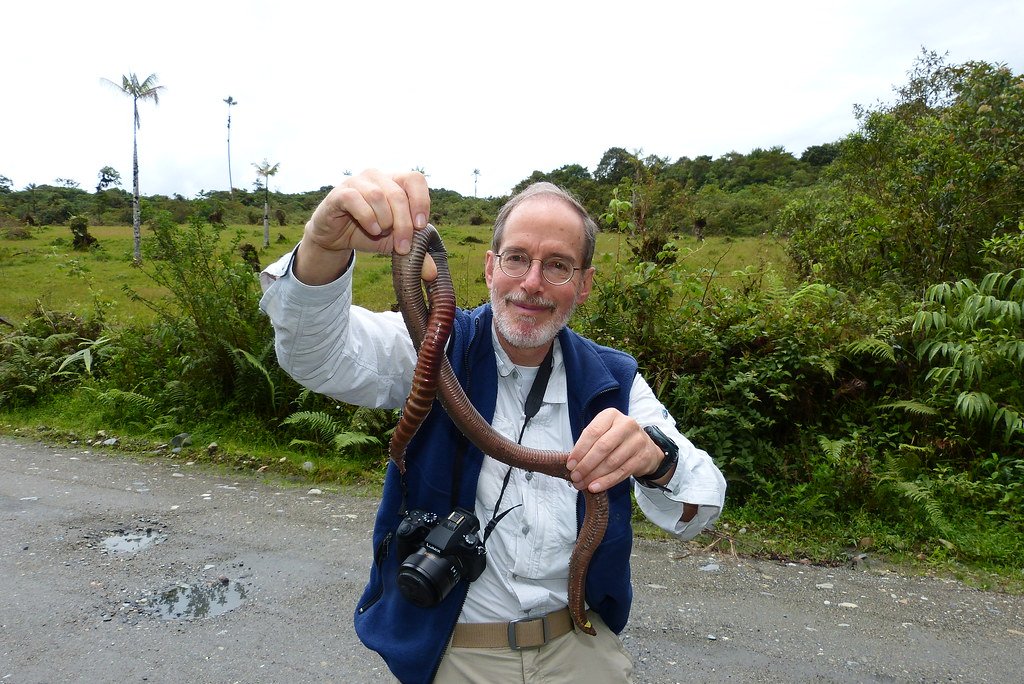

Imagine strolling through a misty New Zealand forest, the ground spongy beneath your boots, only to spot something wriggling through the soil that makes you do a double take. It’s not a snake or a garden hose—it’s an earthworm, but not just any earthworm! These are giants, some as thick as your thumb and as long as your arm. The first time you see one, it’s hard not to feel a mix of fascination and disbelief. How did these colossal creatures come to slither in New Zealand’s shadowy undergrowth? Prepare to be surprised, maybe even a little grossed out, but one thing’s for sure—you’ll never look at your backyard earthworm the same way again.
The Giants Beneath Our Feet
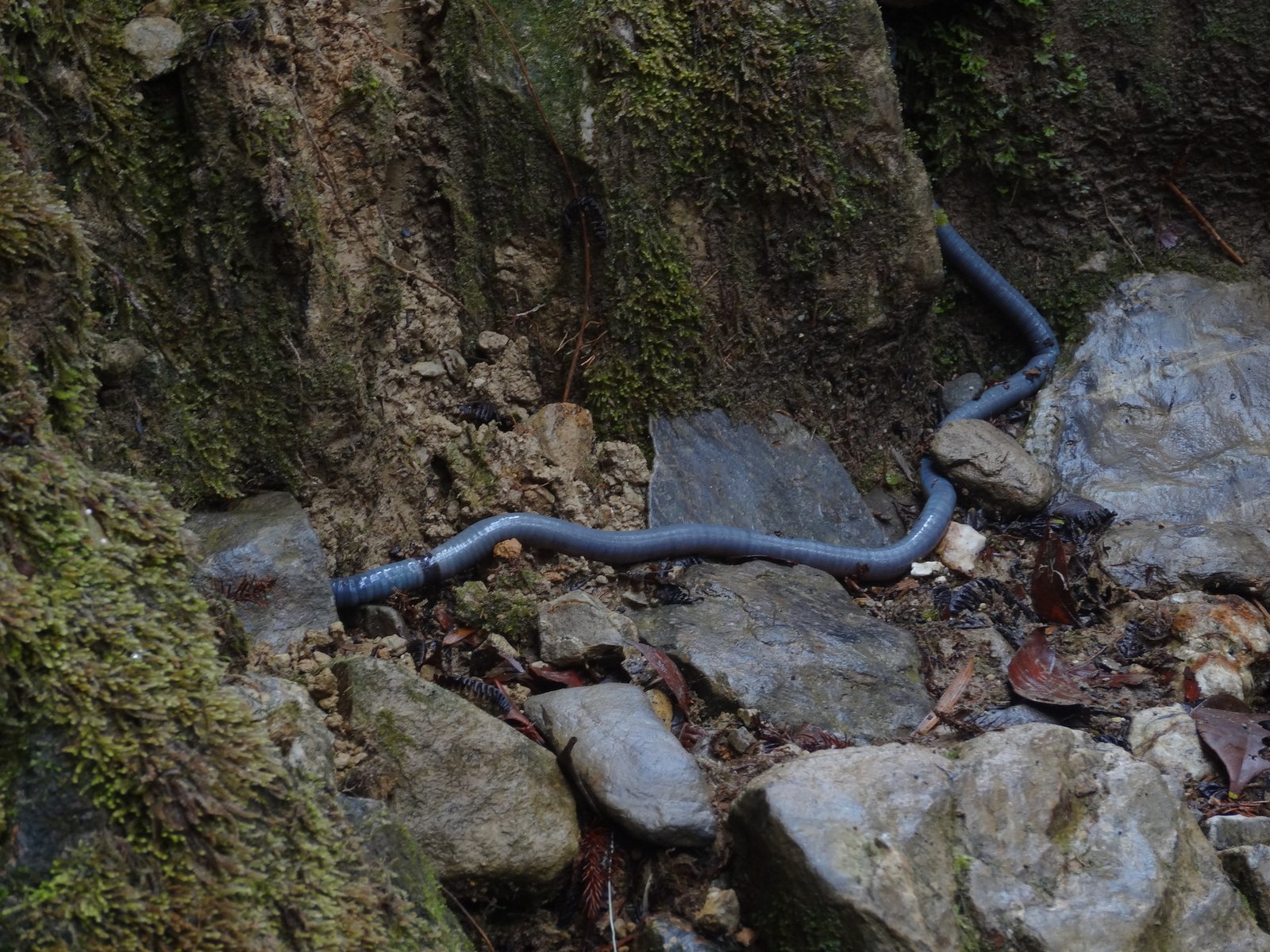
New Zealand’s giant earthworms, particularly the species known as *Spenceriella gigantea*, can grow to astonishing lengths—up to 1.5 meters (almost 5 feet) long. Just imagine holding a creature that stretches from your fingertips down past your knees! These worms are so thick and glossy, folks have genuinely mistaken them for rubber hoses left in the garden. Unlike the little wrigglers you see on rainy sidewalks, these giants glide through the soil with a slow, mesmerizing grace.
Where Do They Live?
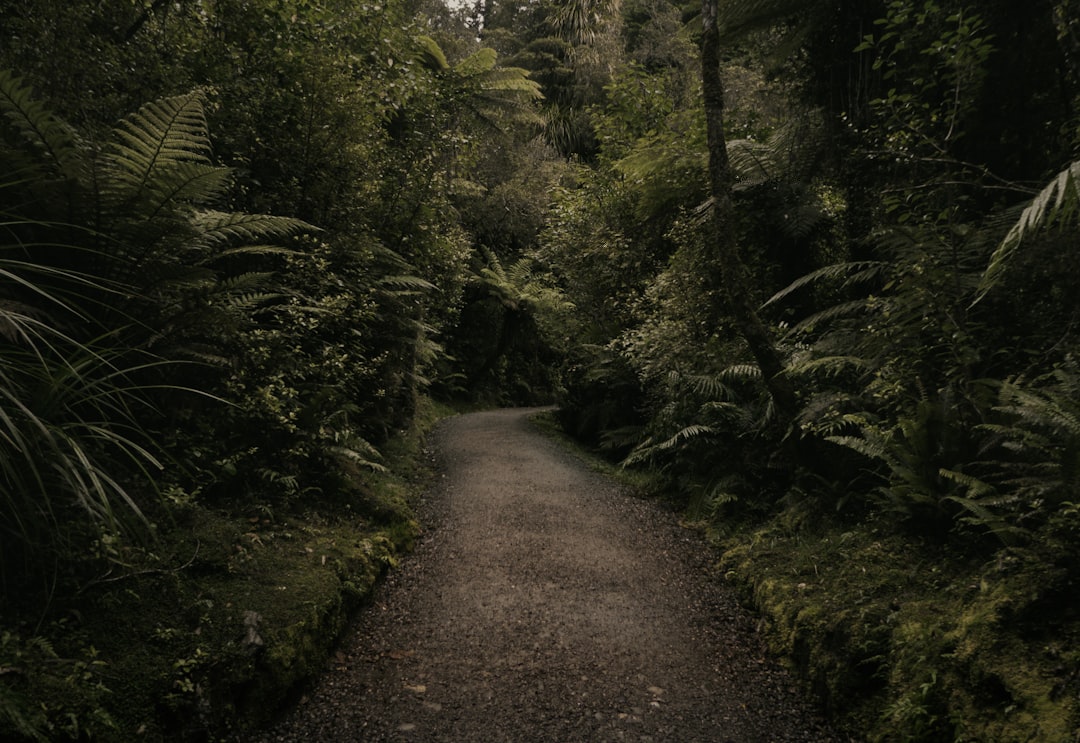
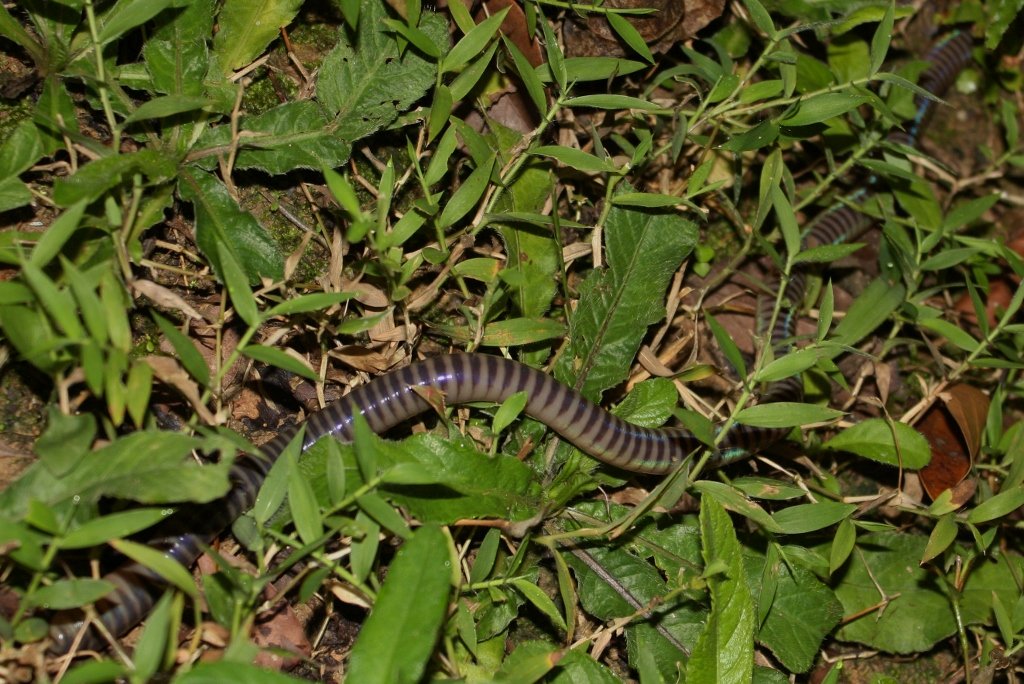
These massive earthworms prefer the cool, damp forests of New Zealand’s North Island, especially in areas with rich, loamy soils. They’re rarely seen above ground, spending almost all their lives burrowing deep in the earth. Their tunnels can be as wide as a thumb and stretch for meters, creating a hidden labyrinth beneath the ferns and moss. If you want to find one, you’ll need patience, a keen eye, and maybe a little luck after a heavy rain.
Why So Big?
The sheer size of these earthworms is partly thanks to New Zealand’s lush environment and lack of native predatory mammals. Over millions of years, they evolved to take full advantage of the moist, nutrient-rich soil. Their large size helps them tunnel deeper and process more organic material, which in turn keeps them well-fed and thriving. It’s a stunning example of how isolation and unique habitats can drive the evolution of truly jaw-dropping life forms.
What Do They Eat?

Giant earthworms are nature’s tireless recyclers. They feast on decaying leaves, dead roots, and other organic matter, turning it into rich, fertile soil. As they munch their way through the earth, they leave behind castings—tiny nuggets of nutrient-packed soil that nourish the forest floor. Without these humble giants, New Zealand’s forests wouldn’t be nearly as lush or vibrant.
Nocturnal and Shy by Nature
If you’re hoping to spot one of these giant worms, don’t expect a daytime parade. They are most active at night or after a heavy rain, when the soil is soft and moist. Even then, they’re shy and will quickly retreat into their burrows at the slightest vibration or disturbance. Their secretive habits mean that, for many New Zealanders, these worms remain a rare and almost mythical sight.
The Sound of the Underground
Here’s a quirky fact that might surprise you: when these earthworms move through the soil, they make a squelching, sucking sound that can be heard above ground. Some locals even call it the “gurgle of the earth.” It’s a little eerie but also a reminder that there’s a whole hidden world beneath our feet, alive with movement and mystery.
The Role in the Ecosystem
Giant earthworms are unsung heroes in New Zealand’s natural world. Their burrowing helps aerate the soil, allowing roots to grow deeper and water to penetrate more easily. By mixing the soil layers, they bring nutrients to the surface and help plants thrive. Without them, the forest ecosystems would struggle to sustain their lush diversity.
Worms in Māori Culture
For the Māori people, earthworms—known as “noke”—hold a special place in traditional stories and knowledge. They are seen as symbols of fertility and health, and their presence in the soil is often taken as a good omen for crops. Some tales even speak of legendary worms so big they could swallow birds whole—a playful exaggeration, perhaps, but a testament to the awe these creatures inspire.
Unusual Encounters
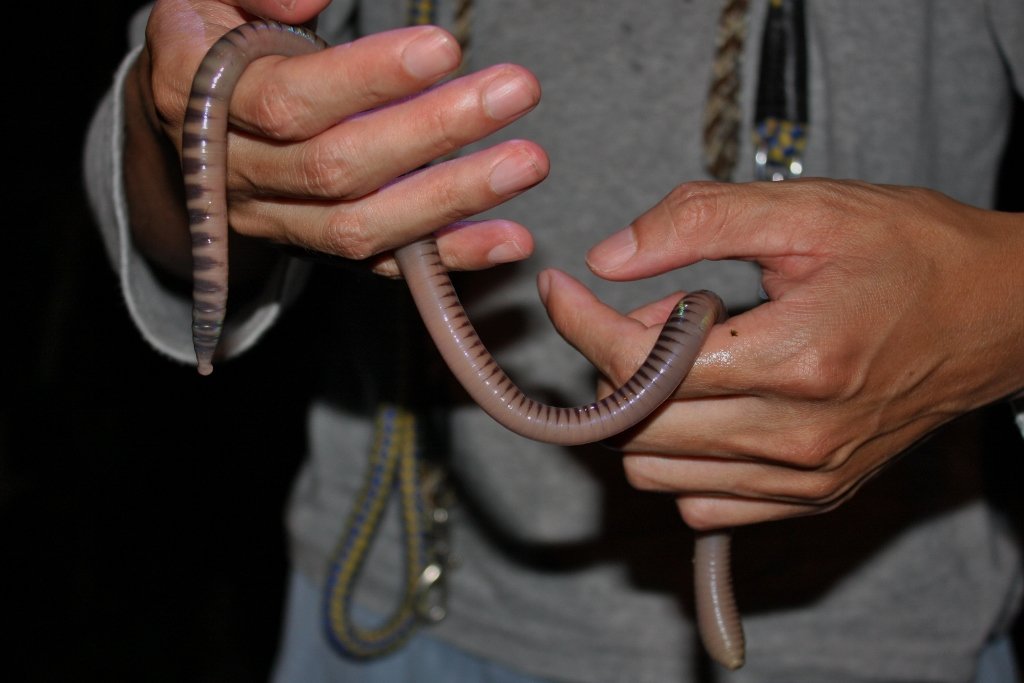
There are plenty of stories from hikers and farmers who’ve been startled by a giant worm slithering across a path or popping up in a freshly turned field. One farmer described the sensation as “like grabbing a cold, slimy rope that suddenly wriggles out of your hand.” These chance encounters often become the stuff of local legend, passed down from one generation to the next.
Threats to Their Survival
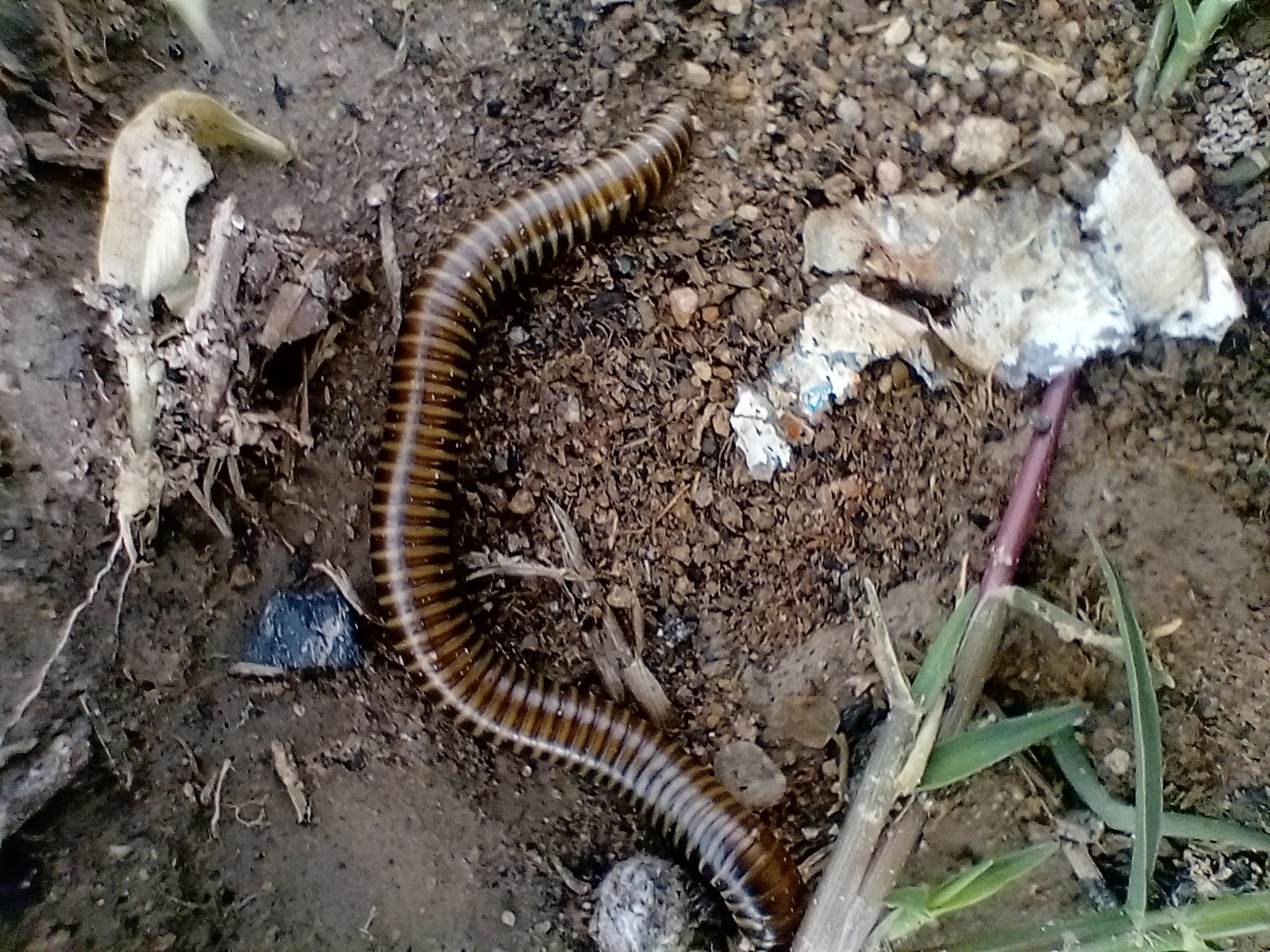
Despite their size and resilience, New Zealand’s giant earthworms face serious threats. Habitat loss from farming, forestry, and urban development has shrunk their natural range. Introduced predators like hedgehogs and rats also pose a risk, preying on young worms or disturbing their burrows. Conservationists are increasingly concerned about their future, especially as climate change brings longer droughts and drier soils.
Conservation Efforts

Efforts are underway to protect these gentle giants. Scientists and local communities are working together to preserve native forests and restore degraded habitats. Educational programs help locals appreciate the importance of earthworms, while researchers study their habits to better understand how to keep their populations healthy. It’s a race against time, but there’s hope that these remarkable creatures can be saved.
How Scientists Study Them

Studying giant earthworms isn’t easy. Researchers often use ground-penetrating radar or harmless soil probes to track their tunnels. Sometimes, they’ll gently flush a burrow with water to coax a worm to the surface for examination. Each discovery adds a piece to the puzzle of how these mysterious animals live and thrive.
What Makes Them Unique?
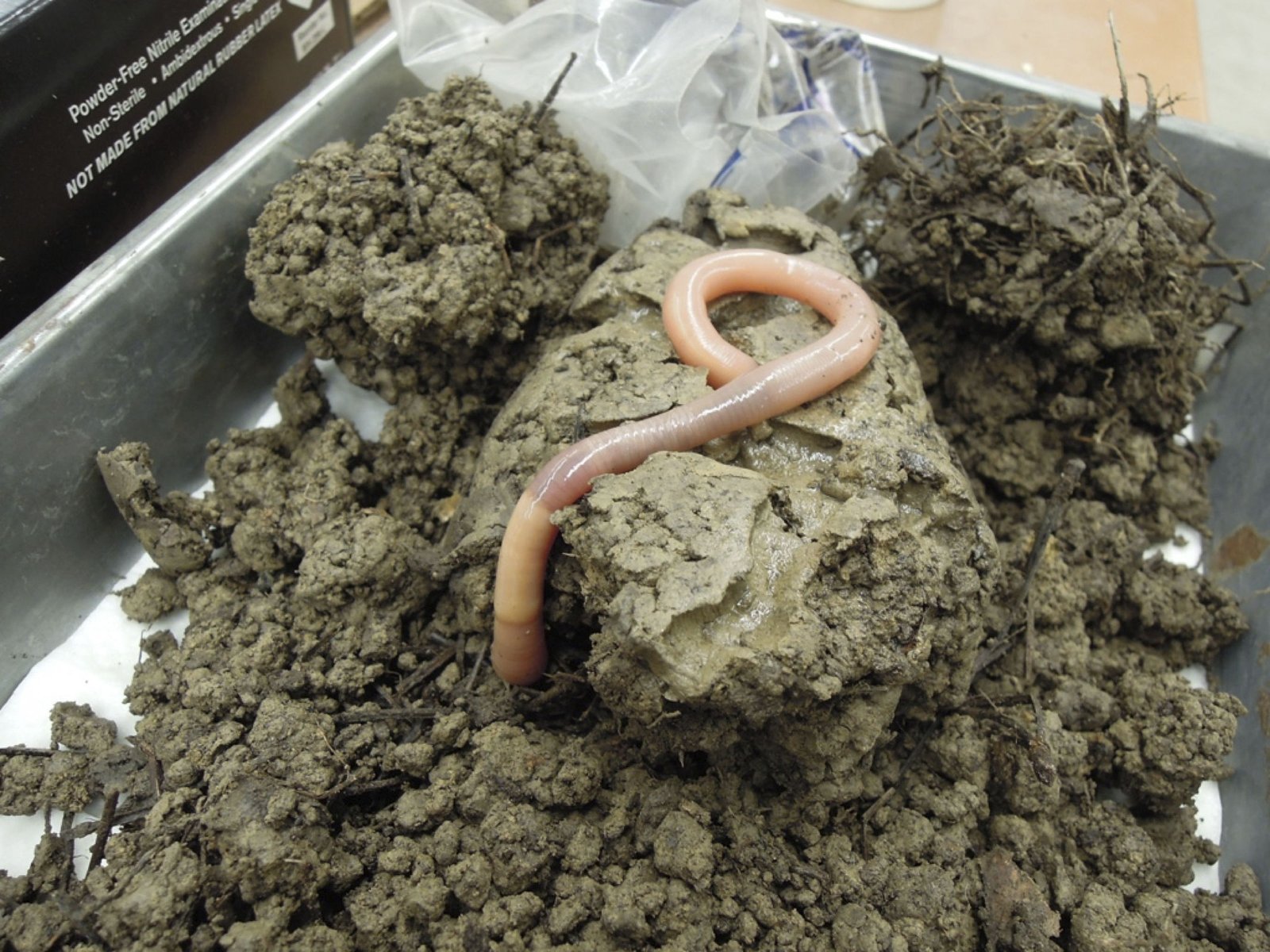
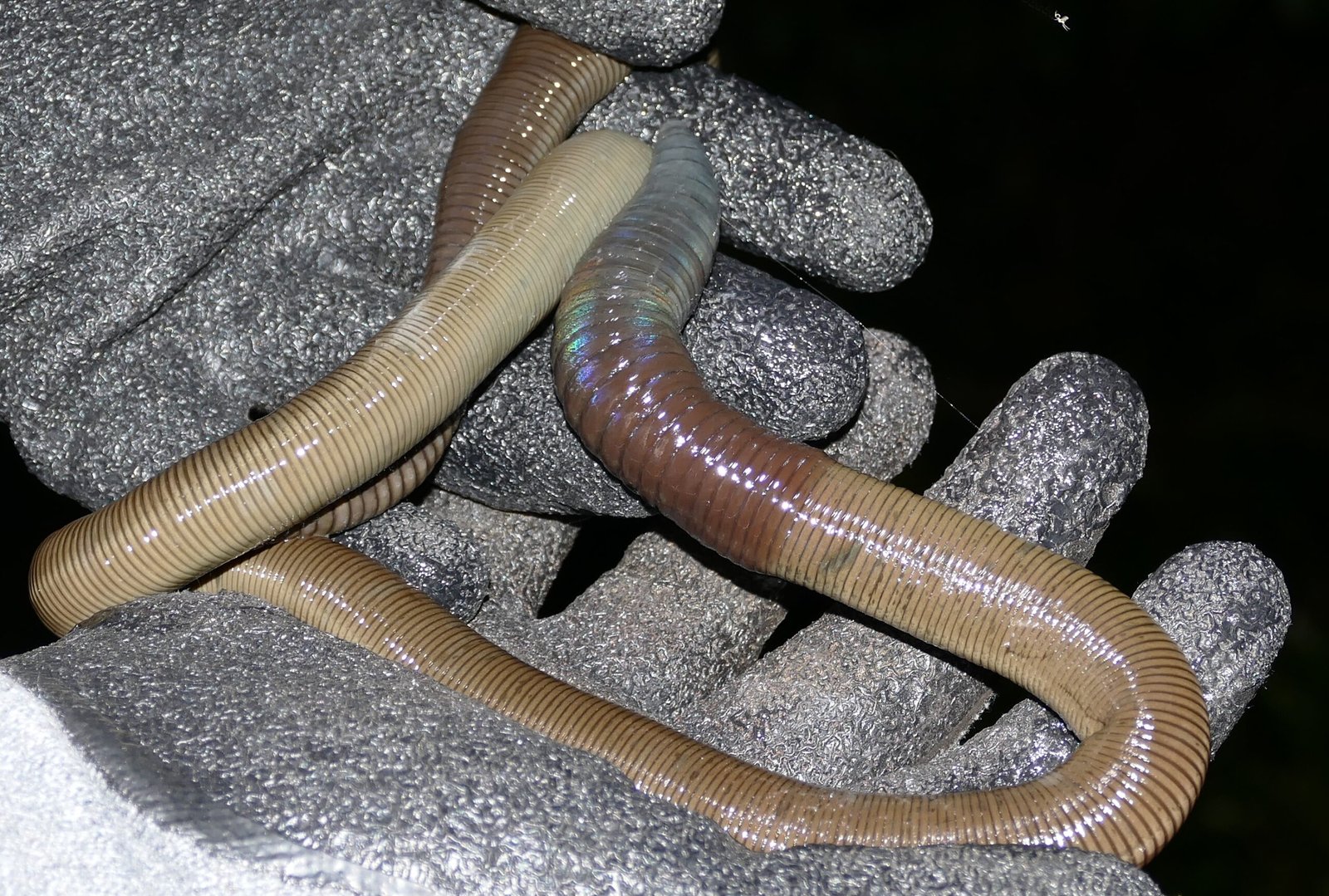
New Zealand’s giant earthworms are different from their global cousins in several ways. Their sheer size is only the beginning—they also have iridescent skin that can shimmer with blues, purples, and greens in the right light. Some species even glow faintly in the dark, a phenomenon called bioluminescence, making them look almost magical as they glide through the earth.
Earthworms as Ecosystem Engineers
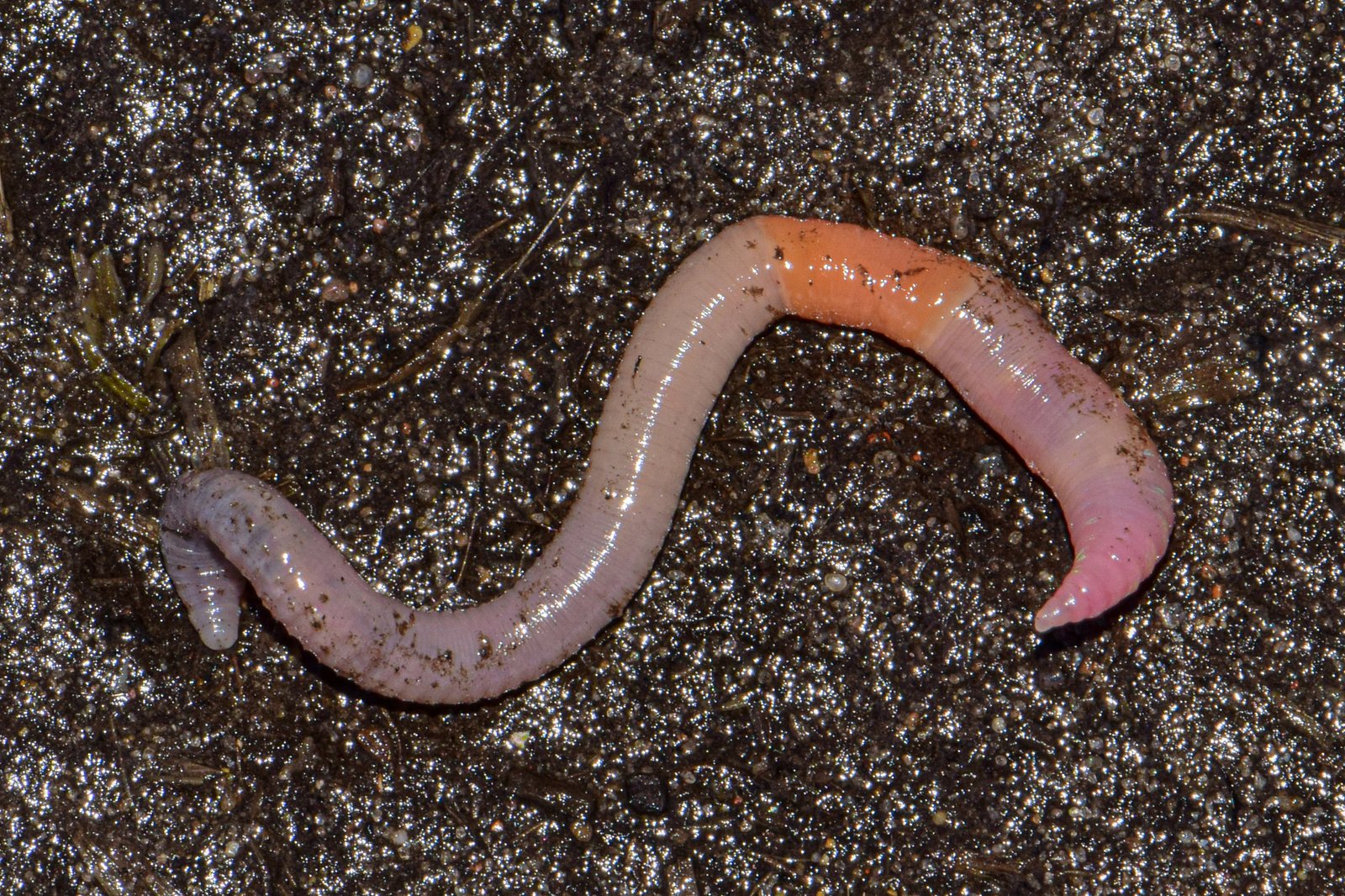
By constantly breaking down organic matter and mixing soil layers, earthworms are often called “ecosystem engineers.” Their work shapes the landscape in subtle but vital ways. In New Zealand, their engineering is especially important for native plants that depend on nutrient-rich, well-aerated soils. The loss of these worms could ripple through the entire ecosystem, affecting everything from tiny fungi to towering trees.
Fascination for Scientists and Kids Alike
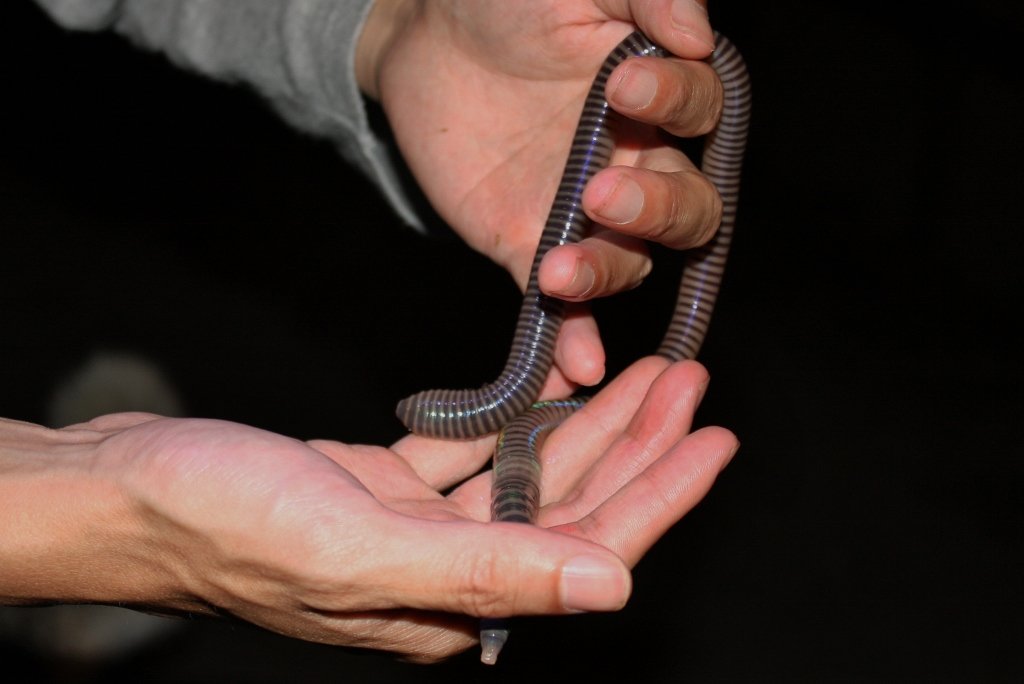
It’s not just scientists who are captivated by these creatures. Schoolchildren across New Zealand are fascinated by the idea of a worm as big as a snake. Many classrooms run “worm farm” projects, where kids can observe earthworm behavior up close, learning firsthand about the wonders of decomposition and soil health. Seeing a giant worm in real life can spark a lifelong love of nature.
What Happens If They Disappear?
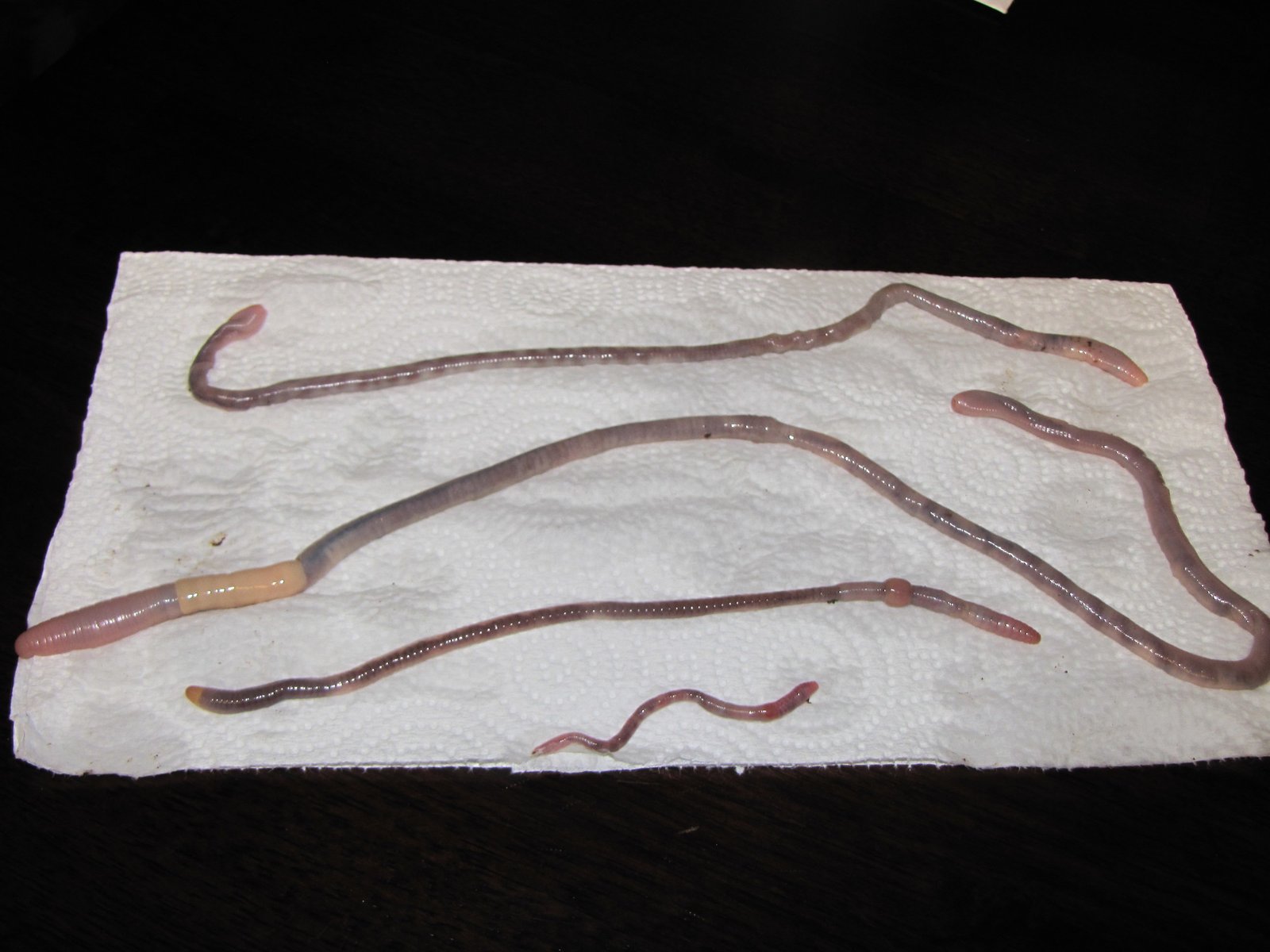
Without giant earthworms, New Zealand’s forests could lose some of their vibrancy. Soil would become compacted, less fertile, and harder for roots to penetrate. The ripple effects could harm native plants and animals, making the forest less resilient. Protecting these giant worms isn’t just about saving one species—it’s about safeguarding an entire web of life.
Myths and Misunderstandings
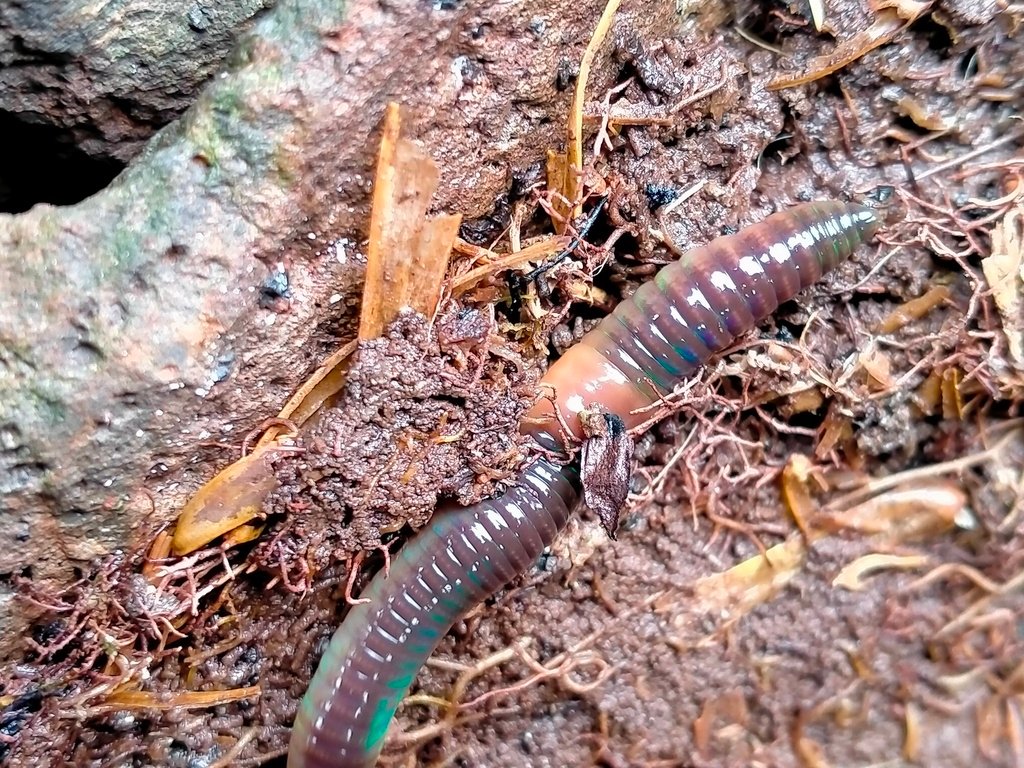
Giant earthworms are often misunderstood. Some people fear them, thinking they’re dangerous or slimy nuisances. In reality, they are harmless and incredibly important. Their slime helps them move through soil and keeps their skin moist, but it poses no danger to humans. The more people learn about these gentle giants, the more they’re likely to marvel at their odd beauty.
Can You Keep One as a Pet?
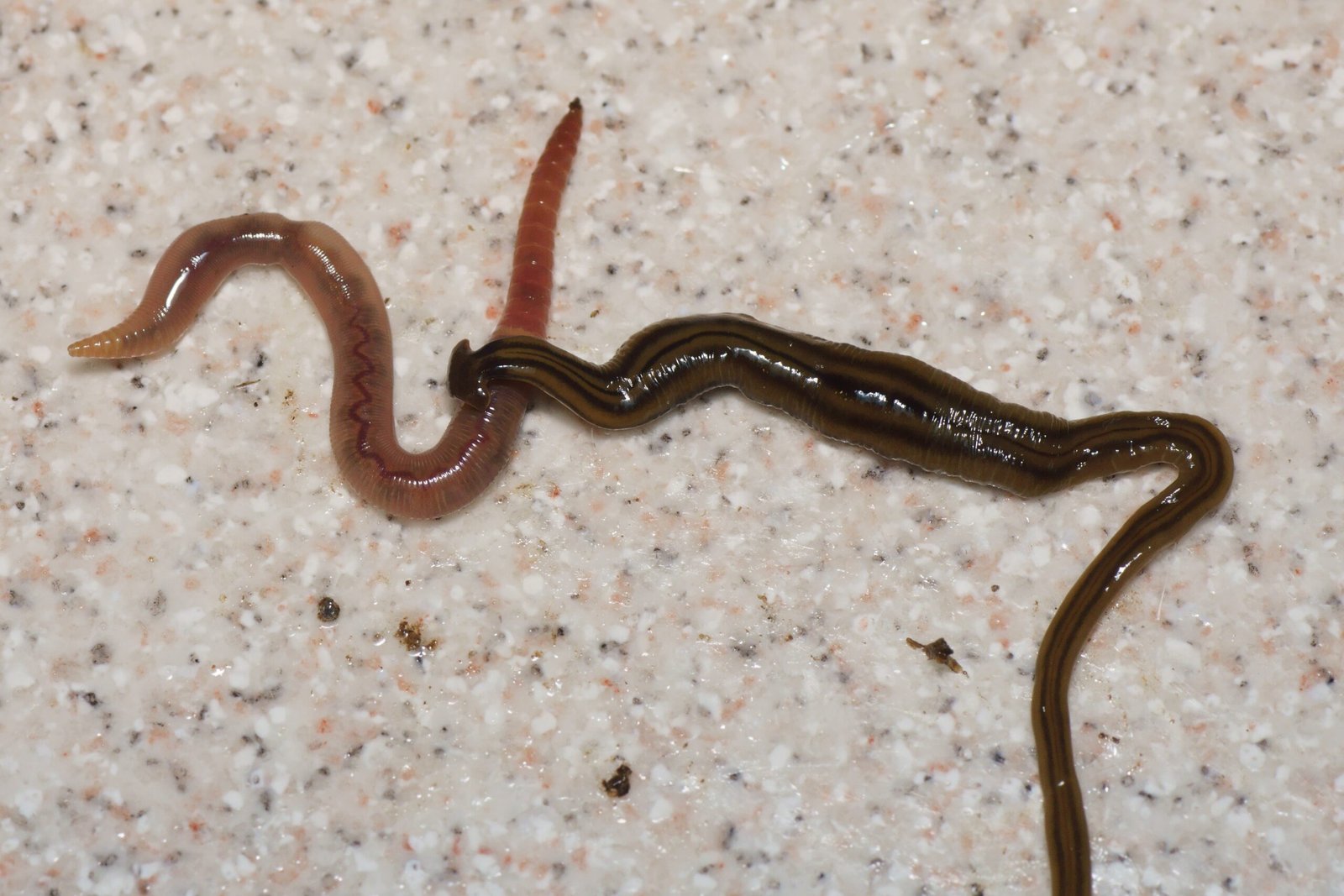
Some adventurous souls have wondered if they could keep a giant earthworm as a pet. While it’s technically possible to create a moist, dark habitat for them, these worms are best left in the wild. They need vast stretches of undisturbed soil and a steady supply of decaying plant matter to thrive—conditions that are nearly impossible to replicate in a home setting.
Famous Sightings
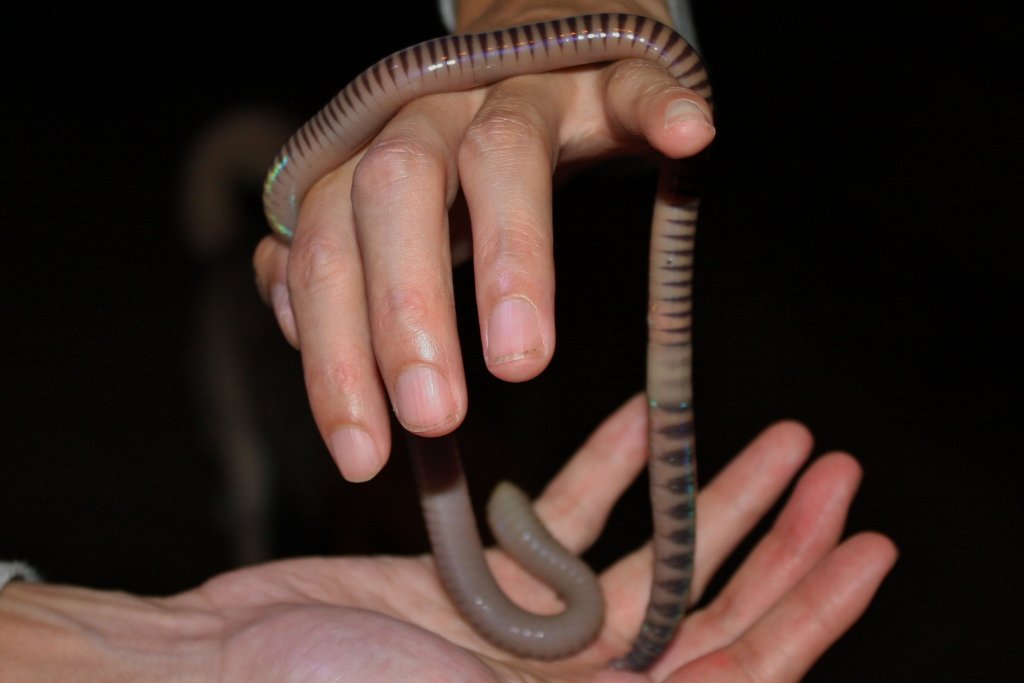
There have been a handful of famous sightings that made it into local newspapers and even television specials. One memorable occasion involved a group of trampers who found a worm as thick as a sausage and nearly a meter long after a heavy downpour. Photos went viral, sparking both amazement and disbelief among viewers. These moments remind us that there are still wonders in the world waiting to be discovered.
How You Can Help
You don’t need to be a scientist to make a difference for New Zealand’s giant earthworms. Supporting native forest restoration projects, reducing chemical use in gardens, and spreading awareness about the importance of earthworms all help. Even small actions, like leaving leaf litter undisturbed, can create better habitats for these secretive giants to thrive.
A Living Wonder in the Land of the Long White Cloud
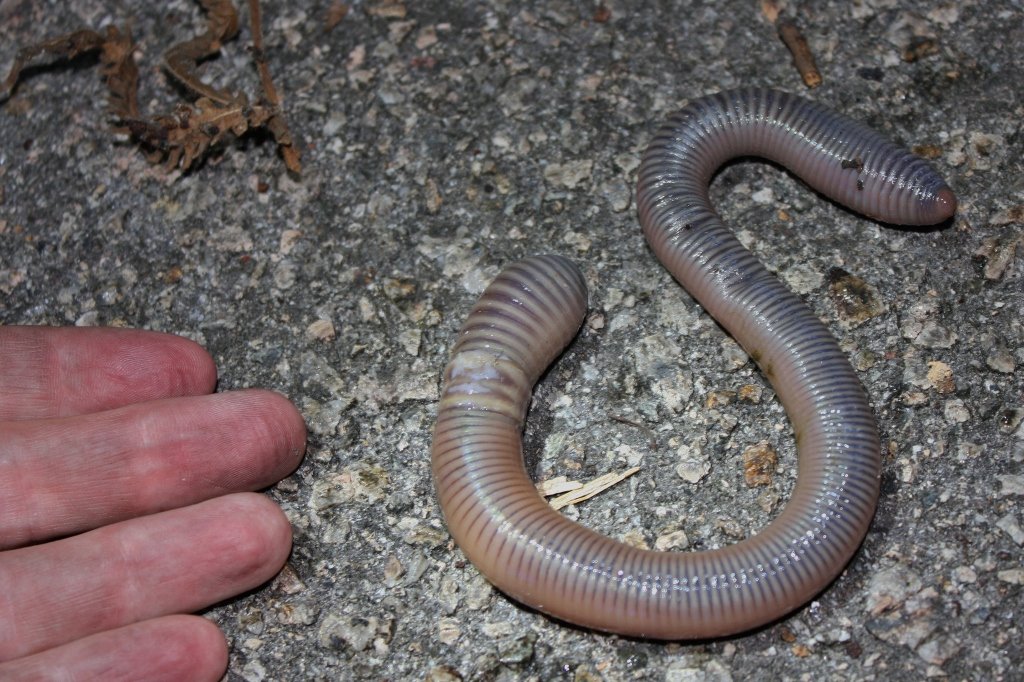
New Zealand’s giant earthworms are a living testament to the wild, unexpected magic of nature. They may look like slimy garden hoses, but their story is one of resilience, adaptation, and quiet heroism beneath the soil. Next time you walk through a New Zealand forest, remember—somewhere under your feet, a gentle giant is hard at work, shaping the land for generations to come.